
The best safari from Kilimanjaro International Airport (JRO) is a 5-day or 6-day Northern Circuit route combining Tarangire National Park, the Ngorongoro Crater, and Central or Northern Serengeti, which balances short overland transit days with prime predator and migration viewing. For travelers arriving late morning or afternoon, the optimal itinerary incorporates a restful first night in Arusha or directly within Tarangire, whereas morning arrivals with tight schedules perform best by booking a bush flight directly from JRO or nearby Arusha Airport (ARK) into Serengeti airstrips such as Seronera or Kogatende. Safari pricing for these routes in 2026-2027 ranges from $1,100 to $2,300 per person for classic mid-range lodging circuits and upwards of $3,500 to $6,000 per person for high-end fly-in configurations.
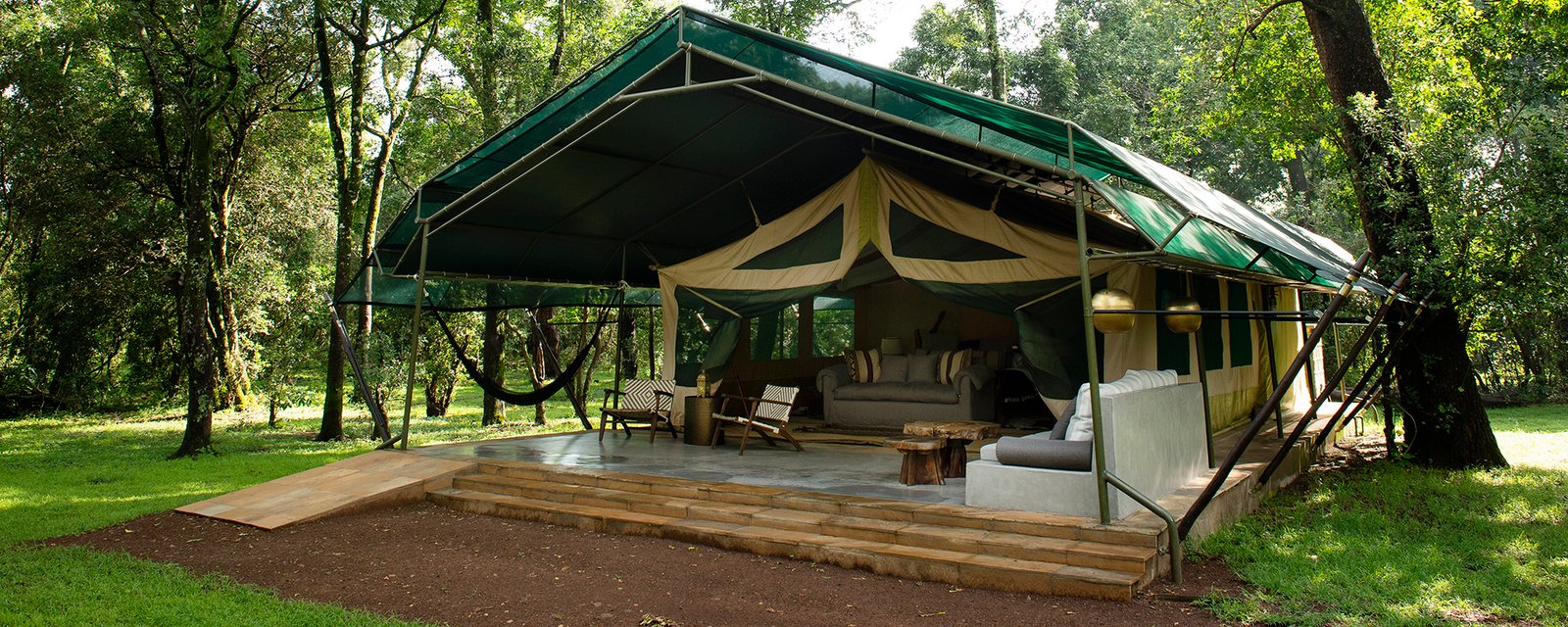
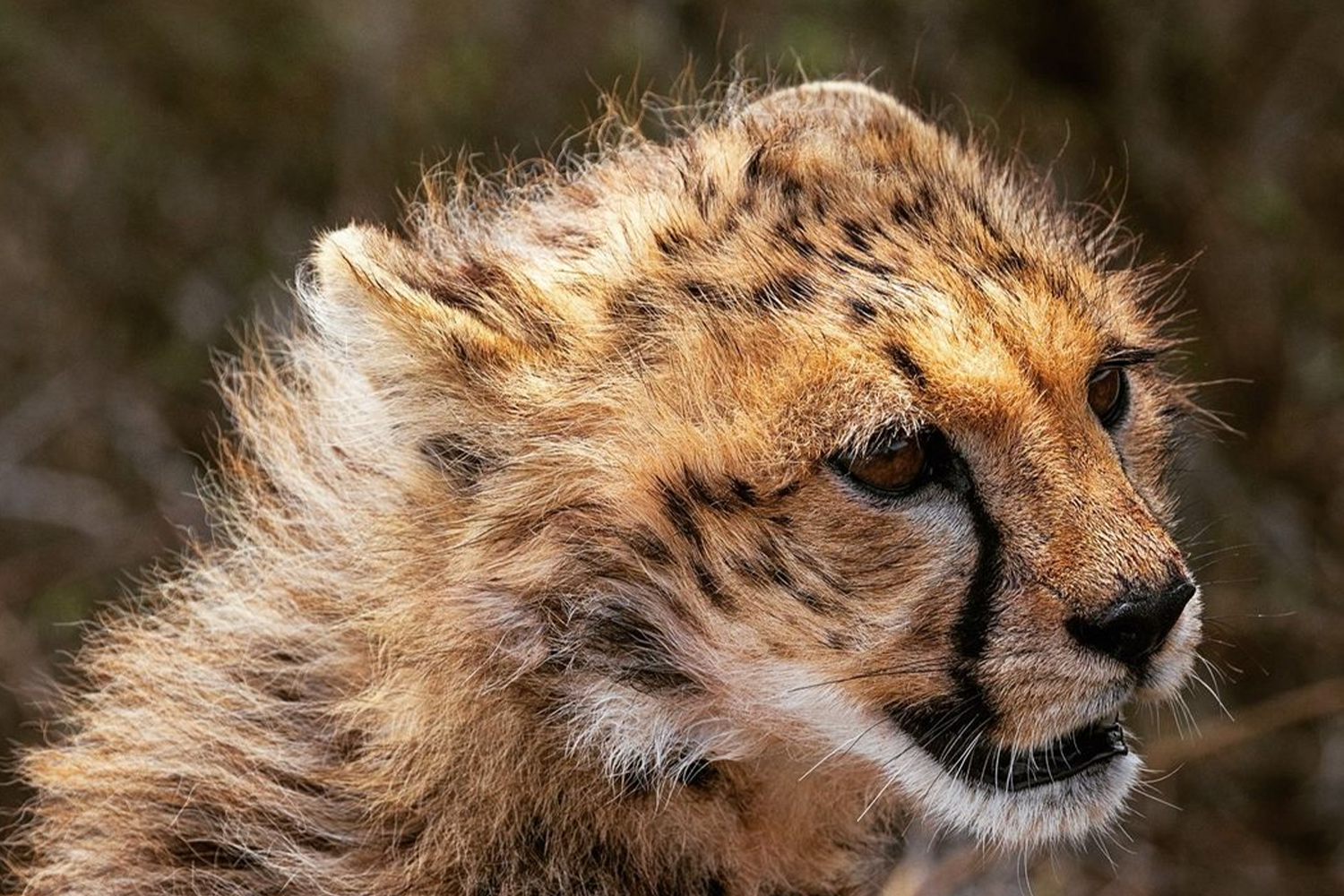
Kilimanjaro International Airport serves as the principal aviation gateway to Tanzania’s northern wildlife reserves. Yet, deciding on the best safari route right from the tarmac requires understanding geography, border control timelines, road infrastructure, and park gate restrictions. Many incoming passengers underestimate the scale of northern Tanzania: you do not step out of the terminal straight into the savannas of the Serengeti. The journey demands a coordinated strategy based on flight arrival schedules, wildlife seasonality, transit stamina, and budget structure.
Whether you land via international flights such as KLM, Qatar Airways, Ethiopian Airlines, or fly in directly after an ascent of Mount Kilimanjaro, setting expectations early ensures your transit hours turn into productive game viewing rather than endless road fatigue. This guide breaks down the core logistical realities, compares the top route variations departing directly from JRO for 2026 and 2027, and details the specific trade-offs of road-based expeditions versus bush-flight safaris.
Quick Navigation: Planning Your JRO Safari Departure
- Arrival Logistics at JRO: Same-Day Bush Runs vs. Overnighting
- Top Safaris from Kilimanjaro Airport: Route Comparison
- The 4 Best Itineraries Departing from Kilimanjaro Airport
- Safari Pricing and Cost Logic for 2026-2027 Departures
- Bush Flights vs. Overland Cruisers: Making the Tactical Choice
- Selecting Parks Based on Travel Month and Migration Movement
Arrival Logistics at JRO: Same-Day Bush Runs vs. Overnighting
A frequent planning error is assuming you can land at Kilimanjaro Airport at 1:00 PM and reach the Serengeti or Ngorongoro by evening. Tanzania National Parks Authority (TANAPA) enforces rigid entry and exit gate regulations across all northern reserves: park gates close promptly at 6:00 PM, and driving inside protected areas after dark without specific night-game permits is strictly forbidden.
Clearing immigration, visa collection, baggage claim, and customs at JRO typically takes between 45 and 90 minutes. Once outside the arrival doors, your driving distance to key northern destinations breaks down as follows:
- JRO to Arusha town center: 52 km (1.5 to 2 hours depending on regional traffic along the Moshi-Arusha highway).
- JRO to Tarangire National Park gate: Roughly 165 km (3.5 to 4.5 hours of steady transit).
- JRO to Ngorongoro Conservation Area gate (Loduare): Around 190 km (4 to 5 hours direct road travel).
- JRO to Central Serengeti (Seronera): Over 330 km (8 to 9 hours of rough road transit, traversing the Ngorongoro highlands).
If your intercontinental flight touches down at JRO prior to 8:30 AM, an expedited morning pickup makes a direct departure to Tarangire National Park or Arusha National Park completely feasible. Your dedicated safari guide meets you at the arrivals gate with a private 4×4 custom Land Cruiser, loads your luggage, and heads straight out onto the tarmac highway, allowing you to enter the reserve for an afternoon game drive before the dusk cutoff.
However, if your scheduled arrival falls anywhere after 10:00 AM, trying to push directly to distant reserves sets you up for exhausting transit, missed park entry deadlines, and reckless driving. In that common scenario, travelers choose between two strategic setups: either an overnight rest at an Arusha or Moshi lodge to refresh before a first-light departure the next morning, or a short domestic transfer to Arusha Airport (ARK) or JRO’s light aircraft apron for a scheduled morning bush hopper into the Serengeti bush strips.
Aviation Rule for Domestic Airfield Transfers: Bush flights connecting out of Arusha Airport (ARK) generally cease operations by mid-afternoon due to VFR (Visual Flight Rules) limitations and regional afternoon weather patterns over the Rift Valley. If your international flight arrives late in the day, plan an overnight hotel stay around Arusha or USA River before catching a morning flight or starting your overland vehicle track.
Top Safaris from Kilimanjaro Airport: Route Comparison
The table below provides a practical structural overview of the primary safari configurations starting from Kilimanjaro Airport for 2026-2027 travel, highlighting transit profiles, core park coverage, and practical baseline budgets.
| Safari Itinerary | Duration | Transit Style | Primary Wildlife Highlights | Est. Cost Range (Mid-Range) |
|---|---|---|---|---|
| Tarangire & Ngorongoro Express | 3 Days / 2 Nights | Overland 4×4 | Big elephant herds, baobabs, dense crater predator densities | $750 – $1,050 per person |
| The Northern Circuit Classic | 5 Days / 4 Nights | Overland 4×4 | Tarangire, Central Serengeti big cats, Ngorongoro black rhinos | $1,350 – $1,900 per person |
| Serengeti Fly-in, Drive-Back | 5 Days / 4 Nights | Flight In + Overland Out | Immediate Serengeti access, Great Migration, Crater floor descent | $1,850 – $2,650 per person |
| Complete Northern Circuit Explorer | 7 Days / 6 Nights | Overland 4×4 | Tarangire, Lake Manyara, deep Serengeti exploration, Ngorongoro | $1,950 – $2,800 per person |
These ranges reflect private or small-group travel costs incorporating standard government conservation fees, 4×4 custom pop-top Land Cruiser usage with dedicated fuel and guide, all accommodations, and meals. For an expanded analysis of booking choices and how costs fluctuate based on vehicle configurations, review our guide on whether safari prices are charged per person or per vehicle.
The 4 Best Itineraries Departing from Kilimanjaro Airport
Depending on your overall stay in East Africa, physical resilience after long flights, and whether you are connecting directly onto a beach holiday, different route designs out of JRO emerge as top contenders. Below are the four most reliable itineraries, organized by traveler goals and logical travel sequence.
1. The 5-Day Northern Circuit Signature Route (Most Popular Balance)
This is widely regarded by our ground coordinators as the absolute sweet spot for travelers wanting maximum wildlife exposure without exhausting travel stretches. It strikes an exceptional balance between drive times and wildlife observation hours.
- Day 1: JRO / Arusha to Tarangire National Park. Pick up upon morning arrival or from your Arusha lodging. Enter Tarangire via the main gate for afternoon tracking along the Tarangire River, known for massive elephant family groups, dry-season herds, and tree-climbing lions. Overnight in Karatu or inside the park boundary.
- Day 2: Tarangire to Central Serengeti via Ngorongoro Highlands. Climb the Great Rift Valley escarpment, skirt the crater rim, and descend into the vast plains of Olduvai and Seronera. Late-afternoon game drive targeting leopards along the Seronera Valley kopjes.
- Day 3: Full-Day Central Serengeti Exploration. Extensive game loops around the Retima Hippo Pool, Makoma Plains, and river courses tracking resident lion prides, cheetah coalitions, and spotted hyenas.
- Day 4: Serengeti to Ngorongoro Crater Rim. Morning game drive out of the Serengeti plains, tracking migrating herds toward the eastern boundary, then ascending to a crater-rim lodge for evening views.
- Day 5: Ngorongoro Crater Floor to JRO Departure. Early-morning 600-meter descent into the caldera floor for 5 to 6 hours of high-density tracking (critically endangered black rhinos, hippos, bull elephants). Ascend by early afternoon and drive directly back to JRO for your departing evening international flight.
This itinerary minimizes backtracking and ensures that your final day connects smoothly to evening flights departing JRO past 7:30 PM (such as major carriers heading to Amsterdam, Doha, or Addis Ababa). Travelers wanting to connect directly out to the coast can evaluate safari packages ending at Zanzibar Airport to streamline their domestic connections.
2. The 3-Day Short-Break Safari: Tarangire & Ngorongoro
If you have limited time—such as a weekend stopover, a business trip extension, or a quick safari follow-up right after trekking—this 3-day route is the gold standard. It deliberately omits the Serengeti to prevent spending 80% of your waking hours behind the windshield.
Instead of enduring a rushed 16-hour round-trip drive to Central Serengeti, you focus on two exceptionally dense, diverse reserves. Tarangire provides riverine birdlife, massive baobab trees, and abundant megafauna, while the Ngorongoro Crater delivers self-contained predator-prey dynamics within a volcanic caldera. For those with limited vacation windows, this prevents travel fatigue and maximizes actual game-viewing hours.
Crucial Gate Rule for 3-Day Trips: Entering Ngorongoro Crater requires payment of both NCA entry fees and a specific Crater Service Fee per vehicle for each 6-hour descent window. A tightly organized schedule is required to maximize that allotted time inside the caldera floor without racking up punitive gate penalties.
3. The 5-Day Fly-In Serengeti & Overland Crater Return
For visitors wanting to remove the initial long road journey from Arusha to the central plains, flying straight into the bush represents the premier travel upgrade for 2026-2027. Travelers transfer directly from their arrival aircraft at JRO to a scheduled light aircraft (operated by carriers such as Auric Air, Coastal Aviation, or Regional Air) bound for Seronera Airstrip.
You land in the heart of the reserve within an hour, where your Top Guide Adventures driver-guide meets you directly at the bush runway with a customized 4×4 cruiser. You start game viewing immediately upon runway exit. Over the next four days, you track south through the park toward Ngorongoro, returning overland back toward JRO. This design blends the speed and aerial perspectives of bush aviation with the practical affordability of a return road trip.
4. The 7-Day Complete Northern Wildlife Safari
Travelers who have a full week dedicated to northern Tanzania benefit from adding Lake Manyara National Park or extending deep into remote sections of the Serengeti (such as the Western Corridor from May to July or Northern Kogatende from July to October). This duration gives your guide flexibility to wait out predator actions, follow river crossing points along the Mara River, and experience cultural interactions with Maasai or Hadzabe communities without cutting game drives short.
If you are exploring shared vehicle options to reduce overall journey expenditures, our updated breakdown on Tanzania safari group departures and sharing dates outlines practical departure windows aligned with international flight arrivals at JRO.
Safari Pricing and Cost Logic for 2026-2027 Departures
Understanding the budget mechanics of a safari departing from Kilimanjaro International Airport prevents unexpected expenses on the ground. A safari quote is rarely a simple lump sum; it is an aggregation of fixed government regulatory fees, dynamic lodging overheads, vehicle operational expenses, and logistics surcharges. When planning for travel in 2026 and 2027, travelers face distinct pricing tiers dictated primarily by transit mechanics and accommodation category.
Government statutory fees represent the largest non-negotiable expense in any northern Tanzania circuit. Unlike private game reserves in southern Africa that charge a single conservation levy, Tanzania levies multiple overlapping statutory fees managed by TANAPA (Tanzania National Parks Authority) and the NCAA (Ngorongoro Conservation Area Authority). Understanding whether your tour operator prices per person or per vehicle helps clarify why private tours scale downward in cost per head as your group size increases.
Breakdown of Mandatory Statutory and Regulatory Fees
- Serengeti National Park Entry: $82.60 per adult per 24-hour period ($70 base fee plus 18% VAT) during peak season; $70.80 during low season.
- Serengeti Concession Fees: Staying inside the national park borders incurs an additional nightly fee of $70.80 per adult per night ($60 plus VAT) for public or special campsites and tented camps.
- Ngorongoro Conservation Area Entry: $82.60 per adult per 24 hours ($70 plus VAT).
- Ngorongoro Crater Service Fee: $295.00 per vehicle per single descent into the crater floor (capped at a maximum of 6 hours per entry).
- Tarangire & Lake Manyara National Parks Entry: $59.00 per adult per 24-hour window ($50 plus VAT) during high season; $53.10 during low season.
- Tarangire Special Campsite/Concession Levy: $35.40 to $47.20 per adult per night for properties sited inside park boundaries.
Because park entry is calculated on strict 24-hour cycles, timing your entry and exit gates directly impacts your cost structure. Entering the Serengeti at 2:00 PM on Day 2 means your exit ticket expires at 2:00 PM on Day 4; running late forces your guide to pay an entirely new 24-hour permit cycle on the spot.
| Expense Category | Budget Camping | Mid-Range Tented Lodge | Luxury Tented Camp |
|---|---|---|---|
| Average Cost Per Person / Day (2 Travelers) | $220 – $320 | $420 – $650 | $850 – $1,600+ |
| Vehicle & Private Guide Overhead | Shared or split ($250/day total vehicle cost) | Dedicated 4×4 Land Cruiser included | Customized long-wheelbase Cruiser included |
| Accommodation Style | Dome tents on public grounds; shared bathrooms | En-suite permanent canvas tents; solar power | Permanent suites; plunge pools, butler service |
| Meals & Refreshments | Cook-prepared bush meals; bottled water | Buffet or table d’hôte; drinking water | Fine dining, all house wines, spirits, laundry |
| Crater & Concession Fees | Standard campsite fees included | Mid-tier lodge concession fees included | High-tier concession levies included |
Vehicle Logistics: Private 4×4 Hire vs. Group Joining Departures
The daily cost of deploying a specialized safari Land Cruiser runs between $220 and $300 per day before factoring in park entry fees for the vehicle and the driver-guide. This cost includes commercial transport insurance, fuel consumption (which is high due to low-gear off-road tracks), maintenance wear-and-tear, and unlimited game viewing mileage within park regulations. Travelers landing at JRO face a fundamental choice between chartering an entire vehicle privately or joining a scheduled departure.
For parties of three to six travelers, booking a private vehicle is almost always more economical per person than booking individual seats on high-end scheduled departures. Solo adventurers or couples looking to preserve capital often favor group joining safaris with daily departures. Joining a group significantly suppresses the daily transport burden, though it introduces fixed constraints: rigid departure times from pickup hubs, less flexibility on game drives, and mandatory accommodation alignments with the rest of the tour group.
If you prefer dedicated flexibility, evaluating how much extra a private safari vehicle costs reveals that private bookings afford complete control over departure hours, photographic stops, and route modifications in response to real-time predator sightings reported across the VHF radio network.
Budget Surprises and Exclusions to Account For
When reviewing standard safari proposals, international guests frequently encounter items omitted from basic quotes. Reviewing the hidden costs of a Serengeti safari helps prevent awkward budget surprises at the gate. The most notable additional expenses include:
- Crew Tipping: Gratuities are standard practice across the safari sector. Budget roughly $20 to $30 per day for your lead safari guide (per travel party, not per traveler), and $10 to $15 per day for camp staff or private safari cooks on camping itineraries.
- Optional Aerial Activities: A hot air balloon excursion over the Seronera Valley or Mara River ranges from $550 to $650 per person, encompassing flight time, recovery tracking, and a champagne bush breakfast.
- Transit Accommodation: If your international flight arrives at JRO past mid-afternoon, you will need an unexpected preliminary hotel night in Arusha or Moshi before your safari begins, which adds $90 to $350 depending on hotel tier.
- Entry Visas and Health Clearances: Tourist visas cost $50 for most non-US citizens and $100 for US citizens holding ordinary passports, payable in clean US currency printed after 2013 or via credit card at the JRO immigration desk.
Bush Flights vs. Overland Cruisers: Making the Tactical Choice
The core strategic debate for safaris starting at Kilimanjaro Airport centers on transit: should you drive the entire circuit in an overland vehicle, or should you board a bush aircraft to leapfrog the long highway transit days? Both options present clear operational advantages and trade-offs that vary depending on traveler stamina, schedule constraints, and overall group budget.
Aviation Logistics: JRO Domestic Apron vs. Arusha Airport (ARK)
A frequent point of confusion for arriving passengers is the distinction between Kilimanjaro International Airport (JRO) and Arusha Airport (ARK). While JRO hosts intercontinental carriers and some regional turboprop connections, Arusha Airport—located 65 kilometers west of JRO on the outskirts of Arusha city—serves as the primary operational hub for light aircraft flying into the northern parks.
Scheduled aviation companies like Regional Air, Coastal Aviation, Auric Air, and Flightlink operate daily flights out of ARK to airstrips across the Serengeti, including Seronera (SEU), Kogatende (KOG), Ndutu (NDU), and Grumeti (GTZ). While select morning bush flights take off straight from JRO’s runway, the vast majority of morning bush hops depart from ARK. If your safari itinerary hinges on an early morning flight to the Serengeti, you will often transfer by road from JRO to Arusha the evening prior, positioning you ten minutes from ARK for an effortless 7:30 AM takeoff.
| Factor | Overland 4×4 Cruiser Circuit | Fly-In / Fly-Out Bush Flights |
|---|---|---|
| Travel Fatigue | Moderate to high; bumpy gravel roads ("African massage") | Low; smooth flights lasting 45 to 80 minutes |
| Luggage Limits | Generous; hard or soft luggage up to 25–30 kg per person | Strict 15 kg (33 lbs) limit including carry-ons; soft bags only |
| Scenery & Culture | High; traverses rural towns, escarpments, Maasai bomas | Aerial views of Rift Valley; no ground-level cultural exposure |
| Time Efficiency | Consumes 7–9 hours driving from JRO/Arusha to Central Serengeti | Serengeti bush strip arrival within 1 hour of takeoff |
| Cost Impact | Baseline vehicle cost shared over entire journey | Adds $300 – $480 per person, per flight sector |
The Strict 15 kg Soft-Sided Luggage Rule
For itineraries involving bush aircraft—such as Cessna 208 Grand Caravans—pilots enforce severe baggage weight and dimension rules due to aircraft balance, short gravel airstrip limits, and high summer temperatures. The industry-standard baggage allowance is 15 kilograms (33 pounds) per person, encompassing both main luggage and day packs.
Crucially, suitcases must be completely soft-sided duffel bags without rigid internal metal frames or external pull wheels. The luggage pods beneath small bush planes have irregular dimensions and narrow loading hatches; hard-shell Samsonite or Rimowa cases simply will not fit into the hull. Operators will leave hard suitcases behind in Arusha storage facilities, requiring you to repack your essentials into soft duffel bags before clearing the domestic terminal security checkpoint.
When Overland Cruisers Beat Aviation
Despite the convenience of bush planes, driving overland throughout the northern circuit holds meaningful advantages that go beyond lower financial costs:
- Scenic Transitions: Traveling by road provides an appreciation of changing topography, climbing out of Arusha’s coffee-growing zones, skirting the Great Rift Valley Wall, ascending through mist-shrouded rainforests on the rim of Ngorongoro, and finally dropping down onto the short-grass plains of Olduvai Gorge.
- Spontaneous Stops: Road transfers enable unscheduled pauses to view wildlife grazing along conservation borders, stop at roadside curio markets in Mto wa Mbu, or explore archaeological excavations at Olduvai Gorge.
- Continuity with Your Guide: On an overland expedition, the same professional guide accompanies you from the airport arrivals exit until your final drop-off. You build a working rapport, and the guide learns your wildlife interests, visual pace, and dietary preferences. Flying into remote airstrips often means utilizing open camp vehicles with rotating in-house camp guides shared among other lodge guests.
- No Weight Constraints on Camera Gear: Wildlife photographers carrying heavy telephoto primes (400mm f/2.8 or 600mm f/4), dual camera bodies, and sturdy tripod systems regularly exceed bush aviation limits. An overland safari vehicle accommodates full pelican cases and extensive camera rigs without weight penalties.
Aligning Your JRO Safari Departure with the Great Migration Calendar
Choosing the best safari from Kilimanjaro International Airport is fundamentally tied to the calendar. The Great Migration is not a static event confined to one valley; it is a year-round, 1,000-kilometer circular loop driven by rainfall and grazing availability across the Serengeti-Mara ecosystem. Landing at JRO and driving blindly toward Central Serengeti without matching your destination to the herd’s seasonal location often results in days of driving through empty plains while missing the dense concentrations entirely.
Because Kilimanjaro Airport sits on the far eastern edge of the northern safari system, your seasonal target determines whether you should drive west via the standard highway network or immediately board a bush flight from JRO or Arusha Airport (ARK) to intercept herds in the deep south or far north.
| Month of Travel | Primary Herd Location | Recommended Target Sector | Best Transit from JRO | Wildlife Dynamics |
|---|---|---|---|---|
| January – March | Southern Serengeti Plains & Ndutu (NCA) | Ndutu airstrip or Lake Ndutu region | Overland via Manyara/Karatu or direct flight to Ndutu | Calving season; peak predator-prey interaction on short grass plains |
| April – May | Central Serengeti & Western Corridor | Seronera Valley & Moru Kopjes | Overland drive or flight to Seronera (SEU) | Long rains; low tourist density, lush landscapes, resident big cats |
| June – July | Grumeti River & Western Corridor | Kirawira & Musabi Plains | Flight to Grumeti/Seronera; rough overland drive | River crossings with giant Nile crocodiles; rutting season begins |
| August – October | Northern Serengeti (Lamai Wedge & Kogatende) | Mara River banks | Scheduled bush flight directly to Kogatende (KOG) | Dramatic Mara River crossings; highest dry-season predator activity |
| November – December | Eastern Serengeti & Lobo to Central | Lobo, Namiri Plains, Seronera | Flight to Seronera or overland drive through Karatu | Short rains trigger rapid movement south; excellent cheetah viewing |
January to March: Southern Serengeti and Ndutu Calving Focus
From late December through March, approximately 1.5 to 2 million wildebeest, zebras, and gazelles congregate on the nutrient-rich volcanic short-grass plains straddling the southern border of Serengeti National Park and the western edge of the Ngorongoro Conservation Area. Peak synchronized calving takes place in February, when an estimated 8,000 calves are born daily across a two- to three-week window.
If you arrive at Kilimanjaro Airport during this quarter, the best safari configuration avoids the northern reaches of the Serengeti entirely. Instead, an overland itinerary moves from JRO through Lake Manyara or Tarangire, climbs the Great Rift Valley escarpment into Karatu, and descends into the Ndutu basin. This area allows off-road driving permits under Ngorongoro Conservation Area regulations—a privilege strictly banned inside the Serengeti National Park proper. Guides can maneuver directly across the open plains to witness active cheetah hunts and maternal defense behavior against hyena clans.
April to May: The Green Season and Central Serengeti Transit
The long rains arrive in April and continue into May. While casual tourists avoid this period due to cloud cover and muddy tracks, experienced travelers utilize the low season for substantial lodge discounts and deserted tracks. The herds begin trekking northwest from the drying southern plains toward the central Seronera Valley and Moru Kopjes before advancing into the Western Corridor.
A direct road departure from JRO during April and May is practical because vehicle congestion in Arusha and park entrance gates drops sharply. The Central Serengeti serves as the resident predator capital year-round, meaning you do not have to drive deep into peripheral corners of the reserve to secure prolific lion and leopard sightings. However, careful vehicle preparation is critical: heavy black cotton soil requires custom 4×4 Land Cruisers with functional winches, high clearance, and mud tires. Sticking to established gravel arteries through Seronera prevents severe delays.
June to July: Western Corridor and Grumeti River Crossings
By June, the dry season settles in, and the migratory herds channel through the narrow Western Corridor of the Serengeti, bunching along the banks of the Grumeti River. Here, animals face their first significant aquatic barrier, navigating muddy pools populated by territorial hippos and massive Nile crocodiles.
Departing JRO for the Western Corridor via road requires considerable endurance if tackled entirely overland. Driving from JRO through Arusha, Karatu, and Ngorongoro to reach Kirawira takes at least 9 to 11 hours behind the wheel. For a 5-day or 6-day package, the most efficient approach is catching a light bush flight from JRO or Arusha Airport (ARK) straight into the Grumeti or Seronera airstrip, meeting your safari vehicle already positioned in the bush. This preserves full game drive time along the riverbanks rather than burning two full days of your vacation staring through the windshield at transit highway tarmac.
August to October: The Mara River Crossings in Northern Serengeti
This is northern Tanzania’s peak safari window. The migration pushes into the extreme north of the Serengeti, crossing and re-crossing the Mara River along the Kenyan border near the Lamai Wedge and Kogatende. Dust plumes rise as thousands of animals plunge down steep riverbanks into turbulent waters.
Driving from JRO to Kogatende entirely by road is an excruciating physical test: the distance exceeds 450 kilometers, over half of which consists of washboard gravel and rutted stone tracks. A standard road safari attempting this route loses roughly 48 hours of productive safari time strictly to inter-park highway driving. Therefore, the undisputed best safari configuration from Kilimanjaro Airport between August and October is a fly-in safari: take a morning hopper flight directly from JRO or ARK to the Kogatende airstrip, spend three to four nights in a mobile tented camp along the Mara River, and either fly back to JRO or take an overland route southward through the Ngorongoro Crater to finish your journey.
November to December: Short Rains and the Return South
With the onset of the short rains in late October and November, the herds abandon the depleted northern pastures and shift south through the eastern Lobo sector and the Namiri Plains, aiming once again for the fresh mineral-rich grasses of the south. This transition period features dramatic afternoon thunderstorms, crisp skies, and active cheetah concentrations across the eastern plains. An overland loop departing JRO functions exceptionally well during this period, as the wildlife is widely dispersed across Central and Eastern Serengeti, making standard routes through Karatu and the Ngorongoro highlands both scenic and logistically balanced.
Staging Bases Around Kilimanjaro Airport: Where to Sleep on Night One
Deciding where to spend your initial night after landing at JRO dictates the pacing and physical comfort of your entire northern circuit itinerary. Many travelers automatically assume they must push into Arusha city center. However, depending on flight arrival times and your subsequent transport mode, Arusha is not always the smartest staging post.
Option A: Staying Within 15 Minutes of JRO Runways
If your flight touches down after 4:00 PM, heading toward Arusha means battling heavy commuter traffic along the single-lane Moshi-Arusha highway, turning a 52-kilometer trip into an exhausting two-hour crawl. In this scenario, checking into accommodation located within a short radius of JRO—such as Airport Planet Lodge or Kia Lodge—is the most restorative move.
Staying next to the airport provides three distinct operational advantages:
- Zero transit friction after long-haul flights: You clear customs, load your luggage into a lodge shuttle, and settle into your room within 20 minutes of stepping out of the passenger terminal.
- Direct morning bush flight departures: If your safari begins with an aviation jump directly to Seronera or Kogatende, you avoid the 90-minute early-morning drive to Arusha Airport (ARK). You simply return to JRO’s domestic terminal at 7:00 AM for your hopper flight.
- Early eastward departures: For safaris heading first to Tarangire or Mkomazi, your driver-guide can pick you up at your JRO hotel at 6:30 AM, bypassing municipal Arusha congestion via the southern bypass road.
Option B: Driving Straight to Arusha’s Coffee Belt
For flights arriving between midday and 3:30 PM, transferring directly to Arusha or the surrounding foothill estates of Mount Meru (such as USA River or Machame) makes logical sense. Arusha serves as the operational nerve center for the northern safari industry. This is where guide briefings occur, specialist equipment is checked, and safari provisioning takes place.
Lodges situated in the western suburbs of Arusha (such as those along the road to Monduli or in Burka) place you past the municipal bottlenecks. When your safari starts the next morning, your driver-guide pulls directly onto the paved A104 highway toward Makuyuni junction without losing an hour maneuvering through Arusha morning market traffic. To explore standard setups that balance transfer schedules, review structured options like safari tours starting from Arusha, Moshi, and Kilimanjaro Airport before finalizing lodging reservations.
Option C: Moshi Staging for Post-Kilimanjaro Trekkers
Travelers combining a high-altitude trek on Mount Kilimanjaro with a subsequent wildlife safari usually finish their climb at exit gates like Mweka, Marangu, or Machame. These trailheads sit on the southern and eastern flanks of the mountain, directly above the town of Moshi.
Check Availability for What Is The Best Safari From Kilimanjaro International Airport? 2026-2027
Ready to compare dates, prices, and the best option for your group? Send the package name and travel month so the team can reply with a clear quote, availability, and what is included.

Best Tarangire Safari Tours From Kilimanjaro Airport 2026-2027
Best Tarangire Safari Tours from Kilimanjaro Airport is explained with current 2026-2027 planning, price, itinerary and booking information.
View package details
Can I Start A Tanzania Safari Directly From Kilimanjaro Airport? 2026-2027
Can I Start a Tanzania Safari Directly from Kilimanjaro Airport? is explained with current 2026-2027 planning, price, itinerary and booking information.
View package details
Safari Tours Starting From Arusha, Moshi & Kilimanjaro Airport 2026-2027
Safari Tours Starting from Arusha, Moshi & Kilimanjaro Airport is explained with current 2026-2027 planning, price, itinerary and booking information.
View package details
Best Tanzania Safari Packages After Climbing Mount Kilimanjaro 2026-2027
Best Tanzania Safari Packages After Climbing Mount Kilimanjaro is explained with current 2026-2027 planning, price, itinerary and booking information.
View package details
Can I Join A Safari After Finishing A Kilimanjaro Climb? 2026-2027
Can I Join a Safari After Finishing a Kilimanjaro Climb? is explained with current 2026-2027 planning, price, itinerary and booking information.
View package details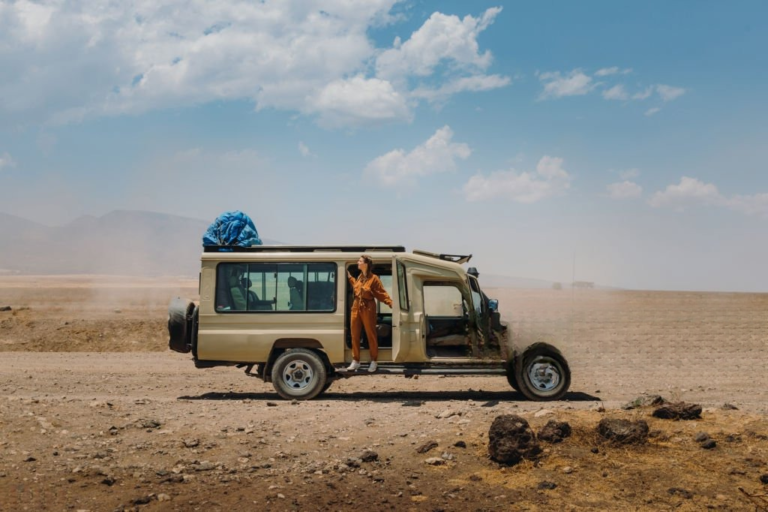
What Is Included In A Ngorongoro Crater Safari Package? 2026-2027
What Is Included in a Ngorongoro Crater Safari Package? is explained with current 2026-2027 planning, price, itinerary and booking information.
View package details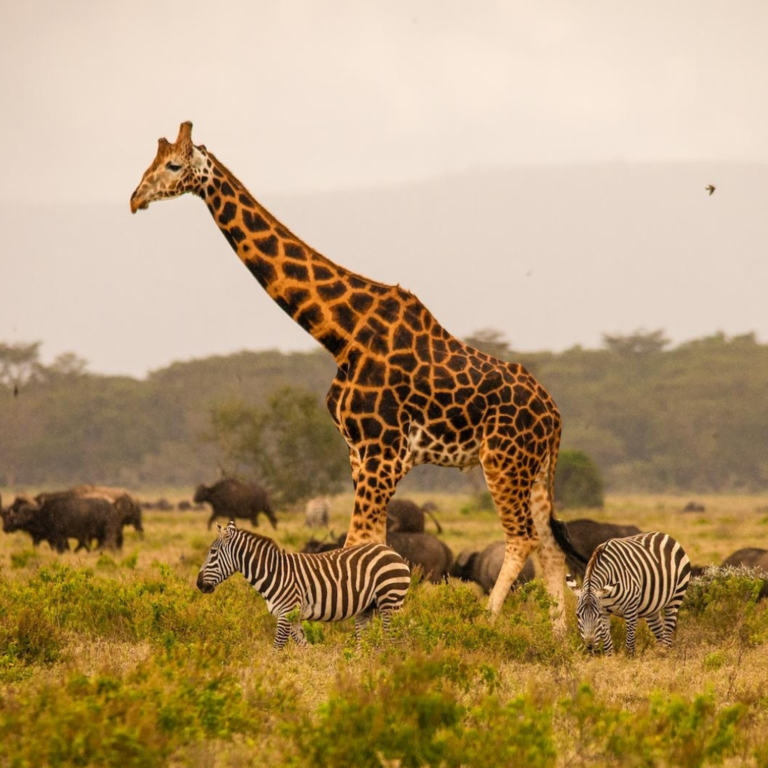
Tanzania Safari Tours From Moshi Ending At Zanzibar Airport 2026-2027
Tanzania Safari Tours from Moshi Ending at Zanzibar Airport is explained with current 2026-2027 planning, price, itinerary and booking information.
View package details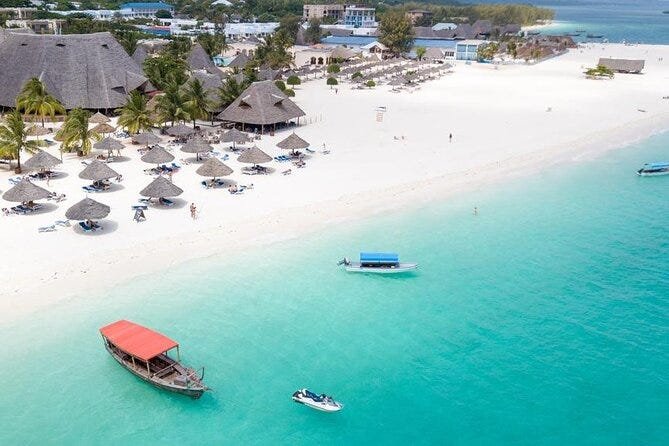
What Is The Cheapest Safari To Book While Staying In Zanzibar? 2026-2027
What Is the Cheapest Safari to Book While Staying in Zanzibar? is explained with current 2026-2027 planning, price, itinerary and booking information.
View package details
Best Tanzania Safari Tour Packages For International Travelers ( Planning
A comprehensive comparison of the best Tanzania safari tour packages for international travelers heading to East Africa in 2026-2027, covering logistics, package types, realistic budgets...
View package details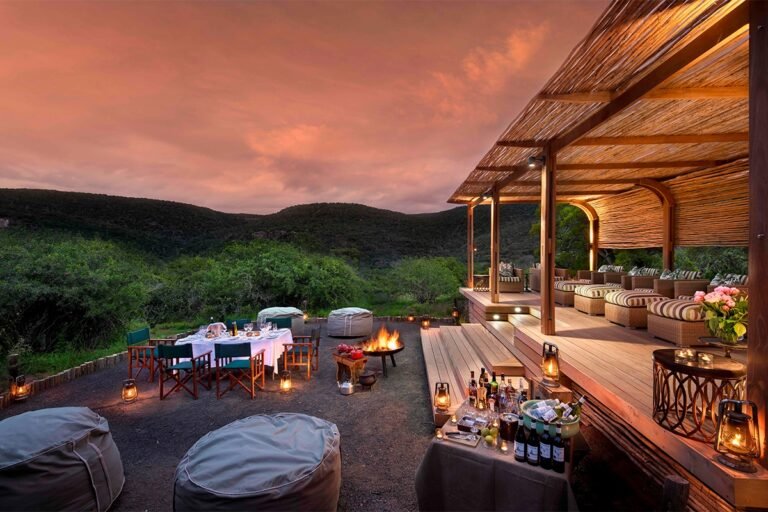
What Is The Cheapest Way To Book A Tanzania Safari? Guide 2026-2027
Discover how booking directly with local operators in Arusha or Moshi, joining group departures, and opting for public campsites slashes Tanzania safari costs by up to 50% for 2026-2027.
View package details
Tanzania Safari Holiday Packages With Airport Pickup And Transfers ( Planning
A detailed local guide to booking Tanzania safari holiday packages with airport pickup and private transfers, breaking down arrival logistics at JRO and ARK, transit times, pricing tiers...
View package details
Tanzania Group Joining Safari Tours With Airport Pickup 2026-2027
Tanzania Group Joining Safari Tours with Airport Pickup is explained with current 2026-2027 planning, price, itinerary and booking information.
View package detailsNo closely related package is available yet for this topic.

Our Guest Reviews, Currently Feedback from Clients in 2026
Reviews from different sources, including Google Business, Tripadvisor, other platforms, and social media.



