
You can reliably see large herds of elephants in Tanzania, particularly in Serengeti National Park, Tarangire National Park, and the Ngorongoro Conservation Area, with Tarangire often hailed as the ‘Land of Giants’ due to its high concentration of these animals, especially during the dry season from July to October. Planning your safari for 2026 or 2027 to these locations will maximize your chances of witnessing elephants in their natural habitat, from solitary bulls to vast family groups.
Serengeti National Park: The Iconic Herd Experience
The Serengeti, meaning ‘endless plains’ in the Maasai language, is perhaps Tanzania’s most famous safari destination, and for good reason. It’s home to one of the largest elephant populations in Africa, estimated to be over 5,000 individuals. While the Great Migration often steals the spotlight, the Serengeti’s elephants are a constant, magnificent presence throughout the year.
You’ll find elephants scattered across the park, but they tend to congregate in areas with reliable water sources and abundant vegetation. The central Seronera region is a good bet year-round, as it boasts permanent waterholes. During the wet season (roughly November to May), elephants may disperse further into the plains as new grass sprouts. However, the dry season (June to October) often sees them concentrating around rivers and waterholes, making sightings predictable. Witnessing a herd move across the vast, open savanna, their sheer size and gentle demeanor are truly awe-inspiring. For an in-depth look at what else you can see, our guide to What Animals Can You See On A Tanzania Safari provides broader context.
The Serengeti offers diverse landscapes, from acacia woodlands to rolling grasslands, providing varied backdrops for elephant photography. It’s also one of the prime locations to potentially spot the Big Five, as detailed in our guide on Can You See The Big Five In Tanzania Safari Parks?.
Tarangire National Park: Land of the Giants
If your primary goal is to see elephants, Tarangire National Park should be at the very top of your list. This park is renowned for its massive elephant herds, especially during the dry season. During this period, from approximately July to October, the Tarangire River becomes a vital lifeline for wildlife, attracting hundreds, sometimes thousands, of elephants that migrate into the park from surrounding areas seeking water and grazing.
The landscape here is distinctive, characterized by vast baobab trees and dry savanna woodland. These ancient baobabs are not only iconic but also provide shade and sustenance for elephants, and you’ll often see them interacting with these trees, sometimes even stripping bark. The density of elephants in Tarangire during the dry season is astounding; it’s not uncommon to encounter multiple herds within a single game drive. This park is particularly suited for travelers planning a safari in 2026 or 2027 looking for concentrated wildlife viewing.
Tarangire is also a fantastic place for birdwatching, and its woodlands offer a different visual experience compared to the open plains of the Serengeti. For those interested in a more intimate wildlife encounter, consider a Tanzania Walking Safari in designated areas, which can offer a unique perspective on elephant behavior (though always with experienced guides).
Ngorongoro Conservation Area: A Unique Ecosystem
The Ngorongoro Conservation Area (NCA) is a UNESCO World Heritage Site and a truly unique destination. While famous for its dense population of predators and the ‘Big Five’ within the crater, it also hosts a significant elephant population. Unlike in Tarangire, the elephants here tend to be larger, often with impressive tusks, and they are more frequently found on the crater rim and in the surrounding highlands, rather than solely concentrated on the crater floor.
The crater floor itself is a compact ecosystem, and elephants are often seen grazing in the open grasslands or near the Gorigor Swamp. Due to the contained nature of the crater, sightings can be very rewarding. However, elephant numbers are lower than in Tarangire or Serengeti. The NCA offers a different kind of safari experience, often combined with visits to nearby parks. The landscape is dramatically beautiful, with the massive caldera forming a natural amphitheater for wildlife viewing. It’s crucial to remember that the NCA is a multi-use area, also inhabited by the Maasai people, adding a cultural dimension to the safari experience.
For visitors interested in the broader context of wildlife in Tanzania, our guide to Where Is The Best Safari In Tanzania For Wildlife provides a comparative overview. Seeing the Big Five in the Ngorongoro Crater is also a common goal, as explored in Can You See The Big Five In Ngorongoro Crater Tanzania.
Other Promising Parks for Elephant Sightings
While Serengeti, Tarangire, and Ngorongoro are the most popular and reliable for elephant sightings, other parks in Tanzania also offer opportunities to see these majestic animals, though often in smaller numbers or with less predictable concentrations.
Mikumi National Park
Located in the southern circuit, Mikumi is easily accessible from Dar es Salaam and is known for its open grasslands that resemble the Serengeti. Elephants are a common sight here, often seen grazing near the roadside or congregating around water sources. It’s a great option for shorter safaris or as part of a southern circuit itinerary, offering a good chance of elephant encounters. This park is part of the wider Eastern Tanzania circuit, which includes Eastern Tanzania Safari: Saadani, Mikumi & Nyerere National Parks.
Nyerere National Park (formerly Selous Game Reserve)
Nyerere is one of the largest protected areas in Africa and offers a more wild and remote safari experience. While not as densely populated with elephants as Tarangire, its vastness means you can encounter them, often in family groups, particularly near the Rufiji River. Nyerere is famous for its boat safaris, which provide a unique perspective on wildlife, including elephants coming down to drink. This park is also a key component of the Eastern Tanzania Safari.
Arusha National Park
While smaller and often visited for its stunning views of Mount Meru and its diverse birdlife, Arusha National Park does have a resident elephant population. They tend to be shy and are more commonly found in the forested areas around Mount Meru. Sightings are less frequent and less predictable than in the larger northern parks, but it’s possible to see them, especially during morning or late afternoon game drives. It’s a good park for a day trip or as a starting point for a safari, offering glimpses of wildlife like elephants and the unique tree-climbing lions, as discussed in Mount Meru View Safari Tour.
Katavi National Park
For the truly adventurous seeking off-the-beaten-path experiences, Katavi in western Tanzania offers incredible wildlife viewing, including large elephant herds, especially during the dry season when they gather around the few remaining water sources. It’s a remote park, requiring more logistical planning and time, but the rewards in terms of raw, untamed wilderness and wildlife encounters are immense. This is part of the Western Tanzania Safari.
Best Time to See Elephants in Tanzania (2026-2027)
The best time to see elephants in Tanzania largely depends on the season and the specific park you are visiting. Generally, the dry season (June to October) is considered peak time for elephant viewing, particularly in parks like Tarangire and Serengeti.
- July – October (Dry Season): This is the prime time. As water sources diminish, elephants, along with other wildlife, congregate around permanent rivers and waterholes. Tarangire National Park is exceptional during these months, often referred to as the ‘Land of Giants’ for its massive elephant herds. Serengeti also sees elephants drawn to remaining water sources.
- November – May (Wet Season): During the wet season, elephants disperse across the parks as fresh grass and water become abundant. While you can still see elephants, they might be more spread out, making large herd sightings slightly less predictable than in the dry season. However, the landscape is lush and green, offering beautiful scenery, and it’s a great time for birdwatching. January and February can be particularly good for seeing newborns.
When planning your safari for 2026 or 2027, consider that the dry season offers the most concentrated sightings. However, visiting during the shoulder months (e.g., late October/November or May/June) can offer a good balance of wildlife viewing and fewer crowds. For the most up-to-date advice on seasonal wildlife movements for 2026-2027, consulting with experienced local operators is invaluable.
Planning Your Elephant-Focused Safari
To maximize your chances of seeing elephants and to ensure a memorable safari experience, thoughtful planning is essential. Here are key considerations:
Choosing the Right Parks and Itinerary
As discussed, Tarangire is paramount for elephant density, especially during the dry season. A classic northern circuit itinerary often includes Tarangire, Serengeti, and Ngorongoro, offering excellent elephant viewing opportunities alongside diverse wildlife and landscapes. For a longer trip or a more in-depth experience, consider incorporating parks from the southern or western circuits, but be aware that these are more remote and require more travel time. For first-time visitors, a typical 7-10 day safari covering the northern circuit is highly recommended, as detailed in How Long Should A Tanzania Safari Be For First Time Visitors In? 2026-2027.
Safari Duration and Timing
A minimum of 5-7 days is recommended to explore a couple of key parks adequately. To truly experience yourself and increase your chances of spectacular elephant encounters, especially if aiming for Tarangire in the dry season, plan for at least 10-14 days. This allows for unhurried game drives and the possibility of exploring different regions within larger parks like the Serengeti. Consider booking well in advance for peak seasons in 2026 and 2027.
Accommodation Styles
Your choice of accommodation can significantly impact your experience. Options range from luxury lodges and tented camps to more budget-friendly guesthouses. Tented camps, particularly those located within or very close to the parks, offer a more in-depth experience, placing you closer to the sounds and sights of the wilderness. Some camps are strategically positioned near known elephant corridors or water sources.
Game Drive Vehicles and Guides
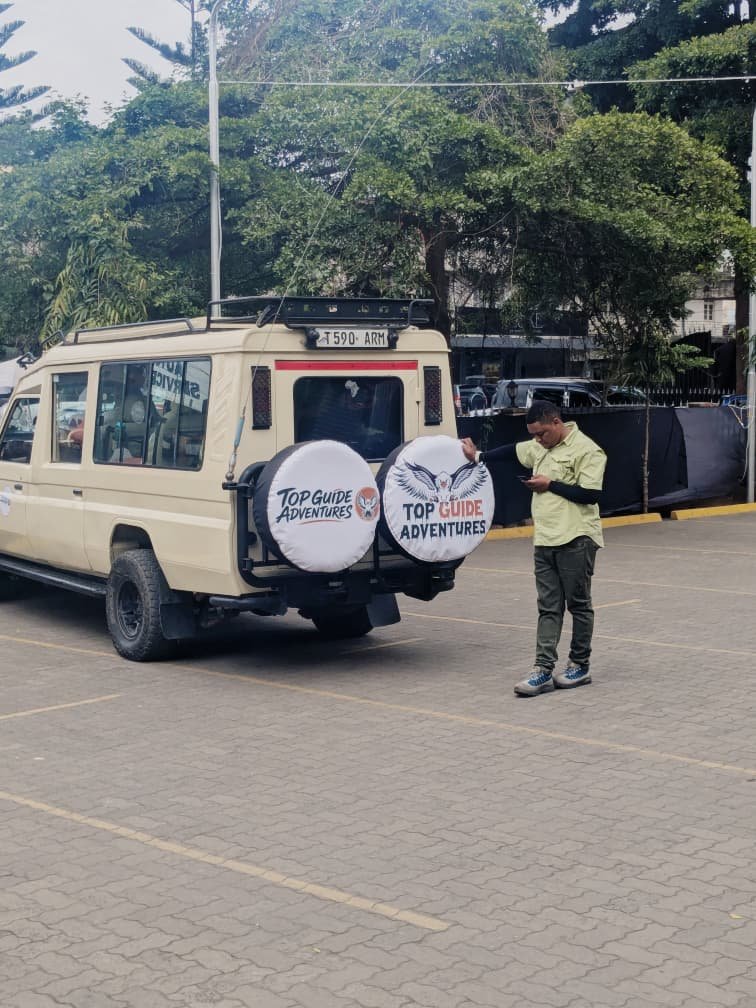
A 4×4 safari vehicle with a pop-up roof is standard for Tanzanian safaris, providing excellent visibility and comfort. The expertise of your guide is paramount. An experienced local guide will know the best times and locations to find elephants, understand their behavior, and enhance your overall safari experience. Top Guide Adventures prides itself on employing knowledgeable guides who are passionate about wildlife and conservation.
What to Pack
Lightweight, neutral-colored clothing is best to avoid startling wildlife. Essentials include long-sleeved shirts and trousers for sun and insect protection, a warm fleece or jacket for cool mornings and evenings, a wide-brimmed hat, sunglasses, sunscreen, insect repellent, and comfortable walking shoes. Binoculars are a must for observing distant wildlife, and a good camera with extra batteries and memory cards will help you capture those unforgettable moments.
Understanding Elephant Behavior
Elephants are highly intelligent and social animals. Observing their interactions within a herd, the protective nature of mothers towards their calves, and the playful antics of young elephants are highlights. Always maintain a respectful distance. Your guide will ensure this, adhering to park regulations and prioritizing the welfare of the animals. Never attempt to feed or approach elephants on foot.
Booking Your Tanzania Elephant Safari with Top Guide Adventures
Planning a safari to see elephants in Tanzania requires careful consideration of parks, timing, and logistics. At Top Guide Adventures, we specialize in crafting personalized safari experiences that focus on your specific wildlife interests, including maximizing your chances of incredible elephant encounters. Whether you’re planning for 2026 or 2027, our expert team based in Moshi/Arusha is ready to help you create an unforgettable journey.
We understand the nuances of each park, the seasonal movements of wildlife, and the best ways to ensure you have ample opportunities to witness Tanzania’s magnificent elephant populations. We offer a range of safari packages, from group joining tours for budget-conscious travelers to private tailor-made itineraries for those seeking a more exclusive experience. Explore our Tanzania Safari Group Departures Table for current 2026/2027 dates or contact us directly to design your dream trip.
To start planning your elephant safari adventure, or if you have any questions about the best parks, timing, or itinerary options for 2026-2027, please reach out to us:
- WhatsApp: +255 616 946 642
- Email: topguideadventures@gmail.com
Let us help you create a safari that brings you face-to-face with these gentle giants in the heart of Africa.
Check Availability for Where To See Elephants In Tanzania Safari Parks 2026-2027
Ready to compare dates, prices, and the best option for your group? Send the package name and travel month so the team can reply with a clear quote, availability, and what is included.
Africa Tours & Travel, All Safari Booking In Tanzania 2026-2027
Africa Tours & Travel, All Safari Booking in Tanzania is explained with current 2026-2027 planning, price, itinerary and booking information.
View package details
2 Day Tanzania Safari – Tarangire, Ngorongoro And Short Packages 2026-2027
2 Day Tanzania Safari – Tarangire, Ngorongoro and Short Safari Packages is explained with current 2026-2027 planning, price, itinerary and booking.
View package details
Serengeti Safari From Mwanza: Best Route For Western Tanzania & 2026-2027
Discover the optimal routes for a Serengeti safari starting from Mwanza, focusing on the unique experiences offered by Western Tanzania and the Western Serengeti. This guide provides...
View package details
Tanzania Classic Wildlife Safaris: Serengeti, Ngorongoro, Tarangire & Manyara
start an unforgettable Tanzania classic wildlife safari covering the iconic parks of Serengeti, Ngorongoro Crater, Tarangire, and Lake Manyara. These tours are designed to showcase the best...
View package details
Great Serengeti Migration Safaris In Tanzania: Best Routes, Seasons &
Discover the magic of the Great Serengeti Migration with Top Guide Adventures. This guide covers the best routes, optimal seasons for wildlife viewing, and essential planning tips for your...
View package details
Best 5 Day Private Safari Tour From Mwanza: Serengeti & Western Tanzania
start an unforgettable 5-day private safari adventure starting from Mwanza, Tanzania. This expertly crafted itinerary blends the iconic wildlife viewing of the Serengeti with the distinct...
View package details
Rubondo Island National Park Prices In Tanzania – Safari Fees, Chimpanzee
Understanding Rubondo Island National Park prices is key to planning your Tanzanian adventure. Costs vary based on accommodation, activities like chimpanzee trekking, and safari duration...
View package detailsTop Car Brands Known For Reliability – Best Vehicles Road Trips, Safari
Top Car Brands Known for Reliability – Best Vehicles for Road Trips, Safari and Adventure Travel is explained with current 2026-2027 planning, price.
View package detailsMost Beautiful Countries In The World: Safari, Nature, And Adventure Travel
This guide explores the most beautiful countries globally, focusing on destinations that offer unparalleled opportunities for safari, nature immersion, and adventurous pursuits. From the...
View package detailsThe Worlds Richest Billionaires: Their Preferred Luxury Travel Destinations
This article delves into the travel habits and preferred destinations of the world's wealthiest individuals, examining their affinity for private islands, exclusive safari adventures, and...
View package detailsBiggest Animals Ever Discovered: African Wildlife, Ocean Giants, And Safari
Discover the planet's most massive creatures, including the giants of African savannas and the leviathans of the deep sea. Learn about their habitats, characteristics, and the awe they...
View package detailsBackground Remover Free: Enhancing Safari, Wildlife, And Travel Photography
This guide explores the utility of free background removal tools for photographers specializing in safari, wildlife, and travel imagery. It covers how these tools can enhance subject...
View package detailsNo closely related package is available yet for this topic.



