The 7 Days Lemosho Route Kilimanjaro Group Trek – 6–12 December 2026 is a scheduled, small-group mountain expedition that approaches Mount Kilimanjaro from the western flank via Londorossi Gate and summits Uhuru Peak (5,895 meters) via Stella Point on the morning of 12 December 2026. Designed for solo hikers, couples, and budget-conscious adventurers seeking shared logistics without sacrificing safety, this 7-day itinerary typically costs between $1,950 and $2,450 per person depending on group size (capped at 8 to 10 climbers) and hotel packages in Moshi. The primary decision for trekkers is whether their baseline fitness supports the compressed 7-day timeline—which consolidates the Shira Plateau crossing—or if they require the slower pacing of an 8-day profile to guarantee altitude acclimatization.
Why 6–12 December 2026 Is an Ideal Shoulder-Season Trek Window
Choosing to hike Mount Kilimanjaro in early December involves a distinct environmental trade-off compared to the dry, crowded months of July through September or the bustling holiday spike between Christmas and New Year’s Day. The departure scheduled for 6–12 December 2026 hits the transitional shoulder period directly at the tail end of northern Tanzania’s short rains (known locally as the Vuli).
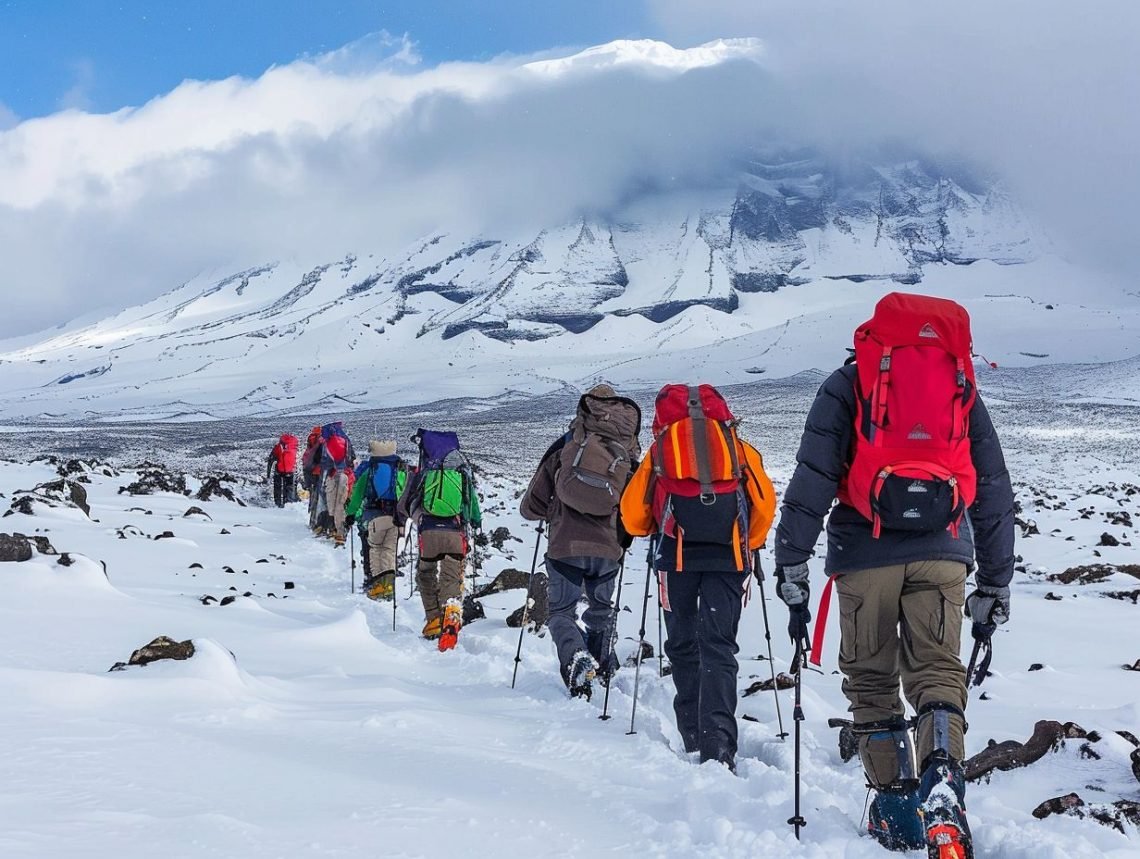
During late October and November, rain clouds frequently roll across the southern and eastern approaches of Kilimanjaro. However, by the first ten days of December, the moisture patterns shift. Mornings generally break crisp, calm, and clear across the Shira Plateau and the western ridges. While afternoon cloud build-ups and brief, scattered showers remain possible below 3,500 meters, precipitation at higher altitudes—such as Barranco Camp, Karanga, and Barafu—increasingly arrives as light, dry snow flurries rather than penetrating rain. This dynamic leaves the summit cone coated in fresh, striking snow without subjecting climbers to the sustained, sub-zero squalls that can define January blizzards.
Beyond weather, the defining advantage of the 6–12 December 2026 window is trail density. The Lemosho route, celebrated for its raw scenic beauty and expansive initial wilderness, can suffer from bottlenecks at narrow sections like the Great Barranco Wall during August or late December. By staging your climb during the second week of December, your shared group encounters empty campsites, unhurried photo stops, and silent trails. You benefit from lower competition for prime tent pitches at Mti Mkubwa and Barranco, while retaining the camaraderie and cost efficiencies of a group climb organized by a licensed local outfitter based in Moshi.
For international flight planning in 2026-2027, early December also represents the calm before peak transatlantic and European holiday airfare spikes. Booking flights into Kilimanjaro International Airport (JIA/JRO) for arrival on 4 or 5 December allows trekkers to secure lower airline fares, take an uninterrupted acclimatization rest day in Moshi or Arusha, and complete the trek well before regional transit hubs fill with year-end vacationers.
7-Day vs. 8-Day Lemosho: Evaluating the Acclimatization Compromise
When booking a Lemosho route climb, travelers routinely encounter two primary options: the 7-day variation and the extended 8-day profile. The 8-day itinerary is widely regarded by high-altitude specialists as the gold standard for Kilimanjaro, boasting summit success rates above 90% because it breaks the long climb from the rainforest to the high desert across two distinct Shira camps (Shira 1 at 3,500m and Shira 2 at 3,850m). Understanding where the 7-day schedule cuts time is essential before reserving your space on the 6–12 December 2026 departure.
In the standard 7-day variation, the operator merges portions of the western traverse to eliminate one night on the mountain. Rather than spending Night 2 at Shira 1 and Night 3 at Shira 2, the 7-day trek bypasses Shira 1 entirely or consolidates the mid-mountain transition by pushing climbers directly from Mti Mkubwa through the heather zone to Shira 2 in a single, sustained march. Alternatively, some 7-day profiles combine Karanga Camp and Barafu Camp into one push on Day 5. In our scheduled group format for December 2026, the consolidation occurs on the plateau: trekkers make an active, determined ascent on Day 2 directly to Shira 2, preserving the critical separate acclimatization staging night at Karanga Camp on Day 5.
Local Route Insight: Skipping the rest night at Shira 1 means Day 2 demands roughly 7 to 9 hours on your feet, climbing through an elevation gain of more than 1,000 meters. If you are an active hiker with previous mountain hiking exposure or regular cardiovascular conditioning, this schedule is entirely manageable. However, if you have never hiked above 3,000 meters or prefer a gentler daily pacing, examine our Best 8 Day Kilimanjaro Lemosho Route Trekking Package from Moshi 2026-2027 to weigh the added day of adaptation against your available vacation time.
To help visualize how the profiles diverge, the comparative breakdown below illustrates the logistical and physiological differences between the two route setups:
| Trek Parameter | 7-Day Lemosho Group Departure | 8-Day Lemosho Classic Profile |
|---|---|---|
| Primary Acclimatization Mechanism | Climb high, sleep low via Lava Tower (4,630m) down to Barranco (3,970m); dedicated night at Karanga (3,995m). | Two full nights on the Shira Plateau (Shira 1 & 2) plus Lava Tower and Karanga staging nights. |
| Day 2 Trail Rigor | Demanding: ~8 hours, Mti Mkubwa (2,750m) to Shira 2 (3,850m). Direct jump of 1,100 vertical meters. | Moderate: ~5 hours, Mti Mkubwa (2,750m) to Shira 1 (3,500m). Gradual altitude introduction. |
| Average Summit Success Rate | 85% – 88% (dependent on personal baseline fitness and hydration discipline). | 92% – 95% (ideal physiological progression for novice trekkers). |
| Trail Congestion Level | Minimal; joins the unified southern circuit track at Barranco on Day 4. | Minimal western start; matches southern circuit flow on Day 5. |
| Ideal Traveler Profile | Fit adventurers with limited leave time; hikers comfortable with 6–8 hour trail days on consecutive mornings. | First-time altitude climbers; trekkers prioritizing the highest statistical summit probability. |
For those debating between different tracks entirely, it is worth noting how Lemosho compares against the Machame trail. While our Best 7 Day Kilimanjaro Machame Route Climbing Tour from Moshi 2026-2027 covers similar high-altitude camps from Day 3 onward, Machame starts with a steeper, more taxing ascent through the rainforest from the south. Lemosho enters via the pristine western wilderness, giving you wider panoramic viewpoints, lower initial trail congestion, and a more in-depth ecological transition through the first 48 hours of your journey.
Group Trek Cost Breakdown, TANAPA Park Fees, and Operator Inclusions
Pricing for a genuine, safety-first Kilimanjaro expedition on the Lemosho trail must reflect mandatory statutory park fees alongside living wages for the mountain crew. Kilimanjaro is not an unguided or self-supported trekking destination; the Tanzania National Parks Authority (TANAPA) mandates licensed mountain guides, registered porters, and specific environmental conservation protocols for every individual who steps foot past the park gates.
Check Availability for 7 Days Lemosho Route Kilimanjaro Group Trek – 6–12 December 2026-2027
Ready to compare dates, prices, and the best option for your group? Send the package name and travel month so the team can reply with a clear quote, availability, and what is included.
8 Days Lemosho Route Kilimanjaro Group Departure – 12–19 December 2026-2027
A detailed guide to the 8-day Lemosho Route Kilimanjaro group climb departing 12–19 December 2026, covering route details, daily itinerary, acclimatization strategy, and what to expect.
View package details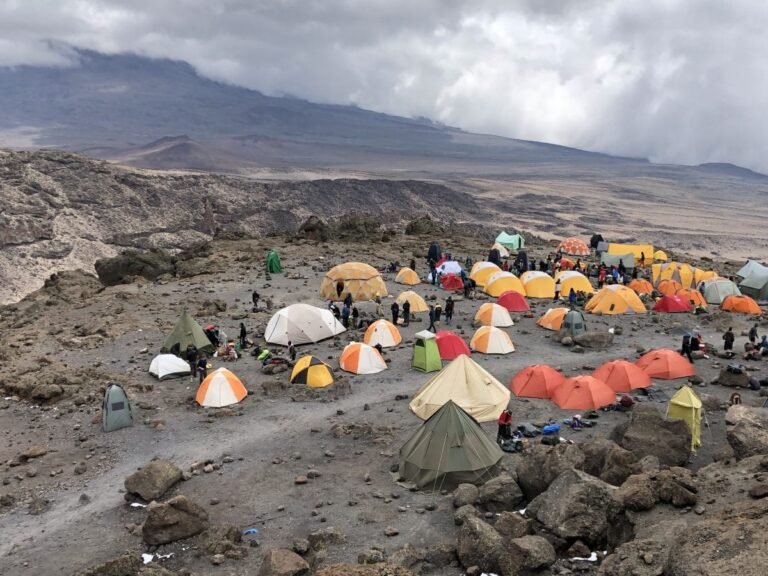
7 Days Lemosho Route Kilimanjaro Group Climb – 3–9 December 2026-2027
7 Days Lemosho Route Kilimanjaro Group Climb – 3–9 December 2026 is explained with current 2026-2027 planning, price, itinerary and booking information.
View package details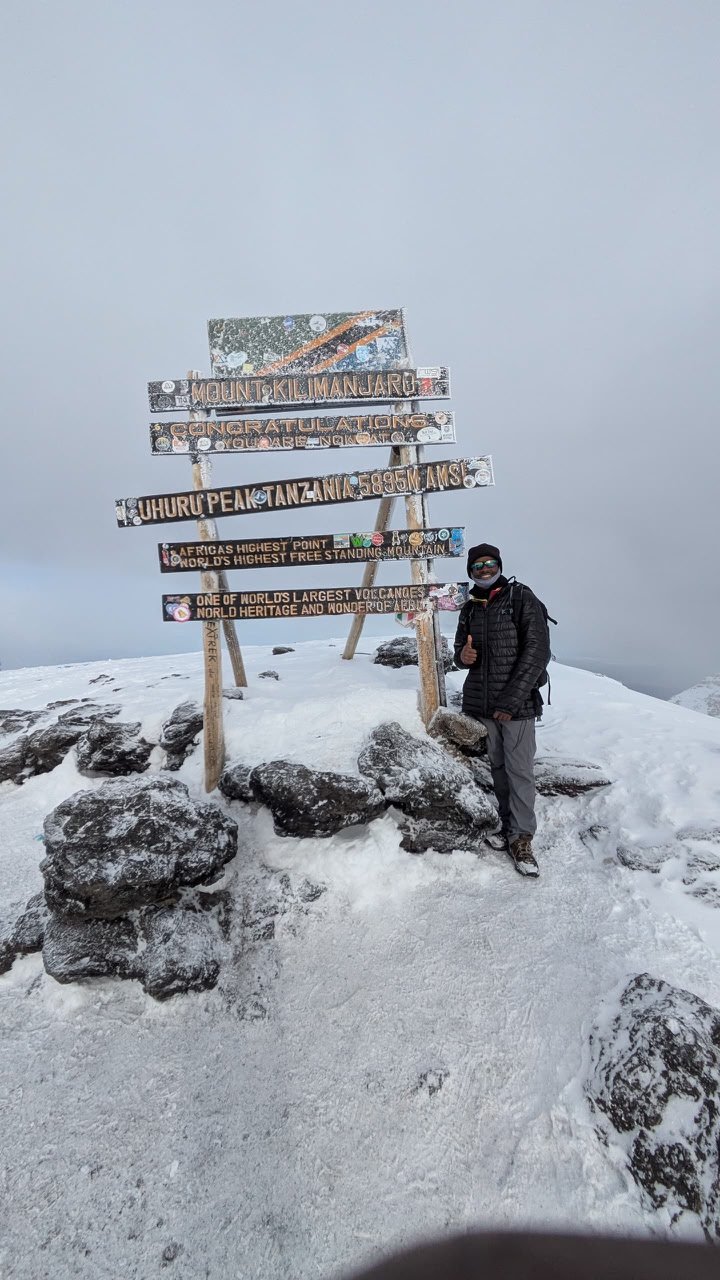
8 Days Lemosho Kilimanjaro Full Moon Group Trek – 18–25 December 2026-2027
An 8-day group trek on Kilimanjaro's scenic Lemosho Route timed for the December 2026 full moon period, with summit day on Christmas morning.
View package details8 Days Lemosho Route Kilimanjaro Group Climb – 15–22 December 2026-2027
8 Days Lemosho Route Kilimanjaro Group Climb – 15–22 December 2026 is explained with current 2026-2027 planning, price, itinerary and booking information.
View package details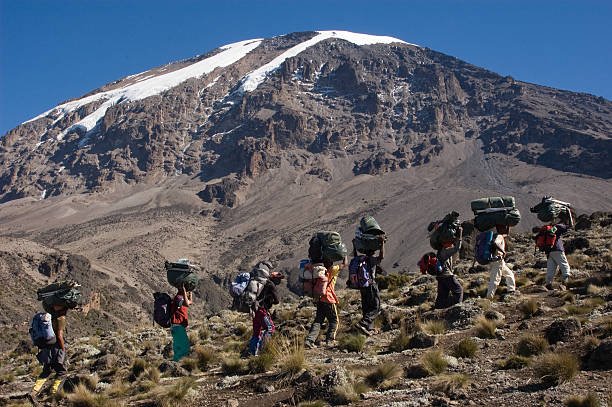
8 Days Lemosho Kilimanjaro Group Hiking – 7–14 December 2026-2027
8 Days Lemosho Kilimanjaro Group Hiking – 7–14 December 2026 is explained with current 2026-2027 planning, price, itinerary and booking information.
View package details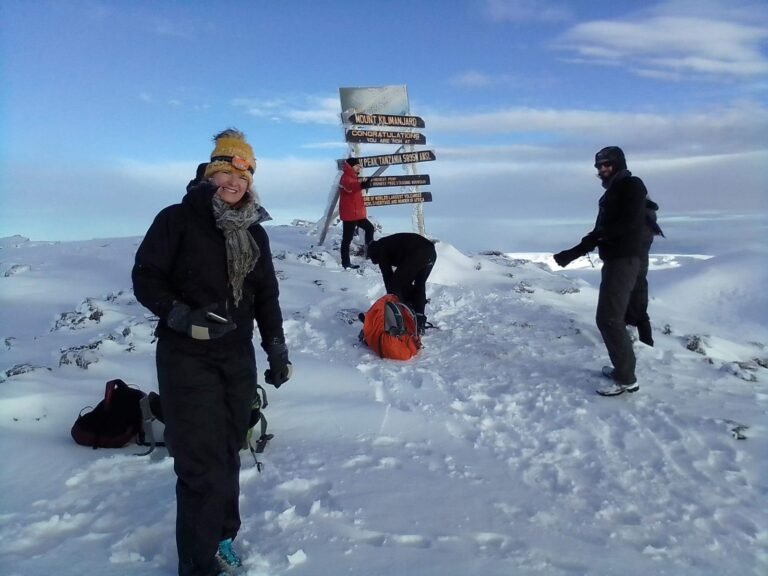
6 Days Machame Route Kilimanjaro Group Trek – 3–8 December 2026-2027
A detailed guide to the 6-day Machame Route Kilimanjaro group trek departing 3–8 December 2026, covering route details, daily itinerary, preparation, and booking.
View package details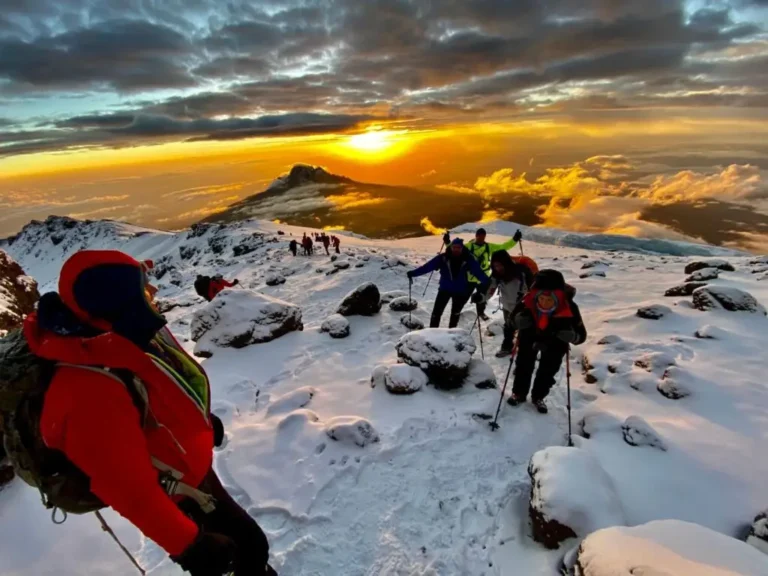
7 Days Machame Kilimanjaro Group Climb – 9–15 December 2026-2027
A detailed guide to the 7-day Machame Route Kilimanjaro group climb in December 2026, covering itinerary, preparation, and what to expect.
View package details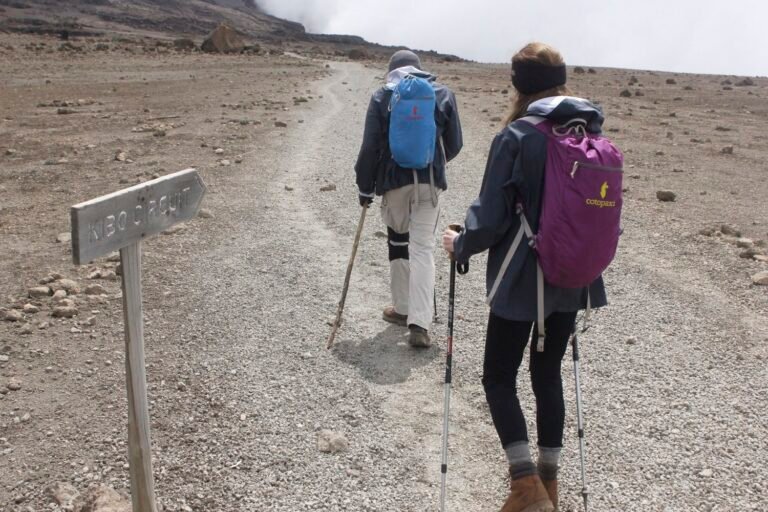
5 Days Marangu Route Kilimanjaro Group Climb – 8–12 December 2026-2027
5 Days Marangu Route Kilimanjaro Group Climb – 8–12 December 2026 is explained with current 2026-2027 planning, price, itinerary and booking information.
View package details8 Days Lemosho Kilimanjaro Christmas Trek – 24–31 December 2026-2027
8 Days Lemosho Kilimanjaro Christmas Trek – 24–31 December 2026 is explained with current 2026-2027 planning, price, itinerary and booking information.
View package details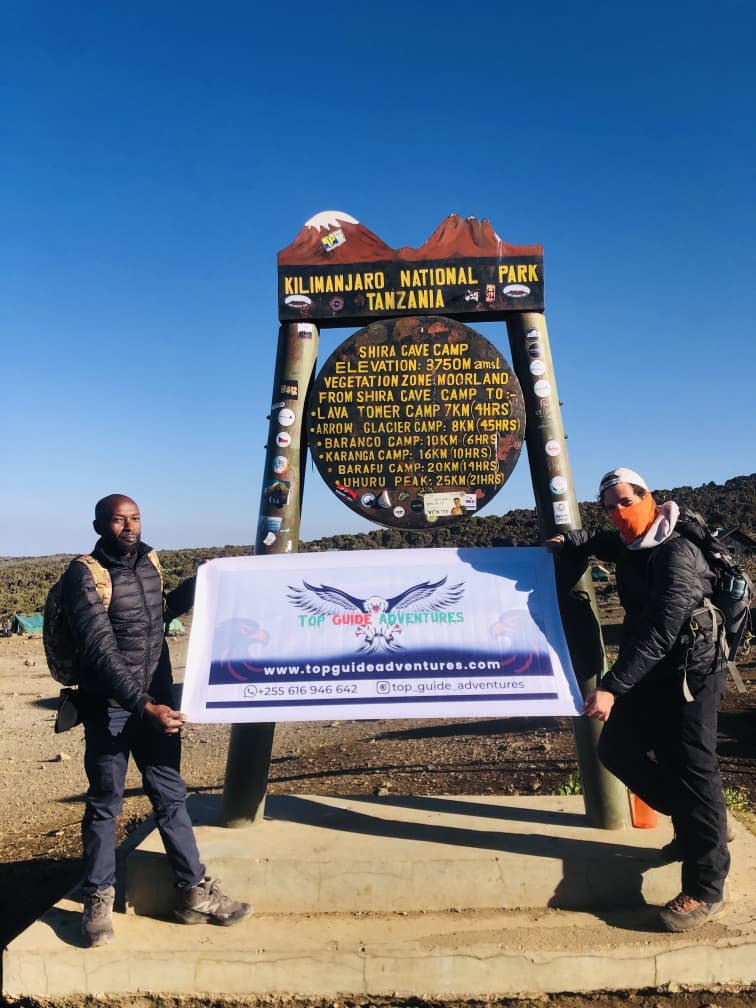
8 Days Lemosho Kilimanjaro Trekking Package – 4–11 December 2026-2027
8 Days Lemosho Kilimanjaro Trekking Package – 4–11 December 2026 is explained with current 2026-2027 planning, price, itinerary and booking information.
View package details7 Days Machame Route Kilimanjaro Christmas Trek – 20–26 December 2026-2027
7 Days Machame Route Kilimanjaro Christmas Trek – 20–26 December 2026 is explained with current 2026-2027 planning, price, itinerary and booking information.
View package details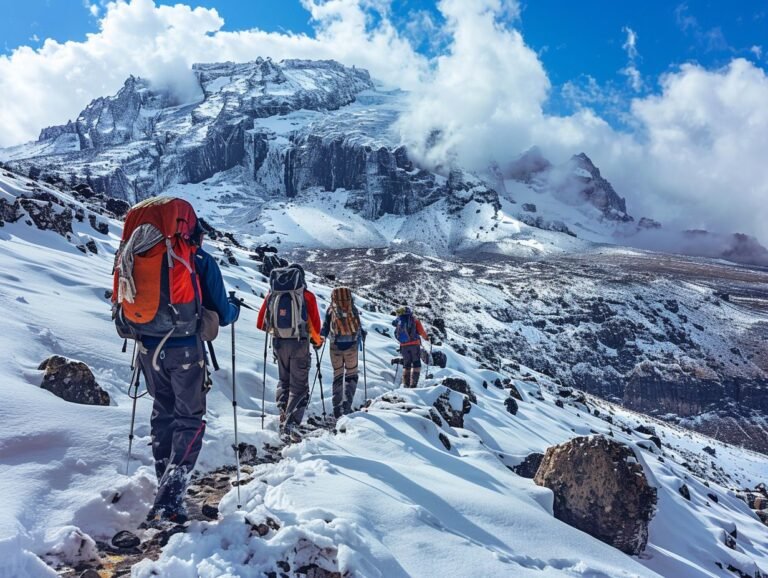
8 Days Machame Route Kilimanjaro Trekking – 15–22 December 2026-2027
8 Days Machame Route Kilimanjaro Trekking – 15–22 December 2026 is explained with current 2026-2027 planning, price, itinerary and booking information.
View package detailsNo closely related package is available yet for this topic.

Our Guest Reviews, Currently Feedback from Clients in 2026
Reviews from different sources, including Google Business, Tripadvisor, other platforms, and social media.