
The best Serengeti safari camps for families with children are permanent lodges and specialized semi-permanent tented camps featuring physical enclosed interconnecting family suites, minimum age limits under six years old, child-friendly dining flexibility, and dedicated private 4×4 game vehicles. For travel in 2026-2027, mid-range family suites range from $450 to $750 per adult per night (with children aged 5–15 discounted 30% to 50%), while high-end luxury safari operations run between $1,100 and $2,400 per adult per night. The primary logistical decision parents must make is choosing between unfenced mobile camps following the Great Migration—which require continuous active supervision—and permanent lodges in Central Serengeti or the Western Corridor that provide physical fencing, swimming pools, and solid walls to reduce nocturnal wildlife anxiety for younger children.
What Makes a Serengeti Camp Truly Workable for Children?
Planning a safari in Serengeti National Park with younger travelers is fundamentally different from organizing an adult expedition. While adult itineraries prioritize dawn-to-dusk tracking and remote wilderness immersion, a successful family safari hinges on accommodation infrastructure, psychological security, and logistical buffers. When assessing camps for families, glossy marketing photos of game drives often obscure significant daily friction points that can derail a trip with kids.
A genuinely family-capable Serengeti camp solves five specific operational challenges:
- True physical connection between sleeping quarters: Placing a seven-year-old child in an independent canvas tent twenty meters away from their parents is unsafe in an unfenced national park. Viable family camps provide structural two-bedroom units joined by a shared internal corridor or zipped canvas breezeway under a single roof.
- Private safari vehicle access: Sharing a nine-passenger 4×4 with wildlife photographers who want to sit silently for three hours waiting for a leopard to turn its head does not work with children. A private Tanzania safari with flexible game drives for children gives families total autonomy over meal stops, bathroom breaks, and game drive durations.
- Kid-adaptable meal timing and menus: High-end bush dining traditionally involves formal multi-course dinners served at 8:30 PM after evening fireside drinks. Children under twelve typically struggle past 7:00 PM after seven hours in the dust. Operable camps offer early children’s suppers, simple fresh meal options, and flexible kitchen schedules.
- Fencing vs unfenced camp footprints: In Tanzania’s national parks, almost all safari camps are unfenced. Wild animals—including buffalo, hyena, and lions—move freely through camp corridors after dusk. Camps that welcome young children must have strict Maasai security escort protocols from twilight until dawn, elevated wooden boardwalks, or stone perimeter barriers.
- Midday downtime amenities: Long midday stretches between morning and late afternoon game drives can feel agonizing for high-energy kids trapped in a sweltering tent. Camps with swimming pools, shaded communal lawns, board games, or supervised junior ranger tracking classes transform these dead hours into engaging experiences.
Before confirming an itinerary for 2026 or 2027, families must look past generic descriptions of “welcoming all ages” and verify whether a property possesses the structural and operational capabilities to keep young travelers safe, fed, and rested.
Age Policies, Unfenced Camp Realities, and Child Safety Protocols
Serengeti properties enforce wildly divergent age restrictions across their camps. Some luxury operators do not accept children under twelve, while others accept children from five or six years old, and a select few have no minimum age limit at all. Understanding the rationale behind these rules prevents costly booking cancellations.
Critical Safety Distinction: The Tanzania National Parks Authority (TANAPA) does not mandate a minimum age for park entry, but individual camp concessions set their own limits based on public liability insurance, unfenced property footprints, and wildlife density. Properties that accept children aged 0–5 generally demand that the family book a private vehicle for all park drives and sign safety disclaimers acknowledging that the camp is open to free-roaming predators.
In an unfenced camp, wildlife safety is governed by non-negotiable rules. From 6:30 PM onwards, no child is permitted to leave a family tent unescorted. Camp askaris (Maasai security guards carrying torches and traditional walking sticks) escort families between their tents, the dining mess, and campfires. If a child wakes up needing attention at 2:00 AM, parents cannot simply walk across the open grass to a separate tent. This operational reality is why sleeping layouts matter far more in the bush than in urban hotels.
Noise discipline is an overlooked consideration. Inside canvas accommodations, sound travels extraordinary distances. If a toddler has a night terror or a prolonged crying spell, an unfenced mobile camp with eight tents will carry that sound across the entire clearing. For families traveling with toddlers or infants under four, a permanent stone-and-brick lodge like those in the Seronera Valley or Western Corridor provides better sound insulation, structural security, and climate control than a light canvas tent.
For children aged six and older, an unfenced tented camp becomes a powerful learning classroom when framed correctly. Learning how to check shoes for scorpions, understanding why running across camp grounds is forbidden (running triggers predator chase instincts in big cats), and learning to identify hyena calls at night builds a grounded respect for natural ecosystems. The right environment balances safety discipline with experiential wilderness education.
Room Architecture: Interconnecting Tents vs Two-Bedroom Family Units
One of the most frequent mistakes parents make when planning a Serengeti safari is booking two standard tents listed as “adjacent” or “side-by-side.” In safari vernacular, “adjacent” often means thirty to fifty feet apart across wild savannah scrub. No responsible parent will feel comfortable letting an eight-year-old sleep in a separate canvas tent with predators roaming outside.
When reviewing accommodation proposals for 2026-2027, demand clear floor plans confirming one of three approved family structural designs:
1. The Interconnecting Canvas Suite
This layout consists of two complete luxury tents built on a single raised wooden deck, joined in the middle by an enclosed canvas corridor with secure interior zips. Both bedrooms feature their own private en-suite bathroom, but parents can walk directly into their children’s bedroom at night without stepping outside into the open bush. This is the gold standard for wilderness camps, providing privacy for parents alongside complete safety for children.
2. The Integrated Two-Bedroom Family Tent
Designed under a single massive canvas roof, this configuration features a central shared lounge area with two separate bedrooms branching off it. These units often share a master bathroom or have two smaller en-suite washrooms. This setup is ideal for families with younger kids (ages 4–9) because there are no exterior doors between rooms, and parents maintain immediate line-of-sight.
3. The Permanent Lodge Family Cottage
Found primarily in permanent lodges rather than mobile camps, these stone or timber structures feature solid lockable doors, double-glazed windows, and permanent masonry walls. For families with toddlers or parents harboring high anxiety regarding nocturnal wildlife, permanent lodges eliminate worries about zipped screen tears or stray animals rubbing against canvas walls.
Families should also examine bathroom designs. Mobile camps often utilize bucket showers or gravity-fed hot water systems requiring advance notice to camp crew. Permanent family lodges and high-end luxury camps provide continuous 24-hour running hot water and plumbed porcelain toilets. If your children are not accustomed to water conservation or safari bucket shower setups, confirm camp plumbing specifics before paying a deposit.
Central Serengeti & Seronera: Reliable Wildlife and Low Drive Times
For families visiting Africa for the first time or traveling with children under ten, the Central Serengeti (Seronera Valley) is the most forgiving operational base. The central valley features resident game year-round, meaning you do not rely solely on the Great Migration herds to see abundant big cats, elephants, giraffes, and plains game. Game drives often yield massive lion pride sightings within twenty minutes of leaving camp, keeping driving hours low and engagement high.
Additionally, the Central Serengeti offers quick access to the Seronera Airstrip, the Serengeti Visitor Centre (which has paved walking paths and educational displays ideal for restless children), and basic emergency medical outposts. A fly-in safari from Arusha directly into Seronera avoids the exhausting eight-hour road transfer from the city, preserving energy reserves for the bush.
| Camp / Lodge | Location Type | Family Unit Setup | Age Policy | Standout Family Amenities |
|---|---|---|---|---|
| Kubu Kubu Tented Lodge | Central (Seronera Ridge) | Interconnecting canvas tents on raised decks | All ages accepted | Large infinity pool, continuous power, panoramic lounge |
| Four Seasons Safari Lodge | Central (Bilila Area) | Interconnected rooms, 2-bedroom villas | Children 2+ welcomed | Fenced perimeter, massive pool overlooking watering hole, Kids Club |
| Melia Serengeti Lodge | Central-South (Nyamuma) | Two-bedroom family suites | Children all ages | Pool, enclosed solid architecture, kids educational activities |
| Kati Kati Tented Camp | Central (Mobile) | Adjoining standard tents (limited family units) | Children 6+ | Authentic bush experience, campfire storytelling, value pricing |
| Lemala Ewanjan | Central (Seronera Valley) | Dedicated multi-bed family tents | Children all ages | Specialized Lemala Cubs program, board games, free vehicle private use deals |
When selecting a camp in the Seronera area, consider camp size. Massive lodge properties provide structural shielding and familiar western hospitality comforts, but larger properties miss out on the quiet, intimate bush immersion found in a smaller twelve-tent camp. Conversely, small luxury tented camps require tighter behavioral discipline from children to respect other guests seeking an undisturbed wilderness stay.
If you pair Central Serengeti with the highlands, review our guide to the best Ngorongoro Crater safari for families with young children to maintain consistent family-friendly camp quality throughout Northern Tanzania.
Northern Serengeti & Kogatende: River Crossings and Older Children
Between July and October, the Great Migration congregates in the Northern Serengeti around the Mara River. Watching thousands of wildebeest plunge down steep riverbanks while massive Nile crocodiles lie in wait is spectacular, but this area presents very specific hurdles for traveling families.
The Northern Serengeti (Kogatende and Lamai Wedge) requires longer game drives. Tracking river crossings demands extensive patience; vehicles often sit parked beside crossing points for three to five hours in dust and heat while the herds pace nervously along the ridges. For teenagers and children aged eleven and older, this drama is gripping. For a six-year-old, sitting stationary in a closed safari truck for hours without bathroom facilities quickly turns into an ordeal.
Camps in the Northern Serengeti are predominantly luxury semi-permanent tented camps that follow the herds, or exclusive permanent lodges perched high in the rocky kopjes of Lamai. Key family-ready accommodations in the North include:
- Sayari Camp (Asilia Africa): Located near the Mara River, Sayari features an expansive family suite consisting of two en-suite bedrooms linked by a covered veranda. The camp boasts a rim-flow swimming pool set into natural rock—an exceptional relief for cooling off during midday heat. Children aged five and older are accepted.
- Lemala Kuria Hills Lodge: Situated in the Wogakuria Hills, this permanent luxury lodge provides large glass-fronted suites with private plunge pools on elevated decks. Their family suites offer expansive solid construction, providing peace of mind against nighttime animal movement while remaining within striking distance of the riverbanks.
- Serengeti Bushtops: An ultra-luxury property featuring massive family tents with sunken lounges, full hot tubs on private verandas, and 24-hour butler service. Their family tents provide exceptional physical scale and secure interior layouts.
- Olakira Migration Camp: A luxury mobile camp that moves between Kogatende in the dry season and Ndutu in the green calving season. Olakira offers specialized family tents with stargazing canvas panels over the beds, though it requires strict behavioral compliance due to its raw unfenced design.
If you plan to view river crossings with your family, explore our detailed itinerary on a 6-day Northern Serengeti migration safari with luxury tented camps. Ensure your children understand that river crossings are unpredictable; even seasoned safari guides cannot guarantee an immediate crossing event on any given morning.
2026-2027 Serengeti Family Safari Cost Benchmarks
Budgeting for a family safari in the Serengeti requires looking past per-person rack rates. Child discounting policies vary wildly across safari operators and national park authorities. While park conservation fees for children are deeply discounted by TANAPA, private luxury camps often apply adult pricing once a child reaches 12 or 16 years old.
Estimated Nightly Accommodation Costs (Per Person, Sharing)
- Mid-Range Family Tented Camps (e.g., Kati Kati, Serengeti Heritage): $450 – $750 per adult / $250 – $400 per child (ages 5–15) per night.
- Upscale Permanent Family Lodges (e.g., Kubu Kubu, Melia): $750 – $1,250 per adult / $400 – $700 per child per night.
- Premier Ultra-Luxury Camps (e.g., Sayari, Four Seasons, Singita): $1,300 – $2,500+ per adult / $700 – $1,400 per child per night.
Note: Rates include full board accommodation, park conservation fees, and concession fees. Internal fly-in flights and specialized vehicle fees are billed separately.
Tanzania National Park entry and camping fees form a significant portion of any family quote. For non-East African citizens, standard 24-hour park conservation fees in the Serengeti are currently:
- Adults (16 years and older): $82.60 per person per 24 hours (peak season including VAT).
- Children (aged 5 to 15): $23.60 per child per 24 hours (including VAT).
- Children under 5 years: Free entry.
- Special Campsite / Concession Fees: $70.80 per adult and $11.80 per child per night when staying inside park boundaries.
For parents calculating total trip budgets, review our transparent breakdown on Tanzania safari cost: Serengeti & Ngorongoro prices, packages & deals. Factoring in internal bush flights—typically $250 to $450 per seat one-way from Arusha or Kilimanjaro Airport (JRO) to Seronera—often saves families eight hours of grueling transit over corrugated gravel, preserving younger children’s stamina for the wild.
Structuring the Safari Day to Prevent Meltdowns
Even the most luxurious family tented camp cannot save an itinerary if the daily pace burns out your children. Adult safari enthusiasts often head out on 10-hour full-day game drives with packed lunch boxes. For children under twelve, spending ten consecutive hours rattling inside a customized Toyota Land Cruiser on bumpy dirt tracks leads to fatigue, car sickness, and sensory overload.
An experienced operator structures family safari days around a two-phase schedule:
- Early Morning Drive (6:30 AM – 10:30 AM): Wake up for a light breakfast of fruit, toast, and hot chocolate around the fire. Head out into the cool morning air when predators are hunting, big cats are moving, and wildlife is active. Light conditions are optimal and temperatures remain comfortable.
- Camp Downtime & Hot Lunch (11:00 AM – 3:30 PM): Return to camp for a warm, seated lunch. During the hottest hours when wildlife sleeps in thick brush, children can swim in the pool, take a nap, sketch animals in safari journals, or play card games in the shade.
- Late Afternoon Game Drive (4:00 AM – 6:30 PM): Venture back out for golden-hour tracking, sunset photography, and finding herds gathering near water before returning to camp ahead of darkness.
If you prefer an unbroken morning, pack breakfast for the vehicle, drive until 1:00 PM, and return to camp for the remainder of the afternoon. Having a private guide allows you to adapt instantly: if a seven-year-old falls asleep or gets car-sick, you simply radio camp and head back to your tent without compromising anyone else’s travel experience.
For families weighing travel across other northern parks alongside the Serengeti, compare route pacing in our guide to the best Tanzania safari parks for children visiting Africa the first time.
Check Availability for Best Serengeti Safari Camps For Families With Children ( Guide) 2026-2027
Ready to compare dates, prices, and the best option for your group? Send the package name and travel month so the team can reply with a clear quote, availability, and what is included.
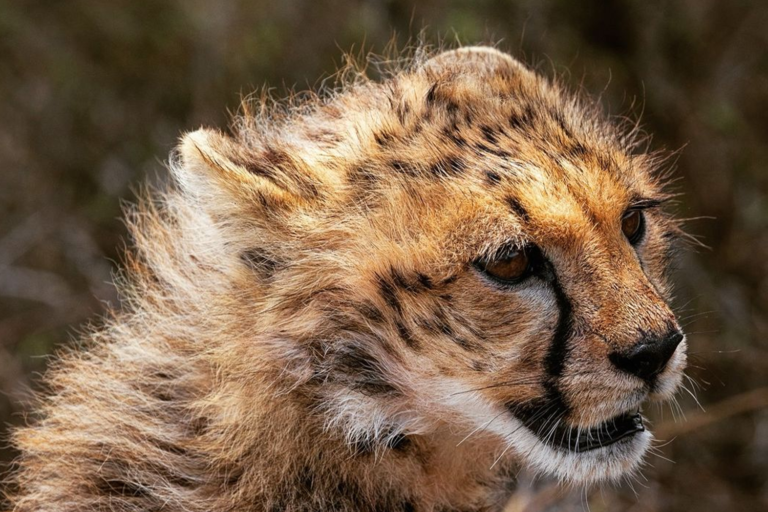
Best Serengeti Safari Camps For Couples And Honeymooners 2026-2027
Best Serengeti Safari Camps for Couples and Honeymooners is explained with current 2026-2027 planning, price, itinerary and booking information.
View package details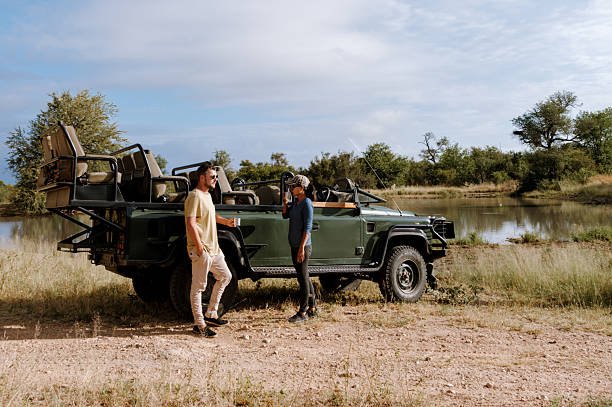
Best Serengeti Safari Camps Close To Wildebeest Migration Areas 2026-2027
Best Serengeti Safari Camps Close to Wildebeest Migration Areas is explained with current 2026-2027 planning, price, itinerary and booking information.
View package details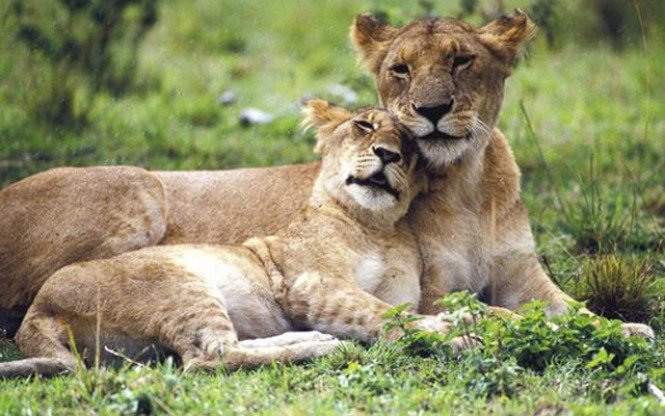
6 Day Northern Serengeti Migration Safari With Luxury Tented Camps 2026-2027
6 Day Northern Serengeti Migration Safari with Luxury Tented Camps is explained with current 2026-2027 planning, price, itinerary and booking information.
View package details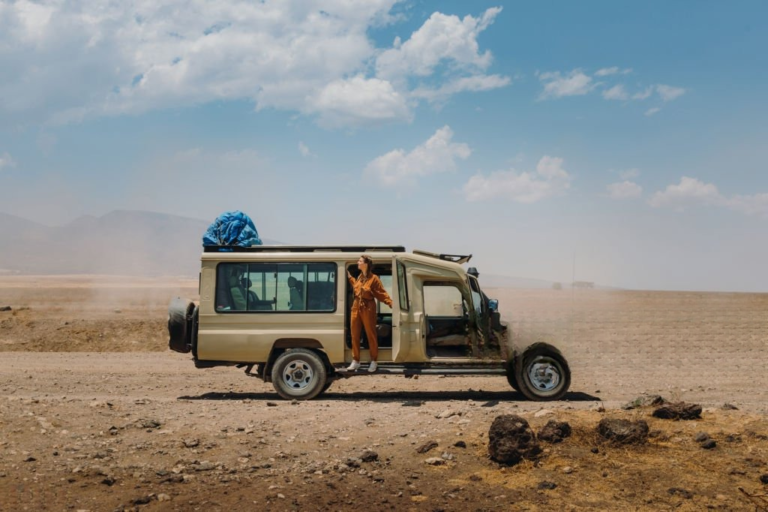
5 Day Serengeti Safari Packages With Luxury Tented Camps 2026-2027
5 Day Serengeti Safari Packages with Luxury Tented Camps is explained with current 2026-2027 planning, price, itinerary and booking information.
View package details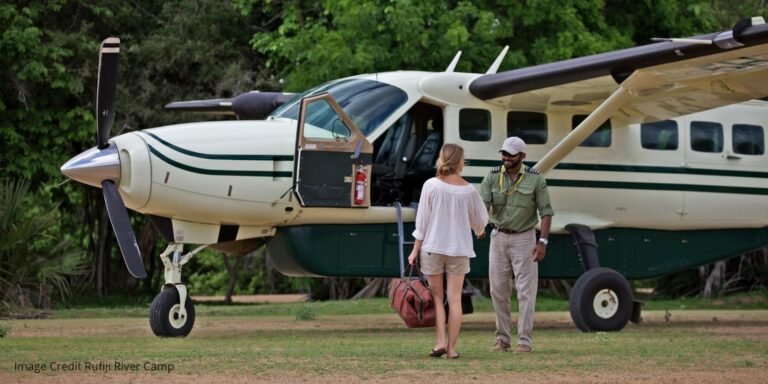
Can A Serengeti Safari Guide Guarantee A River Crossing Sighting? 2026-2027
A detailed travel planning assessment clarifying why no ethical safari guide can guarantee a wildebeest river crossing in the Serengeti, detailing herd dynamics, crossing points, and field...
View package details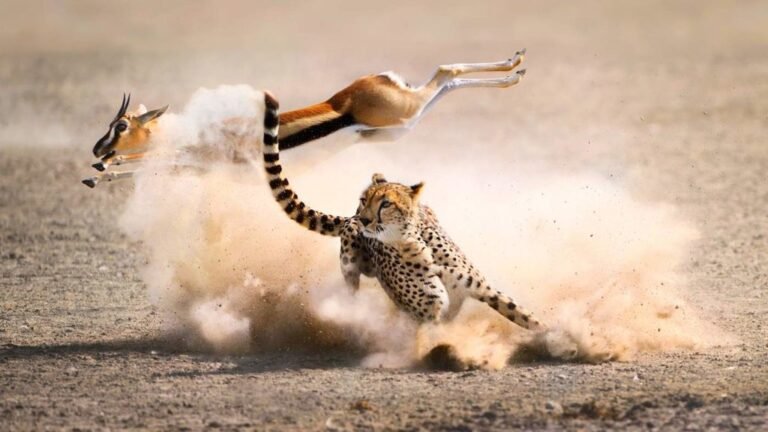
Can I Book A Serengeti Safari With A Hot Air Balloon Experience? 2026-2027
Can I Book a Serengeti Safari with a Hot Air Balloon Experience? is explained with current 2026-2027 planning, price, itinerary and booking information.
View package details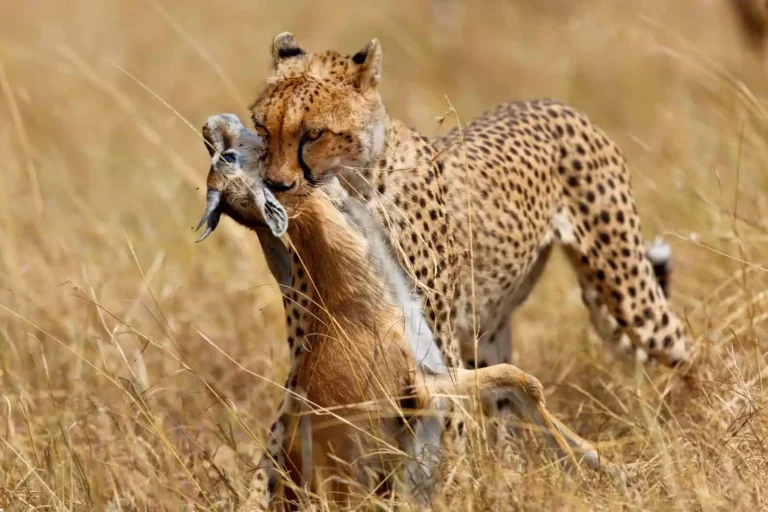
Is Ngorongoro Crater Better Than Serengeti For A Short Safari? 2026-2027
Is Ngorongoro Crater Better Than Serengeti for a Short Safari? is explained with current 2026-2027 planning, price, itinerary and booking information.
View package details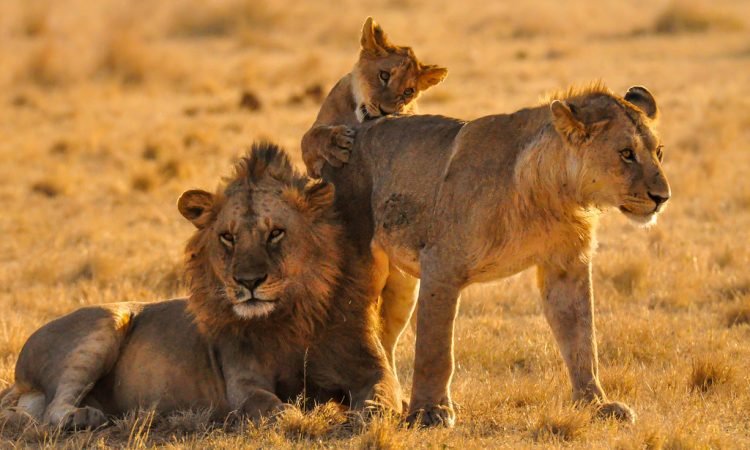
Best Serengeti Safari Packages With Two Nights Inside The Park 2026-2027
Best Serengeti Safari Packages with Two Nights Inside the Park is explained with current 2026-2027 planning, price, itinerary and booking information.
View package details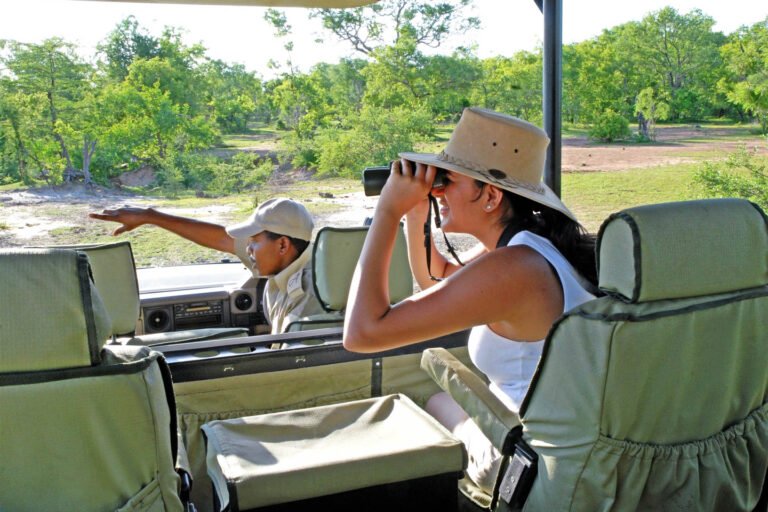
Central Serengeti Vs Northern Which Is Better For Safari? 2026-2027
Central Serengeti vs Northern Serengeti: Which Is Better for Safari? is explained with current 2026-2027 planning, price, itinerary and booking information.
View package details6 Day Ndutu Serengeti And Ngorongoro Safari With Private Guide 2026-2027
6 Day Ndutu Serengeti and Ngorongoro Safari with Private Guide is explained with current 2026-2027 planning, price, itinerary and booking information.
View package details
Best Southern Serengeti Safari Tours For February Wildlife Photography
Best Southern Serengeti Safari Tours for February Wildlife Photography is explained with current 2026-2027 planning, price, itinerary and booking information.
View package details
5 Day Ndutu And Serengeti Calving Season Safari Packages 2026-2027
5 Day Ndutu and Serengeti Calving Season Safari Packages is explained with current 2026-2027 planning, price, itinerary and booking information.
View package detailsNo closely related package is available yet for this topic.

Our Guest Reviews, Currently Feedback from Clients in 2026
Reviews from different sources, including Google Business, Tripadvisor, other platforms, and social media.