
The 9 Days Lemosho Route Kilimanjaro Climbing Tour – 5–13 December 2026 is an extended high-altitude trek that approaches Mount Kilimanjaro (5,895 meters / 19,341 feet) from the pristine western flank, traversing the Shira Plateau before ascending the Southern Circuit toward Uhuru Peak. Departing precisely as the short November rains diminish and the dry, sunny summer season approaches, this 9-day schedule features seven full days on the mountain flanked by arrival and departure days in Moshi or Arusha, affording an exceptional 85% to 90% acclimatization success rate. Trekkers should anticipate varied terrain—from ancient montane rainforest to alpine desert and volcanic scree—requiring structured packing for sub-zero summit conditions, managed porter weight limits (strict 15 kg duffel allowance), and early reservations to secure private or shared group space ahead of peak December demand.
Why the 5–13 December 2026 Window Offers Strategic Value
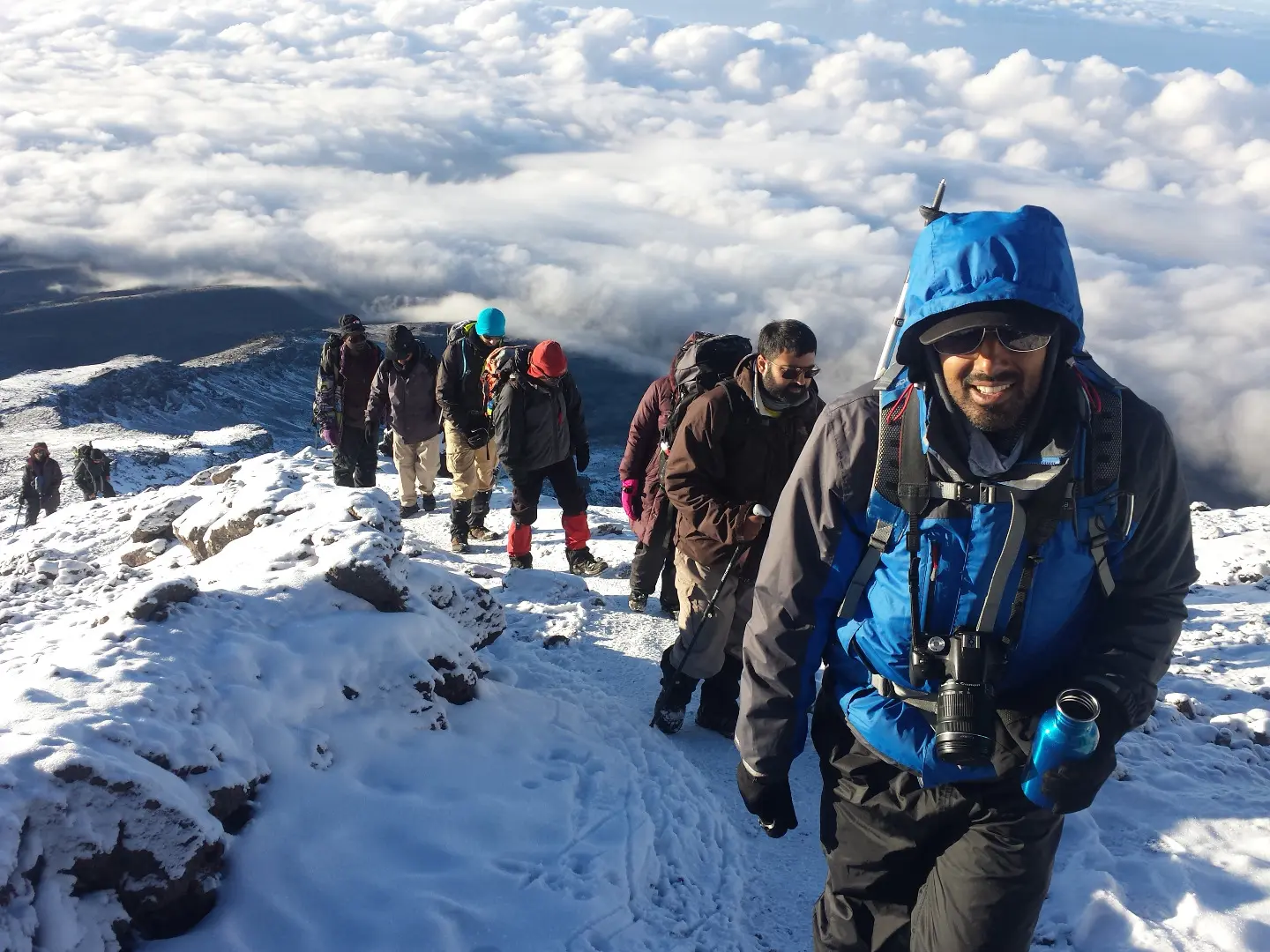
Choosing the specific window of 5–13 December 2026 places mountaineers in a unique transitional period on Mount Kilimanjaro. Historically, the East African “short rains” dominate late October and November. By early December, prevailing synoptic wind patterns begin shifting toward the dry, stable northeastern monsoonal flow. This timing delivers noticeably clearer mornings and pristine visibility across the Shira Ridge and Kibo volcanic cone, while keeping trail density far lower than the massive holiday wave that floods the mountain from mid-December through New Year’s Day.
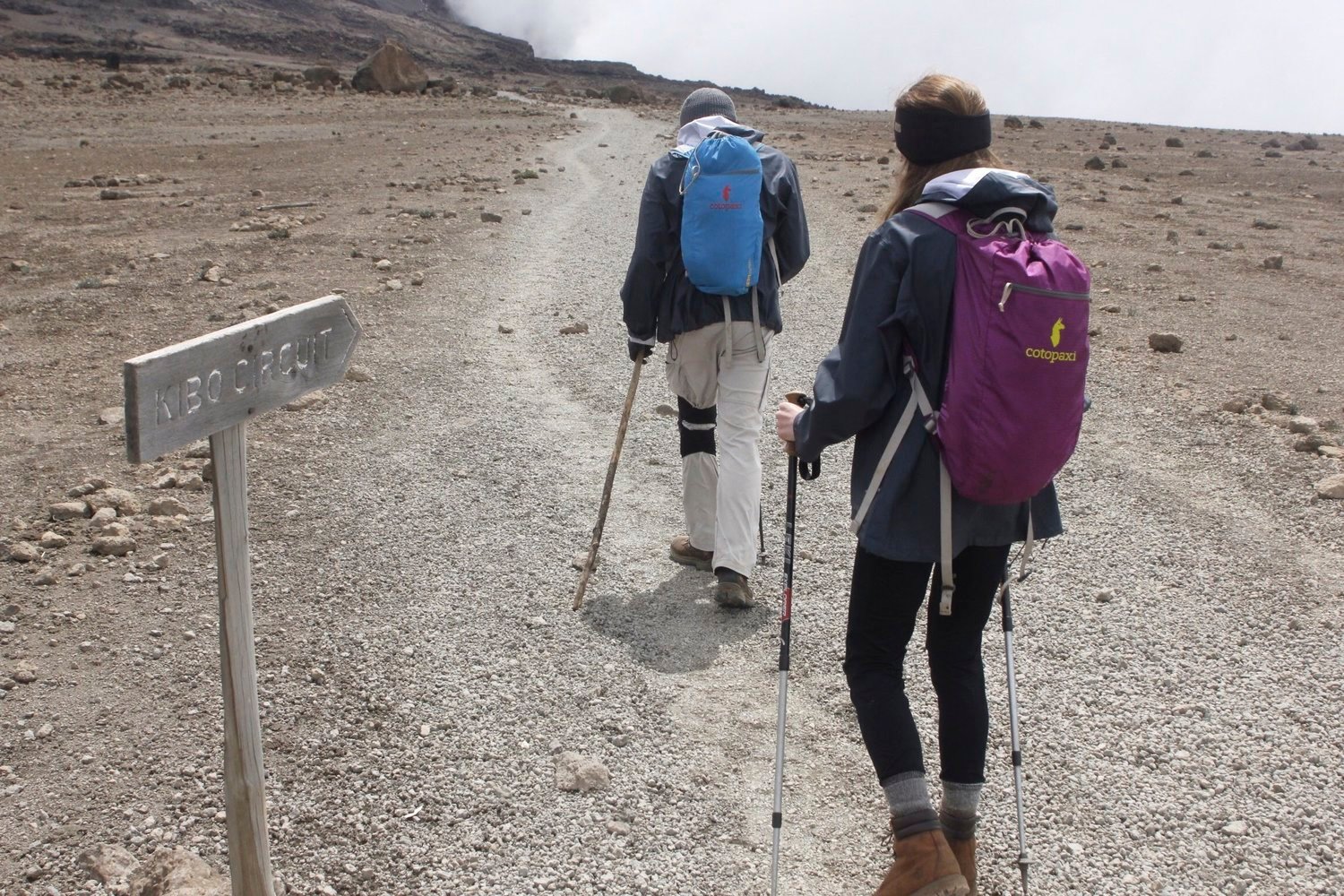
Hikers who set foot on the mountain during early December bypass the crowded trailheads typical of routes like Machame and Marangu. The Lemosho trail begins in the remote western buffer zone, where thick vegetation and undisturbed Afro-montane forest dominate the first two days. Starting from Londorossi Gate (2,100 m) and progressing through the untracked Lemosho Glades provides an authentic wilderness setting rarely experienced on more accessible eastern approaches.
For those evaluating related departures during the holiday month, such as the 8 Days Lemosho Kilimanjaro Trekking Package – 4–11 December 2026-2027 or shorter variations like the 7 Days Lemosho Route Kilimanjaro Group Trek – 6–12 December 2026-2027, the 9-day framework provides crucial logistical breathing room. By maintaining an extra rest or transitional day, physiological acclimatization occurs without compressing ascent profiles into high-risk jumps above 4,000 meters.
Key Strategic Advantage: Early December provides dramatic landscape photography conditions, as residual cloud formations break around midday over the Kibo caldera. Moreover, camping sites such as Shira 2, Barranco, and Karanga operate well under peak tent capacities during the 5–13 December 2026 block.
Terrain Dynamics and High-Altitude Acclimatization Strategy
The golden rule of high-altitude mountaineering—walk slowly, climb high, sleep low—is naturally integrated into the topography of the Lemosho trajectory. The route climbs through five distinct ecological bands: Cultivated foothills, Montane Forest, Heath and Moorland, Alpine Desert, and the Arctic Summit Zone. Each transition brings marked changes in ambient atmospheric pressure, moisture retention, and nocturnal temperatures.
Acclimatization efficiency depends heavily on elevation profiles between Day 3 and Day 5. After clearing the Shira Plateau at approximately 3,850 meters, the trail ascends eastward toward Lava Tower at 4,630 meters. This critical geological milestone exposes the body to acute hypoxia for an hour during lunch before descending directly into the sheltered Barranco Valley at 3,976 meters. This massive 650-meter drop between highest point reached and sleeping elevation stimulates red blood cell production via enhanced erythropoietin (EPO) release, mitigating acute mountain sickness (AMS).
| Expedition Day | Start Elevation | Max Elevation | Camp Elevation | Acclimatization Impact |
|---|---|---|---|---|
| Day 2 (Dec 6) | 2,100 m (Londorossi) | 2,650 m | 2,650 m (Mti Mkubwa) | Gradual onset in dense, oxygen-rich forest |
| Day 3 (Dec 7) | 2,650 m | 3,610 m | 3,610 m (Shira 1) | Crossing tree line; entry to moorland zone |
| Day 4 (Dec 8) | 3,610 m | 3,850 m | 3,850 m (Shira 2) | Gentle plateau traverse; low cardiac strain |
| Day 5 (Dec 9) | 3,850 m | 4,630 m (Lava Tower) | 3,976 m (Barranco) | Core “Climb High, Sleep Low” benchmark |
| Day 6 (Dec 10) | 3,976 m | 4,200 m (Barranco Wall) | 3,995 m (Karanga) | Scrambling stimulates pulmonary circulation |
| Day 7 (Dec 11) | 3,995 m | 4,673 m | 4,673 m (Barafu Camp) | Pre-summit rest; sub-zero alpine conditions |
| Day 8 (Dec 12) | 4,673 m | 5,895 m (Uhuru Peak) | 3,100 m (Mweka Camp) | Maximum physiological demand and steep descent |
Comprehensive Day-by-Day Expedition Itinerary
Day 1 (5 December 2026): Arrival, Gear Audit, and Expedition Briefing
Your journey begins with transfer logistics from Kilimanjaro International Airport (JIA/JRO) to your base hotel in Moshi. Mountain teams meet you for a comprehensive gear inspection, auditing thermal layers, four-season sleeping systems rated to -15°C, high-altitude sunglasses, waterproof shells, and properly broken-in trekking boots. Guides verify pulse oximeter baseline measurements and review high-altitude hydration protocols. The remainder of the day is devoted to systemic rest and physical preparation.
Day 2 (6 December 2026): Londorossi Gate to Mti Mkubwa Camp
Departing Moshi early, a two-hour drive winds through rural villages and lush farmland to Londorossi Gate for registration with the Tanzania National Parks Authority (TANAPA). A further rough 4×4 track carries the team to the Lemosho Glades trailhead. The trek kicks off with a steady 3- to 4-hour hike through moist, untamed rainforest characterized by hanging moss, towering podocarpus trees, and sightings of blue monkeys or black-and-white colobus monkeys. You reach Mti Mkubwa (Big Tree Camp) at 2,650 meters in late afternoon, where individual tents are already pitched and operational.
Day 3 (7 December 2026): Mti Mkubwa Camp to Shira 1 Camp
Leaving the rainforest behind, the path climbs steeply through the sub-alpine heath and moorland belt. Giant heather plants and proteas replace the tall forest canopy. The trail crests the rim of the Shira Caldera—a collapsed volcanic crater that forms a high-altitude plateau. After crossing heather moorland and rolling volcanic ridges over a span of 5 to 6 hours, you set up camp at Shira 1 Camp at 3,610 meters. Temperatures drop sharply once the sun dips below the western horizon, offering striking views of Mount Meru to the west.
Day 4 (8 December 2026): Shira 1 Camp to Shira 2 Camp
A gentle day of walking across the sweeping expanses of the Shira Plateau. The route ascends toward the eastern perimeter of the caldera, passing weathered volcanic spires and historic basalt formations. Because the net elevation gain is modest—reaching Shira 2 Camp at 3,850 meters in approximately 4 hours—this stage offers vital energetic conservation. Climbers use the afternoon for an optional short acclimatization loop up the local ridges to improve lung compliance before spending the night directly beneath the glaciated western breach of Kibo.
Day 5 (9 December 2026): Shira 2 to Lava Tower and Descend to Barranco Camp
This is the cornerstone acclimatization day of the Lemosho sequence. Striking east, the trail enters the semi-desert zone where sparse vegetation gives way to stark scree, boulders, and wind-scoured dust. The steady 4-hour ascent takes you toward the base of Lava Tower (4,630 meters), an ancient volcanic plug standing over 90 meters high. The expedition halts here for an acclimatization lunch. The thin air and decreased barometric pressure challenge your cardiovascular capacity, but the physical payoff follows immediately: a sustained 2-hour descent into the green, sheltered Barranco Valley. Camp is made at Barranco Camp (3,976 meters), surrounded by the distinctive giant groundsels (Dendrosenecio kilimanjari).
Day 6 (10 December 2026): Barranco Wall to Karanga Camp
The morning begins with the Barranco Wall scramble, a 257-meter volcanic rock face that appears nearly vertical from camp. In reality, it is a non-technical Class 2 scramble requiring hands and feet for balance along stable rock ledges, including the well-known “Kissing Rock” corner. Reaching the wall’s crest rewards you with expansive vistas of the southern glacier fields. From the top, the route traverses a succession of rolling alpine ridges before dropping steeply into the Karanga Valley, the last water collection point on the mountain. A final short, steep climb brings you to Karanga Camp (3,995 meters) after roughly 4 to 5 hours. This short stage ensures metabolic systems recover while maintaining critical altitude adaptation.
Day 7 (11 December 2026): Karanga Camp to Barafu Base Camp
Leaving Karanga, the trail turns north toward the dry, exposed junction with the Mweka trail, entering a hostile alpine desert environment. The vegetation drops to zero; rocks, wind, and fine volcanic ash dominate the landscape. The route steadily climbs toward Barafu Camp (4,673 meters) over 3 to 4 hours. Barafu—meaning “ice” in Swahili—is a high, windswept ridge without natural windbreaks, serving as the staging ground for the final summit bid. Climbers take lunch, conduct final medical checks, double-check headlamps, pack warm water bladders into insulative jackets, and retire to sleep by 18:00 ahead of the midnight push.
Day 8 (12 December 2026): Midnight Ascent to Uhuru Peak and Descent to Mweka Camp
Wake-up call arrives around 23:00 on 11 December. After hot tea and biscuits, the summit team steps out under headlamp beams around midnight. The climb ascends northwest over loose volcanic scree between the Rebmann and Ratzel glaciers toward Stella Point (5,756 meters) on the crater rim. This 6-hour slog tests mental discipline as sub-zero winds (frequently -10°C to -15°C) whip across the ridge.
Reaching Stella Point just as dawn illuminates the African plains, you pause for a hot beverage before undertaking the final 45-minute push along the gentle snow-covered crater rim to Uhuru Peak (5,895 meters / 19,341 feet)—the highest point on the African continent. After spending 15–20 minutes capturing summit photographs, the team begins the knee-jarring descent back to Barafu Camp for a hot meal and a short two-hour rest. Packing up the high camp, the descent continues down the rocky Mweka trail, transitioning through the heath zone to Mweka Camp (3,100 meters) within the upper forest canopy. Total walking time for this demanding day spans 11 to 14 hours.
Day 9 (13 December 2026): Mweka Camp to Mweka Gate and Return to Moshi
The final morning features a 3- to 4-hour descent through wet montane forest to Mweka Gate (1,640 meters). Lower atmospheric pressure disappears, replaced by dense, oxygen-rich air. Trekkers sign out of the official national park registry and receive their summit certificates: green certificates for Stella Point, gold for Uhuru Peak. The mountain support crew stages the traditional Kilimanjaro celebration and tipping ceremony. Private transport transfers the group back to Moshi for hot showers, celebration dinners, or onward safaris.
Microclimates and Mountain Weather in Early December
Trekkers booking the 9 Days Lemosho Route Kilimanjaro Climbing Tour – 5–13 December 2026 experience a changing climatic footprint. While July to September provides bone-dry, dusty conditions, early December sits right at the end of the short wet season. This transition delivers unique mountaineering advantages, along with specific logistical requirements.
- Forest Zone (1,800 m – 2,800 m): Daytime temperatures range between 18°C and 23°C. Afternoon showers remain common in early December. High-denier waterproof gaiters and Gore-Tex shells are non-negotiable to manage slick forest mud.
- Moorland & Semi-Desert (2,800 m – 4,000 m): Crisp mornings with strong solar radiation (UV index exceeding 11). Temperatures hover around 12°C to 16°C by day, dropping to 0°C to 4°C at night. Cloud formations often accumulate across the Barranco and Karanga valleys by 14:00.
- Alpine Desert & Arctic Summit Zone (4,000 m – 5,895 m): Daytime highs barely reach 2°C to 5°C, while nocturnal temperatures regularly plummet between -5°C and -15°C at Barafu and Uhuru Peak. Wind-chill factors require thermal balaclavas, 800-fill down jackets, and insulated gloves with wind-stopping membranes.
Check Availability for 9 Days Lemosho Route Kilimanjaro Climbing Tour – 5–13 December 2026-2027
Ready to compare dates, prices, and the best option for your group? Send the package name and travel month so the team can reply with a clear quote, availability, and what is included.
8 Days Lemosho Route Kilimanjaro Group Departure – 12–19 December 2026-2027
A detailed guide to the 8-day Lemosho Route Kilimanjaro group climb departing 12–19 December 2026, covering route details, daily itinerary, acclimatization strategy, and what to expect.
View package details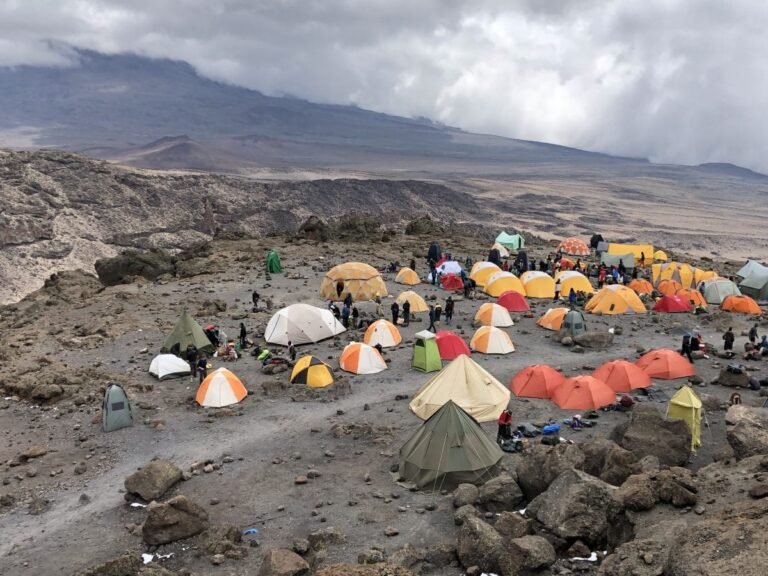
7 Days Lemosho Route Kilimanjaro Group Climb – 3–9 December 2026-2027
7 Days Lemosho Route Kilimanjaro Group Climb – 3–9 December 2026 is explained with current 2026-2027 planning, price, itinerary and booking information.
View package details8 Days Lemosho Route Kilimanjaro Group Climb – 15–22 December 2026-2027
8 Days Lemosho Route Kilimanjaro Group Climb – 15–22 December 2026 is explained with current 2026-2027 planning, price, itinerary and booking information.
View package details
7 Days Lemosho Route Kilimanjaro Group Trek – 6–12 December 2026-2027
7 Days Lemosho Route Kilimanjaro Group Trek – 6–12 December 2026 is explained with current 2026-2027 planning, price, itinerary and booking information.
View package details
8 Days Lemosho Kilimanjaro Full Moon Group Trek – 18–25 December 2026-2027
An 8-day group trek on Kilimanjaro's scenic Lemosho Route timed for the December 2026 full moon period, with summit day on Christmas morning.
View package details
8 Days Lemosho Kilimanjaro Christmas Trek – 24–31 December 2026-2027
8 Days Lemosho Kilimanjaro Christmas Trek – 24–31 December 2026 is explained with current 2026-2027 planning, price, itinerary and booking information.
View package details
8 Days Lemosho Kilimanjaro Group Hiking – 7–14 December 2026-2027
8 Days Lemosho Kilimanjaro Group Hiking – 7–14 December 2026 is explained with current 2026-2027 planning, price, itinerary and booking information.
View package details
8 Days Lemosho Kilimanjaro Trekking Package – 4–11 December 2026-2027
8 Days Lemosho Kilimanjaro Trekking Package – 4–11 December 2026 is explained with current 2026-2027 planning, price, itinerary and booking information.
View package details
7 Days Machame Route Kilimanjaro Christmas Trek – 20–26 December 2026-2027
7 Days Machame Route Kilimanjaro Christmas Trek – 20–26 December 2026 is explained with current 2026-2027 planning, price, itinerary and booking information.
View package details
8 Days Machame Route Kilimanjaro Trekking – 15–22 December 2026-2027
8 Days Machame Route Kilimanjaro Trekking – 15–22 December 2026 is explained with current 2026-2027 planning, price, itinerary and booking information.
View package details
8 Days Lemosho Kilimanjaro Group Joining – 29 December – 5 January 2026-2027
8 Days Lemosho Kilimanjaro Group Joining – 29 December 2026 – 5 January 2027 is explained with current 2026-2027 planning, price, itinerary and booking.
View package details7 Days Lemosho Kilimanjaro New Year Trek – 27 December – 2 January 2026-2027
7 Days Lemosho Kilimanjaro New Year Trek – 27 December 2026 – 2 January 2027 is explained with current 2026-2027 planning, price, itinerary and booking.
View package detailsNo closely related package is available yet for this topic.

Our Guest Reviews, Currently Feedback from Clients in 2026
Reviews from different sources, including Google Business, Tripadvisor, other platforms, and social media.