
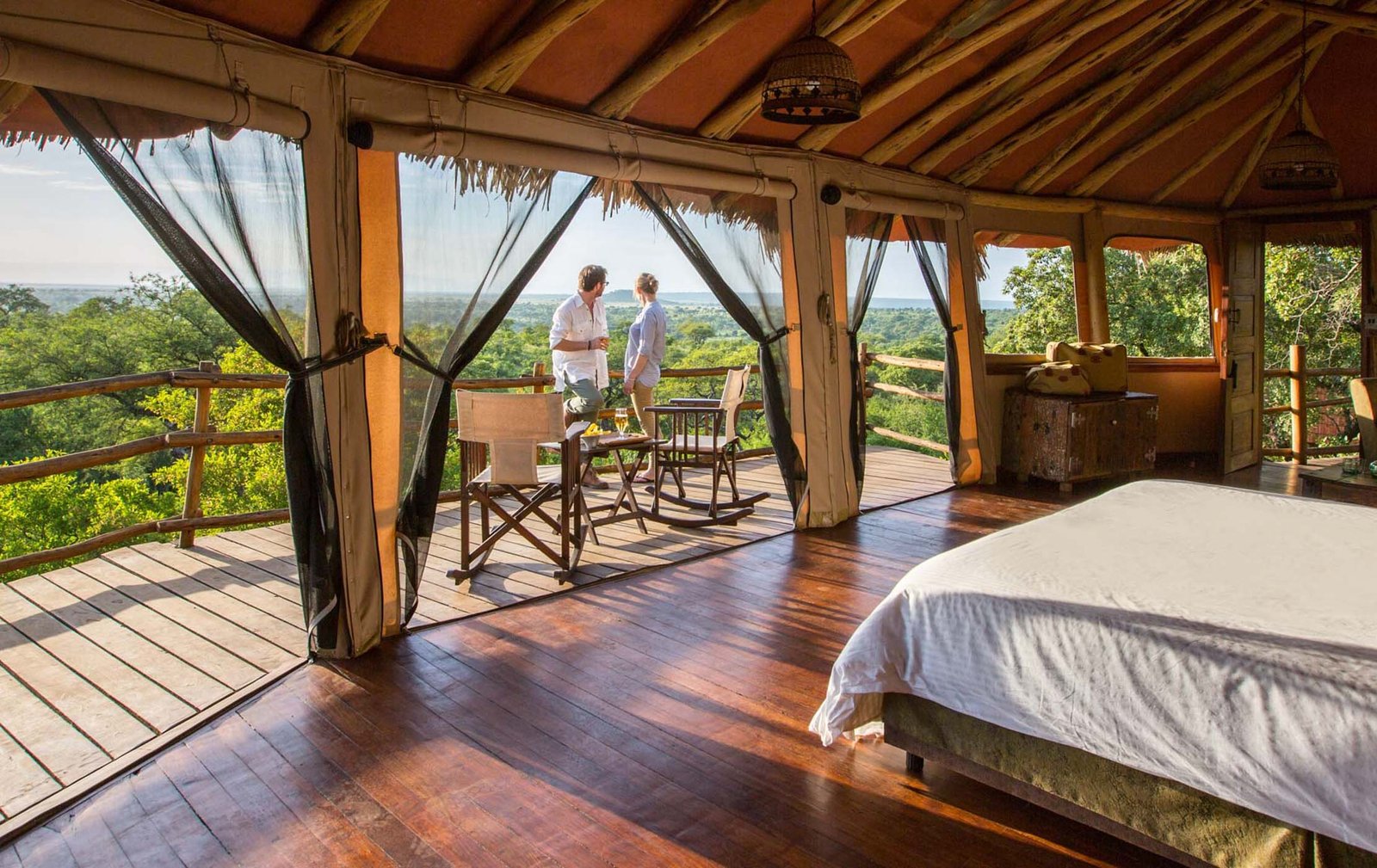
Guided safari tour packages in Tanzania are structured multi-day overland or fly-in wildlife expeditions led by licensed driver-guides in customized 4×4 safari vehicles. These packages bundle park conservation fees, transit fees, game drives, wilderness accommodations, full-board meals, and regional transfers into a single coordinated itinerary. For 2026-2027, packages typically range from $200 to $350 per person per day for basic camping or small group-joining itineraries, $400 to $750 per day for mid-range permanent tented lodges, and upwards of $850 to $1,800+ per day for luxury fly-in wilderness operations. The primary planning decision hinges on choosing between the wildlife-dense Northern Circuit (Serengeti, Ngorongoro, Tarangire, Manyara) and the remote Southern Circuit (Nyerere, Ruaha), matched against your preference for fixed group departures or custom private safari routing.
The Operational Blueprint: How Guided Safari Tour Packages Function Across Tanzania
Tanzania covers roughly 947,000 square kilometers, with over a third of its landmass preserved under national parks, game reserves, and wildlife conservation areas. Attempting to navigate this expanse without structured ground support introduces substantial logistical friction. A guided safari tour package serves as an integrated logistics mechanism, bridging municipal transit hubs like Kilimanjaro International Airport (JRO), Arusha Airport (ARK), or Julius Nyerere International Airport (DAR) with isolated bush ecosystems.
When you book a guided safari package through a licensed local operator like Top Guide Adventures, every logistical variable is anchored to strict conservation frameworks established by the Tanzania National Parks Authority (TANAPA) and the Ngorongoro Conservation Area Authority (NCAA). Guided packages eliminate the compounding administrative headaches of self-drive travel in East Africa: cash-free electronic smart card entry systems, fluctuating 24-hour park permit clocks, seasonal road washouts, and compulsory armed ranger escorts in walking sectors.
A core element of every package is the vehicle-guide unit. Rather than standard car rental setups, game drives demand specialized long-wheelbase Toyota Land Cruisers fitted with heavy-duty off-road suspension, dual spare tires, high-lift jacks, an onboard inverter for equipment charging, and a pop-up roof canopy for 360-degree photography. Your driver-guide acts as a certified field naturalist, radio operator, mechanic, and navigation strategist simultaneously. Their ability to read animal tracks, interpret predator behavioral cues, and cross-reference sightings over regional VHF radio networks differentiates a casual drive from an exceptional wildlife encounter.
Packages are categorized across two distinct structural models:
- Overland Circuit Safaris: Departing from Arusha or Moshi, these itineraries travel by road through park gates, connecting Tarangire, Lake Manyara, the Ngorongoro Highlands, and the Serengeti plains. This style maximizes scenic context and geographical scale but involves extended driving stretches along graded gravel and washboard tracks.
- Fly-In / Drive-Out or Pure Bush Fly-In Safaris: Bush flights operating from Arusha, Kilimanjaro, or Zanzibar land at rough airstrips such as Seronera (SEU), Kogatende (KOG), or Ndutu (NDU). Travelers meet their allocated safari vehicle and guide directly at the airstrip, eliminating full-day driving transfers and maximizing time inside prime wildlife zones.
The Northern Circuit: Distinct Park Ecosystems and Route Logic
The Northern Safari Circuit represents the geographic backbone of Tanzania’s wildlife economy. While the individual parks are frequently grouped together in standard brochures, each features radically different geology, vegetation density, animal concentrations, and infrastructure pressures. Crafting an effective 2026-2027 itinerary requires understanding how these ecosystems complement one another rather than doubling up on similar terrain.
Tarangire National Park: River Corridors and Elephant Monoliths
Covering roughly 2,850 square kilometers, Tarangire is defined by its seasonal river spine and ancient baobab trees. Between late June and November, Tarangire serves as an indispensable dry-season refuge for migratory wildlife outside the Serengeti eco-system. Thousands of elephants, zebras, wildebeest, and cape buffalo abandon the arid Masai Steppe to concentrate along the Tarangire River.
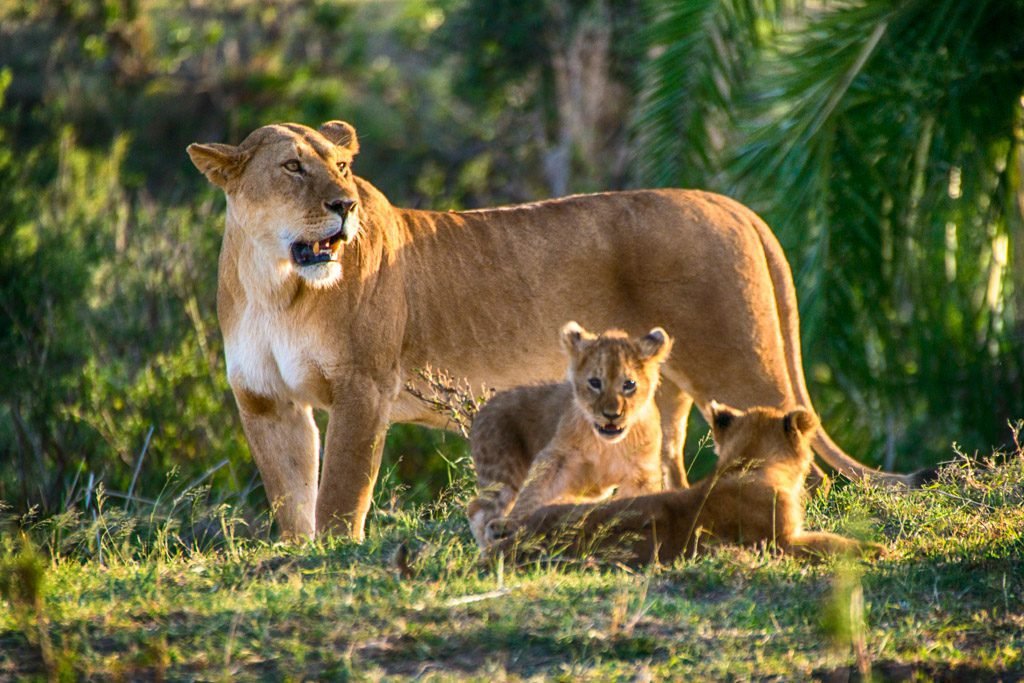
During peak dry months, Tarangire delivers some of the highest elephant population densities on the continent. However, during the wet months (March through May), tall elephant grass and dense scrub growth lower game visibility, while wildlife disperses across hundreds of square miles outside park boundaries. For travelers visiting in late dry season, scheduling at least two nights in Tarangire provides rewarding encounters with resident lion prides, leopard in the riverine woodland, and rare dry-country ungulates like fringe-eared oryx and gerenuk.
Lake Manyara National Park: Groundwater Forests and Avian Riches
Resting directly beneath the sheer 600-meter wall of the Great Rift Valley escarpment, Lake Manyara is a compact park of 325 square kilometers, with alkaline lake surface waters claiming more than two-thirds of that footprint during high-water cycles. It functions best as an exploratory half-day or single-day safari stage while transitioning between Arusha and the Ngorongoro Highlands.
The park begins in dense, subterranean-fed groundwater forest thick with troops of baboons, blue monkeys, and hornbills, before opening into acacia scrub and broad lake floodplains. Manyara gained fame for tree-climbing lions—a behavioral adaptation driven by thermal management and tsetse fly avoidance—though spotting them sprawled on acacia branches requires luck. The park’s true asset is avian life: thousands of flamingos feeding along the alkaline shallows, accompanied by pelicans, storks, and raptors.
The Ngorongoro Conservation Area & Crater Floor
Ngorongoro is not a TANAPA national park; it is a multi-use Conservation Area where Maasai pastoralists co-exist alongside wildlife under NCAA authority. The undisputed centerpiece is the Ngorongoro Crater: an intact 260-square-kilometer volcanic caldera descending 600 meters from a heavily forested rim down to an open savanna floor.
The micro-climate inside the caldera fosters a dense concentration of approximately 25,000 large mammals year-round. It remains the most dependable place in East Africa to observe the endangered black rhinoceros within a single morning game drive. The crater floor supports healthy prides of black-maned lions, spotted hyenas, golden jackals, hippo pools at Ngoitokitok, and large herds of zebra and blue wildebeest.
Because the crater floor is physically contained, visitor regulations are strictly monitored. Vehicle permits for crater floor descents are limited to single-entry blocks, and operational guidelines enforce early evening exit times. Staying on the crater rim provides early morning gate access before long lines of vehicles descend down the Seneto descent road.
Serengeti National Park: Endless Grasslands and Specialized Sectors
Spanning 14,763 square kilometers, the Serengeti is massive and ecologically multifaceted. The park cannot be treated as a single monolith; driving from the southern plains to the northern Kenyan border takes an entire day. When evaluating guided safari tour packages for 2026-2027, your planned travel dates must strictly align with the correct sector of the park.
- Central Serengeti (Seronera Valley): The predator epicenter. Networked by the permanent Seronera River, this zone maintains rich resident prey populations year-round, making it reliable for sightings of leopards draped in sausage trees, cheetahs hunting across kopjes, and dominant lion prides. It also experiences the heaviest vehicle traffic.
- Southern Serengeti (Ndutu / Kusini): Short-grass plains shared between TANAPA and the NCAA. This is the staging ground for the Great Migration’s calving season from late December through March.
- Western Corridor (Grumeti River): Characterized by alluvial plains and riverine galleries. The migration pushes through this sector between May and July, where mega-pods of giant Nile crocodiles lie in wait at river crossing channels.
- Northern Serengeti (Kogatende & Lamai Wedge): Dramatic undulating granite hills framing the Mara River. From July through October, this sector hosts world-famous river crossings, where wildebeest plunge through rapid currents facing apex predators.
For in-depth wildlife profiles across these reserves, consult our detailed resource on the Tanzania Wildlife Safari: Best Serengeti, Ngorongoro, Big Five & Migration.
The Southern and Western Circuits: Wilderness Isolation vs Transit Complexities
While the Northern Circuit commands high visitor volumes, Tanzania’s southern and western sanctuaries provide completely untamed wilderness experiences. These regions are rarely visited by casual first-timers due to transit costs, but they reward experienced safari travelers seeking vast spaces free from vehicle convoys.
Nyerere National Park (Formerly Selous Game Reserve)
Covering over 30,000 square kilometers, Nyerere National Park forms one of Africa’s largest protected wild expanses. Carved by the wide Rufiji River, the landscape includes interconnected oxbow lakes, river channels, and dense miombo woodland. Guided safari packages in Nyerere emphasize variety: alongside standard open 4×4 game drives, travelers can join boat safaris navigating past pods of hippos and massive basking crocodiles, as well as escorted bush walks led by armed wilderness rangers.
Nyerere maintains an exceptional population of African wild dogs (painted hunting dogs), a critically endangered predator virtually impossible to track reliably on the Northern Circuit. Access is primarily handled via bush flights departing from Dar es Salaam or Zanzibar, landing at airstrips like Mtemere, Siwandu, or Matambwe.
Check Availability for Explore Tanzania National Parks With Guided Safari Tour Packages 2026-2027
Ready to compare dates, prices, and the best option for your group? Send the package name and travel month so the team can reply with a clear quote, availability, and what is included.

Best Tanzania Safari Tour Packages For International Travelers ( Planning
A comprehensive comparison of the best Tanzania safari tour packages for international travelers heading to East Africa in 2026-2027, covering logistics, package types, realistic budgets...
View package details
Best Tanzania Safari Tours With Custom Travel Itineraries 2026-2027
Best Tanzania Safari Tours with Custom Travel Itineraries is explained with current 2026-2027 planning, price, itinerary and booking information.
View package details
Tanzania Safari Packages Including Serengeti Tarangire And Ngorongoro
Tanzania Safari Packages Including Serengeti Tarangire and Ngorongoro is explained with current 2026-2027 planning, price, itinerary and booking information.
View package detailsBest Tanzania Safari Packages For And 2028 2026-2027
Best Tanzania Safari Packages for 2027 and 2028 is explained with current 2026-2027 planning, price, itinerary and booking information.
View package detailsTanzania Safari Group Joining Departures In February 2026-2027
Tanzania Safari Group Joining Departures in February 2027 is explained with current 2026-2027 planning, price, itinerary and booking information.
View package details
Tanzania Safari Tours For Solo Travelers In December 2026-2027
Tanzania Safari Tours for Solo Travelers in December 2026 is explained with current 2026-2027 planning, price, itinerary and booking information.
View package details
How Do I Join A Tanzania Safari Group From Arusha? 2026-2027
How Do I Join a Tanzania Safari Group from Arusha? is explained with current 2026-2027 planning, price, itinerary and booking information.
View package details
Can I Do A Tanzania Safari For Under $1,500 Per Person? 2026-2027
Can I Do a Tanzania Safari for Under $1,500 Per Person? is explained with current 2026-2027 planning, price, itinerary and booking information.
View package details
Tanzania Safari Cost Breakdown Including Park Fees And Accommodation 2026-2027
Tanzania Safari Cost Breakdown Including Park Fees and Accommodation is explained with current 2026-2027 planning, price, itinerary and booking information.
View package details
What Is The Cheapest Way To Book A Tanzania Safari? Guide 2026-2027
Discover how booking directly with local operators in Arusha or Moshi, joining group departures, and opting for public campsites slashes Tanzania safari costs by up to 50% for 2026-2027.
View package details
Book Tanzania Safari Tours Directly With Local Tour Companies 2026-2027
Book Tanzania Safari Tours Directly with Local Tour Companies is explained with current 2026-2027 planning, price, itinerary and booking information.
View package details
Tanzania Wildlife Safari Holidays With Professional English Speaking Guides
Tanzania Wildlife Safari Holidays with Professional English Speaking Guides is explained with current 2026-2027 planning, price, itinerary and booking.
View package detailsNo closely related package is available yet for this topic.

Our Guest Reviews, Currently Feedback from Clients in 2026
Reviews from different sources, including Google Business, Tripadvisor, other platforms, and social media.



