
A 4 day Southern Serengeti migration safari with tented accommodation is a focused, high-action wildlife circuit centered on the Ndutu plains and southern open grasslands during the great calving season from January through March. Operating primarily out of seasonal mobile canvas camps and permanent tented lodges, this 4-day itinerary concentrates your game-viewing hours around synchronized wildebeest birthing, nursery herds, and intense predator interactions across both the Ngorongoro Conservation Area and Serengeti National Park boundaries. For 2026-2027, mid-range tented safaris typically cost between $1,450 and $2,200 per person on a private booking basis, while premier luxury mobile camps range from $2,600 to $4,400 per person, depending on whether you drive round-trip from Arusha or fly directly into Ndutu Airstrip to maximize field hours.
Trip Snapshot & Feasibility: Is 4 Days Sufficient for the Calving Season?
Planning a 4-day safari requires strict geographical discipline. Many travelers make the critical mistake of attempting to combine Tarangire, Lake Manyara, Central Seronera, and the Southern Serengeti into a four-day timeframe, spending 70% of their daylight hours on corrugated transit roads. A true 4 day Southern Serengeti migration safari with tented accommodation succeeds only when you bypass peripheral parks and focus your mileage on the Ndutu ecosystem, where the mega-herds assemble between late December and early April.
Because the southern short-grass plains span the non-fenced border between the Ngorongoro Conservation Area (NCAA) and the Serengeti National Park (SENAPA), a 4-day timeline offers enough time to track the massive nursery herds without spreading yourself thin. The critical decision comes down to transit mode:
- Overland Drive (Arusha to Ndutu): Takes roughly 6 to 7 hours each way through Mto wa Mbu, Karatu, and the Ngorongoro crater rim. This option cuts costs significantly by utilizing one customized 4×4 Land Cruiser throughout, but it consumes the morning of Day 1 and the afternoon of Day 4 in highway transit.
- Fly-In / Drive-Out or Fly-Roundtrip: A bush flight from Arusha Airport (ARK) or Kilimanjaro International Airport (JRO) landing directly at Ndutu Airstrip (NDU) puts you in the center of the herds by 09:30 AM on Day 1. This adds roughly $350 to $500 per passenger each way but delivers an extra full day of active game tracking.
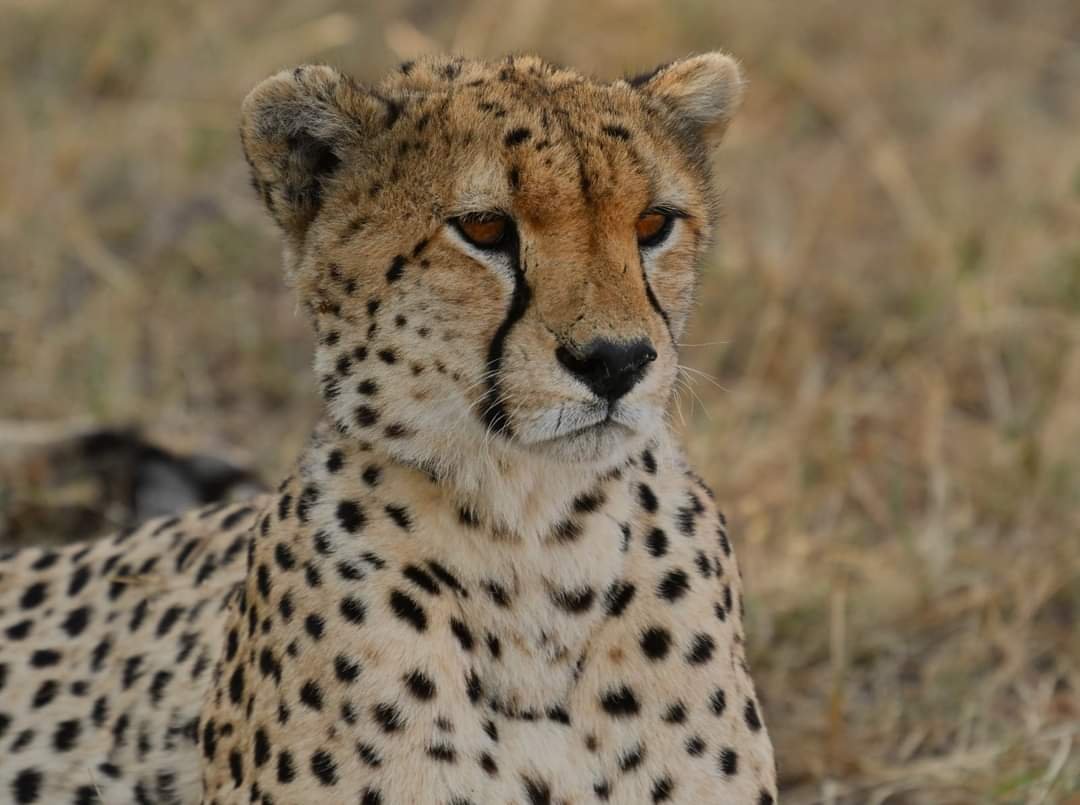
For travelers targeting the peak birthing weeks of 2026-2027, four days is the optimal window to see both synchronized wildebeest calving and the resident big cats—lion prides, cheetah coalitions, and spotted hyenas—that patrol the perimeter of the herds. If you want a wider overview of general park itineraries across other months, review our guide to Tanzania Great Migration safari packages.
2026-2027 Cost Breakdown & Accommodation Tiers
Pricing for a Southern Serengeti tented itinerary fluctuates based on camp exclusivity, vehicle exclusivity (private vs. shared), and whether you opt for seasonal mobile canvas camps that pitch directly in the path of the herds. Unlike standard safari circuits, southern seasonal camps operate high-output off-grid operations with dedicated solar battery banks, trucked-in treated water, and mobile field kitchens, which is reflected in the per-night tariff.
| Safari Tier | Accommodation Type | Estimated Cost (2026-2027 per person) | Ideal For | Key Logistics Included |
|---|---|---|---|---|
| Mid-Range Tented | Semi-permanent canvas camps (e.g., Ndutu Heritage, Kenzan Tented) | $1,450 – $2,100 (based on 2 travelers) | Couples, photographers on practical budgets | Private 4×4 Land Cruiser, en-suite chemical/flush toilets, bucket or gravity showers |
| Upper Mid-Range | Seasonal mobile migration camps (e.g., Ang’ata Migration, Chaka Camp) | $2,200 – $3,100 (based on 2 travelers) | Travelers seeking raw bush ambiance right on herd edges | Solar power, hot pressurized showers, chef-prepared 3-course dinners, park/conservation fees |
| Luxury Canvas | High-end mobile camps (e.g., Lake Ndutu Luxury Tented, Olakira, Ubuntu) | $3,200 – $4,800 (based on 2 travelers) | Discerning travelers, professional wildlife cinematographers | Plush king beds, gourmet cuisine, premium wines/spirits, optional bush flight connections |
To understand the breakdown of mandatory entry and conservation tariffs behind these figures, check our practical guide on the Tanzania safari cost breakdown for park fees and accommodation. Note that traveling as a party of four to six passengers reduces the per-person vehicle and fuel overhead substantially, making a private customized 4WD expedition far more cost-effective than booking shared group seats.
Ndutu & Southern Plains Migration Dynamics: When to Travel
The Southern Serengeti migration experience is distinct from the river crossings seen in the north. If you book this 4-day itinerary outside of its seasonal window, the plains can be largely empty of migratory herds. The southern short-grass ecosystem relies on the volcanic ash soils deposited millennia ago by the Ngorongoro volcanic chain. These soils are packed with phosphorus, calcium, and magnesium—essential minerals that lactating wildebeest mothers require to nourish their newborn calves.
Critical Seasonal Indicator: The calving phenomenon does not happen year-round. It is localized strictly between late December and early April, with the absolute peak occurring across late January, February, and early March. If you plan to travel between July and October, the herds will be 300 kilometers north along the Kenyan border; consider reviewing our Northern Serengeti migration safari near the Mara River instead.
Here is what to expect across the primary southern season months for 2026-2027:
- January: The mega-herds settle across the triangle connecting Lake Ndutu, Lake Masek, and Kusini. Wildebeest numbers swell to over 1.5 million alongside hundreds of thousands of plains zebras and Thomson’s gazelles. The landscape is lush green following the short November/December rains.
- February (Peak Birthing Window): Over an estimated three-week span, an estimated 8,000 wildebeest calves are dropped every single day. This triggers immense predator drama. Big cat sightings spike as cheetahs use the open plains for high-speed hunting, and lion prides establish ambushes along drainage marshlines.
- March: Calves are strong and fast on their feet. The herds begin moving toward the Maswa Game Reserve boundary to the west and the Moru Kopjes to the northwest as the southern grasses are grazed down. Predator hunting remains exceptionally active.
- Early April: The onset of the long rains pushes the herds out of the south into the Western Corridor. Tented camps pack up their canvas and relocate northward.
Tented Camp Architecture: Seasonal Mobile Camps vs. Permanent Tented Lodges
Accommodation choice dictates your daily field rhythm. On a 4 day Southern Serengeti migration safari with tented accommodation, travelers typically debate between seasonal mobile camps and established permanent tented lodges. Both supply canvas-under-stars immersion, but the operational realities differ.
Seasonal Mobile Migration Camps
Seasonal mobile camps move two to three times each year to track the wildebeest. Between December and April, these operations assemble in the Ndutu basin or along the southern Serengeti fringes. They represent pure safari tradition:
- Construction: Heavy-duty ripstop canvas tents mounted over reinforced ground sheets or low wooden decks. Tents feature walk-in dimensions, authentic timber safari furniture, and covered verandas looking directly out onto the unfenced plains.
- Sanitation: Modern mobile camps utilize en-suite extensions behind the sleeping quarters. Most use flush or chemical eco-toilets and traditional “safari bucket showers”—filled with 20 liters of water heated over campfires and delivered upon your request by camp attendants.
- Power & Light: Low-voltage central solar arrays run LED lighting and charging stations in the main dining tent. Generators run for brief intervals mid-day to charge heavy battery banks. There are no hair dryers, and high-wattage electronics must stay at home.
- The Advantage: You are sleeping in the migration path. Wildebeest graze through camp at 3:00 AM, and lion roars echo straight through the canvas walls.
Permanent and Semi-Permanent Tented Lodges
Permanent camps (such as Ndutu Safari Lodge or Lake Masek Tented Lodge) sit on permanent foundations with solid timber or stone flooring under large thatched or canvas roofs:
- Infrastructure: Constant pressurized running hot water, 24-hour inverter electrical power, and built-in ceramic bathroom amenities.
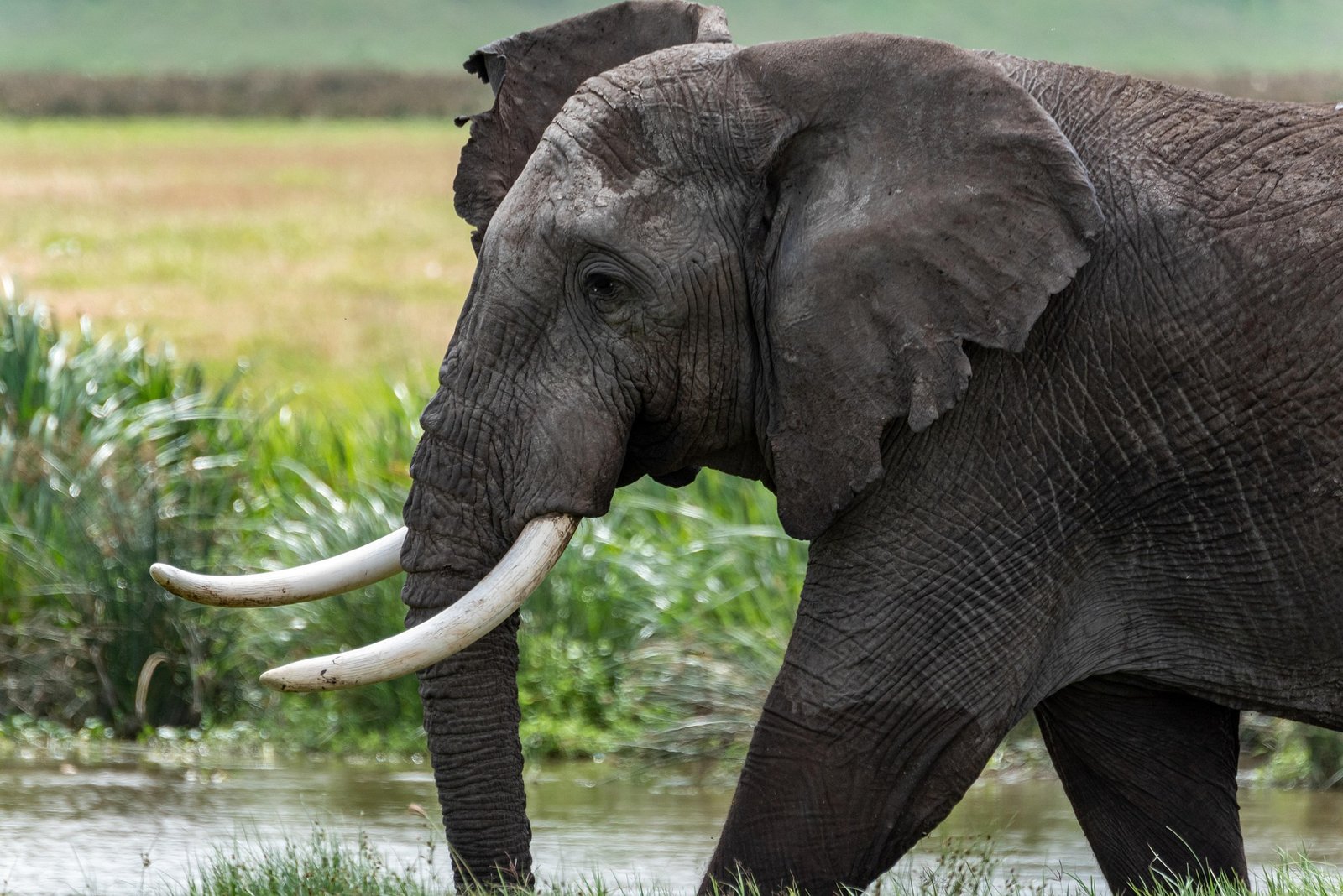
- Landscape Setting: Typically positioned around permanent waterholes or natural lake shores (Lake Masek or Lake Ndutu), meaning resident birdlife, hippos, and giraffe herds remain reliable even if migratory herds make sudden 20-mile shifts following localized cloudbursts.
- The Trade-off: They lack the raw flexibility of mobile canvas outposts. When the migration shifts deeper toward Kusini or Gol Kopjes, your driver must cover more transit mileage each morning.
Check Availability for 4 Day Southern Serengeti Migration Safari With Tented Accommodation…
Ready to compare dates, prices, and the best option for your group? Send the package name and travel month so the team can reply with a clear quote, availability, and what is included.

6 Day Northern Serengeti Migration Safari With Luxury Tented Camps 2026-2027
6 Day Northern Serengeti Migration Safari with Luxury Tented Camps is explained with current 2026-2027 planning, price, itinerary and booking information.
View package details
Northern Serengeti Migration Safari With Accommodation Near Mara River
Northern Serengeti Migration Safari with Accommodation Near Mara River is explained with current 2026-2027 planning, price, itinerary and booking information.
View package details
5 Day Serengeti Safari Packages With Luxury Tented Camps 2026-2027
5 Day Serengeti Safari Packages with Luxury Tented Camps is explained with current 2026-2027 planning, price, itinerary and booking information.
View package details
Best Serengeti Safari Camps Close To Wildebeest Migration Areas 2026-2027
Best Serengeti Safari Camps Close to Wildebeest Migration Areas is explained with current 2026-2027 planning, price, itinerary and booking information.
View package details
Private Serengeti Migration Safari With Flexible Game Drive Schedules
Private Serengeti Migration Safari with Flexible Game Drive Schedules is explained with current 2026-2027 planning, price, itinerary and booking information.
View package details
Can I See The Great Migration During A 3 Day Serengeti Safari? 2026-2027
Can I See the Great Migration During a 3 Day Serengeti Safari? is explained with current 2026-2027 planning, price, itinerary and booking information.
View package details
6 Day Ndutu Serengeti And Ngorongoro Safari With Private Guide 2026-2027
6 Day Ndutu Serengeti and Ngorongoro Safari with Private Guide is explained with current 2026-2027 planning, price, itinerary and booking information.
View package details
5 Day Ndutu And Serengeti Calving Season Safari Packages 2026-2027
5 Day Ndutu and Serengeti Calving Season Safari Packages is explained with current 2026-2027 planning, price, itinerary and booking information.
View package details
4 Day Serengeti And Ngorongoro Crater Safari With Private Guide 2026-2027
4 Day Serengeti and Ngorongoro Crater Safari with Private Guide is explained with current 2026-2027 planning, price, itinerary and booking information.
View package details
Can A Serengeti Safari Guide Guarantee A River Crossing Sighting? 2026-2027
A detailed travel planning assessment clarifying why no ethical safari guide can guarantee a wildebeest river crossing in the Serengeti, detailing herd dynamics, crossing points, and field...
View package details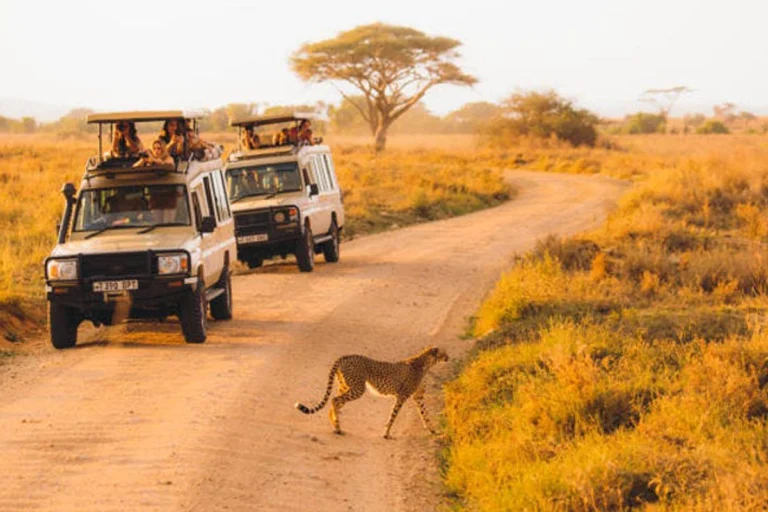
Best Southern Serengeti Safari Tours For February Wildlife Photography
Best Southern Serengeti Safari Tours for February Wildlife Photography is explained with current 2026-2027 planning, price, itinerary and booking information.
View package detailsBest Serengeti Mara River Crossing Safari Tours In August 2026-2027
Best Serengeti Mara River Crossing Safari Tours in August is explained with current 2026-2027 planning, price, itinerary and booking information.
View package detailsNo closely related package is available yet for this topic.

Our Guest Reviews, Currently Feedback from Clients in 2026
Reviews from different sources, including Google Business, Tripadvisor, other platforms, and social media.



