
A 3 day Ndutu and Ngorongoro Crater safari from Arusha is an intensive wildlife expedition focused on the Southern Serengeti calving season between late December and March, paired with a complete floor game drive inside the Ngorongoro caldera. Running across roughly 650 kilometers of highway, highlands, and rough volcanic tracks, this compressed route demands an early morning departure from Arusha, an off-road capable custom 4×4 Land Cruiser, and precise border management between the Ngorongoro Conservation Area (NCAA) and Serengeti National Park. For 2026-2027, total safari rates typically scale between $850 and $1,450 per person for mid-range tented camps and $1,750 to $3,200 per person for luxury lodges, depending on group size, accommodation tier, and seasonal crater entry fee structures.
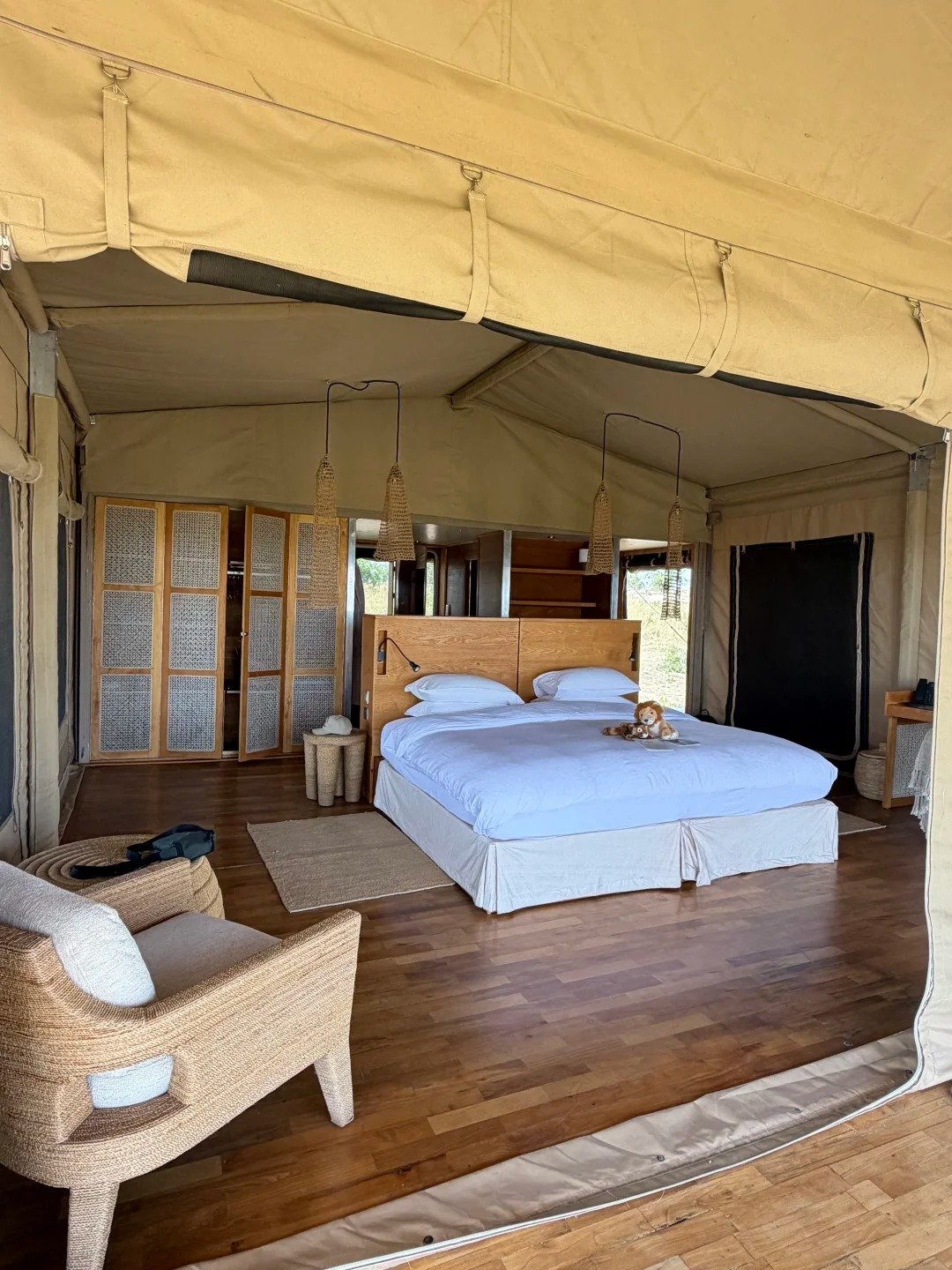

Itinerary Snapshot & Logistics Overview (2026-2027)
Covering the sweeping alkaline lake basins of the southern plains and the enclosed microclimate of the Ngorongoro Crater floor in seventy-two hours requires disciplined driving shifts and realistic time budgeting. The transit from Arusha to Ndutu cuts through the agricultural lowlands of Karatu before ascending into the misty high-altitude rainforest of the Ngorongoro rim, finally dropping down the western slopes onto the short-grass plains.
Unlike conventional multi-park tours that attempt to cross into Central Serengeti, this itinerary concentrates vehicle engine hours on high-yield wildlife habitats. You do not waste precious safari hours dragging a vehicle over the corrugated washboards of central Seronera when the biological engine of the great migration is anchored firmly in the south.
| Stage | Route Segment | Drive Time / Distance | Primary Activity Focus |
|---|---|---|---|
| Day 1 | Arusha to Ndutu via Ngorongoro Gate | 5.5 – 6.5 hrs / 280 km | Transit, highland scarp, late afternoon plains tracking |
| Day 2 | Ndutu Plains to Ngorongoro Crater Rim | 2.5 – 3.0 hrs / 90 km (transit) | Full morning calving safari, predator action, rim sunset |
| Day 3 | Crater Floor to Arusha Drop-off | 4.5 – 5.0 hrs / 190 km | 6-hour caldera game drive, Big Five, return drive |
To execute this timeline safely without exhausting travelers, departure from Arusha must happen between 06:00 and 06:30. Travelers arriving via Kilimanjaro International Airport (JRO) should plan an overnight stay in Arusha before Day 1. Attempting to start this run directly from an overnight international flight leads to fatigue and lost tracking daylight on the southern plains.
Why the Ndutu-Ngorongoro Combination Works in a 3-Day Window
A frequent mistake made when booking a short Tanzania safari is booking a standard 3 day Serengeti and Ngorongoro package between January and March without looking at where the herds actually live. During the northern hemisphere winter, Central Serengeti (Seronera) features resident game, but the multi-million-strong herds of wildebeest and zebra are grazing in the southern ecosystem around Lake Ndutu and Lake Masek.
Ndutu straddles an invisible administrative border: the northern section falls inside the Serengeti National Park, while the southern lake shore and woodland belong to the Ngorongoro Conservation Area. This dual status offers a significant field advantage. Within the NCAA sector of Ndutu, authorized safari operators are permitted to drive off-road under strict conservation rules to follow predator hunts and calving events—an activity entirely forbidden in central Serengeti or on the crater floor.
By focusing specifically on Ndutu and the caldera floor, this 3-day route removes unnecessary transit hours while delivering two contrasting ecological environments:
- The Volcanic Short-Grass Plains: Highly mineralized soils rich in phosphorus and calcium, where over 8,000 wildebeest calves are born daily during the February peak, drawing dense concentrations of cheetah, spotted hyena, and lion prides.
- The Ngorongoro Caldera Floor: A 260-square-kilometer enclosed amphitheater featuring dense concentrations of black rhino, tusked bull elephants, hippo pools, and resident crater lions that remain inside the steep 600-meter walls year-round.
Travelers who choose an alternative such as a 2 day Tarangire and Ngorongoro route certainly witness exceptional elephant populations, but they completely miss the raw spectacle of the Great Migration. If your travel dates sit between late December and late March, the Ndutu-Ngorongoro pairing is unmatched in its visual density per hour driven.
Price Architecture, Park Concessions & Real Costs
Pricing for a private 3 day Ndutu and Ngorongoro Crater safari from Arusha in 2026-2027 is driven heavily by mandatory conservation and vehicle fees established by the Ngorongoro Conservation Area Authority (NCAA) and the Tanzania National Parks Authority. Because Ndutu lies within or directly adjacent to these conservation zones, running a specialized 4×4 expedition incurs daily fees that make low-cost shortcuts impossible without degrading vehicle quality or guide caliber.
Estimated Rates per Person for 2026-2027 (USD)
| Travel Party Size | Mid-Range Mobile Tented Camp | Luxury Permanent / Tented Lodge |
|---|---|---|
| Solo Traveler | $1,980 – $2,350 | $3,100 – $4,200 |
| 2 Travelers (1 Room) | $1,150 – $1,420 per person | $1,850 – $2,650 per person |
| 4 Travelers (2 Rooms) | $890 – $1,100 per person | $1,550 – $2,150 per person |
| 6 Travelers (3 Rooms) | $780 – $960 per person | $1,420 – $1,890 per person |
Understanding the fixed line items helps clarify why prices fluctuate across operators. If you analyze how much an authentic Ngorongoro Crater safari costs, several mandatory state charges shape the baseline quote:
- NCAA Entry Fees: $70.80 per adult per 24-hour cycle (including 18% VAT).
- Ngorongoro Crater Floor Service Fee: $295 per vehicle per single descent (maximum 6 hours).
- Concession / Camping Fees: Ranging from $59 to $70.80 per person per night for tented lodges located inside the conservation perimeter.
- Special Off-Road & Transit Permits: When traversing between the NCAA sector and the Serengeti boundary at Ndutu.
Beware of quotes that appear significantly below these tiers. An unusually cheap offer almost always conceals accommodations located two hours outside the park gate in Mto wa Mbu or Karatu. Staying outside adds four hours of repetitive transit over rough dirt tracks each morning and evening, stealing game-tracking daylight when predators are most active.
Day 1 Detailed Breakdown: Arusha Highway to the Ndutu Acacia Basins
Your safari begins at 06:00 with hotel pickup in Arusha. Your guide conducts a quick check of luggage weights, secures your duffels inside the rear hold of the custom 4×4 Safari Land Cruiser, and briefs you on road stages. The first two hours run westward along smooth tarmac through Makuyuni and past the turnoff for Lake Manyara, ascending the Great Rift Valley escarpment toward Karatu.
A necessary operational pause takes place in Karatu for topping up fuel and picking up lunch hampers, followed by the entrance clearance at the Loduare Gate of the Ngorongoro Conservation Area. Here, papers are checked, park fees validated, and tire pressures lowered slightly to handle the rougher gravel of the highland road.
From Loduare, the road climbs steadily through Afro-montane forest shrouded in fog. Epiphytic mosses, giant ferns, and towering yellow-wood trees line the road until you reach the Crater Viewpoint at 2,286 meters. Your guide halts for a ten-minute optical check across the caldera floor below—a massive bowl spanning 20 kilometers wide—before carrying on across the high rim road toward the western plains.
As you descend the western rim past Malanja Depression, the mountain vegetation yields rapidly to arid scrub and finally dissolves into the immense horizon of the Serengeti short-grass ecosystem. Pastoral Maasai herdsmen graze cattle alongside wild Thomson's gazelles, showing the mixed land-use character of the NCAA.
By roughly 13:30, you reach the perimeter of Lake Ndutu. Lunch is typically taken under the shade of an umbrella acacia (Vachellia tortilis) or at your seasonal mobile camp. By 15:00, you are deep in the afternoon game drive across the marshes and acacia thickets bordering Lake Ndutu and Lake Masek.
The afternoon drive focuses on positioning near the lake shore where female cheetahs hunt on the plains edges. Ndutu provides critical shelter for cubs; the woodland fringes offer vantage points for cats surveying the short grasses for newborn calves. You return to camp just before the NCAA-mandated 18:30 driving cutoff for bush sundowners, dinner, and an operational briefing for the dawn drive on Day 2.
Day 2 Detailed Breakdown: Peak Migration Calving to the Ngorongoro Rim
Day two demands an early start. Coffee and tea are served at 05:45, with your vehicle rolling out of camp at first light around 06:15. This is the golden hour for photographic light and predator activity. Spotted hyena clans, returning from long nighttime patrols across the short-grass plains, can be seen slinking through the low mists toward their dens near the seasonal watercourses.
Between late January and early March, the southern plains hold an estimated 1.5 million blue wildebeest, accompanied by several hundred thousand plains zebra and gazelles. The spectacle of synchronized calving is biological genius: tens of thousands of calves are born within a brief three-week span, overwhelming local predators by sheer abundance. A wildebeest calf can stand within three to seven minutes of birth and match pace with the running herd within twenty minutes.
Your guide balances tracking the moving herds with scanning the granite kopjes and tree lines for big cats. Ndutu is one of East Africa's premier locations to witness coordinated lion group tactics. Prides use shallow depressions, seasonal drainage cuts, and clumps of dense salt-grass to creep within sprinting distance of oblivious herds.
Around 11:30, after tracking wildlife across the marshes and open soil flats, you return to camp for a hot lunch, recharge camera batteries from the vehicle's inverter banks, and pack up equipment. By 13:30, you begin the slow migration journey back east, leaving the dust of the plains behind as you climb back into the cooler Ngorongoro highlands.
Check Availability for 3 Day Ndutu And Ngorongoro Crater Safari From Arusha 2026-2027
Ready to compare dates, prices, and the best option for your group? Send the package name and travel month so the team can reply with a clear quote, availability, and what is included.

Best 3 Day Safari From Arusha To Serengeti And Ngorongoro 2026-2027
Best 3 Day Safari from Arusha to Serengeti and Ngorongoro is explained with current 2026-2027 planning, price, itinerary and booking information.
View package details
Can I Visit Ngorongoro Crater On A One Day Safari From Arusha? 2026-2027
Can I Visit Ngorongoro Crater on a One Day Safari from Arusha? is explained with current 2026-2027 planning, price, itinerary and booking information.
View package details
Ngorongoro Crater Day Safari From Arusha With Early Departure 2026-2027
Ngorongoro Crater Day Safari from Arusha with Early Departure is explained with current 2026-2027 planning, price, itinerary and booking information.
View package details
Best 2 Day Ngorongoro Crater And Tarangire Safari Packages 2026-2027
Best 2 Day Ngorongoro Crater and Tarangire Safari Packages is explained with current 2026-2027 planning, price, itinerary and booking information.
View package details
6 Day Ndutu Serengeti And Ngorongoro Safari With Private Guide 2026-2027
6 Day Ndutu Serengeti and Ngorongoro Safari with Private Guide is explained with current 2026-2027 planning, price, itinerary and booking information.
View package details
7 Day Tanzania Great Migration Safari With Ngorongoro Crater 2026-2027
7 Day Tanzania Great Migration Safari with Ngorongoro Crater is explained with current 2026-2027 planning, price, itinerary and booking information.
View package details
Best Ngorongoro Crater Safari Tours With 6 Am Game Drive 2026-2027
Best Ngorongoro Crater Safari Tours with 6 AM Game Drive is explained with current 2026-2027 planning, price, itinerary and booking information.
View package details
Is Ngorongoro Crater Better Than Serengeti For A Short Safari? 2026-2027
Is Ngorongoro Crater Better Than Serengeti for a Short Safari? is explained with current 2026-2027 planning, price, itinerary and booking information.
View package details
Best Ngorongoro Crater Safari Packages From Moshi 2026-2027
Best Ngorongoro Crater Safari Packages from Moshi is explained with current 2026-2027 planning, price, itinerary and booking information.
View package details
Ngorongoro Crater And Lake Manyara Safari With Overnight Lodge 2026-2027
Ngorongoro Crater and Lake Manyara Safari with Overnight Lodge is explained with current 2026-2027 planning, price, itinerary and booking information.
View package detailsBest Ngorongoro Crater Safari For Families With Young Children 2026-2027
Best Ngorongoro Crater Safari for Families with Young Children is explained with current 2026-2027 planning, price, itinerary and booking information.
View package details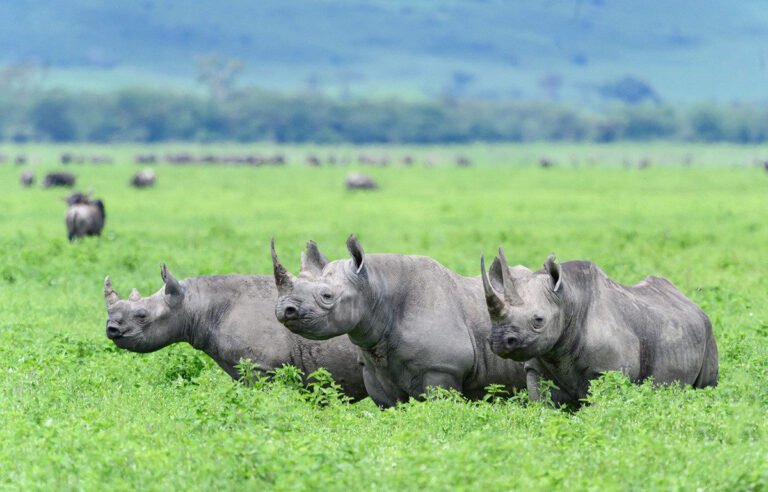
Ngorongoro Crater Safari With Private 4X4 Land Cruiser 2026-2027
Ngorongoro Crater Safari with Private 4x4 Land Cruiser is explained with current 2026-2027 planning, price, itinerary and booking information.
View package detailsNo closely related package is available yet for this topic.

Our Guest Reviews, Currently Feedback from Clients in 2026
Reviews from different sources, including Google Business, Tripadvisor, other platforms, and social media.



