
For most safari travelers, Central Serengeti (Seronera) is better for year-round resident wildlife, high predator densities, and shorter drive times from Arusha, while Northern Serengeti (Kogatende and Lamai) is decisively better between July and October for witnessing the Great Migration river crossings over the Mara River. If you are booking a classic 3 to 5-day northern circuit safari outside the late-dry season or traveling on a mid-range budget, Central Serengeti is the more practical and rewarding hub. If your priority is seeing dramatic wildebeest herds navigate crocodile-filled waters, remote open landscapes, and fewer surrounding safari vehicles, Northern Serengeti justifies the additional flight costs, travel time, and higher lodging rates during peak season.
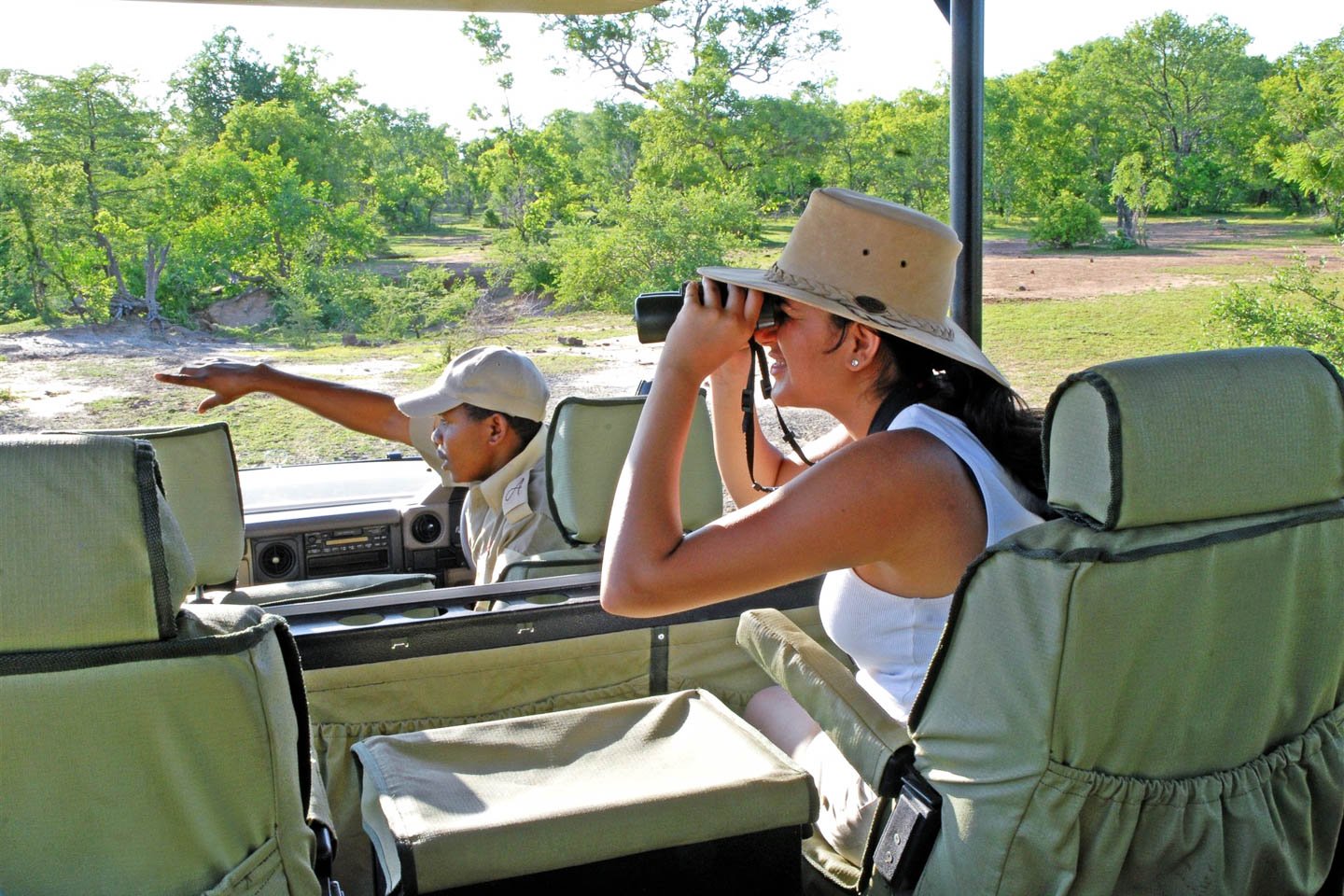
Central Serengeti vs Northern Serengeti: The Decisive Snapshot
Choosing between Central and Northern Serengeti is rarely an issue of which area holds more animals overall. Both regions sit within one contiguous, protected biosphere managed by Tanzania National Parks (TANAPA). The actual decision comes down to timing your safari dates, balancing vehicle congestion against remote isolation, and assessing your total travel budget.
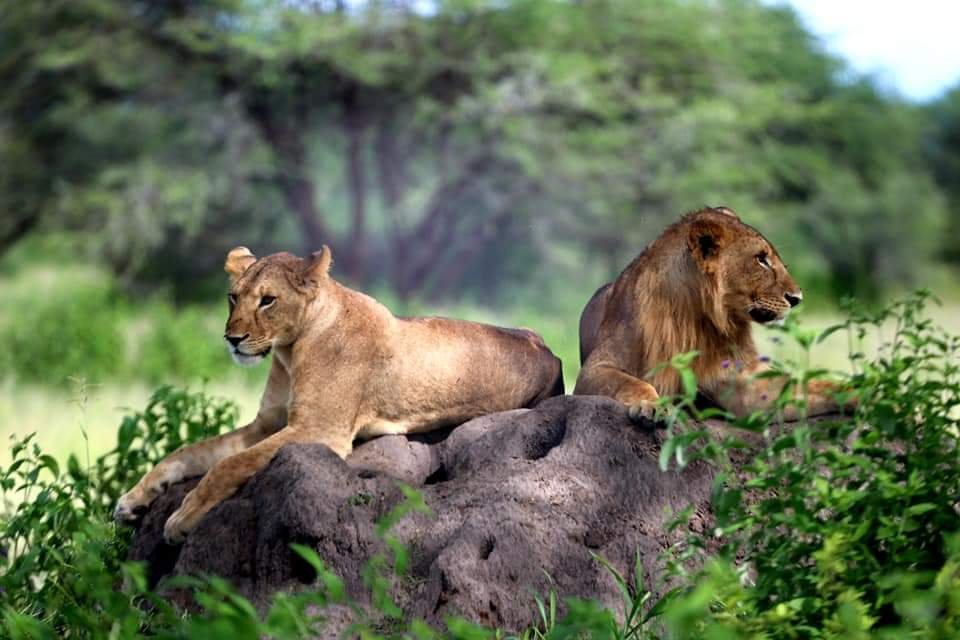
Central Serengeti, centered on the Seronera River Valley, serves as the operational heart of the park. It holds a permanent water table throughout the year. Because water is always present, thousands of herbivores—including impala, waterbuck, topis, zebras, and giraffes—never leave. This steady prey base anchors the largest concentrations of resident big cats on the African continent. You can visit Seronera in January, April, or September and find lions sleeping on granite kopjes, leopards perched in sausage trees, and cheetahs hunting along the open Seronera plains.
Northern Serengeti, spanning Kogatende, the Lamai Wedge, and the Mara River corridor up to the Kenyan border, operates on an entirely different rhythm. For roughly eight months of the year, it is a peaceful, sparsely populated wilderness of rolling green hills and woodlands with light resident game. Between July and late October, however, the area transforms into the global epicenter of wildlife spectacle as over 1.5 million wildebeest and zebras mass along the steep banks of the Mara River. If your dream safari revolves around dust-churned river banks and predatory action at water crossings, nothing in Central Serengeti matches Northern Serengeti during these peak months.
| Safari Factor | Central Serengeti (Seronera) | Northern Serengeti (Kogatende / Lamai) |
|---|---|---|
| Primary Wildlife Advantage | Highest density of resident big cats (lion, leopard, cheetah) year-round. | Great Migration Mara River crossings and massive mega-herds. |
| Peak Viewing Months | Year-round (exceptional December to April, and June to October). | July through October (wildebeest river crossing season). |
| Accessibility from Arusha | 6–8 hour overland drive via Ngorongoro, or a 45-minute flight to Seronera Airstrip. | 10–12 hour overland drive (rarely advised), or a 1.5-hour scheduled bush flight to Kogatende. |
| Average Daily Mid-Range Cost (2026-2027) | $450 – $750 per person per day (road safari, shared or private). | $850 – $1,450+ per person per day (fly-in safari, seasonal semi-permanent camps). |
| Crowd & Vehicle Density | High to very high around major sightings near the Seronera river network. | Moderate to low across the hills; concentrated specifically at active river crossing points. |
| Landscape Character | Flat open grasslands, acacia riverine valleys, and isolated rocky kopjes. | Rolling granite ridges, wooded slopes, river gorges, and open savannah plains. |
| Best Suited For | First-time safari visitors, budget-conscious travelers, shorter itineraries, Big Five seekers. | Migration purists, seasoned safari enthusiasts, photographers, fly-in luxury seekers. |
Geography, Landscapes, and Habitats Compared
The terrain shifts noticeably as you journey northward from Seronera toward the Kenyan border. Understanding these topographical variations helps clarify why game viewing feels fundamentally distinct in each sector.
The Central Serengeti: Seronera Valley and Granite Kopjes
The geography of the Central Serengeti is defined by wide river valleys, broad alluvial floodplains, and dramatic granite rock outcrops known locally as kopjes. The Seronera River and its tributaries (such as the Wandamu and Ngare Nanyuki) thread through the plains, flanked by umbrella acacias (Vachellia tortilis) and yellow fever trees.
These features create distinct advantages for wildlife watchers:
- Natural Elevated Vantage Points: Massive rock formations like Simba Kopjes, Maasai Kopjes, and Moru Kopjes break up the open plains. Lions routinely use these rock perches to survey herds, sleep on heated granite slabs, and shelter small cubs from hyenas.
- Water Traps: Even during the severe dry months of August and September, the Seronera riverbed maintains deep pools of standing water. Animals do not need to migrate out of the central valley to survive, ensuring dense wildlife sightings within short drive radiuses of nearby lodges.
- Open Grassland Visibility: South and east of the Seronera River, the landscape opens out into classic flat savannah plains stretching toward the Gol Mountains. This flat topography provides unobstructed visibility for spotting cheetah hunts across long distances.
The Northern Serengeti: Mara River, Lamai Wedge, and Ridges
Move north past the Lobo hills and Bologonja, and the flat plains give way to an undulating, wooded landscape. The Northern Serengeti feels wilder, larger in scale, and visually more rugged than the central plains.
Key geographic features include:
- The Mara River Gorges: Flowing westward toward Lake Victoria, the Mara River cuts a deep trench through the northern plains. Its steep, boulder-strewn banks, dense riverine gallery forests, and swirling currents create the natural hazards that force the migrating herds into dramatic crossing points.
- The Lamai Wedge: Situated north of the Mara River and bordering Kenya’s Maasai Mara National Reserve, the Lamai Wedge is a pristine triangle of grasslands and low-lying acacia scrub. Wildlife moves freely across this international boundary, though tourist safari vehicles must remain on their licensed side of the border.
- Broad Ridges and Commiphora Woodlands: Thick woodlands alternate with open rolling expanses. Because trees and rocky outcrops are distributed more broadly, game drives here feel like an exploration rather than driving from one clustered riverbed sighting to another.
Wildlife Dynamics: Resident Predators vs. Migratory Movement
When planning your route through Tanzania, the primary wildlife distinction between these two sectors comes down to resident animal density versus seasonal migratory spectacle.
Predator Concentration in Central Serengeti
Central Serengeti is known internationally as one of the most reliable places on earth to observe all three major African big cats—lion, leopard, and cheetah—within a single day. The perennial water in Seronera sustains resident prey, which in turn supports large, stable lion prides that have held their core territories across generations.
Leopards thrive in Central Serengeti because the riverine trees along the Seronera, Makoma, and Wandamu branches provide safe branches to cache kills out of reach of spotted hyenas. Guides frequently spot leopards lounging on low horizontal limbs just meters off the main tracks.
Cheetahs hunt primarily in the open grassland pockets of Makoma Plains and east toward Sametu Kopjes. The shorter grass allows them to reach their top pursuit speeds without stumbling over dense shrubbery. If your definition of the ideal safari is ticking off healthy populations of lions, leopards, cheetahs, and spotted hyenas regardless of what month you travel, Central Serengeti consistently delivers.
For travelers interested in combining Central Serengeti’s resident cats with a classic northern circuit drive, our Private Tanzania Safari: Serengeti, Ngorongoro & Tarangire Custom Tour links these ecosystems into an efficient overland itinerary.
The Great Migration River Crossings in Northern Serengeti
While Northern Serengeti supports resident lions, leopards, elephants, and cape buffalo, the wildlife identity of the region is driven by the arrival of the wildebeest herds. Between late June and October, the northern sector hosts hundreds of thousands of animals that have eaten through the southern and central grasses and pushed north in search of greener pastures.
The Mara River is the defining natural boundary of this movement. To reach fresh grass in the Lamai Wedge and the Maasai Mara, the herds must cross the river. Days can be spent observing massive columns of tens of thousands of wildebeest standing anxiously along the high embankments, driven by instinct, scent, and fear.
When one brave animal jumps, the entire herd often follows in a frantic rush. Nile crocodiles, some reaching lengths over five meters, lie in wait in the deep pools. This raw struggle creates what many photographers consider the pinnacle wildlife sighting in Africa. Outside of the migration window, Northern Serengeti still holds wildlife, but the overall animal density drops significantly compared to the wildlife-packed Seronera river basin.
If you want your safari anchored specifically around this seasonal crossing event, explore our Northern Serengeti Migration Safari With Accommodation Near Mara River, which positions travelers minutes away from active river crossing sectors.
When Each Region Wins: Month-by-Month Safari Timing
Your safari calendar is often the single most critical factor in deciding between Central and Northern Serengeti. A traveler visiting in August will have a completely different experience than one visiting in February.
January to March: Southern & Central Focus
During these early months of the year, the Great Migration herds are located in the Southern Serengeti and Ndutu plains for the synchronized calving season. Over 8,000 wildebeest calves are born daily. Central Serengeti serves as the vital northern staging ground and corridor during this time.
While the mega-herds graze the short-grass southern plains, Seronera enjoys lush green vegetation, clear skies interspersed with short showers, and active resident predator behavior. In contrast, Northern Serengeti during January through March is quiet, with many seasonal mobile camps completely packed away.
Travelers targeting calving action often split their stay between Central Serengeti and Ndutu. You can read our detailed breakdown on whether January or February is better for a Ndutu migration safari for insight on this period.
April to May: The Long Green Season
The long rains arrive across northern Tanzania during April and May. Central Serengeti is accessible throughout this period, though unpaved tracks can become slick and muddy. Safari vehicle traffic drops dramatically, lodge rates drop to their lowest tiers of the year, and the plains turn vibrant emerald green.
The migrating herds begin shifting out of the southern plains and start trailing northward through the Western Corridor (Grumeti) and western fringes of Central Serengeti. Northern Serengeti remains mostly dormant during this period, with persistent rain making road transport between regions slow and challenging.
June: The Transitional Movement
June marks the transition from wet to dry season. The herds move rapidly through the Western Corridor and begin fanning out through Central Serengeti heading toward the northern rangelands. Central Serengeti delivers prime game viewing in June as moving herds interact with resident prides. Toward late June, the leading edges of the migration reach the northern Grumeti and Kogatende woodlands.
July to October: The Undisputed Reign of the North
From July through October, Northern Serengeti is the clear winner for safari travelers seeking high-action wildlife viewing. The herds are fully concentrated along both sides of the Mara River. The weather is dry, sunny, and relatively dustier, which drives animals toward the river corridors daily for water.
Central Serengeti remains productive for resident big cats during these months, but the landscape dries out, and vehicle traffic around remaining waterholes can be substantial. If you are traveling between mid-July and early October for the migration, spending at least three nights in Northern Serengeti is the gold standard.
Travelers looking for an elevated experience during this peak period often select our 6-Day Northern Serengeti Migration Safari with Luxury Tented Camps to pair prime game positioning with private bush comfort.
November to December: The Return South
With the arrival of the short rains in late October and November, fresh grass sprouts on the southern and central plains. Driven by rain patterns, the herds leave the Mara River and head south through eastern Lobo and Central Serengeti.
By December, the herds are once again feeding throughout Central Serengeti and pushing down toward Ndutu. Central Serengeti is the superior choice during these late months, offering both the moving herds and resident cat populations, while Northern Serengeti returns to its quiet, green off-season state.
Getting There: Bush Flights, Overland Drive Times, and Transit Costs
The physical distance between Arusha, Seronera, and Kogatende is one of the most underestimated factors in Tanzania safari planning. Many travelers do not realize that Serengeti National Park spans nearly 15,000 square kilometers, and driving from south to north is an arduous expedition.
Overland Driving Realities
Central Serengeti is comfortably reachable as part of a classic northern circuit driving loop:
- Arusha to Central Serengeti (Seronera): Approximately 325 kilometers. The route takes travelers past Lake Manyara, climbs the Ngorongoro Conservation Area highlands, descends into Olduvai Gorge, and enters the Serengeti through Naabi Hill Gate. Total driving time runs between 6 and 8 hours, typically broken up with game viewing along the way.
- Central Serengeti to Northern Serengeti (Kogatende): Driving north from Seronera to Kogatende takes an additional 4.5 to 6 hours across rough, corrugated dirt roads.
- Arusha Directly to Northern Serengeti by Road: A direct overland drive from Arusha or Karatu to Kogatende takes 10 to 12 hours of demanding travel. As local operators, Top Guide Adventures strongly discourages clients from attempting this in a single day, as it leads to physical fatigue with minimal time left for wildlife viewing.
For shorter timelines—such as our 3-day Serengeti and Ngorongoro safari package—sticking strictly to Central Serengeti is the only sensible overland route.
Bush Flights and Airstrip Connections
Bush flights operated by reliable local air services like Coastal Aviation, Auric Air, and Regional Air alter the logistics equation entirely:
Check Availability for Central Serengeti Vs Northern Which Is Better For Safari? 2026-2027
Ready to compare dates, prices, and the best option for your group? Send the package name and travel month so the team can reply with a clear quote, availability, and what is included.

Is Ngorongoro Crater Better Than Serengeti For A Short Safari? 2026-2027
Is Ngorongoro Crater Better Than Serengeti for a Short Safari? is explained with current 2026-2027 planning, price, itinerary and booking information.
View package details
6 Day Northern Serengeti Migration Safari With Luxury Tented Camps 2026-2027
6 Day Northern Serengeti Migration Safari with Luxury Tented Camps is explained with current 2026-2027 planning, price, itinerary and booking information.
View package details
Northern Serengeti Migration Safari With Accommodation Near Mara River
Northern Serengeti Migration Safari with Accommodation Near Mara River is explained with current 2026-2027 planning, price, itinerary and booking information.
View package details
Can A Serengeti Safari Guide Guarantee A River Crossing Sighting? 2026-2027
A detailed travel planning assessment clarifying why no ethical safari guide can guarantee a wildebeest river crossing in the Serengeti, detailing herd dynamics, crossing points, and field...
View package details
Can I Book A Serengeti Safari With A Hot Air Balloon Experience? 2026-2027
Can I Book a Serengeti Safari with a Hot Air Balloon Experience? is explained with current 2026-2027 planning, price, itinerary and booking information.
View package details
Best Serengeti Safari Camps For Couples And Honeymooners 2026-2027
Best Serengeti Safari Camps for Couples and Honeymooners is explained with current 2026-2027 planning, price, itinerary and booking information.
View package details
Best Serengeti Safari Packages With Two Nights Inside The Park 2026-2027
Best Serengeti Safari Packages with Two Nights Inside the Park is explained with current 2026-2027 planning, price, itinerary and booking information.
View package details6 Day Ndutu Serengeti And Ngorongoro Safari With Private Guide 2026-2027
6 Day Ndutu Serengeti and Ngorongoro Safari with Private Guide is explained with current 2026-2027 planning, price, itinerary and booking information.
View package details
Best Southern Serengeti Safari Tours For February Wildlife Photography
Best Southern Serengeti Safari Tours for February Wildlife Photography is explained with current 2026-2027 planning, price, itinerary and booking information.
View package details
5 Day Ndutu And Serengeti Calving Season Safari Packages 2026-2027
5 Day Ndutu and Serengeti Calving Season Safari Packages is explained with current 2026-2027 planning, price, itinerary and booking information.
View package details
4 Day Southern Serengeti Migration Safari With Tented Accommodation 2026-2027
4 Day Southern Serengeti Migration Safari with Tented Accommodation is explained with current 2026-2027 planning, price, itinerary and booking information.
View package details
Best Serengeti Safari Camps Close To Wildebeest Migration Areas 2026-2027
Best Serengeti Safari Camps Close to Wildebeest Migration Areas is explained with current 2026-2027 planning, price, itinerary and booking information.
View package detailsNo closely related package is available yet for this topic.

Our Guest Reviews, Currently Feedback from Clients in 2026
Reviews from different sources, including Google Business, Tripadvisor, other platforms, and social media.



