
The 7 Days Lemosho Kilimanjaro Group Joining – 12–18 December 2026 is a scheduled small-group trekking departure on Mount Kilimanjaro that approaches Uhuru Peak (5,895 meters / 19,341 feet) from the pristine western flanks via the Londorossi Gate and Shira Plateau. Starting on 12 December 2026 and concluding on 18 December 2026, this shared mountain expedition pools solo travelers, hiking pairs, and small clusters into a fully serviced mountain crew to balance premium wilderness camping, high summit success rates, and shared logistical costs. Expect standard operator rates to range between $1,850 and $2,450 per person, encompassing mandatory Tanzania National Parks (TANAPA) conservation and rescue fees, mountain guides, porters, all trail meals, and emergency medical systems like supplemental oxygen and pulse oximeters.
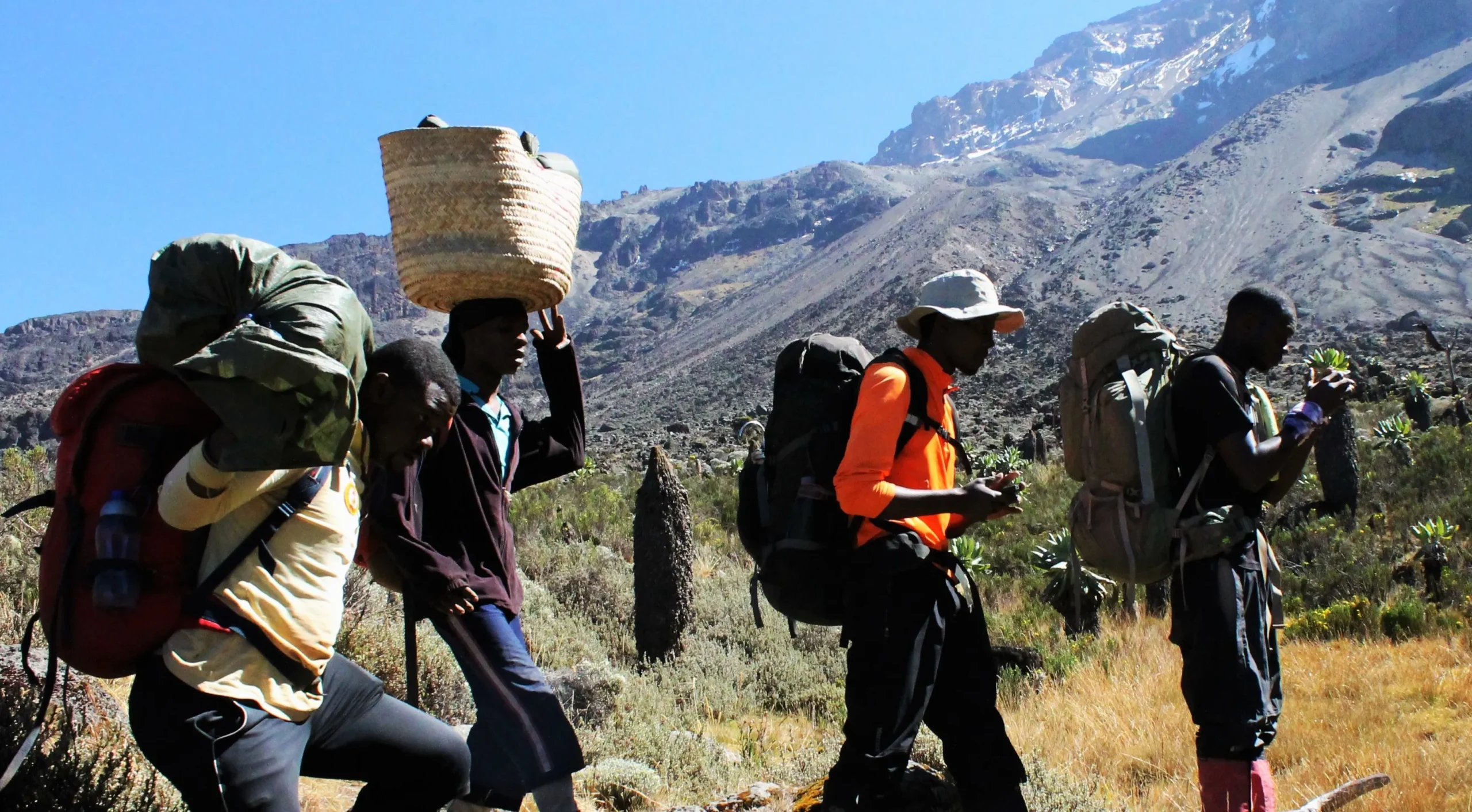
Lemosho Route Character: Western Solitude to Southern Circuit Traverse
The Lemosho Route is widely recognized by mountain guides as the most scenic and physiologically sound ascent path on Mount Kilimanjaro. Initiating on the far western slopes near the border of Kenya and Tanzania, the trail enters through undisturbed montane rainforest characterized by dense podocarpus canopies, wild colobus monkey troops, and occasional elephant migratory trails emerging from the neighboring buffer zones. Unlike eastern or southern arteries such as the Marangu or Umbwe routes, Lemosho starts with an intentional, low-impact pacing designed to let your respiratory system adjust to the thinning atmosphere before entering severe sub-alpine environments.
Historically developed as an alternative to the older, steeper Shira Route, Lemosho commences lower down at Londorossi Gate (2,100 meters) before dropping trekkers at the Lemosho Glades trailhead (2,360 meters). This design avoids the rapid altitude shock associated with driving straight onto the high plateau. Over seven intensive days, climbers cross five distinct ecological zones: montane rainforest, sub-alpine heath and moorland, alpine desert, and the arctic summit crater rim. By day three, the trail merges onto the Shira Plateau—a dramatic volcanic caldera spanning over thirty square kilometers—granting unobstructed panoramic views of Kibo Peak's glaciated western breach.
What sets the 7 Days Lemosho Kilimanjaro Group Joining – 12–18 December 2026 apart from standard itineraries is its precise navigation of the Southern Circuit. After navigating past the Shira Cathedral and crossing the expansive volcanic plateau, the expedition skirts beneath the southern glacial fields of Kibo, negotiating landmark formations like Lava Tower (4,630 meters) and the legendary Barranco Wall. This classic "climb high, sleep low" trajectory provides an exceptional acclimatization impulse that dramatically increases your physiological readiness for the arduous midnight summit push from Barafu Camp.
Terrain Reality Check: While Lemosho is celebrated for scenery, the 7-day variation demands solid physical conditioning. Because the 7-day profile consolidates Shira 1 and Shira 2 camps compared to the slower 8-day itinerary (detailed in the Best 8 Day Kilimanjaro Lemosho Route Trekking Package from Moshi), daily trekking times range from 4 to 8 hours over uneven volcanic stone, scree gullies, and exposed ridgelines. Trekkers should arrive comfortable carrying a 6 to 8 kg daypack over prolonged steep inclines.
December Seasonality & Trail Conditions: The 12–18 December Window
Planning an ascent of Kilimanjaro for mid-December requires an understanding of East Africa's seasonal weather transitions. In Tanzania, the "short rains" (Vuli) typically activate across November and gradually taper off through the middle of December, giving way to the warm, dry trekking season that lasts through March. A departure spanning 12 to 18 December 2026 catches this pivotal transition point, offering distinct advantages alongside specific atmospheric considerations.
During early to mid-December, trail traffic is markedly lower than the massive surge experienced between Christmas, New Year, and late January. The lower forest trails near Mti Mkubwa (Big Tree Camp) can still retain damp mud from late-spring afternoon showers, requiring dependable gaiters and waterproof footwear. However, as the expedition rises out of the tree canopy onto the Shira Plateau and advances towards Barranco and Karanga camps, mornings are characteristically crisp, stable, and crystal clear, with cloud inversions commonly blanketing the plains below Moshi and Arusha.
Temperature variations during this December window span dramatic extremes. In the rainforest and lower moorlands, daytime temperatures can reach a comfortable 18°C to 22°C (64°F to 72°F). However, above 4,000 meters in the alpine desert surrounding Lava Tower and Barafu Camp, daytime readings often hover between 5°C and 10°C, plummeting below freezing at night. On summit night at Stella Point and Uhuru Peak, sub-zero winds push wind-chill values between -10°C and -20°C (14°F to -4°F). Trekkers aiming for the December 2026-2027 seasons must prepare with technical, moisture-wicking layering systems rather than heavy, non-breathable garments.
| Ecological Zone | Altitude Band | Daytime Temp (°C) | Nighttime Temp (°C) | Trail Underfoot Conditions |
|---|---|---|---|---|
| Montane Forest (Rainforest) | 1,800m – 2,800m | 18°C to 23°C | 10°C to 13°C | Damp forest loam, tree roots, slick mud |
| Heath & Moorland | 2,800m – 4,000m | 12°C to 18°C | 3°C to 6°C | Rocky paths, open scrub, dry volcanic dust |
| Alpine Desert | 4,000m – 5,000m | 5°C to 10°C | -3°C to 1°C | Exposed volcanic gravel, shale, loose scree |
| Arctic / Glacial Summit | 5,000m – 5,895m | -5°C to 0°C | -15°C to -8°C | Hard-packed snow, frozen scree, ice patches |
Day-by-Day Route Elevation, Camp Sequencing, and Acclimatization Profile
The tactical success of the 7 Days Lemosho Kilimanjaro Group Joining – 12–18 December 2026 relies on an intentional staging of elevation gain and daily recovery intervals. Unlike rapid ascents that force the human body to adapt faster than red blood cells can proliferate, this 7-day configuration employs strategic high-altitude exposure followed by lower overnight bivouacs.
Day 1: 12 December 2026 – Moshi to Londorossi Gate to Mti Mkubwa Camp
The expedition begins early with an operational briefing and gear check at your base accommodation in Moshi or Arusha. Transferring by private 4×4 mountain vehicles, the group drives west past agricultural settlements towards the Londorossi Gate (2,100 meters / 6,890 feet) for mandatory registration with TANAPA rangers and porter baggage weight verification. The drive then continues for another hour across rough secondary tracks to the Lemosho Glades trailhead (2,360 meters / 7,742 feet). Trekkers begin their journey through the lush, emerald rain forest zone, hiking approximately 3 to 4 hours over a distance of 6 kilometers. The day finishes at Mti Mkubwa Camp (Big Tree Camp, 2,750 meters / 9,022 feet), situated deep within the forest canopy where black-and-white colobus monkeys and exotic bird species are frequently heard.
- Trekking distance: 6 km / 3.7 miles
- Hiking time: 3–4 hours
- Elevation gain: 390 meters
- Habitat: Montane Rain Forest
- Overnight: Wilderness Camping at Mti Mkubwa
Day 2: 13 December 2026 – Mti Mkubwa Camp to Shira 2 Camp
Leaving the forest cover behind, the trail steepens across the undulating ridges of the giant heather and moorland zones. Trekkers cross several small stream channels and ascend out of the tree line onto the eastern perimeter of the Shira Plateau. In the standard 7-day framework, the route bypasses Shira 1 Camp, pushing forward across the scenic volcanic plateau directly toward Shira 2 Camp (3,840 meters / 12,600 feet). This extended day covers roughly 16 kilometers over 7 to 8 hours of sustained pacing. Pacing here is consciously throttled by our lead guides using the traditional "pole pole" (slowly, slowly) methodology to manage the significant altitude jump without inducing acute mountain sickness (AMS).
- Trekking distance: 16 km / 10 miles
- Hiking time: 7–8 hours
- Elevation gain: 1,090 meters
- Habitat: Heath and Moorland
- Overnight: Wilderness Camping at Shira 2
Day 3: 14 December 2026 – Shira 2 Camp to Lava Tower to Barranco Camp
Day 3 represents the critical cornerstone of the entire expedition's acclimatization design. The trail advances east into the semi-arid, boulder-strewn alpine desert, steadily climbing toward the iconic Lava Tower (4,630 meters / 15,190 feet), a massive 300-foot volcanic plug formed during Kilimanjaro's active geological history. The group rests here for a hot lunch, spending an essential 60 to 90 minutes acclimating at extreme altitude. Following lunch, the route descends through the striking Senecio Valley, flanked by prehistoric giant groundsels (Dendrosenecio kilimanjari), dropping down to Barranco Camp (3,960 meters / 12,992 feet) for the night. By ascending to 4,630 meters and dropping back down to sleep at 3,960 meters, the body triggers erythropoietin production, heavily fortifying blood oxygenation capacity.
- Trekking distance: 10 km / 6.2 miles
- Hiking time: 6–7 hours
- Net elevation change: Climb 790m up to Lava Tower, then descend 670m to Barranco
- Habitat: Alpine Desert down to Moorland Valley
- Overnight: Wilderness Camping at Barranco Camp
Day 4: 15 December 2026 – Barranco Camp to Karanga Camp
The morning begins with the ascent of the celebrated Barranco Wall, often nicknamed the "Breakfast Wall." While appearing formidable from camp, the wall is a non-technical scramble requiring travelers to use hands and feet across stable volcanic ledges, guided closely by our safety team. No ropes or specialized climbing equipment are necessary, but proper concentration and steady footholds are required. Topping out at 4,200 meters, climbers are rewarded with sweeping views of Kibo's southern icefields. The trail then traces a sequence of short ascents and descents across the glacial ravines of the Southern Circuit, crossing the final deep valley before a short, steep climb to Karanga Camp (3,995 meters / 13,106 feet). This shorter trekking day provides crucial muscular recovery before the upcoming high-altitude push.
- Trekking distance: 5 km / 3.1 miles
- Hiking time: 4–5 hours
- Elevation change: Scramble up 240m, traverse valleys, net gain 35m
- Habitat: Alpine Desert
- Overnight: Wilderness Camping at Karanga Camp
Day 5: 16 December 2026 – Karanga Camp to Barafu High Base Camp
Leaving Karanga, the group intersects with the junction that connects with the Mweka descent route before pushing upward through desolate alpine desert terrain toward Barafu Camp (4,673 meters / 15,331 feet). Barafu, meaning "ice" in Swahili, is an exposed, wind-scoured basecamp set on a sharp rocky ridge with sheer drops and dramatic vistas of Mawenzi Peak to the east. The trek takes approximately 3 to 4 hours, arriving in time for a hot lunch. The afternoon is dedicated strictly to rest, hydration, complete gear reorganization for the summit bid, and an exhaustive safety briefing from the head guides. Trekkers receive an early dinner by 17:30 and retire to their tents to sleep before an 11:00 PM summit call.
Check Availability for 7 Days Lemosho Kilimanjaro Group Joining – 12–18 December 2026-2027
Ready to compare dates, prices, and the best option for your group? Send the package name and travel month so the team can reply with a clear quote, availability, and what is included.
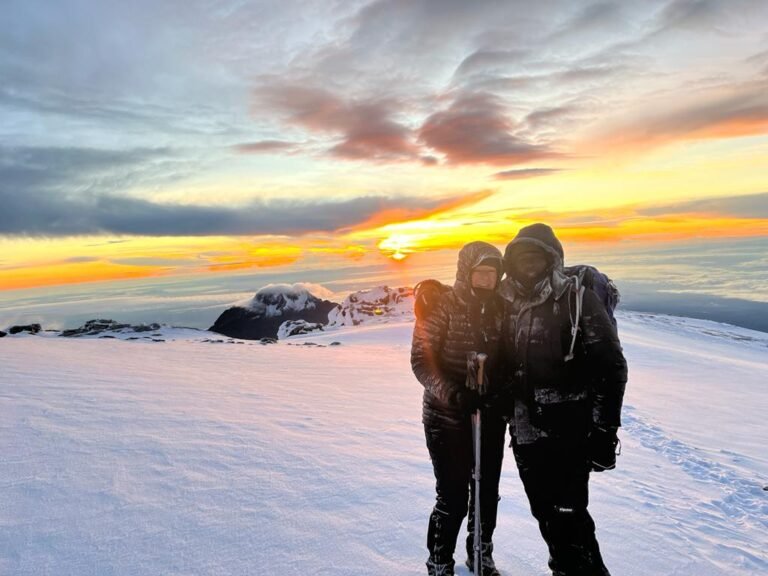
8 Days Lemosho Kilimanjaro Group Joining – 29 December – 5 January 2026-2027
8 Days Lemosho Kilimanjaro Group Joining – 29 December 2026 – 5 January 2027 is explained with current 2026-2027 planning, price, itinerary and booking.
View package details
8 Days Lemosho Route Kilimanjaro Group Departure – 12–19 December 2026-2027
A detailed guide to the 8-day Lemosho Route Kilimanjaro group climb departing 12–19 December 2026, covering route details, daily itinerary, acclimatization strategy, and what to expect.
View package details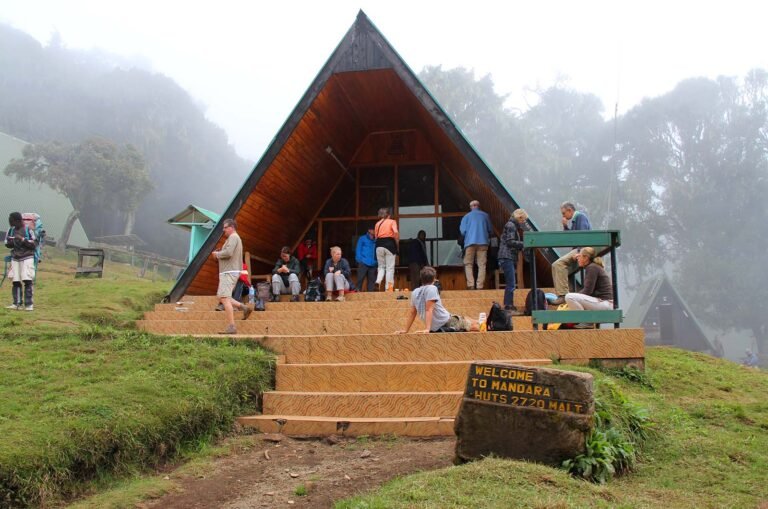
7 Days Machame Kilimanjaro Full Moon Group Joining – 19–25 December 2026-2027
7 Days Machame Kilimanjaro Full Moon Group Joining – 19–25 December 2026 is explained with current 2026-2027 planning, price, itinerary and booking.
View package details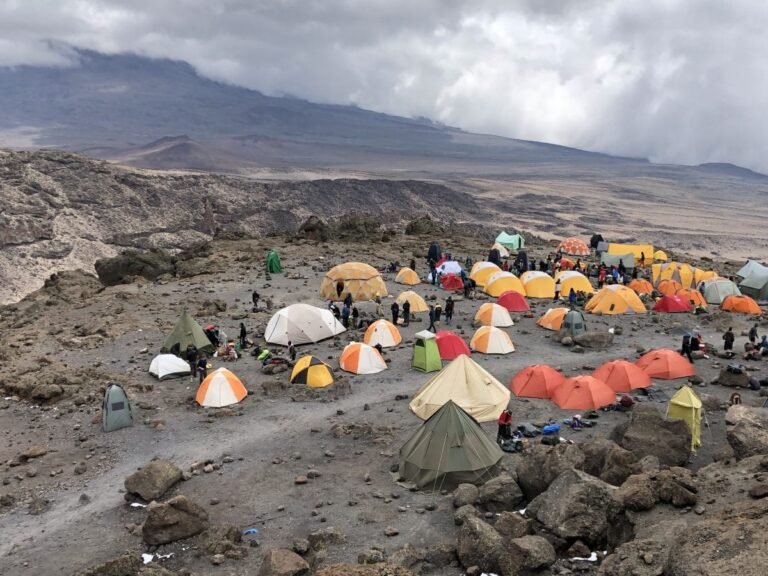
7 Days Lemosho Route Kilimanjaro Group Climb – 3–9 December 2026-2027
7 Days Lemosho Route Kilimanjaro Group Climb – 3–9 December 2026 is explained with current 2026-2027 planning, price, itinerary and booking information.
View package details
8 Days Lemosho Kilimanjaro Full Moon Group Trek – 18–25 December 2026-2027
An 8-day group trek on Kilimanjaro's scenic Lemosho Route timed for the December 2026 full moon period, with summit day on Christmas morning.
View package details7 Days Machame Kilimanjaro Group Joining – 30 December – 5 January 2026-2027
7 Days Machame Kilimanjaro Group Joining – 30 December 2026 – 5 January 2027 is explained with current 2026-2027 planning, price, itinerary and booking.
View package details
8 Days Lemosho Kilimanjaro Group Hiking – 7–14 December 2026-2027
8 Days Lemosho Kilimanjaro Group Hiking – 7–14 December 2026 is explained with current 2026-2027 planning, price, itinerary and booking information.
View package details8 Days Lemosho Route Kilimanjaro Group Climb – 15–22 December 2026-2027
8 Days Lemosho Route Kilimanjaro Group Climb – 15–22 December 2026 is explained with current 2026-2027 planning, price, itinerary and booking information.
View package details
7 Days Lemosho Route Kilimanjaro Group Trek – 6–12 December 2026-2027
7 Days Lemosho Route Kilimanjaro Group Trek – 6–12 December 2026 is explained with current 2026-2027 planning, price, itinerary and booking information.
View package details
7 Days Machame Kilimanjaro Group Climb – 9–15 December 2026-2027
A detailed guide to the 7-day Machame Route Kilimanjaro group climb in December 2026, covering itinerary, preparation, and what to expect.
View package details6 Days Marangu Route Kilimanjaro Group Joining – 1–6 December 2026-2027
6 Days Marangu Route Kilimanjaro Group Joining – 1–6 December 2026 is explained with current 2026-2027 planning, price, itinerary and booking information.
View package details
6 Days Machame Kilimanjaro Group Joining – 12–17 December 2026-2027
6 Days Machame Kilimanjaro Group Joining – 12–17 December 2026 is explained with current 2026-2027 planning, price, itinerary and booking information.
View package detailsNo closely related package is available yet for this topic.

Our Guest Reviews, Currently Feedback from Clients in 2026
Reviews from different sources, including Google Business, Tripadvisor, other platforms, and social media.