The 6 Days Machame Kilimanjaro Group Joining – 12–17 December 2026 is a scheduled small-group trekking departure on Mount Kilimanjaro’s popular southwestern approach, designed for hikers who want to share camp infrastructure and expedition costs while tackling a condensed six-day itinerary. Operating from Machame Gate to Uhuru Peak (5,895 m) and descending via Mweka, this fixed-date departure runs just before the peak Christmas rush, offering a balance of quieter trails and shifting late-spring to early-dry-season mountain weather. Standard group joining rates for this route range from $1,550 to $2,150 per person, including mandatory TANAPA national park fees, licensed guides, mountain porters, camp cooks, shared camping gear, and daily safety monitoring with pulse oximeters and bottled emergency oxygen.
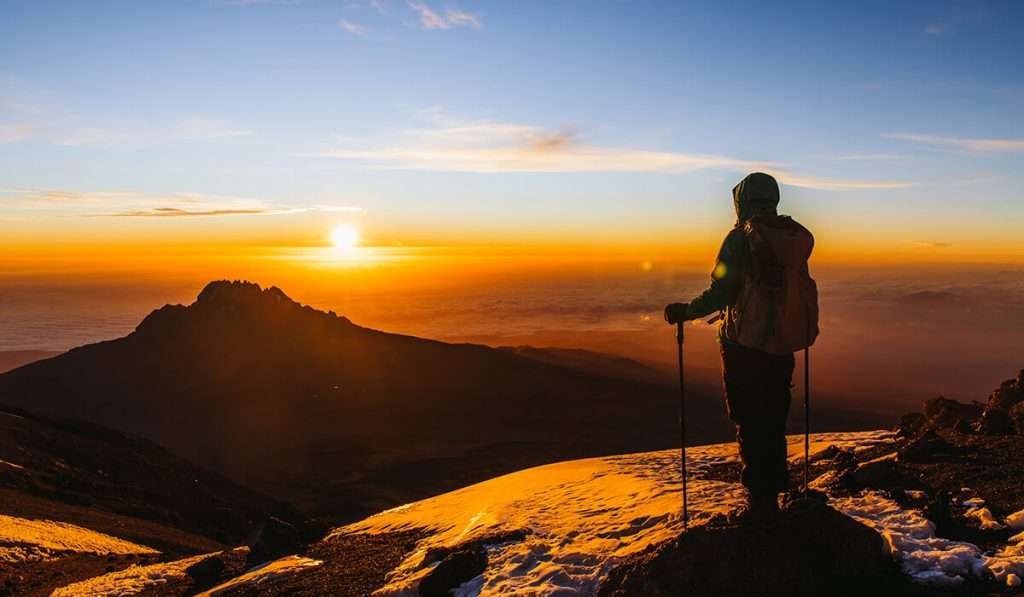
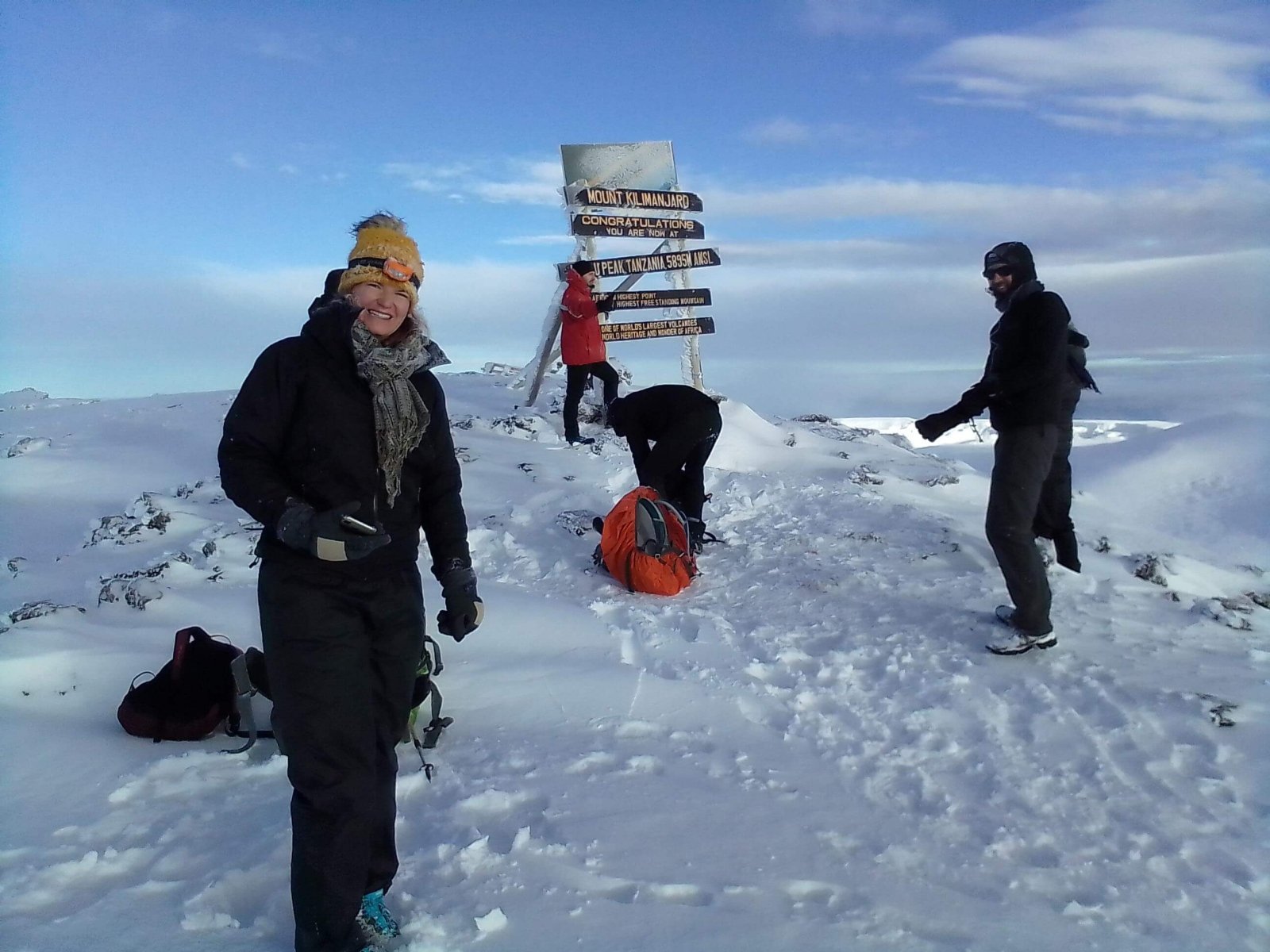
Opting for a six-day Machame trek requires honest self-assessment regarding stamina and prior altitude exposure. Unlike the longer seven-day variation, the six-day profile merges the middle acclimatization stages, meaning your body must adjust to thinner air while maintaining consistent daily trekking times. Deciding to join the 12–17 December 2026 team gives you the social dynamic of a shared team, shared logistics managed out of Moshi or Arusha, and an ascent profile that takes advantage of Kilimanjaro’s premier “walk high, sleep low” topography.
Quick Facts: 6-Day Machame Group Departure (12–17 Dec 2026)
Before examining the trail footstep by footstep, understanding the core structural elements of this fixed-date departure is essential. This trip is built for solo hikers, pairs, or small groups who prefer joining a confirmed departure rather than funding an entire private crew independently.
| Parameter | Detail for 12–17 December 2026 |
|---|---|
| Exact Mountain Trek Dates | 12 December 2026 (Gate) to 17 December 2026 (Exit) |
| Recommended Arrival Date | 10 or 11 December 2026 (Kilimanjaro International Airport – JRO) |
| Staging Base | Moshi or Arusha, Tanzania |
| Total Trail Distance | Approximately 62 km (38.5 miles) round trip |
| Summit Elevation | Uhuru Peak: 5,895 meters (19,341 feet) |
| Average Group Size | 4 to 10 trekkers (maintaining a 1:2 guide-to-client summit ratio) |
| Estimated Shared Tour Cost | $1,550 – $2,150 USD per person (tier depends on hotel quality & crew inclusions) |
| Route Profile | Machame Gate → Shira → Lava Tower → Barranco → Barafu → Uhuru → Mweka |
For those matching flight dates across northern Tanzania in late 2026, comparing alternatives can be helpful. If your schedule is slightly earlier, review the 6 Days Machame Route Kilimanjaro Group Trek – 3–8 December 2026-2027. If you have an extra day to acclimatize on the same path, consider the 7 Days Machame Kilimanjaro Trek – 12–18 December 2026-2027, which runs parallel to this window but adds a crucial night at Karanga Camp.
Why 12–17 December 2026? Seasonal Conditions and Trail Timing
Climbing Kilimanjaro in mid-December places you at the transition point between the short rains (which traditionally run through November into early December) and the dry, sunny summer season extending from mid-December through February. Operating from 12–17 December 2026 presents specific advantages and manageable trade-offs that hikers should anticipate.
The primary benefit of this departure window is trail volume. The heavy Christmas and New Year crowds typically arrive at the mountain base around 20–24 December. Treks starting on 12 December move through Machame Camp, Shira Cave, and the Barranco Wall before the vast influx of holiday travelers creates bottlenecks at high camps. You benefit from uncrowded tenting pitches, less wait time along technical trail scrambles, and guides who can dictate pacing without navigating massive trail queues.
From a meteorological perspective, mid-December weather on Kilimanjaro is dynamic. You should prepare for afternoon moisture in the lower montane rainforest (Day 1) and potential cloud build-up around the moorland plateaus (Day 2). However, as you gain elevation past Shira and Barranco into the alpine desert, morning skies are generally clear and crisp, offering panoramic views of Mount Meru to the west and the Kibo crater wall ahead. Nighttime temperatures drop significantly below freezing above 4,000 meters, requiring tested 4-season alpine clothing. By 12–17 December, the high mountain wind patterns often stabilize, providing favorable conditions for summit attempts from Barafu Camp.
How the Group Joining Model Works: Arrival, Briefing, and Logistics
A group joining trek on Kilimanjaro is not an unguided free-for-all; it is a synchronized expedition where independent travelers come together under a unified camp infrastructure. Understanding how this operates prevents common misunderstandings upon arrival in Tanzania.
The operational framework run by local outfitters like TOP GUIDE ADVENTURES ensures that every individual’s gear and paperwork are sorted before setting foot on the mountain:
- Pre-Trek Orientation (11 December 2026): Trekkers gather in Moshi or Arusha for a comprehensive briefing. The lead guide reviews individual fitness, checks pulse and oxygen baselines, inspects required alpine cold-weather gear, and distributes communal duffel weight limits.
- The 15 kg Porter Duffel Limit: By regulation set by the Tanzania National Parks Authority (TANAPA) and monitored by porter welfare associations, each client’s main soft duffel bag carried by mountain porters must weigh no more than 15 kilograms (33 lbs). Your daypack, which you carry yourself, contains water, rain gear, warm layers, and personal snacks.
- Shared Mountain Camp Amenities: Group members sleep in shared two-person mountain tents (private single tent supplements are available). The camp setup features a large mess tent equipped with camp chairs, a dining table, solar illumination, and shared thermal meal service prepared daily by dedicated mountain cooks.
- Pacing and Guide Ratios: In a group trek of 6 to 8 people, there will normally be a head guide, one or two assistant guides, and a complete camp crew consisting of 20 to 30 porters and kitchen staff. This ratio ensures that if one hiker experiences acute mountain sickness (AMS) and must turn around, an assistant guide can descend with them safely while the rest of the group continues upward uninterrupted.
Hikers interested in comparing western approaches across the same time window often evaluate the 7 Days Lemosho Kilimanjaro Group Joining – 12–18 December 2026-2027. While Lemosho provides an extra day and a gentler western start, the six-day Machame route remains the top pick for those with tighter vacation windows who want direct, athletic trail progression.
Expected Pricing, Inclusions, and Hidden Expedition Costs
Cost transparency is critical when booking a Mount Kilimanjaro climb. For a standard 6 Days Machame group departure in 2026-2027, realistic rates range between $1,550 and $2,150 USD per climber. Prices below $1,400 often compromise crew welfare, food quality, or emergency equipment, whereas high-end luxury operators charge upwards of $3,500 for identical routes by adding walk-in walk-out dome tents and heated lounges.
The vast majority of the trek fee pays mandatory government fees directly to TANAPA. A breakdown of typical package economics clarifies where your funds go:
Core Expedition Inclusions
- TANAPA Park Fees: Daily conservation fees ($70/day), camp fees ($50/night), rescue fees, and local government value-added tax (18% VAT). Park fees alone account for over $800 to $950 per person on a 6-day itinerary.
- Mountain Crew Payroll: Fair wages for certified wilderness first responder guides, cooks, and porters in accordance with fair labor guidelines.
- Health and Safety Hardware: Continuous access to pulse oximeters for morning/evening blood oxygen saturation readings, a comprehensive mountain first aid kit, and emergency bottled oxygen for acute descent management.
- Catering: Three freshly cooked, high-carbohydrate hot meals daily on the mountain, accompanied by hot tea, coffee, and purified drinking water collected from mountain streams and treated with chlorine tablets.
- Transfers: Pick-up and return transfers between your base hotel in Moshi/Arusha and the Machame Gate entry and Mweka Gate exit points.
Crucial Out-of-Pocket Expenses to Budget
A frequent error among first-time trekkers is forgetting personal ancillary costs not included in the standard group package rate:
- Mountain Crew Gratuities: Tipping is a traditional, deeply rooted component of Kilimanjaro climbing culture. On a 6-day trek, expect to budget roughly $150 to $250 USD per climber for the communal crew tip kitty, distributed directly to guides, porters, and kitchen staff on the final morning at Mweka Gate.
- Pre- and Post-Trek Accommodation: Standard group packages often include only the nights on the mountain. You will need to account for your arrival night (11 December) and post-climb rest night (17 December) in Moshi or Arusha.
- Travel and Health Insurance: You must purchase insurance that explicitly covers high-altitude hiking up to 6,000 meters, as well as emergency helicopter search and medical evacuation (standard travel insurance caps out at 3,000 meters).
- Rental Gear: Heavy winter sleeping bags (-10°C to -15°C rated), trekking poles, warm down parkas, and waterproof outer shells can be rented locally in Moshi if you do not wish to purchase specialized equipment for a single trip.
The 6-Day vs. 7-Day Dilemma: Trade-offs on the Machame Route
The central decision facing anyone looking at this 12–17 December departure is whether to climb Machame in six days or expand it to seven. The terrain, trailheads, and overall paths are geographically identical, but their physiological impact differs significantly.
On the 7-day Machame itinerary, the segment between the Barranco Wall and Barafu Summit Camp is split into two manageable stages by stopping for an overnight rest at Karanga Camp (3,995 m). This provides an afternoon of rest, a shorter walking day, and an extra night spent acclimatizing at 4,000 meters before making the midnight push for Uhuru Peak.
In contrast, the 6 Days Machame route eliminates the overnight sleep at Karanga. On Day 4 of the six-day itinerary, you hike out of Barranco Camp, climb up and over the steep Barranco Wall, descend into the Karanga Valley, stop at Karanga Camp only for a hot lunch, and then immediately push upward across barren volcanic scree to Barafu Camp (4,673 m). You arrive at Barafu in late afternoon, eat an early dinner, and attempt to sleep for 4 to 5 hours before waking at 23:00 to start your midnight summit bid.
Local Guide Perspective: The 6-day Machame trek holds a summit success rate of approximately 75% to 80%, compared to 85% to 90% on the 7-day schedule. It is best suited for trekkers with good baseline cardiovascular endurance, individuals who have previous experience hiking at elevation, or those who simply have strict international flight departure schedules back home for the mid-December holidays.
Check Availability for 6 Days Machame Kilimanjaro Group Joining – 12–17 December 2026-2027
Ready to compare dates, prices, and the best option for your group? Send the package name and travel month so the team can reply with a clear quote, availability, and what is included.
6 Days Marangu Route Kilimanjaro Group Joining – 1–6 December 2026-2027
6 Days Marangu Route Kilimanjaro Group Joining – 1–6 December 2026 is explained with current 2026-2027 planning, price, itinerary and booking information.
View package details
6 Days Machame Route Kilimanjaro Group Trek – 3–8 December 2026-2027
A detailed guide to the 6-day Machame Route Kilimanjaro group trek departing 3–8 December 2026, covering route details, daily itinerary, preparation, and booking.
View package details7 Days Machame Kilimanjaro Full Moon Group Joining – 19–25 December 2026-2027
7 Days Machame Kilimanjaro Full Moon Group Joining – 19–25 December 2026 is explained with current 2026-2027 planning, price, itinerary and booking.
View package details
7 Days Machame Kilimanjaro Group Joining – 30 December – 5 January 2026-2027
7 Days Machame Kilimanjaro Group Joining – 30 December 2026 – 5 January 2027 is explained with current 2026-2027 planning, price, itinerary and booking.
View package details
6 Days Marangu Route Kilimanjaro Group Departure – 16–21 December 2026-2027
6 Days Marangu Route Kilimanjaro Group Departure – 16–21 December 2026 is explained with current 2026-2027 planning, price, itinerary and booking information.
View package details
6 Days Marangu Kilimanjaro Group Hiking – 9–14 December 2026-2027
6 Days Marangu Kilimanjaro Group Hiking – 9–14 December 2026 is explained with current 2026-2027 planning, price, itinerary and booking information.
View package details
5 Days Marangu Route Kilimanjaro Group Climb – 8–12 December 2026-2027
5 Days Marangu Route Kilimanjaro Group Climb – 8–12 December 2026 is explained with current 2026-2027 planning, price, itinerary and booking information.
View package details
7 Days Machame Kilimanjaro Group Climb – 9–15 December 2026-2027
A detailed guide to the 7-day Machame Route Kilimanjaro group climb in December 2026, covering itinerary, preparation, and what to expect.
View package details
8 Days Lemosho Kilimanjaro Group Joining – 29 December – 5 January 2026-2027
8 Days Lemosho Kilimanjaro Group Joining – 29 December 2026 – 5 January 2027 is explained with current 2026-2027 planning, price, itinerary and booking.
View package details7 Days Lemosho Kilimanjaro Group Joining – 12–18 December 2026-2027
7 Days Lemosho Kilimanjaro Group Joining – 12–18 December 2026 is explained with current 2026-2027 planning, price, itinerary and booking information.
View package details
8 Days Lemosho Route Kilimanjaro Group Departure – 12–19 December 2026-2027
A detailed guide to the 8-day Lemosho Route Kilimanjaro group climb departing 12–19 December 2026, covering route details, daily itinerary, acclimatization strategy, and what to expect.
View package details7 Days Lemosho Route Kilimanjaro Group Climb – 3–9 December 2026-2027
7 Days Lemosho Route Kilimanjaro Group Climb – 3–9 December 2026 is explained with current 2026-2027 planning, price, itinerary and booking information.
View package detailsNo closely related package is available yet for this topic.

Our Guest Reviews, Currently Feedback from Clients in 2026
Reviews from different sources, including Google Business, Tripadvisor, other platforms, and social media.