The 7 Days Machame Kilimanjaro Trek – 12–18 December 2026 is a seven-day camping expedition ascending the south-western flank of Mount Kilimanjaro to Uhuru Peak (5,895 meters), designed to offer superior acclimatization by splitting the southern circuit with a strategic rest night at Karanga Camp. Operating just as the short November rains clear and before the peak holiday Christmas rush begins, this mid-December departure costs between $1,850 and $2,650 per climber depending on group size, private additions, and transfer logistics, requiring trekkers to decide between an organized group joining departure or a customized private crew setup.
The 12–18 December 2026 Window: Weather, Trail Traffic, and Seasonal Transitions
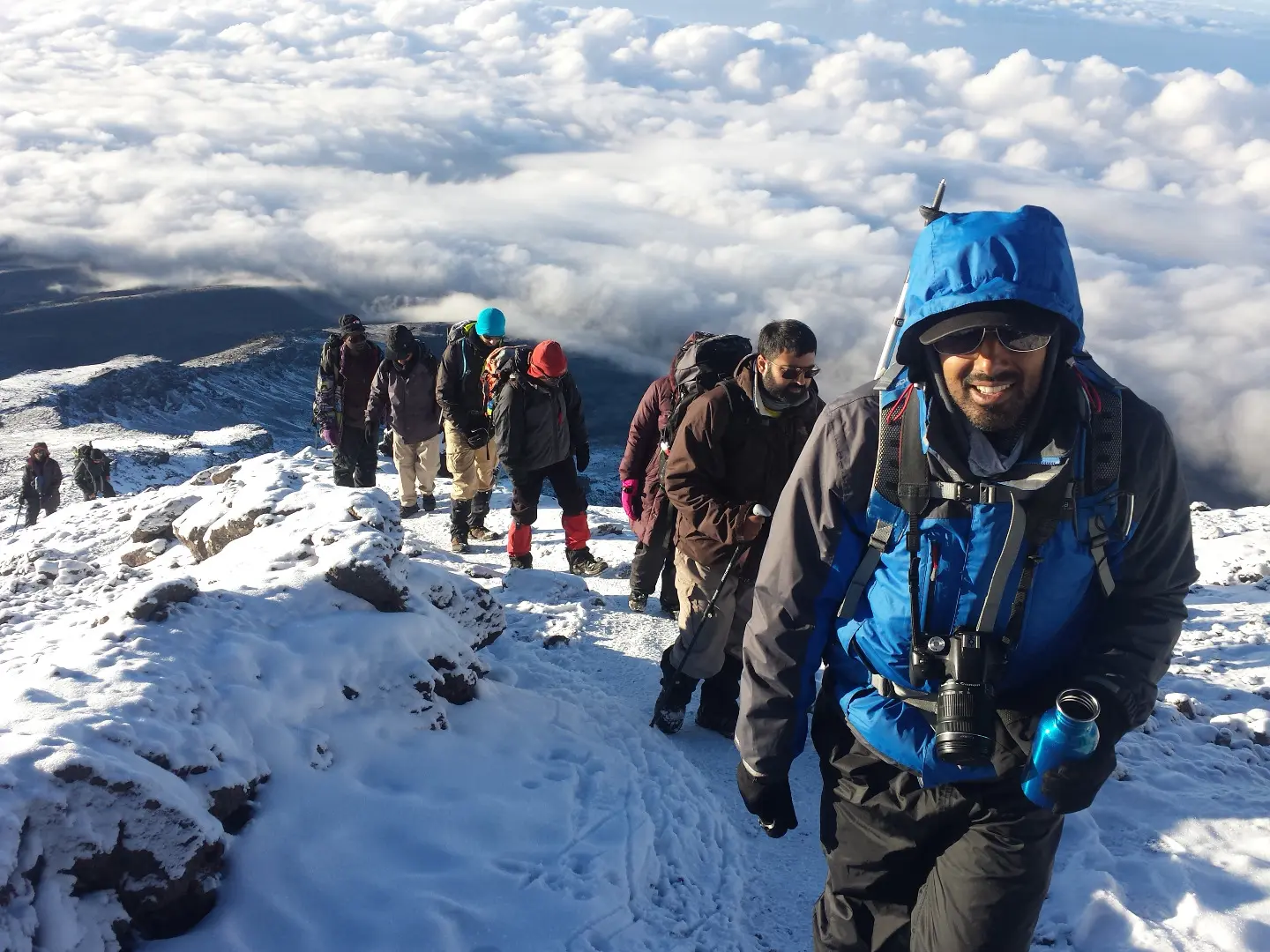
Trekking Mount Kilimanjaro in mid-December places hikers in a distinct seasonal transition. The northern Tanzanian climate experiences short rains throughout November and the first week of December, driven by the northeast trade winds. By 12–18 December 2026, atmospheric pressure stabilizes over the Kilimanjaro massif. This transition creates clearer skies above 3,000 meters while cloud banks remain trapped below the moorland boundary, yielding crisp mornings, low precipitation at high camps, and dramatic cloud inversions over the Maasai plains.
A major operational advantage of scheduling a climb from 12 to 18 December 2026 is escaping the holiday surge. While Christmas and New Year departures across the national park experience crowded trails, packed campsites, and high competition for summit trail space, mid-December retains a moderate climber density. You can secure quiet wilderness camps at Machame, Shira, and Karanga without the sensory overload common ten days later. If you are comparing this date against alternative routes during the same calendar week, consider the 7 Days Lemosho Kilimanjaro Group Joining – 12–18 December 2026-2027, which enters from the western wilderness before merging with the southern circuit.
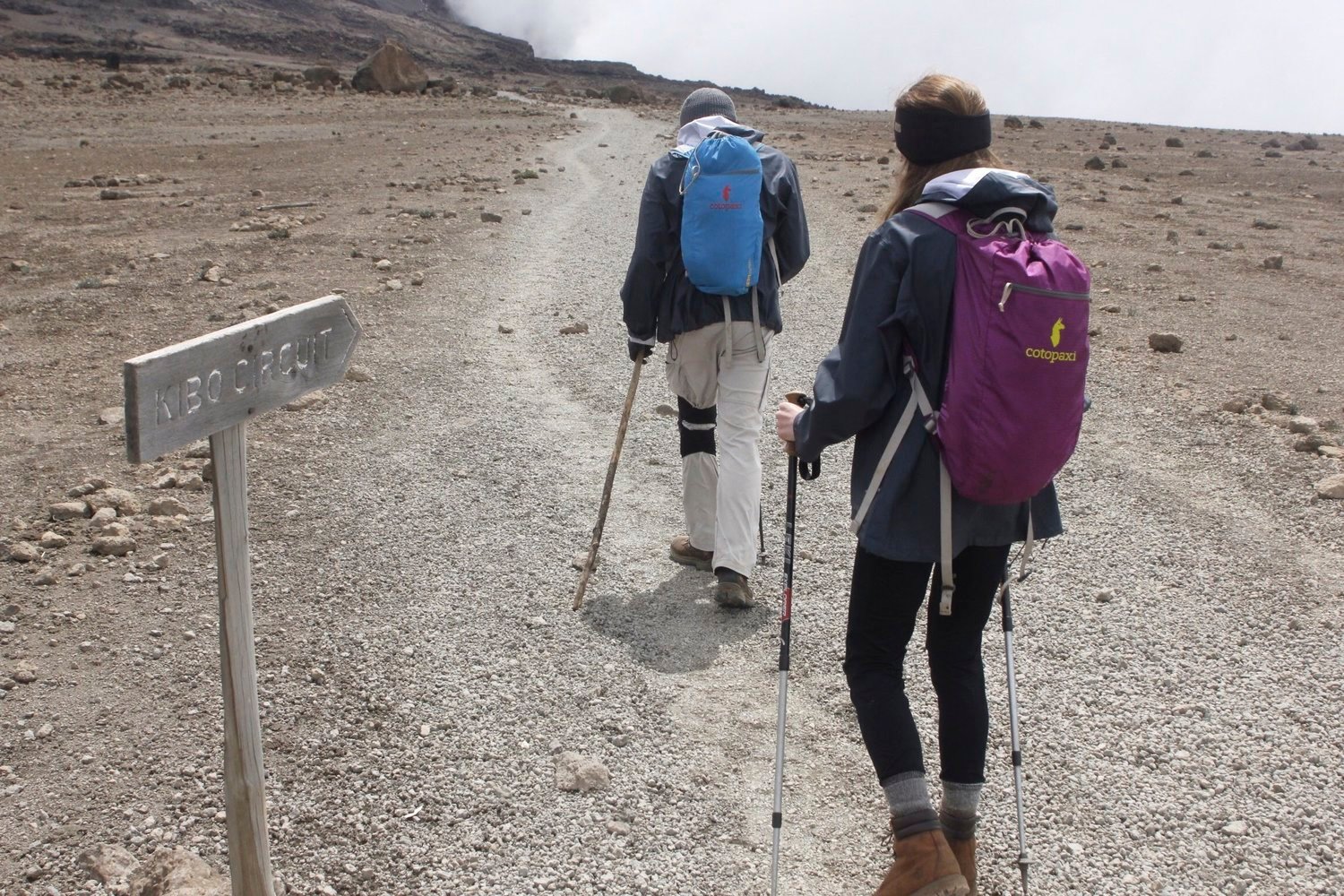
Microclimates on Machame vary by elevation. The lower montane rainforest zone between Machame Gate (1,800m) and Machame Camp (3,000m) retains residual moisture from the late rains, demanding water-resistant trekking boots and breathable gaiters to manage slick mud and wet root systems. Once above the cloud forest and through the moorland heather, precipitation drops significantly. Nighttime temperatures at Shira and Barranco hover between 2°C and -4°C, dropping to -10°C to -15°C at Barafu Base Camp and on the final night ascent to Uhuru Peak. Trekkers traveling in early December can compare trail conditions with the earlier 7 Days Machame Kilimanjaro Trekking Tour – 4–10 December 2026-2027 to understand how trail moisture tapers off over these two critical weeks.
Machame Route Mechanics: The 7-Day vs 6-Day Acclimatization Advantage
The Machame Route earned its reputation as the “Whiskey Route” due to its demanding terrain compared to the older Marangu “Coca-Cola” Route. However, its modern popularity rests primarily on its exceptional topographic layout for acclimatization. The golden rule of high-altitude trekking—climb high, sleep low—is naturally built into the contour of the trail between Days 3 and 5.
Choosing a 7-day itinerary over the compressed 6-day profile changes the physiological outcome dramatically. On the 6-day version, climbers are forced to hike from Barranco Camp directly through Karanga Valley to Barafu Camp in a single grueling day, ascending over 650 vertical meters after scaling the Barranco Wall. By inserting an extra night at Karanga Camp (3,995m), the 7-day variation creates a vital staged decompression.
Physiological Impact of the Karanga Camp Rest Day: Splitting the distance into a short 4-to-5-hour trek allows your arterial blood oxygen saturation (SpO2) to stabilize after the demanding descent from Lava Tower (4,630m). Your body synthesizes erythropoietin (EPO), stimulates red blood cell production, and avoids the extreme glycogen depletion that ruins summit pushes when combining Barranco, Karanga, and Barafu into one single stage. Statistical summit success rates reflect this reality: standard 6-day climbs average approximately 65–70% completion, whereas structured 7-day climbs through TOP GUIDE ADVENTURES regularly achieve an 85% to 89% summit success rate across all age brackets.
The route geometry features progressive altitude exposure that conditions the cardiopulmonary system without sudden, unrecoverable elevation jumps. Below is an overview of how your body moves through the ecological zones on the 7-day schedule:
- Day 1 (Machame Gate to Machame Camp): +1,200m vertical climb through dense rainforest canopy. Gentle pacing protects lower knee joints and regulates respiratory rhythm.
- Day 2 (Machame Camp to Shira Cave Camp): +840m vertical climb across volcanic heather, stepping up to the edge of the Shira Caldera with vast open vistas of Mount Meru behind you.
- Day 3 (Shira Camp to Lava Tower, down to Barranco Camp): +790m climb to 4,630m at Lava Tower for lunch and physiological altitude shock, followed by a -680m descent to sleep safely at Barranco (3,950m).
- Day 4 (Barranco Camp to Karanga Camp): The non-technical scramble up Barranco Wall (+250m) followed by short rolling ridge valleys to Karanga (3,995m). Crucial half-day rest.
- Day 5 (Karanga Camp to Barafu Base Camp): Slow, deliberate +675m ascent across alpine desert to establish summit staging at 4,670m. Early dinner and sleep by 18:00.
- Day 6 (Barafu Camp to Uhuru Peak to Mweka Camp): Midnight push +1,225m to Uhuru Peak (5,895m), followed by rapid -2,795m descent down scree to sleep comfortably in the forest at Mweka Camp (3,100m).
- Day 7 (Mweka Camp to Mweka Gate): Final -1,460m gradual stroll through rainforest to complete check-out, obtain official certificates, and transfer to Moshi or Arusha.
Expedition Pricing, Park Fees, and Package Comparisons for 2026-2027
Kilimanjaro climb pricing requires careful evaluation because conservation fees, rescue fees, camping fees, and government taxes levied by the Tanzania National Parks Authority (TANAPA) make up more than half of the total expense of every legal trek. In 2026-2027, TANAPA statutory conservation fees run at $70 per person per day, plus camping fees ($50 per night), rescue fees ($20 per trek), environmental management levies, value-added tax (18% VAT), and crew national park entrance charges.
When booking the 7 Days Machame Kilimanjaro Trek – 12–18 December 2026, pricing structures diverge based on accommodation standards in Moshi before and after the climb, private vehicle transfers, group size, and crew-to-climber service ratios. The table below outlines typical budget, mid-range, and premium tiers for this departure window:
| Package Tier | Estimated Price Range (USD) | Crew Structure & Inclusions | Ideal Traveler Profile |
|---|---|---|---|
| Group Joining (Standard) | $1,850 – $2,100 per climber | 1 Lead Guide per 4 climbers, 1 Assistant per 2-3 climbers, 3 Porters per climber, shared mess tent, standard foam sleeping pads, shared transfers from Moshi, 2 nights base hotel. | Solo travelers, budget-conscious pairs, social hikers seeking shared summit camaraderie. |
| Private Mid-Range (Recommended) | $2,200 – $2,550 per climber | Dedicated lead guide, personal private chemical portable toilet with pop-up tent, 3cm thick all-weather sleeping mattresses, specialized dietary menu, direct KIA airport pick-up. | Couples, families, small private parties wanting customized hiking pacing and private sanitation. |
| VIP / High-Spec Private | $2,800 – $3,600+ per climber | Walk-in sleeping tents with raised camp cots, continuous pulse-oximetry monitoring, hot water bottles nightly, heated mess tent, 4-star Moshi hotel lodging. | Climbers wanting maximum physical comfort, dedicated recovery environments, and VIP ground handling. |
Trekkers arriving via international flights should organize their airport pick-ups early. Choosing between arrival hubs impacts transfer time and budget; review the analysis on best airports to fly into Tanzania for safari, Kilimanjaro, and Zanzibar 2026-2027 to weigh the merits of landing at Kilimanjaro International Airport (JRO) versus flying into Dar es Salaam (DAR) or Nairobi (NBO).
Check Availability for 7 Days Machame Kilimanjaro Trek – 12–18 December 2026-2027
Ready to compare dates, prices, and the best option for your group? Send the package name and travel month so the team can reply with a clear quote, availability, and what is included.
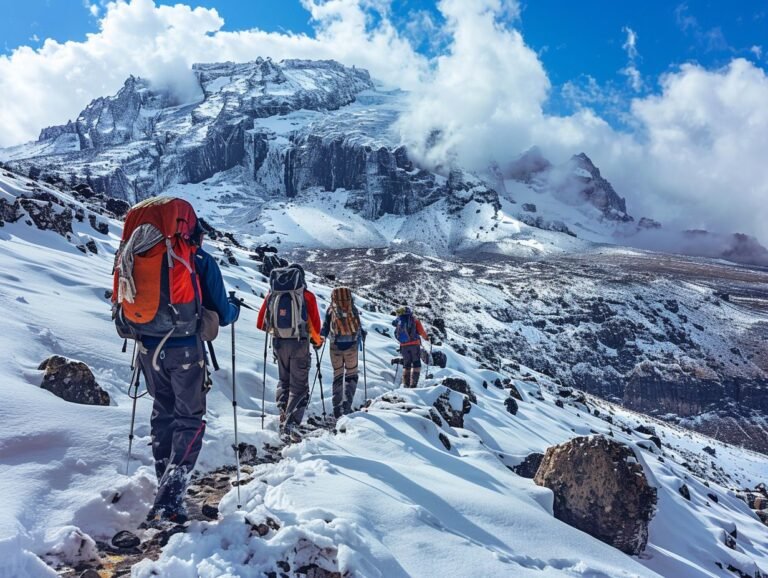
7 Days Machame Kilimanjaro Christmas Holiday Trek – 25–31 December 2026-2027
7 Days Machame Kilimanjaro Christmas Holiday Trek – 25–31 December 2026 is explained with current 2026-2027 planning, price, itinerary and booking.
View package details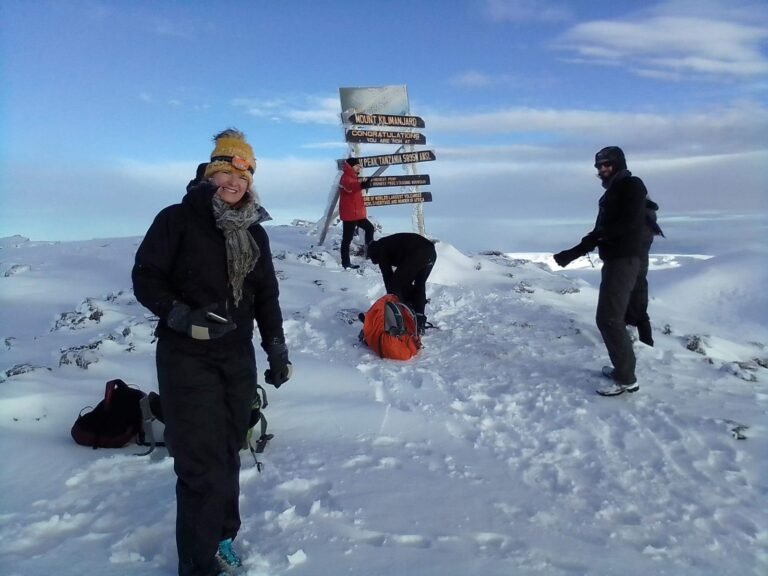
7 Days Machame Route Kilimanjaro Christmas Trek – 20–26 December 2026-2027
7 Days Machame Route Kilimanjaro Christmas Trek – 20–26 December 2026 is explained with current 2026-2027 planning, price, itinerary and booking information.
View package details8 Days Machame Route Kilimanjaro Trekking – 15–22 December 2026-2027
8 Days Machame Route Kilimanjaro Trekking – 15–22 December 2026 is explained with current 2026-2027 planning, price, itinerary and booking information.
View package details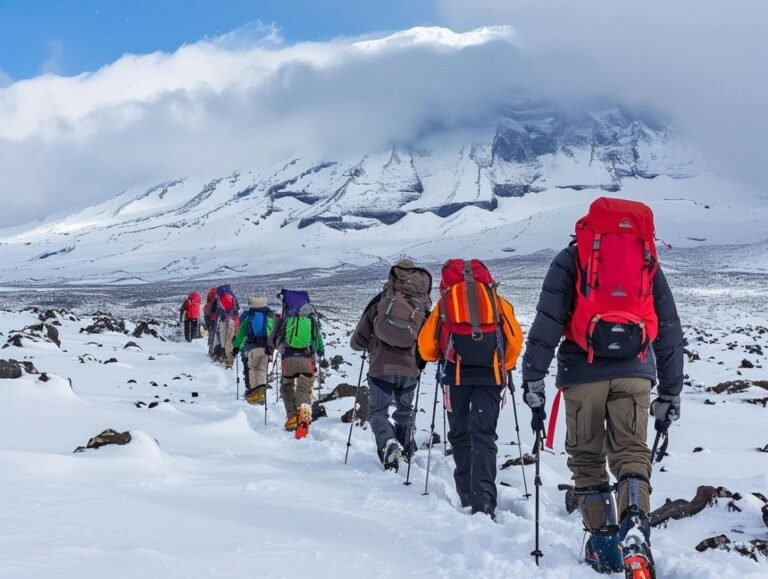
7 Days Machame Kilimanjaro Trekking Tour – 4–10 December 2026-2027
7 Days Machame Kilimanjaro Trekking Tour – 4–10 December 2026 is explained with current 2026-2027 planning, price, itinerary and booking information.
View package details
7 Days Machame Kilimanjaro New Year Climb – 27 December – 2 January 2026-2027
7 Days Machame Kilimanjaro New Year Climb – 27 December 2026 – 2 January 2027 is explained with current 2026-2027 planning, price, itinerary and booking.
View package details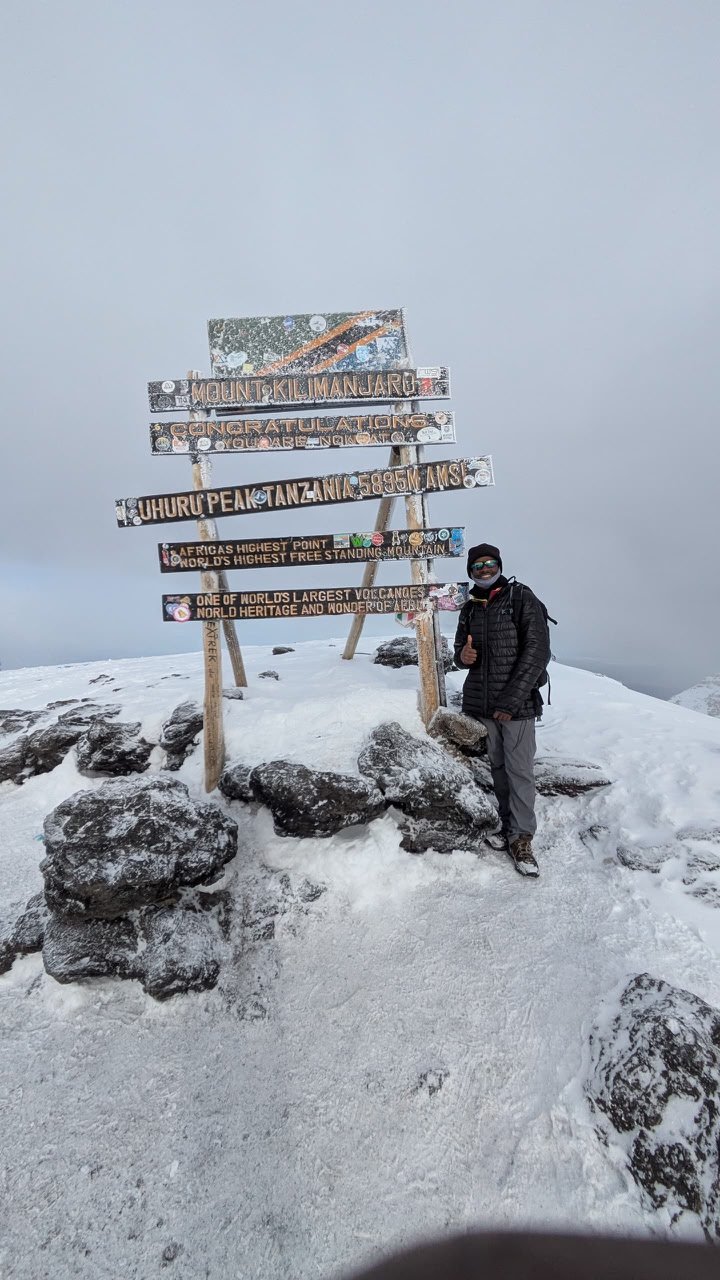
8 Days Lemosho Kilimanjaro Full Moon Group Trek – 18–25 December 2026-2027
An 8-day group trek on Kilimanjaro's scenic Lemosho Route timed for the December 2026 full moon period, with summit day on Christmas morning.
View package details8 Days Machame Kilimanjaro Full Moon Climb – 18–25 December 2026-2027
8 Days Machame Kilimanjaro Full Moon Climb – 18–25 December 2026 is explained with current 2026-2027 planning, price, itinerary and booking information.
View package details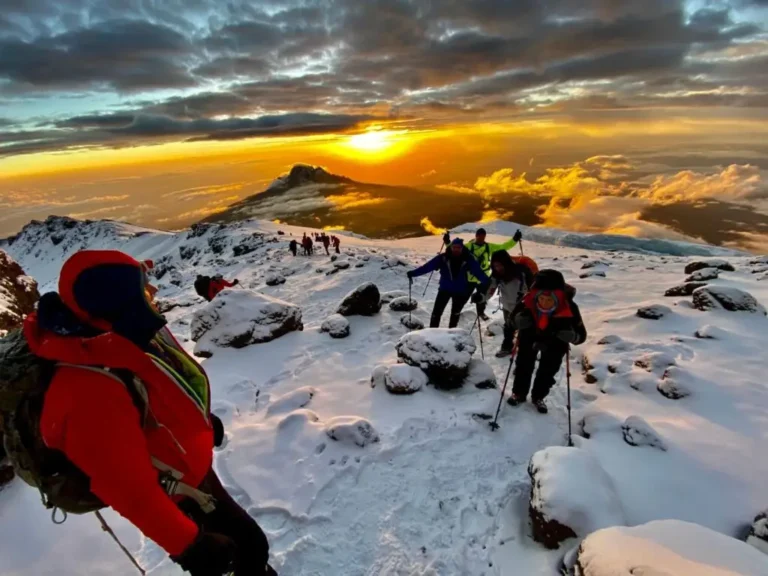
8 Days Lemosho Kilimanjaro Christmas Trek – 24–31 December 2026-2027
8 Days Lemosho Kilimanjaro Christmas Trek – 24–31 December 2026 is explained with current 2026-2027 planning, price, itinerary and booking information.
View package details
8 Days Lemosho Kilimanjaro Trekking Package – 4–11 December 2026-2027
8 Days Lemosho Kilimanjaro Trekking Package – 4–11 December 2026 is explained with current 2026-2027 planning, price, itinerary and booking information.
View package details7 Days Machame Kilimanjaro Group Climb – 9–15 December 2026-2027
A detailed guide to the 7-day Machame Route Kilimanjaro group climb in December 2026, covering itinerary, preparation, and what to expect.
View package details7 Days Lemosho Kilimanjaro New Year Trek – 27 December – 2 January 2026-2027
7 Days Lemosho Kilimanjaro New Year Trek – 27 December 2026 – 2 January 2027 is explained with current 2026-2027 planning, price, itinerary and booking.
View package details
7 Days Lemosho Route Kilimanjaro Group Trek – 6–12 December 2026-2027
7 Days Lemosho Route Kilimanjaro Group Trek – 6–12 December 2026 is explained with current 2026-2027 planning, price, itinerary and booking information.
View package detailsNo closely related package is available yet for this topic.

Our Guest Reviews, Currently Feedback from Clients in 2026
Reviews from different sources, including Google Business, Tripadvisor, other platforms, and social media.