The 8 Days Lemosho Kilimanjaro Christmas Trek – 24–31 December 2026 is a specialized high-altitude expedition that starts at the western gate of Londorossi on Christmas Eve, ascends across the wide Shira Plateau on Christmas Day, navigates the southern circuit, and places climbers on the summit of Uhuru Peak (5,895 meters) on December 30–31 before concluding on New Year’s Eve. Operating across an optimal eight-day timeline, this itinerary maximizes gradual physiological acclimatization, delivers summit success rates above 90%, and requires arriving at Kilimanjaro International Airport (JRO) by December 23, 2026. Standard operator pricing for 2026-2027 ranges between $2,250 and $2,890 per person depending on group size, private versus open-group departures, and support tiers such as private chemical toilets and advanced mountain medical monitoring.
The Strategic Holiday Timeline: Why December 24–31 Stands Out on Kilimanjaro
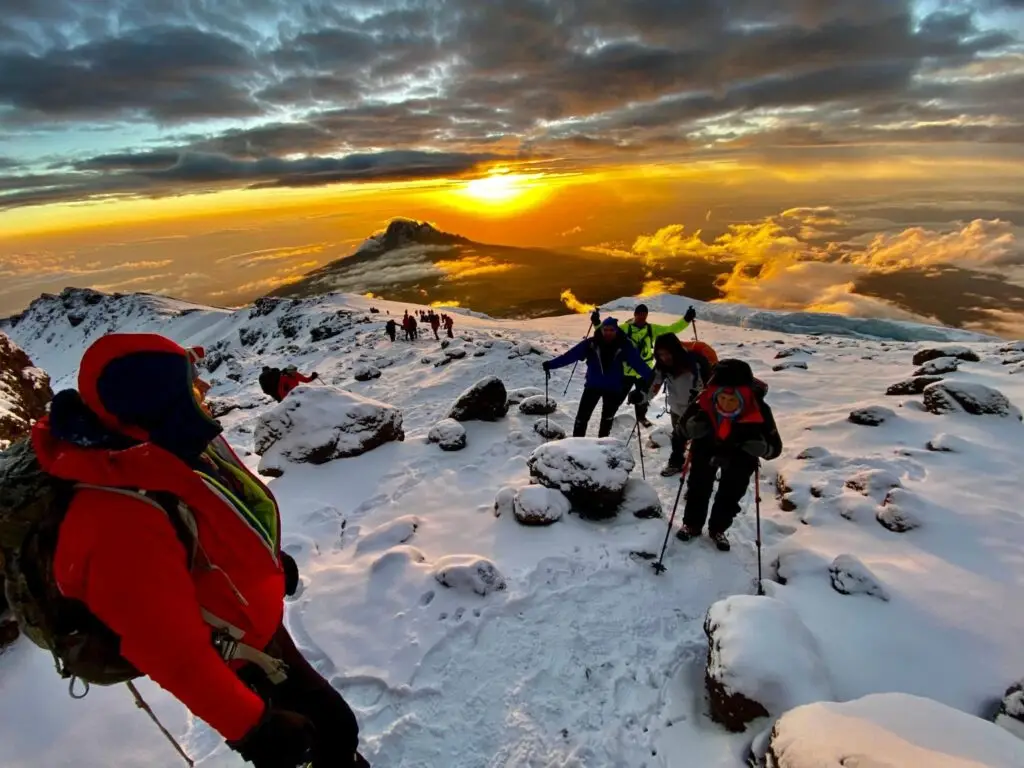
Choosing to spend the festive week on Africa’s highest peak shifts the holiday tradition into an endurance milestone. The 8 Days Lemosho Kilimanjaro Christmas Trek – 24–31 December 2026 operates on an uncommon chronological rhythm. Hikers leave the lower commercial hubs of Moshi or Arusha on the morning of December 24, crossing the agricultural foothills of the mountain’s western shoulder to camp in the podocarpus rain forest of Mti Mkubwa on Christmas Eve. By Christmas morning, December 25, the trail leaves the dense tree canopy, scaling the volcanic ramparts of the Shira Ridge to enter the heath and moorland zones at nearly 3,600 meters.
Unlike shorter six-day holiday climbs that rush hikers up the mountain under acute metabolic stress, an eight-day progression provides the biological adaptation needed to handle high altitude safely. Climbers do not merely endure the holiday away from home; they benefit from an engineered profile where daily elevation jumps remain measured, hydration requirements are strictly managed, and the body builds adequate red blood cells before attempting the freezing scree slopes of Kibo.
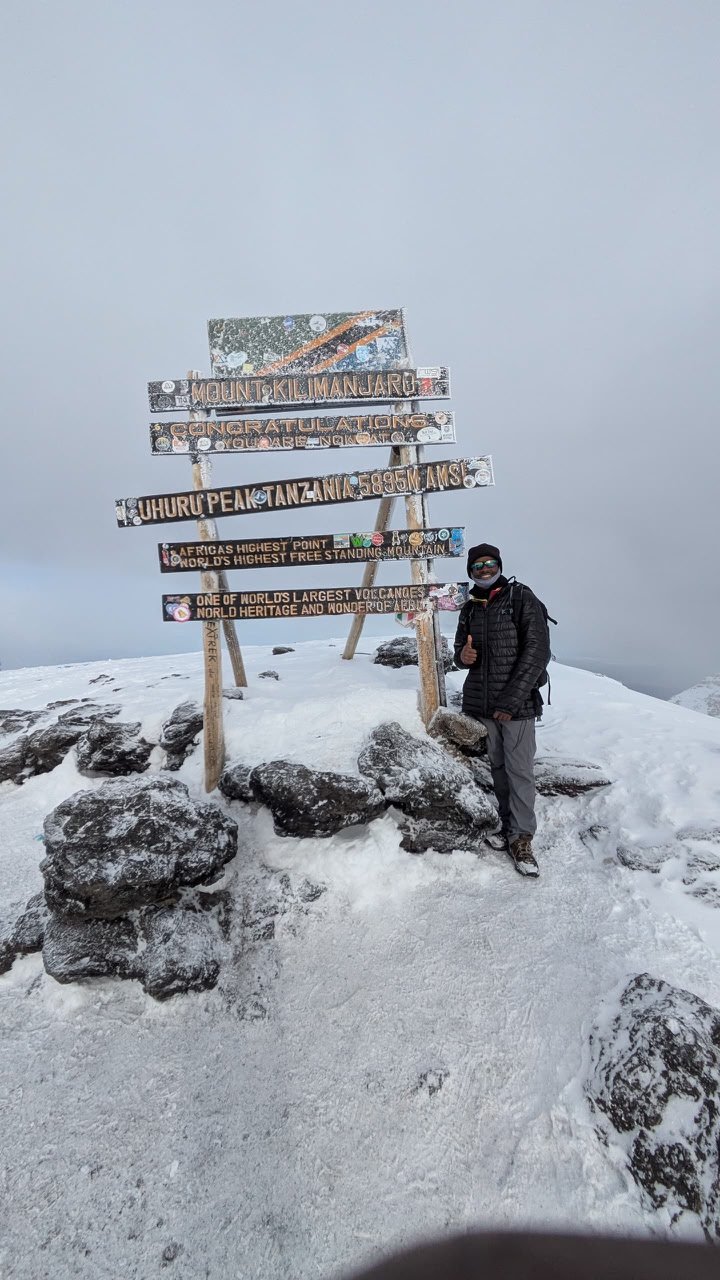
A distinctive operational advantage of the 24–31 December schedule is the New Year’s Eve exit. After summiting Uhuru Peak in the early daylight hours of December 31 (or late December 30 depending on base camp turnaround), trekkers make their final descent through the forest zone to Mweka Gate by midday on December 31. This timeline returns climbers to their base hotel in Moshi or Arusha just in time to shower, shed four layers of thermal gear, and welcome the arrival of 2027 at sea level comfort. If your schedule requires beginning slightly later to see the calendar turn on the summit itself, you can compare this profile with the 8 Days Lemosho Kilimanjaro New Year Summit Climb or the group-based 8 Days Lemosho Kilimanjaro Group Joining running 29 December – 5 January.
Because December represents the peak international holiday travel window across East Africa, trail permits, park rescue allotments, and competent lead guides book out months in advance. Trekkers planning for late 2026 must confirm international flight routes into Kilimanjaro International Airport (JRO) well before late summer to prevent misaligned connections or multi-day baggage delays that could compromise their trek start date.
Route Architecture: The 8-Day Lemosho Elevation Profile and Success Mechanics
The Lemosho Route is widely recognized by mountain medical professionals and veteran mountain guides as the premier non-technical track on Mount Kilimanjaro. Approaching the volcano from the far west, Lemosho starts at higher elevation than the Machame route but compensates by spreading the initial ascent across multiple wide, low-gradient plateau traverses. Where shorter profiles force climbers to gain 1,000 vertical meters daily, the 8-day Lemosho itinerary builds in active acclimatization plateaus where altitude is gained, tested, and shed.
The physiological turning point of the entire expedition occurs on Day 4 (December 27). Trekkers climb from the floor of the Shira Caldera past the high volcanic plug of Lava Tower at 4,630 meters (15,190 feet). Pausing here for lunch or acclimatization drills introduces the cardiovascular system to low ambient oxygen partial pressures. Following this rest, the trail drops sharply into the sheltered Barranco Valley at 3,976 meters. This classic mountain discipline—climb high, sleep low—triggers the release of erythropoietin (EPO), signaling the bone marrow to produce more red blood cells without exposing the body to the sleep disturbances, Cheyne-Stokes breathing, and headaches common when resting above 4,500 meters.
Acclimatization Dynamics: 7 Days vs. 8 Days
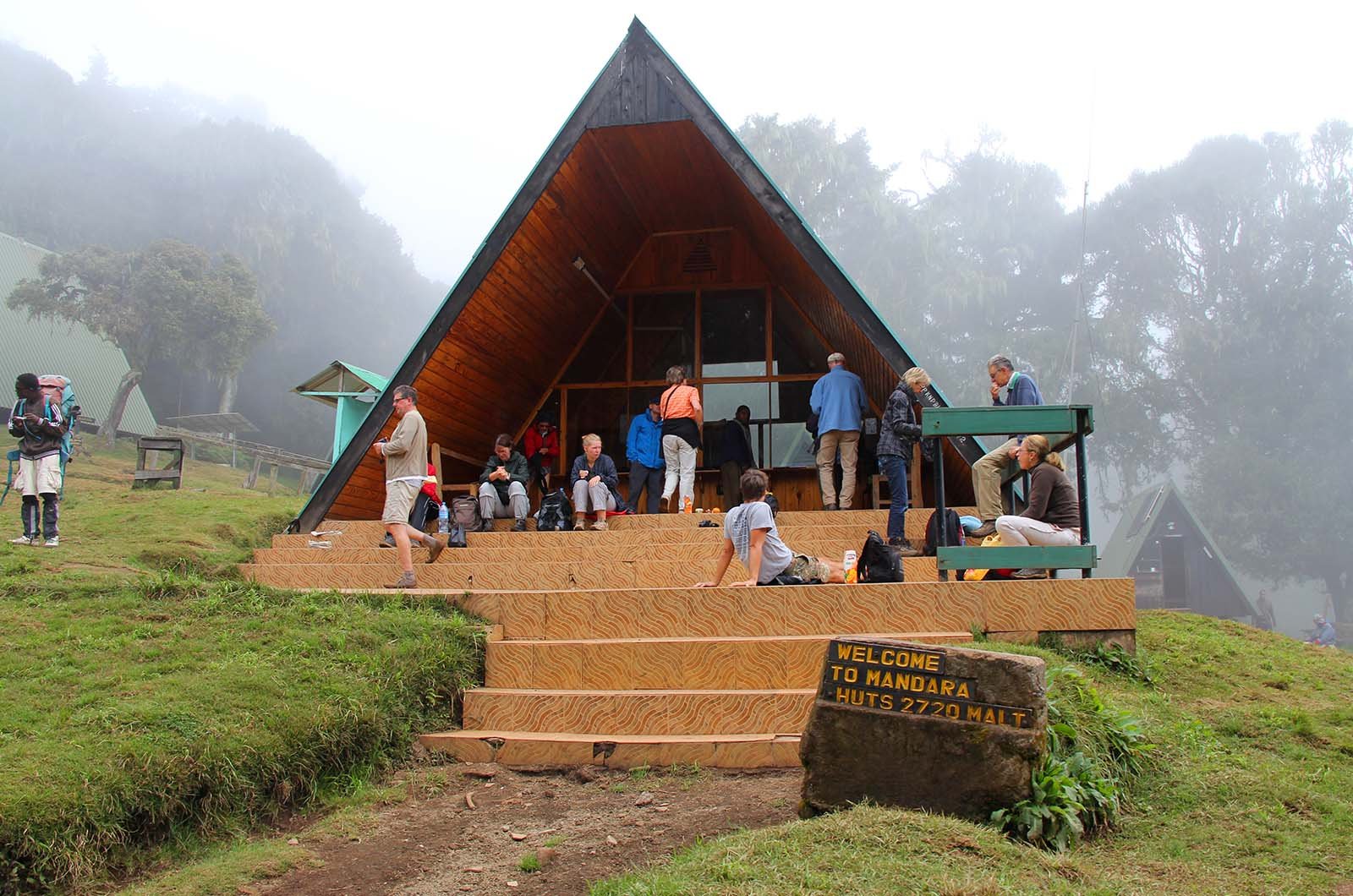
The core structural distinction between a 7-day and an 8-day Lemosho climb is the management of the stretch between Barranco and the summit base camp. In a 7-day itinerary, such as the 7 Days Lemosho Kilimanjaro Christmas Climb, hikers must scale the Barranco Wall, traverse the Karanga Valley, and push directly to Barafu Camp in a single exhausting day. The 8-day Christmas itinerary splits this stretch: climbers stop for an entire night at Karanga Camp (3,995 meters). This mid-mountain pause shortens the daily trail time to roughly four hours, preserves muscular strength, and provides an additional night of metabolic recovery before confronting the punishing midnight summit push.
By splitting Karanga and Barafu, the team reaches the final staging camp on Day 6 before midday. Trekkers have adequate time to eat hot meals, hydrate, rest, pack their daypacks for the summit push, and sleep before being woken at 23:00 for the push to Stella Point. As a result, the verified summit success rate on an 8-day Lemosho itinerary climbs to between 92% and 95%, compared to under 70% on rushed 5-day routes.
Check Availability for 8 Days Lemosho Kilimanjaro Christmas Trek – 24–31 December 2026-2027
Ready to compare dates, prices, and the best option for your group? Send the package name and travel month so the team can reply with a clear quote, availability, and what is included.
8 Days Lemosho Kilimanjaro Full Moon Group Trek – 18–25 December 2026-2027
An 8-day group trek on Kilimanjaro's scenic Lemosho Route timed for the December 2026 full moon period, with summit day on Christmas morning.
View package details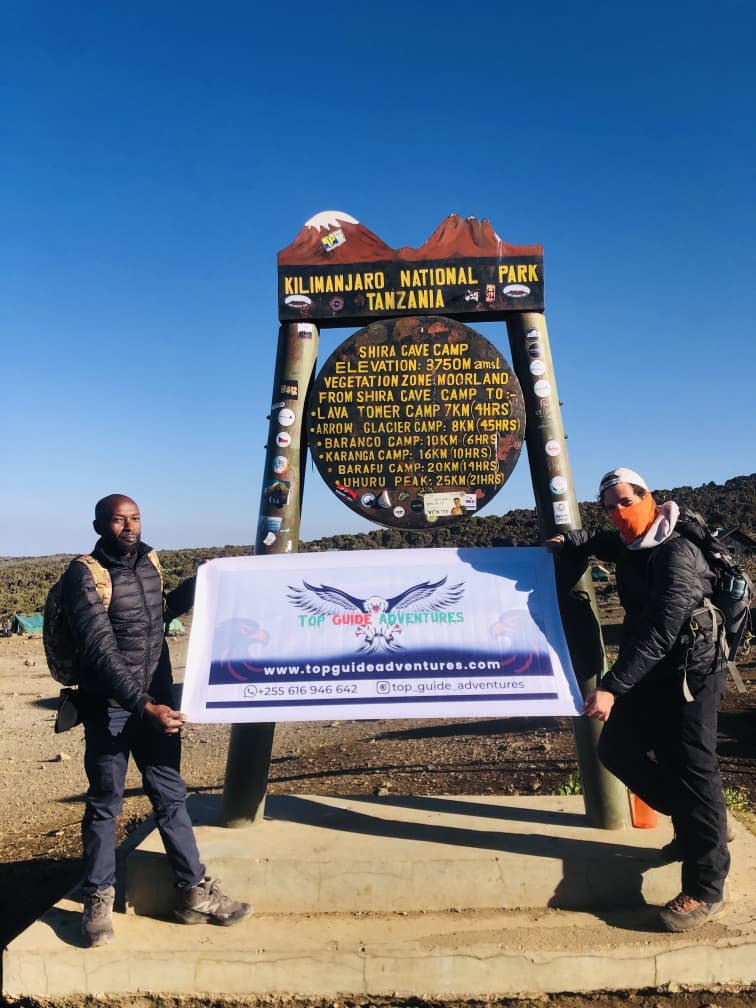
8 Days Lemosho Kilimanjaro Trekking Package – 4–11 December 2026-2027
8 Days Lemosho Kilimanjaro Trekking Package – 4–11 December 2026 is explained with current 2026-2027 planning, price, itinerary and booking information.
View package details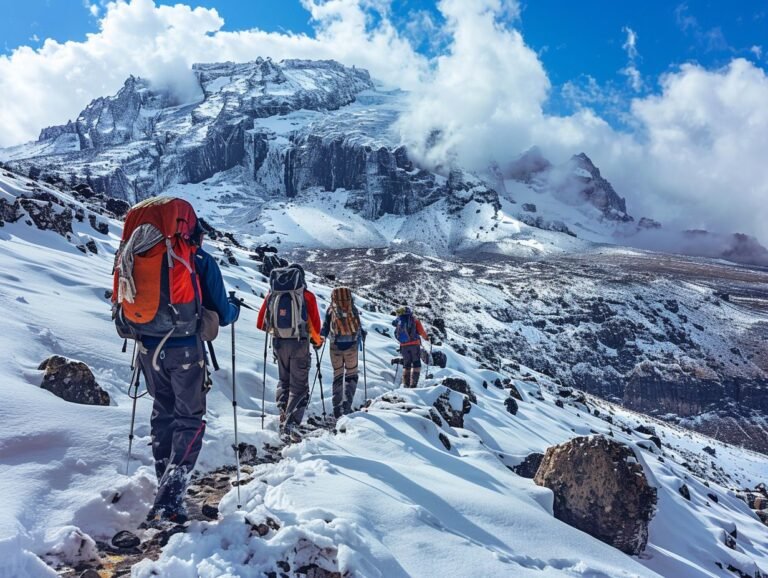
7 Days Machame Kilimanjaro Christmas Holiday Trek – 25–31 December 2026-2027
7 Days Machame Kilimanjaro Christmas Holiday Trek – 25–31 December 2026 is explained with current 2026-2027 planning, price, itinerary and booking.
View package details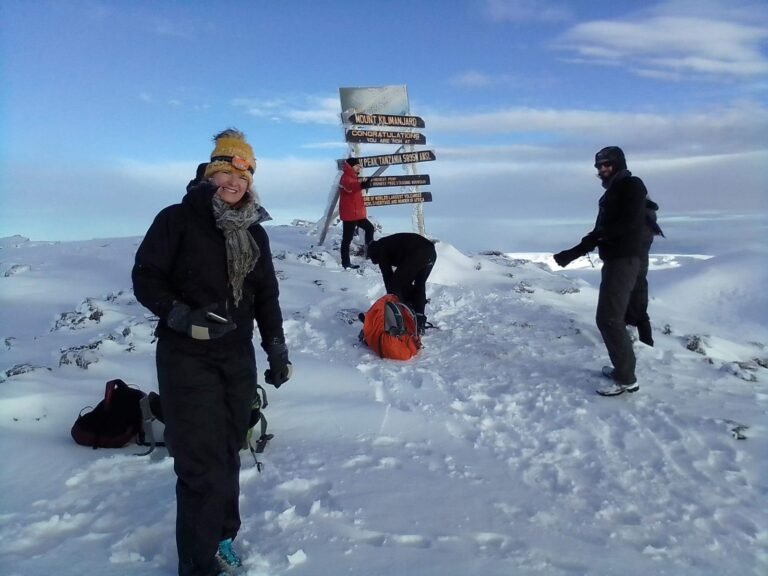
7 Days Machame Route Kilimanjaro Christmas Trek – 20–26 December 2026-2027
7 Days Machame Route Kilimanjaro Christmas Trek – 20–26 December 2026 is explained with current 2026-2027 planning, price, itinerary and booking information.
View package details7 Days Lemosho Kilimanjaro New Year Trek – 27 December – 2 January 2026-2027
7 Days Lemosho Kilimanjaro New Year Trek – 27 December 2026 – 2 January 2027 is explained with current 2026-2027 planning, price, itinerary and booking.
View package details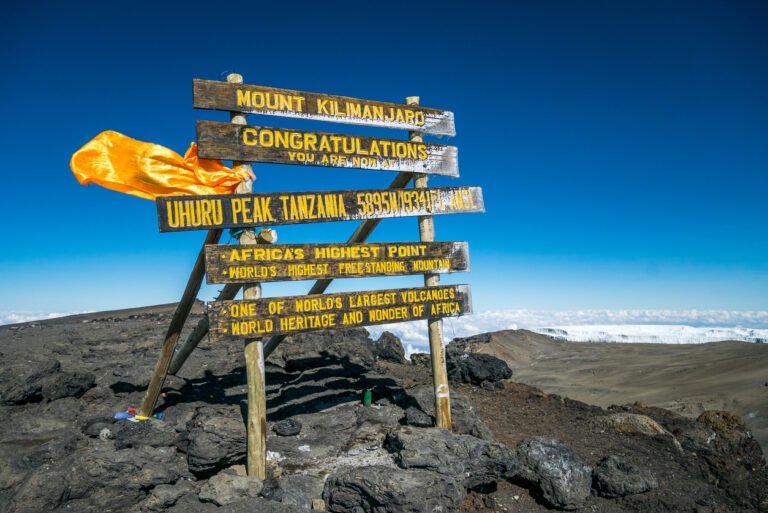
7 Days Lemosho Kilimanjaro Christmas Climb – 20–26 December 2026-2027
7 Days Lemosho Kilimanjaro Christmas Climb – 20–26 December 2026 is explained with current 2026-2027 planning, price, itinerary and booking information.
View package details
7 Days Lemosho Route Kilimanjaro Group Trek – 6–12 December 2026-2027
7 Days Lemosho Route Kilimanjaro Group Trek – 6–12 December 2026 is explained with current 2026-2027 planning, price, itinerary and booking information.
View package details
8 Days Lemosho Route Kilimanjaro Group Departure – 12–19 December 2026-2027
A detailed guide to the 8-day Lemosho Route Kilimanjaro group climb departing 12–19 December 2026, covering route details, daily itinerary, acclimatization strategy, and what to expect.
View package details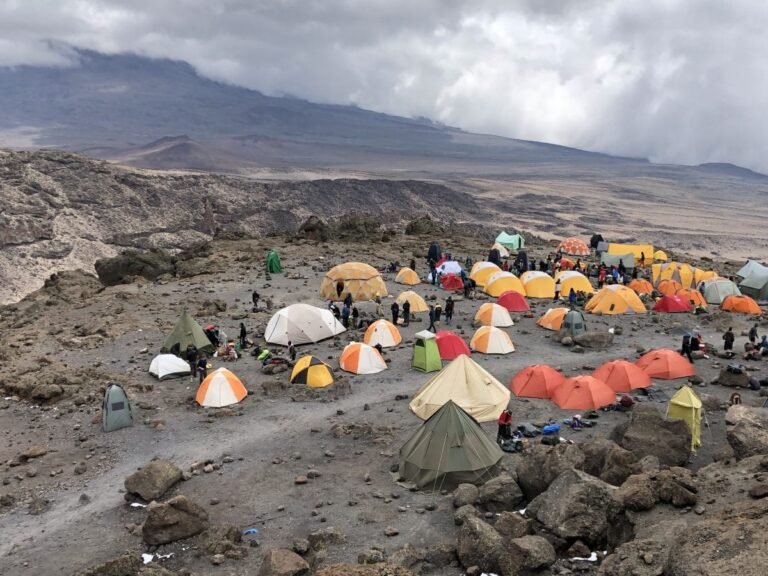
7 Days Lemosho Route Kilimanjaro Group Climb – 3–9 December 2026-2027
7 Days Lemosho Route Kilimanjaro Group Climb – 3–9 December 2026 is explained with current 2026-2027 planning, price, itinerary and booking information.
View package details
8 Days Lemosho Kilimanjaro Group Hiking – 7–14 December 2026-2027
8 Days Lemosho Kilimanjaro Group Hiking – 7–14 December 2026 is explained with current 2026-2027 planning, price, itinerary and booking information.
View package details8 Days Machame Route Kilimanjaro Trekking – 15–22 December 2026-2027
8 Days Machame Route Kilimanjaro Trekking – 15–22 December 2026 is explained with current 2026-2027 planning, price, itinerary and booking information.
View package details
7 Days Machame Kilimanjaro Trek – 12–18 December 2026-2027
7 Days Machame Kilimanjaro Trek – 12–18 December 2026 is explained with current 2026-2027 planning, price, itinerary and booking information.
View package detailsNo closely related package is available yet for this topic.

Our Guest Reviews, Currently Feedback from Clients in 2026
Reviews from different sources, including Google Business, Tripadvisor, other platforms, and social media.