
The best things to do in Manyara, Tanzania, for a safari and cultural experience in 2026-2027 revolve around exploring Lake Manyara National Park’s unique ecosystem and engaging with the vibrant local communities surrounding it, offering a balanced adventure that caters to both wildlife enthusiasts and those seeking authentic cultural insights.
Planning your Tanzanian adventure for 2026-2027? Lake Manyara National Park, though one of Tanzania’s smaller parks, punches well above its weight in terms of diverse attractions. It’s renowned for its shallow, alkaline lake that attracts vast flocks of flamingos, its dense woodland, and its elusive tree-climbing lions. Beyond the park boundaries, the Manyara region is a gateway to rich cultural experiences, offering a chance to connect with local tribes and understand their way of life. Deciding how to balance these two elements—thrilling wildlife encounters and meaningful cultural immersion—is key to crafting your perfect Manyara itinerary.
Lake Manyara National Park: A Wildlife Spectacle
Lake Manyara National Park is a gem, offering a concentrated safari experience that can be enjoyed in a single day or as part of a longer Northern Circuit tour. Its compact size means you can see a significant amount of wildlife in a relatively short time, making it ideal for those on a tighter schedule or looking for a diverse introduction to Tanzanian wildlife.
The Famous Tree-Climbing Lions
Lake Manyara is one of the few places in East Africa where lions are known to regularly climb trees. While not guaranteed on every game drive, spotting these majestic predators lounging on the branches of acacia trees is a truly unique sight. The exact reason for this behaviour remains a subject of debate among scientists – some suggest it’s to escape the heat, others to avoid biting insects, or perhaps to gain a better vantage point over the plains. Regardless of the ‘why’, witnessing it is a highlight for many visitors.
A Birder’s Paradise
With over 400 bird species recorded, Lake Manyara is a paradise for birdwatchers. The lake itself is a magnet for large flocks of flamingos, pelicans, and various other waterbirds. The woodlands and savannah areas host a diverse array of raptors, hornbills, rollers, and kingfishers. Birding is particularly rewarding during the wet season (November to May) when migratory birds are present, but resident species provide excellent viewing year-round. Many safari itineraries in 2026-2027 will highlight these avian wonders.
Diverse Habitats in a Small Area
What makes Manyara so special is the incredible variety of landscapes packed into just 330 square kilometers. You’ll drive through dense groundwater forests fed by underground springs, shimmering alkaline lake shores, open grassy savannah, and rugged acacia woodlands. This mosaic of habitats supports a wide range of animals, including large herds of elephants, baboons, vervet monkeys, giraffes, zebras, wildebeest, hippos, and various antelopes like dik-diks and klipspringers. The park’s dense foliage can make spotting some animals challenging, but it also adds to the thrill of discovery.
Night Safaris: A Different Perspective
For an added layer of adventure, consider a night safari in Lake Manyara. This experience, usually offered by lodges just outside the park or in adjacent areas, provides a chance to see nocturnal animals that are rarely active during the day. Look out for genets, civets, bushbabies, and various owls. The sounds and sights of the bush after dark are truly magical and offer a completely different perspective on the ecosystem. Check with your tour operator for availability in 2026-2027, as these are often booked in advance.
in-depth Cultural Experiences Near Manyara
While Lake Manyara National Park is the main wildlife draw, the surrounding region is rich with opportunities for cultural exploration, offering a deeper understanding of Tanzania’s diverse heritage. These experiences provide a vital counterpoint to the wildlife focus, allowing you to connect with local communities and learn about their traditions, livelihoods, and daily lives.
Engaging with the Maasai
The iconic Maasai people, known for their vibrant red shukas and traditional way of life, inhabit areas around Lake Manyara. Visiting a Maasai village offers a chance to learn about their semi-nomadic pastoralist culture, their social structures, and their deep connection to the land. You’ll often be welcomed into their homes (bomas), witness traditional dances, and have the opportunity to purchase authentic handicrafts directly from the artisans. It’s important to approach these visits with respect and genuine curiosity. A well-organized tour operator can ensure these visits are respectful and beneficial for both visitors and the community.
Beyond the Maasai: Datoga and Hadzabe Encounters
Further afield, but often accessible as part of a comprehensive Manyara cultural tour, are the Datoga and Hadzabe (also known as Bushmen) tribes. The Datoga are skilled blacksmiths and herders, and observing their traditional metalworking techniques is fascinating. The Hadzabe are one of Africa’s last hunter-gatherer tribes, and a guided walk with them offers a rare glimpse into ancient survival methods, including tracking, hunting with bows and arrows, and foraging for edible plants. These experiences, particularly with the Hadzabe, are highly sought after and require careful logistical planning, often involving overnight stays in the Lake Eyasi region. The 7 Day Lake Eyasi Cultural Safari or the Lake Eyasi Private Cultural Safari Tour are excellent ways to experience these unique groups.
Exploring Local Markets and Villages
Beyond structured village visits, simply exploring local markets in towns like Mto wa Mbu offers a vibrant slice of everyday Tanzanian life. Here, you can see an array of fresh produce, local crafts, and observe the bustling commerce. Mto wa Mbu is particularly interesting as it’s a melting pot of different tribes and cultures from across Tanzania, making it a unique cultural hub. Engaging with local guides can help you navigate these settings and understand the nuances of daily life. Many Manyara Tanzania tours incorporate stops at such markets to enrich the travel experience.
Balancing Wildlife and Culture: Itinerary Strategies
The most rewarding Manyara experiences often come from a thoughtful blend of its incredible wildlife and rich cultural mix. Whether you have one day or a week, strategic planning can ensure you don’t miss out on either aspect. The key is to decide your priority and then build an itinerary that supports it.
Day Trip Dynamics
If you’re on a short visit, perhaps basing yourself in Arusha or Karatu, a day trip to Lake Manyara National Park is feasible. This would focus primarily on the wildlife within the park. For a touch of culture, you might incorporate a brief stop at a local market en route or arrange a short visit to a nearby Maasai boma if time and logistics permit. However, a day trip rarely allows for deep cultural immersion.
Multi-Day Itineraries: The Ideal Approach
For a more comprehensive experience, consider a 2-3 day stay in the Manyara region. This allows for a full day or more within Lake Manyara National Park, exploring its different sections and wildlife viewing opportunities, potentially including a night game drive. You can then dedicate another day to visiting a Maasai village, exploring Mto wa Mbu, or even taking a longer excursion towards Lake Eyasi for Datoga and Hadzabe encounters. Operators like Top Guide Adventures can craft Manyara Tanzania travel itineraries that expertly weave these experiences together.
Integration with the Northern Circuit
Manyara is a crucial stop on the popular Northern Circuit, which also includes Tarangire, Ngorongoro Crater, and Serengeti National Parks. When planning a longer safari for 2026-2027, you can easily incorporate Manyara. For instance, a typical Northern Tanzania Safari might spend a day in Manyara, followed by days in Tarangire and then move towards the Ngorongoro Conservation Area. Cultural visits can be strategically placed between park visits, perhaps a Maasai village on the way to or from Manyara, or a stop in Mto wa Mbu. This allows for a rich, multi-faceted journey without excessive travel time between destinations.
Dedicated Cultural Tours
If cultural immersion is your primary goal, consider tours that focus heavily on the Lake Eyasi region, such as the 6 Day Lake Eyasi Cultural Safari and Northern Tanzania Tour. These tours often include Manyara National Park as a wildlife component but dedicate significant time to interacting with the Hadzabe, Datoga, and other local communities, offering a profound cultural experience. These are best booked well in advance for 2026-2027 to ensure availability.
Essential Planning for Your 2026-2027 Manyara Visit
Successful planning is the bedrock of an exceptional safari and cultural experience in Manyara. Attention to detail ensures that your trip runs smoothly, allowing you to fully appreciate the wonders of this region.
Key Planning Considerations:
- Itinerary Customization: Decide whether your priority is wildlife, culture, or a balanced mix. Work with your tour operator to tailor an itinerary that fits your interests and timeframe. For example, if you’re passionate about birding, ensure your itinerary allows ample time in Manyara during optimal viewing periods.
- Accommodation: Options range from budget-friendly tented camps to luxurious lodges, both inside and outside the park. Lodges outside the park often offer better cultural immersion opportunities and access to night drives. Consider proximity to cultural sites if that’s a priority.
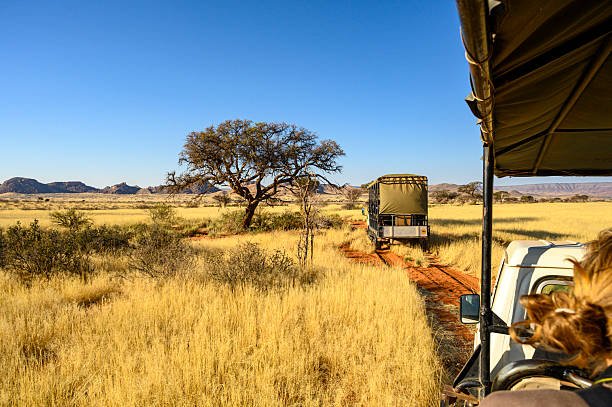
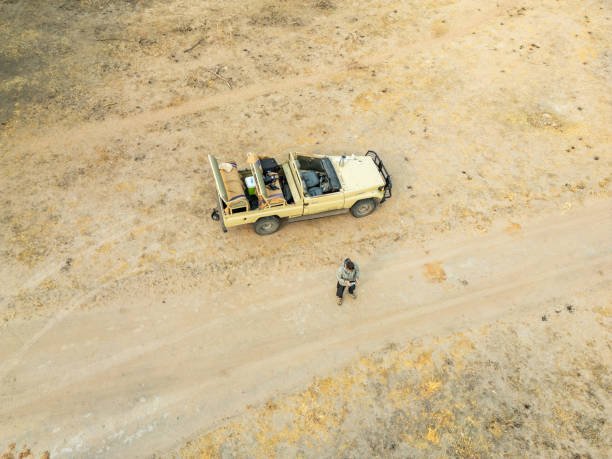
- Transportation: Most safaris use 4×4 safari vehicles, essential for navigating park tracks. Ensure your vehicle is well-maintained and your driver-guide is experienced. For cultural visits, especially to more remote areas like Lake Eyasi, a sturdy 4×4 is non-negotiable.
- Park Fees and Permits: Understand the park entry fees for Lake Manyara National Park and any cultural tourism levies. Reputable operators will include these in their quotes, but it’s wise to confirm. Park fees are subject to change annually, so confirm for 2026-2027.
- What to Pack: Lightweight, neutral-colored clothing is best for safaris. Include layers for cooler mornings and evenings, a wide-brimmed hat, sunglasses, sunscreen, insect repellent, a good camera with extra batteries and memory cards, binoculars, and comfortable walking shoes. For cultural visits, modest clothing is appreciated.
- Health and Safety: Consult your doctor about necessary vaccinations and malaria prophylaxis. Always follow your guide’s safety instructions, especially regarding wildlife encounters and during cultural interactions.
- Booking Window: For peak seasons in 2026-2027, especially if you’re looking for specific lodges or private guides, book at least 6-12 months in advance. Popular cultural experiences, like those with the Hadzabe, also require advance booking.
When to Go: Seasonal Considerations for Manyara
The timing of your visit to Lake Manyara can significantly impact your experience, influencing wildlife viewing, birdwatching, and the ease of cultural interactions.
Dry Season (June to October)
This is generally considered the peak tourist season for Tanzania. During these months, the weather is dry and sunny, making game drives comfortable. Wildlife tends to congregate around water sources, making animals easier to spot. The vegetation is less dense, improving visibility. However, it’s also the busiest and often the most expensive time to travel. Cultural interactions can be less affected by the season, though accessibility to some remote areas might be slightly easier with dry roads.
Wet Season (November to May)
The wet season brings lush green landscapes and fewer crowds. The short rains usually occur in November and December, followed by a longer rainy season from March to May. While game viewing can be more challenging due to thicker vegetation and scattered animals, this period is exceptional for birdwatching, with migratory birds present and breeding plumage on display. The landscapes are stunningly beautiful. Roads can become difficult to navigate, especially in remote areas, which might affect access to certain cultural sites. However, the lower tourist numbers mean a more intimate experience, both in the park and during cultural visits.
Special Considerations for 2026-2027
When planning for 2026-2027, keep in mind that weather patterns can be unpredictable. It’s always advisable to pack for varied conditions. For cultural tours involving the Hadzabe or Datoga, dry conditions (June-October) generally make travel smoother, but the communities are present year-round. If birdwatching is a high priority, the shoulder months of November and April/May can offer a good balance of decent wildlife viewing and excellent avian activity.
Selecting the Right Tour Operator for Manyara
Your choice of tour operator is paramount to a successful and enriching Manyara safari and cultural experience. A good operator doesn’t just book your trip; they are your local experts, logistical managers, and safety net.
Why Top Guide Adventures for Your Manyara Trip?
As a leading Tanzania & Zanzibar expert tour operator based in Moshi/Arusha, Top Guide Adventures has been organizing unforgettable safaris and cultural immersions for years. Our local expertise means we understand the nuances of Lake Manyara National Park and the surrounding communities. For your 2026-2027 adventure, we offer:
- Personalized Itinerary Planning: We craft bespoke itineraries balancing wildlife viewing in Lake Manyara with authentic cultural experiences, whether it’s a Maasai village visit or an expedition to Lake Eyasi.
- Experienced Local Guides: Our guides are licensed, knowledgeable about the flora and fauna, and trained to facilitate respectful cultural interactions.
- Logistical Excellence: From airport transfers to park permits and accommodation bookings, we handle all the details, ensuring a smooth journey.
- Safety First: We prioritize your safety with well-maintained vehicles and experienced drivers. For mountain treks (like Kilimanjaro or Meru, which we also organize), we carry emergency oxygen and pulse oximeters; this commitment to care extends to our safari operations.
- Competitive Pricing and Transparency: We offer clear quotes with detailed inclusions and exclusions, providing excellent value for your investment in 2026-2027.
When you’re ready to plan your best things to do in Manyara Tanzania safari and cultural experiences, contact us. We can help you choose the perfect package, whether it’s a short Manyara Tanzania travel experience or a comprehensive safari from Arusha to Manyara and beyond.
Get in touch via WhatsApp +255 616 946 642 or email us at topguideadventures@gmail.com to start planning your unforgettable 2026-2027 Tanzanian adventure.
Whether you’re drawn by the promise of tree-climbing lions, the vibrant spectacle of flamingos, or the chance to connect with ancient cultures, Manyara offers a rich and rewarding travel experience. By carefully planning your itinerary and choosing a knowledgeable local partner like Top Guide Adventures, you can ensure your 2026-2027 trip to Manyara is everything you dreamed of and more.
Check Availability for Best Things To Do In Manyara Tanzania: Safari & Cultural Experiences…
Ready to compare dates, prices, and the best option for your group? Send the package name and travel month so the team can reply with a clear quote, availability, and what is included.

Tanzania Classic Wildlife Safaris: Serengeti, Ngorongoro, Tarangire & Manyara
start an unforgettable Tanzania classic wildlife safari covering the iconic parks of Serengeti, Ngorongoro Crater, Tarangire, and Lake Manyara. These tours are designed to showcase the best...
View package details
Hadzabe And Datoga Tribe Safari – Lake Eyasi Cultural Tour Traditional
Hadzabe and Datoga Tribe Safari – Lake Eyasi Cultural Tour and Traditional Experiences is explained with current 2026-2027 planning, price, itinerary and.
View package details
How Much Does A Hadzabe Tribe Tour Cost? Lake Eyasi Prices And Cultural
Planning a trip to interact with the Hadzabe people? This guide breaks down the typical costs for Hadzabe tribe tours around Lake Eyasi, detailing what influences prices, what’s usually...
View package details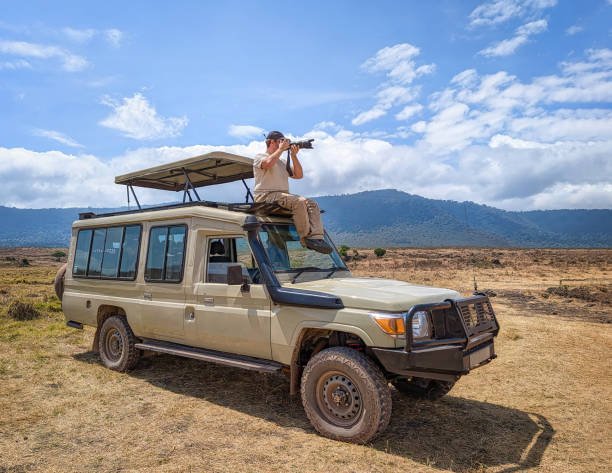
Arusha Day Trips: Wildlife, Waterfalls, Culture, Coffee & Safari Experiences
Arusha day trips offer a fantastic way to experience Tanzania's diverse attractions without committing to longer safaris. From thrilling wildlife encounters in Arusha National Park to the...
View package detailsBest Gift Ideas For Men And Women: African Travel Gifts, Safari Souvenirs
Finding the perfect gift can be a rewarding experience, especially when it carries the spirit of adventure and culture. This guide explores the best gift ideas for both men and women...
View package details
Cultural Tours Tanzania: Maasai, Hadzabe, Datoga, Chagga & Village Experiences
start an unforgettable cultural journey through Tanzania, connecting with the Maasai, Hadzabe, Datoga, and Chagga peoples, alongside authentic local village experiences. This guide provides...
View package details
Tanzania Safari Packages With Airport Transfers And Hotel Nights Included
Planning a Tanzania safari? Discover comprehensive packages that bundle airport transfers and comfortable hotel stays, streamlining your journey from arrival to your first game drive. This...
View package details
Private Tanzania Safari With Flexible Daily Game Drive Schedules 2026-2027
Private Tanzania Safari with Flexible Daily Game Drive Schedules is explained with current 2026-2027 planning, price, itinerary and booking information.
View package details
Tanzania Safari Tours With Early Morning Game Drives Included 2026-2027
Tanzania Safari Tours with Early Morning Game Drives Included is explained with current 2026-2027 planning, price, itinerary and booking information.
View package details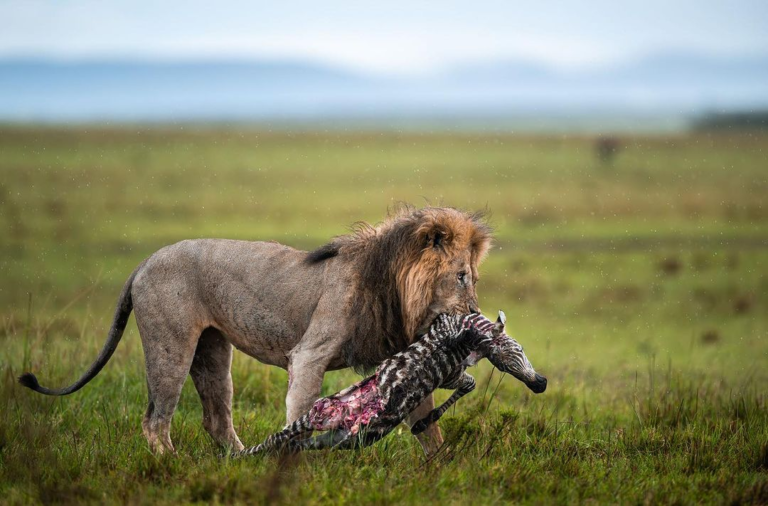
Tanzania Safari Packages Ending With A Flight To Zanzibar: Your Ultimate Guide
Discover the perfect blend of thrilling wildlife encounters and idyllic island life with a Tanzania safari package that concludes with a flight to Zanzibar. This guide covers essential...
View package details
Tanzania Safari Tours With Kilimanjaro Airport Pickup Included 2026-2027
Seamlessly begin your Tanzanian adventure with a safari package that includes pickup directly from Kilimanjaro International Airport (JRO). This guide details what to expect, popular...
View package details
What Is The Total Cost Of A Tanzania Safari Without Hidden Fees? 2026-2027
What Is the Total Cost of a Tanzania Safari Without Hidden Fees? is explained with current 2026-2027 planning, price, itinerary and booking information.
View package detailsNo closely related package is available yet for this topic.



