
A 2-day overland Serengeti safari is generally not worth the 14 to 18 hours of round-trip driving from Arusha or Moshi if you travel entirely by road. Driving to Central Serengeti (Seronera) requires traversing roughly 325 kilometers each way—over half of which is punishing corrugated gravel through the Ngorongoro Conservation Area—yielding only 5 to 7 hours of actual wildlife viewing against 16 hours of transit. However, a 2-day itinerary is worth it if you book a fly-in safari or fly one way via bush plane to Seronera Airstrip, or if your absolute priority for 2026-2027 is setting foot on the legendary endless plains despite the physical exhaustion of an overland dash.
The Brutal Driving Reality: Arusha to Seronera Hour by Hour
Travelers looking at a map of northern Tanzania frequently underestimate the physical demands of reaching Serengeti National Park. On paper, 325 kilometers looks like a manageable four-hour highway cruise. In reality, the overland drive from Arusha to the central Seronera Valley takes anywhere from 7 to 9 hours each way in a specialized 4×4 safari Land Cruiser. When departing from Moshi, add another 1.5 to 2 hours to that outbound leg.
Understanding whether this journey makes practical sense begins with breaking down the terrain you must cross:
- Arusha to Makuyuni (Roughly 80 km, 1.5 hours): Smooth, paved tarmac running through Maasai lowland steppe. This is the fastest, easiest portion of the drive.
- Makuyuni to Karatu and Loduare Gate (Roughly 75 km, 1.5 hours): Continues on smooth asphalt, climbing past Lake Manyara and up the Great Rift Valley escarpment into the agricultural highlands of Karatu.
- Loduare Gate to Ngorongoro Crater Rim (Roughly 20 km, 45 minutes to 1 hour): Here, the tarmac ends completely. Vehicles climb steep, winding gravel roads through moist montane forest up to the crater rim at approximately 2,300 meters above sea level. Fog, mist, and mud can slow progress significantly.
- Crater Rim to Seneto Descent/Olduvai Gorge Turnoff (Roughly 35 km, 1 to 1.5 hours): Rough, rocky dirt roads with frequent switchbacks and shared transit traffic, including supply trucks and park authority vehicles.
- Olduvai Plains to Naabi Hill Gate (Roughly 60 km, 1.5 to 2 hours): This is the most grueling stretch of the route. The Ngorongoro Conservation Area transit road across the Malanja and Salei plains consists of severe corrugated gravel—locally referred to as the “washboard” or the “free African massage.” Speeds drop, dust enters every seam of the vehicle, and the relentless vibration tests even the most resilient travelers.
- Naabi Hill Gate to Seronera (Roughly 55 km, 1 to 1.5 hours): Once inside the Serengeti boundary, the road remains dirt and caliche, though it doubles as an active game drive route where wildlife sightings immediately pick up.
By the time your driver-guide pulls up to the administrative checkpoint at Naabi Hill to clear entrance permits, your body has absorbed nearly six hours of physical vibration. Repeating that entire sequence in reverse less than 24 hours later is a reality that brochures rarely highlight.
The Exact 2-Day Overland Itinerary Breakdown: Transit vs Wildlife
To evaluate if this tour fits your expectations, look at the strict clock constraints of a standard 2-day overland package starting from Arusha. Because Tanzania National Parks (TANAPA) enforces rigid daylight driving rules—safari vehicles are strictly prohibited from driving inside national parks between 6:30 PM and 6:00 AM—your driver must adhere to a punishing schedule.
Day 1: The Race Against Sunset
Your safari begins with a departure between 5:30 AM and 6:00 AM from your Arusha hotel. Leaving early is not an optional suggestion; it is a mathematical necessity to reach the Serengeti before the gates close.
- 06:00 – 09:00: Drive from Arusha through the Rift Valley to the entry post at Loduare Gate. While your guide queues to process Ngorongoro Conservation Area transit permits, you use the restrooms and stretch your legs.
- 09:30 – 12:30: Traverse the Ngorongoro highlands and bounce across the washboard tracks of the arid southern plains. Dust is omnipresent during dry months (June to October), while slick volcanic mud can cause vehicle slides during the rainy seasons.
- 12:30 – 13:30: Arrive at Naabi Hill Gate, the formal southern entrance to Serengeti National Park. While your guide processes the TANAPA vehicle and conservation entry fees, you have a boxed lunch on the rocky kopje overlook.
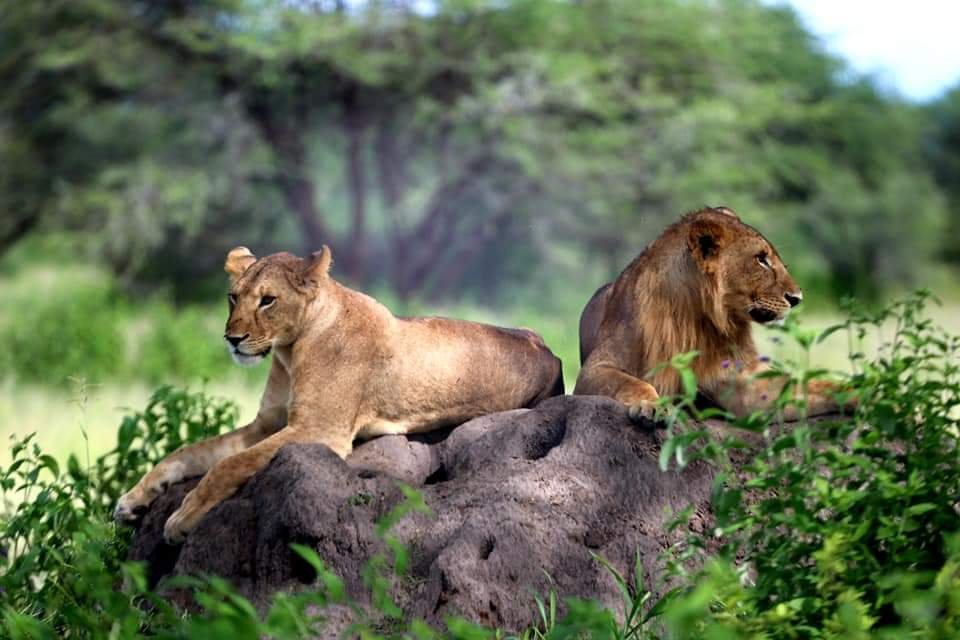
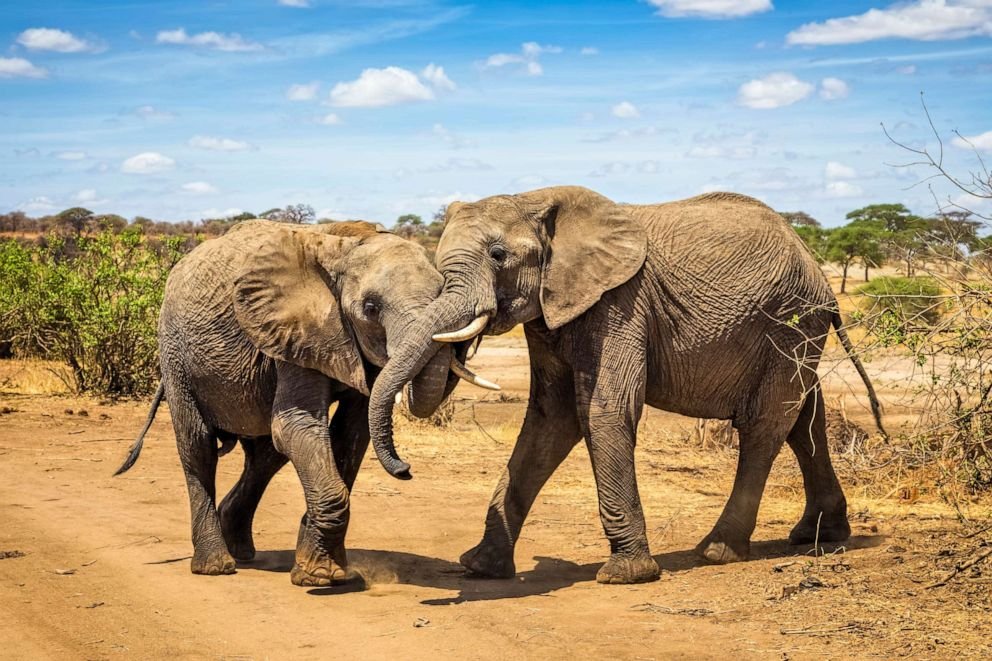
- 13:30 – 18:00: The game drive officially begins. You slowly navigate north toward Seronera, searching the grasslands and river courses for lions, leopards lounging on sausage trees, herds of elephants, and grazing plains game. This 4.5-hour afternoon window provides your first genuine safari experience.
- 18:30: Check in at your selected safari camp or lodge in Central Serengeti before dusk. You shower off a thick layer of fine volcanic dust, eat dinner, and sleep.
Day 2: Dawn Game Drive and the Sprint Home
Your second day requires another early start to extract maximum value from the park before turning back toward Arusha.
- 06:00 – 09:30: Early morning game drive in the Seronera River Valley. Dawn is prime hunting time for big cats, and this three-hour stretch often delivers high-action sightings of spotted hyenas, cheetahs scanning termitaria, and hippos returning to deep pools.
- 09:30 – 10:30: Return to camp for a hearty brunch, pack your duffel bags, and complete checkout.
- 10:30 – 12:00: Begin your slow transit drive back toward Naabi Hill Gate, scanning for wildlife along the way.
- 12:00 – 13:00: Check out at Naabi Hill Gate and re-enter the Ngorongoro Conservation Area. Your transit ticket requires exiting the conservation area within a defined transit window.
- 13:00 – 16:30: Complete the grueling reverse crossing over the corrugated dirt tracks of the Ngorongoro plains and back down through Karatu.
- 16:30 – 19:30: Complete the final paved stretch from Makuyuni back into Arusha, arriving late in the evening battered, stiff, and exhausted.
If you are comparing this tight turnaround against a more relaxed pace, review our breakdown of Serengeti & Ngorongoro safari packages spanning 2 to 7 days to see how an extra day fundamentally changes the rhythm of your trip.
Drive Time vs Game Drive Time: The Hard Numbers
When assessing value, comparing hours spent sitting in high-speed highway transit versus hours spent idling beside apex predators clarifies the trade-off instantly. Below is an honest breakdown of the time allocation for a typical 2-day overland trip between Arusha and Central Serengeti.
Check Availability for Is A 2 Day Serengeti Safari Worth The Long Drive? 2026-2027
Ready to compare dates, prices, and the best option for your group? Send the package name and travel month so the team can reply with a clear quote, availability, and what is included.

Private Serengeti Migration Safari With Flexible Game Drive Schedules
Private Serengeti Migration Safari with Flexible Game Drive Schedules is explained with current 2026-2027 planning, price, itinerary and booking information.
View package details
Can I See The Great Migration During A 3 Day Serengeti Safari? 2026-2027
Can I See the Great Migration During a 3 Day Serengeti Safari? is explained with current 2026-2027 planning, price, itinerary and booking information.
View package details
Best 3 Day Serengeti Safari Packages With Affordable Accommodation 2026-2027
Best 3 Day Serengeti Safari Packages with Affordable Accommodation is explained with current 2026-2027 planning, price, itinerary and booking information.
View package details
Best 3 Day Safari From Arusha To Serengeti And Ngorongoro 2026-2027
Best 3 Day Safari from Arusha to Serengeti and Ngorongoro is explained with current 2026-2027 planning, price, itinerary and booking information.
View package details
3 Day Serengeti Safari From Zanzibar With Return Flights 2026-2027
3 Day Serengeti Safari from Zanzibar with Return Flights is explained with current 2026-2027 planning, price, itinerary and booking information.
View package details
Can Solo Travelers Join A 3 Day Serengeti Safari? 2026-2027
Can Solo Travelers Join a 3 Day Serengeti Safari? is explained with current 2026-2027 planning, price, itinerary and booking information.
View package details
Is Ngorongoro Crater Better Than Serengeti For A Short Safari? 2026-2027
Is Ngorongoro Crater Better Than Serengeti for a Short Safari? is explained with current 2026-2027 planning, price, itinerary and booking information.
View package details
Best Serengeti Safari Camps For Couples And Honeymooners 2026-2027
Best Serengeti Safari Camps for Couples and Honeymooners is explained with current 2026-2027 planning, price, itinerary and booking information.
View package details
Best Serengeti Safari Packages With Two Nights Inside The Park 2026-2027
Best Serengeti Safari Packages with Two Nights Inside the Park is explained with current 2026-2027 planning, price, itinerary and booking information.
View package details
Central Serengeti Vs Northern Which Is Better For Safari? 2026-2027
Central Serengeti vs Northern Serengeti: Which Is Better for Safari? is explained with current 2026-2027 planning, price, itinerary and booking information.
View package details
6 Day Ndutu Serengeti And Ngorongoro Safari With Private Guide 2026-2027
6 Day Ndutu Serengeti and Ngorongoro Safari with Private Guide is explained with current 2026-2027 planning, price, itinerary and booking information.
View package details
Best Southern Serengeti Safari Tours For February Wildlife Photography
Best Southern Serengeti Safari Tours for February Wildlife Photography is explained with current 2026-2027 planning, price, itinerary and booking information.
View package detailsNo closely related package is available yet for this topic.

Our Guest Reviews, Currently Feedback from Clients in 2026
Reviews from different sources, including Google Business, Tripadvisor, other platforms, and social media.



