
The 6 Days Marangu Kilimanjaro Group Hiking – 9–14 December 2026 is a scheduled fixed-date group trek that approaches Uhuru Peak (5,895 meters) via Mount Kilimanjaro’s classic southeastern hut trail, including an essential additional acclimatization day at Horombo Hut. Joining this scheduled small group departure allows solo trekkers and pairs to split logistics costs, stay in permanent A-frame wooden dormitory huts rather than tents, and benefit from structured daily medical monitoring. Rates for this 6-day shared climb typically range between $1,750 and $2,250 per person depending on pre-and-post trek Moshi hotel tiers and group size, with park entry, hut fees, rescue fees, mountain crew wages, and mountain meals fully covered.
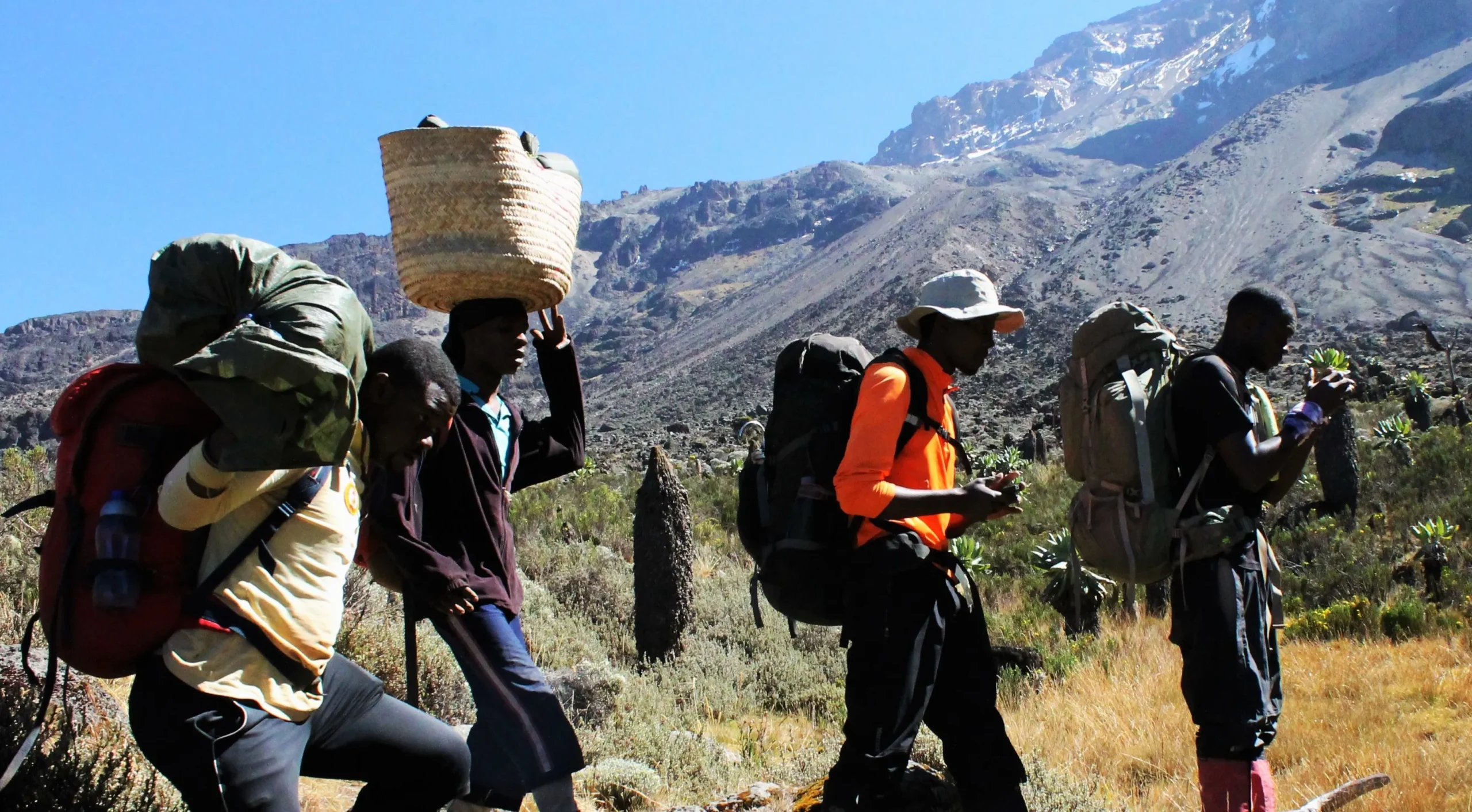
Quick Facts: 9–14 December 2026 Marangu Group Departure
Choosing a scheduled group departure provides both financial efficiency and social camaraderie. Unlike open camping routes where each party must haul and pitch large mess tents and sleeping canvas, the Marangu Route uses established national park dormitory huts managed by the Tanzania National Parks Authority (TANAPA). The departure dates of 9–14 December 2026 sit right before the peak Christmas holiday rush, giving trekkers a balanced trail atmosphere with manageable traffic at the sleeping huts.
Essential Departure Parameters at a Glance:
- Route: Marangu Route (the historic hut route)
- Trek Duration: 6 Days / 5 Nights on the mountain (plus arrival on 8 December and departure on 15 December)
- Target Summit: Uhuru Peak (5,895 m / 19,341 ft)
- Group Size Target: Small groups capped at 8 to 10 hikers to preserve safety ratios
- Standard Price Range: $1,750 – $2,250 per person
- Accommodation: Wooden A-frame dormitory huts with communal solar lighting and basic bunk beds
- Lead Guiding Team: Wilderness First Responder (WFR) certified Tanzanian lead guides supported by assistant guides, dedicated camp cooks, and porters
- Safety Kit: Daily pulse oximetry tracking, emergency bottled medical oxygen, hyperbaric treatment protocols, and wheeled rescue stretcher access
Tanzania during mid-December transitions out of the shorter, lighter seasonal rains into the dry, sunnier warmth of late December through February. Trekkers setting out on 9 December 2026 benefit from lush, green rainforest lower slopes, crisp visibility through the moorland, and lower foot traffic before the major festive waves arrive later in the month. If you are comparing shared itineraries across early December, you can also inspect how this schedule pairs with adjacent options like the 6 Days Marangu Kilimanjaro Hut Trekking – 6–11 December 2026-2027 or camping itineraries such as the 7 Days Machame Kilimanjaro Trekking Tour – 4–10 December 2026-2027.
The Strategic Acclimatization Choice: Why 6 Days Beats 5 Days on Marangu
The Marangu Route carries an infamous and somewhat unfair reputation for having lower summit success rates than camping trails like Machame or Lemosho. However, this statistical distortion stems almost entirely from hikers attempting the route in 5 days. Attempting to leap from the elevation of Moshi town (roughly 800 meters) to the summit of Kilimanjaro (5,895 meters) in just 120 hours does not give the human body sufficient time to trigger essential physiological adaptations: increased red blood cell count, adjusted pulmonary ventilation, and balanced blood pH.
The 6-day Marangu profile changes this equation dramatically. By inserting a mandatory, full non-travel rest and active acclimatization day at Horombo Hut on Day 3 (3,720 meters), trekkers complete an active ascent up to Zebra Rocks (around 4,020 meters) before returning back down to sleep at Horombo. This follows the fundamental high-altitude mountaineering golden rule: climb high, sleep low.
| Factor | 5-Day Marangu Profile | 6-Day Marangu Profile (9–14 Dec 2026) |
|---|---|---|
| Total Trail Time | 116–120 hours | 140–144 hours |
| Acclimatization Day | None; moves directly from Horombo to Kibo | Full active rest day at Horombo (3,720 m) with hike to Zebra Rocks (4,020 m) |
| Summit Night Readiness | High risk of acute mountain sickness (AMS); elevated fatigue | Stabilized blood oxygen, reduced headache occurrence, significantly higher success rates |
| Average Success Rate | Roughly 50% to 55% across all trail users | Historically exceeding 80% to 85% with professional guiding and pacing |
| Physical Wear on Hikers | Severe cumulative fatigue before the final 1,200m scree push | Restored leg strength and balanced hydration prior to the alpine desert stage |
For casual trekkers, fit hillwalkers, or anyone who has not recently hiked above 4,000 meters, choosing the 6-day variant over the 5-day rush is the single most consequential booking decision you will make. While rapid itineraries like the 5 Days Marangu Route Kilimanjaro Group Climb – 8–12 December 2026-2027 exist for already pre-acclimatized athletes or those under severe time constraints, the 9–14 December 2026 group trek deliberately prioritizes safety margins and comfortable pacing.
Hut Living Realities: What Sleeping at Mandara, Horombo, and Kibo Actually Involves
The primary distinguishing feature of Marangu is its hut infrastructure. For trekkers who dislike sleeping on foam mats on hard ground, pitching tents in muddy rain, or sitting on cold ground inside vestibules, Marangu offers tangible domestic comforts. However, sleeping in mountain huts requires realistic expectations regarding privacy, noise, and shared national park facilities.
Mandara Huts (2,720 m / 8,924 ft)
Mandara sits located in the upper montane rainforest belt. The complex consists of distinct, steep-pitched wooden A-frame cabins accommodating 4 to 8 people per unit on wooden bunk beds fitted with thick, vinyl-wrapped foam mattresses. Piped running water feeds into communal ablution blocks with flush toilets. While basic, Mandara feels relatively sheltered and warm compared to what lies above. Solar-powered electric lighting is installed in the main dining hall and individual huts, though charging outlets for personal phones and camera batteries are neither guaranteed nor reliable at this elevation.
Horombo Huts (3,720 m / 12,205 ft)
Horombo is a sprawling mountain village located above the tree line in the moorland zone. Because climbers both going up to the summit and descending from the summit stay here, Horombo is the liveliest and largest camp on Mount Kilimanjaro, sleeping up to 120 guests at peak capacity. Cabins here house between 4 and 8 climbers. Because temperatures drop below freezing at night, condensation inside the huts is common. Ablution blocks feature flush toilets and running water sinks, though early morning frost can freeze exposed pipes during cold snaps. Dinners and breakfasts are served in large wooden dining halls where your dedicated cook and mountain waiters set out hot soups, carbs, and warm beverages.
Kibo Hut (4,720 m / 15,485 ft)
Kibo represents a dramatic shift from the wooden A-frames lower down. It is a large, austere stone-block dormitory building divided into several multi-bed bunk rooms accommodating 10 to 16 climbers per room. Located in the harsh alpine desert directly beneath the summit cone, Kibo has no running water; all water must be hauled up from the Last Water Point below Horombo by our porter team. Dry pit latrines and basic chemical toilet cubicles serve the camp. Insulation is minimal, temperatures inside hover just above freezing, and hikers rest here fully clothed inside their four-season sleeping bags between 2:00 PM and 11:00 PM before starting the midnight summit push.
Trekkers who prefer absolute solitude in private tents may lean toward routes like Lemosho or Machame. If you are debating between hut comfort and tent camping, examining a simultaneous departure such as the 7 Days Machame Kilimanjaro Trek – 12–18 December 2026-2027 or the scenic 7 Days Lemosho Route Kilimanjaro Group Trek – 6–12 December 2026-2027 can help clarify which sleeping environment matches your outdoor habits.
Early to Mid-December Mountain Dynamics: Microclimates and Trail Conditions
Climbing Kilimanjaro between 9 and 14 December places you in a distinct meteorological pocket. East Africa experiences its short rainy season, known locally as Vuli, from late October through November, tapering off during the first half of December. By 9 December, the regional moisture patterns over northern Tanzania begin transitioning into the dry, warm summer high-pressure system that dominates January and February.
What to anticipate on the trail day to day:
- Rainforest Zone (Gate to Mandara): Daytime temperatures range between 18°C and 25°C (64°F–77°F). Humidity is high. Expect light afternoon drizzle or damp trails under the forest canopy. Waterproof jackets and pack rain covers are mandatory from hour one.
- Heath and Moorland (Mandara to Horombo): Mornings are typically crystal clear with expansive views over Mawenzi and down toward Kenya. As ground heat builds, mist rolls up from the plains between 1:00 PM and 4:00 PM, occasionally bringing brief, passing showers. Nighttime temperatures drop rapidly to 0°C to 5°C (32°F–41°F).
- Alpine Desert and Saddle (Horombo to Kibo): Arid, dusty, and exposed to intense solar radiation during midday (around 15°C / 59°F), dropping below freezing the moment the sun slips behind Kibo peak. High winds are common across the wide Saddle plateau.
- Arctic Summit Zone (Kibo to Uhuru Peak): Summit night temperatures typically range from -5°C to -15°C (23°F to 5°F), with severe wind chill making it feel closer to -20°C (-4°F). Snow patches are common on the crater rim between Gilman’s Point and Uhuru Peak, offering striking contrast against the dark volcanic basalt.
Because the weather during early December can produce damp lower tracks followed by sharp high-altitude chills, quality gear layering is non-negotiable. Trekkers should avoid heavy cotton clothing entirely, relying instead on merino wool or synthetic base layers, fleece mid-layers, an insulated down parka rated for sub-zero temperatures, and wind- and waterproof shell outerwear.
Detailed Trail Breakdown: Days 1 Through 3 (Gate to Horombo Acclimatization)
Understanding the exact elevation gain, trail distance, and daily rhythm helps climbers manage their physical output and mental stamina. The early phase of the 6 Days Marangu Kilimanjaro Group Hiking – 9–14 December 2026 focuses on establishing an easy hiking rhythm (pole pole in Swahili) and stabilizing cardiovascular workload.
Pre-Trek Briefing: Moshi (8 December 2026)
Before stepping onto the trail, all group participants meet at our base hotel in Moshi for a mandatory 5:00 PM pre-climb briefing. Our lead guide conducts a formal gear check, inspecting sleeping bags, thermal layers, boots, headlamps, and medical kits. Missing gear can be rented locally in Moshi that afternoon. The team also introduces the daily health monitoring regimen, taking baseline resting heart rates and pulse oximeter blood oxygen readings using medical-grade sensors.
Day 1: Marangu Gate (1,870 m) to Mandara Hut (2,720 m)
The journey begins after breakfast with a 1-hour private transfer from Moshi through Chagga villages and coffee plantations to the Marangu Park Gate. While the head guide processes national park entry permits with TANAPA rangers and porters weigh duffels against the strict 15 kg per porter weight limit, climbers enjoy an early packed lunch.
- Distance covered: Roughly 8.3 kilometers (5.2 miles)
- Trekking time: 4 to 5 hours
- Elevation gain: 850 meters
- Vegetation zone: Montane Rainforest
The trail begins as a wide, well-maintained dirt path climbing gently under towering moss-draped trees, giant ferns, and fig trees. Streams cross the trail via small wooden footbridges. Trekkers frequently spot blue monkeys, black-and-white colobus monkeys, and exotic hornbills overhead. The pace is kept intentionally slow. Upon arrival at Mandara Hut in the mid-afternoon, hikers register at the ranger post, are shown to their assigned A-frame cabins, and receive hot washing water and tea, followed by a multi-course dinner in the communal dining hall.
Day 2: Mandara Hut (2,720 m) to Horombo Hut (3,720 m)
An early morning wake-up call with hot tea or coffee begins Day 2. Leaving the rainforest behind within forty-five minutes of hiking, the trail emerges into the expansive moorland and heather zone. Giant heaths, lobelias, and yellow-flowered proteas dominate the landscape.
- Distance covered: Roughly 12.5 kilometers (7.8 miles)
- Trekking time: 6 to 7 hours
- Elevation gain: 1,000 meters
- Vegetation zone: Moorland / Heath
As you gain altitude, the path trends across rolling volcanic ridges. If the morning sky remains unclouded, you will enjoy sweeping views of Kibo’s glaciated summit ahead and the jagged spires of Mawenzi Peak to the east. A hot trail lunch is served midway at a designated resting point. The afternoon section features continuous steady inclines that test endurance. Arriving at Horombo Hut by roughly 3:30 PM, climbers are greeted with warm popcorn, biscuits, and hot chocolate. The medical team conducts the evening health assessment, recording pulse and SpO2 levels.
Check Availability for 6 Days Marangu Kilimanjaro Group Hiking – 9–14 December 2026-2027
Ready to compare dates, prices, and the best option for your group? Send the package name and travel month so the team can reply with a clear quote, availability, and what is included.
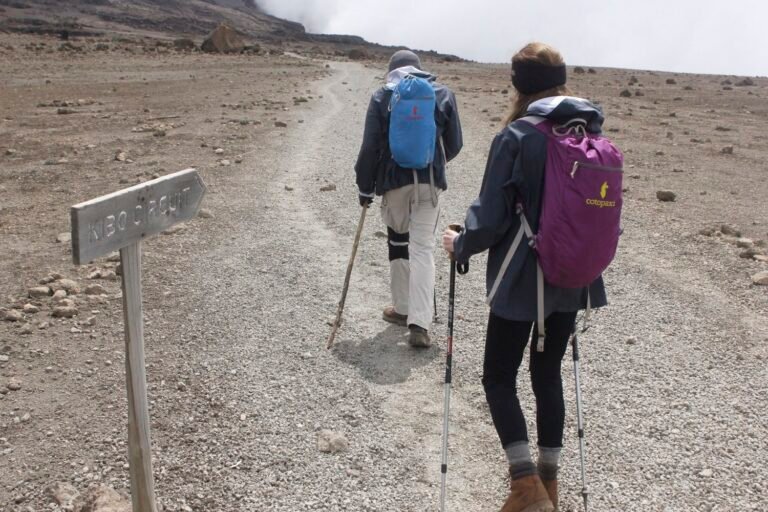
5 Days Marangu Route Kilimanjaro Group Climb – 8–12 December 2026-2027
5 Days Marangu Route Kilimanjaro Group Climb – 8–12 December 2026 is explained with current 2026-2027 planning, price, itinerary and booking information.
View package details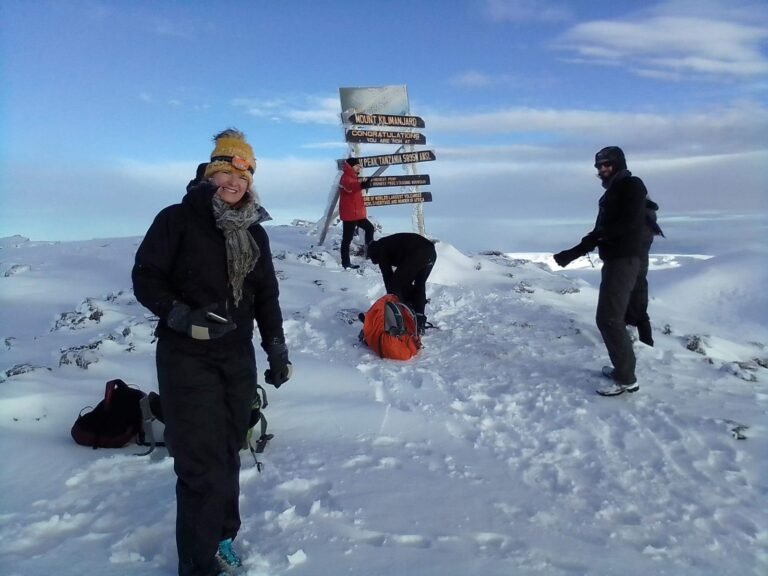
6 Days Machame Route Kilimanjaro Group Trek – 3–8 December 2026-2027
A detailed guide to the 6-day Machame Route Kilimanjaro group trek departing 3–8 December 2026, covering route details, daily itinerary, preparation, and booking.
View package details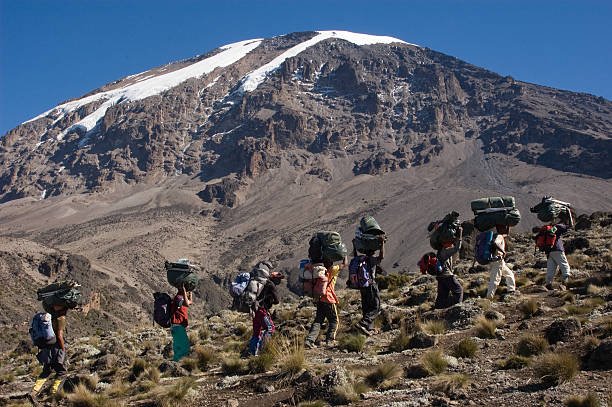
8 Days Lemosho Kilimanjaro Group Hiking – 7–14 December 2026-2027
8 Days Lemosho Kilimanjaro Group Hiking – 7–14 December 2026 is explained with current 2026-2027 planning, price, itinerary and booking information.
View package details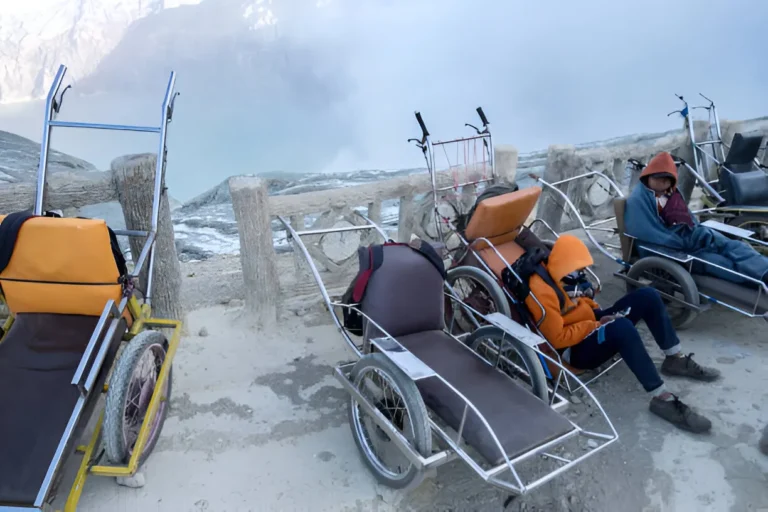
8 Days Lemosho Route Kilimanjaro Group Departure – 12–19 December 2026-2027
A detailed guide to the 8-day Lemosho Route Kilimanjaro group climb departing 12–19 December 2026, covering route details, daily itinerary, acclimatization strategy, and what to expect.
View package details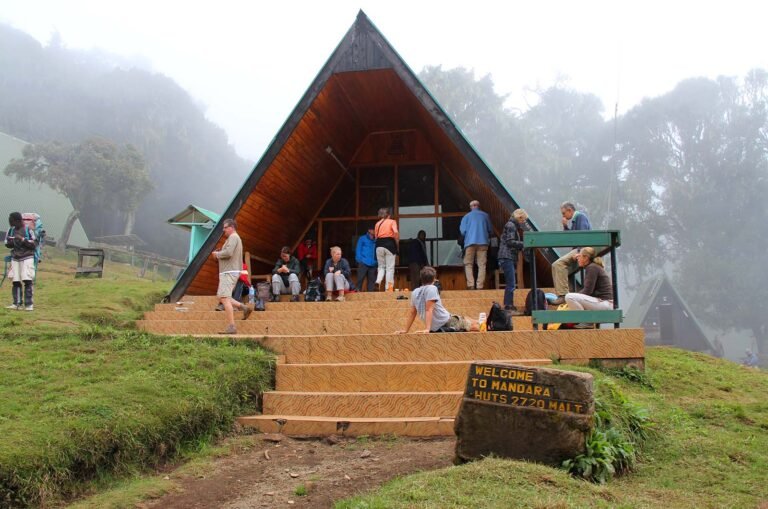
6 Days Marangu Route Kilimanjaro Group Joining – 1–6 December 2026-2027
6 Days Marangu Route Kilimanjaro Group Joining – 1–6 December 2026 is explained with current 2026-2027 planning, price, itinerary and booking information.
View package details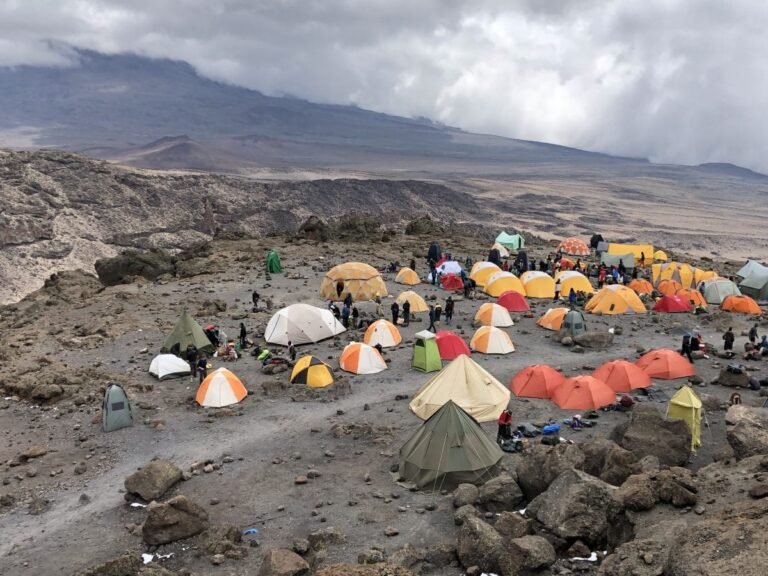
7 Days Lemosho Route Kilimanjaro Group Climb – 3–9 December 2026-2027
7 Days Lemosho Route Kilimanjaro Group Climb – 3–9 December 2026 is explained with current 2026-2027 planning, price, itinerary and booking information.
View package details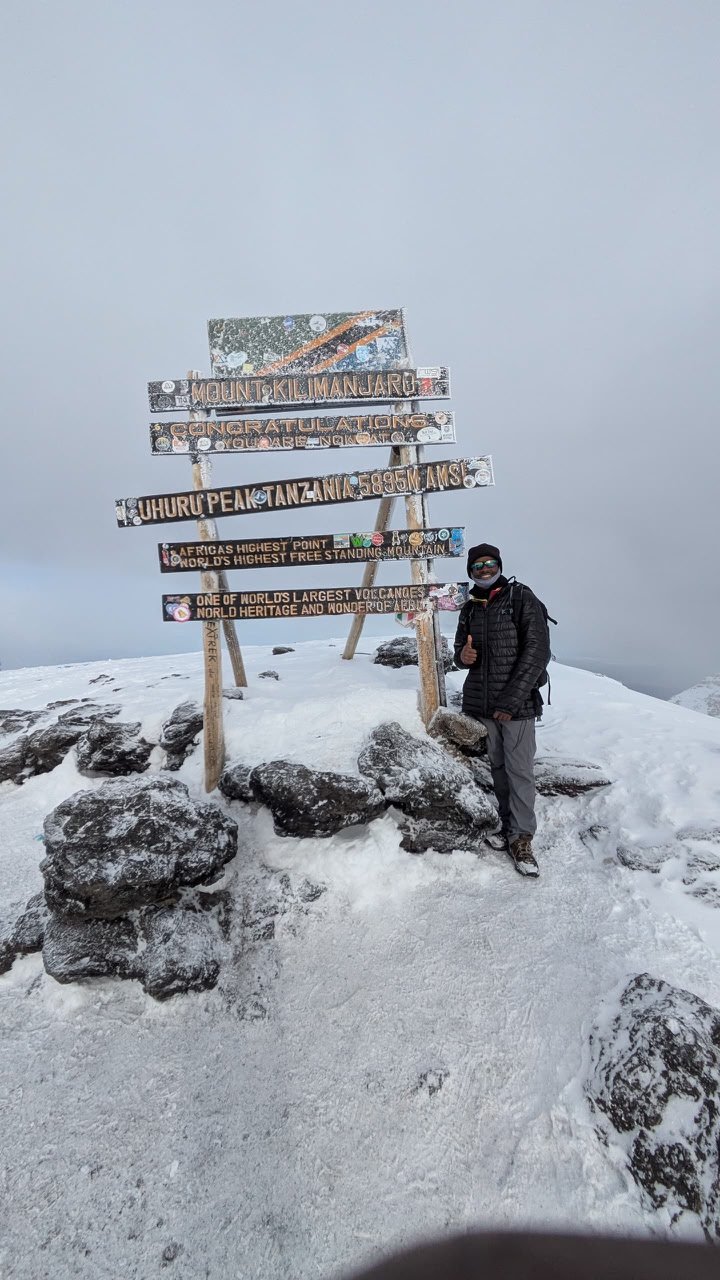
8 Days Lemosho Kilimanjaro Full Moon Group Trek – 18–25 December 2026-2027
An 8-day group trek on Kilimanjaro's scenic Lemosho Route timed for the December 2026 full moon period, with summit day on Christmas morning.
View package details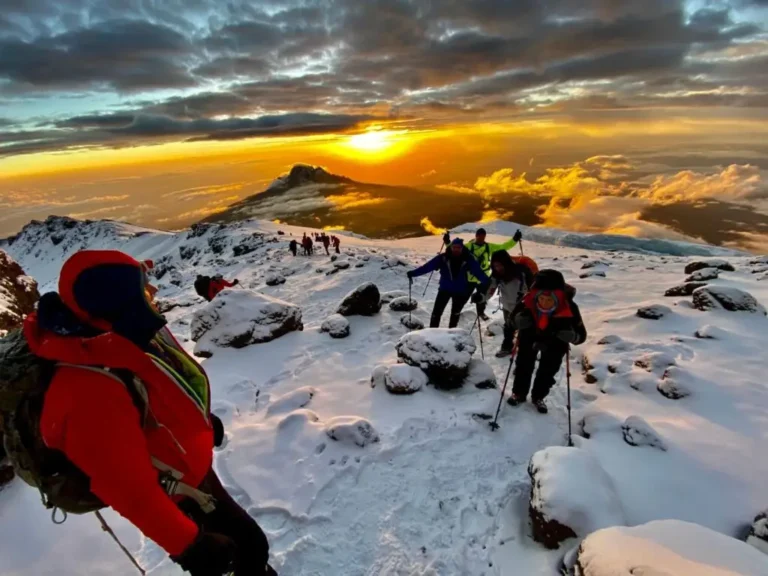
7 Days Machame Kilimanjaro Group Climb – 9–15 December 2026-2027
A detailed guide to the 7-day Machame Route Kilimanjaro group climb in December 2026, covering itinerary, preparation, and what to expect.
View package details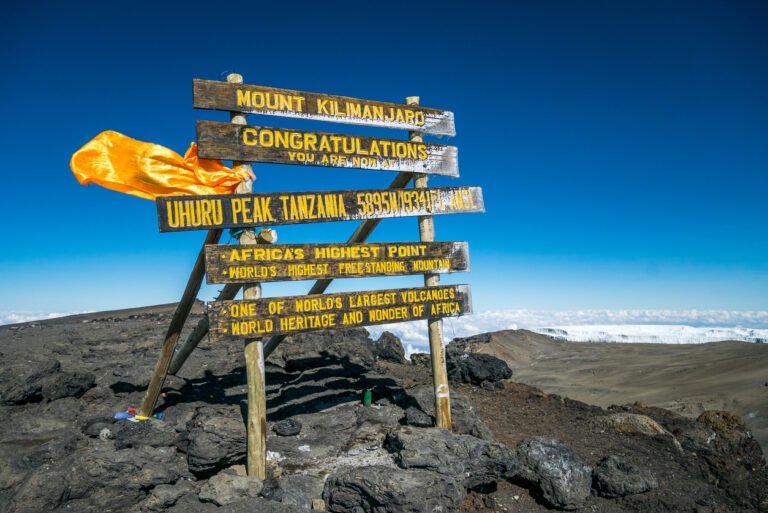
6 Days Marangu Route Kilimanjaro Group Departure – 16–21 December 2026-2027
6 Days Marangu Route Kilimanjaro Group Departure – 16–21 December 2026 is explained with current 2026-2027 planning, price, itinerary and booking information.
View package details8 Days Lemosho Route Kilimanjaro Group Climb – 15–22 December 2026-2027
8 Days Lemosho Route Kilimanjaro Group Climb – 15–22 December 2026 is explained with current 2026-2027 planning, price, itinerary and booking information.
View package details7 Days Lemosho Route Kilimanjaro Group Trek – 6–12 December 2026-2027
7 Days Lemosho Route Kilimanjaro Group Trek – 6–12 December 2026 is explained with current 2026-2027 planning, price, itinerary and booking information.
View package details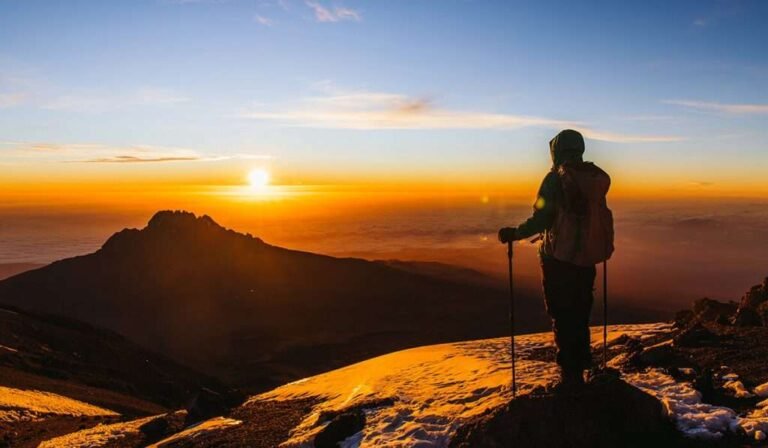
6 Days Marangu Kilimanjaro Full Moon Climb – 20–25 December 2026-2027
6 Days Marangu Kilimanjaro Full Moon Climb – 20–25 December 2026 is explained with current 2026-2027 planning, price, itinerary and booking information.
View package detailsNo closely related package is available yet for this topic.

Our Guest Reviews, Currently Feedback from Clients in 2026
Reviews from different sources, including Google Business, Tripadvisor, other platforms, and social media.