
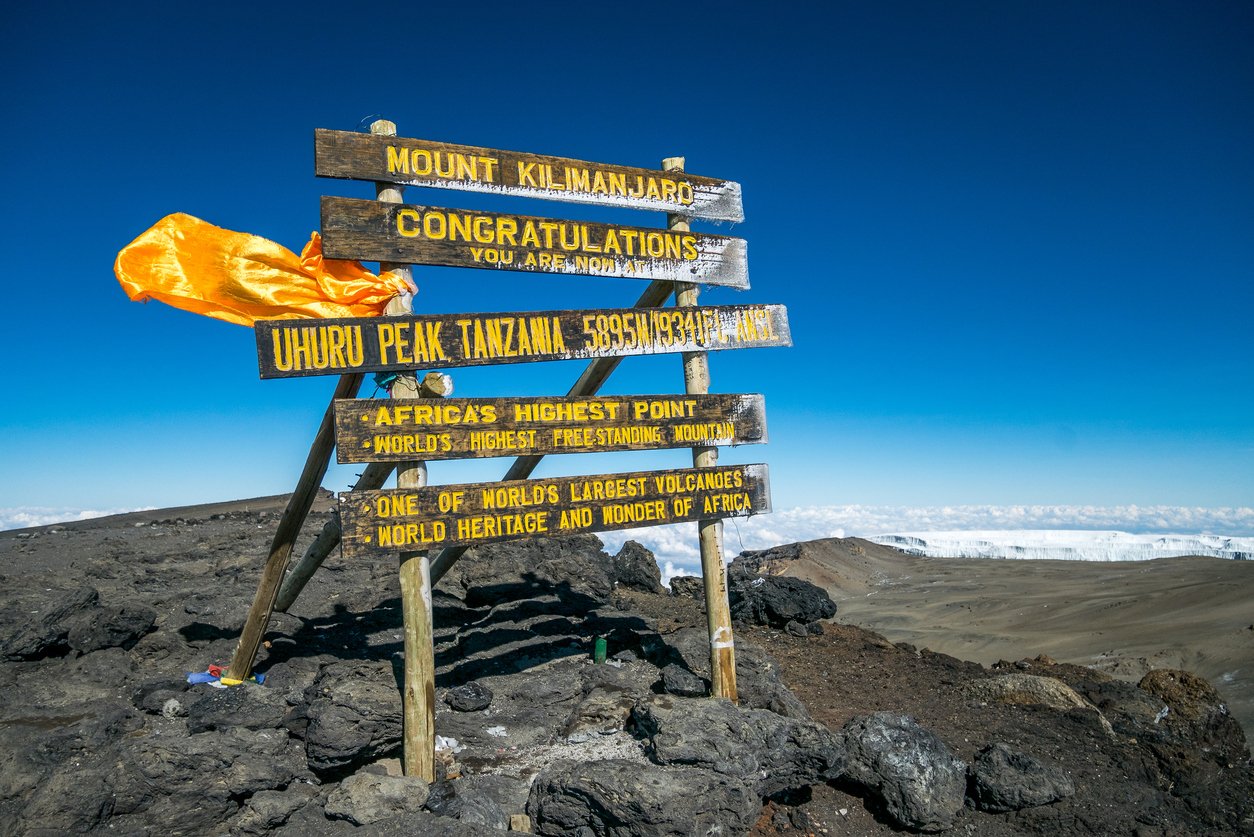
The 6 Days Marangu Route Kilimanjaro Group Departure – 16–21 December 2026 is a scheduled small-group trekking expedition ascending Africa’s highest point (5,895m) via the mountain’s only hut-accommodated pathway. Operating from Moshi or Arusha, this 6-day itinerary builds in a vital acclimatization rest day at Horombo Hut (3,720m), significantly lifting summit success rates compared to the rushed 5-day profile. For December 2026, shared group spaces generally range between $1,450 and $1,850 per climber, encompassing national park conservation, camping and hut fees, mountain rescue insurance, licensed lead guides, mountain porters, chef-prepared meals, daily health assessments, and emergency bottled oxygen. The primary operational decision for climbers is securing pre-peak holiday travel dates early, as Kilimanjaro National Park hut allotments strictly cap bunk spaces during the late December high season.

The 16–21 December 2026 Departure: Timing, Logistics, and High-Season Dynamics
Choosing to climb Mount Kilimanjaro on fixed calendar dates between 16 and 21 December 2026 places you in a very distinct operational window on the mountain. Mid-December sits at the tail end of East Africa’s short rainy season (known locally as Vuli) and marks the crisp opening of the festive trekking season. For hikers seeking a social group dynamic without the peak congestion seen between Christmas Eve and New Year’s Day, this specific departure provides an ideal tactical window. By the time your team finishes descending through the rainforest canopy on 21 December, the heavy wave of holiday hikers will just be reaching the gate.
A group departure offers substantial advantages over solo private treks, particularly in lowering per-person logistics overhead while preserving rigorous safety measures. On this scheduled run, solo adventurers, climbing pairs, and small clusters of friends pool their guiding and porterage footprint. This brings individual costs down to an accessible tier while maintaining a rich mountain crew: head guides certified by the Kilimanjaro National Park (KINAPA), assistant guides, a mountain cook trained in high-altitude nutrition, and the dedicated porters who transport luggage, kitchen gear, and fresh provisions.
Arrival logistics demand punctuality. Trekkers joining the 16–21 December 2026 group must touch down at Kilimanjaro International Airport (JIA/KIA) no later than 15 December 2026. This allows time for transfer to your base hotel in Moshi or Arusha, followed by a mandatory, comprehensive gear inspection and health briefing conducted by our lead mountain guides. We audit cold-weather layers, sleeping bag temperature ratings, boots, and personal medical kits. Missing gear can still be hired locally in Moshi that afternoon without compromising the morning departure to Marangu Gate on the 16th.
Group Departure Snapshot: 16–21 December 2026
- Route Profile: Marangu Route (Mandara, Horombo, and Kibo Huts)
- Duration on Mountain: 6 Days / 5 Nights
- Required Arrival Date: 15 December 2026 (Moshi or Arusha base)
- Target Summit: Uhuru Peak (5,895 meters / 19,341 feet) on 20 December 2026
- Group Size Cap: Minimum 2, maximum 10 climbers per lead-guide pod
- Expected Investment: $1,550 – $1,800 per person (inclusive of all mandatory KINAPA park entry, hut fees, rescue fees, wages, meals, and emergency protocols)
If your calendar falls slightly earlier or later in the month, Top Guide Adventures operates adjacent scheduled departures, such as the 6 Days Marangu Kilimanjaro Group Hiking – 9–14 December 2026-2027 or camping itineraries like the 8 Days Lemosho Route Kilimanjaro Group Climb – 15–22 December 2026-2027. However, for those committed to solid roof shelter and an efficient summit push before the Christmas holidays, the 16–21 December framework strikes the sharpest balance.
Understanding Marangu: The Hut-Accommodation Advantage vs Camping Routes
The Marangu Route—historically nicknamed the “Coca-Cola Route” because bottled refreshments were once sold at trail huts decades ago—carries several distinct operational characteristics that differentiate it from every other trail on Kilimanjaro. It is the only ascent system featuring permanent timber and A-frame sleeping cabins fitted with foam mattresses, eliminating the need for setting up and breaking down tented wilderness camps every morning and afternoon.
For hikers who find the idea of multi-day tenting in sub-zero alpine conditions physically draining, Marangu solves a major comfort variable. At Mandara Hut (2,720m) and Horombo Hut (3,720m), climbers sleep in communal A-frame huts accommodating between 4 and 8 trekkers per cabin, equipped with solar-powered lighting, communal dining halls, and piped running water from mountain streams. At Kibo Hut (4,720m), the lodging transitions to a substantial stone dormitory designed to block high-altitude desert gales. Sleeping under a solid roof preserves physical energy, keeps clothes completely dry during afternoon cloud bursts, and provides a draft-free environment to rest before the summit assault.
Yet, this infrastructure creates trade-offs that every traveler must weigh honestly:
- Two-Way Trail Traffic: Unlike Machame, Lemosho, or Rongai—which ascend on one side of the mountain and descend via the Mweka route—Marangu is an out-and-back trail. You climb and descend on the same geographic line from gate to summit rim. While this offers familiarity on the downhill leg, it means the trail is shared with both ascending and descending parties.
- Visual Exposure: Wilderness camping routes wrap around the dramatic western and southern flanks of the mountain, exposing trekkers to sweeping panoramas of the Shira Plateau and the Barranco Wall. Marangu approaches Kilimanjaro purely from the southeast. The scenery is magnificent—ranging from dense tropical montane forest to the stark moorland around Mawenzi Peak—but the panoramic vantage points are more focused in their orientation.
- Fixed Campsite Capacities: On tented trails, operators pitch camps inside designated clearings where capacity fluctuates flexibly. On Marangu, sleeping berths are limited strictly by the number of physical bunks installed inside the national park cabins. Bunk allocations are strictly controlled by KINAPA rangers upon park entry, which is why last-minute bookings for late December departures are routinely locked out when hut manifests reach legal capacity.
When contrasted with camping packages such as the 7 Days Machame Route Kilimanjaro Christmas Trek – 20–26 December 2026-2027, Marangu delivers a noticeably warmer, less gear-intensive environment. You do not need to pack heavy ground insulation pads or worry about mud clinging to outer vestibules. However, you must accept shared sleeping quarters and the continuous hum of mountaineering camaraderie within the mountain dining halls.
The Acclimatization Equation: Why 6 Days Outperforms the 5-Day Option
The single greatest operational mistake made on Mount Kilimanjaro is booking the classic 5-day Marangu itinerary. Historically promoted as the quickest, cheapest route to the top of Africa, the 5-day option forces hikers to jump directly from Horombo Hut (3,720m) to Kibo Hut (4,720m), followed just six hours later by an 1,175-meter midnight climb to the summit. Physiologically, this rapid rate of ascent breaks normal altitude adaptation rules, resulting in an industry-wide failure rate exceeding 50% for 5-day climbs.
Our 6 Days Marangu Route Kilimanjaro Group Departure – 16–21 December 2026 fundamentally changes this arithmetic by integrating an essential acclimatization day at Horombo Hut on Day 3. This day does not involve lying idle in your bunk; it employs the vital mountaineering methodology of “climb high, sleep low.”
| Parameter | Standard 5-Day Marangu | Enhanced 6-Day Marangu (Dec 16–21) |
|---|---|---|
| Total Elevation Gain to Kibo | Gained in 3 consecutive days | Staged over 4 full days with altitude pulses |
| Day 3 Acclimatization Hike | None; forced push directly to Kibo Hut | Active hike to Zebra Rocks (4,020m) / Mawenzi Ridge |
| Rest Hours Prior to Summit | Roughly 6–8 hours at 4,720m | Rest preceded by 48 hours of cellular adaptation at 3,720m |
| Acute Mountain Sickness (AMS) Risk | Very high (nausea, severe headache, early turn-around) | Significantly reduced; stable arterial oxygen saturation |
| Average Summit Success Rate | Roughly 45% – 50% across park statistics | Historically 80% – 85%+ with professional pacing |
| Physical Fatigue Level | Exhausting; zero recovery reserve | Manageable; adequate physical reserve for midnight push |
During the Day 3 acclimatization excursion, your guide escorts the group up toward the jagged spires of Mawenzi, stopping at the volcanic formations of Zebra Rocks (4,020m) or higher toward the Mawenzi Saddle. Here, you spend an hour hydrating, eating lunch, and allowing your body to sense the reduced barometric pressure. Your bone marrow accelerates the synthesis of erythropoietin (EPO), stimulating red blood cell production to boost oxygen transport. Afterward, you descend back to Horombo Hut at 3,720m for dinner and sleep.
This extra night at Horombo dramatically softens the shock when you eventually cross the arid Alpine Desert to Kibo Hut on Day 4. If your budget and schedule only allow for Marangu, choosing the 6-day framework over the abbreviated 5-day model represents the single most impactful choice you can make for your personal summit safety. Those with a few more days who desire the most gradual altitude curve possible often investigate the 8 Days Lemosho Route Kilimanjaro Group Climb – 15–22 December 2026-2027, but within the hut-based climbing spectrum, 6 days is the accepted safety baseline.
Day-by-Day Expedition Anatomy: Days 1 to 3 (Gate to Horombo Acclimatization)
A successful climb is engineered day by day. Every stage of the 6-day itinerary requires specific pacing, hydration discipline, and energy management. Below is the operational reality of the opening three days of the 16–21 December 2026 departure.
Day 1: 16 December 2026 – Moshi to Marangu Gate (1,870m) to Mandara Hut (2,720m)
The expedition starts with morning vehicle collection from your hotel in Moshi around 08:00 AM. The drive to the eastern entrance of Kilimanjaro National Park takes roughly one hour, winding through lush Chagga villages dotted with coffee smallholdings and banana groves. At Marangu Gate (1,870m), your lead guide initiates the mandatory park registration process while our porters organize and weigh all collective group equipment and your duffels, ensuring strict compliance with KINAPA’s 15 kg maximum baggage weight per climber.
Once permits are stamped, you cross the park threshold into a dense, moist montane rainforest. The trail is well-maintained and wide, stepping gradually upward along the banks of clean mountain streams. Epiphytic orchids, ancient mosses, and towering ferns frame the path. Keep an eye out for black-and-white colobus monkeys leaping across the canopy and blue monkeys foraging in the understory.
- Trekking Distance: 8.3 kilometers / 5.2 miles
- Hiking Time: 4 to 5 hours
- Elevation Gain: 850 meters / 2,788 feet
- Habitat: Montane Rainforest
- Overnight: Mandara Hut (Communal A-frame cabins)
Arriving at Mandara Hut in the mid-afternoon, you are assigned your cabin bunks. Our camp crew will have hot wash water ready in basins outside the dining pavilion. After settling your gear, take an optional 45-minute round-trip walk to the rim of Maundi Crater. On a clear December evening, the crater rim provides views past the forest canopy to Kenya’s southern plains and your first view of Kibo Peak glowing in the late sun. Dinner is served in the main dining hall, followed by an evening briefing and your first daily pulse oximeter check.
Day 2: 17 December 2026 – Mandara Hut (2,720m) to Horombo Hut (3,720m)
A hot breakfast is served early in the communal hall: porridge, eggs made to order, fruit, and hot tea or coffee. You begin walking by 08:00 AM. Within twenty minutes of leaving Mandara, the tall trees thin out dramatically, and you cross an abrupt ecotone into the giant heather and moorland zone. The horizon opens wide, displaying the dual volcanic peaks of Mount Kilimanjaro: the craggy, weathered spires of Mawenzi to the east, and the massive, snow-dusted dome of Kibo to the west.
The path ascends steadily over rolling ridges. The vegetation here is distinctive and prehistoric, characterized by giant lobelias and branching proteas. Mid-December mornings in the moorland are typically crisp and sunny, though cool mountain mists commonly roll up the valleys by early afternoon, causing temperatures to drop noticeably.
- Trekking Distance: 12.5 kilometers / 7.8 miles
- Hiking Time: 6 to 7 hours
- Elevation Gain: 1,000 meters / 3,280 feet
- Habitat: Moorland and Heath
- Overnight: Horombo Hut
Pacing on Day 2 must remain firmly at pole pole (slowly, slowly). Even though the gradient is consistent and the path is clear of technical hurdles, you cross the 3,000-meter mark, where air pressure drops to around 70% of sea-level density. Consuming at least 3 to 4 liters of water throughout the day is critical to head off altitude-induced dehydration. You reach Horombo Hut—a sprawling mountain outpost located on a high ridge—by mid-afternoon. Because you will spend two consecutive nights here, you can unpack your sleeping bag and organize your gear for the following day’s acclimatization climb.
Check Availability for 6 Days Marangu Route Kilimanjaro Group Departure – 16–21 December 2026-2027
Ready to compare dates, prices, and the best option for your group? Send the package name and travel month so the team can reply with a clear quote, availability, and what is included.
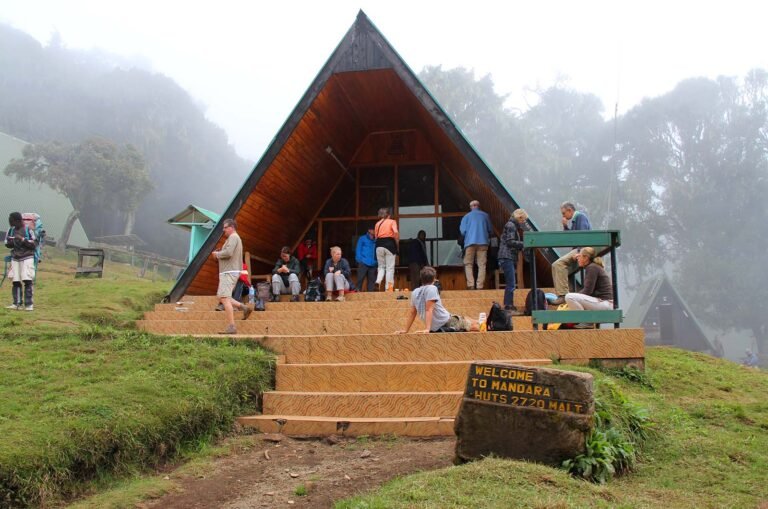
6 Days Marangu Route Kilimanjaro Group Joining – 1–6 December 2026-2027
6 Days Marangu Route Kilimanjaro Group Joining – 1–6 December 2026 is explained with current 2026-2027 planning, price, itinerary and booking information.
View package details
5 Days Marangu Route Kilimanjaro Group Climb – 8–12 December 2026-2027
5 Days Marangu Route Kilimanjaro Group Climb – 8–12 December 2026 is explained with current 2026-2027 planning, price, itinerary and booking information.
View package details
6 Days Machame Route Kilimanjaro Group Trek – 3–8 December 2026-2027
A detailed guide to the 6-day Machame Route Kilimanjaro group trek departing 3–8 December 2026, covering route details, daily itinerary, preparation, and booking.
View package details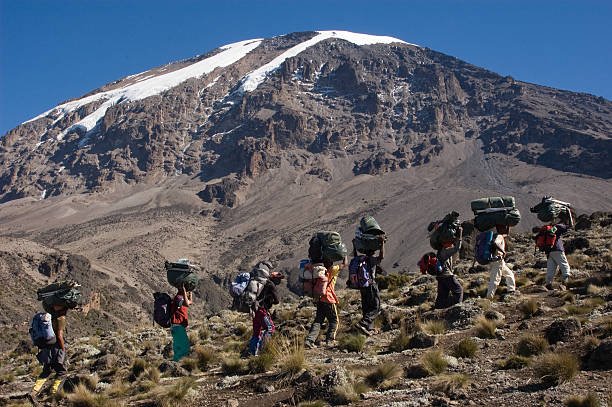
6 Days Marangu Kilimanjaro Group Hiking – 9–14 December 2026-2027
6 Days Marangu Kilimanjaro Group Hiking – 9–14 December 2026 is explained with current 2026-2027 planning, price, itinerary and booking information.
View package details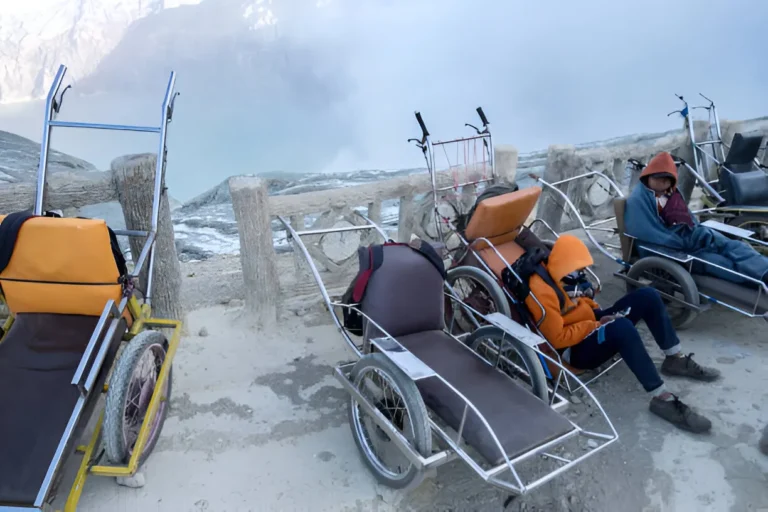
8 Days Lemosho Route Kilimanjaro Group Departure – 12–19 December 2026-2027
A detailed guide to the 8-day Lemosho Route Kilimanjaro group climb departing 12–19 December 2026, covering route details, daily itinerary, acclimatization strategy, and what to expect.
View package details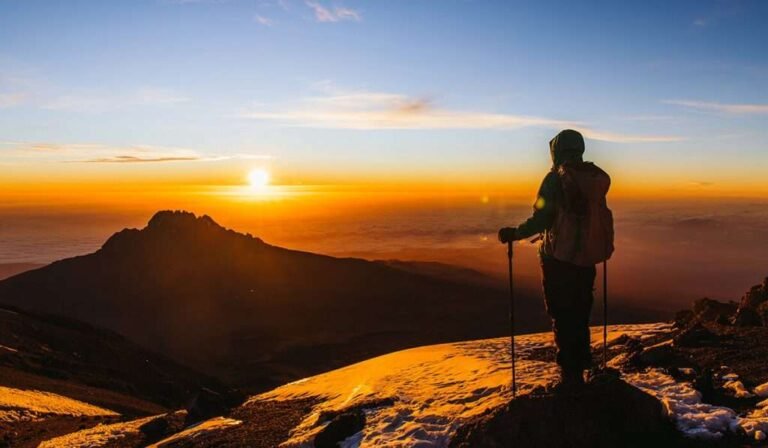
6 Days Machame Kilimanjaro Group Joining – 12–17 December 2026-2027
6 Days Machame Kilimanjaro Group Joining – 12–17 December 2026 is explained with current 2026-2027 planning, price, itinerary and booking information.
View package details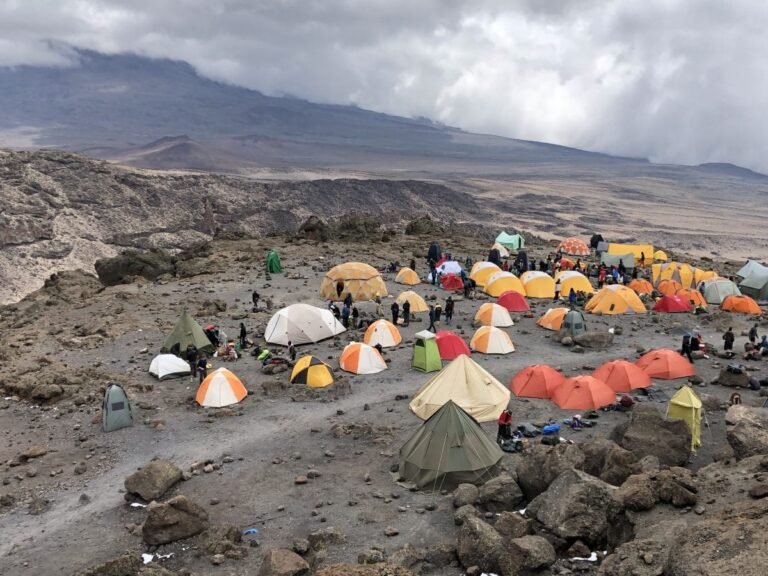
7 Days Lemosho Route Kilimanjaro Group Climb – 3–9 December 2026-2027
7 Days Lemosho Route Kilimanjaro Group Climb – 3–9 December 2026 is explained with current 2026-2027 planning, price, itinerary and booking information.
View package details8 Days Lemosho Route Kilimanjaro Group Climb – 15–22 December 2026-2027
8 Days Lemosho Route Kilimanjaro Group Climb – 15–22 December 2026 is explained with current 2026-2027 planning, price, itinerary and booking information.
View package details7 Days Lemosho Route Kilimanjaro Group Trek – 6–12 December 2026-2027
7 Days Lemosho Route Kilimanjaro Group Trek – 6–12 December 2026 is explained with current 2026-2027 planning, price, itinerary and booking information.
View package details
5 Days Marangu Route Kilimanjaro Trek – 2–6 December 2026-2027
5 Days Marangu Route Kilimanjaro Trek – 2–6 December 2026 is explained with current 2026-2027 planning, price, itinerary and booking information.
View package details7 Days Machame Kilimanjaro Full Moon Group Joining – 19–25 December 2026-2027
7 Days Machame Kilimanjaro Full Moon Group Joining – 19–25 December 2026 is explained with current 2026-2027 planning, price, itinerary and booking.
View package details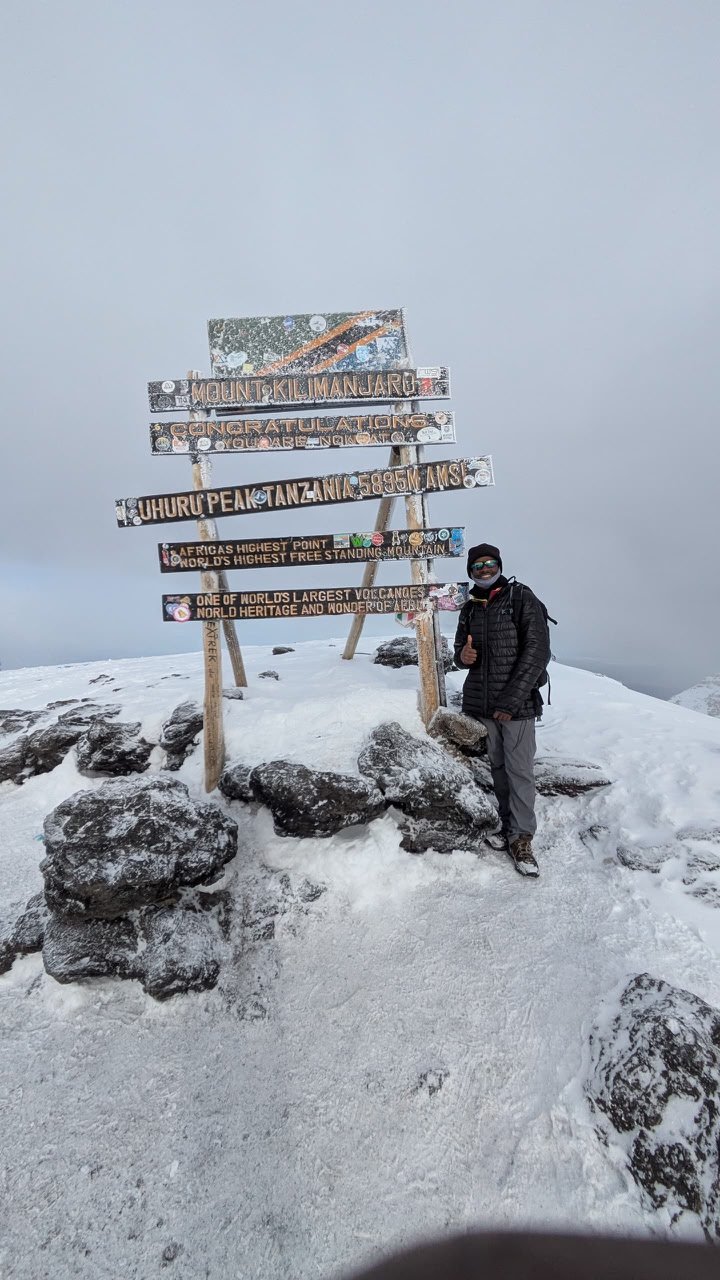
8 Days Lemosho Kilimanjaro Full Moon Group Trek – 18–25 December 2026-2027
An 8-day group trek on Kilimanjaro's scenic Lemosho Route timed for the December 2026 full moon period, with summit day on Christmas morning.
View package detailsNo closely related package is available yet for this topic.

Our Guest Reviews, Currently Feedback from Clients in 2026
Reviews from different sources, including Google Business, Tripadvisor, other platforms, and social media.