
Tanzania safari prices are almost universally presented to travelers as a per person rate, but that quote is calculated by combining fixed per-vehicle operational costs with individual per-person fees. When you book a safari in Tanzania for 2026-2027, the customized 4×4 Land Cruiser, fuel, professional safari guide, and vehicle park entry permits are charged as a single fixed daily unit regardless of whether one or six travelers occupy the seats. Conversely, government conservation fees, Ngorongoro Crater service transit fees, lodge accommodation, meals, and tourist development levies are strictly billed per individual traveler. The more people sharing one vehicle, the lower the per-person total becomes.
The Core Pricing Mechanism: How Operators Build Your Safari Quote
Travelers requesting safari proposals across Arusha and Moshi are frequently puzzled when their summary invoice shows a neat line item: $2,450 per person sharing. This leads many first-time visitors to assume that every element of a wildlife tour operates on individual headcounts. In reality, a Tanzania safari proposal is a hybrid financial model.
A licensed Tanzanian outfitter such as TOP GUIDE ADVENTURES calculates your safari by splitting expenses into two distinct categories: fixed vehicle overheads and variable head-tax expenses. If you evaluate how much a Tanzania safari costs per person, you quickly discover that booking alone creates an enormous financial penalty, whereas traveling as a party of four creates exceptional value.
Understanding this dual structure eliminates confusion during your 2026-2027 trip planning. If an agency quotes $600 per day per person for a couple traveling alone in a private extended Land Cruiser, that same itinerary might plummet to $360 per day per person if four friends share that exact vehicle and stay in the same standard of mid-range tented lodges. The lodging rate per person remains identical; the vehicle cost is simply divided by four rather than two.
Fixed Vehicle Costs Explained: What You Pay for the Land Cruiser
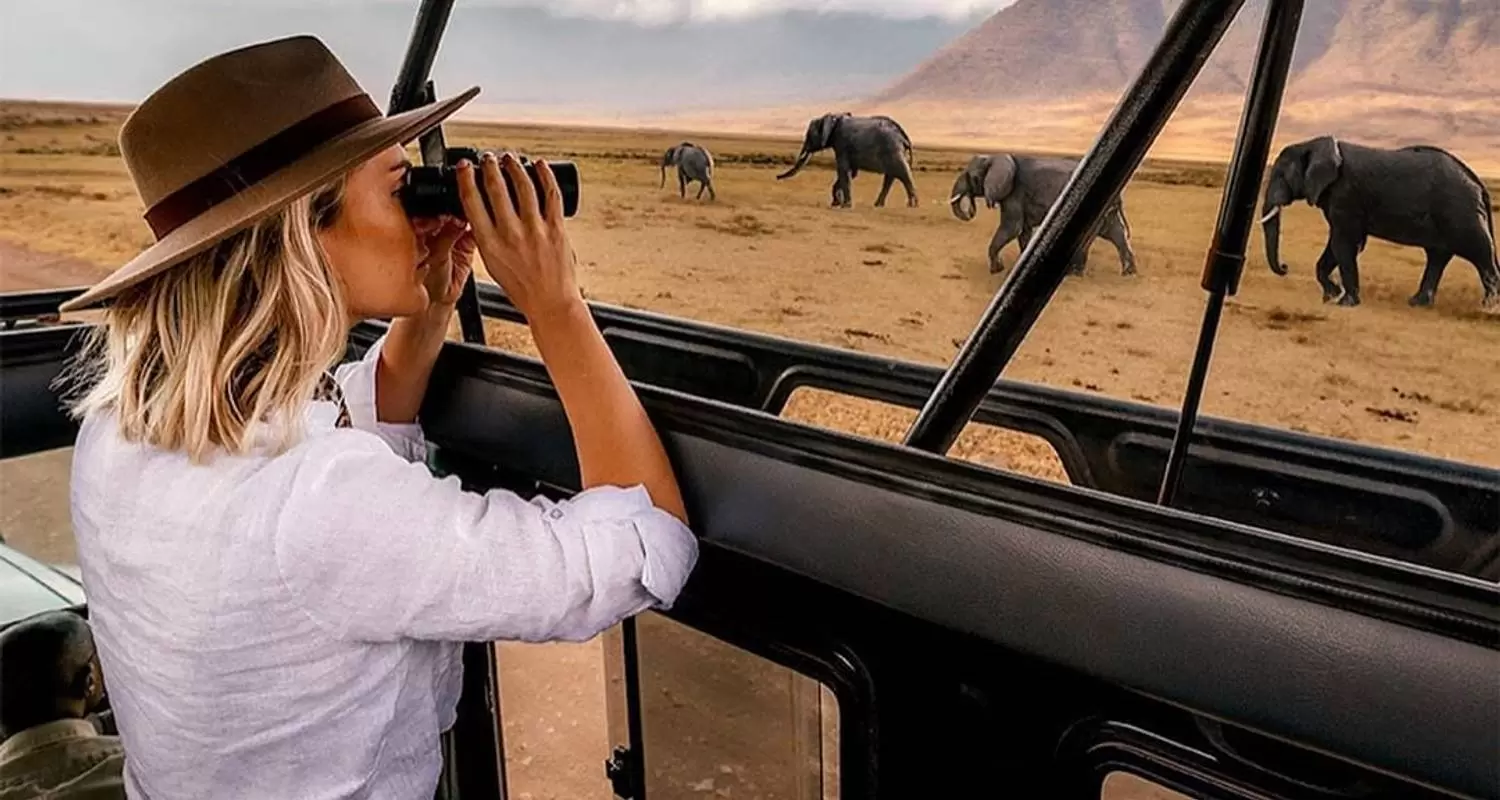
The 4×4 safari Land Cruiser is the logistical backbone of every wildlife itinerary in East Africa. Whether you plan a quick Northern Circuit run or a deep two-week migration route, the vehicle incurs costs that run every single calendar day, regardless of passenger count.
When examining how much extra a private safari vehicle costs in Tanzania, travelers must recognize the substantial day rate required to field a commercial expedition truck legally under Tanzanian transport and park authority rules.
- Daily Vehicle Charter Fee: An extended, custom-built safari Land Cruiser featuring high-clearance suspension, heavy-duty inverters, dual spare tires, pop-up viewing roof, and onboard refrigeration generally commands a baseline operational rate between $200 and $350 per day.
- Commercial Fuel Consumption: Driving over corrugated dirt roads, navigating thick river sand in the Central Serengeti, and climbing the steep rift valley escarpment burns substantial diesel. An average northern circuit game drive consumes between 40 and 70 liters daily depending on tracking distance.
- Professional Driver-Guide Allowances: Licensed safari guides receive daily professional remuneration, bush allowances, and board expenses that do not shift based on group size.
- Vehicle Park Entry & Transit Permits: The Tanzania National Parks Authority (TANAPA) levies commercial vehicle entry fees based on vehicle tare weight. For standard safari Land Cruisers (between 2,001 kg and 3,000 kg), entry runs roughly $20 to $40 per day per vehicle plus 18% VAT depending on the specific park.
If you choose to charter an entire vehicle as a solo traveler, you absorb 100% of these daily machinery and staffing expenditures. If you travel as a family of four or a small group of six, these operational bills are quartered or divided by six, yielding immediate savings on your baseline daily quote.
Individual Per-Person Fees: What You Pay for Each Traveler
While the transport component behaves strictly as a flat per-vehicle unit, nearly every other component of a Tanzanian itinerary is calculated per human being. These individual expenses do not offer economy-of-scale discounts unless an operator secures contracted group room allocations.
Understanding these variable costs clarifies why even a packed vehicle of six passengers cannot drop below a certain price threshold per person per day:
Breakdown of Mandatory Per-Person Costs (2026-2027)
- Park Conservation Fees: Set strictly by TANAPA and the Ngorongoro Conservation Area Authority (NCAA). For non-East African adult citizens, entry to Serengeti National Park costs $70 to $80 per adult per 24-hour cycle (excluding 18% VAT), while Tarangire and Lake Manyara cost $50 per adult (excluding VAT).
- Concession & Camping Fees: Staying inside national park borders triggers nightly per-person concession fees ranging from $30 to $60 per adult per night plus tax, charged on top of the lodge’s room bill.
- Lodge & Tented Camp Accommodations: Accommodation operators sell rooms on a per-person sharing basis (Full Board or Game Package). Room costs scale directly with your party size; two double rooms for four adults cost exactly double what one room costs for two adults.
- Tourism Development Levy & VAT: Tanzania levies a 1% to 1.5% Tourism Development Levy per person per night across commercial accommodation, backed by mandatory 18% Value Added Tax on park entries and related services.
Because conservation fees alone can easily consume $100 to $140 per person per day once taxes and concession charges are calculated, operators must combine these baseline human fees with the partitioned vehicle day rate when compiling your itinerary price.
The Math of Group Size: How One Extra Passenger Slashes the Daily Cost
To see how the interaction between per-vehicle and per-person pricing plays out in the real world, consider a standard 5-day Northern Circuit itinerary visiting Tarangire, Ngorongoro, and the Serengeti using mid-range permanent tented lodges. This scenario assumes a standard vehicle and guide day-rate baseline of $320 per day (covering fuel, car entry fees, driver-guide salary, and vehicle wear), alongside individual park, lodging, and food costs averaging $280 per person per day.
| Traveler Configuration | Fixed Vehicle Cost (Total) | Variable Person Fees (Total) | Itinerary Total (5 Days) | Effective Rate Per Person |
|---|---|---|---|---|
| 1 Solo Traveler | $1,600 | $1,400 | $3,000 | $3,000 per person |
| 2 Travelers (Couple/Duo) | $1,600 | $2,800 | $4,400 | $2,200 per person |
| 4 Travelers (Family/Friends) | $1,600 | $5,600 | $7,200 | $1,800 per person |
| 6 Travelers (Full Vehicle) | $1,600 | $8,400 | $10,000 | $1,667 per person |
Notice the financial shift: increasing group size from one to two travelers knocks a full 26% off the individual cost. Increasing from two to four passengers creates an additional $400 saving per traveler. Beyond four passengers, the financial benefit curves downward gradually, but comfort trade-offs start to emerge. In an extended 7-window safari Land Cruiser, six passengers ensure every traveler retains an open window seat, while seven passengers requires someone to sit in the center aisle seat without an unobstructed photography angle.
For those researching small parties, evaluating how much a 5-day Tanzania safari costs for two people versus options for a family of four provides practical perspective on balancing personal space against group price reductions.
Private vs Group Joining Safari Billing: Two Completely Different Financial Models
When searching for a wildlife tour, travelers encounter two distinct booking structures: private custom safaris and group joining safaris. The way vehicle costs are handled defines the fundamental price difference between these styles.
1. Private Safari: You Pay the Full Vehicle Shell
On a private tour, you charter the Land Cruiser, the guide, and the itinerary structure exclusively for your private travel party. If two people book, those two people pay the entire vehicle day rate. The primary advantage is total tactical flexibility: you choose your departure times, determine how long you sit at a river crossing watching lion prides, and choose your preferred accommodation level, whether exploring a mid-range Serengeti lodge package or opting for luxury canvas retreats.
You can even evaluate if booking a private Tanzania safari for just two people matches your budget. While pricier than shared departures, it remains the gold standard for photographers, couples on honeymoon, and families traveling with younger children who require tailored game-drive schedules.
2. Group Joining Safari: The Vehicle is Amortized for You
In contrast, a group joining safari acts like public transport through the national parks. An operator guarantees a departure date and fills seats individually. When you book a seat on a daily group joining safari, the company sets a flat per-person price built on the assumption that the vehicle will operate with an average passenger threshold (often 4 to 6 people).
This structure is a lifeline for solo travelers looking to avoid punishing single-vehicle charter costs. Rather than paying $300 a day to charter an empty Land Cruiser alone, a solo adventurer can pay a standardized per-person group rate that folds vehicle transport, guide services, camping fees, and meals into a single predictable line item.
The trade-off on group joining safaris is rigid operational control: itineraries follow fixed routes, lodge upgrades are limited, and you share personal space with random international travelers whose photography paces and schedule preferences might differ from your own.
The Ngorongoro Crater Fee: The Ultimate Vehicle vs Person Cost Anomaly
Nowhere is the vehicle-versus-person price distinction clearer than at the Ngorongoro Crater floor. Governed by the NCAA, Ngorongoro operates with one of the most specific conservation pricing frameworks in Africa.
To descend the 600-meter caldera walls for a single game drive (capped at a maximum of six hours), the governing authority charges a mandatory Crater Service Fee of $295 per vehicle per descent (inclusive of 18% VAT). This fee exists entirely separate from the standard individual conservation fees required to enter the wider conservation area.
Ngorongoro Crater Financial Breakdown for One Afternoon Descent:
- Adult Entry Fee: $70.80 per adult (valid for 24 hours in the NCAA conservation highlands).
- Crater Descent Service Fee: $295.00 flat rate per vehicle, regardless of whether 1 or 6 people sit inside.
- Cost Impact on Solo Traveler: That single 6-hour descent costs the solo explorer $70.80 + $295.00 = $365.80 in park fees alone.
- Cost Impact Per Person in a Group of Six: The $295 fee breaks down to $49.17 per person. Added to the entry fee, each traveler pays only $119.97 for the exact same descent.
This single government fee exemplifies why operators cannot simply offer one universal per-person rate without knowing exact group dynamics. If an operator quotes an ultra-cheap flat per-person rate for Ngorongoro without specifying vehicle occupancy requirements, they are either cutting corners on crater drive duration or factoring in assumptions that could compromise the quality of your game viewing experience.
Planning a smooth wildlife journey for 2026-2027 requires transparent cost projections that detail how park rules, vehicle charters, and group dynamics affect your final invoice. Whether you are weighing a shared departure or an exclusive private vehicle, getting clarity on every inclusion ensures you avoid unexpected surprises at park control gates.
For direct quotes and clear itinerary planning with no hidden line items, reach out to the specialist team at TOP GUIDE ADVENTURES via WhatsApp at +255 616 946 642 or by email at topguideadventures@gmail.com.
Check Availability for Are Tanzania Safari Prices Per Person Or Vehicle? Pricing Explained ()
Ready to compare dates, prices, and the best option for your group? Send the package name and travel month so the team can reply with a clear quote, availability, and what is included.
Can I Do A Tanzania Safari For Under $1,500 Per Person? 2026-2027
Can I Do a Tanzania Safari for Under $1,500 Per Person? is explained with current 2026-2027 planning, price, itinerary and booking information.
View package details
Tanzania Safari Packages With Guaranteed Private Vehicle Options 2026-2027
Tanzania Safari Packages with Guaranteed Private Vehicle Options is explained with current 2026-2027 planning, price, itinerary and booking information.
View package details
Tanzania Safari Packages With Private Guides And Vehicles 2026-2027
Tanzania Safari Packages with Private Guides and Vehicles is explained with current 2026-2027 planning, price, itinerary and booking information.
View package details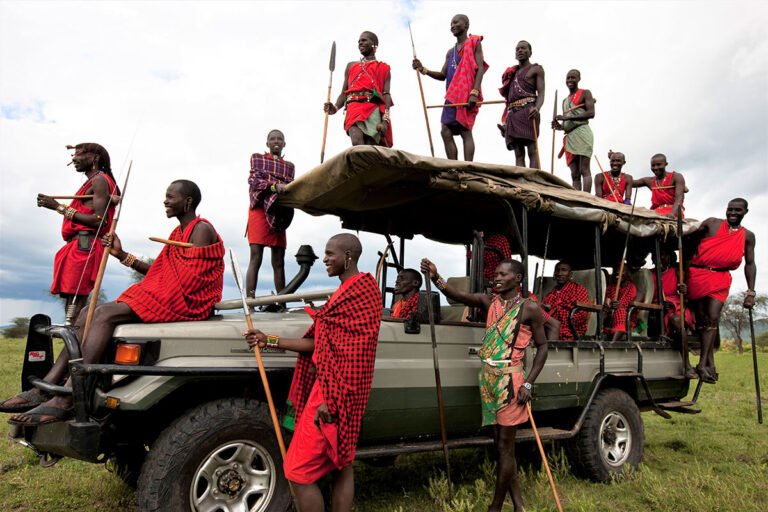
Tanzania Safari Tours And Holiday Packages With Prices 2026-2027
Tanzania Safari Tours and Holiday Packages with Prices is explained with current 2026-2027 planning, price, itinerary and booking information.
View package details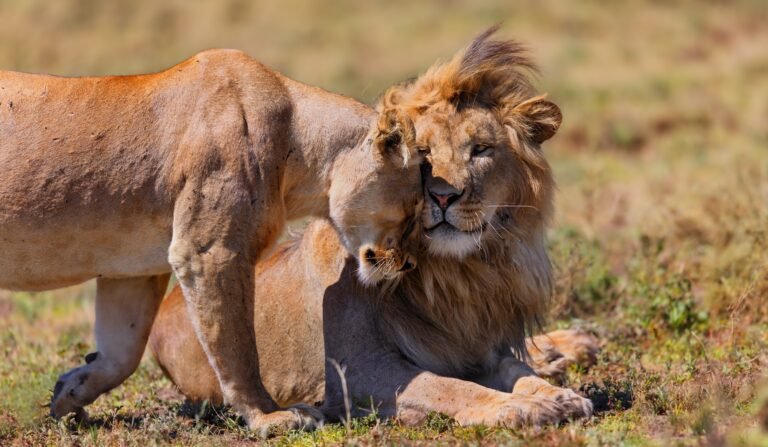
How Many People Share A Vehicle On A Tanzania Group Safari? Guide 2026-2027
A comprehensive operational breakdown of vehicle capacity, passenger seating arrangements, window seat guarantees, and luggage space on Tanzania group joining safaris for 2026 and 2027.
View package detailsTanzania Safari Packages With Transparent Prices For 2026-2027
Tanzania Safari Packages with Transparent Prices for 2027 is explained with current 2026-2027 planning, price, itinerary and booking information.
View package details
How Much Extra Does A Private Safari Vehicle Cost In Tanzania? 2026-2027
How Much Extra Does a Private Safari Vehicle Cost in Tanzania? is explained with current 2026-2027 planning, price, itinerary and booking information.
View package details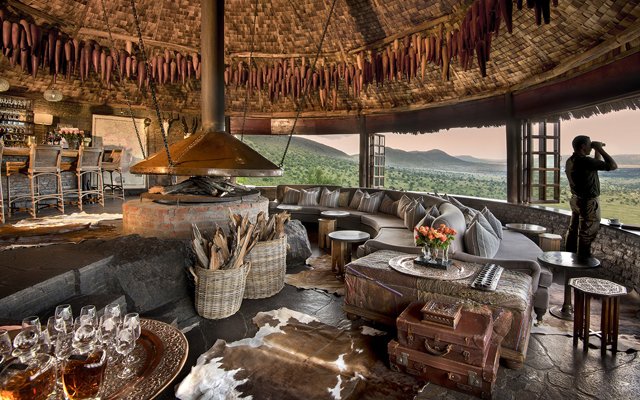
Are Tanzania Safari Prices Cheaper When Booking With Local Operators? Price
A detailed pricing breakdown analyzing why booking direct with Arusha-based Tanzanian safari operators cuts out international commissions, how real ground operating costs work, and what...
View package details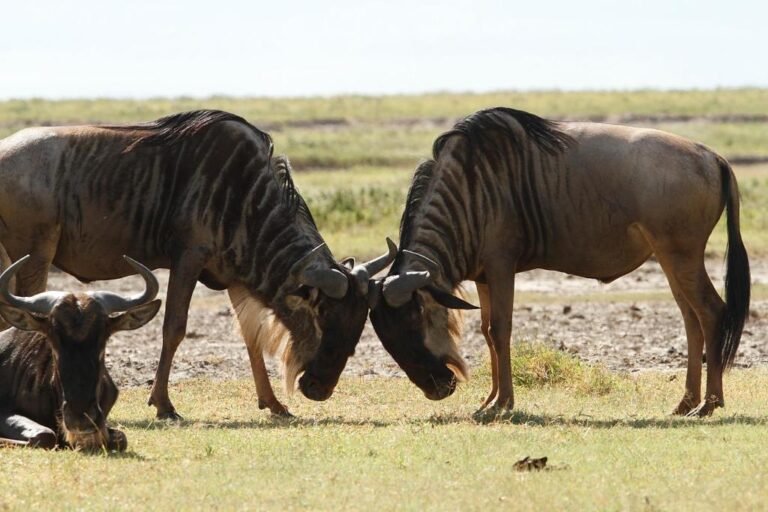
How Much Does A Tanzania Safari Cost Per Person In ? 2026-2027
How Much Does a Tanzania Safari Cost Per Person in 2027? is explained with current 2026-2027 planning, price, itinerary and booking information.
View package details
Best Tanzania Safari Tours With Custom Travel Itineraries 2026-2027
Best Tanzania Safari Tours with Custom Travel Itineraries is explained with current 2026-2027 planning, price, itinerary and booking information.
View package detailsTanzania Safari Packages Including Serengeti Tarangire And Ngorongoro
Tanzania Safari Packages Including Serengeti Tarangire and Ngorongoro is explained with current 2026-2027 planning, price, itinerary and booking information.
View package details
Best Tanzania Safari Tour Packages For International Travelers ( Planning
A comprehensive comparison of the best Tanzania safari tour packages for international travelers heading to East Africa in 2026-2027, covering logistics, package types, realistic budgets...
View package detailsNo closely related package is available yet for this topic.

Our Guest Reviews, Currently Feedback from Clients in 2026
Reviews from different sources, including Google Business, Tripadvisor, other platforms, and social media.



