
Affordable Tanzania safari packages with local tour operators are direct-booked wildlife itineraries where ground operations, 4×4 transport, park clearances, and accommodations are managed directly by registered Tanzanian outfitters based in Arusha or Moshi rather than third-party international booking agencies. For the 2026-2027 travel seasons, an authentic affordable package ranges from $200 to $350 per person per day for budget basic camping safaris and $350 to $575 per person per day for mid-range tented lodge packages. The primary decision travelers must make is choosing between a scheduled group-joining departure to minimize vehicle overhead or commissioning a private custom vehicle tailored to their group size and travel window.

The Anatomy of Safari Pricing: Where Your Money Actually Goes
A frequent misconception among international travelers is that a safari in East Africa can be discounted in the same manner as a standard resort vacation. In reality, a genuine Tanzania safari carries a heavy floor of non-negotiable statutory overheads set directly by state conservation authorities, primarily the Tanzania National Parks Authority (TANAPA) and the Ngorongoro Conservation Area Authority (NCAA). When assessing affordable Tanzania safari packages with local tour operators, understanding these fixed expenses is critical to distinguishing between a cost-effective, well-executed trip and a dangerously compromised service.
Every visitor inside the Northern Circuit pays statutory government conservation entry fees for every rolling 24-hour cycle. In the Serengeti National Park, adult entry fees stand at $70 to $80 per person per day plus 18% Value Added Tax (VAT) depending on the season. Tarangire National Park and Lake Manyara National Park command entry rates of $50 per person per day plus VAT. The Ngorongoro Crater incurs two separate fees: an individual conservation area entry fee of roughly $70 plus VAT per person, alongside a mandatory Crater Service Fee of $295 per vehicle per descent, regardless of whether that vehicle carries one passenger or six. When an itinerary includes public campsite permits or special concession fees for staying inside park boundaries, another $35 to $70 per person per night is remitted straight to the treasury.
Fixed Daily Base Costs Per Person (Northern Circuit Entry + Concessions):
- Serengeti Conservation Fee: $70–$80 + 18% VAT ($82.60–$94.40 / 24 hours)
- Ngorongoro Crater Entry & Descent: ~$70 entry + share of $295 vehicle descent fee
- Tarangire & Lake Manyara: $50 + 18% VAT ($59 / 24 hours)
- Public Campsite Fees: $30–$40 + 18% VAT per person per night
- Tanzanian Value Added Tax (VAT): Statutory 18% applied across all transport and park fees
Beyond park fees, the operational backbone of any land safari is the custom-built four-wheel-drive vehicle. A long-wheelbase Toyota Land Cruiser with pop-up roof hatches, extended chassis, reinforced heavy-duty suspension, dual spare tires, comprehensive recovery gear, in-vehicle inverter systems for electronics charging, and a passenger cooler represents a capital cost exceeding $60,000 to construct and equip to bush standards. Operating this vehicle requires high-grade commercial fuel, substantial daily preventative maintenance to counteract corrugated gravel tracks, commercial tourist vehicle licensing (TALA), and comprehensive passenger liability insurance.
Finally, labor must be compensated fairly. An ethical, competent local operator employs fully licensed, English-speaking driver-guides who hold active certifications from the National Outdoor Leadership School, the College of African Wildlife Management at Mweka, or equivalent regional guiding bodies. On basic camping itineraries, a dedicated bush cook accompanies the group, preparing three hot meals daily under field conditions. When international websites offer packages below the structural operating floor, the deficit invariably comes out of guide wages, vehicle reliability, tire safety, or meals. True affordability means structural efficiency, not labor exploitation or reckless cost-cutting.
Local Tour Operators vs. International Agents: Understanding the Price Gap
The global travel market is saturated with outbound tour brokers based in the United Kingdom, North America, Germany, and Australia advertising African wilderness journeys. The overwhelming majority of these overseas agents do not own a single Land Cruiser in Arusha, employ no guides in Moshi, and maintain zero logistics infrastructure on African soil. Instead, they act as intermediaries who mark up services provided by direct Tanzanian outfits.
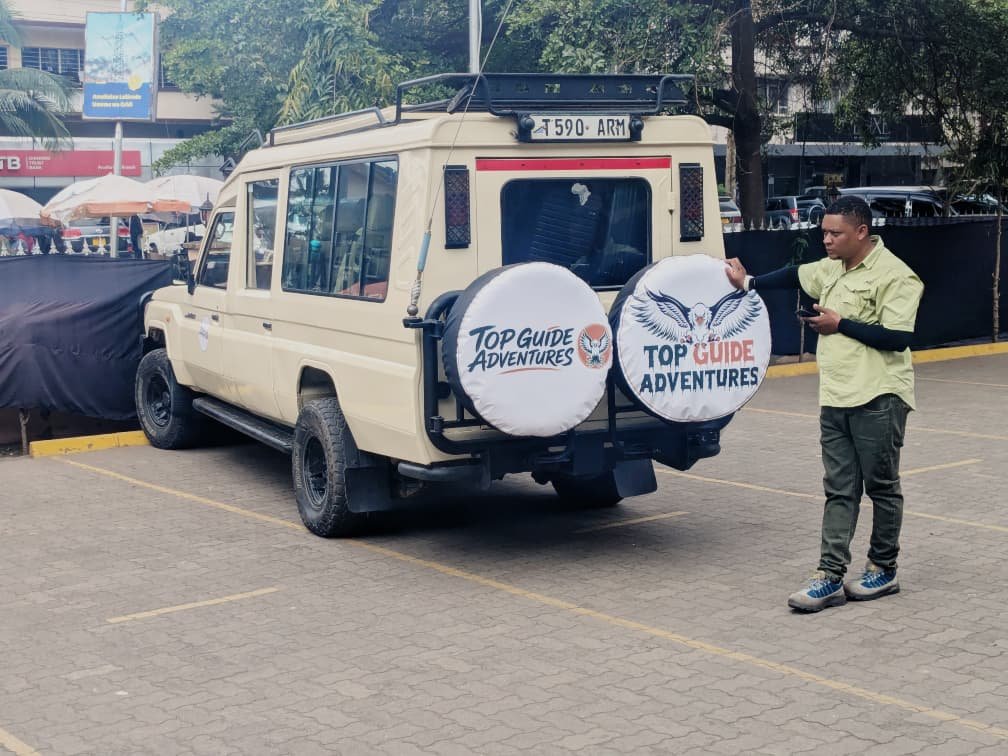
When you book an itinerary through an international agency, your payment typically undergoes multiple layers of commission. The overseas retailer adds an administrative margin—commonly between 25% and 45%—to cover high Western digital marketing costs, storefront overhead, regional bonding insurance, and retail profits. The transaction is subsequently handed over to an incoming destination management company or directly to an Arusha-based ground operator like Top Guide Adventures, who actually provides the physical vehicle, buys the fuel, registers the driver, purchases the park passes, and books the lodges.
Working directly with locally rooted outfits eliminates intermediary margins while dramatically improving operational accountability. You can read our detailed breakdown on whether Tanzania safari prices are cheaper when booking with local operators to evaluate the direct math. Beyond lower net costs, booking locally gives travelers immediate, unfiltered communication with the actual logistics coordinators in Arusha and Moshi. If a sudden unseasonal rainstorm floods an access road into Central Serengeti, or if a wildebeest crossing is reported moving rapidly south from Kogatende to Ndutu, local operations teams make real-time route adjustments without waiting for an overseas agent to wake up across different time zones.
Furthermore, capital spent directly with indigenous operators remains in the Tanzanian economy. It funds equitable salaries for guides, mechanics, cooks, and warehouse support staff, supports local farming communities where provisions are sourced, and sustains Tanzanian-owned service enterprises across the Arusha and Kilimanjaro regions for the 2026-2027 tourism cycles.
Realistic Price Bands for Affordable Tanzania Safaris in 2026-2027
Price transparency is vital when matching expectations with ground realities. In Tanzania, affordability is relative to the country’s high-cost national park model. Below is an honest breakdown of the daily expense tiers you will encounter when planning an itinerary through a direct local operator. These figures reflect all mandatory park fees, standard vehicle costs, guide wages, meals, and accommodation for the upcoming 2026-2027 seasons.
| Safari Category | Approximate Cost per Day (USD) | Accommodation Style | Typical Vehicle Setup | Ideal Traveler Profile |
|---|---|---|---|---|
| Budget Camping (Group-Joining) | $200 – $280 per person | Public national park campsites (dome tents, shared washrooms) | Shared 4×4 Land Cruiser (5–7 guests, guaranteed window) | Solo backpackers, students, budget couples comfortable with basic outdoor living |
| Budget Camping (Private) | $280 – $360 per person (for 2–4 pax) | Public national park campsites (dome tents, field cook) | Exclusive private 4×4 Land Cruiser & dedicated guide | Couples or friend pairs seeking budget pricing with private departure timing |
| Mid-Range Tented Lodge (Group) | $350 – $450 per person | Permanent tented lodges outside/inside parks (en-suite bathroom) | Shared 4×4 Land Cruiser on scheduled set dates | Value-conscious travelers wanting comfortable beds, hot showers, and pool access |
| Mid-Range Tented Lodge (Private) | $450 – $590 per person (for 2–4 pax) | Quality mid-tier lodges & comfortable seasonal tented camps | Exclusive private vehicle, flexible route, customized hours | Families, honeymooners, and photography enthusiasts balancing comfort with value |
To examine detailed pricing variables across different party sizes and vehicle logistics, read our guide exploring whether Tanzania safari prices are per person or per vehicle. When analyzing costs, it is essential to look at the total scope: a quote that looks extraordinarily low may omit the Ngorongoro Crater entry permit, exclude critical transit fees, or rely on external lodges situated two to three hours outside the park gates, drastically cutting your actual game-viewing hours.
Group-Joining Safaris vs. Private Departures: Evaluating the Financial Trade-Offs
The single most potent mechanism for achieving an affordable rate in Tanzania is distributing fixed vehicle and crew costs across multiple travelers. Because hiring a commercial 4×4 Land Cruiser with a licensed driver costs roughly $200 to $300 per day before park fees and accommodation, a solo traveler or a couple bearing this cost alone faces a steep entry point.
How Group-Joining Structures Savings
In a group-joining setup, the operator schedules departures on fixed weekly dates, allowing independent travelers to book individual seats. By dividing vehicle hire, fuel allowances, transit fees, and guide wages across five to seven people, daily per-person overhead drops substantially. For an in-depth financial breakdown, check out how much you can save by joining a group safari in Tanzania.
However, shared group departures involve deliberate operational trade-offs that every traveler must weigh:
- Fixed Daily Pacing: Departure times, meal schedules, and game drive lengths are dictated by consensus or company protocol. If three members of the vehicle wish to watch a pride of lions at rest for two hours while two others prefer searching for black rhinos, the guide must mediate.
- Window Seat Guarantees: While professional operators configure Land Cruisers with six or seven passenger window seats, vehicle sharing means physical space for photography equipment, lenses, and daypacks is restricted compared to a private excursion. For details on vehicle arrangements, read how many people share a vehicle on a Tanzania group safari.
- Accommodation Constraints: Group-joining departures usually pair with standardized basic camping (utilizing sites like Nyani in Central Serengeti or Simba in Ngorongoro) or uniform mid-range lodges. Upgrading your lodging independently while sharing a vehicle creates messy transfer logistics for the remaining passengers.
The Inflection Point Where Private Becomes Cost-Effective
Many travelers assume that private departures are exclusively reserved for luxury travelers. This is mathematically incorrect. Once a private group reaches four to six people—such as a family with teenage children or two traveling couples—the cost-per-person of a private custom departure often drops to near parity with commercial group-joining seats.
Check Availability for Affordable Tanzania Safari Packages With Local Tour Operators 2026-2027
Ready to compare dates, prices, and the best option for your group? Send the package name and travel month so the team can reply with a clear quote, availability, and what is included.
Are Tanzania Safari Prices Cheaper When Booking With Local Operators? Price
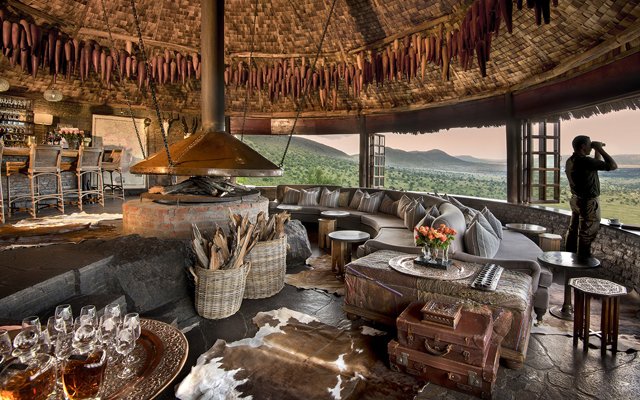
A detailed pricing breakdown analyzing why booking direct with Arusha-based Tanzanian safari operators cuts out international commissions, how real ground operating costs work, and what...
View package details
Affordable Tanzania Wildlife Safari Holidays For Small Groups 2026-2027
Affordable Tanzania Wildlife Safari Holidays for Small Groups is explained with current 2026-2027 planning, price, itinerary and booking information.
View package details
Tanzania Safari Tours For With Affordable Lodge Options 2026-2027
A practical booking blueprint for Tanzania safari tours in 2027 featuring comfortable, budget-conscious lodges across the Serengeti, Ngorongoro, and Tarangire.
View package details
Book Tanzania Safari Tours Directly With Local Tour Companies 2026-2027
Book Tanzania Safari Tours Directly with Local Tour Companies is explained with current 2026-2027 planning, price, itinerary and booking information.
View package details
Book A Private Tanzania Safari With Experienced Local Guides 2026-2027
Book a Private Tanzania Safari with Experienced Local Guides is explained with current 2026-2027 planning, price, itinerary and booking information.
View package details
Book Tanzania Safari Packages With Local Experts 2026-2027
Book Tanzania Safari Packages with Local Safari Experts is explained with current 2026-2027 planning, price, itinerary and booking information.
View package detailsTanzania Safari Packages With Luxury And Budget Accommodation 2026-2027
Tanzania Safari Packages with Luxury and Budget Accommodation is explained with current 2026-2027 planning, price, itinerary and booking information.
View package details
Tanzania Safari Group Departures With Shared Camping Accommodation 2026-2027
A comprehensive operational guide to Tanzania safari group departures featuring shared public campsite accommodation across the Northern Circuit for 2026-2027.
View package details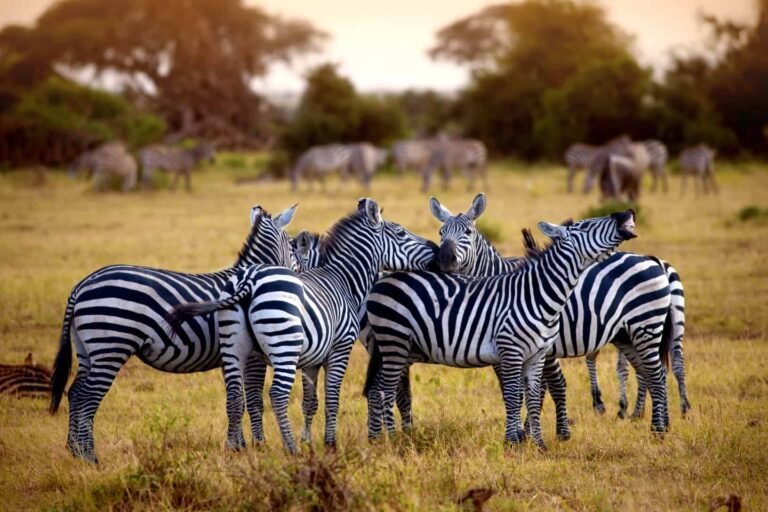
How Much Should I Budget For A 7 Day Tanzania Safari? 2026-2027
How Much Should I Budget for a 7 Day Tanzania Safari? is explained with current 2026-2027 planning, price, itinerary and booking information.
View package details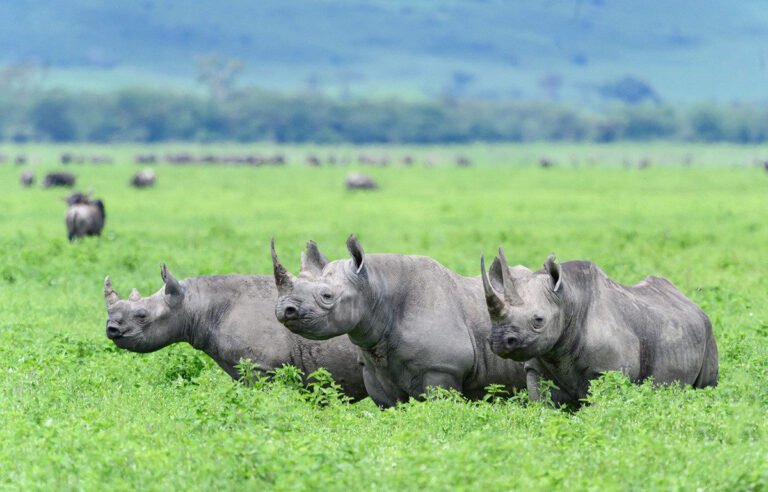
Tanzania Safari Tours For Couples With Different Budgets: Complete Planning
A detailed 2026-2027 comparative guide to planning couples safaris in Tanzania across entry-level budget camping, comfort mid-range tented lodges, and exclusive luxury circuits.
View package details
Best Tanzania Safari Tours With Custom Travel Itineraries 2026-2027
Best Tanzania Safari Tours with Custom Travel Itineraries is explained with current 2026-2027 planning, price, itinerary and booking information.
View package details
Tanzania Safari Packages Including Serengeti Tarangire And Ngorongoro
Tanzania Safari Packages Including Serengeti Tarangire and Ngorongoro is explained with current 2026-2027 planning, price, itinerary and booking information.
View package detailsNo closely related package is available yet for this topic.

Our Guest Reviews, Currently Feedback from Clients in 2026
Reviews from different sources, including Google Business, Tripadvisor, other platforms, and social media.



