
Top rated Tanzania safari tours and travel packages are professionally guided wildlife expeditions running primarily through northern protected areas—including Serengeti National Park, Ngorongoro Crater, Tarangire, and Lake Manyara—or southern wild reserves like Nyerere and Ruaha. In 2026-2027, quality packages span from structured small-group camping at $200 to $350 per person per day, to mid-range tented lodges at $400 to $650 per person per day, and bespoke luxury private fly-in circuits exceeding $900 to $1,800+ per day. The primary decision travelers must make is balancing route drive-times against flight transfers, selecting between shared group departures or private 4×4 Land Cruisers, and synchronizing travel dates with the seasonal movements of the Great Migration.
1. Anatomy of High-Performing Tanzania Safari Packages
A safari package in Tanzania is fundamentally an exercise in field logistics. The country spans vast wilderness zones where roads shift from tarmac highway to corrugated gravel, volcanic silt, and deep black-cotton mud within a few kilometers. A package that earns legitimate top ratings does not rely on promotional promises; it succeeds because of calculated driving hours, strategic lodge positioning near park entry gates, reliable vehicle maintenance, and skilled driver-guides who understand animal behavior and local micro-habitats.
When booking safari packages through an established on-the-ground operator like Top Guide Adventures, the standard framework includes several rigid operational components:
- Customized 4×4 Safari Land Cruisers: Extended chassis vehicles fitted with heavy-duty suspension, dual spare tires, high-lift jacks, an onboard inverter for charging camera batteries, an electric cooler or fridge for bottled water, a two-way VHF radio, and a pop-up roof hatch engineered for unobstructed 360-degree photography.
- Statutory Fees and Concessions: Daily conservation entry fees set by the Tanzania National Parks Authority (TANAPA), Ngorongoro Conservation Area Authority (NCAA) crater service permits, and designated Special Campsite or Public Campsite concession fees. In top-rated packages, these administrative line items are calculated accurately in advance to prevent hidden surcharge requests at park gates.
- Guide Allocation: A dedicated, commercially certified Tanzanian driver-guide licensed through the Ministry of Natural Resources and Tourism, trained in defensive off-road driving, animal tracking, wilderness first aid, and conversational English.
- Accommodation Logistics: Full-board meal plans covering early bush breakfasts, insulated stainless-steel hot lunch packs or picnic boxes, and multi-course dinners at vetted wilderness camps or permanent stone lodges.
The distinction between an average safari and a premier package rests on how transition days are budgeted. Ill-conceived tour plans force travelers to endure grueling 8-hour highway transfers between Arusha and the Central Serengeti without active game viewing, leaving guests exhausted before reaching the wildlife corridor. Top-performing itineraries break transit legs by pairing afternoon game drives in Tarangire National Park or the Lake Manyara escarpment with strategic overnight stays on the Karatu highlands rim, saving precious daylight hours for deep wildlife tracks inside Ngorongoro Crater and the Serengeti.
2. Realistic Pricing Tiers and Cost Baselines for 2026-2027
Safari pricing in Tanzania is transparent when broken down into statutory fees, vehicle amortization, guide salaries, fuel burn, and room rates. Park fees alone account for a significant portion of daily outlays. For example, entering the Serengeti costs non-East African adult residents around $82.60 per 24 hours during peak season (including 18% VAT), while taking a vehicle down the steep walls of Ngorongoro Crater incurs an additional $295 per vehicle permit alongside per-person conservation fees. Understanding baseline market costs protects travelers from cut-rate operators who cut corners on vehicle maintenance, safety equipment, or staff compensation.
For planning safari travel in 2026 and 2027, tour packages fall into three verified quality tiers. Travelers evaluating market costs can consult detailed analyses of how much a Tanzania safari costs per person to understand how group sizes alter daily expenditures.
Baseline Cost Structures for Tanzania Safari Packages (2026-2027)
| Package Tier | Daily Rate Range (USD) | Accommodation Format | Best Suited For |
|---|---|---|---|
| Budget Camping | $200 – $350 per person | Public national park campsites; canvas dome tents; safari field cook | Solo travelers, backpackers, student researchers, and cost-focused groups |
| Mid-Range Tented Lodge | $400 – $650 per person | Permanent tented lodges, ensuite flush toilets, solar hot showers, Karatu cottages | Couples, families, small photography groups seeking field comfort |
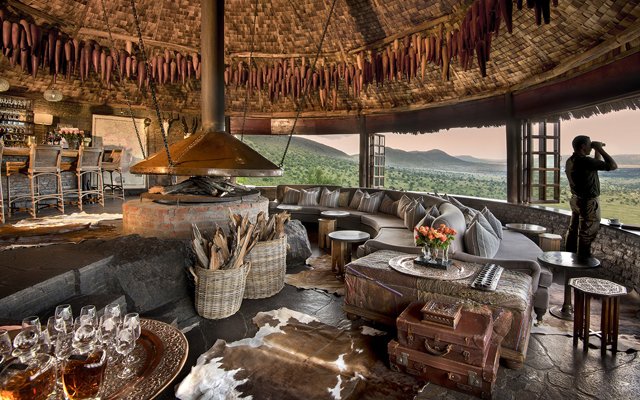
| Premium Luxury | $750 – $1,400+ per person | High-end semi-permanent migration camps, boutique luxury lodges, plunge pools | Honeymooners, wildlife photographers, travelers prioritizing exclusivity |
| Ultra-Luxury Fly-In | $1,500 – $2,500+ per person | Singita, &Beyond, or private mobile charters; all-inclusive vintage bush estates | Discerning private parties demanding zero commercial flight overlap |
When reviewing quotes for mid-range tiers, such as an established Tanzania mid-range safari with Serengeti and Ngorongoro lodge packages, clarify if concession fees are included. High-end semi-permanent tented camps located inside national park borders must pay a nightly concession fee ranging between $59 and $70.80 per adult directly to TANAPA. Unscrupulous operators sometimes hide these costs in fine-print exclusions, demanding cash settlements upon vehicle arrival at park gates. Transparent operators bundle all park entrance, crater service, concession, transit, and value-added tax charges into one fixed quote.
Budget-conscious adventurers looking at budget camping tours across the Serengeti and Ngorongoro should understand that their safari crew includes both a dedicated driver-guide and an experienced camp chef. The chef travels in the vehicle, sets up waterproof canvas ground tents at designated public camps such as Seronera Public Campsite or Simba Campsite, and prepares three daily cooked meals using fresh highland produce gathered in Arusha or Karatu.
3. Northern Circuit Route Blueprints: 5, 7, and 10-Day Field Plans
The Northern Safari Circuit remains the undisputed benchmark for first-time and returning wildlife enthusiasts. However, cramming four national parks into a whirlwind three-day trip leads to severe driver fatigue and superficial game viewing. Top-rated packages carefully balance the road distance from Arusha to the western and northern edges of the Serengeti ecosystem.
Field Blueprint A: The Classic 5-Day Northern Circuit Highlights
Designed for travelers with tighter schedules who want a balance of big cats, elephants, and tectonic caldera landscapes without excessive transit fatigue. For couples analyzing vehicle overhead, our field review on what a 5-day Tanzania safari costs for two people provides clear cost breakdowns.
- Day 1: Arusha to Tarangire National Park. Depart early morning from Arusha. Game drive among the ancient baobabs and large elephant herds concentrated around the perennial Tarangire River. Overnight in Karatu highlands.
- Day 2: Karatu to Central Serengeti (Seronera). Traverse the lush Ngorongoro Conservation Area highland forest, pause at the crater rim viewpoint, descending into the Malanja depression toward Naabi Hill Gate. Afternoon predator tracking across the Seronera Valley kopjes. Overnight in Central Serengeti tented lodge.
- Day 3: Full-Day Central Serengeti Game Tracking. Early morning departure around 06:15 to catch lions, leopards, and cheetahs before the midday heat. Tracking resident prides along the Retima Hippo Pool, Maasai Kopjes, and the Seronera River circuit. Overnight in Central Serengeti.
- Day 4: Central Serengeti to Ngorongoro Crater Rim. Morning exit game drive through the short grass plains. Ascend the outer slopes of the volcanic crater. Late afternoon arrival and rest at a lodge perched on the crater ridge or within Karatu village.
- Day 5: Ngorongoro Crater Floor to Arusha. Early dawn descent 600 meters down the sheer caldera walls. Five to six hours of intense game viewing across the crater floor, tracking black rhinos, hyena clans, and hippo pools in Lerai Forest. Afternoon ascent and transfer back to Arusha or Kilimanjaro International Airport (JRO).
Field Blueprint B: The Comprehensive 7-Day Great Migration Focus
The definitive mid-length package. This route affords adequate track time to follow seasonal migration movements, whether the mega-herds are grazing on the southern Ndutu plains or tackling the crocodile-heavy waters of the Mara River up north.
- Day 1: Arusha to Lake Manyara or Tarangire. Exploration of groundwater forest ecosystems or riverbank elephant congregations. Overnight in Karatu.
- Day 2: Karatu to South or Central Serengeti. Cross the Great Rift Valley escarpment into the boundless plains. Initial late afternoon game drive. Overnight in an authentic migration-tented outpost.
- Days 3 & 4: Dedicated Ecosystem Immersion (Central + Northern or Southern Zones). Moving camp coordinates according to live herd reports. Extensive game drives along natural migration corridors, rocky vantage points, and seasonal river tributaries. Two full nights in active wildlife country.
- Day 5: Deep Wilderness to Ngorongoro Conservation Area. Gradual eastward game drives through wild expanses, observing spotted hyenas, bat-eared foxes, and dynamic bird populations. Overnight near the caldera perimeter.
- Day 6: Ngorongoro Crater Basin Exploration. Comprehensive exploration of the unbroken caldera basin. Picnics beside the hippo pool, tracking endangered black rhinos across open alkaline grass plains. Evening arrival in Karatu.
- Day 7: Karatu to Mto wa Mbu Cultural Walk, Return to Arusha. Optional morning local market tour or guided village walk before returning smoothly along tarmac roads to Arusha for departure flights or domestic transfers onward to Zanzibar.
Travelers possessing ten days or more can incorporate western corridors (Grumeti Reserve) or secondary trekking adventures around the Olmoti and Empakaai crater basins, or combine wild bush tracks with coastal relaxation through integrated Tanzania safari and Zanzibar holiday packages.
4. Synchronizing Packages with the Great Migration Calving and River Crossings
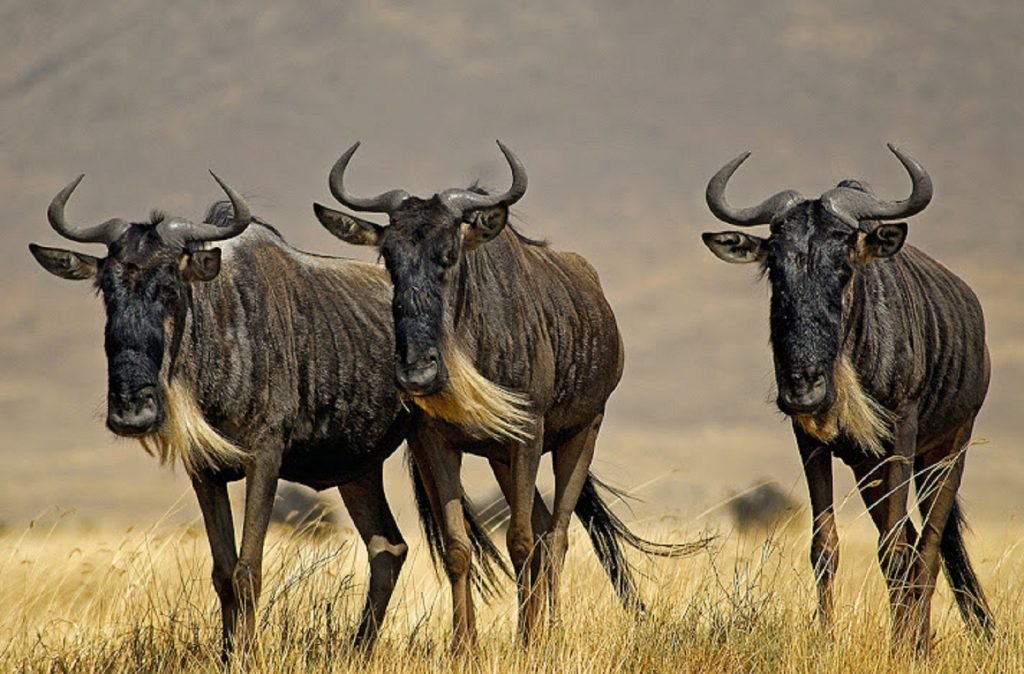
A common error travelers make when shopping for top rated safari packages is assuming the Great Migration happens in one fixed location year-round. Over two million blue wildebeest, accompanied by hundreds of thousands of plains zebras and gazelles, follow a continuous, rain-driven circular journey across the Serengeti-Mara ecosystem. Booking an expensive tour in the wrong sector of the park during the wrong month leaves guests staring at empty grasslands while herds roam 150 kilometers away.
Check Availability for Top Rated Tanzania Safari Tours And Travel Packages 2026-2027
Ready to compare dates, prices, and the best option for your group? Send the package name and travel month so the team can reply with a clear quote, availability, and what is included.

Best Tanzania Safari Tours With Custom Travel Itineraries 2026-2027
Best Tanzania Safari Tours with Custom Travel Itineraries is explained with current 2026-2027 planning, price, itinerary and booking information.
View package details
Tanzania Safari Packages Including Serengeti Tarangire And Ngorongoro
Tanzania Safari Packages Including Serengeti Tarangire and Ngorongoro is explained with current 2026-2027 planning, price, itinerary and booking information.
View package details
Best Tanzania Safari Tour Packages For International Travelers ( Planning
A comprehensive comparison of the best Tanzania safari tour packages for international travelers heading to East Africa in 2026-2027, covering logistics, package types, realistic budgets...
View package detailsBest Tanzania Safari Packages For And 2028 2026-2027
Best Tanzania Safari Packages for 2027 and 2028 is explained with current 2026-2027 planning, price, itinerary and booking information.
View package detailsTanzania Safari Group Joining Departures In February 2026-2027
Tanzania Safari Group Joining Departures in February 2027 is explained with current 2026-2027 planning, price, itinerary and booking information.
View package details
Tanzania Safari Tours For Solo Travelers In December 2026-2027
Tanzania Safari Tours for Solo Travelers in December 2026 is explained with current 2026-2027 planning, price, itinerary and booking information.
View package details
How Do I Join A Tanzania Safari Group From Arusha? 2026-2027
How Do I Join a Tanzania Safari Group from Arusha? is explained with current 2026-2027 planning, price, itinerary and booking information.
View package details
Can I Do A Tanzania Safari For Under $1,500 Per Person? 2026-2027
Can I Do a Tanzania Safari for Under $1,500 Per Person? is explained with current 2026-2027 planning, price, itinerary and booking information.
View package details
Tanzania Safari Cost Breakdown Including Park Fees And Accommodation 2026-2027
Tanzania Safari Cost Breakdown Including Park Fees and Accommodation is explained with current 2026-2027 planning, price, itinerary and booking information.
View package details
What Is The Cheapest Way To Book A Tanzania Safari? Guide 2026-2027
Discover how booking directly with local operators in Arusha or Moshi, joining group departures, and opting for public campsites slashes Tanzania safari costs by up to 50% for 2026-2027.
View package details
Book Tanzania Safari Tours Directly With Local Tour Companies 2026-2027
Book Tanzania Safari Tours Directly with Local Tour Companies is explained with current 2026-2027 planning, price, itinerary and booking information.
View package details
Tanzania Wildlife Safari Holidays With Professional English Speaking Guides
Tanzania Wildlife Safari Holidays with Professional English Speaking Guides is explained with current 2026-2027 planning, price, itinerary and booking.
View package detailsNo closely related package is available yet for this topic.

Our Guest Reviews, Currently Feedback from Clients in 2026
Reviews from different sources, including Google Business, Tripadvisor, other platforms, and social media.



