
Tanzania safari tours for solo travelers in December 2026 combine small-group joining departures or bespoke solo itineraries across the Northern Circuit—specifically the Serengeti, Ngorongoro Crater, Lake Manyara, and Tarangire—with costs ranging from $230 to $380 per day for budget-camping group tours, $420 to $650 per day for mid-range lodge groups, and $750 to $1,400+ per day for private or high-end tented travel. The primary logistical decision facing an independent traveler in December is timing the departure between the lower-cost, lush early December shoulder window and the premium, high-surcharge festive peak starting around December 20, while securing guaranteed window seats to avoid paying for an entire 4×4 vehicle alone.

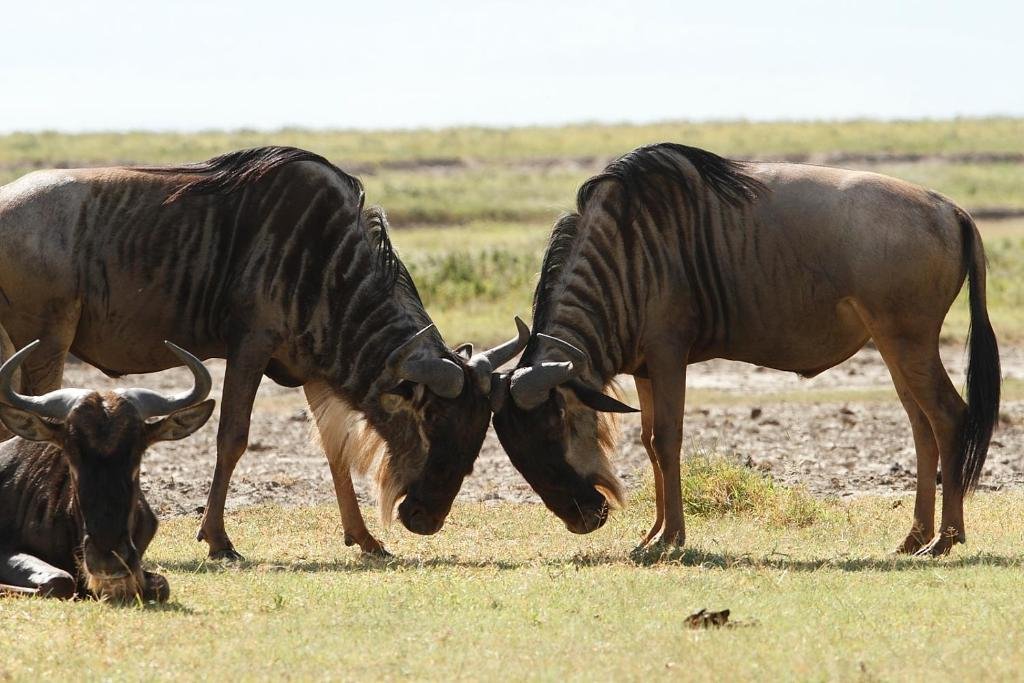
Traveling across East Africa on your own brings absolute freedom over your daily rhythm, yet safari mechanics differ drastically from traditional backpacking or city travel. On safari, individual travelers cannot simply hail daily transit between wildlife habitats or walk between camps. Protected parks across Tanzania require authorized 4×4 vehicles, certified driver-guides, paid concession fees, transit permits, and complex camp supply chains. When you travel as an individual, standard safari economics tilt against you unless you actively calculate vehicle utilization, single-room surcharges, and regional weather patterns.
December is a month of dramatic environmental and commercial transitions. Early December represents the winding down of the seasonal short rains (Vuli), yielding vibrant green plains, dust-free skies, migrating bird populations, and lower tourist densities. By contrast, late December shifts rapidly into the most congested, expensive holiday peak of the calendar year. Planning an independent safari for December 2026 requires understanding this sharp dividing line so you can protect your budget, secure reliable companions on the trail, and locate the Great Migration without paying inflated single supplements.
December 2026 Safari Dynamics: Weather, Wildlife Shifts, and Festive Peaks
December does not behave as a uniform weather or pricing month across northern Tanzania. Understanding how the calendar month breaks into distinct operational phases lets you choose dates that match both your risk tolerance for rain and your financial expectations.
The Early-to-Late December Weather Arc
The first two to three weeks of December witness the conclusion of the short rains. Rainfall during this period typically manifests as localized, afternoon or evening downpours rather than persistent day-long grey skies. For an individual wildlife photographer or solo nature lover, this environment provides distinct advantages:
- Atmospheric Clarity: The rain clears suspended dust from the air, creating sharp contrasts, vibrant golden-hour lighting, and exceptional clarity for telephoto photography.
- Landscape Transformation: Parched savannah landscapes in Tarangire and the Serengeti turn deeply green, triggering the emergence of wildflowers and abundant herbivore grazing.
- Avian Activity: Palearctic migratory birds arrive in vast numbers across northern lakes and wetlands, making December one of the most rewarding periods for birding enthusiasts.
However, the short rains can turn black-cotton soil into sticky, unforgiving mud, particularly in the central Seronera valleys and low-lying sectors of Lake Manyara. Traveling alone in a private vehicle means any route delays rest squarely on your daily schedule, whereas in a reputable small group, seasoned driver-guides collaborate via radio networks to negotiate slick bypasses without cutting into your wildlife tracking hours.
The Split Season: December 1–20 vs. December 21–31
Tour operators, safari lodges, and tented camps divide December into two distinct pricing and occupancy bands. Recognizing this distinction prevents unexpected budget spikes when securing dates for 2026-2027:
| Planning Factor | Early to Mid-December (Dec 1 – Dec 20) | Festive Peak Window (Dec 21 – Dec 31) |
|---|---|---|
| Crowd Density | Low to moderate; uncrowded wildlife sightings in Seronera and Ngorongoro. | Very high; dense vehicle concentrations at river points and big cat sightings. |
| Single Supplements | Often discounted, waived, or kept to modest nominal margins by lodges. | Strictly enforced; standard surcharges range from 40% to 100% of double rates. |
| Group Joining Availability | Steady, predictable departures made up of budget and mid-range solo adventurers. | High demand; departures sell out months in advance due to holiday travelers. |
| Advance Booking Window | 3 to 6 months in advance for good mid-range choices. | 7 to 11 months ahead to secure central Serengeti camp allocations. |
If your schedule offers flexibility, targeting dates between December 3 and December 18 provides optimal value: the parks are emerald green, animal sightings are uninterrupted by heavy vehicle fleets, and lodges welcome solo occupants without rigid single-supplement penalties.
Group Joining Tours vs. Solo Private Safaris: The Financial and Social Equation
The core structural choice you must resolve early is whether to book a private vehicle dedicated exclusively to your own schedule or join an organized small-group departure. Each model brings operational trade-offs that affect cost, flexibility, and daily social energy.
The Small-Group Joining Route: Shared Expense and Shared Experience
In a group-joining format, multiple solo travelers, couples, or pairs of friends are matched into a single customized 4×4 Land Cruiser. For solo adventurers, this structure solves the heaviest financial hurdle of African safari travel: the fixed operating cost of the vehicle, fuel, driver-guide allowance, and vehicle entry fees.
Instead of absorbing 100% of the transport infrastructure alone, these charges are split equally among 4 to 6 occupants. Choosing Tanzania safari group joining tours offers immediate daily interaction with like-minded international travelers, removing the evening isolation that can occasionally occur in remote safari camps.
However, group departures require structural compromise:
- Fixed Daily Itineraries: Departure times, game drive durations, and rest-stop schedules are established for the group as a whole. You cannot unilaterally choose to wait three hours at an inactive lion pride if the rest of the vehicle wishes to track a cheetah sighting across the ridge.
- Varied Wildlife Interests: Some participants may seek casual birding, while others are focused purely on the Big Five. Professional guides balance these preferences, but individual control is tempered by the group collective.
- Fixed Accommodation Styles: Group joining safaris usually operate either entirely on basic camping protocols or within pre-selected mid-range lodge circuits, leaving less room for customized lodge selections.
For deep insight into date availability, examine the Tanzania safari group departures table for 2026-2027, which outlines how independent seats are allocated without forcing travelers into costly solo buyouts.
The Private Solo Safari: Absolute Control at a Premium
Booking a private vehicle for solo travel offers maximum creative autonomy. You decide whether to leave camp before sunrise with a packed breakfast box, spend four undisturbed hours monitoring a predator stalk, or return early to relax on your private tent veranda.
This route suits serious photographers, seasoned bush enthusiasts, or those seeking contemplative solitude away from social demands. The trade-off is purely economic. Because you cover the vehicle, driver, and transit costs alone, a mid-range private safari can run double or triple the daily rate of a seat in a shared 4×4. If you consider this option, studying how much extra a private safari vehicle costs in Tanzania clarifies whether the investment aligns with your priority list.
Realistic Costs, Vehicle Subsidies, and Single Supplement Realities
Budgeting for a solo safari requires unpacking the fee architecture established by park authorities, vehicle owners, and accommodation providers. In Tanzania, park fees are charged strictly on a per-person, 24-hour cycle, but accommodation and transportation operate under entirely different cost mechanisms.
Understanding the Cost Building Blocks
When you evaluate any safari proposal for December 2026, ensure the breakdown accounts for these statutory and logistical components:
- Statutory Park and Conservation Fees: Set by the Tanzania National Parks Authority (TANAPA) and the Ngorongoro Conservation Area Authority (NCAA). For foreign adults, entering the Serengeti costs approximately $70 to $82.60 per 24 hours (including VAT), while descending into Ngorongoro Crater incurs a separate Crater service fee of roughly $295 per vehicle per descent, alongside individual conservation fees.
- Vehicle Operational Base: Fueling, maintaining, and deploying an expedition-spec 4×4 extended Land Cruiser with pop-up roof runs between $220 and $350 per day, regardless of whether one person or six people sit inside.
- Accommodation Basis: Lodges price their rooms on double occupancy assumptions. If a tent costs $400 per night for two guests ($200 each), a solo occupant occupying that same tent will generally be charged between $260 and $350 due to the single supplement, which covers the camp’s fixed costs per room (staffing, solar power, water supply, laundry).
Estimated Daily Cost Ranges for Solo Travelers (December 2026)
- Budget Camping Group Joining: $230 – $340 per person / day (Includes 2-person tent sharing or solo dome tent with modest supplement, park permits, camping crew, guide, shared vehicle).
- Mid-Range Lodge Group Joining: $420 – $650 per person / day (Includes standard en-suite rooms/permanent luxury tents, single-room allocation, shared 4×4, park fees).
- Mid-Range Private Solo Itinerary: $800 – $1,150 per day (Full private vehicle, private guide, en-suite lodge room, custom park schedule).
- Luxury / All-Inclusive Solo Itinerary: $1,350 – $2,400+ per day (High-end wilderness camps, fly-in segments, dedicated private guiding, premium open-sided or closed 4×4).
How to Eliminate or Mitigate Single Room Surcharges
Solo travelers frequently encounter situations where a safari price increases by 35% simply because of room occupancy rules. You can bypass or substantially reduce single supplements by employing specific booking strategies:
- Opt for Roommate Matching in Budget Camping: Many shared camping itineraries permit solo travelers to share a spacious dome tent with a traveler of the same gender, dropping the supplement to zero.
- Prioritize Solo-Friendly Mid-Range Lodges: Independent operators maintain partnerships with tented camps in the central Serengeti and Karatu that waive single supplements during the first half of December. To explore these options directly, check out safari packages for solo travelers without expensive single supplements.
- Book Group Departures with Pre-negotiated Single Allocation: Standard small-group safari departures often include fixed single allocations negotiated in advance by the operator, giving you your own private room at night without incurring double-rate penalties.
Locating the Great Migration in December: Southern Plains vs. Central Serengeti
One of the most frequent misunderstandings among solo planners booking December is expecting the Mara River crossings seen on television. By December, the Great Migration has moved hundreds of kilometers south away from Kenya’s Masai Mara, traveling through eastern and central Serengeti toward the short-grass plains of Ndutu and the wider Ngorongoro Conservation Area.
Tracking the Herds: Ndutu, Kusini, and Seronera
The timing of the wildebeest movement in December depends directly on the onset and volume of the short rains:
- Early December (Transition Phase): If the rains were light or delayed in November, mega-herds congregate in large concentrations across the Central Serengeti (Seronera) and the Moru Kopjes. This offers an exceptional safari setup for solo travelers, as Seronera features high resident lion, leopard, and cheetah populations year-round, alongside the moving herds.
- Late December (The Southern Staging): As rainfall saturates the volcanic soils of the southern plains, phosphorus-rich grasses sprout across the Ndutu region (straddling the border of Ngorongoro and southern Serengeti). By late December, hundreds of thousands of wildebeest, zebras, and gazelles begin blanketing these open flats, laying the groundwork for the calving season that peaks between late January and February.
For independent travelers on group itineraries, choosing a classic Northern Circuit route that spends at least two to three nights across the Central and Southern Serengeti ensures you encounter the migration irrespective of sudden weekly rainfall shifts.
Practical Field Advice: When reviewing itineraries for December 2026, be wary of programs promising river crossings during this season. River crossing events conclude by late October or early November. December is about endless green horizons, fast-paced predator encounters on open plains, and staggering herd numbers moving south.
Park-by-Park Route Strategy for Solo Explorers
Solo safaris in northern Tanzania benefit from close park proximity. Unlike southern Tanzania’s vast, remote parks (such as Nyerere or Ruaha) that often require internal charter flights, the Northern Circuit allows you to link diverse habitats efficiently overland. This cuts transport costs while exposing you to varying ecosystems.
Tarangire National Park: Giants, Baobabs, and Bird Life
Often visited on day one or two of a circuit, Tarangire is famous for colossal baobab trees and large elephant herds. In December, while some elephants disperse across community conservancies due to newly available water holes, resident breeding herds remain active along the Tarangire River valley. The park’s swamps turn brilliant green, drawing thousands of resident and migratory waterbirds, which provides rewarding early game drives without dense convoy traffic.
Lake Manyara National Park: Groundwater Forests and Primate Troops
located beneath the western wall of the Great Rift Valley, Manyara is an easy, highly scenic park suitable for short-format exploration. It introduces solo travelers to dense groundwater forests populated by large baboon troops and blue monkeys, opening out into an alkaline lake often populated by flamingo flocks and pelicans. While lions here are famously known for climbing trees, dense December vegetation means spotting them demands sharp eyes and experienced driver-guides.
Serengeti National Park: Endless Horizons and Apex Predators
The Serengeti forms the anchor of any serious northern itinerary. For solo adventurers, Seronera (Central Serengeti) is an ideal base in December. Its deep network of river valleys, kopjes (granite rocky outcrops), and savannah plains supports extraordinary densities of resident predators—especially lions, leopards, and spotted hyenas. Solo travelers sharing a vehicle here benefit from multiple pairs of eyes scanning the acacia branches and rocky perches.
Ngorongoro Crater: High-Density Wildlife Haven
Descending 600 meters into this intact caldera places you inside one of Africa’s densest wildlife enclosures. In December, the Crater floor is intensely green, framing contrasting herds of black rhinos, giant tuskers, plains zebras, and dense lion prides against deep volcanic ridges. Because vehicle descent permits are strictly limited to morning or afternoon time-slots, solo travelers sharing a 4×4 lower their individual entry cost significantly while experiencing prime viewing windows.
To explore how these park segments piece together logically into an efficient itinerary, review our curated Tanzania wildlife safari overview covering the Serengeti, Ngorongoro, and the Big Five.
Vehicle Seating, Luggage Limits, and In-Transit Solo Logistics
Your safari vehicle is not simply a means of transit; it serves as your observation blind, photography studio, and day-long classroom. Understanding vehicle layout and spatial constraints is critical for a smooth solo journey.
The Critical Value of Guaranteed Window Seats
In group-joining safaris across Tanzania, operators use extended 4×4 Toyota Land Cruisers fitted with custom pop-up roofs. Standard extended vehicles feature six or seven passenger window seats arranged in three rows behind the driver and navigator.
When traveling alone, confirm that your operator enforces a guaranteed window seat policy with a maximum of 6 guests in an extended Land Cruiser. Avoid outfits that seat a 7th passenger in the middle aisle seat. Having direct, unobstructed access to both your individual sliding side window and the elevated roof opening ensures unhindered viewing and comfortable photography throughout long park days.
Check Availability for Tanzania Safari Tours For Solo Travelers In December 2026-2027
Ready to compare dates, prices, and the best option for your group? Send the package name and travel month so the team can reply with a clear quote, availability, and what is included.
Tanzania Safari Holiday Deals For Couples And Solo Travelers 2026-2027
Tanzania Safari Holiday Deals for Couples and Solo Travelers is explained with current 2026-2027 planning, price, itinerary and booking information.
View package details
Tanzania Safari Packages For Solo Travelers Without Expensive Single
A comprehensive practical guide to booking Tanzania safari packages for solo travelers without paying punitive single supplements, covering group departures, room-share models, private...
View package details
Can Solo Travelers Join A 3 Day Serengeti Safari? 2026-2027
Can Solo Travelers Join a 3 Day Serengeti Safari? is explained with current 2026-2027 planning, price, itinerary and booking information.
View package details
Best Tanzania Safari Tour Packages For International Travelers ( Planning
A comprehensive comparison of the best Tanzania safari tour packages for international travelers heading to East Africa in 2026-2027, covering logistics, package types, realistic budgets...
View package details
Tanzania Safari Packages For First Time African Travelers ( Planning Guide)
A comprehensive, realistic planning guide for first-time African safari travelers choosing Tanzania safari packages for 2026 and 2027, covering costs, park routes, and critical planning...
View package details
Tanzania Safari Packages For Elderly Travelers With Comfortable Lodges ()
A comprehensive practical planning guide for senior and elderly travelers seeking comfortable, slow-paced Tanzania wildlife safaris paired with step-free, high-comfort lodges across...
View package details
Best Tanzania Safari Tours With Custom Travel Itineraries 2026-2027
Best Tanzania Safari Tours with Custom Travel Itineraries is explained with current 2026-2027 planning, price, itinerary and booking information.
View package details
Tanzania Safari Packages Including Serengeti Tarangire And Ngorongoro
Tanzania Safari Packages Including Serengeti Tarangire and Ngorongoro is explained with current 2026-2027 planning, price, itinerary and booking information.
View package detailsBest Tanzania Safari Packages For And 2028 2026-2027
Best Tanzania Safari Packages for 2027 and 2028 is explained with current 2026-2027 planning, price, itinerary and booking information.
View package detailsTanzania Safari Group Joining Departures In February 2026-2027
Tanzania Safari Group Joining Departures in February 2027 is explained with current 2026-2027 planning, price, itinerary and booking information.
View package details
How Do I Join A Tanzania Safari Group From Arusha? 2026-2027
How Do I Join a Tanzania Safari Group from Arusha? is explained with current 2026-2027 planning, price, itinerary and booking information.
View package details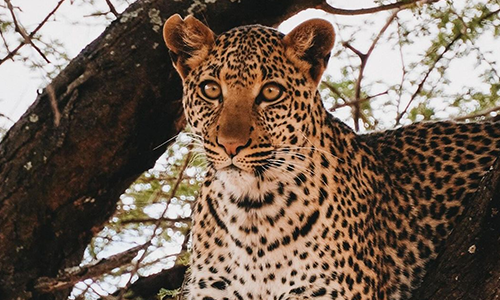
Can I Do A Tanzania Safari For Under $1,500 Per Person? 2026-2027
Can I Do a Tanzania Safari for Under $1,500 Per Person? is explained with current 2026-2027 planning, price, itinerary and booking information.
View package detailsNo closely related package is available yet for this topic.

Our Guest Reviews, Currently Feedback from Clients in 2026
Reviews from different sources, including Google Business, Tripadvisor, other platforms, and social media.



