
Tanzania safari packages for first time African safari travelers are structured wildlife itineraries centering on northern Tanzania’s premier reserves—principally the Serengeti, Ngorongoro Crater, and Tarangire National Park—offered as guided small-group joining tours or private custom safaris. For 2026-2027 travel, practical packages span 5 to 8 days, starting and ending in Arusha or Kilimanjaro International Airport (JRO). Pricing typically ranges between $1,850 and $3,200 per person for quality mid-range tented lodges and $3,800 to $7,500+ per person for luxury safari camps, including 4×4 transport, licensed driver-guide, conservation fees, and full-board lodging. The primary initial decision is choosing between a budget-conscious group departure or a tailored private vehicle tailored to your arrival dates and pace.

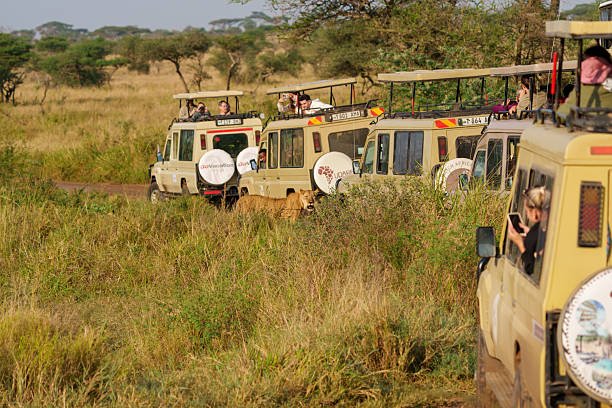
Why Tanzania’s Northern Circuit Is the Premier Entry Point for Beginners
Booking your first African safari can easily feel overwhelming. Between researching destinations across Southern and East Africa, navigating park fees, deciphering accommodation categories, and calculating internal flights, many travelers run into analysis paralysis. Tanzania repeatedly surfaces as the most reliable, visually diverse, and wildlife-dense country for an introductory safari—specifically its famed Northern Safari Circuit.
Unlike sprawling wildernesses where animals roam across vast, dense scrub requiring hours of tracking without a sighting, northern Tanzania delivers an extraordinarily high concentration of iconic species within compact, accessible geographical borders. The circuit features Tanzania National Parks (TANAPA) crown jewels: Serengeti National Park, Tarangire National Park, Lake Manyara National Park, and the UNESCO World Heritage-listed Ngorongoro Conservation Area.
First-time visitors benefit substantially from the infrastructure and proximity of these reserves. You can touch down at Kilimanjaro International Airport (JRO), spend your first evening unwinding at an Arusha hotel, and find yourself watching elephant herds browse among giant baobabs in Tarangire within a two-hour paved drive the following morning. The transition from modern international transit to untouched wilderness is rapid, minimizing downtime and logistical friction.
Another defining factor for beginners is the sheer predictability of sightings. While nature guarantees nothing, the Northern Circuit features resident predator densities that make seeing lions, cheetahs, and hyenas highly probable over a 5 to 7-day itinerary. The ecosystem supports all members of the classic African “Big Five” (lion, leopard, African elephant, Cape buffalo, and black rhinoceros), alongside towering giraffes, massive pods of hippos, and over 500 cataloged bird species. A well-designed Tanzania wildlife safari strips away uncertainty by staging game drives in environments where wildlife thrives year-round rather than depending solely on erratic seasonal migrations.
Realistic Cost Breakdown for 2026-2027 First-Time Safaris
Understanding where your money goes is essential when evaluating travel packages. Safari pricing is fundamentally distinct from typical resort holidays or European city tours. Behind every package quote sits a complex set of hard operational costs dictated by conservation authorities, vehicle maintenance, and bush logistics.
Every traveler entering a national park pays statutory government concession fees, daily conservation levies, and value-added tax (VAT). For example, entering the Serengeti involves daily conservation fees of around $70-$82 per adult (season dependent) plus VAT, while driving a safari vehicle into Ngorongoro Crater incurs an additional crater service fee of roughly $295 per vehicle per descent, alongside individual conservation fees. When your tour operator calculates a package, these non-negotiable statutory fees consume a substantial portion of the baseline price.
Tanzania Safari Price Expectations per Person (2026-2027 Estimates)
Costs reflect standard 5 to 7-day Northern Circuit itineraries based on two travelers sharing a room/tent. International flights and discretionary gratuities are not included.
| Safari Category | Accommodation Style | Typical Daily Rate (per person) | Estimated 6-Day Package Total | Best Suited For |
|---|---|---|---|---|
| Budget Camping | Public campsite, dome tent, shared bathroom, bush cook | $220 – $320 | $1,320 – $1,920 | Backpackers, young solo travelers, strict budget planners |
| Standard Mid-Range | Permanent safari camps, en-suite bathrooms, solar power | $380 – $550 | $2,280 – $3,300 | First-timers seeking comfort, value, couples, families |
| Upper Mid-Range / Premium | Luxury canvas tented lodges, wooden floors, bush dining | $580 – $850 | $3,480 – $5,100 | Honeymooners, wildlife photographers, refined comfort seekers |
| Luxury / Bespoke | Five-star eco-lodges, plunge pools, private guides, fly-in | $1,000 – $2,200+ | $6,000 – $13,200+ | High-end luxury travelers desiring exclusive concessions |
For most travelers planning their first safari in 2026 or 2027, the sweet spot lies within the mid-range bracket. Opting for Tanzania mid-range safari packages provides permanent en-suite canvas tents or masonry lodges with hot showers, flushing toilets, comfortable bedding, and three cooked meals daily without incurring the dizzying premiums of top-tier ultra-luxury properties.
Be cautious of ultra-cheap quotes advertised online that undercut standard pricing significantly. Invariably, extreme budget operators trim expenses by overcrowding seven or eight travelers into aging vehicles, rationing fuel (which limits your game drive radius), selecting poorly maintained public campsites with compromised sanitation, or cutting fair wages for drivers and field crew. Working with a registered local ground operator based directly in Arusha or Moshi ensures your investment funds quality mechanical preparation, ethical staff compensation, and responsive communication throughout your booking window.
The Core Beginner Parks: Tarangire, Ngorongoro Crater, and the Serengeti
A first-time traveler should avoid overcomplicating an itinerary by attempting to link distant corners of the country such as Ruaha, Selous (Nyerere), or Katavi during their initial week. The quintessential introductory journey is built on three pillars that showcase contrasting topography, habitats, and wildlife behaviors.
1. Tarangire National Park: The Sanctuary of Giants
Located roughly 120 kilometers southwest of Arusha, Tarangire is often your first taste of the African wild. The park is characterized by two defining visuals: hundreds of ancient, bulbous baobab trees that dominate the ridges, and the meandering Tarangire River, which acts as the sole permanent water source for surrounding wildlife during dry months.
For an introductory game drive, Tarangire delivers instant gratification. It holds one of the highest densities of African elephants on the continent; seeing family herds of 30 to 50 individuals bathing along riverbanks, digging for subterranean water, or browsing adjacent to your customized 4×4 Land Cruiser is an everyday occurrence. In addition to elephants, the park shelters large populations of zebra, wildebeest, giraffe, and predators including lions and leopards, all framed against an authentic savannah landscape.
2. Ngorongoro Crater: The Living Natural Enclosure
Descending 600 meters down the steep forested walls into the caldera of the Ngorongoro Conservation Area feels like entering an untouched prehistoric world. Spanning roughly 260 square kilometers, the caldera floor is an unbroken natural bowl harboring approximately 25,000 to 30,000 large mammals.
Because the rim forms a physical barrier, resident wildlife remains within the crater floor throughout the year. For first-time safari travelers, Ngorongoro provides the absolute highest probability of sighting the endangered black rhino, which grazes openly on the open grassland plains. The crater also supports exceptionally dense lion prides, towering bull elephants with colossal ivory tusks, spotted hyenas, and thousands of lesser flamingos feeding along the alkaline shores of Lake Magadi. Because of its intense wildlife concentration, a single 5 to 6-hour morning descent is generally sufficient to cover the crater floor before ascending toward the Serengeti.
3. Serengeti National Park: The Endless Ocean of Grass
No first-time African journey is complete without entering the Serengeti. Deriving its name from the Maasai word Siringit (“the place where the land runs on forever”), this vast protected ecosystem covers nearly 15,000 square kilometers.
The Serengeti is universally famous for hosting the Great Migration, where 1.5 million wildebeest, accompanied by zebras and gazelles, make an ongoing annual circuit following seasonal rainfall and fresh grazing. However, first-timers should understand that even if you miss the specific river crossings or calving cycles, the Serengeti is phenomenal year-round. The central Seronera Valley provides year-round resident predator viewing, where big cats use granite rock outcroppings, known as kopjes, as vantage points to hunt game. Staying inside the park in a classic tented camp gives you the authentic wilderness immersion that hotel-based travel simply cannot replicate.
Private Safaris vs. Group Joining Tours: Evaluating the Trade-Offs
One of the earliest structural choices you must resolve when booking a package is deciding whether to book an exclusive, private Land Cruiser or join a scheduled small-group departure. Both formats carry distinct logistical and financial implications.
Key Comparison: Private vs. Group Joining Safaris
- Cost Structure: A Tanzania group joining safari allows solo travelers and couples to split fixed vehicle and fuel expenses across 4 to 6 people, drastically reducing the baseline per-person price. Conversely, private safaris place vehicle hire costs entirely on your party.
- Schedule Flexibility: In a private vehicle, you command the clock. If you prefer to set out at 06:00 AM with a packed breakfast to witness dawn predator hunts, or wish to linger for an hour documenting a solitary leopard descending a tree, your driver caters exclusively to your wishes. On group tours, departure times, toilet breaks, and wildlife observation intervals are governed by consensus.
- Window Seat Guarantees: Reputable operators cap group sizes at 6 guests inside an extended 7-seat Land Cruiser so every passenger secures an unobstructed pop-up roof and window seat. Always confirm this detail before booking any group itinerary.
- Dynamic and Compatibility: Group joining safaris bring together international travelers from varying backgrounds, which often creates wonderful camaraderie. However, differing travel expectations—such as one traveler wanting birdwatching while another seeks high-speed predator tracking—can occasionally cause friction.
For couples celebrating a honeymoon or anniversary, families with young children, or avid amateur photographers requiring space for long telephoto lenses, booking a private vehicle with an expert guide is well worth the incremental expense. For solo travelers seeking to avoid punishing single vehicle supplements, group departures offer an unbeatable balance of safety, community, and economy.
Optimal Safari Duration and Pacing: Why More Days Do Not Always Mean More Animals
A widespread mistake made by beginners is attempting to cram too many remote parks into a compressed timeframe. Many travelers assume that spending 10 days on rough tracks, shifting lodges every single afternoon, produces a superior safari experience. In reality, bush fatigue is real.
Safari game drives involve spending 6 to 9 hours inside a 4×4 traversing unpaved, corrugated, and dusty tracks—affectionately termed the “African massage.” Packing up your luggage every morning, checking out of lodges, and undertaking long transit journeys across park gates can quickly deplete your energy, transforming an exciting adventure into an exhausting endurance test.
For first-time visitors, the optimal safari sweet spot is 6 to 7 days on the road. A thoughtfully balanced 6-day itinerary follows a logical progression:
- Day 1: Arusha to Tarangire National Park (afternoon game drive, stay near park border).
- Day 2: Tarangire to Central Serengeti via the Ngorongoro Conservation Area highlands (scenic transit game drive).
- Day 3: Central Serengeti (full day tracking resident predators along the Seronera River network).
- Day 4: Central Serengeti to Ngorongoro Crater Rim (morning game drive, afternoon ascent to Karatu or rim lodge).
- Day 5: Ngorongoro Crater floor exploration (early descent, 5-hour game drive, afternoon drive to Lake Manyara region).
- Day 6: Morning cultural walk or Lake Manyara game drive, followed by transit back to Arusha or JRO airport for onward departure.
This pacing ensures you spend at least two consecutive nights in the Serengeti, allowing your guide the time and geographic scope required to locate elusive nocturnal predators, track lions, and experience both dawn and dusk light cycles without feeling pressured to reach the next distant lodge before nightfall.
Check Availability for Tanzania Safari Packages For First Time African Travelers ( Planning Guide)
Ready to compare dates, prices, and the best option for your group? Send the package name and travel month so the team can reply with a clear quote, availability, and what is included.

Best Tanzania Safari Tour Packages For International Travelers ( Planning
A comprehensive comparison of the best Tanzania safari tour packages for international travelers heading to East Africa in 2026-2027, covering logistics, package types, realistic budgets...
View package details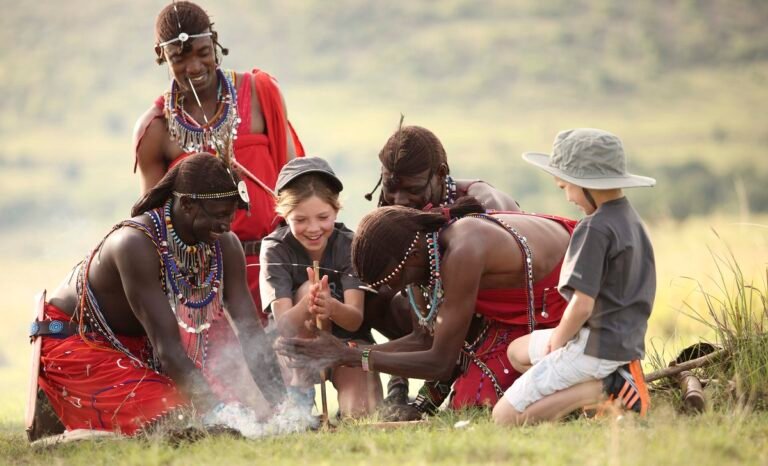
Tanzania Safari Tours For Solo Travelers In December 2026-2027
Tanzania Safari Tours for Solo Travelers in December 2026 is explained with current 2026-2027 planning, price, itinerary and booking information.
View package details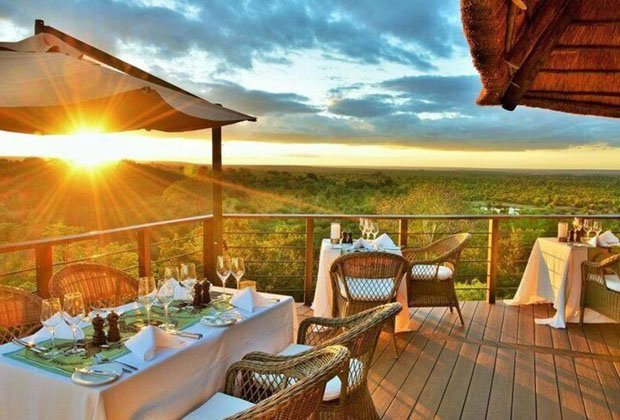
Tanzania Safari Holiday Deals For Couples And Solo Travelers 2026-2027
Tanzania Safari Holiday Deals for Couples and Solo Travelers is explained with current 2026-2027 planning, price, itinerary and booking information.
View package details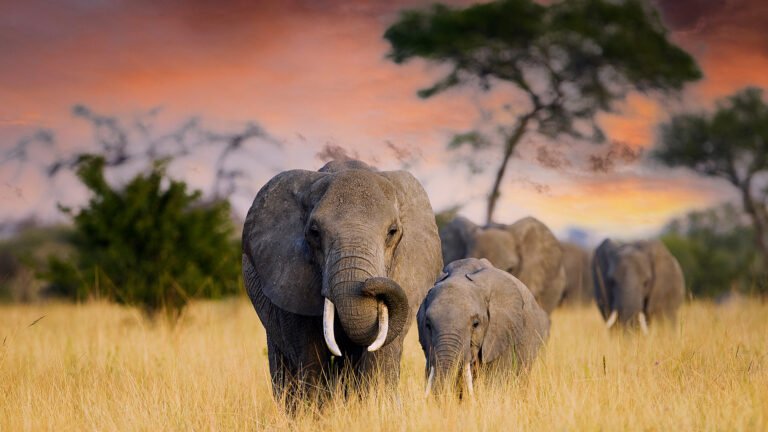
Tanzania Safari Packages For Elderly Travelers With Comfortable Lodges ()
A comprehensive practical planning guide for senior and elderly travelers seeking comfortable, slow-paced Tanzania wildlife safaris paired with step-free, high-comfort lodges across...
View package details
Tanzania Safari Packages For Solo Travelers Without Expensive Single
A comprehensive practical guide to booking Tanzania safari packages for solo travelers without paying punitive single supplements, covering group departures, room-share models, private...
View package details
Best Tanzania Safari Tours With Custom Travel Itineraries 2026-2027
Best Tanzania Safari Tours with Custom Travel Itineraries is explained with current 2026-2027 planning, price, itinerary and booking information.
View package details
Tanzania Safari Packages Including Serengeti Tarangire And Ngorongoro
Tanzania Safari Packages Including Serengeti Tarangire and Ngorongoro is explained with current 2026-2027 planning, price, itinerary and booking information.
View package detailsBest Tanzania Safari Packages For And 2028 2026-2027
Best Tanzania Safari Packages for 2027 and 2028 is explained with current 2026-2027 planning, price, itinerary and booking information.
View package detailsTanzania Safari Group Joining Departures In February 2026-2027
Tanzania Safari Group Joining Departures in February 2027 is explained with current 2026-2027 planning, price, itinerary and booking information.
View package details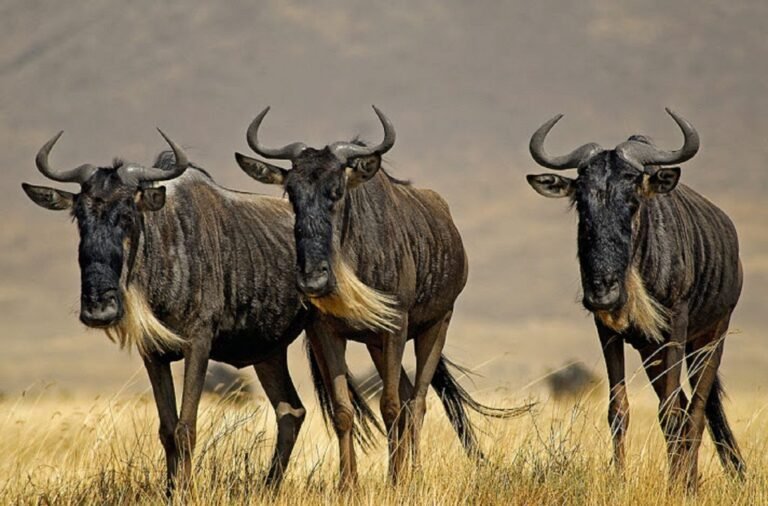
Can Solo Travelers Join A 3 Day Serengeti Safari? 2026-2027
Can Solo Travelers Join a 3 Day Serengeti Safari? is explained with current 2026-2027 planning, price, itinerary and booking information.
View package details
How Do I Join A Tanzania Safari Group From Arusha? 2026-2027
How Do I Join a Tanzania Safari Group from Arusha? is explained with current 2026-2027 planning, price, itinerary and booking information.
View package details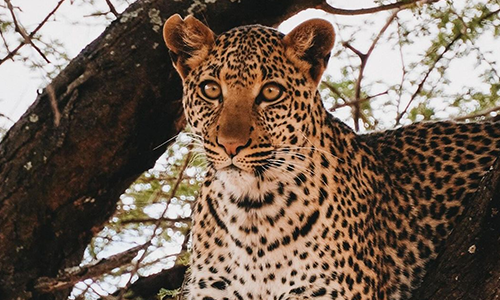
Can I Do A Tanzania Safari For Under $1,500 Per Person? 2026-2027
Can I Do a Tanzania Safari for Under $1,500 Per Person? is explained with current 2026-2027 planning, price, itinerary and booking information.
View package detailsNo closely related package is available yet for this topic.

Our Guest Reviews, Currently Feedback from Clients in 2026
Reviews from different sources, including Google Business, Tripadvisor, other platforms, and social media.



