
Tanzania safari packages for solo travelers without expensive single supplements operate primarily through two models: scheduled small-group joining departures where vehicle, fuel, and guide fees are split evenly among 4 to 6 guests, and safari lodges or tented camps that waive the standard 30% to 50% single room surcharge during specific shoulder-season months or through matched-gender room pairing. For 2026-2027, solo explorers departing from Arusha or Moshi can bypass single penalties entirely on classic 3-day to 7-day Northern Circuit routes across Tarangire, Ngorongoro Crater, and the Serengeti by selecting guaranteed seat-in-car group departures, keeping daily expenditures between $200 and $450 per day for budget-to-mid-range shared operations instead of paying upwards of $700 to $1,200 per day for an under-occupied private 4×4 safari cruiser.
Why Single Supplements Exist in East Africa and How to Eliminate Them
The single supplement is not a punitive fee invented to penalize independent travelers; it is an unavoidable consequence of basic hospitality arithmetic and fixed transport logistics. In mainland Tanzania, a custom safari vehicle—almost universally an extended, custom-built 4×4 Toyota Land Cruiser with a pop-up roof—incurs a fixed daily operating expense. Whether that vehicle carries one passenger or six passengers, the daily commercial vehicle park entry fees, fuel consumption across rough volcanic tracks, driver-guide wage, Tanzanian tourism vehicle licensing, and transit permits remain identical. When an independent traveler books a private trip, they shoulder 100% of that vehicle and crew overhead alone.
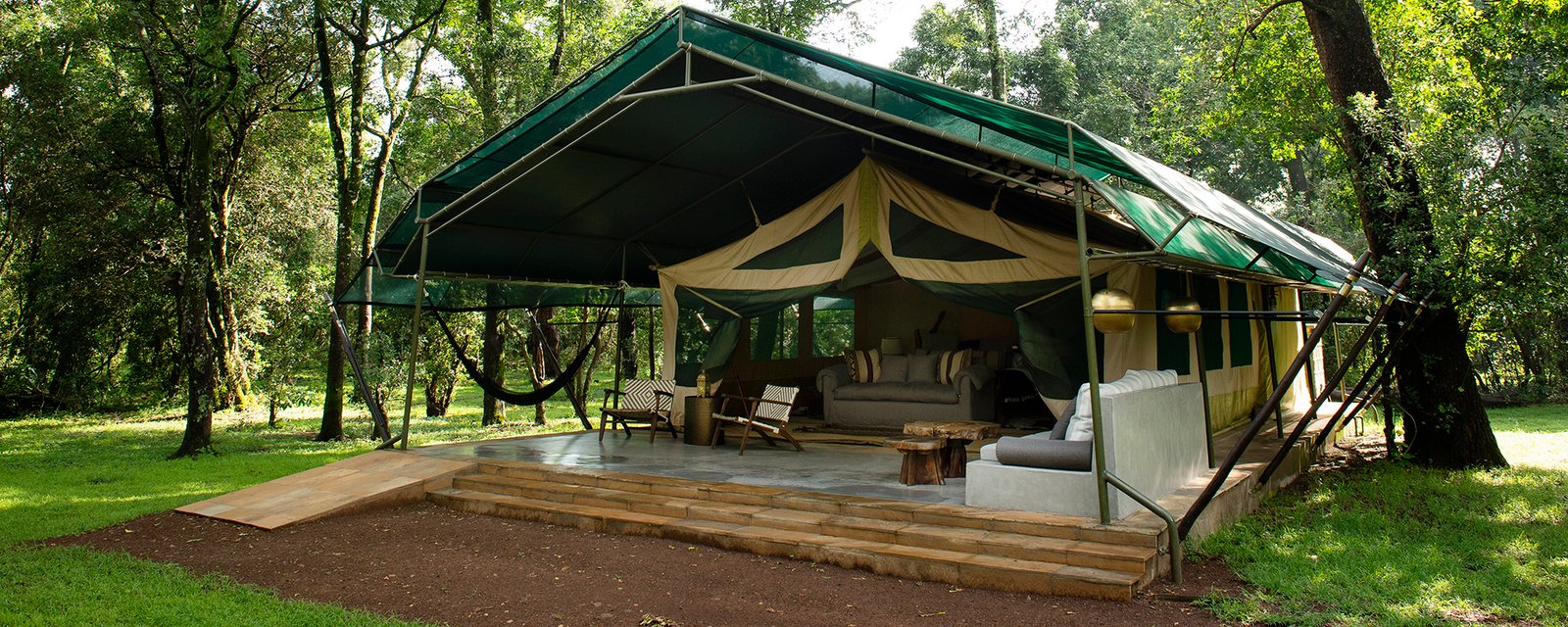
Accommodation providers face a parallel commercial reality. Remote bush camps and permanent safari lodges in protected ecosystems like the Serengeti or Ngorongoro Conservation Area run on tight operational margins driven by off-grid solar power generation, reverse osmosis water purification, diesel generator backups, and long supply runs from Arusha. Most guest rooms or luxury canvas walk-in tents are configured with twin or king beds calculated on double occupancy (two paying guests per room). When one solo guest occupies a twin-bedded tent, the property earns only half its projected food, beverage, and bed-night yield while expending identical housekeeping, laundry, hot-water heating, and host staffing resources. To recover that missed yield, wilderness properties routinely levy a single room supplement of 25% to 50% over the standard per-person-sharing rate.
Eliminating or radically softening this expense requires working within the supply chain rather than fighting it. You either dilute the transport overhead by purchasing a single seat in an organized Tanzania group joining safari with daily departures, or you exploit operational windows where lodges contractually drop their single room charges to keep occupancies stable. Understanding which mechanism applies to your comfort standard is the difference between overpaying by thousands of dollars or securing an exceptional, budget-smart bush experience.
Small-Group Joining Safari vs. Solo Private Booking: The Cost Math
Solo travelers frequently underestimate just how severe the price gulf is between private charters and shared vehicle bookings. The following comparison illustrates a typical 5-day Northern Circuit itinerary visiting Tarangire, Central Serengeti, and Ngorongoro Crater, illustrating why group joining configurations are the bedrock of Tanzania safaris for solo travelers looking to avoid excessive out-of-pocket overhead.
The Solo Cost Reality Check: Booking a private 4×4 Land Cruiser for 5 days as a lone traveler costs between $2,600 and $4,800 depending on accommodation tier, primarily because you fund the $200–$350 daily vehicle and guide cost alone, plus the full Ngorongoro Crater vehicle descent fee ($295 per descent). In contrast, booking an open-seat slot within an active group joining departure reduces your transport share to roughly $45 to $70 per day, immediately knocking 40% to 60% off your total invoice without changing a single park gate or wildlife viewing hour.
When you book private transport, you maintain absolute control over the game drive tempo, morning departure hours, and biological break timing. However, unless you specifically require dedicated photo equipment setups—such as beanbags mounted on three distinct window positions simultaneously—the financial penalty of private travel rarely makes sense for independent travelers managing a finite vacation budget. By pairing with compatible travelers, you redirect financial capital toward higher-quality accommodation, optional activities like an Olduvai Gorge visit, or extending your holiday along the Swahili Coast without paying a single dollar in dead-weight transport penalty.
Operational Tactics: How Operators Waive or Absorb Single Fees for 2026-2027
Securing a safari that respects an independent traveler’s wallet requires leveraging four proven booking maneuvers that local outfitters use to eliminate or neutralize extra charges across the 2026-2027 travel seasons:
- The Guaranteed Open-Departure Seat Share: Rather than requesting a bespoke private package, solo explorers secure an existing seat on a published departure. Local operators like TOP GUIDE ADVENTURES run continuous vehicle rotations departing from Moshi and Arusha. In this structure, vehicle costs, conservation entrance permits for crew, and transit levies are pooled among the occupants, reducing transport overhead to standard shared rates.
- Willingness-to-Share Room Matching: For travelers willing to share twin-bedded rooms or dome tents with a guest of the same gender, the single room supplement drops to zero. If the tour operator fails to find a room match before departure, reputable operators absorb the difference rather than passing down an eleventh-hour surcharge to the solo traveler.
- Shoulder-Month Zero-Supplement Lodge Contracts: Many mid-range tented camps in the Serengeti and Karatu completely waive single supplements during low and shoulder seasons—specifically November, late March, April, May, and early June. Operators holding direct B2B ground contracts secure standard double-occupancy per-person pricing for solo guests occupying full private chalets during these calendar windows.
- Budget Public Campsite Routings: On basic camping safaris, national park public campsites run by the Tanzania National Parks Authority (TANAPA) charge camping fees per person, not per tent space. As a result, solo travelers can be issued their own private two-person canvas dome tent with foam mattress and sleeping bag at virtually zero supplemental fee beyond a negligible equipment allocation.
By determining which of these four operational paths fits your tolerance for shared personal space, you can tailor your booking approach so you never subsidize empty vehicle seats or vacant hotel pillows.
Can I Join a Group Tour and Still Have My Own Private Room?
A widespread misconception among solo travelers is that choosing a group joining safari automatically forces you into shared sleeping quarters with a stranger. That is categorically untrue. The vast majority of mature solo adventurers choose what industry planners call a “shared vehicle, private room” hybrid package.
In this operational model, you spend your game drives inside a shared 6-passenger, window-guaranteed Land Cruiser alongside international companions, benefiting from shared fuel and guiding fees. However, upon arriving at your mid-range tented camp in the Central Serengeti or your lodge in Karatu, you are handed the key to your own private en-suite room. For full details on how this is structured across different itineraries, review our operational guide on joining a safari group without sharing a hotel room.
The cost dynamic for this hybrid solution is straightforward. Because you are already saving substantially on vehicle, guide, and fuel overhead through the group format, the small remaining single room fee charged by the lodge—often just $35 to $75 per night in quality mid-range tented lodges—represents an exceptionally modest surcharge rather than an insurmountable expense. You retain complete privacy, personal charging outlets for cameras and phones, private bathroom facilities, and restful sleep, while enjoying the social camaraderie and discounted transit economics of the group vehicle.
Northern Circuit Solo Safari Package Cost Breakdown (2026-2027 Baseline)
To help you budget accurately for the 2026-2027 travel window, the table below outlines realistic, transparent market cost baselines for solo travelers across standard Northern Tanzania circuits. These figures represent genuine operational pricing for shared vehicle arrangements, highlighting where single supplements apply or are fully bypassed.
| Safari Format & Duration | Accommodation Standard | Vehicle Setup | Single Supplement Status | Estimated Total Cost (USD) |
|---|---|---|---|---|
| 3-Day Classic Tarangire & Ngorongoro | Public Camping (Dome Tents) | Shared 4×4 (Max 6) | $0 (Free Private Tent) | $650 – $850 |
| 3-Day Tarangire & Ngorongoro | Mid-Range En-Suite Lodges | Shared 4×4 (Max 6) | Waived or $40–$70/night | $1,050 – $1,350 |
| 4-Day Tarangire, Manyara & Ngorongoro | Budget Tented Camps | Shared 4×4 (Max 6) | Optional share or $35/night | $1,100 – $1,450 |
| 5-Day Serengeti & Ngorongoro Crater | Mid-Range Permanent Tents | Shared 4×4 (Max 6) | Waived (Shoulder) / $50/nt | $1,650 – $2,250 |
| 6-Day Northern Circuit Migration Route | Mid-to-Upper Tented Lodges | Shared 4×4 (Max 6) | Low/Zero in Green Season | $2,100 – $2,850 |
| 5-Day Solo Private Safari (Baseline Comparison) | Mid-Range Permanent Tents | Private 4×4 (1 Guest) | Full Solo Overhead Applied | $3,200 – $4,600 |
Notice that on basic camping itineraries, the single supplement is practically nonexistent because individual dome tents carry minimal overhead. On mid-range lodge packages, checking our published Tanzania safari group departures table enables you to join fixed-date movements where group buying power keeps room supplement markups at the lowest possible tier.
Optimal Northern Circuit Routes for Supplement-Free Solo Travel
Not all national parks and game reserves in Tanzania lend themselves equally to supplement-free solo travel. The vast Southern Circuit (Ruaha National Park and Nyerere National Park) features magnificent untamed wilderness, but scheduled group departures there are sparse, forcing solo visitors into expensive fly-in packages or pricey private vehicle charters. For independent travelers prioritizing value, the Northern Circuit remains the undisputed gold standard.
1. The Core 4-Day or 5-Day Serengeti & Ngorongoro Crater Loop
This is the workhorse itinerary of Tanzanian tourism. Because hundreds of travelers arrive weekly in Arusha and Moshi seeking access to the Great Migration and the Big Five, small-group joining departures run on a near-daily schedule year-round. This continuous operational volume means you never face vehicle charter minimums. You can compare route timings on our best 4-day Tanzania wildlife safari from Moshi or review multi-day combinations across our Serengeti & Ngorongoro safari packages.
2. The Short 2-Day Tarangire and Ngorongoro Escarpment Run
For travelers combining a wildlife trip with a Mount Kilimanjaro summit climb or a brief transit through Arusha, short 2-day shared circuits offer maximum wildlife density per dollar spent. With morning pickups from local Moshi or Arusha hotels, single guests can jump right into our 2-day Tarangire and Ngorongoro Crater safari or the adventurous 2-day group joining safari with camping, both of which bypass single penalty structures entirely.
3. The Extended 7-Day Complete Northern Safari
Covering Tarangire’s elephant herds, Lake Manyara’s alkaline shores, multiple days traversing the expansive plains of the Central and Northern Serengeti, and descending the steep walls of Ngorongoro Crater, the 7-day circuit delivers the complete wilderness picture. Solo travelers who take this route through shared group departures save an average of $1,800 to $2,500 compared to private safari equivalents, freeing substantial resources for extra adventures or flights down to the spice island of Zanzibar.
Seasonal Windows: When Safari Lodges Drop the Single Room Surcharge
Your calendar choice exerts an immense influence on whether you will encounter room supplements. Tanzania’s safari calendar divides into distinct seasons, each dictating how aggressive lodges are with their single occupant policies.
Seasonal Single-Supplement Index for 2026-2027
- Peak Season (July – October & Mid-December – January): Maximum international tourist volume. Lodges run at near 100% capacity. Most properties strictly enforce a 30% to 50% single room supplement because giving a room to one guest directly turns away two paying guests. Solo travelers must rely on group joining vehicles and shared room pairing, or budget camping options, to avoid these fees.
- Green Season / Long Rains (April – May): The most advantageous window for luxury-minded solo travelers. High-end and mid-range permanent tented lodges across the Serengeti and Karatu routinely drop single room supplements completely to incentivize bookings. The landscape is lush, tourist density is at its annual low, predator action is exceptional, and single travelers often enjoy private luxury rooms at standard sharing rates.
- Shoulder Season (November to Mid-December & Late January to March): Calving season in the Southern Serengeti occurs between late January and March. While migration areas stay active, broader circuit lodges frequently offer zero single supplement promotions or reduce room surcharges down to a nominal $20–$35 per night.
Planning your trip for late March or early November can cut your overall safari quote by several hundred dollars while still delivering first-class wildlife viewing across the savannah.
Check Availability for Tanzania Safari Packages For Solo Travelers Without Expensive Single
Ready to compare dates, prices, and the best option for your group? Send the package name and travel month so the team can reply with a clear quote, availability, and what is included.
Tanzania Safari Packages For Elderly Travelers With Comfortable Lodges ()
A comprehensive practical planning guide for senior and elderly travelers seeking comfortable, slow-paced Tanzania wildlife safaris paired with step-free, high-comfort lodges across...
View package details
Tanzania Safari Packages With Private Guides And Vehicles 2026-2027
Tanzania Safari Packages with Private Guides and Vehicles is explained with current 2026-2027 planning, price, itinerary and booking information.
View package details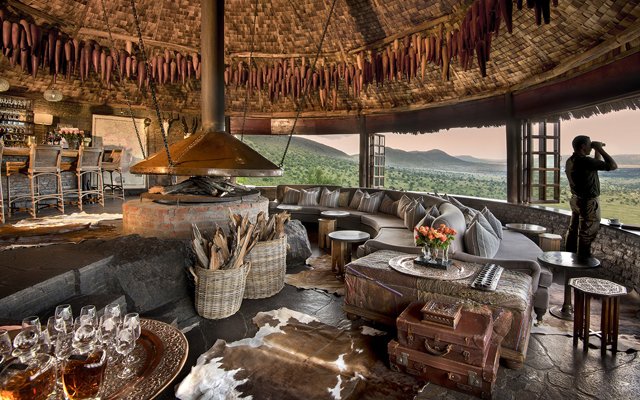
Top Rated Tanzania Safari Tours And Travel Packages 2026-2027
Top Rated Tanzania Safari Tours and Travel Packages is explained with current 2026-2027 planning, price, itinerary and booking information.
View package details
Tanzania Safari Holiday Packages For Couples And Families 2026-2027
Tanzania Safari Holiday Packages for Couples and Families is explained with current 2026-2027 planning, price, itinerary and booking information.
View package details
Best Tanzania Safari Tours With All Inclusive Packages 2026-2027
Best Tanzania Safari Tours with All Inclusive Packages is explained with current 2026-2027 planning, price, itinerary and booking information.
View package details
Tanzania Safari Packages With Serengeti And Ngorongoro Crater 2026-2027
Tanzania Safari Packages with Serengeti and Ngorongoro Crater is explained with current 2026-2027 planning, price, itinerary and booking information.
View package details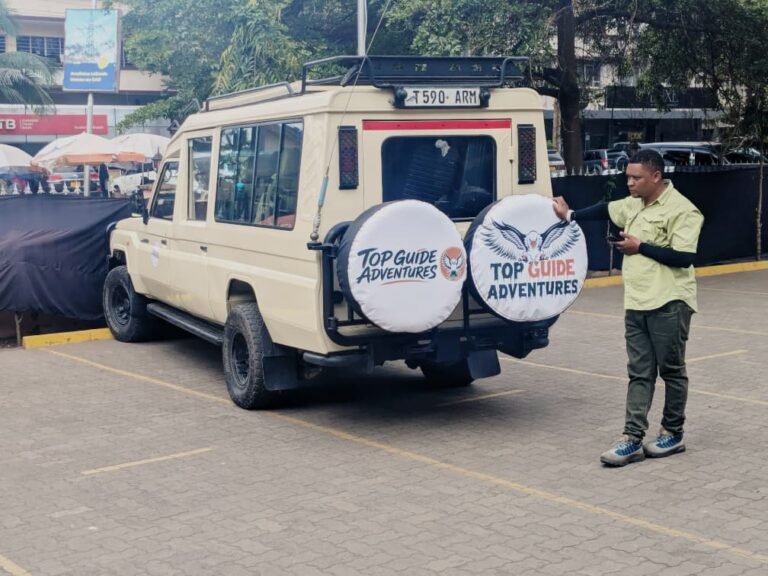
Affordable Tanzania Safari Packages With Local Tour Operators 2026-2027
Affordable Tanzania Safari Packages with Local Tour Operators is explained with current 2026-2027 planning, price, itinerary and booking information.
View package details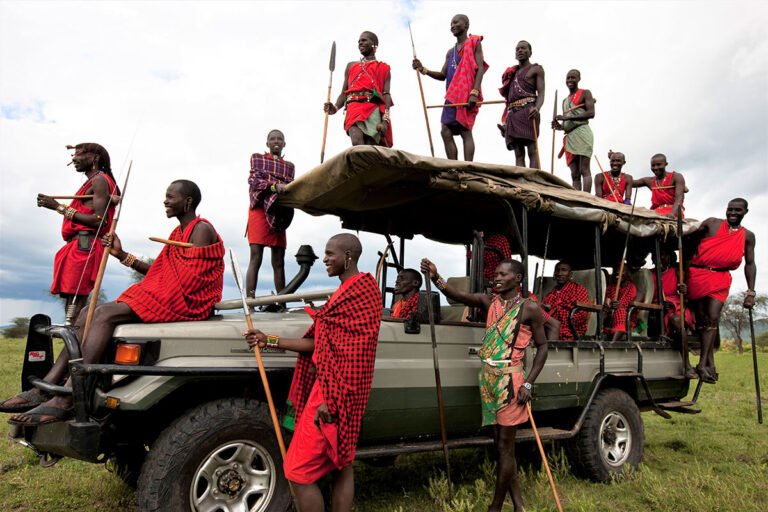
Tanzania Safari Tours And Holiday Packages With Prices 2026-2027
Tanzania Safari Tours and Holiday Packages with Prices is explained with current 2026-2027 planning, price, itinerary and booking information.
View package details
Tanzania Safari Group Joining Departures In January 2026-2027
Tanzania Safari Group Joining Departures in January 2027 is explained with current 2026-2027 planning, price, itinerary and booking information.
View package detailsTanzania Safari Group Joining Tours For Couples And Friends 2026-2027
Tanzania Safari Group Joining Tours for Couples and Friends is explained with current 2026-2027 planning, price, itinerary and booking information.
View package details
How Much Can I Save By Joining A Group Safari In Tanzania? 2026-2027
How Much Can I Save by Joining a Group Safari in Tanzania? is explained with current 2026-2027 planning, price, itinerary and booking information.
View package details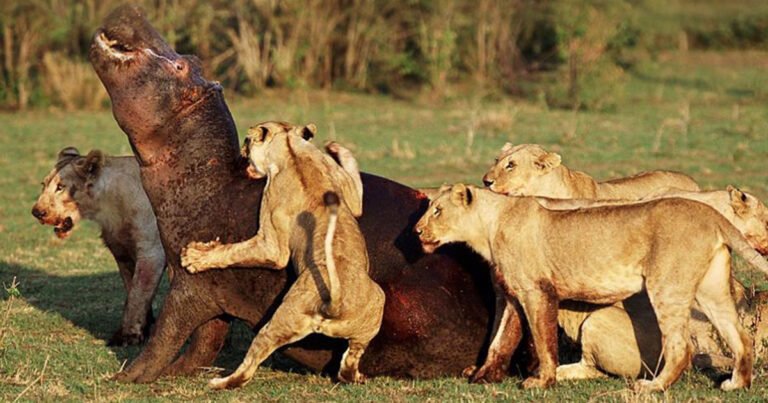
Tanzania Group Joining Safari Tours With Airport Pickup 2026-2027
Tanzania Group Joining Safari Tours with Airport Pickup is explained with current 2026-2027 planning, price, itinerary and booking information.
View package detailsNo closely related package is available yet for this topic.

Our Guest Reviews, Currently Feedback from Clients in 2026
Reviews from different sources, including Google Business, Tripadvisor, other platforms, and social media.



