
The best 2 day Tanzania safari tours from Moshi are short-format, overnight wildlife itineraries that pair Tarangire National Park with the Ngorongoro Crater or combine Lake Manyara with Ngorongoro, costing between $380 and $550 per person for budget camping group-joining trips and $650 to $1,150 per person for private mid-range lodge safaris in 2026-2027. Departing directly from Moshi at 06:00, these tours spend day one exploring the massive elephant herds of Tarangire, overnight on the Karatu rim corridor, and devote day two to a full morning descent into the Ngorongoro Crater for endangered black rhino and lion sightings before returning to Moshi or Kilimanjaro International Airport (JIA) by early evening.
2026-2027 Price Breakdown: Budget Group Sharing vs Private Lodges
Booking a short overnight safari from Moshi requires an understanding of how statutory fees and fixed logistical overhead interact with passenger numbers. A 2-day safari covers significant ground, requiring roughly 600 kilometers of driving across paved arterial highways and unpaved national park tracks. The vehicle fuel consumption, professional guide fees, commercial vehicle entrance permits, and park transit taxes remain constant regardless of whether one traveler or six travelers sit inside the custom 4×4 Toyota Land Cruiser.
For planning budgets in 2026 and 2027, rates fall into three clearly demarcated tiers based on the level of comfort, privacy, and camp or lodge selection. Reviewing the Tanzania safari cost breakdown including park fees and accommodation reveals that government taxes and conservation fees account for more than 40 percent of total retail trip outlays.
| Safari Format | Overnight Accommodation Style | Estimated Rate (Per Person, 2026-2027) | Vehicle & Crew Setup | Best Suited For |
|---|---|---|---|---|
| Budget Group Joining | Public Campsite (Kizumba / Fig Tree), dome tents, sleeping pads | $380 – $480 | Shared pop-up roof 4×4 Land Cruiser (4–6 guests), driver-guide + safari cook | Solo travelers, backpackers, post-Kilimanjaro trekkers on tight budgets |
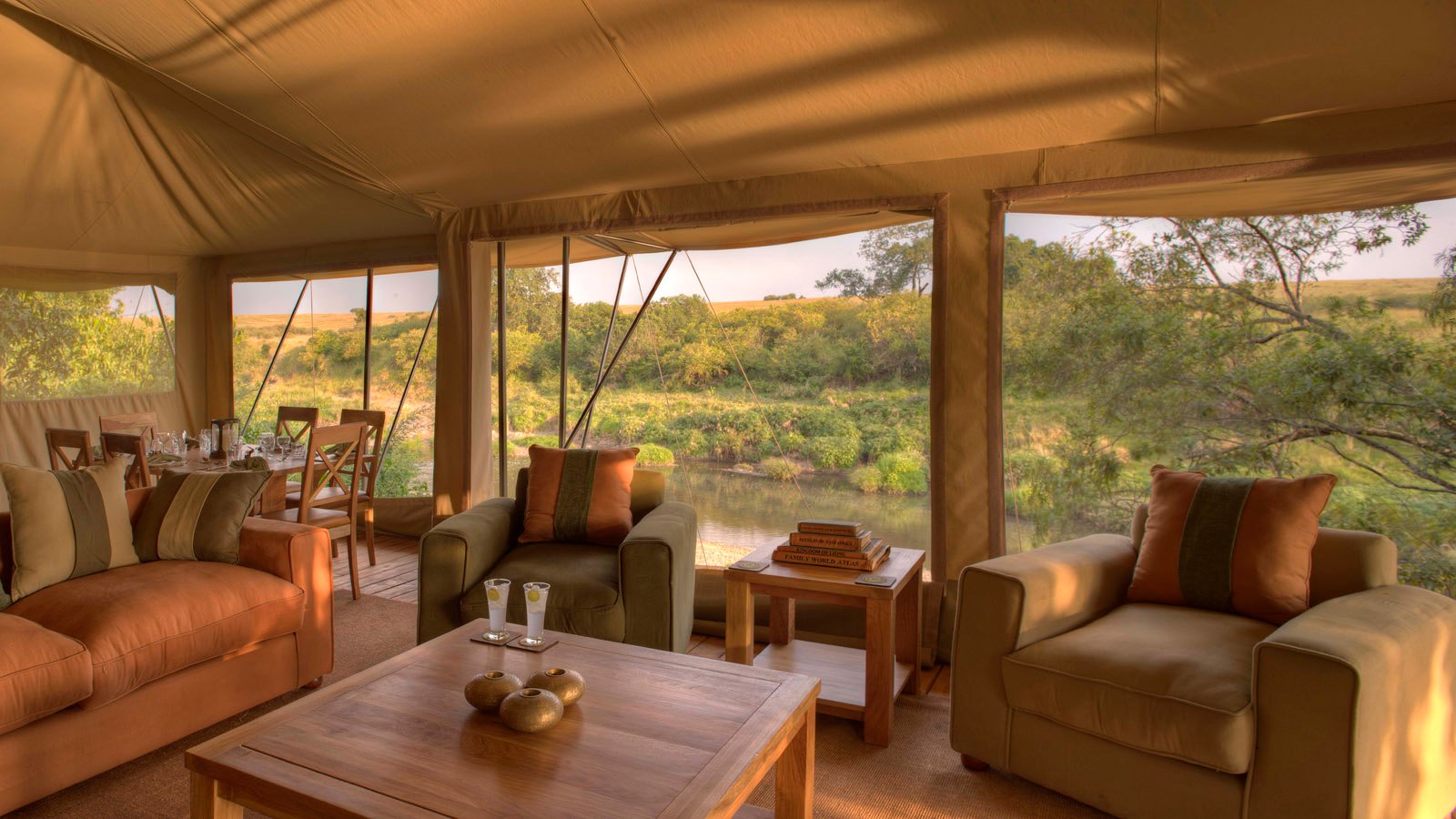
| Mid-Range Private (2 Guests) | Standard Safari Lodge / Tented Camp (Eileen’s Trees, Marera Valley, Bougainvillea) | $720 – $890 | Exclusive private Land Cruiser, professional English-speaking guide | Couples, honeymooners, photographers wanting flexible pacing |
| Mid-Range Private (4 Guests) | Standard Safari Lodge / Tented Camp (Karatu corridor) | $560 – $680 | Exclusive private Land Cruiser, private driver-guide | Small families, travel companions splitting fixed vehicle and guide costs |
| Luxury Private (2 Guests) | Premium Crater Rim / Luxury Escarpment (Ngorongoro Serena, Kitela Lodge) | $1,100 – $1,450 | Exclusive premium Land Cruiser, top-tier senior wildlife naturalist | Discerning travelers prioritizing prime locations, plunge pools, and fine dining |
When booking, travelers often wonder are Tanzania safari prices cheaper when booking with local operators directly in Moshi versus international clearing agencies. Booking locally with TOP GUIDE ADVENTURES eliminates intermediary broker markups, guarantees that the assigned vehicle is mechanically vetted for the steep descent road down the Ngorongoro Crater wall, and ensures immediate pickup from your hotel in Moshi without transfer coordination mishaps.
A critical factor influencing your final quote is whether the package is quoted on a shared basis or calculated per vehicle. For an exhaustive understanding of these operational pricing mechanisms, consult our guide on whether Tanzania safari prices are per person or per vehicle. Joining an existing departure through a best 2 day Tanzania budget group joining safari from Moshi drastically lowers per-head vehicle charter expenses, making an overnight wildlife experience accessible even on a restricted post-trek allowance.
Moshi Departure Logistics: Drive Times, Highway Constraints, and Gate Routines
Moshi sits at the foot of Mount Kilimanjaro, roughly 80 kilometers east of Arusha city. This geographic reality dictates the schedule of any 2-day northern circuit safari. While tour companies located in Arusha enjoy a two-hour head start toward the national parks, leaving from Moshi requires disciplined adherence to early departure routines. The standard departure occurs strictly at 06:00 AM from your Moshi accommodation.
The journey unfolds along the paved A23 highway connecting Moshi to Arusha, crossing the Sanya Plains and rounding the southern skirt of Mount Meru. Morning commuter congestion around the Usa River junction and Arusha bypass can introduce delays if departure slips past 06:15 AM. Once past Arusha, safari vehicles join the Dodoma/Great North Road (A104) before branching west toward Makuyuni onto the B144 highway leading toward Tarangire and the Lake Manyara basin.
Transit Milestones & Drive Time Realities
- Moshi Town to Arusha City Center: 78 km | 1 hour 45 minutes on asphalt under strict 50 km/h speed camera enforcement.
- Arusha to Tarangire National Park Main Gate: 120 km | 2 hours 15 minutes of steady transit through Maasai plains.
- Total Outbound Morning Transit: Approximately 4 hours from your Moshi doorstep to the start of wildlife viewing in Tarangire.
- Gate Processing Procedures: Electronic card permits must be validated against Tanzanian National Parks Authority (TANAPA) databases at the gate, which requires passport verification details submitted during booking.
- Return Drive from Ngorongoro: The transit from the Ngorongoro Conservation Area descent floor back to Moshi covers approximately 230 km, requiring roughly 4.5 to 5 hours of total road time.
Because road transport authorities in Tanzania actively deploy radar cameras through every populated ribbon settlement, our guides never speed to recover lost time. Punctuality at your Moshi hotel is vital. A delay of 45 minutes in the morning compounds into missed mid-day game drive hours when animals seek deep shade away from watercourses.
Classic 2-Day Route: Tarangire National Park and Ngorongoro Crater Itinerary
The definitive benchmark for a 48-hour expedition starting in Moshi is the Tarangire-Ngorongoro circuit. This pairing balances vastly different ecosystems: the open savannah, granite kopjes, and baobab-studded river valleys of Tarangire on Day 1, followed by the enclosed, hyper-concentrated volcanic caldera of Ngorongoro on Day 2.
Day 1: Moshi to Tarangire National Park – Kingdom of Giants
Departure is prompt at 06:00 AM from your hotel in Moshi. Your private or shared 4×4 Land Cruiser navigates the morning highway toward Tarangire, arriving at the park gate around 10:00 to 10:15 AM. While your driver-guide validates park permits, you can stretch your legs and use the clean visitor facilities.
As the vehicle clears the gate, the roof hatches are lifted. Tarangire immediately presents its iconic landscape: towering centuries-old baobab trees dwarfing acacia scrubland. The lifeblood of this ecosystem is the Tarangire River, which cuts through the length of the park. Even during dry spells, this permanent water source draws thousands of migratory mammals from across the Maasai Steppe.
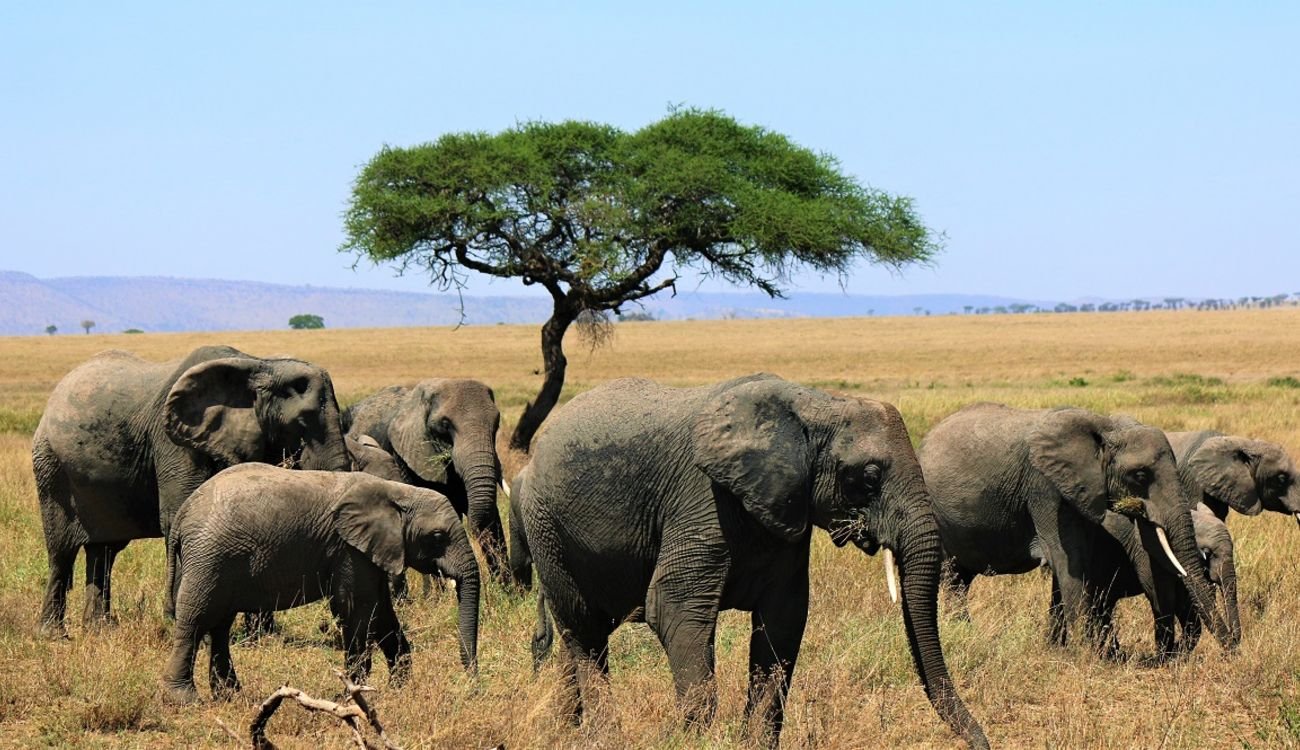
Game viewing focuses along the main river loop and the Silale Swamp networks. Tarangire holds one of the highest densities of African elephants on earth. Herds numbering 40 to 100 individuals are routinely observed excavating dry riverbeds for underground springs, stripping bark from baobab trunks, and swimming through marshland channels. Beyond elephants, Tarangire is prime habitat for fringe-eared oryx, lesser kudu, giraffe herds, African buffalo, olive baboons, and apex predators including tree-climbing lions and leopards draped across sausage tree branches.
At roughly 13:00, the guide selects an elevated, designated picnic overlook such as the Matete site, offering sweeping vistas across the riverbed where zebras and impalas gather. Your crew provides packed hot lunches or boxed assortments alongside chilled drinking water. Game viewing continues through the afternoon across the Gursi plains until 16:00, at which point the vehicle exits the park and ascends the Great Rift Valley escarpment into the agricultural town of Karatu for dinner and overnight rest.
Day 2: The Ngorongoro Crater Floor – Big Five Concentration to Moshi
Day 2 demands an early start with breakfast served at 05:30 AM to reach the Ngorongoro Conservation Area Lodware Gate by 06:15 AM. Ascending through montane rainforest, the road skirts the outer ridge of the volcanic rim, enveloped in morning mist. From the viewpoint at 2,200 meters above sea level, the caldera floor sprawls 600 meters below in pristine volcanic isolation.
The descent road is a steep, single-track unpaved incline through dense highland vegetation. Once reaching the flat 260-square-kilometer crater floor, you enter a self-contained wildlife amphitheater supporting over 25,000 large mammals. The crater floor offers the highest statistical probability in East Africa of viewing the complete Big Five (lion, leopard, elephant, buffalo, and black rhino) in a single six-hour window.
Game tracks crisscross the open soda lake (Lake Magadi), where thousands of lesser and greater flamingos tint the shoreline pink. The vehicle explores the Lerai Forest, a yellow-barked acacia woodland favored by massive old “tusker” bull elephants and elusive leopards. Across the central short-grass plains, spotted hyena clans actively hunt blue wildebeest and Grant’s zebras, while prides of black-maned lions rest near waterholes.
Critically, the crater’s open expanses provide refuge to the critically endangered eastern black rhinoceros. With guidance from the park ranger network and our experienced spotters, guests routinely sight rhinos browsing on low shrubs. Around 12:30 PM, the vehicle stops at the Ngoitoktok Springs picnic site, where hippos wallow meters from the vehicle tracks. After lunch, a brief final game loop brings you to the steep Seneto ascent road. By 14:00, the Land Cruiser exits the conservation area and begins the direct drive back, arriving in Moshi around 18:30 to 19:30 PM, or delivering departing guests straight to Kilimanjaro International Airport (JRO).
For travelers who have more calendar flexibility and want to broaden their northern circuit experience, comparing this schedule against the best 4 day Tanzania wildlife safari from Moshi with prices 2026-2027 illustrates how adding two extra days unlocks deep exploration of the central Serengeti plains.
Alternative 2-Day Circuits: Lake Manyara, Arusha National Park, and Serval Wildlife
While the Tarangire-Ngorongoro combination represents the gold standard for density, specific traveler preferences or seasonal conditions make alternative 2-day itineraries strategically attractive. Depending on mobility requirements, birding interests, or flight schedules, three functional alternatives exist.
Option A: Lake Manyara National Park & Ngorongoro Crater
Substituting Lake Manyara for Tarangire reduces Day 1 driving time by approximately 30 minutes each way. Lake Manyara sits pressed between the dramatic vertical wall of the Great Rift Valley escarpment and the alkaline shallows of the lake itself. It is a visually dramatic park characterized by underground water forests nourished by subterranean springs flowing from the Ngorongoro highlands.
- Key Advantages: High primate diversity (hundreds of baboons in unified troops, blue monkeys), tree-climbing lion behavior adapted to swampy substrates, rich waterbird colonies, and the optional Manyara Treetop Walkway (a suspended canopy bridge experience).
- Trade-Offs: Because of historic lake water level rises, large portions of the lower lakeshore driving circuits can experience seasonal flooding, compressing the accessible game viewing area compared to Tarangire’s expansive trail network.
Option B: Arusha National Park & Tarangire (Low Driving Transit)
For visitors recovering from severe physical exhaustion after summiting Mount Kilimanjaro or families traveling with younger children who cannot tolerate four hours of morning highway driving, pairing Arusha National Park with Tarangire minimizes vehicle confinement. Arusha National Park sits just 45 minutes west of Moshi.
This circuit allows for a licensed armed ranger walking safari on Day 1 through the shadow of Mount Meru, direct views of the Momella Lakes and Ngurdoto Crater, and encounters with black-and-white colobus monkeys. On Day 2, the vehicle ventures into Tarangire for big mammal encounters before returning to Moshi. While this avoids the Ngorongoro Crater entirely (omitting black rhino opportunities), it significantly reduces travel fatigue.
Option C: Serval Wildlife Sanctuary & Tarangire Day Excursions
Travelers seeking controlled, up-close animal photography often ask to integrate private animal sanctuaries located closer to the Kilimanjaro airport corridor, such as Serval Wildlife. Combining an ethical morning sanctuary visit with an afternoon and following-day national park expedition provides an interactive bridge for non-purists, though serious safari traditionalists invariably prefer spending every available permit hour inside wild, unfenced ecosystems like Tarangire and Ngorongoro.
If your calendar cannot accommodate even an overnight stay due to tight flight departures, our detailed guide on best 1 day Tanzania safari tours from Moshi with prices 2026–2027 outlines how to accomplish a standalone day trip to Tarangire, Ngorongoro, or Arusha National Park.
Why a 2-Day Drive to the Serengeti Fails Operationally
One of the most persistent requests fielded by safari planners is whether a client can visit the Serengeti National Park on a 2-day overland tour from Moshi. The answer from reputable local operators is an unequivocal no. Understanding the physical geography of northern Tanzania explains why any operator offering an overland 2-day Serengeti trip is selling an impossible, irresponsible product.
The distance from Moshi to the official entrance gate of Serengeti National Park (Naabi Hill Gate) is approximately 330 kilometers. However, highway speeds end shortly after Karatu. Past the Ngorongoro boundary, the road transitions into heavily corrugated, unpaved gravel tracks crossing the conservation area highlands. The physical drive from Moshi to central Serengeti (Seronera) takes between 7.5 and 9 hours of continuous, bone-rattling transit each way under ideal conditions.
The Flawed 2-Day Overland Serengeti Reality
- Total Transit Required: 16 to 18 hours inside the Land Cruiser over 48 hours.
- Usable Game Drive Time: Less than two hours near Seronera before park gates enforce sunset curfews at 18:30 PM.
- Safety & Compliance Hazards: High likelihood of vehicle breakdowns on rough corrugations, severe driver fatigue, and violations of national park speeding rules.
- The Sensible Alternative: If the Serengeti is non-negotiable for a 2-day window, you must book a fly-in, fly-out safari using coastal or regional aviation from Arusha Airport (ARK) or Kilimanjaro Airport (JRO) directly to Seronera Airstrip, which shifts baseline pricing into the $1,400 – $2,200 per person range for 2026-2027.
Check Availability for Best 2 Day Tanzania Safari Tours From Moshi With Prices 2026-2027
Ready to compare dates, prices, and the best option for your group? Send the package name and travel month so the team can reply with a clear quote, availability, and what is included.

Tanzania Safari Packages With Pickup From Moshi Hotels 2026-2027
Tanzania Safari Packages with Pickup from Moshi Hotels is explained with current 2026-2027 planning, price, itinerary and booking information.
View package details
Tanzania Safari Tours From Moshi Ending At Zanzibar Airport 2026-2027
Tanzania Safari Tours from Moshi Ending at Zanzibar Airport is explained with current 2026-2027 planning, price, itinerary and booking information.
View package details
4 Day Tanzania Wildlife Safari From Moshi With Accommodation 2026-2027
4 Day Tanzania Wildlife Safari from Moshi with Accommodation is explained with current 2026-2027 planning, price, itinerary and booking information.
View package details
Best Ngorongoro Crater Safari Packages From Moshi 2026-2027
Best Ngorongoro Crater Safari Packages from Moshi is explained with current 2026-2027 planning, price, itinerary and booking information.
View package details
How Much Does A Serengeti Safari From Moshi Cost? 2026-2027
How Much Does a Serengeti Safari from Moshi Cost? is explained with current 2026-2027 planning, price, itinerary and booking information.
View package details
Safari Tours Starting From Arusha, Moshi & Kilimanjaro Airport 2026-2027
Safari Tours Starting from Arusha, Moshi & Kilimanjaro Airport is explained with current 2026-2027 planning, price, itinerary and booking information.
View package details
What Is The Cheapest Way To Book A Tanzania Safari? Guide 2026-2027
Discover how booking directly with local operators in Arusha or Moshi, joining group departures, and opting for public campsites slashes Tanzania safari costs by up to 50% for 2026-2027.
View package details
Can I Combine Tarangire And Lake Manyara In A 2 Day Safari? 2026-2027
Can I Combine Tarangire and Lake Manyara in a 2 Day Safari? is explained with current 2026-2027 planning, price, itinerary and booking information.
View package details3 Day Ndutu And Ngorongoro Crater Safari From Arusha 2026-2027
3 Day Ndutu and Ngorongoro Crater Safari from Arusha is explained with current 2026-2027 planning, price, itinerary and booking information.
View package details
Can I See The Great Migration During A 3 Day Serengeti Safari? 2026-2027
Can I See the Great Migration During a 3 Day Serengeti Safari? is explained with current 2026-2027 planning, price, itinerary and booking information.
View package details
Best 2 Day Ngorongoro Crater And Tarangire Safari Packages 2026-2027
Best 2 Day Ngorongoro Crater and Tarangire Safari Packages is explained with current 2026-2027 planning, price, itinerary and booking information.
View package details
Best 3 Day Serengeti Safari Packages With Affordable Accommodation 2026-2027
Best 3 Day Serengeti Safari Packages with Affordable Accommodation is explained with current 2026-2027 planning, price, itinerary and booking information.
View package detailsNo closely related package is available yet for this topic.

Our Guest Reviews, Currently Feedback from Clients in 2026
Reviews from different sources, including Google Business, Tripadvisor, other platforms, and social media.



