
Yes, you can easily combine Tarangire and Lake Manyara in a 2-day safari, and it represents one of the most practical, cost-effective short northern circuit routes departing from Arusha or Moshi for 2026-2027. The circuit functions exceptionally well because both parks sit within a 2 to 2.5-hour paved drive from Arusha, placing them close enough to minimize transit exhaustion while maximizing dedicated game-drive hours. A standard 2-day itinerary dedicates Day 1 to the river valleys and massive elephant congregations of Tarangire National Park, pauses overnight at an eco-lodge or tented camp around Mto wa Mbu or Karatu, and commits Day 2 to the groundwater forests, alkaline lake shores, and birdlife of Lake Manyara National Park before returning to town by early evening.

The Route Reality: Why Tarangire and Manyara Fit Naturally Into 48 Hours
Travelers assessing short Tanzania safari options frequently worry that trying to cover two distinct protected reserves in 48 hours will result in more time spent on paved transit roads than behind binoculars. In the case of combining Tarangire National Park and Lake Manyara National Park, that concern is largely unwarranted provided the driving schedule is built with realistic field calculations.
Both parks lie southwest of Arusha along well-maintained tarmac corridors. The transit from Arusha city center to the main entrance gate at Tarangire covers approximately 120 kilometers and takes roughly 2 hours to 2 hours and 15 minutes in a customized four-wheel-drive safari Land Cruiser. From Tarangireu2019s gate across to the entrance gate of Lake Manyara via the junction town of Makuyuni and the settlement of Mto wa Mbu is roughly 70 kilometers, taking just over an hour. This geographic triangle allows professional operators like TOP GUIDE ADVENTURES to stage your mid-point overnight stay within 15 to 30 minutes of Lake Manyarau2019s entry point, eliminating pre-dawn highway driving on Day 2.
The ecological contrast between these two parks provides an astonishing degree of biodiversity in an extraordinarily compact footprint. While Tarangire is defined by its wide, undulating savannah, ancient granite inselbergs, dense baobab clusters, and the life-sustaining Tarangire River, Lake Manyara is squeezed between the sheer 600-meter wall of the Great Rift Valley escarpment and a massive shallow soda lake. In less than 48 hours, you move from dry Acacia-Commiphora bushland where thousand-strong herds of elephants congregate to lush evergreen groundwater forests fed by underground aquifers, where blue monkeys, olive baboons, and hornbills dominate the canopy.
Local Ground Insight: Many travelers ask whether they can start this 2-day tour directly after landing. If your flight touches down at Kilimanjaro International Airport (JRO) before 07:30 AM, you can commence Day 1 immediately, though starting from an Arusha hotel ensures earlier gate arrival and a full 6 hours inside Tarangireu2019s core game loops.
Tarangire vs. Lake Manyara: Habitat, Wildlife, and Pace Comparison
Understanding what each park does best helps manage expectations across the two days. Neither park attempts to replicate the vast, horizon-to-horizon plains of the Serengeti; instead, they deliver dense, localized wildlife interactions along defined watercourses and forest belts. Before committing your travel days, review the fundamental operational and ecological distinctions summarized below.
| Safari Factor | Tarangire National Park (Day 1) | Lake Manyara National Park (Day 2) |
|---|---|---|
| Distance from Arusha | ~120 km (2 to 2.5 hours driving) | ~125 km (2 to 2.5 hours driving direct) |
| Primary Habitat Profile | Baobab savannah, river marshes, open scrub | Groundwater forest, marshland, alkaline lake |
| Standout Wildlife | Massive elephant family herds, lions, dry-country antelope | Flamingos, pelicans, large baboon troops, hippos |
| Rare Sightings Potential | Fringe-eared oryx, gerenuk, cheetah, leopard | Tree-climbing lions (elusive), clawless otter |
| Ideal Game Drive Timing | Late morning through late afternoon along river loops | Early morning forest loops through mid-afternoon lakeshore |
| 2026-2027 TANAPA Entry Fee | $59 USD per adult per 24h (peak season, incl. VAT) | $59 USD per adult per 24h (peak season, incl. VAT) |
| Recommended Exploration Window | 5 to 7 hours inside the gate | 3.5 to 5 hours inside the gate |
When weighing this specific route against other configurations, many guests ask is Tarangire better than Lake Manyara for a wildlife safari? The honest answer depends on what you want to see. Tarangire delivers high mammal biomass, especially from July to November, while Manyara delivers extraordinary avian richness, primate behavior, and dramatic Rift Valley topography. Combining them eliminates the dilemma entirely, giving you both ecosystems without the long driving legs required to reach deep Serengeti tracks.
Cost Logic and Budget Expectations for 2026-2027
The cost of executing a 2-day Tarangire and Lake Manyara combination is determined by vehicle operational overhead, government conservation fees, professional guide fees, and your selected accommodation tier for the single overnight stay. Because a safari vehicle incurs roughly the same fuel, maintenance, and driver-guide expenses whether carrying one person or six, group size heavily dictates the per-person rate.
For 2026-2027, statutory Tanzania National Parks Authority (TANAPA) fees stand at $59 USD per adult per 24-hour period for both Tarangire and Lake Manyara during the high season (July through mid-March), including 18% VAT. In addition to entry fees, private safari vehicles pay commercial entry fees based on vehicle tare weight, typically amounting to roughly $41.30 USD per day for standard extended Toyota Land Cruisers.
Here is how overall pricing typically breaks down across various traveler configurations:
- Mid-Range Private Safari (2 Travelers): Expect to budget between $420 and $580 USD per person per day (approx. $840 to $1,160 USD total per person). This structure covers a private 4×4 pop-top Land Cruiser, dedicated English-speaking driver-guide, all TANAPA park permits, transit fees, picnic lunches, bottled drinking water during drives, and standard lodge or tented camp accommodation with dinner and breakfast in Mto wa Mbu or Karatu.
- Budget Camping Safari (2 to 4 Travelers): For those staying in public campsites just outside the parks with a camp cook, prices range from $260 to $350 USD per person per day. While rustically authentic, camping requires extra equipment staging which can marginally tighten morning departure windows.
- Group-Joining Departures: If you are traveling solo or as a duo looking to optimize expenditures, joining an existing safari vehicle lowers costs to approximately $380 to $480 USD per person for the complete 2-day circuit. To evaluate how sharing affects trip dynamics, explore how much can I save by joining a group safari in Tanzania.
- Luxury Lodge Safari: Staying at higher-end properties located directly on the Manyara rim or inside private concessions adjacent to Tarangire pushes rates to $750 to $1,200+ USD per person per day, driven predominantly by premier lodging tariffs rather than transit mechanics.
If you prefer an exclusive setup without unrelated travelers, it is straightforward to arrange. Many couples and traveling pairs choose to book a private Tanzania safari for just two people to preserve complete autonomy over photo stops, gate entry hours, and meal intervals.
What Your 2-Day Package Rate Directly Covers
When booking with an established Arusha/Moshi operator like TOP GUIDE ADVENTURES for the 2026-2027 seasons, your combined quotation should explicitly document the following elements to prevent surprise out-of-pocket costs at park gates:
- Vehicle & Fuel: Unlimited mileage within park game loops in a 4×4 safari-customized Land Cruiser equipped with pop-up roof hatch, VHF radio, inverter charging ports, and onboard mini-refrigerator.
- Crew & Expertise: Professional, certified local driver-guide fluent in English and animal behavior.
- Mandatory Park Fees: TANAPA entry fees for Tarangire (Day 1) and Lake Manyara (Day 2), alongside commercial vehicle access permits.
- Accommodations & Board: 1 overnight lodge/tented camp stay; 2 picnic lunches, 1 dinner, 1 breakfast, and constant supply of purified vehicle drinking water.
- Emergency Protocols: Medical evacuation insurance registration and onboard first-aid support.
The Field-Tested 2-Day Itinerary: Hour-by-Hour Movement
Executing this itinerary requires disciplined morning departures. Unlike week-long expeditions where lost daylight can be compensated for on subsequent days, a 48-hour schedule demands precision to ensure you do not spend peak wildlife viewing hours trapped in gate queues or lodge check-in lobbies.
Day 1: Arusha to Tarangire National Park u2013 The Realm of Giants
07:30 AM u2013 Departure from Arusha: Your driver-guide collects you directly from your Arusha or Moshi hotel. After a brief vehicle orientation and luggage loading (keep soft duffels under 15 kg for smooth cabin packing), you set out southwest across the gently rolling Maasai Steppe along the paved A104 roadway.
09:45 AM u2013 Park Clearance at Tarangire Gate: Arrival at the Tarangire National Park gate. While your guide handles automated card payments and TANAPA permit verification, you have time for a restroom break and an introductory look at the informational maps displaying active river corridors.
10:15 AM to 01:00 PM u2013 Northern Circuit & River Loop Game Drive: Enter the park and immediately drop down toward the Tarangire River valley. The dry riverbed and permanent water pools act as a giant magnet for wildlife. Here you will observe the iconic baobab trees (Adansonia digitata), often scarred by elephants gouging bark for moisture during the dry months. You will frequently encounter family groups of elephants crossing directly in front of the vehicle, alongside giraffes feeding on whistling thorn acacias, herds of impala, waterbuck, and troops of banded mongooses. If your visit falls between July and October, prepare for dense concentrations of migratory zebras and wildebeest along the sand banks.
01:00 PM to 02:00 PM u2013 Picnic Lunch at Matete or Silale Overlook: Pause at a designated public picnic site offering sweeping vistas of the river marshes. Vehicles are parked in shaded bays; always heed your guideu2019s instructions regarding vervet monkeys, which are notorious for snatching unattended food from picnic tables.
02:00 PM to 04:30 PM u2013 Southern Swamps or Gursi Plains Search: Continue into the deeper river loops or push slightly toward the edge of the Silale Swamp. This sector offers the highest statistical probability of encountering tree-resting leopards, pride coalitions of lions resting on sandy river embankments, and specialized dry-country ungulates like the fringe-eared oryx and long-necked gerenuk. To see why this park has earned global acclaim, read our field notes on whether you can see large elephant herds in Tarangire National Park.
04:30 PM u2013 Exit Park & Transit to Overnight Base: Exit through the main gate and head north toward the vibrant multicultural settlement of Mto wa Mbu or up the Great Rift Valley ridge toward Karatu. Drive time is roughly 60 to 80 minutes on smooth tarmac.
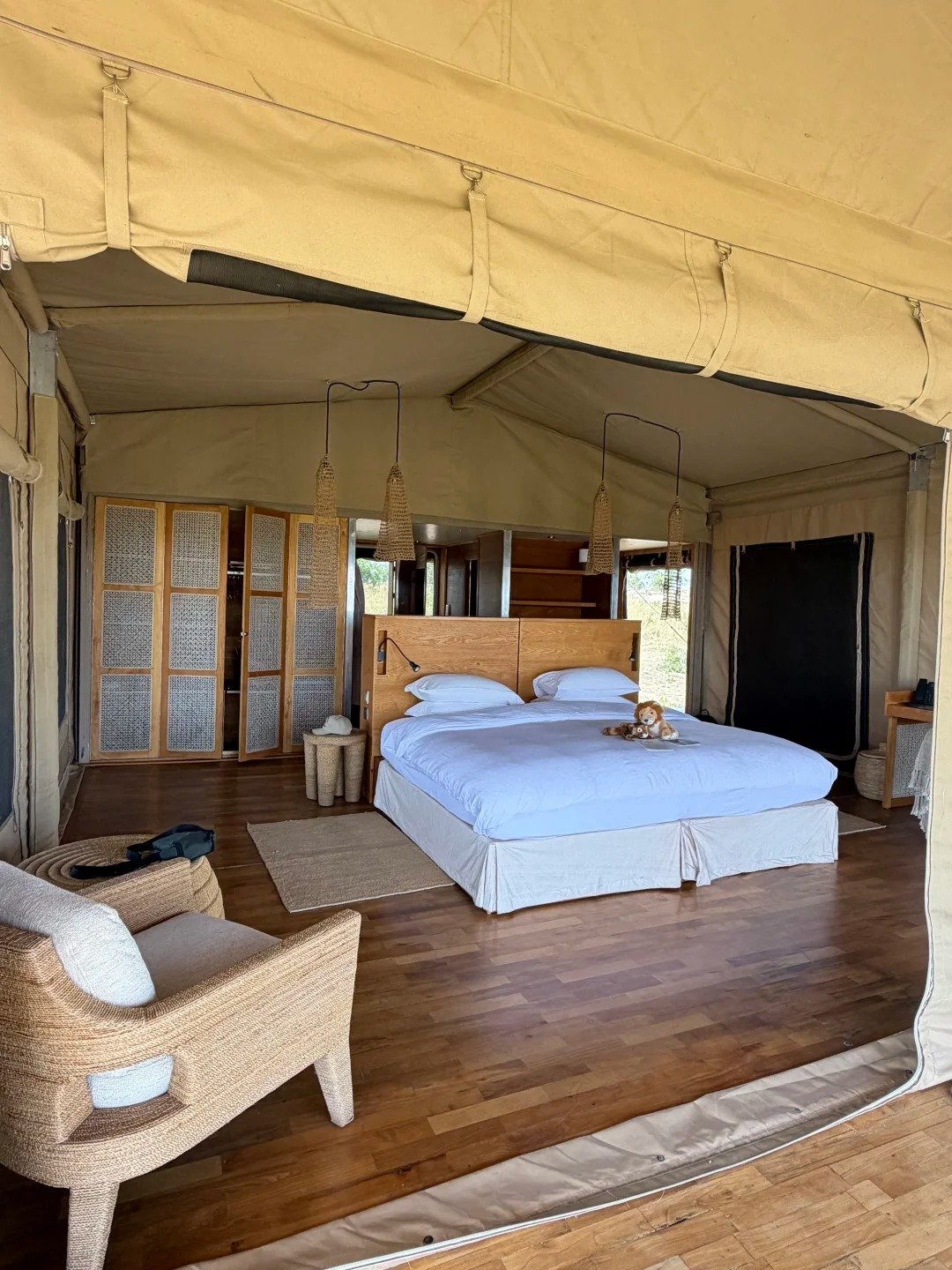
06:00 PM u2013 Lodge Arrival, Dinner, and Rest: Check in at your selected lodge or tented camp. Enjoy a hot shower, a multi-course dinner featuring fresh regional produce from the Mto wa Mbu irrigation farms, and settle in early to prepare for dawn game viewing.
Day 2: Lake Manyara National Park to Arusha u2013 Primates, Lake Shores, and Escarpment Views
06:30 AM to 07:15 AM u2013 Breakfast and Check-Out: Enjoy an early breakfast at your lodge. Load luggage into the Land Cruiser so that you can proceed directly toward Arusha after your park circuit without backtracking to collect gear.
07:45 AM u2013 Enter Lake Manyara National Park: Arrive at the Manyara entrance gate just outside Mto wa Mbu. Arriving early is critical here because Lake Manyarau2019s dense groundwater forest is at its most appealing in the morning cool when forest primates are actively foraging along the road margins.
08:00 AM to 10:30 AM u2013 Groundwater Forest and Baboon Troops: The opening kilometers wind through a dense, jungle-like forest fed by subterranean springs filtering down from the Ngorongoro highlands. Massive fig trees, mahogany, and wild date palms create a leafy ceiling inhabited by troops of olive baboonsu2014often numbering over one hundred individualsu2014alongside Sykes monkeys, blue monkeys, and silvery-cheeked hornbills. Watch closely in forest clearings for bushbuck and diminutive red duikers.
10:30 AM to 01:00 PM u2013 The Alkaline Flats, Hippo Pool, and Lakeshore: As the forest thins out into open floodplains, the landscape opens dramatically toward the shimmering expanse of the soda lake. Drive down toward the Hippo Pool where dozens of hippopotamuses submerge in deep muddy waters while thousands of lesser and greater flamingos, white pelicans, yellow-billed storks, and grey herons dot the shallows. The open grassy margins are home to cape buffalo herds, zebras, and giraffes framing the dramatic western Rift Valley escarpment rising steeply behind them.
01:00 PM to 02:00 PM u2013 Picnic Lunch with Escarpment Panorama: Stop at the designated Endala or Msasa picnic sites, which provide panoramic angles over the soda lake. Keep binoculars handy to scan the rocky escarpment cliffs for klipspringers balancing on sheer ledges.
02:00 PM to 03:00 PM u2013 Final Southern Loop or Treetop Walkway (Optional): Spend your final hour exploring the acacia woodlands in search of Manyarau2019s famed tree-climbing lions or take an optional stroll along the Lake Manyara Treetop Walkway (a suspended canopy walkway requiring a supplemental activity fee). Begin heading toward the exit gate by 03:00 PM.
03:30 PM u2013 Return Transit to Arusha: Board the tarmac corridor heading east. The 125-kilometer journey back to Arusha takes approximately 2 to 2.5 hours, passing through scenic Maasai grazing lands and rural market towns.
05:30 PM to 06:00 PM u2013 Arrival in Arusha: Drop-off at your designated Arusha hotel or transfer directly to Arusha Airport (ARK) or Kilimanjaro International Airport (JRO) for evening departures. (Ensure outbound international flights are scheduled after 08:30 PM if departing the same night).
Check Availability for Can I Combine Tarangire And Lake Manyara In A 2 Day Safari? 2026-2027
Ready to compare dates, prices, and the best option for your group? Send the package name and travel month so the team can reply with a clear quote, availability, and what is included.

Is Tarangire Better Than Lake Manyara For A Wildlife Safari? 2026-2027
Is Tarangire Better Than Lake Manyara for a Wildlife Safari? is explained with current 2026-2027 planning, price, itinerary and booking information.
View package details
Best 2 Day Ngorongoro Crater And Tarangire Safari Packages 2026-2027
Best 2 Day Ngorongoro Crater and Tarangire Safari Packages is explained with current 2026-2027 planning, price, itinerary and booking information.
View package details
Ngorongoro Crater And Lake Manyara Safari With Overnight Lodge 2026-2027
Ngorongoro Crater and Lake Manyara Safari with Overnight Lodge is explained with current 2026-2027 planning, price, itinerary and booking information.
View package details
Tarangire Safari Packages With Accommodation Inside The Park 2026-2027
Tarangire Safari Packages with Accommodation Inside the Park is explained with current 2026-2027 planning, price, itinerary and booking information.
View package details
Tarangire National Park Safari With Walking Options 2026-2027
Tarangire National Park Safari with Walking Safari Options is explained with current 2026-2027 planning, price, itinerary and booking information.
View package detailsTarangire Safari With Luxury Tented Camps And Private Bathrooms 2026-2027
A comprehensive buyer guide to booking a Tarangire safari with luxury tented camps featuring private en-suite flush toilets and running hot showers for 2026-2027.
View package details
Best Private Tarangire Safari Tours For Wildlife Photographers 2026-2027
Best Private Tarangire Safari Tours for Wildlife Photographers is explained with current 2026-2027 planning, price, itinerary and booking information.
View package details
Best Tarangire National Park Safari Tours With Prices For 2026-2027
Best Tarangire National Park Safari Tours with Prices for 2027 is explained with current 2026-2027 planning, price, itinerary and booking information.
View package details
Best Tarangire Safari Tours From Kilimanjaro Airport 2026-2027
Best Tarangire Safari Tours from Kilimanjaro Airport is explained with current 2026-2027 planning, price, itinerary and booking information.
View package detailsFamily-Friendly Tarangire Safari Packages With Short Driving Distances
Family-Friendly Tarangire Safari Packages with Short Driving Distances is explained with current 2026-2027 planning, price, itinerary and booking information.
View package details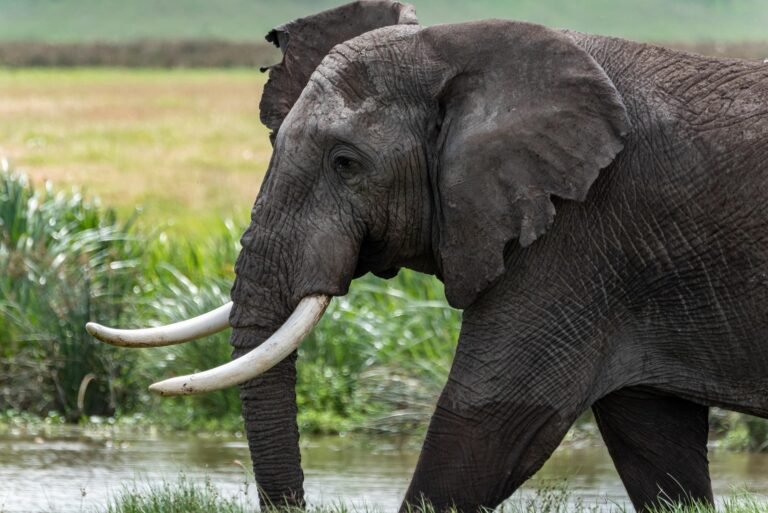
Tarangire Day Safari From Arusha With Lunch And Park Fees 2026-2027
Tarangire Day Safari from Arusha with Lunch and Park Fees is explained with current 2026-2027 planning, price, itinerary and booking information.
View package details
Tanzania Safari Packages Including Serengeti Tarangire And Ngorongoro
Tanzania Safari Packages Including Serengeti Tarangire and Ngorongoro is explained with current 2026-2027 planning, price, itinerary and booking information.
View package detailsNo closely related package is available yet for this topic.

Our Guest Reviews, Currently Feedback from Clients in 2026
Reviews from different sources, including Google Business, Tripadvisor, other platforms, and social media.



