
The best 2 day Ngorongoro Crater and Tarangire safari packages are short-format, high-density wildlife circuits linking northern Tanzania’s largest elephant sanctuary with the world’s most concentrated volcanic caldera. Typically departing from Arusha or Moshi, these packages feature a full-day game drive in Tarangire National Park on Day 1, an overnight stay on the Karatu agricultural plateau or crater rim, and an early-morning descent onto the Ngorongoro Crater floor on Day 2 before returning eastward. For travel across 2026-2027, package rates range from $380 to $550 per person for budget camping or small-group departures, and $680 to $1,450+ per person for private mid-range or luxury lodge itineraries, with overall cost dictated primarily by transit logistics, vehicle exclusivity, and seasonal conservation entry fees.
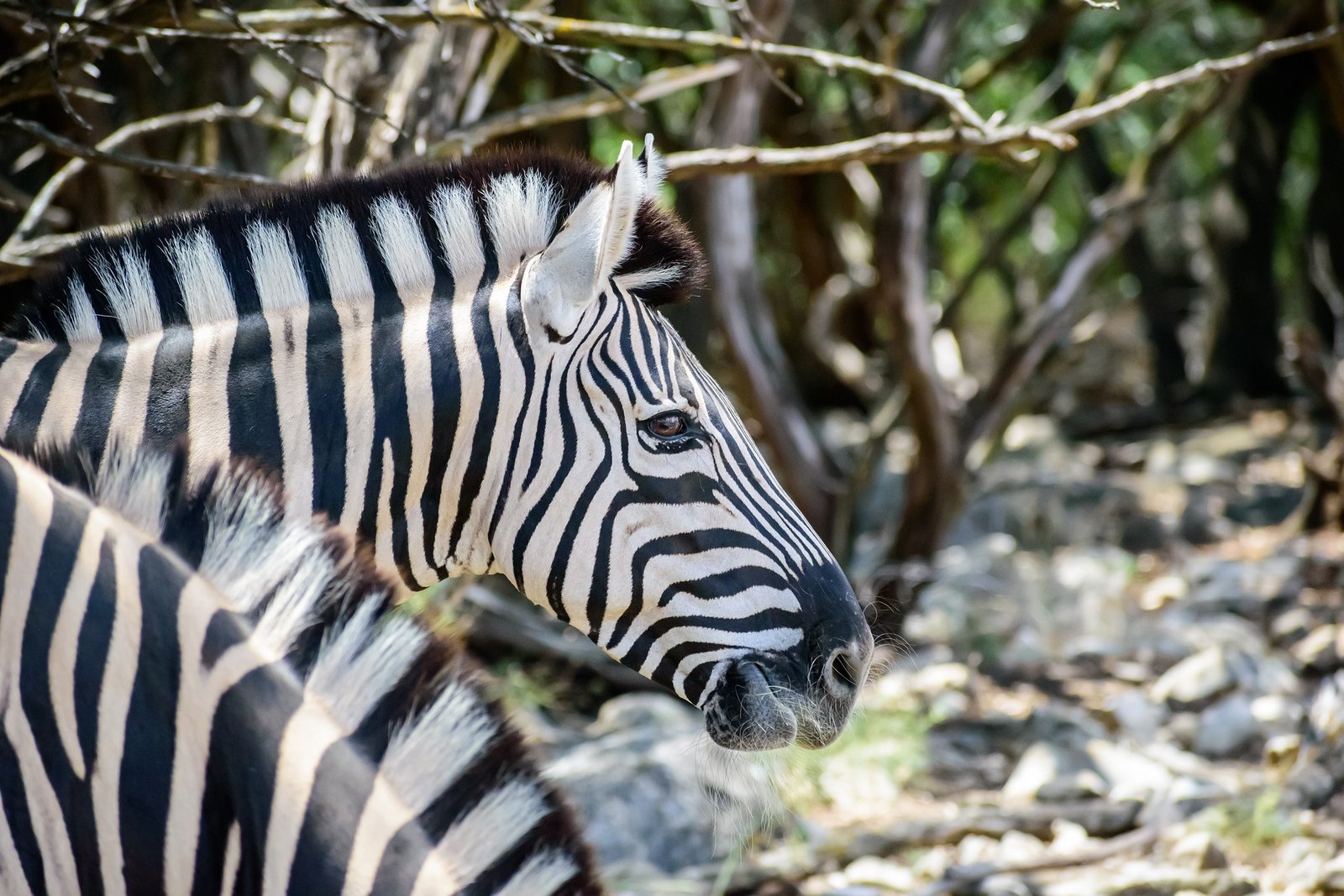
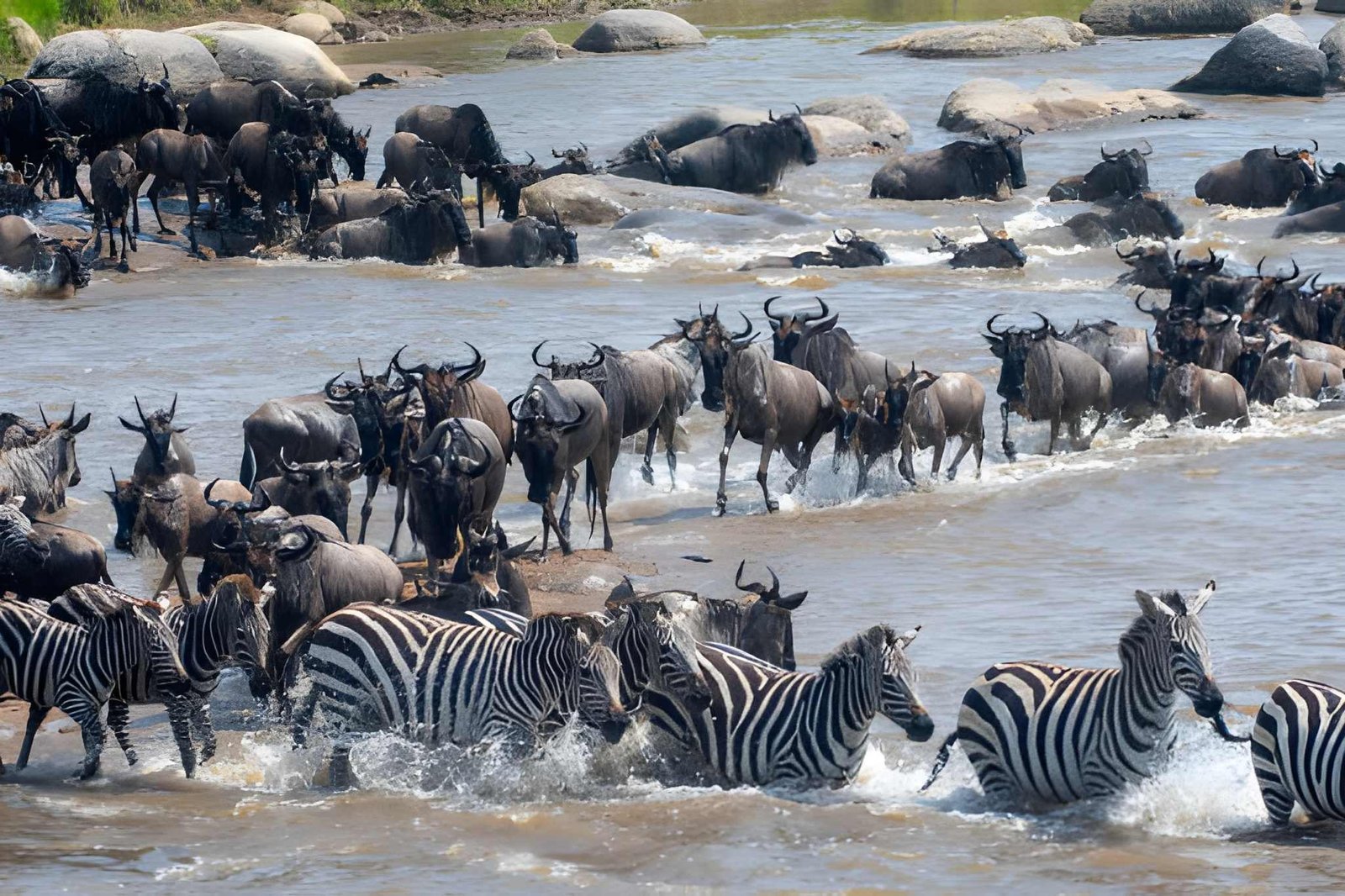
Circuit Architecture: Why Pair Tarangire with Ngorongoro Crater?
When selecting a short wildlife itinerary in northern Tanzania, travelers frequently weigh the merits of pushing into the Serengeti against remaining on the eastern rim of the Great Rift Valley. Attempting the Serengeti in forty-eight hours introduces crippling transit burdens, forcing eight to nine hours of continuous highway and corrugated track driving each way. By contrast, the pairing of Tarangire National Park and the Ngorongoro Conservation Area provides a biologically diverse safari circuit contained entirely within manageable highway corridors.
Tarangire spans roughly 2,850 square kilometers of classic southern Maasai steppe, dominated by giant African baobabs (Adansonia digitata), terminalia woodlands, and the perennial Tarangire River. It maintains the highest concentration of African bush elephants anywhere in East Africa, alongside healthy populations of fringe-eared oryx, gerenuk, and dry-country raptors. Situated approximately 120 kilometers southwest of Arusha, transit to Tarangire requires an easy two-hour paved drive along the Dodoma Road, maximizing time spent inside the park boundary on morning arrival.
Ngorongoro Crater, located approximately 140 kilometers northwest of Tarangire via the paved towns of Makuyuni and Karatu, represents an entirely distinct ecosystem. The unbroken volcanic caldera covers 260 square kilometers with a steep 600-meter vertical drop down its forested walls. The crater floor acts as an enclosed microclimate hosting around 25,000 large mammals, including the endangered black rhino, massive black-maned lions, spotted hyenas, and seasonal flocks of lesser flamingos feeding across the alkaline Lake Magadi. Pairing these two preserves inside a single two-day window exposes guests to completely divergent topography, flora, and animal behavior without consuming productive daylight on extreme relocations.
For those preparing a wider Tanzania journey, this short circuit serves as an ideal wilderness extension following a Mount Kilimanjaro summit climb or a standalone overland escape booked before flying out to the coast. You can inspect operational itineraries departing directly from regional hubs, such as our Best 2 Day Tarangire and Ngorongoro Crater Safari from Moshi 2026-2027 or the dedicated 2 Day Tarangire and Ngorongoro Crater Safari from Arusha 2026-2027.
2026-2027 Package Costs, Price Logic, and Tier Comparisons
Pricing for a two-day safari on this route is driven by strict statutory park fees alongside vehicle operating overheads rather than operator markups. Entering Ngorongoro Crater carries a mandatory NCAA vehicle descent permit fee of $295 per vehicle per descent, over and above the individual conservation entry fees ($70.80 per adult non-resident per 24 hours, inclusive of 18% VAT). Tarangire National Park, managed separately by TANAPA, levies an adult entry fee of $59 (VAT included) during peak dry months and $53.10 during low periods. Adding a professional driver-guide, fuel for hundreds of kilometers of off-road 4×4 crawling, and property accommodation creates a definite base floor below which a legitimate safari cannot safely operate.
Understanding the Safari Cost Breakdown for 2026 and 2027
When booking standard packages, pricing divides cleanly into three operational tiers based on accommodation type and group exclusivity:
- Budget Camping Packages ($380 – $550 per person): Travelers camp in designated public campsites (such as Kizumba or Panorama near Mto wa Mbu/Karatu) equipped with two-person ground tents, foam mattresses, a dedicated camp cook, and shared sanitary facilities. This tier is frequently run as a group-joining departure to split vehicle fuel and descent fees.
- Mid-Range Lodge Packages ($680 – $980 per person): Travelers stay in comfortable permanent lodges or tented camps located around Karatu (such as Marera Valley Lodge, Country Lodge, or Bougainvillea Safari Lodge). Rooms feature en-suite stone bathrooms, running hot water, mosquito netting, swimming pools, and plated three-course dinners.
- Luxury / Crater Rim Packages ($1,150 – $1,850+ per person): Travelers stay directly on the crater rim (such as Ngorongoro Serena Safari Lodge or Ngorongoro Crater Lodge) or in high-end luxury sanctuaries like Gibb's Farm. These properties eliminate the morning transit from Karatu, offering immediate crater access at dawn and high-touch hospitality.
The table below breaks down the structural differences between typical package formats available across northern Tanzania for the 2026 and 2027 seasons:
| Safari Package Tier | Estimated Price (Per Person, 2026-2027) | Overnight Accommodation Base | Descent Logistics & Start Time | Best Suited For |
|---|---|---|---|---|
| Budget Group Joining | $380 – $520 | Public Campsite (Mto wa Mbu / Karatu) | Depart Karatu 06:30; enter crater via Seneto Gate by 07:30 | Solo travelers, backpackers, post-Kili climbers on limited budgets |
| Private Mid-Range | $720 – $950 (based on 2 pax) | Permanent Mid-Range Lodge (Karatu foothills) | Depart Karatu 06:00; reach crater floor by 07:00 | Couples, families, photographers wanting private vehicle space |
| Crater Rim Luxury | $1,250 – $1,850 (based on 2 pax) | Luxury Rim Lodge (Ngorongoro Crater Rim) | Depart lodge 06:00; descend Seneto Descent Road by 06:15 | Honeymooners, discerning travelers seeking zero commute time |
To examine wider market costs across longer or combined northern circuits, review our comprehensive analysis on how much a Ngorongoro Crater safari costs or check standard seasonal rates within our wider Tanzania safari cost outline.
The Strategic 48-Hour Blueprint: Day-by-Day Field Itinerary
Executing a 48-hour safari across two major wilderness areas requires meticulous scheduling. Wasting an hour in town waiting for fuel or processing entry paperwork late at the gate drastically diminishes active game-viewing hours. The following timeline demonstrates how Top Guide Adventures structures this specific circuit to maximize field hours while respecting official gate cut-offs established by national park authorities.
Day 1: Arusha or Moshi to Tarangire National Park — Elephant Corridors to Karatu
06:00 – 07:30: Departure & Rift Valley Transit
Your safari begins with early morning collection from your hotel in Arusha (or 05:30 from Moshi). You leave town before urban commuter bottlenecks choke the exits, proceeding west on the smooth tarmac of the Arusha-Dodoma highway. Along the route, your driver-guide passes through open Maasai plains where acacia bush thins out to display views of Mount Meru behind you and the Great Rift Valley escarpment ahead.
09:30 – 12:30: Tarangire Gate Formalities and Riverine Game Drive
Arrive at the main gate of Tarangire National Park. While your guide processes TANAPA vehicle clearances and electronic tourist cards, you have access to restrooms and interpretive park maps. Once inside the gate, the Land Cruiser's pop-up roof is raised, and your safari starts immediately.
The morning drive concentrates along the Tarangire River circuit. Because the river is the primary permanent water source across thousands of square kilometers of dry bush, wildlife converges heavily along its banks. Your guide will work the river loops watching for matriarch-led elephant herds excavating sandbanks to reach clean sub-surface water. You will frequently encounter impala, waterbuck, and warthogs skirting dense bush where leopard often drape themselves across low-hanging acacia branches. Giraffes browse heavily in the terminalia thickets, while baobab trunks display distinct claw and tusk gouging from centuries of elephant feeding.
12:30 – 13:30: Field Lunch with a Viewpoint
Pause for a picnic lunch at the designated Matete or Silale viewpoint site. These rest areas look down across sweeping wetlands and river bends, allowing you to watch zebra and buffalo herds graze while enjoying hot coffee, grilled chicken, fresh fruit, and homemade rolls prepared by the lodge or safari cook. Restrooms are provided at the picnic zones.
13:30 – 16:00: Silale Swamps to Southern Plains
The afternoon drive navigates deeper south toward the vast Silale Swamp or the Gursi plains. Silale acts like a giant sponge, retaining water throughout the year. Here, enormous herds of up to fifty or one hundred elephants congregate alongside African buffalo, while marsh-dwelling lions use high vantage hummocks to stalk their prey. You will also observe rich bird life including southern ground hornbills, martial eagles, and lilac-breasted rollers.
16:00 – 18:30: Exit Tarangire and Ascend to Karatu
Clear out of the Tarangire boundary before the late afternoon cutoff and rejoin the tarmac highway northward through Makuyuni. Turn west up the scenic Rift Valley escarpment, passing Lake Manyara viewpoint, and ascend into the cool, lush agricultural town of Karatu. Check into your chosen lodge or campsite, shower away the red volcanic dust of the steppe, and enjoy a freshly prepared dinner.
Day 2: Karatu to Ngorongoro Crater Floor — Big Five Tracking and Return Transit
05:30 – 06:00: Early Morning Breakfast and Ascent to the Gate
Wake early in Karatu. An early start is non-negotiable if you want to experience the crater before heavy mid-day heat slows predator movement and tour vehicle volume peaks. After a hearty breakfast, your Land Cruiser drives fifteen minutes to the Loduare Gate of the Ngorongoro Conservation Area.
06:30 – 07:15: Forest Transit and Crater Rim Descent
Once gate clearances are stamped, you wind up through the dense, high-altitude montane forest of the crater rim. The vegetation here is emerald green, layered in hanging moss and giant ferns. As you breach the rim at 2,200 meters elevation, early morning mist often blankets the caldera before breaking to reveal the sweeping floor 600 meters below. Turn down the Seneto descent road, a steep, single-direction dirt track requiring low-range 4WD control from your driver.
07:15 – 12:30: Five Continuous Hours of Deep Floor Game Viewing
Touch down on the crater floor. Unlike Tarangire's dense woodlands, the Ngorongoro Crater is characterized by open, short-grass plains offering wide lines of sight. Your guide navigates toward the central plains and the Lerai Forest.
The primary tracking target for many visitors is the critically endangered black rhino (Diceros bicornis). Approximately thirty individuals reside on the caldera floor; spotting them requires scanning the open grasslands between Lerai Forest and Lake Magadi with binoculars. In the Lerai yellow-fever acacia woodland, look for resident bull elephants displaying immense ivory tusks that have survived poachers due to strict caldera protection.
Around the shores of Lake Magadi, thousands of flamingos create a pink haze against the blue alkaline water, watched over by scavenging black kites and spotted hyenas returning from nocturnal hunts. The central grasslands host heavy concentrations of blue wildebeest, Grant's zebra, and Thomson's gazelle, pursued by several resident lion prides that show virtually no fear of safari vehicles.
12:30 – 13:30: Ngoitoktok Springs Picnic
Stop for your box lunch at Ngoitoktok Springs. This natural spring pool is home to a resident pod of hippos wallowing meters from the vehicle turnaround. Enjoy lunch while keeping a close eye on the overhead yellow-billed kites, which have learned to dive at unattended food. Clean restroom facilities are situated at the site.
13:30 – 14:30: Final Game Loop and Crater Ascent
Make a final sweep through the hippo pools and the Munge River basin before ascending the steep, cobblestone-paved Lerai ascent road on the caldera's western rim. Clearing the crater floor after a five-to-six-hour permit window ensures compliance with NCAA regulations while preventing driver fatigue on the return journey.
15:00 – 18:30: Highway Transit Back to Arusha or Moshi
Rejoin the paved highway at Loduare Gate and descend out of the cool Karatu highlands. Pass through Mto wa Mbu, cross the rift valley basin, and complete the roughly 3.5-hour highway drive back to Arusha (or 4.5 hours to Moshi). You are dropped directly at your hotel or transferred to Kilimanjaro International Airport (JIA/JRO) for late-evening flight connections.
Where to Sleep: Karatu Foothills vs. Crater Rim vs. Mto wa Mbu
Choosing your overnight accommodation base represents the single most significant decision when booking a best 2 day Ngorongoro Crater and Tarangire safari package. Because the itinerary is compressed into forty-eight hours, real-world drive times and morning positioning heavily influence how refreshed you feel on the crater floor.
1. The Karatu Foothills: The Most Practical Balance
Karatu is an active farming town situated just 15 minutes outside the Ngorongoro Conservation Area entrance (Loduare Gate). Staying here provides the best balance of price, comfort, and transit times:
- Transit Distance: Approximately 1.5 to 2 hours drive from Tarangire's main gate, and just 45 minutes from the crater floor via the Seneto descent road.
- Value Proposition: Lodges in Karatu offer considerably higher luxury, better swimming pools, lush gardens, and quieter grounds for roughly half the nightly rate of equivalent accommodations on the crater rim.
- Climate: Situated at around 1,500 meters elevation, the evenings are pleasantly cool without being freezing, unlike the high crater ridge.
- Recommended Properties: Marera Valley Lodge, Country Lodge Karatu, Bougainvillea Safari Lodge, and Farm of Dreams.
2. Directly on the Crater Rim: Premium Scenery and Instant Access
Lodges perched directly along the 2,200-meter crater rim provide dramatic views across the caldera floor, but they introduce distinct trade-offs:
- Transit Advantage: You are already inside the conservation gate, saving roughly 30 minutes of entry paperwork in the morning and positioning you to descend onto the floor by 06:15.
- Cost Realities: Prices are high due to extreme concession fees and high operational maintenance. A standard room on the rim can cost between $600 and $1,400+ per night in the peak season.
- Microclimate Considerations: The crater rim is frequently shrouded in heavy cloud cover, cold winds, and thick fog. Temperatures drop sharply at night, requiring log fires and heavy thermal layers.
- Recommended Properties: Ngorongoro Serena Safari Lodge, Ngorongoro Wildlife Lodge, or high-tier Ngorongoro Crater Lodge.
Check Availability for Best 2 Day Ngorongoro Crater And Tarangire Safari Packages 2026-2027
Ready to compare dates, prices, and the best option for your group? Send the package name and travel month so the team can reply with a clear quote, availability, and what is included.

Tanzania Safari Packages Including Serengeti Tarangire And Ngorongoro
Tanzania Safari Packages Including Serengeti Tarangire and Ngorongoro is explained with current 2026-2027 planning, price, itinerary and booking information.
View package details
Tanzania Safari Tours For With Affordable Lodge Options 2026-2027
A practical booking blueprint for Tanzania safari tours in 2027 featuring comfortable, budget-conscious lodges across the Serengeti, Ngorongoro, and Tarangire.
View package details
3 Day Ndutu And Ngorongoro Crater Safari From Arusha 2026-2027
3 Day Ndutu and Ngorongoro Crater Safari from Arusha is explained with current 2026-2027 planning, price, itinerary and booking information.
View package details
Best 3 Day Safari From Arusha To Serengeti And Ngorongoro 2026-2027
Best 3 Day Safari from Arusha to Serengeti and Ngorongoro is explained with current 2026-2027 planning, price, itinerary and booking information.
View package details
Is Ngorongoro Crater Better Than Serengeti For A Short Safari? 2026-2027
Is Ngorongoro Crater Better Than Serengeti for a Short Safari? is explained with current 2026-2027 planning, price, itinerary and booking information.
View package details
Best Ngorongoro Crater Safari Packages From Moshi 2026-2027
Best Ngorongoro Crater Safari Packages from Moshi is explained with current 2026-2027 planning, price, itinerary and booking information.
View package details
Ngorongoro Crater And Lake Manyara Safari With Overnight Lodge 2026-2027
Ngorongoro Crater and Lake Manyara Safari with Overnight Lodge is explained with current 2026-2027 planning, price, itinerary and booking information.
View package details
Best Ngorongoro Crater Safari For Families With Young Children 2026-2027
Best Ngorongoro Crater Safari for Families with Young Children is explained with current 2026-2027 planning, price, itinerary and booking information.
View package details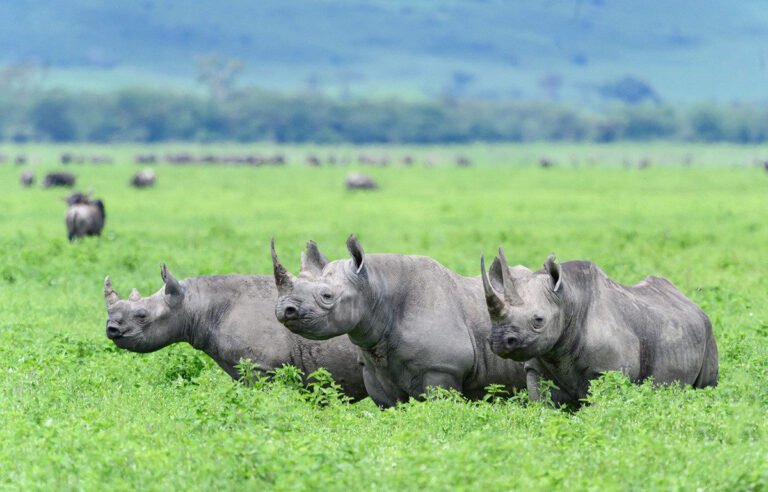
Ngorongoro Crater Safari With Private 4X4 Land Cruiser 2026-2027
Ngorongoro Crater Safari with Private 4x4 Land Cruiser is explained with current 2026-2027 planning, price, itinerary and booking information.
View package details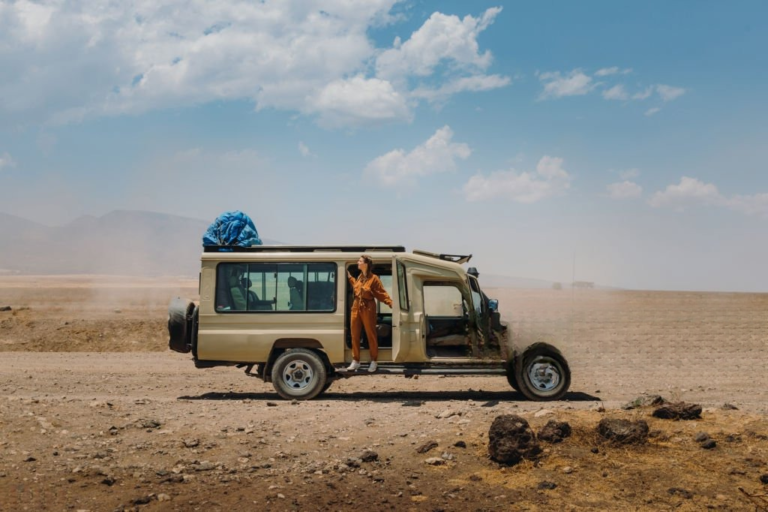
What Is Included In A Ngorongoro Crater Safari Package? 2026-2027
What Is Included in a Ngorongoro Crater Safari Package? is explained with current 2026-2027 planning, price, itinerary and booking information.
View package details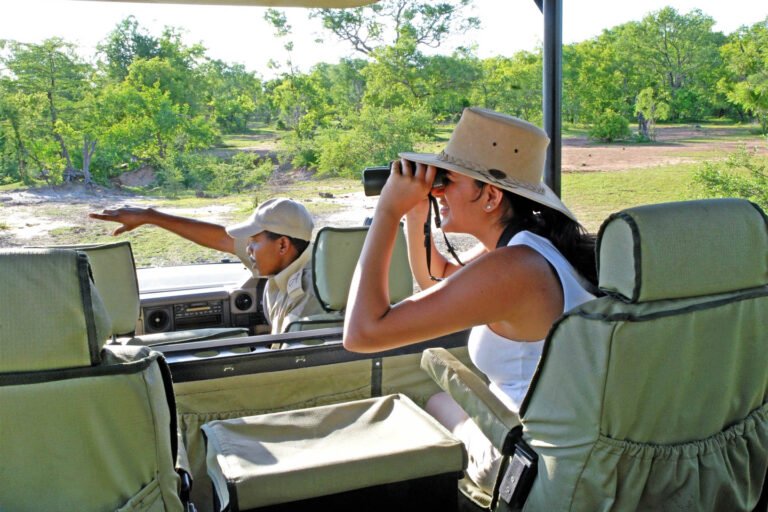
Ngorongoro Crater Safari Packages With Luxury Lodge Accommodation 2026-2027
Ngorongoro Crater Safari Packages with Luxury Lodge Accommodation is explained with current 2026-2027 planning, price, itinerary and booking information.
View package details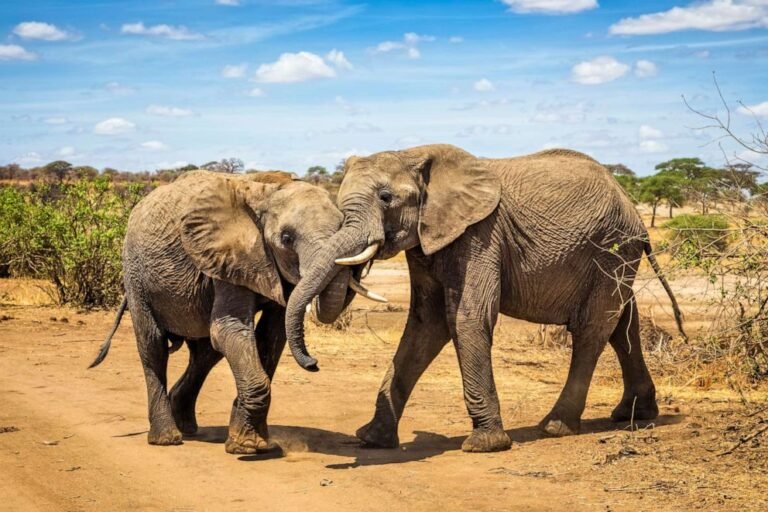
Can I Visit Ngorongoro Crater On A One Day Safari From Arusha? 2026-2027
Can I Visit Ngorongoro Crater on a One Day Safari from Arusha? is explained with current 2026-2027 planning, price, itinerary and booking information.
View package detailsNo closely related package is available yet for this topic.

Our Guest Reviews, Currently Feedback from Clients in 2026
Reviews from different sources, including Google Business, Tripadvisor, other platforms, and social media.



