
A guided Serengeti safari starting from Moshi costs between $650 and $1,100 per person for a 3-to-4-day budget camping package, $1,350 and $2,600 per person for a mid-range tented camp or lodge safari, and $3,200 to over $6,000 per person for a high-end luxury safari in 2026-2027. Your total price is driven by the extra 80-kilometer transit distance between Moshi and Arusha, mandatory Ngorongoro Conservation Area transit fees ($82.60 per adult with VAT), seasonal park entry rates set by TANAPA, whether you join a shared group vehicle or book a private customized 4×4 Land Cruiser, and whether you choose overland driving or a bush-flight connection back to Kilimanjaro International Airport (JRO).
Real 2026-2027 Cost Estimates for a Serengeti Safari Departing from Moshi
Planning a safari to the Serengeti from Moshi involves distinct cost realities compared to starting directly inside Arusha. Moshi sits roughly 80 kilometers east of Arusha at the base of Mount Kilimanjaro, meaning every overland vehicle must absorb an additional 1.5 to 2 hours of transit each way, extra fuel consumption, and extended driver hours. When calculating Tanzania safari cost breakdown including park fees and accommodation, safari rates fall into standard service tiers based on vehicle occupancy, comfort levels, and park concession tariffs.
For travelers planning trips in 2026 and 2027, the realistic market prices per person based on two travelers sharing a room or tent break down across the most requested durations:
| Safari Tier & Style | Typical Daily Rate (Per Person) | 3-Day Safari Cost from Moshi | 4-Day Safari Cost from Moshi | 5-Day Safari Cost from Moshi |
|---|---|---|---|---|
| Budget Camping (Shared Vehicle) | $200 – $280 | $650 – $850 | $850 – $1,100 | $1,100 – $1,400 |
| Budget Camping (Private 4×4) | $280 – $390 | $850 – $1,150 | $1,150 – $1,550 | $1,450 – $1,950 |
| Mid-Range Tented Lodge (Private) | $420 – $650 | $1,350 – $1,900 | $1,750 – $2,550 | $2,200 – $3,200 |
| Upper Mid-Range / Semi-Luxury | $650 – $950 | $1,950 – $2,850 | $2,600 – $3,800 | $3,250 – $4,750 |
| Luxury Fly-in / Fly-out (Overland Start) | $1,100 – $2,200+ | $3,400 – $5,200 | $4,500 – $7,200 | $5,600 – $9,800+ |
Budget safari itineraries depend on public or special campsites managed directly by the Tanzania National Parks Authority (TANAPA), such as Seronera Campsite inside Central Serengeti. On these itineraries, you travel with a camp cook who prepares meals over gas cookers, while you sleep in dome tents equipped with sleeping pads. Mid-range travel upgrades your experience to permanent or seasonal tented camps like Serengeti Heritage, ThornTree Camp, or Kati Kati. These offer raised wooden floors, en-suite flush toilets, solar-powered hot showers, and full-service dining tents. High-end luxury packages utilize permanent lodges or mobile migration camps featuring private plunge pools, silver-service dining, and dedicated concession areas away from mainstream game-viewing loops.
Understanding these price boundaries allows you to evaluate any safari quote from Moshi realistically. If you see a multi-day Serengeti tour advertised below $200 per day per person, it almost certainly cuts corners on mandatory conservation permits, leaves out the Ngorongoro transit fee, relies on unroadworthy vehicles, or forces guests to purchase their own park permits at entry gates.
The Moshi Factor: Why Starting in Moshi Changes Safari Logistics and Pricing
Many travelers arrive in Moshi first to complete a high-altitude climb on Mount Kilimanjaro before heading out on wildlife tours. When booking a safari that leaves directly from your hotel in Moshi, specific logistical factors influence both the final invoice and your daily schedule.
The central operational hub for northern circuit safaris is Arusha, where the majority of safari garages, supply stores, and licensed vehicle fleets are stationed. Starting your safari in Moshi introduces three operational costs that an Arusha departure avoids:
- Empty Leg Positioning or Early Vehicle Runs: If your private vehicle is based in Arusha, the tour operator must cover fuel and driver wages to send the vehicle to Moshi either the evening before or at 5:00 AM on departure day. Alternatively, local Moshi-based operators like TOP GUIDE ADVENTURES run their fleet directly out of the Kilimanjaro and Moshi region, eliminating unnecessary empty-leg positioning surcharges.
- Extended Highway Transit and Fuel Consumption: Driving from Moshi to the Serengeti entrance at Naabi Hill Gate covers approximately 380 kilometers. It takes roughly 7 to 8 hours of road travel before you reach prime game-viewing areas. This long route demands an additional 25 to 35 liters of diesel compared to an Arusha departure, alongside added mechanical wear over corrugated gravel paths along the Ngorongoro rim.
- Vehicle Transit Fees Across Two Administrative Zones: To reach the Serengeti by road from Moshi, you must traverse both Arusha urban corridors and the entire Ngorongoro Conservation Area (NCAA). The NCAA imposes commercial road transit fees for vehicles and per-person transit charges simply to drive through the crater highlands to reach Serengeti National Park, even if your safari does not include a game drive inside Ngorongoro Crater itself.
For budget-conscious travelers asking can I join a safari group from Moshi instead of Arusha, operators solve this by running early morning shared shuttles. An operator picks you up from your Moshi accommodation around 5:30 AM to 6:00 AM, transfers you to Arusha to rendezvous with your core safari group and head guide by 8:00 AM, and integrates you into the main tour. This keeps you from having to pay an entire private vehicle repositioning fee on your own.
The Five Fixed Government and Park Fees You Cannot Avoid
A substantial portion of any Serengeti safari quote consists of statutory government charges that no tour company can alter or discount. If an operator quotes a rate that seems extraordinarily cheap, comparing their line items against official Tanzania National Parks Authority (TANAPA) and Ngorongoro Conservation Area Authority (NCAA) fee schedules will instantly reveal where omissions exist.
Fixed Statutory Fees per Adult (2026-2027 Projections Including 18% VAT)
- Serengeti National Park Entry Fee: $82.60 per adult per 24 hours during peak season (mid-May to mid-March) and $70.80 per adult per 24 hours during low/green season (mid-March to mid-May).
- Ngorongoro Conservation Area Transit/Entry Fee: $82.60 per adult per 24-hour cycle. Because overland routes to the Serengeti must cross the NCAA highlands, you pay this fee on the outward journey and again on your return journey if your return transit exceeds the 24-hour validity window.
- Ngorongoro Crater Service Fee: $295.00 per vehicle per descent. If your Serengeti package includes descending into the famous crater caldera on the return leg, this vehicle access fee is added to your total bill.
- Camping / Concession Fees: TANAPA public campsites cost $35.40 per person per night. If staying in an unfenced mid-range or luxury tented camp situated inside park boundaries, the government levies a special concession fee of $70.80 per adult per night in high season.
- Motor Vehicle Permit Fees: Commercial 4×4 safari Land Cruisers incur daily park entry fees ranging from TSh 23,600 to TSh 41,300 (around $10 to $18 USD equivalent) depending on tare weight, plus commercial road safety compliance levies.
To see these numbers in perspective, consider two travelers taking a 4-day private mid-range lodge safari from Moshi that spends two nights in the Serengeti and one night on the Ngorongoro crater rim. Before accounting for their customized 4×4 Land Cruiser, safari driver-guide wages, diesel fuel, three meals a day, drinking water, or lodge room rates, the pair will accrue over $850 to $980 in statutory government taxes and conservation fees alone. These mandatory fees form the price floor of responsible, legitimate safari tourism across Northern Tanzania.
Group Joining vs. Private Safari from Moshi: Price Realities and Seating Trade-offs
The operational divide between joining a scheduled group and commissioning a private vehicle represents the single largest pricing lever for any Serengeti trip departing from Moshi. Understanding how vehicle costs are shared clarifies the gap between an $850 budget tour and a $2,200 private excursion.
A custom safari vehicle—almost universally a modified Toyota Land Cruiser with an extended chassis, heavy-duty suspension, inverter charging sockets, pop-up viewing roof, and onboard refrigeration—costs between $220 and $320 per day to operate cleanly. This daily operational sum covers vehicle lease depreciation, comprehensive commercial passenger insurance, regular maintenance following punishing corrugations, unlimited game-drive fuel, and the professional day wage of a licensed safari guide.
When reviewing private vs group joining Tanzania safari cost comparison, look directly at how that daily vehicle charge is split:
- Solo Traveler on Private Safari: Carries 100% of the $250/day vehicle overhead, pushing daily costs past $600-$700 even when sleeping in simple public campsites.
- Two Travelers on Private Safari: Split the vehicle overhead at $125 per person per day, yielding a balanced balance between cost and flexibility.
- Group Joining (5 to 7 Passengers): Spreads the vehicle overhead down to $35 to $50 per person per day, which creates the budget-friendly rates offered in Tanzania group joining safari daily departures.
However, opting for a shared group departure directly out of Moshi requires understanding specific operational trade-offs. Shared safaris lock your schedule into rigid departure windows. Because individual travelers stay at different hotels around Moshi and Arusha, early mornings often involve 60 to 90 minutes of hotel pickups before hitting the main highway toward Makuyuni junction.
Check Availability for How Much Does A Serengeti Safari From Moshi Cost? 2026-2027
Ready to compare dates, prices, and the best option for your group? Send the package name and travel month so the team can reply with a clear quote, availability, and what is included.
How Much Does A Private Serengeti Safari Cost For Two People? 2026-2027
How Much Does a Private Serengeti Safari Cost for Two People? is explained with current 2026-2027 planning, price, itinerary and booking information.
View package details
Is Ngorongoro Crater Better Than Serengeti For A Short Safari? 2026-2027
Is Ngorongoro Crater Better Than Serengeti for a Short Safari? is explained with current 2026-2027 planning, price, itinerary and booking information.
View package details
Best Serengeti Safari Camps For Couples And Honeymooners 2026-2027
Best Serengeti Safari Camps for Couples and Honeymooners is explained with current 2026-2027 planning, price, itinerary and booking information.
View package details
Best Serengeti Safari Packages With Two Nights Inside The Park 2026-2027
Best Serengeti Safari Packages with Two Nights Inside the Park is explained with current 2026-2027 planning, price, itinerary and booking information.
View package details
Central Serengeti Vs Northern Which Is Better For Safari? 2026-2027
Central Serengeti vs Northern Serengeti: Which Is Better for Safari? is explained with current 2026-2027 planning, price, itinerary and booking information.
View package details
6 Day Ndutu Serengeti And Ngorongoro Safari With Private Guide 2026-2027
6 Day Ndutu Serengeti and Ngorongoro Safari with Private Guide is explained with current 2026-2027 planning, price, itinerary and booking information.
View package details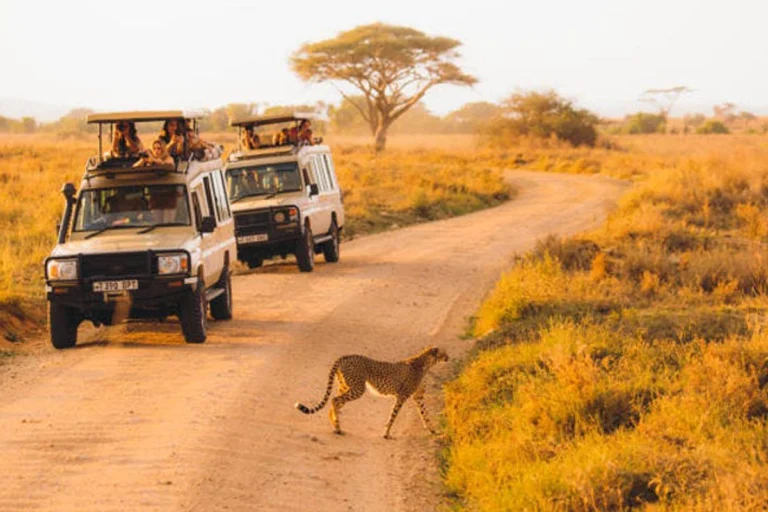
Best Southern Serengeti Safari Tours For February Wildlife Photography
Best Southern Serengeti Safari Tours for February Wildlife Photography is explained with current 2026-2027 planning, price, itinerary and booking information.
View package details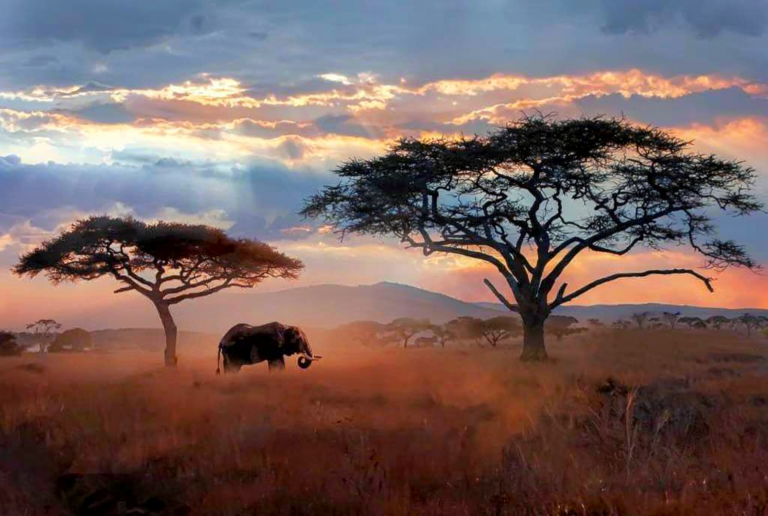
5 Day Ndutu And Serengeti Calving Season Safari Packages 2026-2027
5 Day Ndutu and Serengeti Calving Season Safari Packages is explained with current 2026-2027 planning, price, itinerary and booking information.
View package details
4 Day Southern Serengeti Migration Safari With Tented Accommodation 2026-2027
4 Day Southern Serengeti Migration Safari with Tented Accommodation is explained with current 2026-2027 planning, price, itinerary and booking information.
View package details
Best Serengeti Safari Camps Close To Wildebeest Migration Areas 2026-2027
Best Serengeti Safari Camps Close to Wildebeest Migration Areas is explained with current 2026-2027 planning, price, itinerary and booking information.
View package details
6 Day Northern Serengeti Migration Safari With Luxury Tented Camps 2026-2027
6 Day Northern Serengeti Migration Safari with Luxury Tented Camps is explained with current 2026-2027 planning, price, itinerary and booking information.
View package details
Private Serengeti Migration Safari With Flexible Game Drive Schedules
Private Serengeti Migration Safari with Flexible Game Drive Schedules is explained with current 2026-2027 planning, price, itinerary and booking information.
View package detailsNo closely related package is available yet for this topic.

Our Guest Reviews, Currently Feedback from Clients in 2026
Reviews from different sources, including Google Business, Tripadvisor, other platforms, and social media.



