
Yes, you can visit Tarangire National Park on a day trip from Moshi, but it requires a very early morning departure to ensure meaningful wildlife viewing. The one-way driving distance is roughly 200 kilometers (124 miles), taking between 3.5 and 4 hours each direction depending on Arusha city bypass traffic. A well-orchestrated private day safari typically departs Moshi around 05:30 to 06:00 AM, enters Tarangire by 09:30 AM, delivers 5 to 6 solid hours of game viewing around the Tarangire River and Silale Swamps, and returns to Moshi by 19:30 or 20:00 PM. For planning in 2026-2027, expect total per-person costs to range from $240 to $480 USD depending on whether you join a group or book a private 4×4 cruiser, with the core decision resting on whether you can handle 7 to 8 total hours in transit for a high-reward single-day safari experience.
Transit Reality: Breaking Down the Moshi to Tarangire Drive
Many travelers planning their stay in Moshi wonder if Tarangire is too far for a single day. The honest geographic answer is that Tarangire is at the outer practical limit for a Northern Circuit day trip, yet it remains one of the most rewarding single-day options in all of East Africa. Unlike the Ngorongoro Crater, which sits further west and demands steep caldera descent permits, or the Serengeti, which cannot be visited responsibly by vehicle in a single day, Tarangire is directly accessible along tarmac highways for 85 percent of the journey.
The route follows the primary A23 highway west from Moshi toward Arusha, spanning approximately 80 kilometers across the rolling foothills of Mount Meru. Prior to the construction of the Arusha bypass road, vehicles faced severe urban congestion through downtown Arusha, easily adding 60 to 90 minutes to the journey. For itineraries in 2026 and 2027, safari vehicles utilize the southern bypass corridor, routing smoothly around Arusha and directly linking to the A104 trunk road south toward Babati.
Once on the A104 heading south, the landscape shifts dramatically into dry acacia savannah and Maasai pastoral plains. The turnoff for the Tarangire National Park main gate sits near the settlement of Minjingu, approximately 105 kilometers southwest of Arusha. From the Minjingu junction, a smooth gravel road leads the remaining 7 kilometers directly to the gate. In dry conditions, this unpaved spur takes barely ten minutes. During heavy wet spells in April or May, it can be slightly corrugated, but it remains fully passable for standard safari 4WDs.
Key Transit Fact: The total one-way transit spans roughly 195 to 205 kilometers, depending on your exact hotel pickup point in Moshi. With clean morning traffic and no unplanned stops, you can reliably calculate an average transit time of 3 hours and 30 minutes to 4 hours. Attempting to leave Moshi later than 06:15 AM will force your vehicle into heavy morning commuter corridors, shrinking your productive game drive hours inside the park.
Travelers who have just finished climbing Mount Kilimanjaro often look for a low-friction way to see African wildlife without committing to an extensive multiday camping circuit. If you are debating your options after coming off the mountain, reviewing whether you can join a safari after finishing a Kilimanjaro climb helps clarify how your physical recovery matches up with an early-morning 7-hour road transit.
Hour-by-Hour Timeline for a Moshi-to-Tarangire Day Safari
Executing a successful day excursion to Tarangire requires disciplined timekeeping. Because Tanzania National Parks Authority (TANAPA) enforces strict park gate opening and closing hours, your safari guide must time your entry and exit deliberately to maximize wildlife observation windows while avoiding transit fines or night-driving hazards on the highway.
The standard operating rhythm for a private or small-group day trip departing Moshi follows this proven operational structure:
- 05:30 AM – Moshi Hotel Pickup: Your professional safari guide meets you at your Moshi accommodation in a customized 4×4 Land Cruiser. You set off early with boxed breakfasts or coffee flasks, bypassing commercial traffic along the Moshi-Arusha highway while the morning air is cool.
- 07:15 AM – Arusha Bypass & Southern Corridor: You skirt the southern edge of Arusha via the bypass road, viewing Mount Meru in the early light if skies are clear, before continuing south along the Great North Road toward Minjingu.
- 09:15 AM to 09:30 AM – Gate Formalities: You arrive at the Tarangire National Park main gate. While your driver-guide completes electronic TANAPA smart-card clearances and vehicle entry permits, you can use modern restroom facilities and stretch your legs.
- 09:45 AM to 12:45 PM – Morning Wildlife Tracking: The pop-up roof opens immediately inside the gate. You enter the iconic baobab-studded northern sector of Tarangire, working your way south toward the Tarangire River loop and the Lower Silale circuit where animal density concentrates.
- 12:45 PM to 13:30 PM – Picnic Lunch overlooking the River: You stop at an authorized scenic picnic site, such as the Matete or Tarangire River overlook. You enjoy a hot-lunch thermos or prepared safari meal box while scanning the riverbanks below for elephants, baboons, and drinking herbivores.
- 13:30 PM to 15:30 PM – Afternoon Game Drive: You track predators resting in shade canopies, scan swamp margins for wading birds and buffalo herds, and loop through classic acacia woodlands.
- 15:30 PM to 15:45 PM – Park Exit: The vehicle reaches the park gate, completes electronic sign-out protocols, and begins the journey back toward Moshi.
- 19:30 PM to 20:00 PM – Moshi Return: You arrive back at your hotel in Moshi in time for dinner and an early night, completing an intense, wildlife-rich 14-hour adventure.
This structure guarantees approximately 5.5 to 6 full hours inside the reserve. In contrast, leaving Moshi at 07:00 AM would push your arrival to nearly 11:00 AM, cutting your viewing window into the midday heat when animal activity predictably slows down.
What Wildlife Can You Realistically See in 5 to 6 Hours?
One of the most frequent misconceptions travelers have about day trips is that short park time results in poor sightings. In Tarangire, the opposite is often true, provided you understand the park’s unique ecological configuration. Tarangire is defined by the permanent Tarangire River, which runs south to north through the reserve and serves as the sole dependable freshwater lifeline during dry periods across the entire Maasai Steppe.
Because water sources are concentrated rather than scattered across endless plains like the central Serengeti, wildlife clusters near predictable transit corridors. Even within a 5-hour drive, your vehicle stays within prime viewing zones rather than traversing vast, empty grasslands.
The wildlife species you are virtually guaranteed to encounter include:
- Massive African Elephant Herds: Tarangire protects one of the highest elephant population densities on earth. It is common to see multiple family units totaling 50 to 150 elephants foraging among mature baobab trees or bathing along the riverbanks in a single excursion.
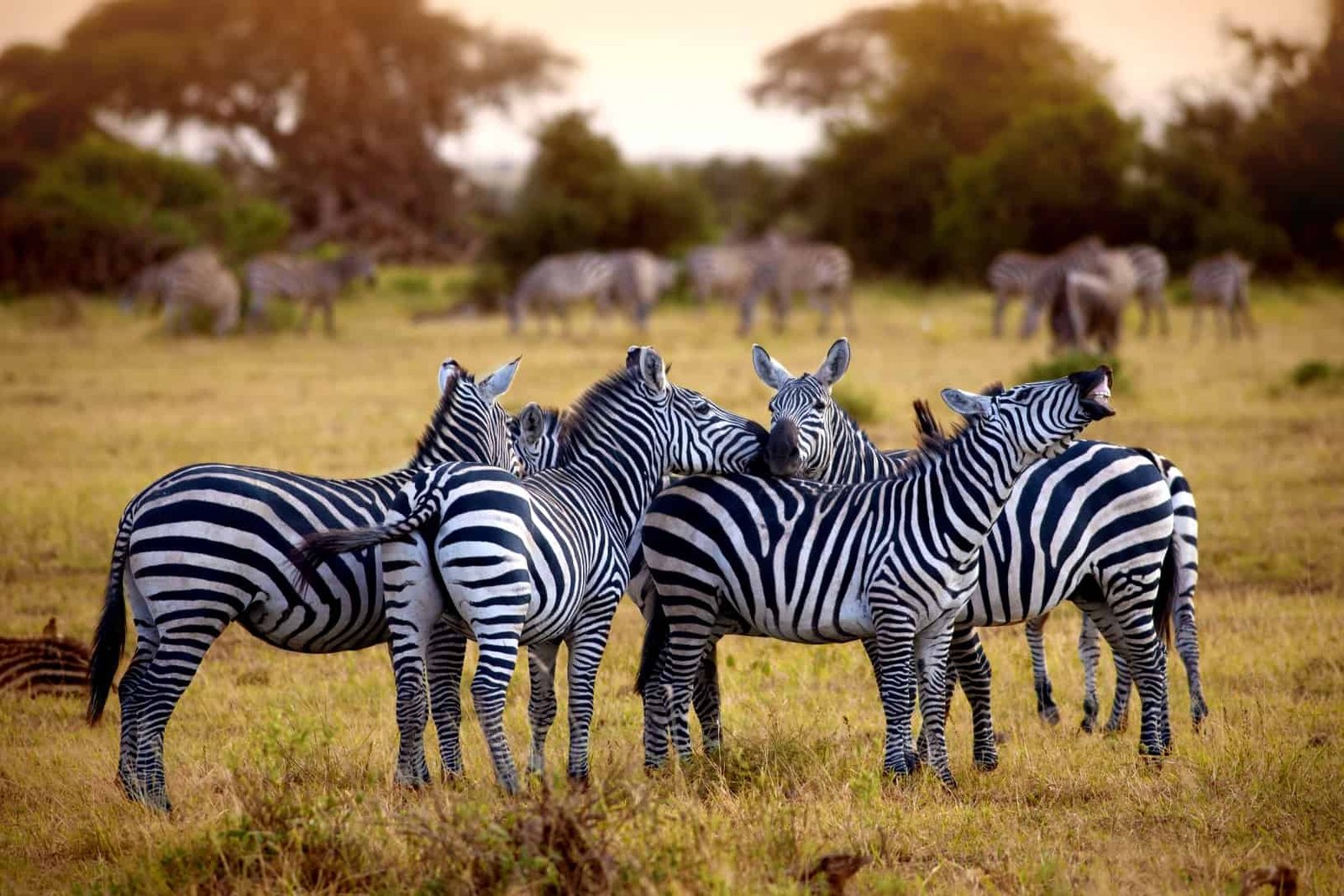
- Iconic Plains Herbivores: Plentiful herds of Maasai giraffes, impalas, grant’s gazelles, waterbucks, common zebras, and blue wildebeests inhabit the open river meadows and woodland edges.
- Predators: Tarangire is famous for healthy lion prides that regularly hunt around the river loops or rest atop low acacia branches to escape tsetse flies and ground heat. Leopard sightings occur along the riverine sausage trees, while cheetahs occasionally patrol the drier southern ridges.
- Prolific Avian Life: With more than 550 bird species recorded, even non-birders will notice giant ostriches, ground hornbills, colorful lilac-breasted rollers, yellow-collared lovebirds, and numerous raptors circling thermal drafts.
The wildlife experience varies markedly depending on when you travel in 2026 or 2027:
Dry Season (Late June through October): This is the absolute peak window for a day trip. Tens of thousands of migratory animals move back into Tarangire from surrounding community lands because the Tarangire River is their only refuge. Wildlife density within 10 kilometers of the main gate reaches world-class levels, making short 5-hour game drives extraordinarily productive.
Green Season (November through May): Following the seasonal rains, many migratory zebras and wildebeests disperse into surrounding dispersal areas. However, Tarangire’s resident elephant population remains massive throughout the entire year, and lush green backdrops provide exceptional photography. Baobabs are fully leafed out, migratory European birds arrive in huge numbers, and tourist traffic drops significantly.
If your overall East Africa itinerary allows for more than just a single day, comparing a single-day excursion against an overnight option such as the best 2-day Tarangire and Ngorongoro Crater safari from Moshi reveals how adding a night dramatically deepens your viewing window across two completely distinct ecological environments.
Tarangire Day Trip Cost Breakdown for 2026-2027
Pricing for a day trip from Moshi to Tarangire depends primarily on vehicle economics and fixed government statutory fees. Unlike walking tours or local town excursions, a safari requires a heavy-duty, fuel-intensive 4WD vehicle, licensed driver-guide compensation, vehicle park entry permits, commercial passenger vehicle insurance, and individual conservation fees governed directly by TANAPA.
Because the fixed vehicle expense (fuel for 400+ km of driving, vehicle park entry, and driver fees) remains identical whether one person or six people occupy the vehicle, the per-person rate drops dramatically when sharing costs.
| Safari Format | Estimated Rate per Person (2026-2027) | What Is Included | Best Suited For |
|---|---|---|---|
| Group Joining (4-6 Pax) | $240 – $290 USD | Shared 4×4 cruiser, TANAPA conservation fees ($59), licensed guide, packed lunch, drinking water | Solo travelers, budget pairs, active post-climb trekkers |
| Private Tour (2 Travelers) | $360 – $440 USD | Dedicated 4×4 cruiser, window seats guaranteed, custom pickup time, private guide, full park entry fees | Couples, honeymooners, photographers wanting unhurried stops |
| Private Tour (4+ Travelers) | $260 – $320 USD | Exclusive Land Cruiser for your family or group, flexible lunch schedule, customized route pace | Families, small groups of friends traveling together |
| Solo Private Safari | $480 – $580 USD | Entire vehicle, fuel, guide, and all commercial entry permits dedicated exclusively to one traveler | Professional photographers, travelers with rigid departure schedules |
To avoid unexpected charges on the morning of your trip, it is vital to know how official park fees function. For adult foreign non-residents during 2026 and 2027, the TANAPA conservation fee for Tarangire National Park is set at $50 USD plus 18% VAT (totalling $59 USD per adult) during peak months, and $45 USD plus VAT (roughly $53.10 USD) during low season months. When booking with Top Guide Adventures, these statutory government entry taxes, transit permits, fuel allocations, and crew allowances are fully bundled into your upfront booking quote so there are no cash surprises at the park gate.
For a detailed perspective on how Tanzania’s conservation tariffs, crater descent fees, and multi-day accommodations compare across the entire northern circuit, review our guide to the Tanzania safari cost breakdown including park fees and accommodation.
Who This Day Trip Suits (And Who Should Choose an Overnight Instead)
A day trip from Moshi to Tarangire is an excellent option under the right circumstances, but it is not ideal for every traveler. Being realistic about the physical toll of 7 to 8 hours of road travel in a single day ensures you make the right choice for your holiday.
This day trip is ideal for:
- Kilimanjaro Trekkers on a Tight Schedule: If you have just summited Kilimanjaro and have only 24 to 48 hours remaining before your international departure from Kilimanjaro International Airport (JRO), a Tarangire day trip delivers an authentic, big-game safari experience without paying for costly safari lodge accommodation.
- Budget-Conscious Explorers: Overnight safari lodges and luxury tented camps in the Tarangire-Manyara ecosystem often command substantial nightly room rates. A day trip allows you to keep your existing base accommodation in Moshi while enjoying prime game viewing.
- Travelers Seeking Heavy Elephant Exposure: If your bucket-list wildlife priority is witnessing giant elephant herds and towering African baobab landscapes, no other park reachable from Moshi in a day compares to Tarangire.
You should reconsider and book an overnight safari if:
- You are traveling with very young children: Spending 3.5 hours in a vehicle before entering the park, followed by 5 hours of low-speed bumping during game drives, followed by another 3.5-hour highway return is exhausting for kids under 7 years of age.
- You want deep early-morning or late-evening predator action: Big cats are most active during dawn (06:00 to 07:30 AM) and twilight (18:00 to 19:00 PM). Because a day trip from Moshi operates inside the park between roughly 09:30 AM and 15:30 PM, you will miss the extreme edges of the day when active hunting occurs most frequently.
- You dislike extensive driving: If sitting in a vehicle for 12 to 14 total hours sounds grueling rather than thrilling, an overnight stay near Karatu or inside Tarangire itself is far more restorative.
Solo travelers who want the economic benefits of cost-sharing without paying for an exclusive vehicle should also examine whether they can join a safari group from Moshi instead of Arusha to secure fixed departures that suit their personal dates.
Road Infrastructure, Vehicle Choice, and Guide Impact
The success of an intense single-day safari hinges entirely on your vehicle and guide quality. Because transit represents half of the day’s total duration, mechanical reliability and comfort are paramount.
Check Availability for Can I Visit Tarangire National Park On A Day Trip From Moshi? 2026-2027
Ready to compare dates, prices, and the best option for your group? Send the package name and travel month so the team can reply with a clear quote, availability, and what is included.
Is Tarangire National Park Worth Visiting For One Day? 2026-2027
Is Tarangire National Park Worth Visiting for One Day? is explained with current 2026-2027 planning, price, itinerary and booking information.
View package details
How Much Does A Tarangire Day Trip Cost From Moshi? 2026-2027
How Much Does a Tarangire Day Trip Cost from Moshi? is explained with current 2026-2027 planning, price, itinerary and booking information.
View package details
Best Time To Visit Tarangire National Park For Elephant Sightings 2026-2027
Best Time to Visit Tarangire National Park for Elephant Sightings is explained with current 2026-2027 planning, price, itinerary and booking information.
View package details
Tarangire National Park Safari With Walking Options 2026-2027
Tarangire National Park Safari with Walking Safari Options is explained with current 2026-2027 planning, price, itinerary and booking information.
View package details
Best Tarangire National Park Safari Tours With Prices For 2026-2027
Best Tarangire National Park Safari Tours with Prices for 2027 is explained with current 2026-2027 planning, price, itinerary and booking information.
View package details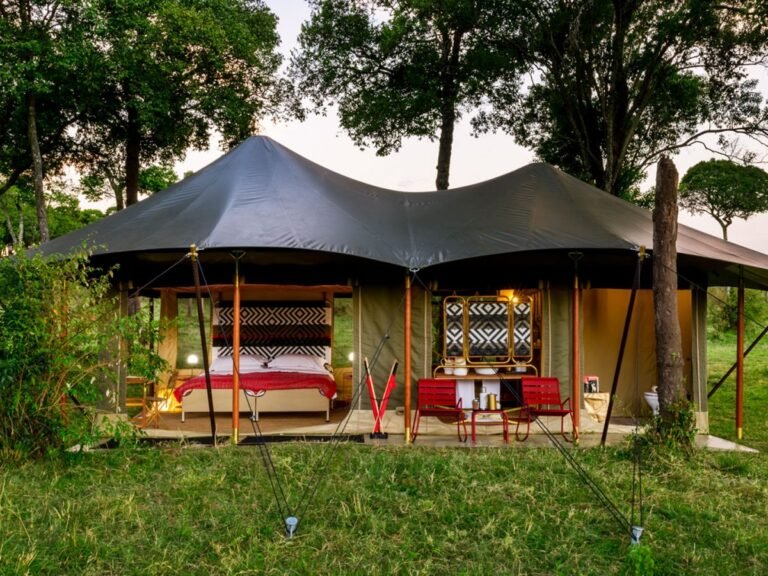
Can I See Large Elephant Herds In Tarangire National Park? 2026-2027
Can I See Large Elephant Herds in Tarangire National Park? is explained with current 2026-2027 planning, price, itinerary and booking information.
View package details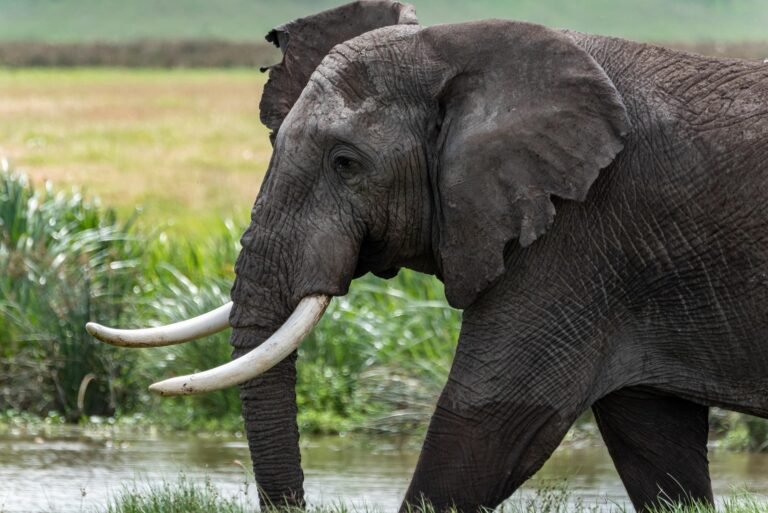
Tarangire Day Safari From Arusha With Lunch And Park Fees 2026-2027
Tarangire Day Safari from Arusha with Lunch and Park Fees is explained with current 2026-2027 planning, price, itinerary and booking information.
View package details
Can I Combine Tarangire And Lake Manyara In A 2 Day Safari? 2026-2027
Can I Combine Tarangire and Lake Manyara in a 2 Day Safari? is explained with current 2026-2027 planning, price, itinerary and booking information.
View package detailsTarangire Safari With Luxury Tented Camps And Private Bathrooms 2026-2027
A comprehensive buyer guide to booking a Tarangire safari with luxury tented camps featuring private en-suite flush toilets and running hot showers for 2026-2027.
View package details
Best Private Tarangire Safari Tours For Wildlife Photographers 2026-2027
Best Private Tarangire Safari Tours for Wildlife Photographers is explained with current 2026-2027 planning, price, itinerary and booking information.
View package details
Best Tarangire Safari Tours From Kilimanjaro Airport 2026-2027
Best Tarangire Safari Tours from Kilimanjaro Airport is explained with current 2026-2027 planning, price, itinerary and booking information.
View package detailsFamily-Friendly Tarangire Safari Packages With Short Driving Distances
Family-Friendly Tarangire Safari Packages with Short Driving Distances is explained with current 2026-2027 planning, price, itinerary and booking information.
View package detailsNo closely related package is available yet for this topic.

Our Guest Reviews, Currently Feedback from Clients in 2026
Reviews from different sources, including Google Business, Tripadvisor, other platforms, and social media.



