
A Tarangire day safari from Arusha with lunch and park fees is a full-day guided wildlife excursion covering roughly 140 kilometers (two to two-and-a-half hours) each way along paved tarmac via the A104 highway into Tarangire National Park. In 2026-2027, an all-inclusive day trip typically costs between $200 and $280 per person for a shared group-joining safari (4 to 6 guests per vehicle) and between $350 and $490 per person for a private safari for two travelers. Standard packages include mandatory TANAPA conservation fees ($59 per adult in peak season or $53.10 in low season, including 18% VAT), a dedicated 4×4 Land Cruiser with pop-up photographic roof, an English-speaking driver-guide, bottled drinking water, a packed picnic box lunch, and door-to-door hotel transfers in Arusha. The primary decision travelers must make is choosing between the lower cost of a fixed-schedule shared vehicle and the operational flexibility of a private departure that controls its own gate arrival and lunch stop timing.

Expected Rates and Price Structure for 2026-2027
Pricing for a single-day safari to Tarangire National Park from Arusha is driven by vehicle overhead and statutory entry tariffs rather than distance alone. Because a heavy custom 4WD safari Land Cruiser consumes roughly the same amount of fuel and requires the exact same professional driver-guide whether it carries one guest or six, the per-person rate drops dramatically as vehicle occupancy increases.
For budget planning during the 2026-2027 operational seasons, reputable local operators organize pricing into distinct tiers based on party size and service exclusivity. Travelers seeking transparent budgeting should review the comparative structure below, which consolidates all operational and entry expenses into an upfront per-person price.
| Tour Setup | Group Size | Estimated Per-Person Rate (Peak Season) | Estimated Per-Person Rate (Low Season) | Key Cost Drivers |
|---|---|---|---|---|
| Group-Joining Shared Cruiser | 4 to 6 people | $220 – $280 | $190 – $240 | Shared vehicle fuel and guide fee; fixed TANAPA entry per head. |
| Private Safari (Solo Traveler) | 1 person | $550 – $680 | $500 – $620 | Single traveler absorbs 100% of vehicle transit, fuel, guide daily wage, and vehicle entry fee. |
| Private Safari (Couple / 2 Pax) | 2 people | $360 – $450 | $320 – $400 | Vehicle expenses divided by two; window seats on both sides; custom departure time. |
| Private Small Group / Family | 3 to 4 people | $280 – $340 | $250 – $300 | Moderate vehicle cost sharing; private lunch pacing; ideal balance of cost and privacy. |
| Private Group (Full Vehicle) | 5 to 6 people | $210 – $260 | $180 – $230 | Maximum operational cost division across full standard passenger capacity. |
Peak season pricing applies throughout the dry months of July to October and the year-end holiday window from late December through early January. During these months, wildlife congregates densely around the permanent Tarangire River, driving high demand for licensed safari vehicles and certified guides across the Arusha hub. Low-season pricing corresponds with the long rains (April to May) and parts of November, when park fees drop marginally and vehicle availability allows operators greater flexibility in discount margins. To understand how day trip fees relate to multi-day itineraries, consult our detailed Tanzania safari cost breakdown including park fees and accommodation.
Understanding TANAPA Park Fees, Taxes, and Concessions
A frequent point of confusion for travelers looking at day safari quotes is the composition of the statutory government fees. Unlike standard municipal parks elsewhere in the world, Tanzania National Parks Authority (TANAPA) manages park access through strict electronic ticketing and commercial regulatory tariffs that must be paid in advance via a government electronic payment gateway or cashless bank card at the gate.
For Tarangire National Park, entry fees operate on a 24-hour single-entry cycle. For international visitors (non-East African Community citizens) aged 16 and older, the conservation fee structure for 2026-2027 remains regulated at statutory baseline rates that must always include Tanzania's 18% Value Added Tax (VAT):
- Peak Season Conservation Fee (July to March): $50 USD base fee + 18% VAT ($9 USD) = $59.00 USD per adult.
- Low Season Conservation Fee (April to June): $45 USD base fee + 18% VAT ($8.10 USD) = $53.10 USD per adult.
- Expatriate / Non-East African Residents: $25 USD base fee + 18% VAT ($4.50 USD) = $29.50 USD per adult (valid work permit/residency documentation required at the gate).
- Children (Ages 5 to 15): $15 USD base fee + 18% VAT ($2.70 USD) = $17.70 USD per child; children under 5 enter free of charge.
- Commercial Vehicle Entry Fee: Tariffs vary based on vehicle tare weight. A standard modified safari Land Cruiser (2,001 kg to 3,000 kg) incurs a entry fee of 20,000 Tanzanian Shillings plus 18% VAT (roughly $9 to $11 USD total per day), charged directly to the operator.
When assessing operator offers, you should verify that your quoted price explicitly includes these exact TANAPA dues. Unscrupulous operators sometimes advertise an artificially deflated rate of $130 to $160 per person, only to disclose inside the vehicle or at the entrance gate that the $59 TANAPA conservation fee must be paid separately by the traveler. Reputable local operators include all statutory entrance fees directly on the initial booking voucher.
What Must Be Included in a Transparent All-Inclusive Quote
Booking a single-day trip requires absolute clarity regarding operational boundaries. Because you are traveling out from Arusha early in the morning and returning the same evening, an omitted inclusion can quickly disrupt your schedule or leave you stranded with unexpected cash requests at fuel stops or park gates.
Mandatory Checklist: What an All-Inclusive Tarangire Day Safari Must Include
- All Government Taxes & Fees: 100% of TANAPA adult conservation fees and 18% national VAT paid and pre-cleared.
- Commercial Vehicle Entry: Park registration and transit fees for the safari cruiser paid in full.
- Dedicated 4×4 Safari Land Cruiser: Custom extended chassis equipped with heavy-duty suspension, pop-up viewing roof, inverter sockets for device charging, and an onboard mini-fridge or cooler.
- Professional Local Driver-Guide: A fully licensed, English-fluent guide with active wilderness communication radios (VHF) and extensive wildlife tracking experience.
- Round-Trip Arusha Transfers: Pickup and drop-off at your hotel, residence, or urban guesthouse within Arusha city limits.
- Drinking Water: Unlimited purified bottled water supplied throughout the entire vehicle journey.
- Substantial Packed Lunch: A freshly assembled picnic lunch box meeting confirmed dietary preferences (vegetarian, vegan, gluten-free, or halal).
Equally critical is noting what remains excluded from a standard commercial day safari quote:
- Crew Gratuities: Tipping the driver-guide is discretionary but culturally standard across Tanzania. The Northern Safari Circuit baseline recommendation is $15 to $25 per vehicle per day from the group as a whole.
- Alcoholic Beverages and Soft Drinks: Beyond purified drinking water, items such as sodas, specialty coffees, or beers purchased at picnic site tuck-shops are paid out-of-pocket by the guest.
- Travel and Medical Insurance: Guests are required to maintain their own comprehensive personal travel coverage covering outdoor vehicle excursions and general medical evacuation.
- Kilimanjaro Airport (JRO) Transfers: Pickups starting outside central Arusha—such as Kilimanjaro International Airport (roughly 50 km east of town) or Moshi—incur supplementary transfer surcharges ranging between $40 and $70 per transfer. If you are staying in Moshi, see our specific route breakdown on whether you can visit Tarangire National Park on a day trip from Moshi.
Private vs. Group Joining: Price Differences and Experience Trade-offs
Deciding between joining an organized group safari or reserving a private vehicle represents the single biggest logistical and financial decision for an Arusha day trip. Each format caters to fundamentally different traveling styles, budgets, and tolerance for shared spaces.
A group joining safari gathers solo travelers, couples, or pairs of friends into a shared 6-passenger Land Cruiser. The clear advantage is the low upfront price tag, allowing budget-conscious adventurers to access the park for around $200 to $250 per person. However, group trips require operational compromises. Pickup windows in Arusha often stretch between 06:00 AM and 07:15 AM as the vehicle threads through morning traffic stopping at three or four separate hostels and hotels across the city. Furthermore, game-viewing stops inside Tarangire are governed by collective consensus. If four guests want to watch a sleeping pride of lions for forty-five minutes under the shade of an acacia while you prefer tracking dynamic breeding herds of elephants near the swamp circuit, the guide must manage conflicting expectations.
By contrast, a private day safari awards you full sovereignty over the vehicle and itinerary. Your pickup from your Arusha lodging is sharp and direct—typically at 06:30 AM without detours—putting your wheels onto the Makuyuni tarmac before the commercial convoy clogs the park entry gates. You decide when to take your lunch break, which animal sightings to follow, and when to begin the return leg to Arusha. For photographers carrying telephoto lenses, beanbags, and specialized camera mounts, private bookings are virtually mandatory to avoid competing for stability and unobstructed shooting angles through the roof hatch. For travelers weighing whether a single day is sufficient compared to a broader itinerary, our evaluation on whether Tarangire National Park is worth visiting for one day provides extensive seasonal context.
Hour-by-Hour Route Logistics: Arusha to Tarangire and Back
Achieving six quality hours of wildlife observation within a single operational day requires disciplined adherence to a time-tested transit schedule. Because park gates enforce a strict evening closure policy at 18:00 (6:00 PM), missing transition marks can result in cut-short game loops or operator penalties.
Standard Operating Schedule: Tarangire Single-Day Expedition
- 06:00 AM – 06:30 AM | Hotel Pickup in Arusha: Your driver arrives directly at your accommodation. Quick briefing, luggage placement in the rear cargo rack, and immediate departure via the Arusha-Dodoma road.
- 06:30 AM – 08:45 AM | Highway Transit: A scenic 120 km drive southwest across the Maasai Steppe through Kisongo and Makuyuni Junction. The tarmac road is smoothly paved, offering views of distant volcanic ridges and open savannah.
- 08:45 AM – 09:15 AM | Gate Clearance at Tarangire Main Gate: The vehicle reaches the park gate. While you visit clean restrooms or view the educational skull exhibits at the visitor information post, your guide checks vehicle permits and processes TANAPA biometric smartcards.
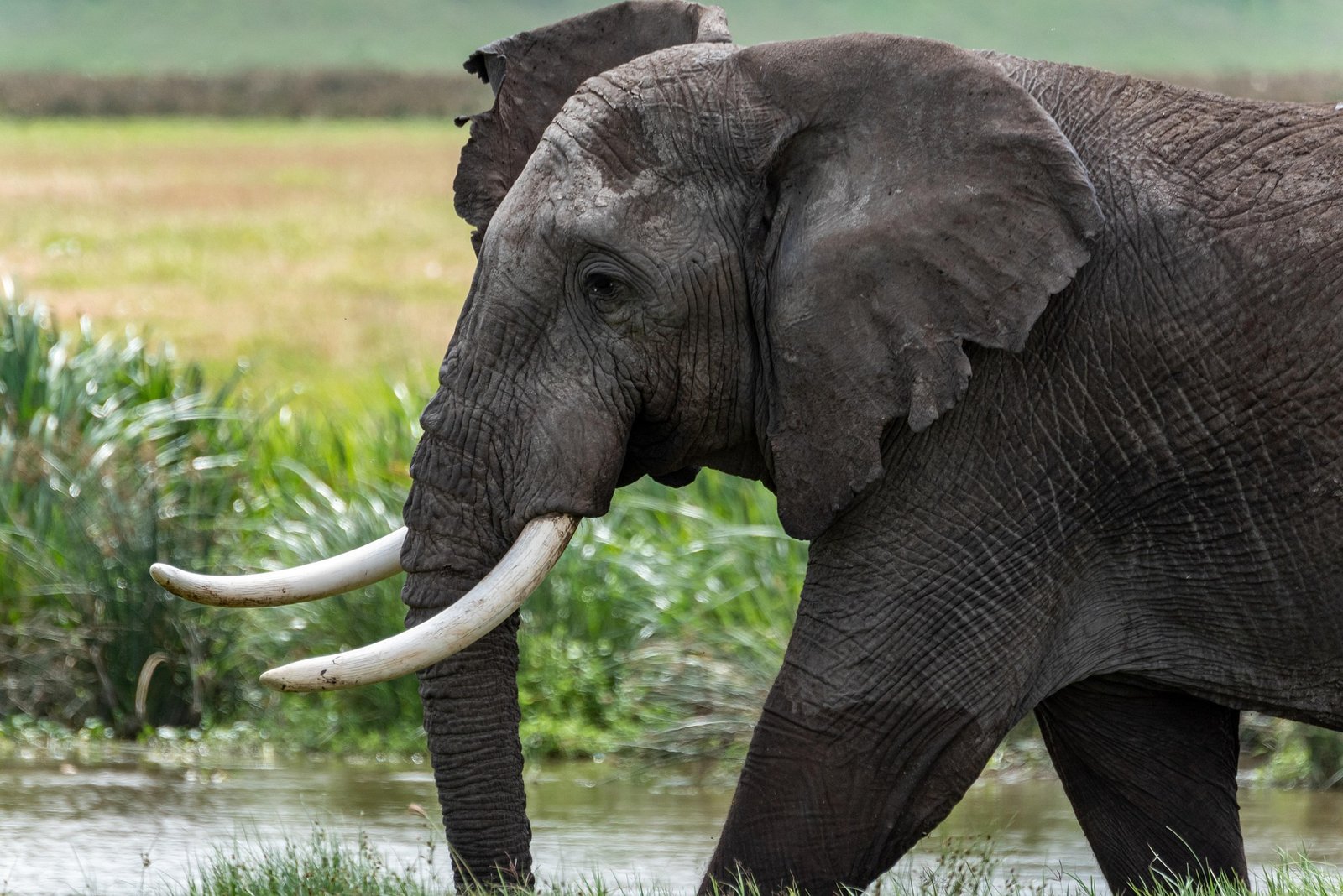
- 09:15 AM – 01:00 PM | Morning Game Drive: The roof pop-up opens. The morning loop concentrates on the primary Tarangire River corridor, where permanent water attracts elephant families, giraffes, waterbucks, impalas, and tree-climbing lions.
- 01:00 PM – 02:00 PM | Picnic Lunch Stop: The vehicle pulls into an authorized vantage point—most commonly the elevated picnic terrace overlooking the Tarangire River. Box lunches are enjoyed out in the open air while monitoring animals watering below.
- 02:00 PM – 03:30 PM | Afternoon Game Loop: Exploration shifts toward the Silale Swamps or the surrounding baobab-studded ridges to seek buffalo herds, zebras, cheetahs, or rare leopard sightings.
- 03:30 PM – 04:00 PM | Park Exit Formalities: The vehicle begins its exit trajectory toward the gate, closing out electronic park tracking before the 24-hour cycle boundary.
- 04:00 PM – 06:30 PM | Highway Return to Arusha: Transit back to Arusha town. Arrival at your hotel in time for dinner and onward evening plans.
If your travel dates permit an overnight journey rather than a single day sprint, exploring a combined 2 day Tarangire and Ngorongoro Crater safari from Arusha can dramatically enhance your wildlife diversity while cutting the single-day driving pressure in half.
The Picnic Lunch Reality: Meal Quality, Bush Sites, and Waste Rules
Because day trips do not permit the time required to sit down for a multi-course hot lunch at a luxury lodge without sacrificing valuable animal tracking time, safari lunch boxes represent a central part of the experience. Historically, day-safari boxes earned a reputation for being uninspired, dominated by dry boiled eggs, dense bread rolls, and mass-produced juice pouches. However, professional safari operations have modernized their bush catering substantially for 2026-2027.
Check Availability for Tarangire Day Safari From Arusha With Lunch And Park Fees 2026-2027
Ready to compare dates, prices, and the best option for your group? Send the package name and travel month so the team can reply with a clear quote, availability, and what is included.

Best Tarangire National Park Safari Tours With Prices For 2026-2027
Best Tarangire National Park Safari Tours with Prices for 2027 is explained with current 2026-2027 planning, price, itinerary and booking information.
View package details
Best Tarangire Safari Tours From Kilimanjaro Airport 2026-2027
Best Tarangire Safari Tours from Kilimanjaro Airport is explained with current 2026-2027 planning, price, itinerary and booking information.
View package detailsFamily-Friendly Tarangire Safari Packages With Short Driving Distances
Family-Friendly Tarangire Safari Packages with Short Driving Distances is explained with current 2026-2027 planning, price, itinerary and booking information.
View package details
Is Tarangire Better Than Lake Manyara For A Wildlife Safari? 2026-2027
Is Tarangire Better Than Lake Manyara for a Wildlife Safari? is explained with current 2026-2027 planning, price, itinerary and booking information.
View package details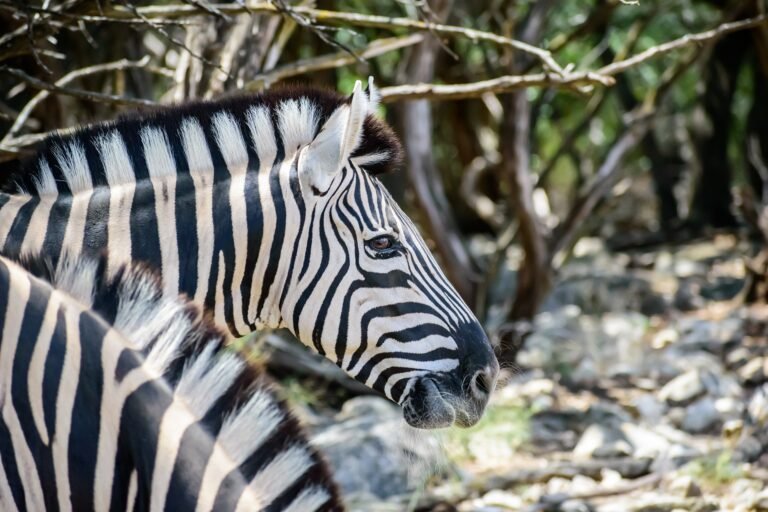
Best 2 Day Ngorongoro Crater And Tarangire Safari Packages 2026-2027
Best 2 Day Ngorongoro Crater and Tarangire Safari Packages is explained with current 2026-2027 planning, price, itinerary and booking information.
View package details
Tanzania Safari Packages Including Serengeti Tarangire And Ngorongoro
Tanzania Safari Packages Including Serengeti Tarangire and Ngorongoro is explained with current 2026-2027 planning, price, itinerary and booking information.
View package details
Tanzania Safari Tours For With Affordable Lodge Options 2026-2027
A practical booking blueprint for Tanzania safari tours in 2027 featuring comfortable, budget-conscious lodges across the Serengeti, Ngorongoro, and Tarangire.
View package details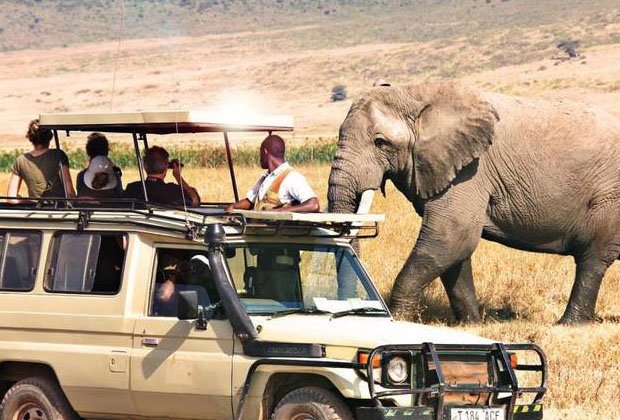
Best Time To Visit Tarangire National Park For Elephant Sightings 2026-2027
Best Time to Visit Tarangire National Park for Elephant Sightings is explained with current 2026-2027 planning, price, itinerary and booking information.
View package details
Can I See Large Elephant Herds In Tarangire National Park? 2026-2027
Can I See Large Elephant Herds in Tarangire National Park? is explained with current 2026-2027 planning, price, itinerary and booking information.
View package details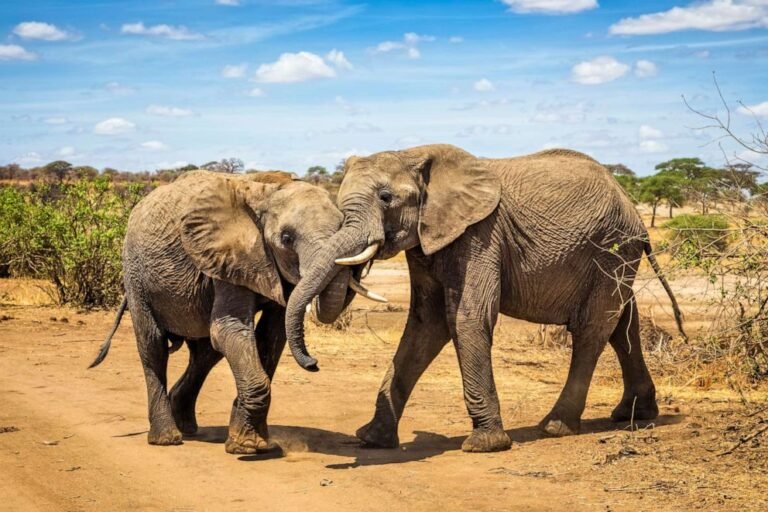
Is Tarangire National Park Worth Visiting For One Day? 2026-2027
Is Tarangire National Park Worth Visiting for One Day? is explained with current 2026-2027 planning, price, itinerary and booking information.
View package details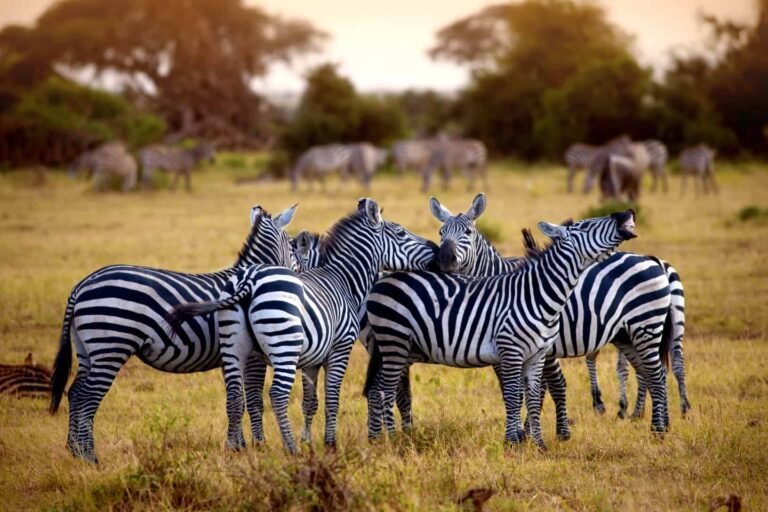
Can I Visit Tarangire National Park On A Day Trip From Moshi? 2026-2027
Can I Visit Tarangire National Park on a Day Trip from Moshi? is explained with current 2026-2027 planning, price, itinerary and booking information.
View package details
How Much Does A Tarangire Day Trip Cost From Moshi? 2026-2027
How Much Does a Tarangire Day Trip Cost from Moshi? is explained with current 2026-2027 planning, price, itinerary and booking information.
View package detailsNo closely related package is available yet for this topic.

Our Guest Reviews, Currently Feedback from Clients in 2026
Reviews from different sources, including Google Business, Tripadvisor, other platforms, and social media.



