
The best private Tarangire safari tours for wildlife photographers feature dedicated modified 4×4 Land Cruisers with removed side window panes or drop-down frames, custom beanbag mounts, 360-degree pop-up roof access, and an unhurried, single-party vehicle policy driven by a guide trained in light angles and animal behavior. Operating primarily out of Arusha or Kilimanjaro International Airport (JRO), top-tier photographic itineraries run 3 to 5 dedicated days in Tarangire National Park between late June and October, with private charter or drive costs ranging from $480 to $1,150 per photographer per day depending on accommodation tier and season across 2026-2027. The primary planning decision photographers face is balancing north-river circuit elephant congestion against the remote, high-clearance riverbeds and swamp habitats of southern Tarangire (Silale and Gursi).
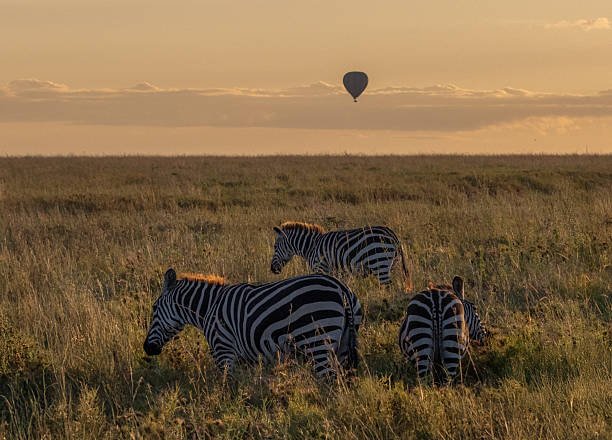
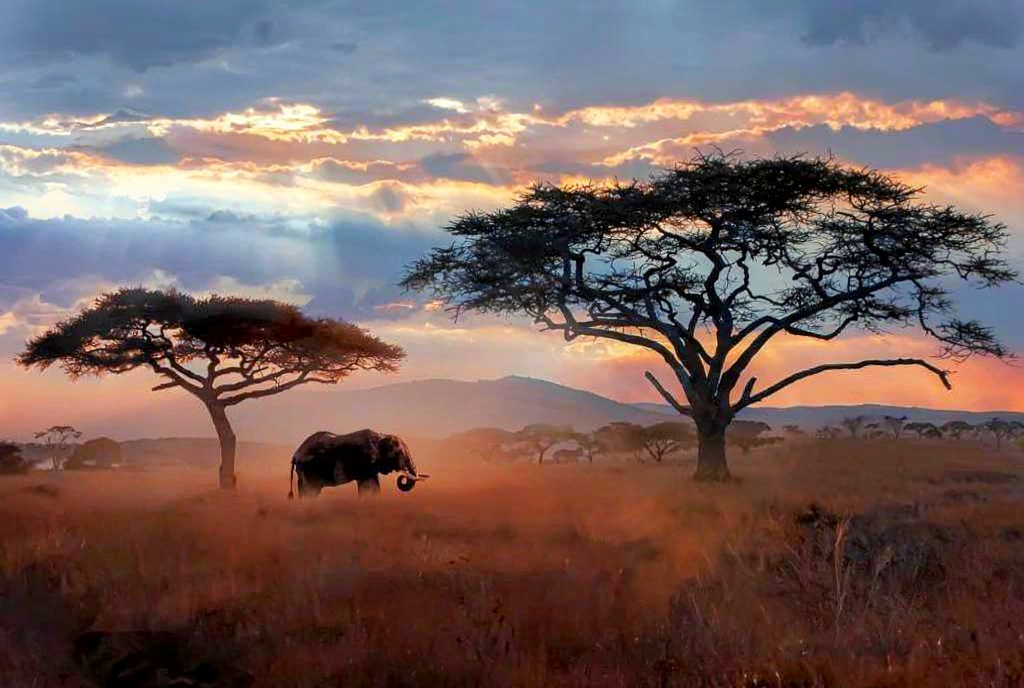
Why Tarangire Photography Requires a Dedicated Private Vehicle
Standard group safaris fail wildlife photographers in Tarangire within the first two hours of morning light. On a mixed group tour, game drives adhere to a predictable social routine: a late 7:30 AM departure after breakfast, mid-range driving speeds designed to log maximum territory, hurried stops at high-profile sightings, and a non-negotiable noon return to camp for a sit-down hot lunch. Wildlife photography runs on the exact opposite clock.
In Tarangire National Park, where the contrast between dusty red soils, incandescent golden grasses, and granite-hued elephant hides can overwhelm digital camera sensors by mid-morning, the only usable light for high-dynamic-range captures occurs in two narrow brackets: 06:15 AM to 08:45 AM and 16:15 PM to 18:30 PM. Booking a Tanzania safari package with guaranteed private vehicle options grants total command over the ignition key. When an African wild dog pack crosses the road near Kuro or a leopard settles into the low fork of a sausage tree, you do not consult five other travelers before deciding to wait three hours for the ideal head-turn or eye contact.
Furthermore, engine vibration ruins shots shot through long telephoto glass. In a shared vehicle, passengers continually shift their weight, adjust backpacks, and talk, generating micro-vibrations across the chassis that destroy the resolving power of a 600mm f/4 or 400mm f/2.8 lens—even when stabilized. A private vehicle booked through TOP GUIDE ADVENTURES ensures your driver-guide cuts the engine immediately upon positioning, anticipates animal movements so the vehicle rests parallel to the subject rather than head-on, and stays put until you signal that the card is filled.
Critical Field Trade-Off: Group tours measure success by species counts marked off a list. Private wildlife photography safaris measure success by individual frame quality, subject behavior, background separation, and directional lighting. If your priority is catching a dust-bathing matriarch back-lit by the morning rim-light against a massive baobab trunk, you cannot share a vehicle with passengers waiting to find a lion two miles away.
Photographers also face spatial limits. A standard safari passenger takes up one seat and holds a compact zoom or phone. A photographer carrying dual bodies, prime glass, gimbal heads, and extra battery packs occupies the functional space of two to three seats. On private photographic itineraries, our standard operational protocol limits vehicle occupancy to two or three photographers per extended long-chassis Land Cruiser, guaranteeing unobstructed sightlines out of both sides of the vehicle at all times.
Custom 4×4 Rigging: What Professional Photographers Need in Tarangire
Not every safari 4×4 Land Cruiser in Arusha is built for photographic work. Standard tourist vehicles feature fixed side-glass windows with small sliding panes that force you into awkward lens angles, creating severe optical restrictions when tracking moving game. When arranging private Tanzania safaris for two people with a dedicated focus on imaging, vehicle specification dictates your yield far more than camera bodies do.
A custom photographic Land Cruiser features several field modifications engineered around heavy glass:
- Drop-Down Window Frames or Removable Panes: The ability to drop the vehicle glass completely down into the door cavity allows low-angle shooting directly off the door sill, placing your camera lens at eye level with kneeling warthogs, low-profile servals, and drinking lions rather than looking down from an unnatural elevation.
- Double-Seamed Heavy Beanbags: Clamps and window mounts can slip or damage vehicle paint; filled rice or buckwheat beanbags provide fluid panning stability and vibration dampening. For international arrivals flying into Kilimanjaro (JRO), Top Guide Adventures provides pre-filled beanbags (unfilled shells save luggage weight, but having 4kg to 6kg bags ready upon arrival is vital).
- Center-Row Seat Removal: Removing the middle bench creates an open central shooting bay. This allows you to step directly across the vehicle floor to switch from the left window to the right window in under three seconds without climbing over upholstery or snagging camera straps.
- Pure Sine Wave Inverters: Modern mirrorless systems (Sony A1/A9 series, Canon R5/R3, Nikon Z8/Z9) consume batteries quickly in warm conditions. Vehicles must carry 220V/230V pure sine wave inverters with multi-plug surge strips running off dual auxiliary car batteries, preventing field dropouts during 10-hour tracking days.
- Custom Gimbal and Ball-Head Plates: Removable extruded-aluminum roof rails along the pop-up roof rim allow quick clamping of 3/8-inch tripod heads, eliminating hand-holding fatigue during long stakeouts over elephant corridors.
Before confirming your 2026-2027 photographic departure, verify vehicle specs in your initial exchange. Many brokers promise a private vehicle, only to dispatch a run-of-the-mill transport van with narrow tinted pop-up hatches that crowd your panning arc. A dedicated vehicle is not an upgrade; it is an optical baseline.
Seasonal Light and Wildlife Density: Planning Your 2026-2027 Window
Tarangire behaves unlike any other park in Northern Tanzania. Because the park acts as the dry-season refuge for the entire Tarangire-Manyara ecosystem, its wildlife density fluctuates dramatically across the calendar. Photographers must align their target species and artistic style with clear ecological periods.
| Season Window | Photographic Advantages | Field Challenges | Target Wildlife & Compositions |
|---|---|---|---|
| July to October (Peak Dry Season) | Extraordinary elephant concentrations along Tarangire River; golden dry dust; minimal foliage allowing clean backgrounds; reliable predator action around remaining water holes. | Fine silt dust penetrating gear; heavy tourist traffic in northern circuits; harsh direct sun between 10:30 AM and 15:30 PM. | Elephants digging in dry riverbeds, back-lit dust bathing, lions ambushing buffalo at water points, dry-country antelope (gerenuk, fringe-eared oryx). |
| November to December (Short Rains) | Intense emerald green foregrounds; dramatic storm cloud formations providing diffused, soft directional light; zero dust; newborn ungulates. | Scattered game; dirt tracks turn to slick mud; unpredictable rain showers require weatherproof dry bags and lens rain sleeves. | Elephants grazing against lush green backgrounds; high-contrast raptor flight shots against dark stormy skies; cheetahs scanning plains. |
| January to March (Calving Intermission) | Excellent overall birdlife (migratory species active); clear air quality; low vehicle congestion throughout central and southern valleys. | Elephants disperse across Maasai steppe into open dispersal corridors outside park borders; requires longer drives to locate large herds. | Endemic bird species (yellow-collared lovebirds, ashy starlings), big cats on termite mounds, tree-climbing lions. |
| April to May (Long Rains) | Pristine foliage, absolute vehicle exclusivity; lowest lodge rates of the year; dramatic moody morning mist. | Southern black-cotton soils impassable; some mobile camps closed; thick grass covers small predators and low-angle profiles. | Lush environmental portraits of megafauna; intense macro and botanical backgrounds; wide-angle environmental wildlife scenes. |
For photographers targeting the classic dry-riverbed elephant spectacle, August, September, and October 2026 and 2027 represent the definitive window. During these months, the Tarangire River serves as the sole freshwater conduit for hundreds of square miles. Over 3,000 elephants congregate within the park borders, creating constant photographic situations: river crossings, mud wallowing, trunk wrestling, and interaction with dry-country specialists like the fringe-eared oryx and the long-necked gerenuk.
Conversely, if your visual portfolio leans toward fine-art environmental portraits where intense green tones contrast with dark African thunderheads, the short-rain transition in late November to early December provides sensational light without the peak-season crowd density found along the park’s main northern entrance tracks.
Tarangire Photographic Zones: North Riverbed vs. Silale Swamp vs. Southern Wilderness
Most commercial tours scratch only the northern 15% of Tarangire National Park. They enter through the main gate, trace the river loop up to the public picnic site, tick off an elephant family and an impala herd, and exit toward Ngorongoro by early afternoon. For serious photographers, this northern bubble produces repetitive compositions cluttered with other tour vehicles in the background.
Understanding the park’s distinct geographical sectors allows you to plan your daily drive tracks for maximum diversity and clean backdrops.
The Northern River Loop (Lemiyon and Matete)
This is the classic Tarangire landscape dominated by ancient, colossal baobab trees (Adansonia digitata) and deep river gorges. The photogenic value here is exceptional: huge trees anchored into red riverbanks offer magnificent environmental portraits of elephants and leopards resting in wide branches.
However, the trade-off is vehicle volume. Between 09:30 AM and 14:00 PM, day-trippers from Arusha flood these loops. To photograph this zone effectively, stay inside the park at an internal camp, work the loops from 06:15 AM to 08:30 AM before outside operators clear the park gates, and return in the late afternoon when day-trippers have departed for town.
Northern Circuit Shooting Rules:
- Use wide-to-normal focal lengths (24-70mm, 70-200mm) to incorporate the towering baobabs into your wildlife frames.
- Position your vehicle down-sun along the riverbank edges early; morning mist rising off the river creates excellent atmospheric perspective.
- Avoid tracking high-profile cat sightings after 10:00 AM here; heavy vehicle clusters compromise natural behavior and background framing.
The Silale Swamp Circuit
Located in the park’s central-eastern sector, the vast Silale Swamp acts as a giant natural sponge. Even at the height of the dry season in September and October, Silale holds surface moisture, surrounded by an expansive sea of bright green and amber marsh grasses. This is arguably the premier big-game photographic location in East Africa during dry months.
Large elephant herds—often numbering 50 to 150 individuals—descend from the dry acacia woodlands into the open swamp bed daily around 11:00 AM to graze and bathe. The visual contrast between emerald swamp grasses, red mud-caked elephant skins, and pale blue skies is impressive. Furthermore, Silale hosts healthy prides of swamp lions that have adapted to hunting buffalo along the marsh reeds, creating dynamic predator-prey opportunities directly from the perimeter tracks.
The Southern Wilderness (Gursi, Mkungunero, and Lormakau)
South of the Kuro Ranger Post, visitor density drops by 90%. Southern Tarangire features open seasonal swamps, acacia tortilis woodlands, and dramatic granite inselbergs. This is the realm of true wilderness photography.
Working the south requires an experienced guide who understands off-the-beaten-path navigation. Here, you find undisturbed cheetah hunting territories across the Gursi plains, tree-climbing lions in the umbrella trees, and rare antelope species that flee the noise of northern traffic. Southern Tarangire demands a camp located deep within the park to avoid long daily transit drives that consume precious early-morning shooting hours.
When comparing circuits, read our detailed operational assessment on whether Tarangire is better than Lake Manyara for a wildlife safari, particularly if you are trying to allocate limited days across the wider Northern Circuit ecosystem.
Cost Logic and Budget Breakdown for Private Photo Safaris (2026-2027)
A dedicated photographic safari requires realistic budgeting. Because you cannot split operational vehicle overheads with unrelated travelers, private safari pricing reflects exclusive vehicle hire, professional guide day-rates, entry permits, and the strategic positioning of your lodges.
Tanzania National Parks Authority (TANAPA) calculates park entry fees on a 24-hour cycle. In Tarangire, adult non-resident conservation fees sit at $59 per person per 24 hours (peak season) or $53.10 (low season), inclusive of VAT. Added to this are vehicle entry fees, concession fees for staying inside park boundaries, and dedicated guide fees.
Estimated Daily Rates for Private Photo Tours (2026-2027)
Costs reflect per-person, per-day expenses based on two photographers sharing one private photographic Land Cruiser:
- Mid-Range Photographic Tier ($480 – $680 per person / day): Includes private customized 4×4 Land Cruiser with open roof and beanbags, professional local photo guide, unlimited fuel/mileage, all park entry and conservation fees, and comfortable permanent tented camps located just outside park gates (e.g., Sangaiwe or Maramboi areas). Trade-off: 20 to 35-minute gate clearance drive each morning, which can cost you the very earliest dawn light.
- Premium In-Park Photographic Tier ($750 – $1,150 per person / day): Includes specialized photo-rigged Land Cruiser (window drops, dual inverters, removed bench seats), elite senior naturalist-photographer guide, and inside-the-park luxury tented camps or mobile camps (e.g., Kuro area or Oliver’s Camp). Advantage: You start shooting at 06:15 AM at the riverbed without passing through park gates, and return after dusk.
- Solo Photographer Exclusive Tier ($920 – $1,550 per day): Complete vehicle exclusivity for one photographer, full camp accommodation, and custom technical support. Ideal for working professionals on commercial assignments.
For a complete macro view of vehicle overheads throughout Northern Tanzania, see our detailed guide on how much extra a private safari vehicle costs in Tanzania. The premium paid for vehicle exclusivity is offset by the photographic return: you secure twice as many keeper frames in two days of private shooting as you would in a week of shared transit.
Target Compositions: Elephants, Baobabs, Pythons, and Big Cats
To produce an exceptional photo series in Tarangire, you must plan for specific animal behaviors and habitat interactions that distinguish this park from the Serengeti or Ngorongoro.
1. Elephant Riverbed Excavation
During dry months, the Tarangire River stops flowing above ground in many sectors, leaving wide stretches of sand. Elephants use their front feet and trunks to dig deep wells into the sandbar down to the clean water table beneath. This offers incredible photographic potential.
- Angle: Low-angle side profile using an open door sill beanbag.
- Lens Choice: 300mm to 500mm to isolate the texture of the trunk spraying water, or 70-200mm to include the sandy river walls and family members waiting their turn.
- Lighting Note: In the late afternoon (16:30 PM), backlighting illuminates flying water droplets and airborne sand particles, creating dramatic halo effects around the herd.
2. Baobab Environmental Scale
Tarangire’s baobab trees are prehistoric in scale, often reaching circumferences over 30 feet. Framing megafauna against these titans provides immediate geographic context. Avoid shooting baobabs exclusively with telephoto lenses, which compress perspective and diminish the apparent size of the tree.
Instead, wait until an elephant family or a herd of giraffe walks within 50 feet of the trunk base. Switch to a 24-70mm or 35mm prime lens, step down to f/8 or f/11 for depth of field, and shoot from a lower vehicle vantage point. The resulting frame captures the true ecological scale of the African savanna.
3. Pythons and Tree-Climbing Predators
Tarangire is one of the few places in East Africa where African rock pythons routinely climb trees. During the hot midday hours in the Silale and central river sectors, large pythons drape themselves across low branches of umbrella acacia and sausage trees to escape heat and terrestrial predators. Similarly, both lions and leopards frequently climb trees here to catch cooling breezes and avoid tsetse flies.
Check Availability for Best Private Tarangire Safari Tours For Wildlife Photographers 2026-2027
Ready to compare dates, prices, and the best option for your group? Send the package name and travel month so the team can reply with a clear quote, availability, and what is included.

Tarangire Safari With Luxury Tented Camps And Private Bathrooms 2026-2027
A comprehensive buyer guide to booking a Tarangire safari with luxury tented camps featuring private en-suite flush toilets and running hot showers for 2026-2027.
View package details
Is Tarangire Better Than Lake Manyara For A Wildlife Safari? 2026-2027
Is Tarangire Better Than Lake Manyara for a Wildlife Safari? is explained with current 2026-2027 planning, price, itinerary and booking information.
View package details
Tarangire Safari Packages With Accommodation Inside The Park 2026-2027
Tarangire Safari Packages with Accommodation Inside the Park is explained with current 2026-2027 planning, price, itinerary and booking information.
View package detailsTarangire National Park Safari With Walking Options 2026-2027
Tarangire National Park Safari with Walking Safari Options is explained with current 2026-2027 planning, price, itinerary and booking information.
View package details
Can I Combine Tarangire And Lake Manyara In A 2 Day Safari? 2026-2027
Can I Combine Tarangire and Lake Manyara in a 2 Day Safari? is explained with current 2026-2027 planning, price, itinerary and booking information.
View package details
Best Tarangire National Park Safari Tours With Prices For 2026-2027
Best Tarangire National Park Safari Tours with Prices for 2027 is explained with current 2026-2027 planning, price, itinerary and booking information.
View package details
Best Tarangire Safari Tours From Kilimanjaro Airport 2026-2027
Best Tarangire Safari Tours from Kilimanjaro Airport is explained with current 2026-2027 planning, price, itinerary and booking information.
View package detailsFamily-Friendly Tarangire Safari Packages With Short Driving Distances
Family-Friendly Tarangire Safari Packages with Short Driving Distances is explained with current 2026-2027 planning, price, itinerary and booking information.
View package details
Tarangire Day Safari From Arusha With Lunch And Park Fees 2026-2027
Tarangire Day Safari from Arusha with Lunch and Park Fees is explained with current 2026-2027 planning, price, itinerary and booking information.
View package details
Best 2 Day Ngorongoro Crater And Tarangire Safari Packages 2026-2027
Best 2 Day Ngorongoro Crater and Tarangire Safari Packages is explained with current 2026-2027 planning, price, itinerary and booking information.
View package details
Tanzania Safari Packages Including Serengeti Tarangire And Ngorongoro
Tanzania Safari Packages Including Serengeti Tarangire and Ngorongoro is explained with current 2026-2027 planning, price, itinerary and booking information.
View package details
Tanzania Safari Tours For With Affordable Lodge Options 2026-2027
A practical booking blueprint for Tanzania safari tours in 2027 featuring comfortable, budget-conscious lodges across the Serengeti, Ngorongoro, and Tarangire.
View package detailsNo closely related package is available yet for this topic.

Our Guest Reviews, Currently Feedback from Clients in 2026
Reviews from different sources, including Google Business, Tripadvisor, other platforms, and social media.



