
Yes, you can reliably see large elephant herds in Tarangire National Park, which holds one of the highest densities of African bush elephants (Loxodonta africana) in East Africa. The wider Tarangire-Manyara ecosystem supports an estimated population exceeding 3,000 to 4,000 elephants. During the peak dry season from July through late October, individual family clans merge along the shrinking waters of the Tarangire River and Silale Swamps, forming extraordinary aggregations of 100 to 300 or more elephants in single feeding areas. In the green wet season between November and May, herds disperse widely into the surrounding Maasai Steppe, yet resident groups of 10 to 35 animals remain easily accessible year-round across the park’s central river valleys and riverine woodlands.
Understanding Tarangire’s Elephant Population: Numbers, Density, and Clan Structures
When travelers ask whether Tarangire delivers on its reputation as the “Land of Giants,” the answer is grounded in hard ecological data. The Tarangire ecosystem covers roughly 20,000 square kilometers of the northern Tanzanian Maasai Steppe, with the 2,850-square-kilometer National Park serving as its perennial dry-season sanctuary. Long-term studies, notably initiated by researchers like Dr. Charles Foley of the Wildlife Conservation Society, show that Tarangire’s elephant population has rebounded dramatically over the past four decades. Stable protection by the Tanzania National Parks Authority (TANAPA) has enabled family groups to survive, reproduce, and preserve multi-generational institutional memory.
A typical African elephant family consists of an older matriarch, her sisters, adult daughters, and their immature offspring, generally numbering between 6 and 18 individuals. In many East African parks impacted heavily by historical poaching, older matriarchs were lost, fragmenting clans into stressed, isolated groups. In Tarangire, however, numerous matriarchs are between 45 and 60 years old. Their survival allows distinct related families to recognize each other’s contact rumbles, coming together into cohesive bond groups and temporary super-herds that number well over 150 individuals.
For anyone planning a Northern Circuit safari itinerary for 2026 or 2027, grasping the difference between a resident clan and a migratory herd dictates how you should budget your field hours. You are not just looking at isolated animals grazing under an acacia; you are observing complex social structures where up to four generations interact, nurse calves, test young bulls in mock skirmishes, and communicate across low-frequency infrasound that humans can feel through the floor of a safari Land Cruiser.
Local Field Insight: Many travelers assume that to see hundreds of elephants they must explore the far corners of the Serengeti. In reality, while the Serengeti provides unmatched vastness for the wildebeest migration, Tarangire offers significantly higher elephant visibility per square kilometer, especially during the dry months when open water vanishes across surrounding communal grazing lands.
Resident Clans vs. Ecosystem Migrants
Not every elephant leaves when the rains arrive in November. Tarangire holds an established core population of resident clans that remain along the central river valley and adjacent baobab hills throughout the entire year. These resident families know the permanent water seeps and are habituated to standard safari vehicles operated by local outfits like TOP GUIDE ADVENTURES.
The remaining 60% to 70% of the wider population functions as true migrants. When the first seasonal storms break across the Maasai Steppe, the migratory clans filter outward through designated wildlife corridors toward Simanjiro Plains to the east and Lake Manyara to the northwest. They disperse because wet-season pans fill with water, offering temporary feeding pastures rich in phosphorus and calcium away from tourist tracks. As these ephemeral pools dry up by late June, the migratory corridors funnel those scattered groups straight back into Tarangire, turning the park into a dense dry-season refuge.
What “Large Herds” Actually Looks Like in the Field
First-time safari visitors often visualize a single, tightly packed wall of 200 elephants walking in lockstep. While dramatic river crossings do happen, large aggregations usually present as an uninterrupted mosaic of family pods spread across a couple hundred meters of marsh or riverbed.
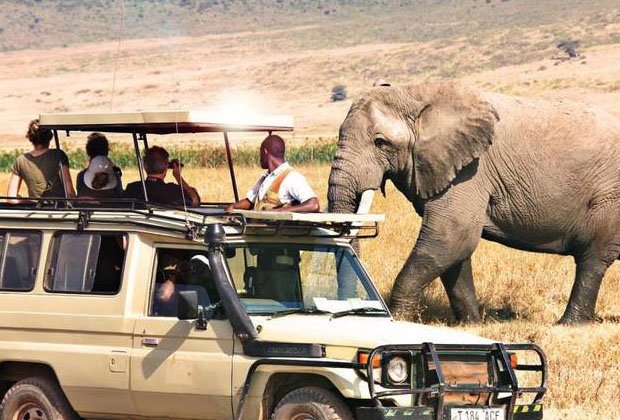
As you position your 4×4 pop-up roof vehicle near the Silale Swamps between August and October, you might look out and count six separate family groups of 15 to 25 elephants each, accompanied by independent bull bachelor herds lingering on the perimeter. Within an hour, as the midday heat climbs above 28°C (82°F), these separate groups converge on the open water channels to mud-wallow, drink, and dust-bathe together. Suddenly, you find yourself completely surrounded by up to 250 elephants, with trunk-slapping, calf squealing, and deep belly rumbles resonating in every direction.
If your schedule only permits a limited window, you can certainly examine whether Tarangire National Park is worth visiting for one day, or arrange a dedicated Tarangire day safari from Arusha with lunch and park fees. However, spending at least two full game drives allows you to encounter these peaceful mega-herds without rushing back before the gate closes at 18:00.
Seasonality Breakdown: Month-by-Month Elephant Concentrations (2026-2027)
Elephant movements are directly dictated by rainfall patterns and surface hydrology. In northern Tanzania, the climate swings between two distinct rainfall regimes: the short rains (normally November through December) and the long rains (late March through May). Planning your travel dates around these seasonal shifts determines whether you will see compact super-herds gathered at the riverbank or smaller groups camouflaged among dense, emerald-green foliage.
Below is a practical operational overview designed to guide safari calendar choices for 2026 and 2027:
| Month Range | Elephant Density | Typical Herd Sighting | Primary Park Zone | Field Conditions & Landscape |
|---|---|---|---|---|
| January – February (Dry Green Interlude) |
Moderate | 10 to 30 elephants (Family units) | Lower River, Lemiyon, Matete | Lush green grass, clear air, migratory birds present, low dust levels. |
| March – May (Long Wet Season) |
Low to Moderate | 5 to 20 elephants (Dispersed groups) | Central woodlands, baobab ridges | Tall vegetation, heavy clay tracks, elephants widely dispersed across Maasai Steppe. |
| June – July (Early Dry Season) |
High & Climbing | 30 to 80 elephants (Clans merging) | Tarangire River loops, Kuro | Foliage thins, temporary rain pools dry out, herds begin moving inward. |
| August – October (Peak Dry Season) |
Exceptional / Peak | 100 to 300+ elephants (Super-herds) | Silale Swamp, Riverbed, Gursi | Extremely dry, dusty terrain, maximum wildlife congregation around water. |
| November – December (Short Rains Return) |
Moderate to High | 15 to 45 elephants (Breaking into pods) | Silale margin, northern plains | First green flushes emerge, migratory herds start filtering toward calving corridors. |
The Dry Season Phenomenon (July to October)
The core dry season is the premier window to witness massive elephant congregations. By late July, smaller water catchments across northern Tanzania have evaporated under the equatorial sun. The Tarangire River becomes the only reliable source of flowing and subsurface water for hundreds of square kilometers.
During these months, game drives require very little tracking effort. You simply follow the sandy contour roads flanking the river or park on the elevated vantage tracks overlooking the Silale Swamps. Elephants arrive in steady, undulating processions from the surrounding commiphora and acacia woodlands. They kick and scrape the sandy river bottom with their front feet to access filtered water beneath the dry surface, creating temporary wells used by baboons, impalas, and zebras once the elephants move along.
If you are planning your trip within a broader circuit, combining this dry-season phenomenon with the Serengeti wildebeest crossings creates an unmatched itinerary. Many travelers choose to combine these parks via a structured Tanzania group joining safari covering Serengeti, Ngorongoro, and Tarangire, or tailor their pace using a private custom tour package to allocate extra early mornings strictly to elephant behavioral observation.
Check Availability for Can I See Large Elephant Herds In Tarangire National Park? 2026-2027
Ready to compare dates, prices, and the best option for your group? Send the package name and travel month so the team can reply with a clear quote, availability, and what is included.
Best Time To Visit Tarangire National Park For Elephant Sightings 2026-2027
Best Time to Visit Tarangire National Park for Elephant Sightings is explained with current 2026-2027 planning, price, itinerary and booking information.
View package details
Best Tarangire National Park Safari Tours With Prices For 2026-2027
Best Tarangire National Park Safari Tours with Prices for 2027 is explained with current 2026-2027 planning, price, itinerary and booking information.
View package details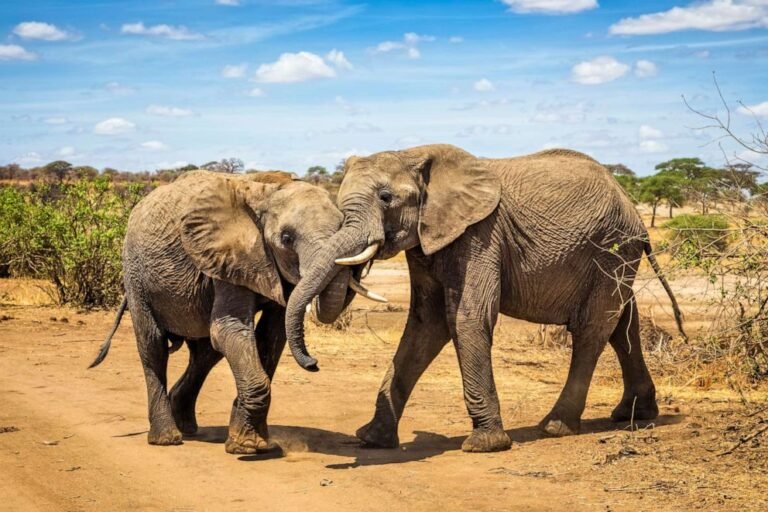
Is Tarangire National Park Worth Visiting For One Day? 2026-2027
Is Tarangire National Park Worth Visiting for One Day? is explained with current 2026-2027 planning, price, itinerary and booking information.
View package details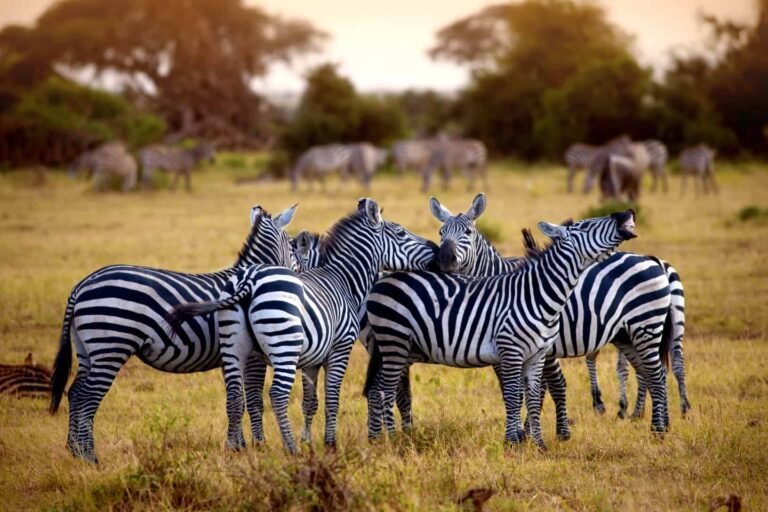
Can I Visit Tarangire National Park On A Day Trip From Moshi? 2026-2027
Can I Visit Tarangire National Park on a Day Trip from Moshi? is explained with current 2026-2027 planning, price, itinerary and booking information.
View package details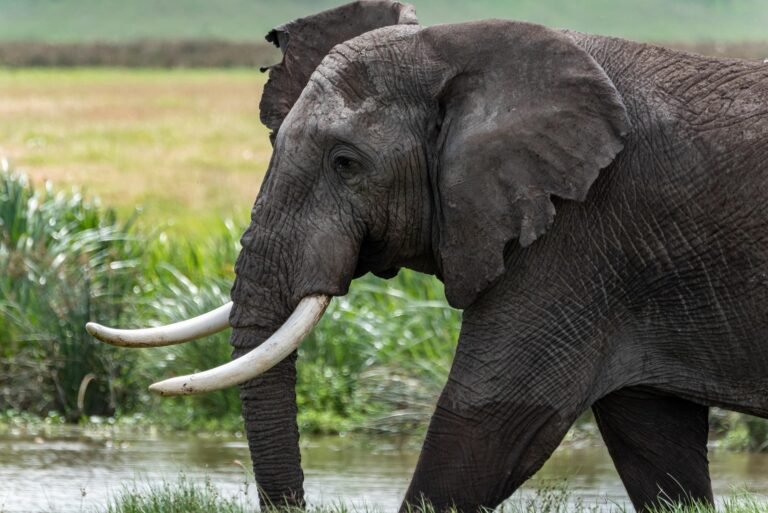
Tarangire Day Safari From Arusha With Lunch And Park Fees 2026-2027
Tarangire Day Safari from Arusha with Lunch and Park Fees is explained with current 2026-2027 planning, price, itinerary and booking information.
View package details
Best Tarangire Safari Tours From Kilimanjaro Airport 2026-2027
Best Tarangire Safari Tours from Kilimanjaro Airport is explained with current 2026-2027 planning, price, itinerary and booking information.
View package detailsFamily-Friendly Tarangire Safari Packages With Short Driving Distances
Family-Friendly Tarangire Safari Packages with Short Driving Distances is explained with current 2026-2027 planning, price, itinerary and booking information.
View package details
How Much Does A Tarangire Day Trip Cost From Moshi? 2026-2027
How Much Does a Tarangire Day Trip Cost from Moshi? is explained with current 2026-2027 planning, price, itinerary and booking information.
View package details
Is Tarangire Better Than Lake Manyara For A Wildlife Safari? 2026-2027
Is Tarangire Better Than Lake Manyara for a Wildlife Safari? is explained with current 2026-2027 planning, price, itinerary and booking information.
View package details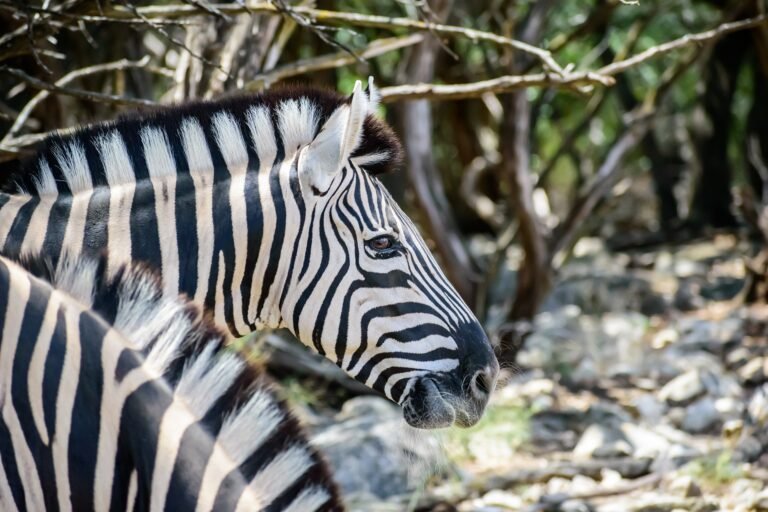
Best 2 Day Ngorongoro Crater And Tarangire Safari Packages 2026-2027
Best 2 Day Ngorongoro Crater and Tarangire Safari Packages is explained with current 2026-2027 planning, price, itinerary and booking information.
View package details
Tanzania Safari Packages Including Serengeti Tarangire And Ngorongoro
Tanzania Safari Packages Including Serengeti Tarangire and Ngorongoro is explained with current 2026-2027 planning, price, itinerary and booking information.
View package details
Tanzania Safari Tours For With Affordable Lodge Options 2026-2027
A practical booking blueprint for Tanzania safari tours in 2027 featuring comfortable, budget-conscious lodges across the Serengeti, Ngorongoro, and Tarangire.
View package detailsNo closely related package is available yet for this topic.

Our Guest Reviews, Currently Feedback from Clients in 2026
Reviews from different sources, including Google Business, Tripadvisor, other platforms, and social media.



