
A 4 day Serengeti and Ngorongoro Crater safari with private guide is an exclusive Northern Circuit road circuit originating in Arusha or Moshi that pairs 2 full nights in Serengeti National Park with 1 night on the Ngorongoro Conservation Area rim or Karatu, concluding with a 6-hour descent onto the crater floor. Operated in a dedicated 4×4 Toyota Land Cruiser with an expert driver-guide, this format eliminates group compromises over game viewing time and window access, typically costing between $1,450 and $4,200 per person for 2026-2027 depending on whether you choose private mid-range tented camps or high-end luxury lodges.

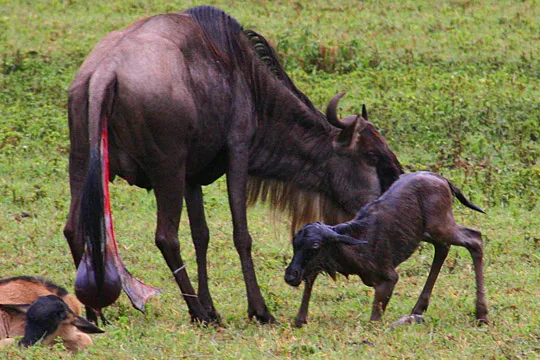
Organizing a four-day wilderness route through Tanzania’s two most renowned wildlife ecosystems requires an honest assessment of driving logistics, park regulations, and accommodation zones. Four days represents the minimum viable timeframe to drive from the urban hubs of Arusha or Moshi into the central Seronera Valley and back while securing meaningful wildlife viewing rather than simply checking off geographic transit points.
Choosing a dedicated vehicle and local professional guide transforms this fast-paced circuit. Instead of balancing the competing photography needs, bathroom stops, and physical endurance levels of six unrelated travelers, a private expedition puts the timeline, daily departure hours, and focal species entirely under your command. Below is an operationally focused guide to how this route functions in the 2026-2027 seasons, detailing real driving times, entry fee structures, day-by-day wildlife strategies, and clear budgeting tiers.
Trip Snapshot: Route, Driving Distances, and Key Logistics
To evaluate if this four-day run aligns with your travel style, you must understand the geography. The journey from Arusha to the heart of the Serengeti spans roughly 335 kilometers (208 miles). While the first two hours follow paved tarmac through agricultural towns like Mto wa Mbu, the remainder crosses rough volcanic gravel, corrugated dust tracks, and steep highland passes regulated by strict national park speed limits (normally 50 km/h inside conservation boundaries).
Core Logistics at a Glance (2026-2027)
- Starting Point: Arusha (07:30 departure) or Moshi (06:00 departure).
- Finishing Point: Arusha or Kilimanjaro International Airport (JRO) by 18:00 on Day 4.
- Total Circuit Distance: Approximately 780 km round-trip depending on internal game tracks.
- Primary Habitats: Acacia savannah, granite kopjes, riverine woodlands, highland cloud forest, and a 260-sq-km volcanic caldera basin.
- Vehicle Type: Customized 4×4 Toyota Land Cruiser with pop-up roof, inverter for charging, mini-fridge, and VHF wildlife radio.
- Physical Demands: Moderate to high driving hours on Days 1 and 4 over bumpy terrain (often referred to as the local “African massage”).
Because you are traversing the Ngorongoro Conservation Area Authority (NCAA) gate to enter Serengeti National Park, permits must be precisely sequenced. A private guide ensures that park fee transit windows—which are strictly monitored by TANAPA using digital Smartcards and electronic barcodes—do not expire while you are stuck behind slow traffic, avoiding hefty overstay penalties.
Why a Private Guide Matters on a 4-Day Northern Circuit Itinerary
On longer safaris lasting 7 to 10 days, losing an hour here or there to group disagreements or logistical delays is easily absorbed. On a compressed 4-day itinerary, every hour of daylight directly impacts your probability of witnessing critical predator behavior, kills, or rare crossings. Opting for a private safari vehicle rather than a shared group tour yields specific functional advantages:
- Zero Window Seat Compromise: Every passenger has direct access to an unobstructed window and open pop-up roof section, which is critical when maneuvering for low-light photography angles during sunrise drives.
- Dynamic Game Drive Timing: In a shared vehicle, early morning starts are often delayed by communal lodge breakfasts or reluctant group members. With a dedicated guide, you can depart at 06:00 sharp with packed breakfast boxes to track prides before the savannah heats up and big cats seek dense shade.
- Species-Specific Focus: If your priority is finding an elusive black rhino on the crater floor or tracking a leopard through the sausage trees along the Seronera River, your guide can spend three continuous hours working a single territory rather than being forced to leave because someone else in the vehicle wants to view common zebras near the road.
- Direct Radio Communication Access: Local guides communicate constantly in Swahili over closed-band VHF channels. A private guide filters this chatter for your group’s specific interests, avoiding chaotic rushes toward crowded 30-car traffic jams around a single sleeping lion unless it offers genuine action.
For couples, families, or solo travelers evaluating this journey, private logistics bridge the gap between rigorous game-viewing goals and the physical limitations of long wilderness road transits. You can easily compare this setup with larger group mechanics through our overview of group joining safaris across the Northern Circuit.
Cost Architecture and 2026-2027 Price Tiers
Safaris in Tanzania are systematically more capital-intensive than those in southern Africa due to statutory government conservation fees and vehicle operating overheads. Understanding where your money goes eliminates confusion when comparing quotes from different operators. A four-day itinerary incurs mandatory non-negotiable costs regardless of whether you sleep in a basic nylon tent or a five-star canvas suite.
| Tier / Travel Style | Estimated Cost Per Person (Solo) | Estimated Cost Per Person (Couple/Duo) | Estimated Cost Per Person (Family of 4) | Accommodation Realities |
|---|---|---|---|---|
| Budget Camping | $1,750 – $2,100 | $1,150 – $1,450 | $890 – $1,100 | Public national park campsites, dome tents, foam mats, dedicated safari camp cook joining the vehicle. |
| Mid-Range Tented Camps | $2,450 – $2,950 | $1,650 – $2,150 | $1,380 – $1,750 | Permanent walk-in canvas camps, en-suite bathrooms, solar hot water, generator power windows, full meal service. |
| Upper Mid-Range / Semi-Luxury | $3,200 – $3,900 | $2,250 – $2,850 | $1,950 – $2,400 | Premium classic safari lodges or intimate boutique tented suites with wooden decking, plunge pools, and crater-rim settings. |
| Luxury / High-End | $4,800 – $6,500+ | $3,400 – $5,200+ | $2,900 – $4,500+ | Exclusive luxury properties (e.g., Four Seasons, &Beyond, Lemala), premium spirits included, private butler service. |
Statutory park entry, transit, and conservation fees make up a substantial baseline of this cost. For 2026-2027, standard statutory charges include:
- Serengeti National Park Entry Fee: $82.60 per adult per 24 hours (peak season, inclusive of 18% VAT).
- Ngorongoro Conservation Area Entry Fee: $70.80 per adult per 24-hour transit or stay (inclusive of VAT).
- Ngorongoro Crater Descent Fee: $295.00 per vehicle per entry into the caldera basin.
- Special Campsite or Concession Fees: $59.00 to $70.80 per person per night levied on travelers staying inside park boundaries in tented lodges.
When you secure a private tour, the fixed costs—such as the custom Land Cruiser, guide per diem, fuel, and the crater descent permit—are split evenly among the passengers. This explains why per-person rates drop significantly as your party increases from a solo traveler to a party of four. You can read our detailed breakdown on how much a private safari vehicle adds to Tanzanian trip budgets.
Day-by-Day Private Itinerary Breakdown
On a 4-day timeline, efficient routing is paramount. Every deviation from the main track must yield tangible game viewing. This proven structure balances the heavy transit of Day 1 with comprehensive tracking on Days 2 and 3, culminating in an early morning descent on Day 4.
Day 1: Arusha/Moshi to Central Serengeti via Ngorongoro Highlands
Your safari begins with your private guide collecting you directly from your accommodation in Arusha (07:30) or Moshi (06:00). After a concise briefing outlining the route and packing your main duffels into the rear storage compartment, your Land Cruiser moves west along the smooth tarmac of the Makuyuni corridor.
By mid-morning, you reach the entrance gate of the Ngorongoro Conservation Area. While your guide processes the electronic permits with the rangers, you step out to stretch and absorb the shift from agricultural plains to high-altitude misty rainforest. Climbing the outer rim of the caldera, the vehicle snakes up roads lined with giant ferns, lichen-covered yellow-wood trees, and wild fig trees. If cloud cover permits, you pause briefly at the official rim viewpoint at roughly 2,200 meters above sea level to look down across the vast, unbroken caldera floor below.
Descending the western slope of the crater highlands, the landscape transforms dramatically into the sweeping short-grass plains of Olduvai and Malanja Depression. Pastoral Maasai herders clad in vibrant red and blue shúkàs graze their cattle and goats alongside wild herds of Thomson’s gazelles and plains zebras.
You arrive at the official Serengeti boundary at the Naabi Hill Gate around 13:00 to 13:30. While your guide handles vehicle check-in procedures, you take a packed lunch atop the rocky kopje at the gate, which provides a panoramic 360-degree view of the endless plains that give the park its Maasai name (Siringet).
From Naabi Hill to your lodge or camp in the central Seronera region, the journey transforms into an active afternoon game drive. The short grass gives way to rolling savannah dissected by drainage lines lined with acacia tortilis. During this introductory drive, guides routinely track:
- Cheetahs scanning the horizon from termite mounds along the Gol Kopjes.
- Large bachelor herds of elephants moving between the woodland boundaries.
- Resident lion prides resting on smooth granite boulders at Simba or Moru Kopjes.
You arrive at your camp or lodge in the Central Serengeti shortly before dusk (18:00), allowing time to wash off the road dust, enjoy a hot shower, and gather around the campfire (bush TV) for dinner under the southern stars.
Day 2: Full Day Big Cat and Plains Tracking in Central Serengeti (Seronera)
Having a private guide makes Day 2 the true engine of this safari. Without other travelers imposing an itinerary, you discuss strategy the evening before and choose between two distinct game drive patterns:
- The Split Game Drive: Depart at first light (06:15) with coffee and biscuits, conduct 4 hours of prime tracking when predators are actively hunting, return to camp between 11:00 and 14:00 for a cooked hot lunch and a siesta during the midday heat, and head back out at 15:30 until sunset.
- The Full-Day Wilderness Loop: Depart at 06:30 carrying packed picnic breakfast and lunch boxes, driving deeper into outlying sectors such as the Retina Hippo Pool, the Maasai Kopjes, or the Grumeti River tributaries to maximize habitat variety.
The Seronera River Valley is famed for holding one of the densest populations of leopards and lions in East Africa. The constant water source provided by the river ensures that prey species—including impalas, waterbucks, topis, and baboons—remain year-round, anchoring resident predators to predictable territories.
Your guide focuses on structural microhabitats. Leopards prefer resting high up in the horizontal branches of sausage trees (Kigelia africana) and yellow-fever acacias along the riverbanks, often hanging their fresh kills out of reach of hyenas. Finding them requires an eye trained to identify the vertical dangle of a tail or the unnatural silhouette of a rosette-patterned body against the bark.
Check Availability for 4 Day Serengeti And Ngorongoro Crater Safari With Private Guide 2026-2027
Ready to compare dates, prices, and the best option for your group? Send the package name and travel month so the team can reply with a clear quote, availability, and what is included.

6 Day Ndutu Serengeti And Ngorongoro Safari With Private Guide 2026-2027
6 Day Ndutu Serengeti and Ngorongoro Safari with Private Guide is explained with current 2026-2027 planning, price, itinerary and booking information.
View package details
Is Ngorongoro Crater Better Than Serengeti For A Short Safari? 2026-2027
Is Ngorongoro Crater Better Than Serengeti for a Short Safari? is explained with current 2026-2027 planning, price, itinerary and booking information.
View package details
Best 3 Day Safari From Arusha To Serengeti And Ngorongoro 2026-2027
Best 3 Day Safari from Arusha to Serengeti and Ngorongoro is explained with current 2026-2027 planning, price, itinerary and booking information.
View package details
Tanzania Safari Packages Including Serengeti Tarangire And Ngorongoro
Tanzania Safari Packages Including Serengeti Tarangire and Ngorongoro is explained with current 2026-2027 planning, price, itinerary and booking information.
View package detailsTanzania Safari Tours For With Affordable Lodge Options 2026-2027
A practical booking blueprint for Tanzania safari tours in 2027 featuring comfortable, budget-conscious lodges across the Serengeti, Ngorongoro, and Tarangire.
View package details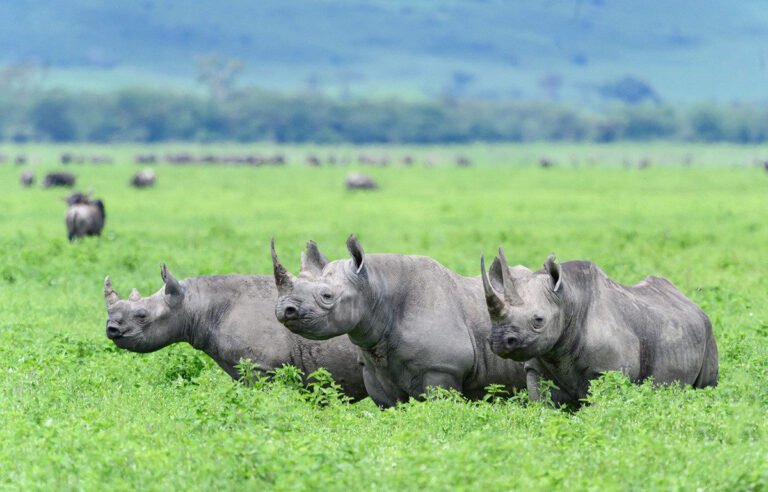
Ngorongoro Crater Safari With Private 4X4 Land Cruiser 2026-2027
Ngorongoro Crater Safari with Private 4x4 Land Cruiser is explained with current 2026-2027 planning, price, itinerary and booking information.
View package details
Private Serengeti Migration Safari With Flexible Game Drive Schedules
Private Serengeti Migration Safari with Flexible Game Drive Schedules is explained with current 2026-2027 planning, price, itinerary and booking information.
View package details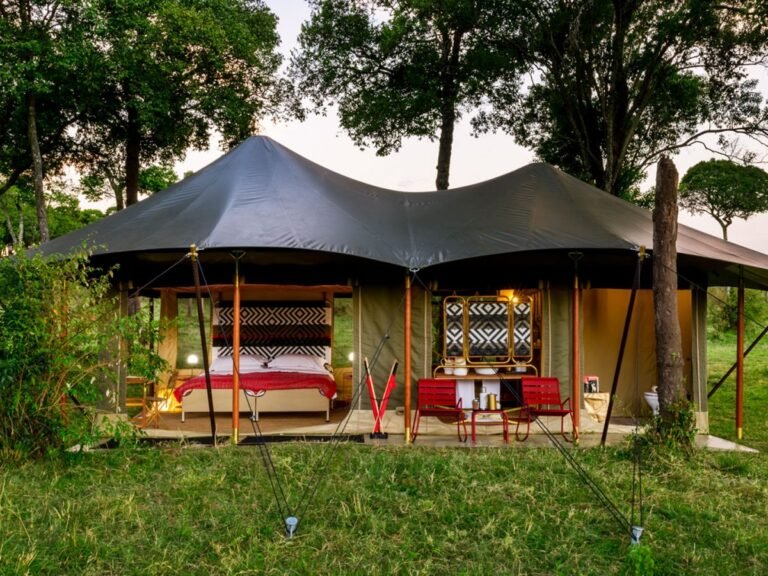
How Much Does A Private Serengeti Safari Cost For Two People? 2026-2027
How Much Does a Private Serengeti Safari Cost for Two People? is explained with current 2026-2027 planning, price, itinerary and booking information.
View package details
Zanzibar To Serengeti Safari For Couples With Private Accommodation 2026-2027
Zanzibar to Serengeti Safari for Couples with Private Accommodation is explained with current 2026-2027 planning, price, itinerary and booking information.
View package details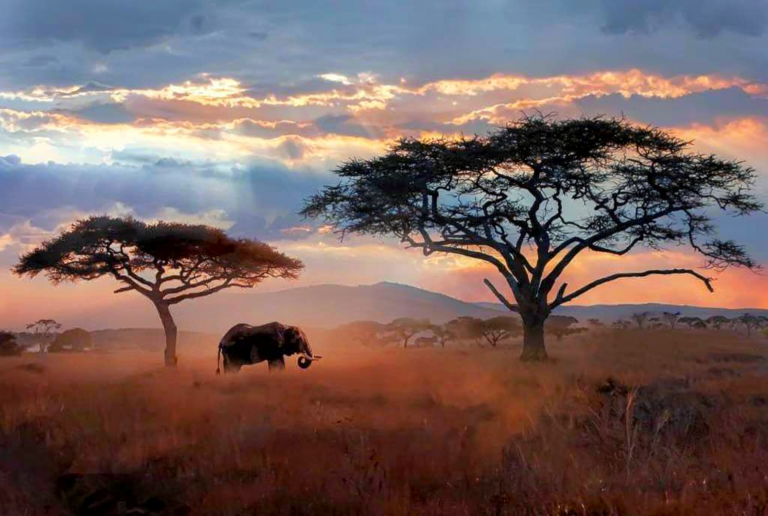
5 Day Ndutu And Serengeti Calving Season Safari Packages 2026-2027
5 Day Ndutu and Serengeti Calving Season Safari Packages is explained with current 2026-2027 planning, price, itinerary and booking information.
View package details
4 Day Southern Serengeti Migration Safari With Tented Accommodation 2026-2027
4 Day Southern Serengeti Migration Safari with Tented Accommodation is explained with current 2026-2027 planning, price, itinerary and booking information.
View package details
6 Day Northern Serengeti Migration Safari With Luxury Tented Camps 2026-2027
6 Day Northern Serengeti Migration Safari with Luxury Tented Camps is explained with current 2026-2027 planning, price, itinerary and booking information.
View package detailsNo closely related package is available yet for this topic.

Our Guest Reviews, Currently Feedback from Clients in 2026
Reviews from different sources, including Google Business, Tripadvisor, other platforms, and social media.



