
The best Serengeti safari camps close to wildebeest migration areas are seasonal semi-permanent mobile camps positioned directly along the active movement corridor, shifting between southern Ndutu for calving (December through March), the Western Corridor and Grumeti River (May through July), and the northern Kogatende region near the Mara River crossings (July through November). For the 2026-2027 safari seasons, selecting the ideal camp depends primarily on pairing your travel month with the herd’s verified geographic position, weighing the raw field proximity of mobile canvas camps against the year-round structural amenities of permanent luxury lodges, and confirming concession access rights to avoid three-hour morning transit drives.

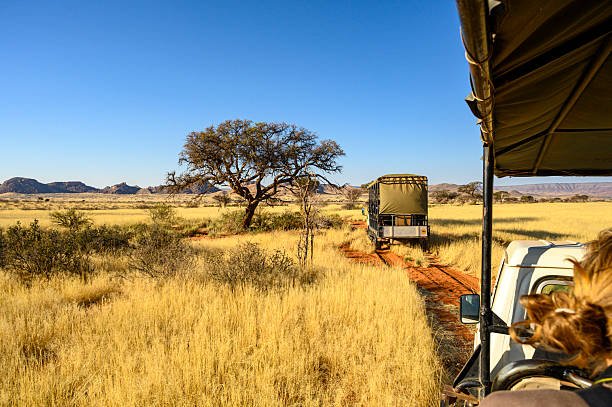
Positioning is the single most critical factor that dictates whether a Great Migration safari yields front-row wildlife sightings or turns into an exhausting transit endurance test. Serengeti National Park spans roughly 14,763 square kilometers, bordered by the Ngorongoro Conservation Area, Maswa Game Reserve, and private concessions. Booking accommodation merely labeled “Serengeti” without pinpointing its seasonal distance from the mega-herds often leaves travelers stuck driving two to four hours over punishing washboard tracks just to reach the peripheral herds.
Whether you are planning a private Serengeti migration safari with flexible game drive schedules or evaluating luxury wilderness camps for 2026-2027, your accommodation must match the biology of the wildebeest. Below is a strategic breakdown of camp operations, geographic zones, trade-offs between permanent structures and seasonal tented camps, and practical booking parameters.
The Reality of Migration Movement: How Seasonal Herds Dictate Camp Logistics
The Great Migration is not a single unified column moving like clockwork along a paved highway; it is an undulating biomass of 1.5 million blue wildebeest, 250,000 plains zebras, and several hundred thousand gazelles moving in splintered sub-herds dictated by regional rainfall patterns, subterranean water tables, and mineral-rich phosphorus grasses. Understanding this movement is essential before reserving a camp, because staying even 35 kilometers away from the herds can add an extra 90 minutes of low-speed driving over corrugated dirt tracks each way.
To avoid spending the prime early morning hours commuting, camps are organized around three distinct ecological zones throughout the year:
- Southern Plains & Ndutu Basin (December to March): Calving takes place in short-grass plains loaded with volcanic nutrients. Camps positioned around Lake Ndutu and the Southern Serengeti border offer the shortest drive times to predator hunts and synchronized birthing.
- Western Corridor & Central Transition (May to July): Herds move northwest along the Grumeti River catchment. Camps situated near the Musabi Plains, Kirawira, and private reserves bordering western Serengeti reduce transit times when crossing the Mbalageti and Grumeti rivers.
- Northern Serengeti & Lamai Wedge (July to November): The epicenter of the Mara River crossings. Camps located strictly in the Kogatende, Wogakuria, and Lamai sectors give travelers immediate morning riverbank access before vehicles arriving from Central Seronera can cross the landscape.
When selecting among the best times to book a Tanzania wildebeest migration safari, your operational priority should always be location over thread count. A five-star permanent stone lodge situated two hours south of the Mara River will deliver a far lower wildlife viewing return than an authentic canvas camp located five minutes behind Crossing Point Number 4.
Mobile Canvas vs. Permanent Luxury Lodges: The Proximity Trade-Off
The choice between seasonal semi-permanent mobile tented camps and fixed permanent lodges is the primary operational fork in the road for 2026-2027 safari planners. Both options offer genuine advantages, but they cater to fundamentally different priorities.
Seasonal Semi-Permanent Mobile Camps
Seasonal mobile camps (often referred to as migration split-camps) take down their heavy-duty canvas accommodations twice per year. They operate in the southern Ndutu plains from December through March, break down entirely during the heavy April rains, and rebuild in the northern Kogatende sector from late June through November.
The defining strength of these camps is unbeatable wildlife proximity. Because these operators hold seasonal Special Campsite permits allocated by the Tanzania National Parks Authority (TANAPA), they pitch within wilderness tracts where permanent brick-and-mortar buildings are banned. You wake up inside the active game corridor to the sounds of wildebeest grunting outside your canvas walls.
The trade-offs involve infrastructure limitations. Power is run almost entirely on solar battery arrays with backup inverters; while modern setups charge camera batteries, laptops, and CPAP machines reliably, high-draw appliances like hair dryers are prohibited. Running water is heated using traditional wood or gas-fired safari “bucket shower” setups or pressurized solar geysers. For travelers who demand full sound insulation, solid floor foundations, or air-conditioned rooms, canvas can feel uncomfortably rustic despite luxurious bedding and gourmet bush meals.
Permanent Lodges
Permanent lodges are fixed structural complexes built of stone, timber, glass, and concrete. They feature large plunge pools, private viewing decks, expansive spa facilities, climate control, and full-time municipal-grade generator backbones.
The downside is geographic immobility. A permanent lodge in Central Seronera remains fixed regardless of whether the migration herds have shifted 110 kilometers north into Kenya or 80 kilometers south into Ndutu. If you stay at a permanent lodge in late August hoping to see the Mara River crossings, your guide faces a demanding four-hour journey north just to reach the staging areas, cutting your effective game viewing window to less than two hours before turning back to beat park gate curfews.
Operational Decision Checklist: Mobile Camp or Permanent Lodge?
- Choose a seasonal mobile camp if: Maximum wildlife field time is your priority, you want to be within 10 to 20 minutes of river crossing banks or calving nurseries, and you value wilderness immersion over brick walls.
- Choose a permanent lodge if: You are traveling with small children who need swimming pools and play spaces, require 24/7 high-voltage electricity for medical hardware, or prioritize solid walls, air conditioning, and deep soaking tubs.
- Choose a split strategy if: You book a 7- to 10-day itinerary combining two nights in a high-amenity permanent lodge in Central Seronera for general big cat viewing, followed by three to four nights in a dedicated mobile camp situated directly within the migration epicenter.
Southern Serengeti & Ndutu Camps: Calving Season (December – March)
From late December through March, the southern plains of the Serengeti and the adjoining Ndutu sector within the Ngorongoro Conservation Area host one of the most astonishing biological events on earth: synchronized calving. In a compressed three-week window, usually around February, approximately 8,000 wildebeest calves are born each day. This concentration of vulnerable young attracts high densities of apex predators, creating intense cheetah pursuits, lion prides stalking along marsh fringes, and clan skirmishes among spotted hyenas.
Camp placement in this southern ecosystem carries a critical legal distinction: the park boundary line. Ndutu technically sits within the Ngorongoro Conservation Area, while the Southern Serengeti lies across the boundary line inside Serengeti National Park proper.
Why Ndutu-Side Placement Matters for Calving
In Serengeti National Park, TANAPA strictly enforces off-road driving bans. If a cheetah initiates an open-plain pursuit 300 meters from the gravel road, your safari vehicle cannot legally pursue it off-track. However, within the NCA jurisdiction of the Ndutu basin, off-road driving is permitted under strictly regulated park warden guidelines. This makes booking camps positioned squarely inside the Ndutu boundary vital for photographers and wildlife enthusiasts.
Top camp selections in this region include:
- Ndutu Safari Lodge (Permanent): The original stone-and-thatch property overlooking Lake Ndutu. While not ultra-luxury, its historic location offers an unbeatable geographic base for accessing the acacia woodlands and alkaline lake marshes without long morning drives.
- Olakira Migration Camp (Asilia Africa – Seasonal Mobile): Operating in Ndutu from December to March, Olakira provides high-end canvas accommodations complete with “stargazing tents” featuring mesh-roof sections over sleeping quarters, positioned right on the primary calving routes.
- Ubuntu Migration Camp (Seasonal Mobile): A responsive mobile canvas installation that tracks southern herd movements across both the Kusini perimeter and the short-grass Ndutu plains.
- Sanctuary Kusini (Permanent): Positioned further south in the Kusini sector on a rocky outcrop (kopje). Excellent for remote wilderness exclusivity and exceptional cheetah sightings, though it sits somewhat further southwest from the main Ndutu marsh action.
If you are coordinating a mid-winter journey, explore our curated 5 day Serengeti safari packages with luxury tented camps to secure confirmed southern mobile permits before peak February availability closes.
Western Corridor & Grumeti Camps: Transition & River Crossings (May – July)
By late April and early May, depleted southern grasses force the herds to mass together and march northwest through the Western Corridor. This migration corridor acts as a geographic funnel wedged between Lake Victoria and the central plains, anchored by the winding channels of the Mbalageti and Grumeti rivers.
The Grumeti River represents the migration’s first major water barrier. While less internationally famous than the northern Mara River crossings, Grumeti crossings feature deep muddy channels and massive resident Nile crocodiles that have gone without substantial prey since the previous year’s transit.
The strategic choice in the Western Corridor revolves around staying inside Serengeti National Park versus inside adjoining private concessions like the Singita Grumeti Reserve or the Ikorongo Game Reserve.
| Camp / Lodge | Location Type | Best Operational Months | Key Proximity & Logistics Advantage | Realistic Style / Category |
|---|---|---|---|---|
| Singita Faru Faru / Sasakwa | Private Grumeti Reserve | Late May – Early July | Exclusive concession access; private river frontage; night drives permitted; no public tourist traffic. | Ultra-Luxury Permanent |
| Serengeti Serena Safari Lodge | Central/Western Periphery | May – June | Central hub accessibility; stone-and-thatch structures; solid jumping-off point for early corridor movements. | Classic Mid-Range Lodge |
| Kirawira Serena Camp | Western Corridor (Inside Park) | Late May – July | Hillside view above the Grumeti River; short 15-minute drives to primary corridor crossing points. | Luxury Victorian Tented |
| Mbalageti Serengeti | Mwamyeni Hill (Western Corridor) | May – June | Panoramic vantage overlooking Dutwa plains; convenient access to southern migration approach tracks. | Mid-Range/Upper Permanent |
Booking within private concessions bordering the Western Corridor provides unmatched safari flexibility, including guided walking safaris and off-road driving privileges unavailable within the national park. However, concession fees for private reserves are substantial, often adding several hundred dollars per person per night over regular park entry levies.
Northern Serengeti & Kogatende Camps: Mara River Crossings (July – November)
The northern Serengeti migration theater is dominated by the dramatic Mara River crossings. Between July and October, herds stage on the southern riverbanks, building nervous energy for hours or days before plunging through fast-flowing waters to reach the lush grasses of the Lamai Wedge and Kenya’s Maasai Mara.
Here, camp positioning makes or breaks your safari experience. The Mara River spans more than a dozen documented crossing sites between the Kenyan border and the western reaches of the Lamai Wedge. If your camp is located south in Seronera or Lobo, you will face an exhausting two- to three-hour drive to reach the riverbanks, arriving long after early morning crossings have concluded.
To witness crossings reliably, you need to stay in the Kogatende, Wogakuria, or Lamai sectors. Discovering genuine options in this area is detailed further in our guide to a northern Serengeti migration safari with accommodation near the Mara River.
Leading Camps for Mara River Proximity
- Sayari Camp (Asilia Africa – Permanent): A benchmark for northern luxury. Located near Kogatende airstrip, Sayari offers remarkable proximity to crossing points 4 through 8, a solar-heated lap pool, and top-tier guiding teams.
- Serengeti Under Canvas (&Beyond – Mobile): Authentic luxury canvas that tracks the herds precisely to the northern banks. Tents are appointed with antique brass details, crystal glassware, and direct radio contact with river monitors.
- Chaka Camp (Seasonal Mobile): An exceptional mid-range mobile canvas operator offering deep proximity without five-star luxury pricing. It moves seasonally between Ndutu in winter and Kogatende during the crossing season.
- Lamai Serengeti (Nomad Tanzania – Permanent): Tucked into the towering granite boulders of Kogakuria Kopje, offering panoramic vistas across the Lamai Wedge. Its northern position north of the Mara River allows guides to intercept herds crossing from south to north before other vehicles arrive.
- Mara River Tented Camp (Singita – Permanent Eco-Camp): Situated in the Lamai triangle, operating completely off-grid with refined solar power systems and strict environmental management.
If observing river crossings is your priority, explore our specialized 6 day northern Serengeti migration safari with luxury tented camps for 2026-2027, designed to keep drive times down to minutes from the crossing points.
Cost Realities: Daily Rates, Park Concession Fees, and Inclusions for 2026-2027
Understanding Serengeti camp rates requires untangling room tariffs from mandatory government taxes, wildlife management levies, and transfer logistics. Many travelers compare rates online without realizing that published camp prices frequently exclude statutory Tanzanian park permits and seasonal concession fees.
Cost Breakdown for Serengeti Migration Camps (2026-2027 Projections)
- High-End Mobile / Luxury Permanent Camps: $950 to $2,400 per person per night (fully inclusive of gourmet meals, premium drinks, laundry, shared or private open game drives, and local airstrip transfers).
- Quality Mid-Range Mobile Canvas Camps: $450 to $750 per person per night (full board accommodation, bush dining, shared guide services, excludes select drinks and premium logistics).
- Value / Budget Group-Joining Tented Outposts: $280 to $420 per person per night (standard canvas with en-suite chemical toilets/bucket showers, basic dining services).
- Statutory TANAPA Park Entry Fees: $82.60 per adult per 24 hours (peak season entry including 18% VAT).
- Special Campsite Concession Fee (Mobile): $70.80 per adult per night (paid to TANAPA for staying inside mobile park boundaries).
- Permanent Lodge Concession Fee: $70.80 per adult per night (seasonal rates apply; Ndutu NCA concession fees differ slightly).
For custom itineraries, reviewing realistic operator budgets in our guide on how much a private Serengeti safari costs for two people helps clear up how ground transit, vehicle surcharges, and aviation legs affect your total investment.
Crucial Planning Pitfalls: Transit Traps, Fly-In Strips, and Off-Road Rules
Operating a smooth safari across the vast terrain of the Serengeti requires smart logistics. The following common mistakes can disrupt an otherwise incredible journey:
Check Availability for Best Serengeti Safari Camps Close To Wildebeest Migration Areas 2026-2027
Ready to compare dates, prices, and the best option for your group? Send the package name and travel month so the team can reply with a clear quote, availability, and what is included.

6 Day Northern Serengeti Migration Safari With Luxury Tented Camps 2026-2027
6 Day Northern Serengeti Migration Safari with Luxury Tented Camps is explained with current 2026-2027 planning, price, itinerary and booking information.
View package details
4 Day Southern Serengeti Migration Safari With Tented Accommodation 2026-2027
4 Day Southern Serengeti Migration Safari with Tented Accommodation is explained with current 2026-2027 planning, price, itinerary and booking information.
View package details
Private Serengeti Migration Safari With Flexible Game Drive Schedules
Private Serengeti Migration Safari with Flexible Game Drive Schedules is explained with current 2026-2027 planning, price, itinerary and booking information.
View package details
Can I See The Great Migration During A 3 Day Serengeti Safari? 2026-2027
Can I See the Great Migration During a 3 Day Serengeti Safari? is explained with current 2026-2027 planning, price, itinerary and booking information.
View package details
Northern Serengeti Migration Safari With Accommodation Near Mara River
Northern Serengeti Migration Safari with Accommodation Near Mara River is explained with current 2026-2027 planning, price, itinerary and booking information.
View package details
Can A Serengeti Safari Guide Guarantee A River Crossing Sighting? 2026-2027
A detailed travel planning assessment clarifying why no ethical safari guide can guarantee a wildebeest river crossing in the Serengeti, detailing herd dynamics, crossing points, and field...
View package details
Best Serengeti Safari Camps For Couples And Honeymooners 2026-2027
Best Serengeti Safari Camps for Couples and Honeymooners is explained with current 2026-2027 planning, price, itinerary and booking information.
View package detailsBest Serengeti Mara River Crossing Safari Tours In August 2026-2027
Best Serengeti Mara River Crossing Safari Tours in August is explained with current 2026-2027 planning, price, itinerary and booking information.
View package details
5 Day Serengeti Safari Packages With Luxury Tented Camps 2026-2027
5 Day Serengeti Safari Packages with Luxury Tented Camps is explained with current 2026-2027 planning, price, itinerary and booking information.
View package details
Can I Book A Serengeti Safari With A Hot Air Balloon Experience? 2026-2027
Can I Book a Serengeti Safari with a Hot Air Balloon Experience? is explained with current 2026-2027 planning, price, itinerary and booking information.
View package details
Is Ngorongoro Crater Better Than Serengeti For A Short Safari? 2026-2027
Is Ngorongoro Crater Better Than Serengeti for a Short Safari? is explained with current 2026-2027 planning, price, itinerary and booking information.
View package details
Best Serengeti Safari Packages With Two Nights Inside The Park 2026-2027
Best Serengeti Safari Packages with Two Nights Inside the Park is explained with current 2026-2027 planning, price, itinerary and booking information.
View package detailsNo closely related package is available yet for this topic.

Our Guest Reviews, Currently Feedback from Clients in 2026
Reviews from different sources, including Google Business, Tripadvisor, other platforms, and social media.



