
The best time to book a Tanzania wildebeest migration safari is 8 to 12 months in advance for the peak river crossings (July to October) and the southern calving season (January to March), while flexible shoulder-season journeys can be secured 4 to 6 months prior to departure. Securing a spot for the 2026-2027 seasons requires early action because boutique mobile camps and prime permanent lodges in high-action zones like Kogatende and Ndutu operate at strictly capped capacities to protect the Serengeti ecosystem.
Every year, over two million wildebeest, accompanied by hundreds of thousands of zebras and gazelles, trace a clockwise path through the Serengeti-Mara ecosystem. While the wildlife movement is continuous, the operational reality of securing your front-row seat is fixed by strict inventory limits. Planning a migration safari is not simply a matter of choosing dates on a calendar; it is a calculated decision that balances animal movements, river crossings, calving spectacles, and lodge availability.
Understanding the operational mechanics behind camp allocations, national park regulations managed by Tanzania National Parks (TANAPA), and bush flight schedules is critical. When you book directly through locally based teams like Top Guide Adventures in Moshi and Arusha, your itinerary is built on current field intelligence rather than outdated brochure theory.
Migration Booking Windows: Lead Times by Event
The Great Migration never stops, but visitor density spikes violently during two distinct periods. To understand the best time to book a Tanzania wildebeest migration safari, travelers must separate the natural event from commercial availability. A common mistake is assuming that because the Serengeti is immense, accommodation is always available somewhere. In reality, being positioned two hours drive away from the herd means spending half your daylight hours commuting across rugged corrugated washboard tracks rather than observing predator-prey dynamics.
For travel in 2026 and 2027, advance reservation cycles have lengthened. International travelers, specialized photography expeditions, and small-group outfitters routinely lock in prime riverfront properties a full year ahead. The table below lays out the practical reservation lead times necessary to secure ideal positioning across different migration segments.
| Migration Phase & Location | Peak Action Months | Recommended Booking Window | Availability Bottleneck Severity |
|---|---|---|---|
| Northern River Crossings (Kogatende, Lamai, Mara River) | July – October | 10 to 14 months ahead | Critical (Fewer than 30 total permitted camps in prime river zones) |
| Southern Calving & Predator Action (Ndutu, Kusini, Southern Serengeti) | Late January – Early March | 8 to 11 months ahead | High (Strict off-road driving quotas and limited eco-lodge beds) |
| Grumeti River Crossings & Western Corridor | Late May – June | 6 to 9 months ahead | Moderate to High (Short transition window as herds push north) |
| Central Serengeti Valley Transit (Seronera, Moru Kopjes) | April – May & November – December | 4 to 6 months ahead | Moderate (Abundant permanent lodges, though central hubs stay busy) |
As shown in the timing matrix, those seeking dramatic water crossings along the Mara River face the steepest reservation competition. When organizing a specialized Northern Serengeti migration safari with accommodation near Mara River, waiting until six months before departure typically forces travelers into long-distance driving positions or sub-optimal tented camps located far south of the action.
The Scarcity Equation: Why Migration Lodging Fills 12 Months Ahead
To grasp why booking windows are so extreme, one must examine park management logistics. The Serengeti National Park and the neighboring Ngorongoro Conservation Area are pristine wilderness areas, not overdeveloped resort zones. TANAPA enforces strict environmental impact rules, which severely limit the total number of physical bed nights permitted within sensitive wildlife corridors.
There are two primary styles of accommodation used to track the wildebeest: semi-permanent mobile tented camps and permanent lodges. Understanding how both operate determines your reservation timeline for 2026-2027.
Mobile Tented Camps vs. Permanent Lodges
Mobile tented camps follow the herds seasonally. Typically, these camps operate in the southern plains from December through March, break down entirely in April, and reposition to the northern Kogatende sector from late June through November. Because these properties take down their canvas, manage self-contained solar-and-generator grids, and haul drinking water across rugged terrain, their guest capacity is naturally tiny—rarely exceeding 8 to 12 guest tents per property.
When a single safari group or multi-generational family reserves four tents, they have effectively booked out half the entire camp. Contrast this with larger permanent brick-and-mortar lodges, which hold 50 to 80 rooms. However, the majority of permanent lodges are concentrated in the Central Serengeti (Seronera), an area that offers phenomenal resident wildlife year-round but sits hours away from the dramatic dry-season river crossings in the far north.
Securing the right camp style directly affects your daily experience, as detailed in our guide on booking a private Tanzania safari with experienced local guides. If you wait too long to finalize your reservation, you run into three primary issues:
- Geographical Displacement: You are forced to stay outside the targeted migration sector, requiring 2 to 3 hours of dusty transit driving each morning just to reach the crossing points or calving flats.
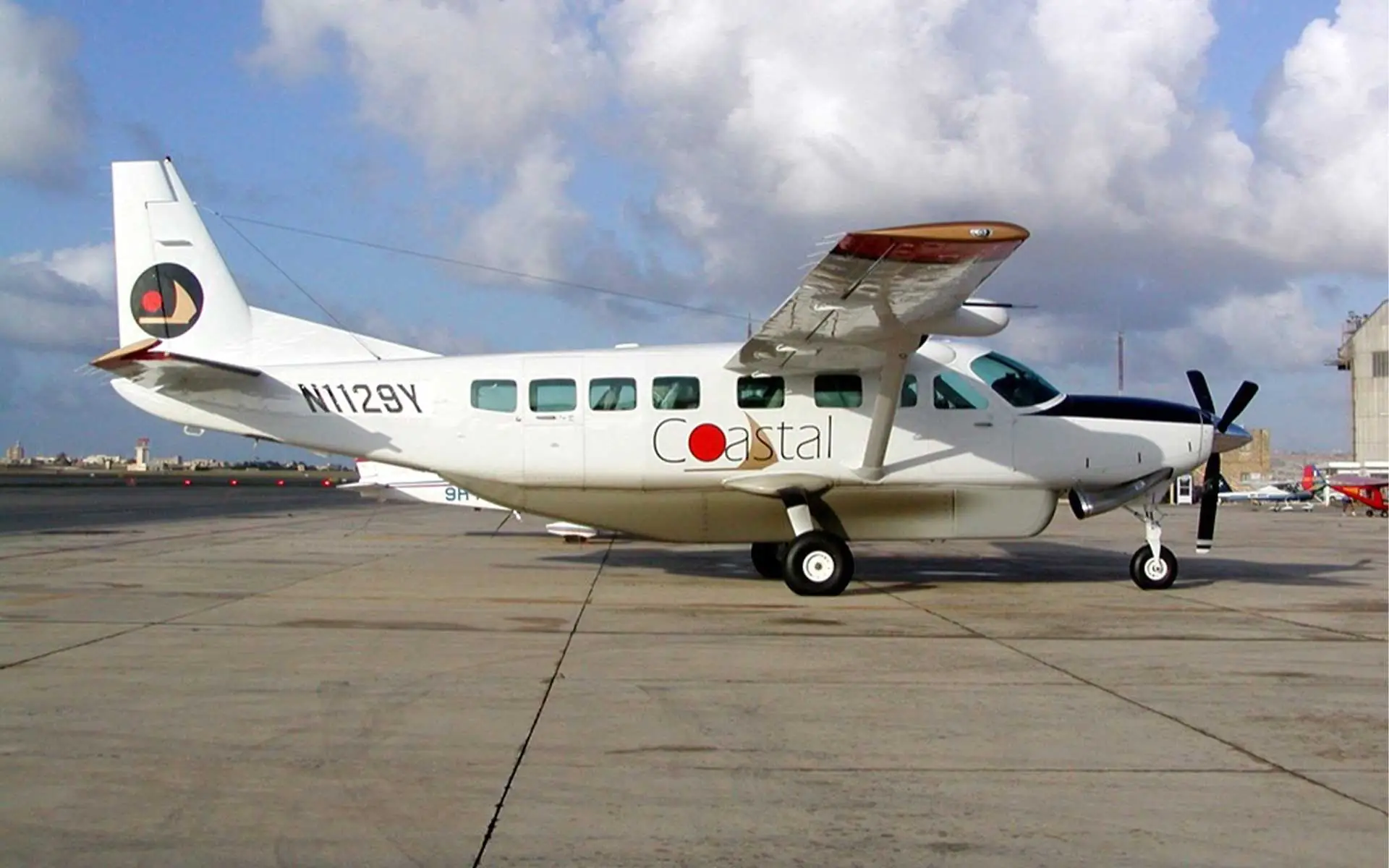
- Escalating Internal Flight Costs: Scheduled bush flights operated by carriers like Coastal Aviation or Auric Air into remote bush airstrips (such as Kogatende, Seronera, or Ndutu) use small 12-to-30-seat aircraft (Cessna Grand Caravans and Dash-8s). As seats sell out, remaining flight tiers increase in cost or require complex multi-stop routings.
- Compromised Vehicle Allocations: Quality custom 4×4 Land Cruisers equipped with heavy-duty suspension, open roof hatches, power inverters, and onboard refrigeration must be positioned days in advance. Last-minute bookings make private vehicle routing far more challenging to execute flawlessly.
Strategic Comparison: Calving Season vs. River Crossing Bookings
Choosing the ideal period to travel hinges on matching your specific wildlife priorities with the operational trade-offs of the season. The two headline acts of the Great Migration—the Ndutu Calving Season and the Northern Mara River Crossings—differ fundamentally in pace, landscape, photography conditions, and booking dynamics.
Key Differences: Mara River vs. Ndutu Calving
- River Crossings (July–October): Characterized by high drama, dramatic suspense, predator ambushes at riverbanks, and sheer survival tension. The terrain is rocky, dusty, and characterized by steep river bluffs. Booking lead time: 10 to 14 months.
- Calving Season (January–March): Characterized by lush, sweeping green plains, synchronized birthing of roughly 8,000 calves per day, fast cheetah and lion hunts across open turf, and massive herbivore concentrations. Booking lead time: 8 to 11 months.
- Vehicle Freedom: The southern Ndutu area falls within the Ngorongoro Conservation Area buffer zone, permitting licensed off-road driving under strict ethical guidelines. In contrast, Northern Serengeti enforces strict on-road or designated-track rules to prevent habitat degradation.
Travelers who prefer predatory action against dramatic natural obstacles gravitate toward the north. Those seeking newborn animals, sweeping open panoramas, and dynamic cat interactions find the south vastly superior. Your selection informs not just your booking date, but the exact vehicle, flight, and guide setup required.
The Mara River Crossing Window (July to October): Securing the North
The northern migration along the Mara River is the most requested safari event on Earth. Between July and October, immense herds mass along the bluffs separating northern Tanzania from Kenya's Maasai Mara. For travelers planning for 2026-2027, understanding the local geography of northern Tanzania is crucial for an exceptional trip.
The Mara River meanders across the border, but roughly 65% of the river lies within Tanzanian territory in the Kogatende, Lamai Wedge, and Wogakuria sectors. This gives travelers based on the Tanzania side a substantial advantage: far broader territory, lower vehicle congestion per square kilometer than across the border, and the ability to watch crossings from both the southern and northern banks of the river.
Monthly Breakdown for the Northern Migration
While marketing materials often treat July through October as an identical block of time, subtle behavioral shifts occur across these four months:
- July: The leading edges of the mega-herd push into the Kogatende region from the Western Corridor and Central Serengeti. Early river crossings begin. Dust levels are lower, and the landscape is transitioning from gold-green to dry gold. Riverbanks are less crowded with safari vehicles early in the month.
- August: Absolute peak crossing frequency. Large herds gather on both sides of the river, frequently crossing and re-crossing in response to local rain showers and grazing pressure. Lodging and airstrips operate at 100% capacity. Booking must occur at least a full year in advance.
- September: Outstanding visibility and ongoing crossings. Herds remain concentrated across the Lamai Wedge and northern plains. Temperatures are warm and dry, making early morning game drives exceptionally productive as animals congregate near permanent water sources.
- October: Late-season crossings continue, often punctuated by sudden localized storms that trigger unpredictable mass movements back toward the south. Vehicle density begins to thin out, presenting high value for travelers who reserve their space 8 to 9 months ahead.
If you are coordinating a mid-year journey, review our field breakdown on where to see the wildebeest migration in Tanzania in July to ensure your camp is reserved on the correct side of the river networks.
The Southern Ndutu Calving Window (January to March): Plains Strategy
From late December through March, the focus shifts south to the short-grass plains surrounding Lake Ndutu, Lake Masek, and the Kusini plains. Fed by volcanic ash minerals blown from the nearby Ngorongoro highlands, the grasses here are exceptionally rich in phosphorus, calcium, and magnesium. This nutrient profile provides the vital sustenance lactating female wildebeest require.
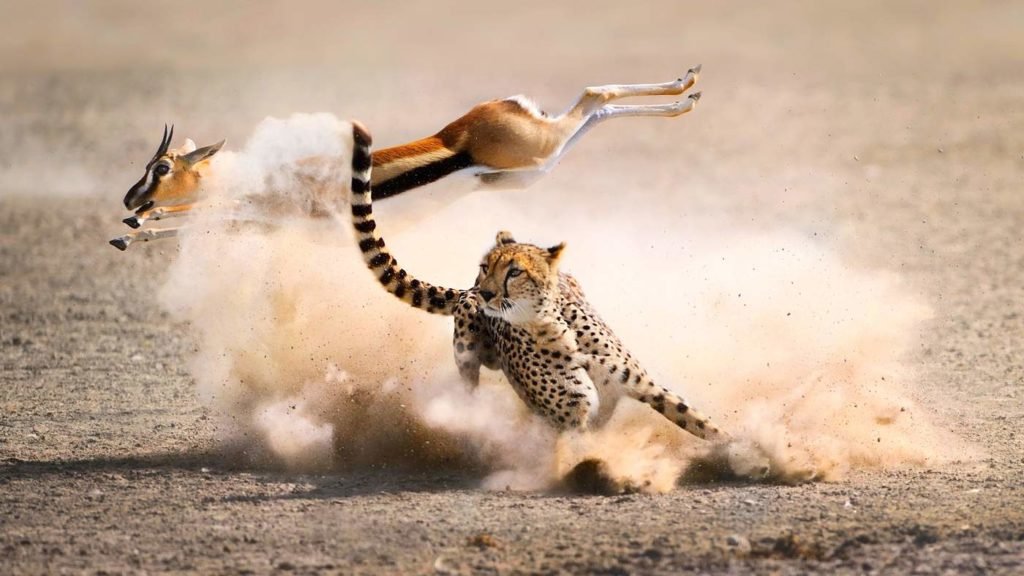
During a three-week window in February, over 400,000 calves are born. This explosion of life draws Africa's densest concentration of apex predators: prides of lions, solitary leopards patrolling acacia thickets, cheetahs sprinting across open flats, and packs of spotted hyenas testing the herds day and night.
Why Calving Season Demands a Unique Booking Approach
Booking the calving season for 2026-2027 requires careful logistical coordination for two distinct reasons:
- Dual Park Fees & Logistics: Ndutu straddles the invisible border between the Serengeti National Park and the Ngorongoro Conservation Area (NCAA). Itineraries must be meticulously calculated to optimize park entry transit permits, vehicle fees, and concession fees without triggering redundant 24-hour gate charges.
- Off-Road Driving Permits: Unlike the central and northern Serengeti, off-road tracking is permitted in designated zones around Ndutu under the supervision of professional guides. Because this puts travelers right alongside unfolding hunts, premier mobile camps like Ndutu Safari Lodge, Lake Masek Tented Lodge, and seasonal tented operations book out completely 9 to 12 months in advance.
For families and private couples looking to combine this event with the iconic Ngorongoro Crater floor, early booking ensures you obtain permits for morning crater descents before daily vehicle caps are met. Consider reviewing how much a 5-day Tanzania safari costs for two people to understand how private vehicle utilization changes southern safari budgeting.
The Transitional Months: April-May and November-December Strategies
Not every traveler requires the heart-stopping drama of a river crossing or the raw emotion of calving. For photographers looking to avoid convoy lines, budget-conscious travelers, or those seeking wilderness solitude, the migration's transitional months provide incredible rewards—with far shorter booking lead times.
The Green Season (April to May): Western Corridor & Central Movement
During the long rains of April and May, the herds assemble into massive columns stretching across the Central Serengeti toward the Western Corridor and the Grumeti River. Grasses are lush, dust is completely eliminated, and dramatic cloud formations create striking light for landscape photography. Furthermore, luxury properties offer discounted shoulder-season rates, and national park visitor numbers drop sharply.
For travel during April and May 2026-2027, booking windows relax to 3 to 5 months in advance. Even high-tier luxury camps that are fully booked a year ahead for August often have ample open capacity in early May. However, proper vehicle selection is vital: heavy seasonal rain demands skilled drivers and heavy-duty 4WD vehicles equipped with mud-terrain tires, winches, and recovery gear.
The Short Rains (November to December): The Southward Sprint
In late October and November, the short rains begin falling on the southern plains. Triggered by the smell of rain and fresh shoots, the herds abandon the northern river systems and start a rapid, determined march southward through the Lobo, Seronera, and Gol Kopjes regions.
This transit period is dynamic and fast-paced. One day the plains of Central Seronera are empty; the next morning, 300,000 wildebeest carpet the valley from horizon to horizon. Securing accommodation for November requires only a 4 to 6 month lead time, making it an ideal choice for spontaneous planners or travelers looking to pair a safari with a beach holiday. Those planning a coastal wrap-up should note that day safaris from Zanzibar cannot adequately reach these remote migration sectors, reinforcing the need for multi-day overland planning.
Whether organizing a private Land Cruiser excursion or evaluating options through our Tanzania group safari departures, securing your camp base directly informs the success of your migration route. Contact the field specialists at Top Guide Adventures via WhatsApp at +255 616 946 642 or email topguideadventures@gmail.com to examine real-time camp availability and lock in priority dates across 2026 and 2027.
Check Availability for Best Time To Book A Tanzania Wildebeest Migration Safari () 2026-2027
Ready to compare dates, prices, and the best option for your group? Send the package name and travel month so the team can reply with a clear quote, availability, and what is included.

Best Serengeti Safari Camps Close To Wildebeest Migration Areas 2026-2027
Best Serengeti Safari Camps Close to Wildebeest Migration Areas is explained with current 2026-2027 planning, price, itinerary and booking information.
View package details
Tanzania Great Migration Safari Packages For Wildlife Photographers 2026-2027
Tanzania Great Migration Safari Packages for Wildlife Photographers is explained with current 2026-2027 planning, price, itinerary and booking information.
View package details
Best Tanzania Great Migration Safari Packages For : Routes, Costs & Expert
A comprehensive local operator guide to choosing the best Tanzania Great Migration safari packages for 2027, featuring seasonal movement patterns, price comparisons, and practical itinerary...
View package details
Is January Or February Better For A Ndutu Migration Safari? 2026-2027
Is January or February Better for a Ndutu Migration Safari? is explained with current 2026-2027 planning, price, itinerary and booking information.
View package details
4 Day Southern Serengeti Migration Safari With Tented Accommodation 2026-2027
4 Day Southern Serengeti Migration Safari with Tented Accommodation is explained with current 2026-2027 planning, price, itinerary and booking information.
View package details
6 Day Northern Serengeti Migration Safari With Luxury Tented Camps 2026-2027
6 Day Northern Serengeti Migration Safari with Luxury Tented Camps is explained with current 2026-2027 planning, price, itinerary and booking information.
View package details
Private Serengeti Migration Safari With Flexible Game Drive Schedules
Private Serengeti Migration Safari with Flexible Game Drive Schedules is explained with current 2026-2027 planning, price, itinerary and booking information.
View package details
Can I See The Great Migration During A 3 Day Serengeti Safari? 2026-2027
Can I See the Great Migration During a 3 Day Serengeti Safari? is explained with current 2026-2027 planning, price, itinerary and booking information.
View package details
Northern Serengeti Migration Safari With Accommodation Near Mara River
Northern Serengeti Migration Safari with Accommodation Near Mara River is explained with current 2026-2027 planning, price, itinerary and booking information.
View package details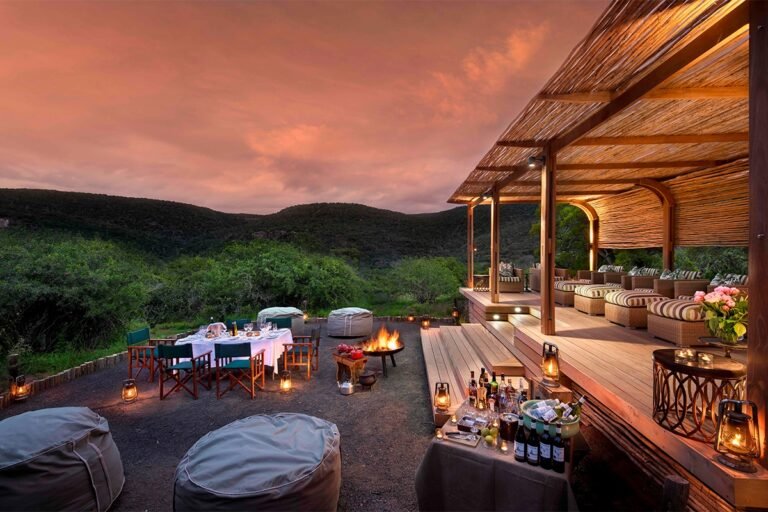
What Is The Cheapest Way To Book A Tanzania Safari? Guide 2026-2027
Discover how booking directly with local operators in Arusha or Moshi, joining group departures, and opting for public campsites slashes Tanzania safari costs by up to 50% for 2026-2027.
View package details
Book Tanzania Safari Tours Directly With Local Tour Companies 2026-2027
Book Tanzania Safari Tours Directly with Local Tour Companies is explained with current 2026-2027 planning, price, itinerary and booking information.
View package details
Tanzania Safari Packages For First Time African Travelers ( Planning Guide)
A comprehensive, realistic planning guide for first-time African safari travelers choosing Tanzania safari packages for 2026 and 2027, covering costs, park routes, and critical planning...
View package detailsNo closely related package is available yet for this topic.

Our Guest Reviews, Currently Feedback from Clients in 2026
Reviews from different sources, including Google Business, Tripadvisor, other platforms, and social media.



