
A private Tanzania safari with flexible game drives for children is an exclusively chartered wildlife expedition where your family has dedicated use of a custom 4×4 Land Cruiser and a professional driver-guide, allowing you to dictate daily start times, track lengths, bush stops, and meal breaks entirely around your childrenu2019s stamina rather than an inflexible group schedule. For 2026-2027, private family safaris operating across Tanzaniau2019s Northern Circuit (Tarangire, Lake Manyara, Ngorongoro Crater, and the Serengeti) typically run from $450 to $1,150 per adult per day and $220 to $650 per child per day (ages 5u201315), depending on whether you choose comfortable mid-range safari lodges or upscale tented camps with dedicated family suites. The primary planning decision requires selecting between long-distance migration pursuits across the northern Serengeti or slower-paced, multi-night stays in predator-dense hubs like Tarangire and central Seronera to eliminate excessive transfer fatigue.
Why Private Game Drives Are Non-Negotiable for Children in Tanzania
Traveling across the East African wilderness with young children transforms the entire physics of a safari. In a standard scheduled group tour, six to seven adult strangers share a single pop-up roof vehicle, bound by rigid park entry schedules, eight-hour continuous track loops, and collective voting on when to move away from a sighting. For adults, waiting forty-five minutes in silence while a solitary leopard sleeps high in an acacia tree is the pinnacle of bush patience. For an eight-year-old, that same forty-five minutes inside an enclosed, dusty vehicle in midday heat breeds restless frustration, leading to behavioral friction that diminishes the experience for everyone on board.
Opting for a guaranteed private vehicle option fundamentally alters these dynamics. With an exclusive charter through TOP GUIDE ADVENTURES, the safari vehicle becomes your familyu2019s personal mobile outpost. If a child wakes up early with boundless energy at dawn, your private guide can depart lodge gates at 06:15 for an early predator scan while the bush is crisp. Conversely, if your five-year-old suffers an overtired meltdown after a broken nightu2019s sleep, breakfast can happen unhurried at the lodge, rolling out into the reserve at 09:00 without missing departure calls or fielding apologies from fellow passengers.
Flexibility extends down to the micro-decisions made at every wildlife sighting. When an inquisitive child shows fascination with dung beetles rolling elephant dung across a red dirt track, a private guide can cut the engine and spend twenty minutes observing insect behavior through binoculars without an impatient adult passenger demanding to speed off toward a radio-reported lion pride ten miles away. When attention spans wane, you have total authority to tell your driver to turn back toward camp for a midday swim, avoiding the dreaded trap of keeping children locked in passenger seats through the punishing 13:00 to 15:00 equatorial heat.
Understanding this distinction is the core difference between a family adventure that creates lifelong naturalists and an exhausting endurance trial across rough Tanzanian tracks. Parents planning for the 2026-2027 seasons must recognize that a private safari is not a lavish vanity upgrade; it is an operational safeguard that protects the emotional well-being of the family unit.
2026-2027 Cost Breakdown: Private Vehicles, Park Fees, and Family Suites
Safari pricing in Tanzania is governed by fixed conservation overheads, statutory park entry fees, concession fees, vehicle running costs, and hospitality tiers. When evaluating a private vs group joining safari cost comparison, families frequently discover that private safaris for four or five people become cost-competitive on a per-person basis because vehicle charter fees and private guide allowances are amortized across the entire family rather than charged individually.
Understanding the underlying cost architecture prevents budgeting surprises when securing bookings for 2026 and 2027. Fixed statutory expenses paid directly to the Tanzania National Parks Authority (TANAPA) and the Ngorongoro Conservation Area Authority (NCAA) include mandatory daily conservation fees per adult ($71 to $83 per 24-hour cycle in major parks) and significantly reduced rates for children aged 5 to 15 ($23.60 per 24 hours), with children under age 5 entering free. Ngorongoro Crater carries a separate vehicle descent fee of $295 per vehicle per single entry, regardless of passenger count.
Estimated Daily Investment for Private Family Safaris (2026-2027)
The following figures reflect realistic per-person, per-day rates for private safaris across the Northern Circuit, including dedicated 4×4 vehicle, professional guide, full-board accommodation, bottled water, and all mandatory government park fees. Internal regional flights or international transfers are excluded.
| Comfort Category | Adult Rate (Per Day) | Child Rate (Ages 5-15) | Under 5 Years | Vehicle & Guide Inclusions |
|---|---|---|---|---|
| Mid-Range Lodges / Permanent Tented | $450 – $650 | $220 – $340 | Free (Park Fees Waived; Minor Lodge Meal Fee) | Exclusive-use 4×4 Cruiser, unlimited game mileage, English-speaking guide |
| Upper Mid-Range / Seasonal Bush Camps | $680 – $920 | $350 – $480 | Logistical lodge fee ($40 – $70) | Exclusive-use 4×4 Cruiser, pop-up roof, inverter charging, onboard cooler |
| Luxury / Exclusive Family Suites | $1,050 – $1,600+ | $550 – $850 | Varies by property policy | Private custom vehicle, child tracker-spotter option, private bush meals |
Accommodating families in Tanzania requires early identification of properties with true two-bedroom interconnecting tents or dedicated family suites. Traditional safari properties are built primarily around double or twin occupancy tents. While many camps will place two extra rollaway cots inside a standard canvas tent to create a u201ctripleu201d or u201cquad,u201d the living space becomes cramped, luggage pathways disappear, and parents sacrifice privacy. Dedicated family units feature two separate en-suite bedrooms linked by an enclosed corridor or shared central deck, ensuring parents can supervise younger children safely without requiring minors to sleep in an isolated tent surrounded by wild game movement. Reviewing verified safari packages with family rooms and private bathrooms is critical when locking in arrangements 8 to 12 months in advance for peak migration dry seasons.
4×4 Vehicle Ergonomics, Child Safety Seats, and Gear Storage
The vehicle you step into at Kilimanjaro International Airport (JRO) or Arusha Airport will serve as your familyu2019s living room, classroom, and observation deck for multiple days. In Tanzania, reputable operators deploy custom-built, heavy-duty Toyota Land Cruiser 70-series chassis stretched to seat five to seven passengers across staggered bench or captain rows behind the driver. When selecting a private safari vehicle for young passengers, ergonomics and security take precedence over standard sightseeing aesthetics.
For toddlers and younger children (under seven years old), standard vehicle lap belts or universal three-point safety harnesses designed for adults do not provide adequate restraint across rutted corrugations and sharp off-camber bush tracks. Reputable local operators can install secured, forward-facing child safety booster seats or full multi-point harnessed car seats upon prior request during the initial booking window. Raising a younger child six to eight inches above the standard seat base accomplishes two vital safety and engagement goals: it ensures the vehicleu2019s secondary safety restraints hold them securely during sudden stops, and it elevates their eye level directly to the large sliding side windows so they can spot wildlife without needing to stand up constantly on moving seats.
Vehicle interiors must also manage significant internal climate variation. Tanzanian mornings can begin at 12u00b0C (54u00b0F) on the rim of Ngorongoro before climbing to 32u00b0C (90u00b0F) on the dusty plains of Tarangire by 14:00. Quality Land Cruisers carry onboard dual-battery inverter charging stations with universal plug points, allowing families to keep childrenu2019s camera batteries, tablets, audio story players, and rechargeable mini-fans continuously powered. A built-in, engine-chilled mini-fridge keeps bottled water, electrolyte juices, and perishables consistently cold throughout the day, preventing dehydrationu2014one of the most common precursors to pediatric fatigue and heat sickness in the African bush.
Roof hatches present another point of family coordination. While standard adult travelers lean out over open pop-up hatches for hours, young children need safe, elevated standing boxes or secured fold-down stepping platforms so their shoulders clear the rim comfortably without having to hang from steel roof bars. A professional family guide will ensure the pop-up roof stays locked in lowered position while cruising at speed on transit highways, elevating the canopy only after the vehicle has entered designated reserve tracks at controlled game-viewing speeds below 40 km/h.
Structuring the Daily Bush Rhythm: Split Drives vs. Half-Day Outings
The single greatest operational error parents make when assembling a Tanzania safari is transposing standard adult game viewing expectations onto a childu2019s physiology. Experienced wildlife photographers often prefer u201cfull-day drives,u201d packing dry picnic lunchboxes at sunrise, rolling out of camp at 06:00, and staying deep inside the reserve for ten unbroken hours until park gates close at 18:00. Attempting this schedule with children under the age of twelve almost invariably results in exhaustion, sensory overload, and emotional breakdown by the third afternoon.
A well-structured private family itinerary operates on deliberate, segmented pacing. Instead of unbroken ten-hour marathons, parents should design daily movements around two distinct structural models: the Split-Drive Routine and the Continuous Morning Circuit.
The Two Core Daily Safari Patterns for Families
- Pattern A: The Classic Split Drive (Ideal for Central Serengeti & Tarangire)
- 06:00 – 06:30: Light hot breakfast at the lodge (hot cocoa, porridge, fruit, eggs).
- 06:45 – 10:30: First morning game drive. Active predator sightings, crisp air, maximum child alertness.
- 10:30 – 14:30: Return to the lodge or tented camp. Sit-down hot lunch, mandatory vehicle break, mid-day rest, pool time, or journaling.
- 15:00 – 18:00: Afternoon drive focusing on waterholes, herds, and golden-hour lighting.
- 18:30: Campfire arrival, warm bush shower, early family dinner.
- Pattern B: The Continuous Morning Circuit (Ideal for Ngorongoro Crater & Remote Loops)
- 06:30 – 07:00: Complete breakfast; vehicle loaded with fresh bush brunch.
- 07:15 – 12:30: High-engagement morning loop covering active wildlife zones before midday heat peaks.
- 12:45 – 13:45: Shaded picnic site lunch; leg-stretching break near secure TANAPA ranger stations.
- 14:15: Return to camp for the balance of the day, leaving late afternoon completely open for relaxation.
Pattern A succeeds brilliantly in large parks where your accommodation sits inside or within ten minutes of the main wildlife sectors, such as Seronera in the central Serengeti or inside the northern bounds of Tarangire National Park. Returning to camp across midday shields younger skin from harsh ultraviolet exposure, resets sensory stimulation, and allows children to run around under supervision in camp common areas rather than remaining stationary inside vehicle seats. Pattern B functions best when entry logistics require descending into self-contained ecosystems like the Ngorongoro Crater, where entering and exiting the caldera rim multiple times in a single day is logistically impractical due to steep access tracks and strict permit single-entry parameters.
Selecting the Right Northern Circuit Parks for Short Attention Spans
Not every world-famous safari reserve matches the operational reality of family travel. A circuit optimized for adults might prioritize obscure border corridors or low-density rhino tracking tracks that demand hundreds of kilometers of empty driving through thick scrub. When traveling with children, the goal is dense, high-frequency wildlife visual encounters with minimal intermediate dead time. Evaluating the best Tanzania safari parks for children visiting Africa for the first time clarifies which reserves deliver fast visual engagement without grueling travel transit times.
Tarangire National Park represents the gold standard for initiating children into African wildlife. Located roughly two hours along smooth paved tarmac southwest of Arusha, Tarangire eliminates brutal transit legs on day one. During the dry season months (June through October), the Tarangire River becomes the sole water lifeline across thousands of square kilometers. Massive herds of elephants congregate in river bends, often walking within yards of safari vehicles. Children do not have to strain their eyes through heavy brush to spot animals; hundreds of elephants, impalas, zebras, giraffes, and baboons interact in clear, open floodplains. The towering baobab trees provide dramatic visual scale that captures young imaginations, turning the landscape itself into a storybook environment.
Lake Manyara National Park serves as a compact, high-variety introductory half-day or single-day segment. The groundwater forest directly inside the entrance gate is populated by extensive baboon troops and blue monkeys playing along the roadside canopy, providing immediate animation within ten minutes of clearing the gate. The parku2019s alkaline lake introduces children to vast flocks of pink flamingos, while hippos wallow visibly at the open observation boardwalk, offering a tactile sensory environment rich with auditory grunts and splashes.
Ngorongoro Crater offers an unmatched concentration of large mammals within a contained 260-square-kilometer volcanic amphitheater. Because wildlife cannot migrate away from the crater floor, animal density is extraordinarily high. Children can reliably observe zebras, wildebeest, hyenas, warthogs, pride lions, and occasionally endangered black rhinoceroses in a single four-hour morning game loop. The sheer visual spectacle of descending 600 meters down the sheer caldera wall into an extinct volcanic wonderland keeps young minds fully engaged.
The Serengeti National Park delivers unparalleled scale, but its massive acreage demands strategic placement. Booking families into the central Seronera Valley provides year-round resident predator activity, particularly leopards lounging in sausage trees and lions resting on granitic kopjes. For families traveling between January and March, booking flexible camps around the southern Ndutu plains allows off-road driving permissions where children can witness the synchronized calving of wildebeest herds, observing hundreds of newborn calves standing within minutes of birth. Exploring specialized Ndutu safari packages with early morning predator game drives during these specific months yields the most action-packed game viewing available anywhere on the continent.
Managing In-Transit Realities: Bush Toilets, Bumpy Tracks, and Motion Sickness
The romantic ideal of the African safari often leaves out the gritty operational realities: long stretches of unpaved u201cAfrican massageu201d washboard roads, swirling volcanic dust, limited commercial restrooms, and motion sickness. A smoothly executed private family safari requires anticipating these unglamorous friction points before departing Arusha.
Restroom logistics represent the single highest anxiety point for parents with young children. Inside Tanzanian national parks, modern flush-toilet ablution facilities exist primarily at entry gates, designated picnic sites, and visitor information centers. When out tracking wildlife along remote river loops, your vehicle may be forty-five minutes away from the nearest permanent toilet. In a private safari, this is managed simply through established field protocol known as the u201cbush stop.u201d An experienced guide spots a wide, flat, low-vegetation clearing where predatory visibility is absolute 360 degrees, pulls the vehicle alongside, surveys the surroundings thoroughly, and steps out first to ensure total perimeter safety before assisting children behind the shielded door of the Cruiser. Families should pack dedicated sealable dry bags stocked with biodegradable wet wipes, toilet tissue, and hand sanitizer inside their vehicle daypacks, as discarded paper must never be left in the wilderness.
Check Availability for Private Tanzania Safari With Flexible Game Drives For Children 2026-2027
Ready to compare dates, prices, and the best option for your group? Send the package name and travel month so the team can reply with a clear quote, availability, and what is included.
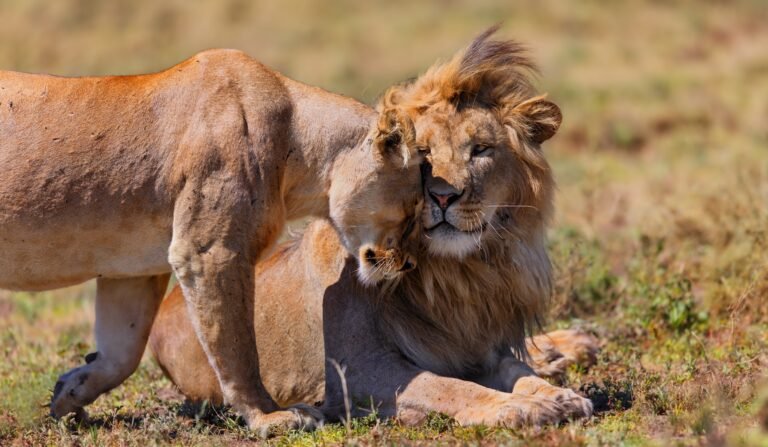
Private Serengeti Migration Safari With Flexible Game Drive Schedules
Private Serengeti Migration Safari with Flexible Game Drive Schedules is explained with current 2026-2027 planning, price, itinerary and booking information.
View package detailsTanzania Safari Packages With Family Rooms And Private Bathrooms 2026-2027
Tanzania Safari Packages with Family Rooms and Private Bathrooms is explained with current 2026-2027 planning, price, itinerary and booking information.
View package detailsBest Serengeti Safari Camps For Families With Children ( Guide) 2026-2027
A detailed, field-grounded guide evaluating the best Serengeti safari camps for families with children. Covers age restrictions, true two-bedroom interconnecting tents, fenced vs unfenced...
View package detailsCan Children Join Group Safari Tours In Tanzania? 2026-2027
Can Children Join Group Safari Tours in Tanzania? is explained with current 2026-2027 planning, price, itinerary and booking information.
View package detailsBest Tanzania Safari Parks For Children Visiting Africa The First Time
Planning a family safari in Tanzania? Learn which parks are best for children, what to expect, and how to make the most of your first African adventure.
View package details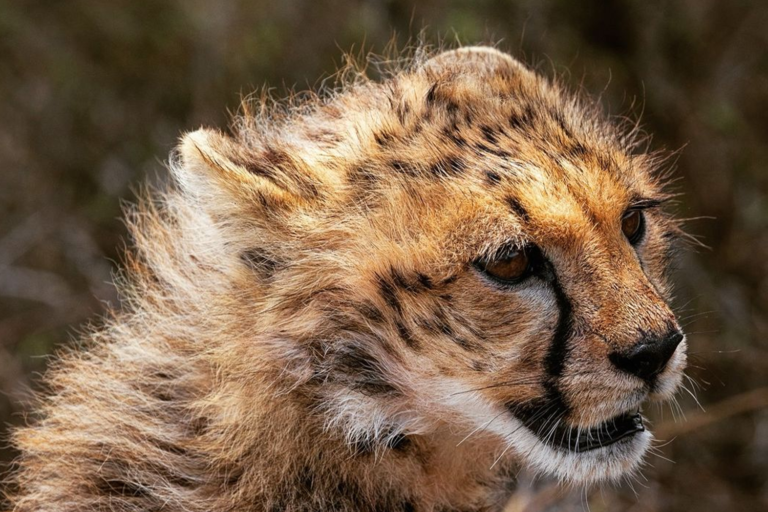
Tarangire Safari With Luxury Tented Camps And Private Bathrooms 2026-2027
A comprehensive buyer guide to booking a Tarangire safari with luxury tented camps featuring private en-suite flush toilets and running hot showers for 2026-2027.
View package details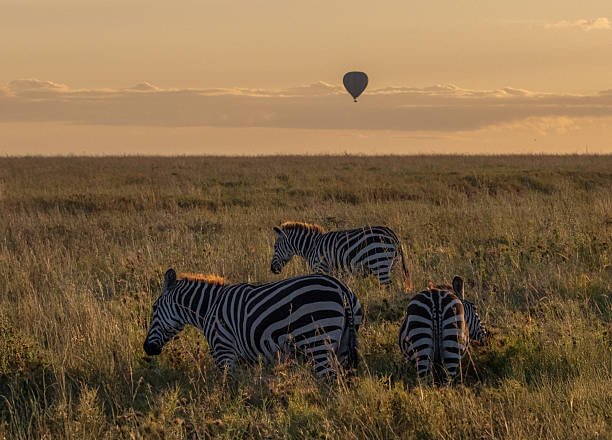
Best Private Tarangire Safari Tours For Wildlife Photographers 2026-2027
Best Private Tarangire Safari Tours for Wildlife Photographers is explained with current 2026-2027 planning, price, itinerary and booking information.
View package details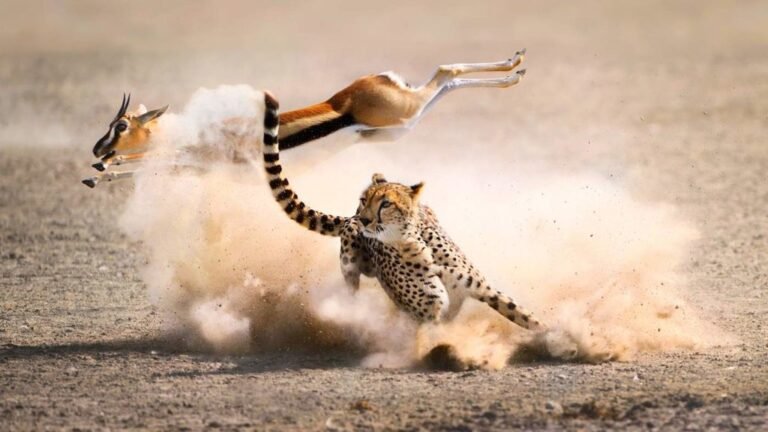
6 Day Ndutu Serengeti And Ngorongoro Safari With Private Guide 2026-2027
6 Day Ndutu Serengeti and Ngorongoro Safari with Private Guide is explained with current 2026-2027 planning, price, itinerary and booking information.
View package details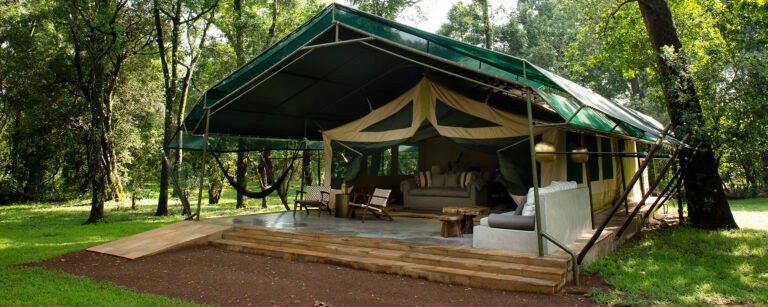
How Much Does A Private Ndutu Calving Safari Cost? 2026-2027
How Much Does a Private Ndutu Calving Safari Cost? is explained with current 2026-2027 planning, price, itinerary and booking information.
View package details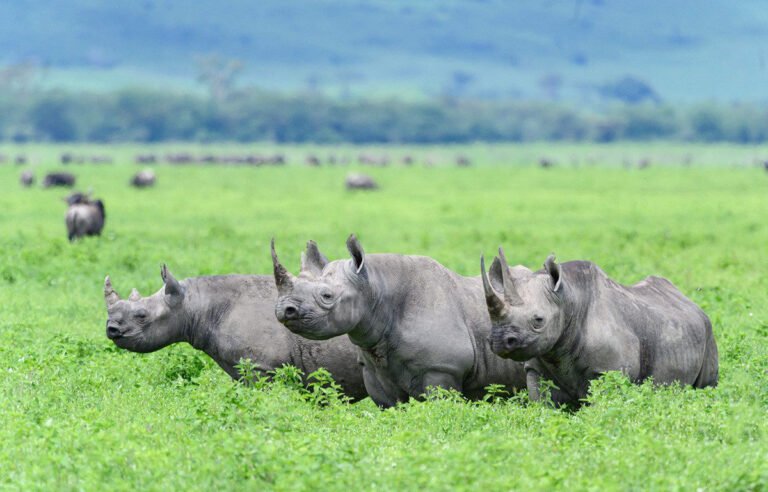
Ngorongoro Crater Safari With Private 4X4 Land Cruiser 2026-2027
Ngorongoro Crater Safari with Private 4x4 Land Cruiser is explained with current 2026-2027 planning, price, itinerary and booking information.
View package details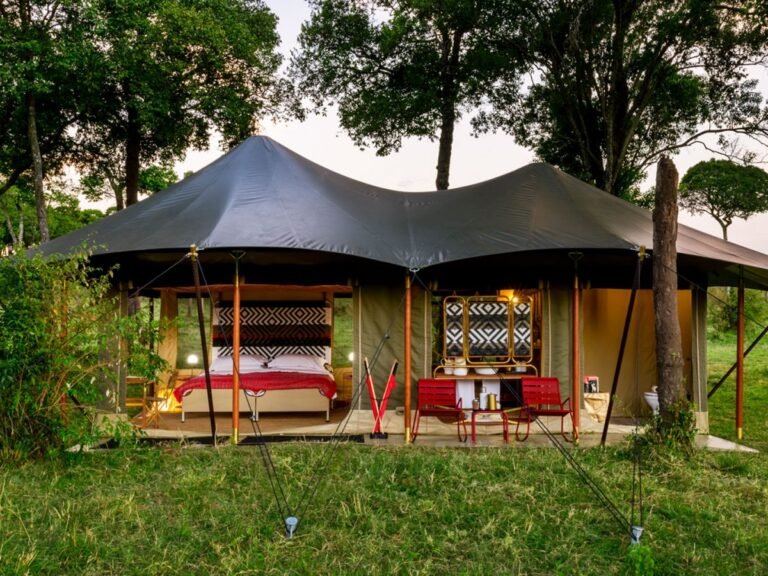
How Much Does A Private Serengeti Safari Cost For Two People? 2026-2027
How Much Does a Private Serengeti Safari Cost for Two People? is explained with current 2026-2027 planning, price, itinerary and booking information.
View package details
4 Day Serengeti And Ngorongoro Crater Safari With Private Guide 2026-2027
4 Day Serengeti and Ngorongoro Crater Safari with Private Guide is explained with current 2026-2027 planning, price, itinerary and booking information.
View package detailsNo closely related package is available yet for this topic.

Our Guest Reviews, Currently Feedback from Clients in 2026
Reviews from different sources, including Google Business, Tripadvisor, other platforms, and social media.