
A Ngorongoro Crater safari in 2027 typically costs between $350 and $650 per person per day for a budget camping or shared group safari, $650 to $1,100 per person per day for a comfortable mid-range lodge trip, and $1,200 to over $2,500 per person per day for high-end luxury rim lodges and private charter services. These total costs are heavily shaped by non-negotiable statutory fees levied by the Ngorongoro Conservation Area Authority (NCAA)—specifically the 24-hour conservation entry permit ($70.80 per adult including 18% VAT) and the mandatory crater service descent fee of $295 per vehicle per six-hour game drive. The main planning decision you must make is whether to do an intensive single-day descent from Arusha or Karatu, or embed the crater into a multi-day northern circuit safari paired with the Serengeti, which radically changes vehicle cost distribution and lodging logistics.
Quick Cost Summary: Realistic Ngorongoro Safari Price Ranges for 2027
Pricing a safari inside the world's largest intact volcanic caldera is fundamentally different from pricing a standard national park visit. In national parks like the Serengeti or Tarangire, daily costs scale largely with accommodation and fuel. In Ngorongoro, the pricing structure is aggressively front-loaded with statutory government levies before a wheel even touches the caldera floor. When planning your travels for 2026-2027, having a transparent breakdown of baseline ranges protects you from predatory middleman markups and suspiciously cheap itineraries that cut corners on vehicle safety or descent permits.
For international non-East African adult travelers, realistic quotes for 2027 fall into three distinct tiers based on tour structure, group size, and hotel selection. These figures assume standard 4×4 safari cruiser configurations with pop-up roofs, licensed guides, meals, fuel, park fees, and crater descent fees.
| Safari Tier / Style | Estimated Cost Per Person / Day (2027) | Typical Accommodation Type | Descent Vehicle Structure |
|---|---|---|---|
| Budget Camping / Group-Joining | $350 – $550 | Public campsite (e.g., Simba A) or budget Karatu hostel/camp | Shared 4×4 cruiser (5–7 passengers sharing $295 fee) |
| Standard Mid-Range (Private Duo) | $650 – $950 | Mid-range permanent tented lodge in Karatu or NCA border | Private 4×4 cruiser (two guests absorb vehicle & descent fees) |
| Upper Mid-Range to Classic Lodge | $950 – $1,350 | Quality rim lodge or upscale Karatu coffee estate | Private customized 4×4 cruiser with senior naturalist guide |
| High-End Luxury Rim | $1,400 – $2,800+ | Exclusive crater rim property (e.g., Crater Lodge, Sanctuary, Entamanu) | Private customized vehicle or fly-in package with camp vehicle |
When you analyze these numbers, remember that Ngorongoro Crater is rarely visited in isolation. Most travelers book it as part of a wider northern Tanzania itinerary. If you evaluate a 3-day Serengeti and Ngorongoro safari cost, the overall daily average often balances out because the vehicle descent fee is charged only on the specific day you descend to the caldera floor.
The Fixed Government Line Items: NCAA Permits, Taxes, and the Descent Fee
To understand why a Ngorongoro Crater excursion carries a higher daily price point than almost any other protected wildlife area in East Africa, one must examine the regulatory billing framework of the Ngorongoro Conservation Area Authority (NCAA). Unlike standard national parks operated by TANAPA, Ngorongoro is a multiple land-use conservation area governed by its own regulatory board, fee structures, and environmental tariffs.
In 2026 and 2027, these fees remain non-negotiable for all registered operators. Any quote that appears dramatically lower than market standard usually means the operator is under-declaring vehicle time, using an uncertified vehicle, or failing to pay the official crater service fee—risking immediate vehicle impoundment at the Seneto descent gate.
The Conservation Entry Permit
Every person entering the Ngorongoro Conservation Area must pay an individual daily conservation entry fee. For non-East African adult residents and international tourists, this fee is $60 USD plus 18% VAT ($10.80), totaling $70.80 USD per person for every 24-hour cycle. Children aged 5 to 15 pay $20 USD plus 18% VAT ($23.60 USD), while children under 5 enter free of charge. This permit allows entry into the wider highland area, Maasai pastoral zones, and transit roads toward the Serengeti plains.
The Crater Service (Descent) Fee
Merely holding an entry permit into the conservation area does not entitle a vehicle to drive down into the crater. To descend the caldera walls and navigate the 100-square-mile crater floor, every safari vehicle must purchase a Crater Service Permit costing $250 USD plus 18% VAT ($295 USD total) per descent. This fee is charged per vehicle, not per person, and strictly permits a maximum of 6 hours of continuous game viewing on the crater floor. If you stay down beyond your 6-hour permit window, your driver is automatically penalized heavily by the gate rangers, a fine that legitimate operators will bill back to clients if delays are caused by client requests.
Critical Logistics Notice: If your safari includes an afternoon descent on day one followed by a morning descent on day two, your itinerary incurs two separate crater descent fees ($590 USD total for the vehicle) plus overnight concession or camping tariffs. Understanding this mechanical fee helps you decide whether two half-day descents justify the substantial price premium over one thorough six-hour morning game drive.
Overnight Concession and Public Camping Tariffs
Where your head hits the pillow triggers an additional statutory levy. If you choose to sleep inside the conservation boundary at a rim lodge or permanent tented camp, the NCAA levies an overnight concession fee of $59 USD per adult per night (inclusive of VAT). If you pitch a canvas tent at a public campsite like Simba A on the crater rim, you pay a public camping fee of $35.40 USD per adult per night. Conversely, if you exit the gate to sleep in the nearby farming hub of Karatu, you bypass the NCA overnight concession fee entirely for that night, though you must pay a fresh conservation entry fee if your 24-hour window has expired when re-entering the following morning.
To see how these statutory taxes stack up across a multi-day journey, review our transparent Tanzania safari cost breakdown including park fees and accommodation.
Cost Differences by Travel Style: Budget Camping, Mid-Range Lodges, and Luxury Rim Properties
Once statutory government fees are cleared, your choice of accommodation dictates the remainder of your quote. In the Ngorongoro region, lodging operates across three primary logistical categories, each creating an entirely different spending profile for 2027 travelers.
1. Basic Pitch-Tent Camping ($350 – $550 per person / day)
Budget camping in Ngorongoro is an authentic, rugged experience. You sleep in durable canvas dome tents set up at designated public campsites on the crater rim, such as Simba Campsite. Because wild animals freely traverse these unfenced public grounds—zebras and warthogs often graze between tents while elephants drink from water storage tanks—it demands environmental awareness and an adventurous mindset.
- What drives the price: You must fund a dedicated safari cook, field kitchen equipment, camping gear, and food provisions carried from Arusha, in addition to your licensed driver-guide.
- The cost saving: Camping fees are far lower than lodge rates, and if you share the 4×4 cruiser with 4 to 6 fellow travelers on a budget group joining tour, the per-person share of the vehicle rental, fuel, and the $295 descent fee drops dramatically.
- The compromise: Shared basic ablution blocks with temperamental hot water, high altitude night chills (the crater rim sits above 2,200 meters, dropping to 5°C / 41°F at night), and zero lodge amenities.
2. Mid-Range Permanent Lodges and Tented Suites ($650 – $1,100 per person / day)
Mid-range is the sweet spot for balance, comfort, and logistical predictability. Because accommodation directly on the rim is heavily skewed toward ultra-luxury, the vast majority of exceptional mid-range properties are located in the lush agricultural foothills of Karatu, approximately 30 to 45 minutes outside the main Loduare conservation gate.
These properties—ranging from classic coffee plantation estates to thatched safari cottages—provide private en-suite bathrooms, king beds, reliable solar-powered hot showers, swimming pools, multi-course dining, and evening campfires. For travelers who value solid night rest and good nutrition without paying thousands for a brand-name caldera view, choosing a mid-range lodge package provides maximum return on investment.
3. Luxury and Ultra-Luxury Rim Lodges ($1,200 – $2,500+ per person / day)
Directly perched on the southwestern and eastern rims of the crater sit some of the most celebrated and architecturally dramatic lodges in Africa, including the Ngorongoro Crater Lodge (andBeyond), Sanctuary Ngorongoro Crater Camp, Entamanu Ngorongoro, and the classic Ngorongoro Serena Safari Lodge. Here, you are paying for direct, unobstructed views into the 600-meter-deep caldera, immediate access to the descent roads at dawn, and top-tier hospitality.
- Pricing reality: Standard room rates during high seasons (January–February and June–October 2027) run from $1,000 to over $2,200 per adult per night on a full-board or all-inclusive basis, excluding the park fees.
- Who it suits: Honeymooners, wildlife photographers prioritizing first-light gate entry, and luxury travelers demanding fine wine lists, butler service, and underfloor heating in the chilly alpine highland climate.
- Trade-off: The astronomical price tag does not change the wildlife on the crater floor. A guest staying at an ultra-luxury lodge shares the identical 6-hour game drive routes and viewings of the black rhino as a traveler descending from an accessible mid-range lodge in Karatu.
Where You Sleep Changes the Price: Karatu vs. Crater Rim vs. Inside the NCA
A major strategic decision that influences your total safari invoice is the physical location of your overnight base. Many travelers instruct their tour operator that they "must stay on the crater rim," without recognizing the logistical and financial ramifications.
Geographic Comparison: Weighing the Costs and Logistics
- Staying on the Crater Rim: Offers immediate 10 to 15-minute access to the Seneto or Lemala descent routes, allowing you to be the first vehicle on the crater floor at 06:00 AM. However, it incurs the $59/person/night NCA concession fee, lodging rates are substantially higher due to scarcity and high building costs, and nighttime temperatures are significantly colder.
- Staying in Karatu (Outside the Gate): Situated at an elevation of roughly 1,500 meters, Karatu offers warmer, pleasant evenings, larger gardens, and far broader competitive lodge pricing ($150–$350 per room compared to $600–$1,800 on the rim). You eliminate the nightly $59 concession fee. The compromise is logistical: you must depart your lodge at 05:30 AM to clear the Loduare gate and navigate the winding mountain transit road, adding 45 to 60 minutes of travel before reaching the descent road.
- Staying in Ndutu / South Serengeti (Seasonal): During the wildebeest calving season between January and March 2027, basing yourself in the Ndutu region (within the NCA) allows you to combine intense big-cat migration viewing with an easy transition to the crater rim, optimizing the use of your 24-hour NCA transit permit.
If you are planning an extended trip, you can read our comparison on whether to prioritize rim luxury versus Karatu comfort in our luxury Tanzania safari cost guide.
Solo, Couple, or Small Group: How Vehicle Math Shapes Your Ngorongoro Quote
Because safari logistics operate around dedicated 4×4 vehicles, your party size directly controls the per-person cost. A custom Toyota Land Cruiser fitted with heavy-duty off-road suspension, long-range fuel tanks, dual spare wheels, an inverter for camera charging, and a pop-up roof costs the tour operator a fixed operational daily amount. This daily rate covers vehicle maintenance, comprehensive safari insurance, commercial licenses, fuel, and the professional guide's daily wage and allowance.
When you add the $295 crater descent fee, this entire vehicle overhead must be divided among the occupants inside that specific truck:
- The Solo Traveler Dilemma: A solo traveler booking a private safari absorbs 100% of the vehicle hire ($200–$300/day), fuel, driver allowance, and the $295 descent fee alone. This makes a solo private day in Ngorongoro easily exceed $900–$1,200 per day even with modest lodging. Joining a small group tour is the most financially sensible path for solo adventurers.
- Couples (The Standard Dynamic): For two people traveling together, vehicle and descent costs are split in half ($147.50 per person for the crater descent). This represents the classic mid-range baseline quoted across the industry. For a detailed breakdown of this setup, explore our guide on 5-day Tanzania safari costs for two people.
- Families or Small Groups of 4 to 6: In a party of four to six adults, the vehicle rental and the descent fee are divided four to six ways (dropping the vehicle descent cost to under $50–$75 per person). This vehicle efficiency allows families to upgrade their lodging standards to premium properties without increasing their total target budget. You can evaluate how family dynamics shift this balance in our family safari cost analysis.
If you are deciding whether private travel justifies the premium over a shared vehicle, look through our detailed study comparing private versus group joining Tanzania safari costs.
Check Availability for How Much Does A Ngorongoro Crater Safari Cost In ? 2026-2027
Ready to compare dates, prices, and the best option for your group? Send the package name and travel month so the team can reply with a clear quote, availability, and what is included.

Is Ngorongoro Crater Better Than Serengeti For A Short Safari? 2026-2027
Is Ngorongoro Crater Better Than Serengeti for a Short Safari? is explained with current 2026-2027 planning, price, itinerary and booking information.
View package details
3 Day Ndutu And Ngorongoro Crater Safari From Arusha 2026-2027
3 Day Ndutu and Ngorongoro Crater Safari from Arusha is explained with current 2026-2027 planning, price, itinerary and booking information.
View package details
Best Ngorongoro Crater Safari Packages From Moshi 2026-2027
Best Ngorongoro Crater Safari Packages from Moshi is explained with current 2026-2027 planning, price, itinerary and booking information.
View package details
Ngorongoro Crater And Lake Manyara Safari With Overnight Lodge 2026-2027
Ngorongoro Crater and Lake Manyara Safari with Overnight Lodge is explained with current 2026-2027 planning, price, itinerary and booking information.
View package details
Best Ngorongoro Crater Safari For Families With Young Children 2026-2027
Best Ngorongoro Crater Safari for Families with Young Children is explained with current 2026-2027 planning, price, itinerary and booking information.
View package details
Ngorongoro Crater Safari With Private 4X4 Land Cruiser 2026-2027
Ngorongoro Crater Safari with Private 4x4 Land Cruiser is explained with current 2026-2027 planning, price, itinerary and booking information.
View package details
What Is Included In A Ngorongoro Crater Safari Package? 2026-2027
What Is Included in a Ngorongoro Crater Safari Package? is explained with current 2026-2027 planning, price, itinerary and booking information.
View package details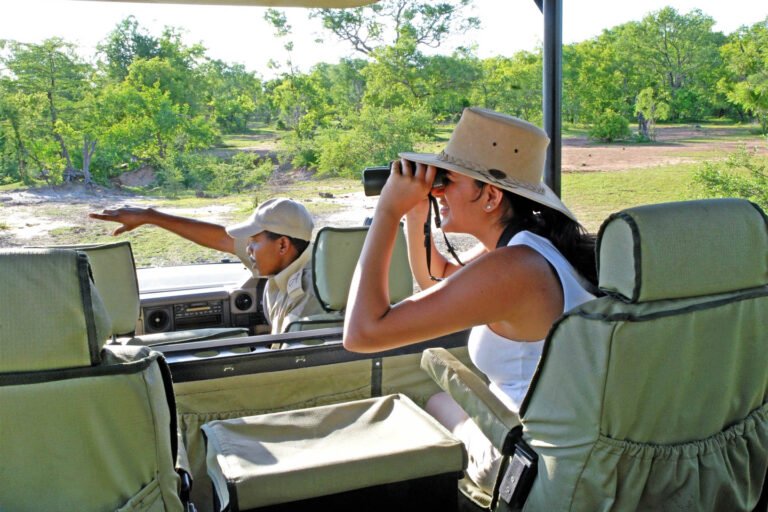
Ngorongoro Crater Safari Packages With Luxury Lodge Accommodation 2026-2027
Ngorongoro Crater Safari Packages with Luxury Lodge Accommodation is explained with current 2026-2027 planning, price, itinerary and booking information.
View package details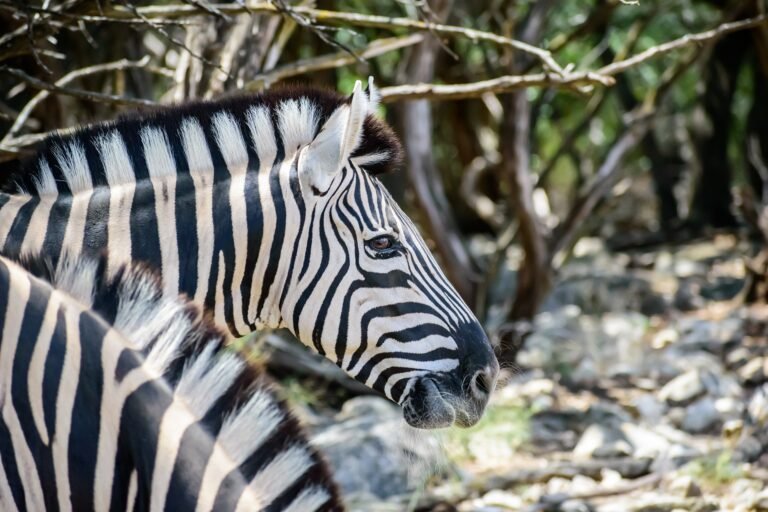
Best 2 Day Ngorongoro Crater And Tarangire Safari Packages 2026-2027
Best 2 Day Ngorongoro Crater and Tarangire Safari Packages is explained with current 2026-2027 planning, price, itinerary and booking information.
View package details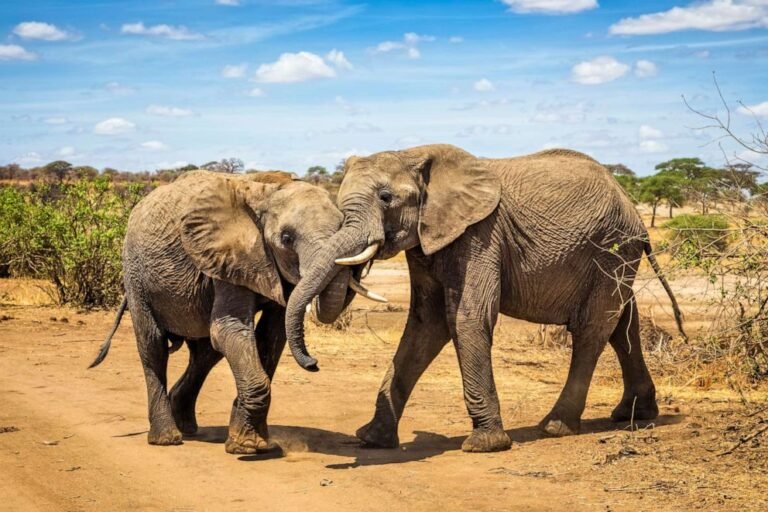
Can I Visit Ngorongoro Crater On A One Day Safari From Arusha? 2026-2027
Can I Visit Ngorongoro Crater on a One Day Safari from Arusha? is explained with current 2026-2027 planning, price, itinerary and booking information.
View package details
4 Day Serengeti And Ngorongoro Crater Safari With Private Guide 2026-2027
4 Day Serengeti and Ngorongoro Crater Safari with Private Guide is explained with current 2026-2027 planning, price, itinerary and booking information.
View package details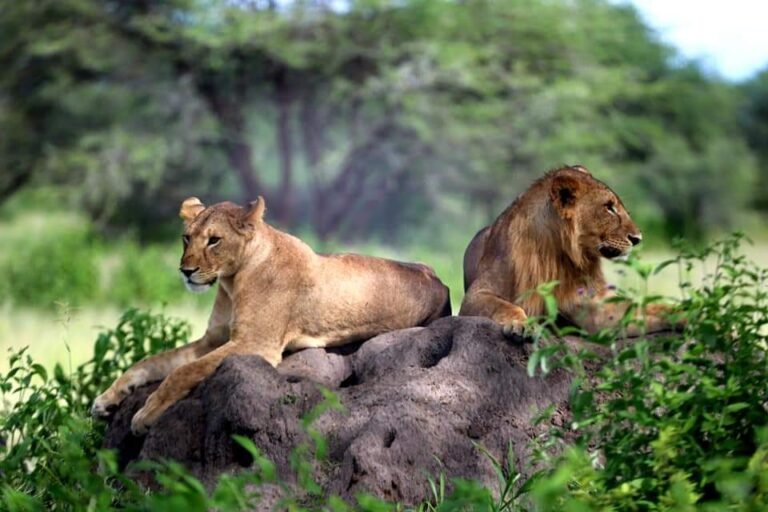
Ngorongoro Crater Day Safari From Arusha With Early Departure 2026-2027
Ngorongoro Crater Day Safari from Arusha with Early Departure is explained with current 2026-2027 planning, price, itinerary and booking information.
View package detailsNo closely related package is available yet for this topic.

Our Guest Reviews, Currently Feedback from Clients in 2026
Reviews from different sources, including Google Business, Tripadvisor, other platforms, and social media.



