
A 7 day Tanzania Great Migration safari with Ngorongoro Crater is a focused, week-long northern circuit wildlife itinerary that pairs multi-day herd tracking across specific sectors of Serengeti National Park with a dedicated descent into the unbroken volcanic caldera of Ngorongoro. Departing round-trip from Arusha or Kilimanjaro International Airport (JRO), standard private or small-group expeditions range from $2,650 to $4,200 per person for reliable mid-range tented camps and lodges, climbing to $4,800 to $7,900+ per person for luxury seasonal bush properties in 2026-2027. The primary logistical decision travelers must make is aligning their booking window with the herd’s dynamic position—targeting Southern Serengeti (Ndutu) for calving between January and March, the Western Corridor in May and June, or Northern Serengeti (Kogatende) for Mara River crossings from July to October—to avoid spending half of their safari driving across barren territory.
7-Day Safari Snapshot: Routes, Ecosystems, and Mechanics
Executing an authentic 7-day northern circuit journey requires understanding vehicle transit limits, conservation authority fee structures, and the natural biology of the wildebeest herds. Seven days is widely regarded by East African safari directors as the functional sweet spot: it grants enough runway to clear the transit corridors of Karatu and Lake Manyara, establish a base in the Serengeti for three to four nights, and secure early entry into the Ngorongoro Conservation Area without running driver-guides past mandatory exhaustion rules.
A critical structural error first-time visitors commit is treating the Serengeti as a single, static destination. The park spans 14,763 square kilometers of undulating savanna, riverine woodland, and granite inselbergs (kopjes). When you combine this vast terrain with the high-sided walls of the Ngorongoro Caldera—which drops 600 meters from rim to floor—your safari covers multiple distinct microclimates requiring smart preparation and variable gear.
Operational Snapshot: 7-Day Migration & Crater Expedition
Standard Starting Point: Arusha or Kilimanjaro International Airport (JRO)
Core Transit Route: Arusha → Tarangire or Lake Manyara → Central Serengeti (Seronera) → Seasonal Migration Corridor → Ngorongoro Crater → Arusha
Typical Group Format: Private custom safari in an extended 4×4 Land Cruiser or confirmed small-group departure
Expected Price Guidance (2026-2027): Mid-range lodge/tented camp: $2,650 – $4,100 per person (based on double occupancy); Luxury mobile tented suites: $4,850 – $7,950+ per person
Key Gate Regulations: Strict 6:00 AM to 6:00 PM game drive limits across all national parks; single-entry crater service permit fees capped per vehicle descent per 6-hour window.
Travelers evaluating a Tanzania wildlife safari exploring Serengeti and Ngorongoro must weigh private versus shared vehicle dynamics early. A private vehicle allows you to adjust daily departure times to follow hunting prides or linger near crossing points, whereas scheduled group departures operate on fixed breakfast, lunch, and return routines to accommodate diverse preferences.
Aligning Your 7-Day Route with Seasonal Migration Movements (2026-2027)
The Great Wildebeest Migration is not an isolated event; it is an endless 800-kilometer clockwise survival circuit driven by seasonal rainfall patterns and phosphorus-rich soil grazing. On a 7-day timeline, you do not have days to waste driving across empty grassland searching for herds that moved 150 kilometers north three weeks prior. Where you position your base camps directly dictates whether you watch thousands of animals surging across open plains or spend eight hours looking at dust tracks.
| Travel Period | Migration Sector | Core Wildlife Dynamics | Recommended Base Location |
|---|---|---|---|
| January – March (2026-2027) | Southern Serengeti & Ndutu Plains | Synchronized calving season (8,000 births daily); intense big cat and hyena predation. | Ndutu mobile tented camps (NCAA/Serengeti border) |
| April – May | Central Serengeti & Western Corridor | Heavy rains trigger massive column movements along the Grumeti River system. | Seronera or Western Grumeti river lodges |
| June – July | Grumeti to Northern Hubs | Columns navigate Grumeti crossings and push through Ikorongo reserves toward the Mara. | Grumeti Reserve borders or Central-North transitional camps |
| August – October (2026-2027) | Northern Serengeti (Kogatende) | High-stakes Mara River crossings featuring Nile crocodiles and massive herd pile-ups. | Kogatende mobile camps near crossing points 1–10 |
| November – December | North-East to Central Serengeti | Short rains draw the mega-herds southward through Lobo and Seronera back to open plains. | Central Seronera Valley or Eastern Serengeti fringe |
Understanding these calendar bands prevents common logistical blunders. For example, if you schedule your safari for August or September intending to view river crossings, staying exclusively in Central Seronera means enduring four to five hours of bone-jarring transit each way just to reach the Mara River at Kogatende. On a 7-day program, that transit cuts your active tracking time to shreds. For late summer departures, our safari directors either book northern-based mobile camps reached by road via an overnight central staging point, or structure a fly-in/drive-out package to protect field hours. Exploring specialized Tanzania Great Migration safari routes and costs highlights how shifting camps seasonally changes your overall pace.
Conversely, during the January to March calving window, herds congregate in the nutrient-dense short-grass plains of Ndutu, spanning both the southern border of Serengeti National Park and the western reaches of the Ngorongoro Conservation Area. This geographic overlap makes the 7-day itinerary remarkably efficient, as your guide can transition from Ndutu off-road tracking to the Ngorongoro Crater rim with minimal transit friction.
Real-World Budgeting: Mid-Range vs Luxury Cost Breakdowns
Safari cost transparency in Tanzania requires understanding the substantial statutory conservation fees mandated by the Tanzania National Parks Authority (TANAPA) and the Ngorongoro Conservation Area Authority (NCAA). On any 7-day migration circuit, a significant portion of your total tour cost goes directly to conservation entry fees, camping/concession charges, value-added taxes (18% Tanzanian VAT), and vehicle descent permits before accounting for fuel, safari vehicle wear, and professional guide wages.
For planning budgets across the 2026 and 2027 seasons, expect these distinct cost profiles:
- Mid-Range Tented Safari ($2,650 – $4,100 per person): Utilizes permanent canvas tented lodges or solid safari lodges featuring en-suite flush toilets, hot bucket or solar-piped showers, structured dining tents, and generator/solar power banks. Game drives are operated in reliable 4×4 custom Land Cruisers with pop-up roof hatches and window seats guaranteed for every guest.
- Luxury Mobile Tented Safari ($4,850 – $7,950+ per person): Positions guests in seasonal camps that relocate two to three times per year to shadow the herds directly. Accommodations feature premium furnishings, customized linen bedding, personal camp valets, fine dining, complimentary laundry, and premium alcoholic beverages. These camps secure prime concessions within minutes of active crossing zones or calving grounds.
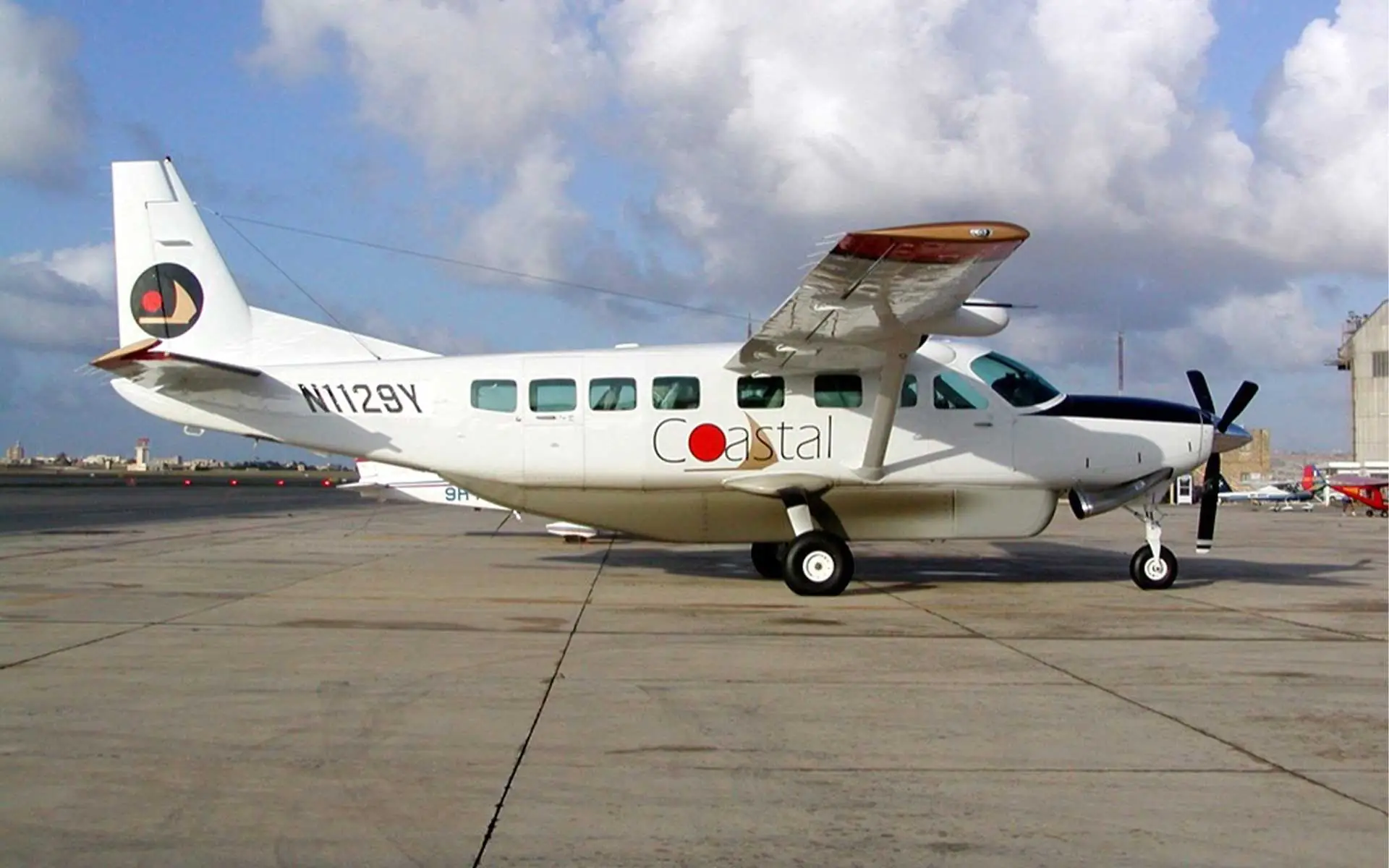
- High-End Fly-In Combinations ($6,500 – $9,500+ per person): Replaces the grueling multi-hour road return from Northern Serengeti to Arusha with scheduled bush flights via Coastal Aviation or Auric Air, maximizing field time on the Mara River before dropping guests near Lake Manyara or direct to Kilimanjaro.
When comparing operator quotes, verify whether government concession fees (often $59 to $70.80 per adult per night) are itemized or hidden, and confirm whether your Crater descent permit covers a single entry or multiple descents. Reviewing detailed Tanzania safari costs for Serengeti and Ngorongoro clarifies what constitutes honest pricing versus cut-rate operators who compensate by skimping on vehicle maintenance or guide compensation.
The Day-by-Day Field Itinerary: Arusha to Serengeti and Ngorongoro
The following day-by-day progression reflects an optimized operational plan developed by Top Guide Adventures for the northern circuit. It balances active game drives against highway driving, respects gate closing times, and builds wildlife density progressively toward the Ngorongoro Caldera.
Day 1: Departure from Arusha to Tarangire National Park (The Elephant Bastion)
Your guide collects you at 7:30 AM from your Arusha accommodation. After a comprehensive equipment and safety briefing, you travel southwest along asphalt roads through the Maasai Steppe before checking through the Tarangire National Park main gate. Tarangire serves as the northern circuit’s elephant capital, home to massive breeding herds that forage among centuries-old baobab trees along the Tarangire River.
During dry months, the river acts as the sole permanent water lifeline in the ecosystem, drawing resident wildebeest, zebra, giraffes, buffalo, and waterbucks. Lions frequently use dry riverbeds and fallen timber for ambushes. You enjoy a packed field lunch at a designated scenic overlook above the river bend before conducting an afternoon game drive through the Silale Swamp network, an area known for African rock pythons and large lion prides. As sunset approaches, you exit the park to overnight at a lodge located in the Karatu farming highlands or an eco-lodge perched along the Great Rift Valley escarpment.
Day 2: Karatu Highlands through Ngorongoro to Central Serengeti (Seronera)
Departing after breakfast, your 4×4 climbs the winding paved road up the lush, misty exterior slopes of the Ngorongoro Conservation Area, crossing the high-altitude forested rim at approximately 2,200 meters above sea level. Pausing briefly at the crater viewing platform for a panoramic glimpse of the distant caldera floor, you proceed down through the western rain shadow toward the sweeping Malanja depression.
Crossing the Naabi Hill gate into southern Serengeti National Park, the landscape shifts from highland vegetation to endless short-grass plains. Naabi Hill offers an elevated vantage point to stretch your legs while your guide completes TANAPA clearance paperwork. From here, you begin slow game driving across the plains toward Central Serengeti (Seronera Valley). Seronera acts as a year-round resident predator haven due to permanent water sources along the Seronera River. This network of granite kopjes (such as Simba Kopjes and Maasai Kopjes) provides resting spots for leopards, cheetah coalitions, and territorial lion prides. You arrive at your central tented camp in time for sundowners and an evening dinner around the campfire.
Day 3: Full-Day Deep Exploration of Central Serengeti and Resident River Prides
An early 6:00 AM departure allows you to explore the river loops while the air remains brisk and big cats are actively hunting. Leopards frequently drag nocturnal kills up into sausage trees and yellow-barked acacia branches along the Seronera River to protect their food from hyena packs. Your guide monitors local VHF radio communications to assess predator activity across the valley floor.
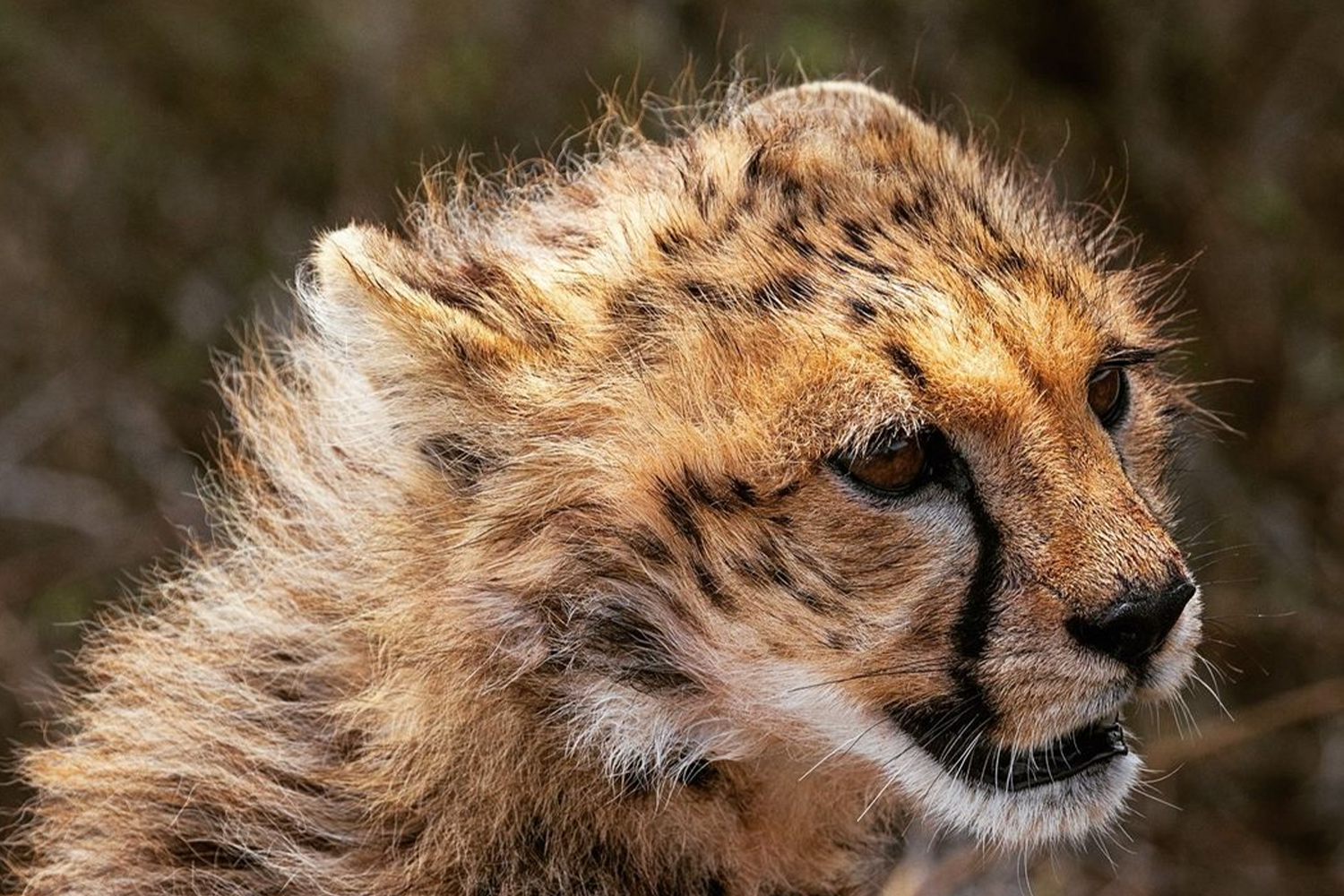
Midday brings a warm bush meal or a brief rest period back at camp during peak heat, when animals retreat to thick scrub. In the mid-afternoon, you head toward the Retima Hippo Pool, where over 100 hippos jostle for position in deep muddy waters, creating a cacophony of territorial grunts and displays. Heading back toward camp via the Makoma Plains offers frequent encounters with running cheetahs, bat-eared foxes, topi, and breeding herds of resident zebras before dusk.
Day 4: Tracking the Seasonal Migration Front (Northern or Western Axis)
Today is dedicated to tracking the moving front of the Great Migration. Depending on your travel dates, your vehicle pushes either toward the Western Corridor along the Grumeti River (May-June) or north toward Kogatende and the Mara River (July-October). For calving season departures (January-March), this day shifts focus south toward the Ndutu alkaline lakes and acacia woodlands.
Navigating these seasonal corridors, the landscape fills with thousands of wildebeest, plains zebras, and Thomson’s gazelles moving in dense, disciplined lines. You position your vehicle near natural crossing channels or open plains, observing the herd’s skittish social dynamics as scouts test the terrain for concealed predators. If you are traveling during peak dry season, your guide monitors designated Mara River crossing points (such as Crossing Point 4 or 7), where herds amass on rocky embankments, hesitating for hours until a lead animal leaps into the current. The explosive crossing that follows—complete with Nile crocodile ambushes and disoriented calves—remains one of nature’s rawest displays of survival.
Day 5: Migration Transit Drive Back Toward South-Central Serengeti
Beginning with a dawn game drive along the migration fringe, you capture morning light filtering through dust kicked up by thousands of hooves. Predators are often spotted capitalizing on the herd’s morning movement, with spotted hyenas trailing weak animals and vultures circling thermal drafts above.
Following an early field brunch, you begin a systematic game drive back toward South-Central Serengeti or the Ndutu transitional plains. Traveling through changing terrain reveals how soil chemistry and grass height influence grazing selection between zebras (who consume coarse upper stems) and wildebeest (who graze tender nutrient-rich shoots underneath). You settle into a comfortable bush camp positioned within easy reach of the southern transit corridor, enjoying a quiet evening listening to the distinct nocturnal calls of territorial hyenas and roaring lions across the plains.
Day 6: Serengeti Plains to the High Rim of Ngorongoro Crater
Departing the central plains, your journey heads south toward the Naabi Hill gate, keeping a watchful eye on granite kopjes where cheetahs use high rocks to scan for young gazelles. After completing exit protocols, you enter the Ngorongoro Conservation Area, a designated UNESCO World Heritage site and pioneering multi-use conservation model where semi-nomadic pastoralist Maasai communities share grazing lands with wild game.
As you ascend the outer western escarpment of the crater, temperatures drop noticeably. Vegetation thickens into lush montane forest dominated by moss-draped yellowwood, candelabra euphorbias, and ancient twisted wild fig trees. You arrive at your lodge situated along the Crater Rim or down in nearby Karatu village by mid-afternoon. If staying on the rim (at roughly 2,300 meters altitude), prepare for crisp mountain air and evening temperatures that regularly plunge below 10°C (50°F). Take this evening to organize camera gear, charge extra batteries, and dress in warm layers for the early-morning descent tomorrow.
Day 7: Crater Floor Descent, Big Five Game Drive, and Return to Arusha
An early 6:00 AM start gets you down the steep Senketo descent road before traffic builds up. The 600-meter descent brings you onto the caldera floor: an ancient 260-square-kilometer natural arena enclosing roughly 25,000 large mammals. The crater floor acts as a self-contained ecological micro-universe featuring open grasslands, the Lerai fever tree forest, freshwater marshes, and the saline waters of Lake Magadi.
Early morning offers your best opportunity to track the critically endangered black rhino across the open plain. Unlike the wide-ranging populations across the vast Serengeti, Ngorongoro’s black rhinos are protected by 24-hour anti-poaching ranger units and can often be spotted browsing low shrubs with binoculars. You also encounter some of Africa’s largest surviving ‘tusker’ elephants—old bulls carrying ivory reaching toward the ground—sheltering within the fever tree canopy of Lerai Forest, alongside dense lion prides that hunt resident blue wildebeest and zebra herds.
After an early picnic lunch alongside the hippo-filled waters of Ngoitokitok Springs, you begin the slow climb up the steep Lerai ascent road. Once back on the highway, your vehicle descends the highland plateau, arriving back in Arusha or directly at Kilimanjaro International Airport (JRO) by late afternoon (typically between 5:00 PM and 6:00 PM) for your onward connections.
Check Availability for 7 Day Tanzania Great Migration Safari With Ngorongoro Crater 2026-2027
Ready to compare dates, prices, and the best option for your group? Send the package name and travel month so the team can reply with a clear quote, availability, and what is included.

Best Ngorongoro Crater Safari Tours With 6 Am Game Drive 2026-2027
Best Ngorongoro Crater Safari Tours with 6 AM Game Drive is explained with current 2026-2027 planning, price, itinerary and booking information.
View package details
Is Ngorongoro Crater Better Than Serengeti For A Short Safari? 2026-2027
Is Ngorongoro Crater Better Than Serengeti for a Short Safari? is explained with current 2026-2027 planning, price, itinerary and booking information.
View package details3 Day Ndutu And Ngorongoro Crater Safari From Arusha 2026-2027
3 Day Ndutu and Ngorongoro Crater Safari from Arusha is explained with current 2026-2027 planning, price, itinerary and booking information.
View package details
Best Ngorongoro Crater Safari Packages From Moshi 2026-2027
Best Ngorongoro Crater Safari Packages from Moshi is explained with current 2026-2027 planning, price, itinerary and booking information.
View package details
Ngorongoro Crater And Lake Manyara Safari With Overnight Lodge 2026-2027
Ngorongoro Crater and Lake Manyara Safari with Overnight Lodge is explained with current 2026-2027 planning, price, itinerary and booking information.
View package details
Best Ngorongoro Crater Safari For Families With Young Children 2026-2027
Best Ngorongoro Crater Safari for Families with Young Children is explained with current 2026-2027 planning, price, itinerary and booking information.
View package details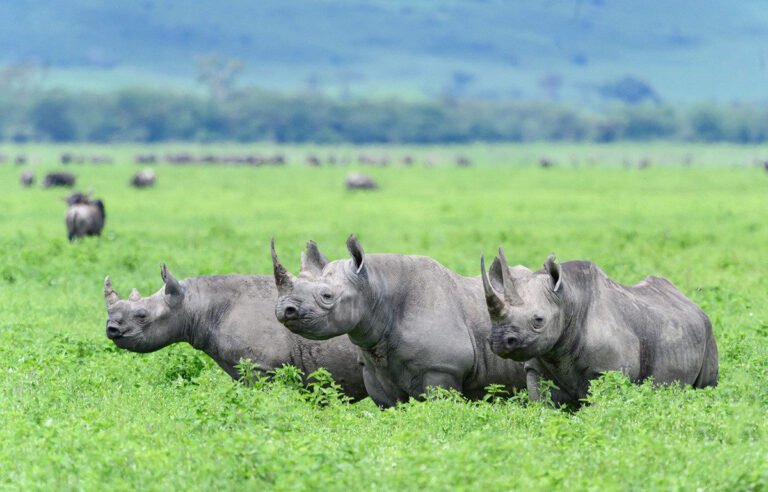
Ngorongoro Crater Safari With Private 4X4 Land Cruiser 2026-2027
Ngorongoro Crater Safari with Private 4x4 Land Cruiser is explained with current 2026-2027 planning, price, itinerary and booking information.
View package details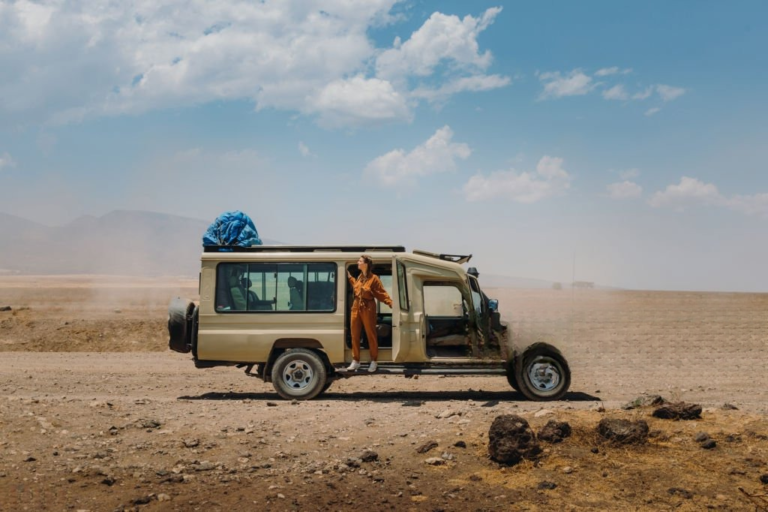
What Is Included In A Ngorongoro Crater Safari Package? 2026-2027
What Is Included in a Ngorongoro Crater Safari Package? is explained with current 2026-2027 planning, price, itinerary and booking information.
View package details
Ngorongoro Crater Safari Packages With Luxury Lodge Accommodation 2026-2027
Ngorongoro Crater Safari Packages with Luxury Lodge Accommodation is explained with current 2026-2027 planning, price, itinerary and booking information.
View package details
Best 2 Day Ngorongoro Crater And Tarangire Safari Packages 2026-2027
Best 2 Day Ngorongoro Crater and Tarangire Safari Packages is explained with current 2026-2027 planning, price, itinerary and booking information.
View package details
Can I Visit Ngorongoro Crater On A One Day Safari From Arusha? 2026-2027
Can I Visit Ngorongoro Crater on a One Day Safari from Arusha? is explained with current 2026-2027 planning, price, itinerary and booking information.
View package details
How Much Does A Ngorongoro Crater Safari Cost In ? 2026-2027
How Much Does a Ngorongoro Crater Safari Cost in 2027? is explained with current 2026-2027 planning, price, itinerary and booking information.
View package detailsNo closely related package is available yet for this topic.

Our Guest Reviews, Currently Feedback from Clients in 2026
Reviews from different sources, including Google Business, Tripadvisor, other platforms, and social media.



