
A Northern Tanzania safari itinerary typically involves exploring iconic national parks like the Serengeti, Ngorongoro Crater, Tarangire, and Lake Manyara, offering unparalleled wildlife viewing opportunities, especially for the Big Five and the Great Migration. The ideal duration ranges from 5 to 10 days, depending on your interests and budget, with popular starting points being Arusha or Kilimanjaro International Airport (JRO). Planning your trip for 2026 or 2027 requires understanding the best times to visit for specific wildlife events, choosing between private or group tours, and selecting accommodation styles from budget camps to luxury lodges.



When you envision a classic African safari, Northern Tanzania is likely what comes to mind. This region is a UNESCO World Heritage Site magnet, boasting a density of wildlife and iconic landscapes that are simply unmatched. From the vast plains of the Serengeti to the unique ecosystem within the Ngorongoro Crater, a safari here promises encounters that will stay with you forever. Planning is key to maximizing your experience, especially as you look ahead to 2026 and 2027 travel seasons. This guide will help you navigate the choices, from crafting the perfect itinerary to understanding the practicalities of your journey.
Understanding Your Northern Tanzania Safari Options
The first crucial decision for your Northern Tanzania safari itinerary is the style of travel. This choice significantly impacts your experience, budget, and flexibility. For 2026-2027, both private and group joining safaris remain popular, each with distinct advantages.
Private Safaris: These tours are fully customized to your interests, pace, and preferred accommodation. You have exclusive use of your safari vehicle and guide, allowing for spontaneous stops and a focus on the wildlife or landscapes that fascinate you most. This is ideal for families, couples seeking a romantic adventure, or anyone who prioritizes a personalized experience. You can explore options for Northern Tanzania Private Safari Tours, which offer the ultimate in flexibility and comfort. The main trade-off is the higher cost compared to shared options.
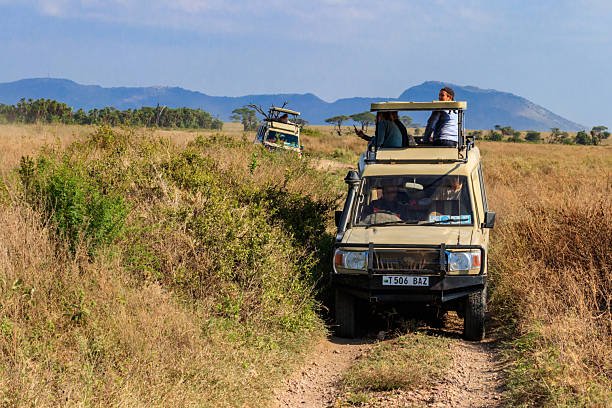
Group Joining Safaris: These are designed for solo travelers or smaller groups looking to share the safari experience and costs. You join a pre-set itinerary with other travelers in a shared safari vehicle. This is a fantastic way to see Northern Tanzania on a budget, with regular departures available. TOP GUIDE ADVENTURES offers various Tanzania Group Joining Safaris, often with daily departures, making it easy to fit into your schedule. The downside is less flexibility; you follow a set route and schedule, and game drives are shared.
Luxury vs. Budget Safaris: Within both private and group options, you can opt for luxury or budget-friendly experiences. Luxury safaris typically feature high-end lodges or tented camps, gourmet dining, and premium services. Budget safaris utilize more basic but comfortable accommodations, often public campsites or simpler lodges, and focus on core wildlife viewing. TOP GUIDE ADVENTURES caters to all these preferences, from Northern Tanzania Luxury Safari Packages to Northern Tanzania Budget Safari Tours.
Crafting Your Ideal Northern Tanzania Safari Itinerary
A typical Northern Tanzania safari itinerary is built around the ‘Northern Circuit’, a collection of parks renowned for their diverse ecosystems and abundant wildlife. The length of your safari dictates how many of these you can comfortably visit.
Classic 5-Day Northern Tanzania Safari
This is a popular choice for those with limited time, offering a taste of the region’s highlights. It usually includes:
- Day 1: Arrival in Arusha & Transfer. Arrive at Kilimanjaro International Airport (JRO), meet your guide, and transfer to your lodge in Arusha. Relax and prepare for your safari.
- Day 2: Tarangire National Park. Drive to Tarangire, famous for its large elephant herds and baobab trees. Enjoy a full day of game drives.
- Day 3: Lake Manyara National Park & Ngorongoro Crater. Morning game drive in Lake Manyara, known for its tree-climbing lions and diverse birdlife. Afterwards, drive to the Ngorongoro Conservation Area, descending into the crater for an afternoon game drive.
- Day 4: Serengeti National Park. Drive to the vast Serengeti plains, stopping at Olduvai Gorge if time permits. Begin your game drives in this iconic park, searching for predators and plains game.
- Day 5: Serengeti & Departure. Morning game drive in Serengeti before driving back to Arusha for your onward journey or flight.
This itinerary is a whirlwind but covers key areas. For a more in-depth experience, consider extending your stay.
7-Day Northern Tanzania Safari: Deeper Exploration
Adding two extra days allows for more time in the Serengeti and a more relaxed pace. This itinerary might look like:
- Day 1: Arrival in Arusha.
- Day 2: Tarangire National Park. Full day exploring Tarangire’s wildlife.
- Day 3: Lake Manyara & Ngorongoro Crater. Morning in Manyara, afternoon in Ngorongoro.
- Day 4: Serengeti National Park. Drive to Serengeti, begin game drives.
- Day 5: Serengeti National Park. Full day of game drives in the central Serengeti, focusing on predator sightings.
- Day 6: Serengeti National Park. Depending on the season (especially for the Serengeti Migration Safari), you might explore different areas like the Western Corridor or Northern Serengeti for river crossings.
- Day 7: Serengeti & Departure. Morning game drive, then drive back to Arusha.
This 7-day option provides a much richer Serengeti experience, crucial for truly appreciating its scale and wildlife.
10-Day Northern Tanzania Safari: The Ultimate Wildlife Immersion
For the most comprehensive experience, a 10-day itinerary allows for exploration of multiple regions within the Serengeti and a more relaxed journey. It could include:
- Days 1-2: Arusha & Tarangire. Arrival, then a full day in Tarangire.
- Day 3: Lake Manyara & Karatu. Morning in Manyara, then transfer to a lodge near Ngorongoro.
- Day 4: Ngorongoro Crater. Full day exploring the crater floor.
- Day 5: Serengeti National Park (Central). Drive to Serengeti, afternoon game drive.
- Day 6: Serengeti (Central/Western). Focus on central Serengeti or explore the Western Corridor, known for river crossings during the migration months.
- Day 7: Serengeti (North/Mara River). If visiting during the migration’s northern movements, focus on the Mara River area for dramatic river crossings. This is a highlight for many Mara River Crossing Safari enthusiasts.
- Day 8: Serengeti Exploration. Further exploration of the Serengeti, perhaps a hot air balloon safari at dawn.
- Day 9: Serengeti to Arusha. Morning game drive, then transfer back to Arusha.
- Day 10: Departure. Depending on flight schedules, enjoy a final breakfast or do some last-minute souvenir shopping before heading to the airport.
This extended itinerary offers the best chance to witness the Great Migration if timed correctly, experience different Serengeti ecosystems, and enjoy a less rushed pace. For families, consider specific Northern Tanzania Family Safari Packages that might adjust the pace and activities.
Key Parks and What to Expect
Each park on the Northern Circuit offers a unique safari experience:
- Serengeti National Park: The undisputed star. Its name means “endless plains” in Maasai. It’s most famous for the Great Migration, where millions of wildebeest, zebras, and gazelles traverse the plains in search of greener pastures. It’s also home to an incredible density of predators – lions, leopards, cheetahs, and hyenas. The best time to visit depends on where the migration is, but wildlife is abundant year-round. Consider a Northern Tanzania Safari that includes extensive Serengeti time.
- Ngorongoro Conservation Area & Crater: A UNESCO World Heritage Site, the Ngorongoro Crater is a geological marvel – a collapsed volcano caldera teeming with wildlife. It’s one of the few places where you can reliably see the Big Five (lion, leopard, elephant, rhino, buffalo) in a single day. The dense grasslands and permanent water sources support a high concentration of animals year-round. Note that park fees and limited visitor numbers apply to the crater floor.
- Tarangire National Park: Known for its enormous elephant herds, especially during the dry season (June-October) when they congregate around the Tarangire River. The park is also dotted with iconic baobab trees, creating a dramatic landscape. It’s a great park for spotting predators like lions and leopards.
- Lake Manyara National Park: A smaller park that packs a punch. It’s famous for its tree-climbing lions, a phenomenon not commonly seen elsewhere. The park also boasts a large population of baboons and a vibrant birdlife, particularly around the alkaline lake. It’s often visited on the way to the Serengeti or Ngorongoro.
- Arusha National Park: Easily accessible from Arusha, this park offers diverse scenery, including Mount Meru, Momella Lakes, and the Ngurdoto Crater. It’s ideal for day trips or as a starting point for a safari, featuring diverse wildlife like giraffes, zebras, and diverse bird species. You can even do walking safaris here with an armed ranger. Check out the 6 Day Arusha National Park Safari And Northern Tanzania Wildlife Tour for a focused experience.
When to Go: Timing Your 2026-2027 Safari
The timing of your safari in Northern Tanzania is critical, especially if witnessing the Great Migration is a priority. Wildlife viewing is generally excellent year-round, but specific events dictate the best months.
- Dry Season (June to October): This is considered the peak season. Skies are clear, and temperatures are pleasant. Wildlife congregates around water sources, making them easier to spot. This is also the prime time for the Great Migration river crossings in the northern Serengeti (July-September). Expect higher prices and more crowds.
- Wet Season (November to May): This is the low season. The landscape is lush and green, offering beautiful photographic opportunities. Newborn animals are often born during the short rains in November/December, making for excellent predator-prey action. Prices are generally lower, and there are fewer tourists. The long rains (March-May) can sometimes make some roads impassable, but safaris still run.
For 2026 and 2027, the dry season remains the most sought-after period. If you’re aiming for the Mara River crossings, book well in advance for July, August, or September 2026 or 2027. For a more budget-friendly trip or a greener landscape, consider the shoulder months like November, December, April, or May.
Accommodation Choices: Lodges vs. Tented Camps
Your accommodation significantly shapes your safari experience. TOP GUIDE ADVENTURES offers a range of options to suit different preferences and budgets for your 2026-2027 trip:
- Luxury Lodges: These offer high-end amenities, swimming pools, fine dining, and spacious rooms with en-suite bathrooms. They provide a comfortable retreat after a day of game drives. Examples include lodges within or bordering the national parks. These are typical for Northern Tanzania Luxury Safari Packages.
- Tented Camps (Mid-Range to Luxury): These offer a more intimate connection with nature. While they provide comfortable beds, en-suite bathrooms, and often excellent service, the canvas walls offer a thrilling sense of being closer to the wild. Some are permanent structures with solid bases, while others are more mobile, following the migration.
- Budget Camps/Public Campsites: For the most adventurous and budget-conscious traveler, public campsites are available within national parks. You’ll typically stay in tents, with shared facilities. This is a very in-depth experience, often with campfires under the stars. This is the standard for many Tanzania Budget Safaris.
When booking, clarify what type of accommodation is included in your package. For a special occasion like a honeymoon, consider a Northern Tanzania Honeymoon Safari Experience, which often combines beautiful lodges with unique activities.
Practical Planning for Your 2026-2027 Safari
Beyond the itinerary, several practical details are essential for a smooth safari:
Visas and Vaccinations
Most nationalities require a visa for Tanzania. You can apply online in advance or obtain one on arrival at JRO. Check the latest requirements with the Tanzanian embassy or immigration website. Consult your doctor or a travel clinic about recommended vaccinations and malaria prophylaxis well in advance of your 2026-2027 trip.
Packing Essentials
Pack light, neutral-colored clothing (khaki, beige, olive green) that blends with the environment. Avoid bright colors and dark blue/black, which can attract insects. Key items include:
- Lightweight long-sleeved shirts and trousers
- Warm fleece or jacket for cool mornings and evenings
- Comfortable walking shoes or hiking boots
- Hat with a wide brim for sun protection
- Sunglasses
- Sunscreen and insect repellent
- Camera with extra batteries and memory cards
- Binoculars (highly recommended)
- Personal first-aid kit
- Swimsuit (if your lodge has a pool)
Luggage allowance on safari vehicles is typically limited to 15 kg (33 lbs) per person in a soft-duffel bag. This is to ensure space in the vehicle.
Health and Safety
TOP GUIDE ADVENTURES prioritizes your safety. Our guides are trained in first aid, and vehicles are equipped with emergency supplies. For mountain treks, we carry emergency oxygen and a pulse oximeter, but for safaris, the primary focus is on wildlife safety. Always follow your guide’s instructions, maintain a safe distance from animals, and never feed them. Malaria is present, so use repellent and consider prophylaxis. Drink bottled or purified water only.
Budgeting and Costs
The cost of a Northern Tanzania safari in 2026-2027 varies significantly based on duration, accommodation type, and whether you choose a private or group tour. Generally, expect to pay:
- Budget Safaris: From $150 – $250 per person per day.
- Mid-Range Safaris: From $250 – $450 per person per day.
- Luxury Safaris: From $450+ per person per day.
These prices typically include park fees, accommodation, meals, a safari vehicle, and a guide. Exclusions often are international flights, visas, tips, drinks, and personal expenses. For a precise quote tailored to your 2026-2027 travel dates and preferences, contacting an operator like TOP GUIDE ADVENTURES is essential.
Booking Your Northern Tanzania Safari
To ensure you secure your preferred dates and accommodations for 2026 or 2027, especially for peak season travel, it’s advisable to book at least 6-12 months in advance. Working with a reputable local operator like TOP GUIDE ADVENTURES ensures you benefit from their expertise, local knowledge, and responsive support from the moment you inquire.
When you contact us, please provide your desired travel dates, number of travelers, preferred safari style (private or group joining), accommodation preferences (budget, mid-range, luxury), and any specific parks or wildlife you are most interested in seeing. This information helps us craft the perfect Northern Tanzania Safari Tours and Packages for you.
Let TOP GUIDE ADVENTURES help you plan an unforgettable Northern Tanzania safari adventure for 2026-2027. Contact us via WhatsApp +255 616 946 642 or email us at topguideadventures@gmail.com. We are your expert local guides in Moshi/Arusha, ready to organize all kinds of safaris and ensure your trip is smooth and extraordinary.
Check Availability for Northern Tanzania Safari Itinerary And Travel Guide 2026-2027
Ready to compare dates, prices, and the best option for your group? Send the package name and travel month so the team can reply with a clear quote, availability, and what is included.
6 Day Lake Natron And Northern Tanzania Safari 2026-2027
6 Day Lake Natron and Northern Tanzania Safari 2026-2027 is explained with current 2026-2027 planning, price, itinerary and booking information.
View package details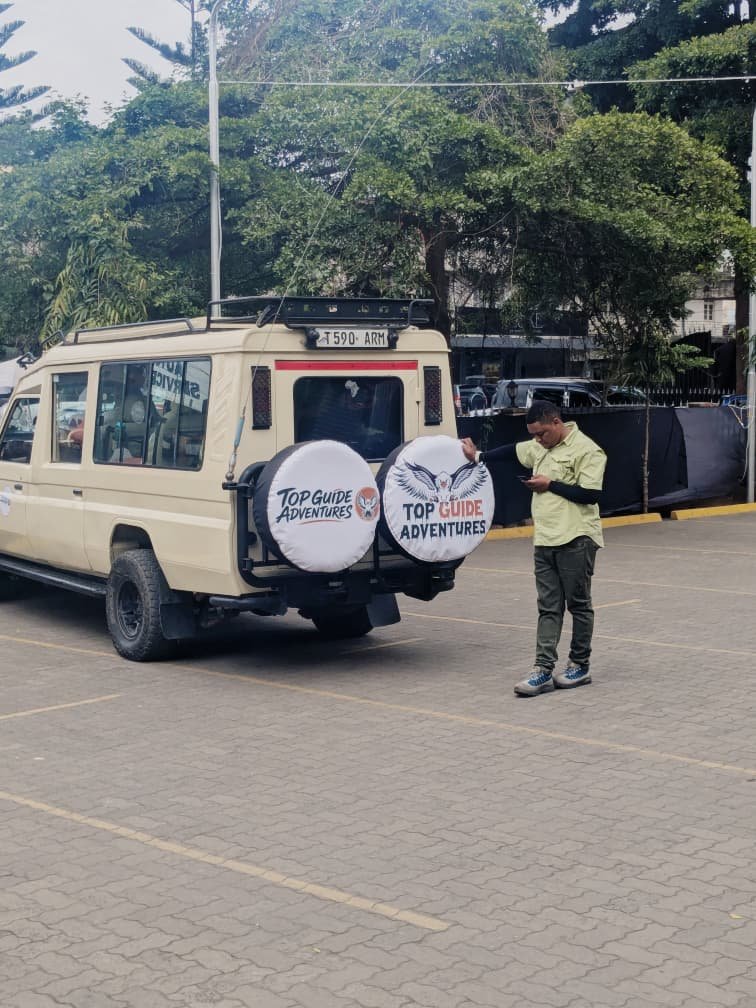
6 Day Lake Eyasi Cultural Safari And Northern Tanzania Tour 2026-2027
Discover the heart of Tanzania on a 6-day cultural safari to Lake Eyasi, combined with a taste of Northern Tanzania's renowned wildlife. This itinerary offers deep dives into the lives of...
View package details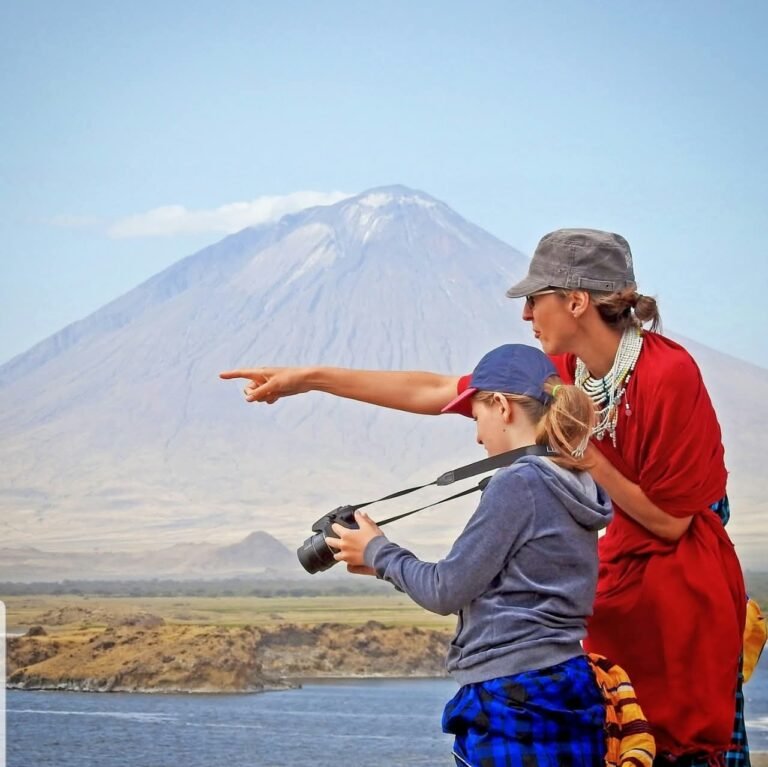
6 Day Ol Doinyo Lengai Trek And Northern Tanzania Tour | Top Guide Adventures
start a unique 6-day journey in 2026-2027 combining the challenging ascent of Ol Doinyo Lengai with the impressive landscapes and wildlife of Northern Tanzania. This itinerary offers an...
View package detailsLake Natron And Tarangire Safari Tour: An Unforgettable Tanzanian Adventure
Combine the otherworldly beauty of Lake Natron with the abundant wildlife of Tarangire National Park on a custom Tanzania safari. This guide helps you plan your unique adventure, focusing...
View package details
Lake Natron And Ngorongoro Safari Combination: Your Expert Tanzania Adventure
Discover the contrasting wonders of Tanzania by combining the stark beauty of Lake Natron with the abundant wildlife of the Ngorongoro Crater. This safari pairing offers a unique blend of...
View package details
Lake Natron Serengeti And Ngorongoro Safari Itinerary: Your Expert Guide
Combine the unique alkaline shores of Lake Natron with the vast plains of the Serengeti and the unique caldera of Ngorongoro Crater on an unforgettable Tanzania safari. This itinerary...
View package details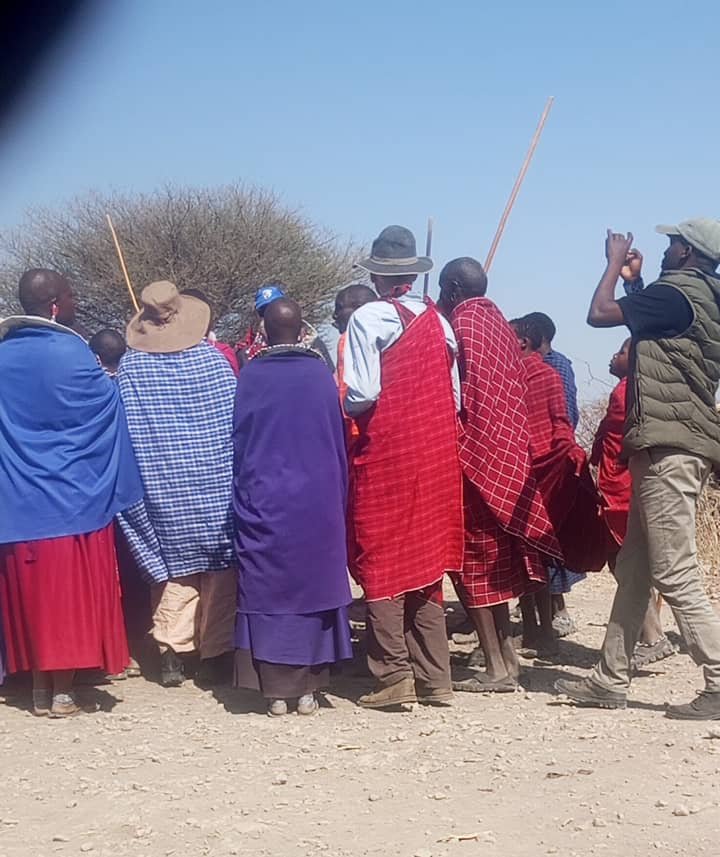
Lake Eyasi Private Cultural Safari Tour: Connect With Tanzanias Ancient Tribes
start an unforgettable Lake Eyasi Private Cultural Safari Tour to connect with Tanzania's ancient hunter-gatherer and pastoralist communities. This tour offers a unique opportunity to...
View package details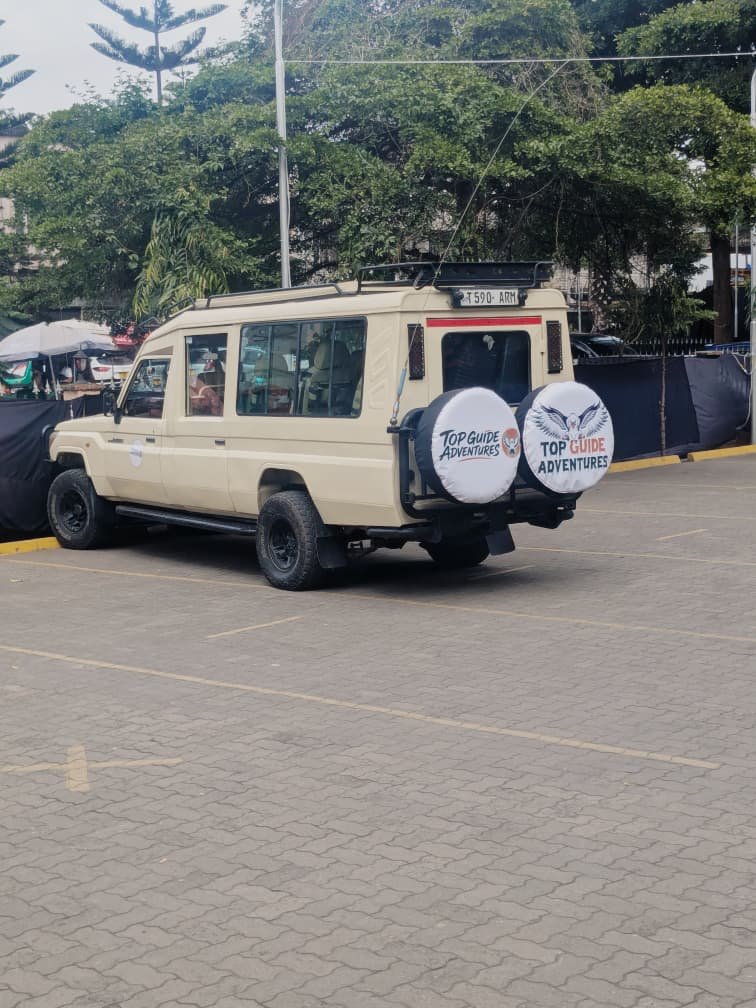
7 Day Lake Eyasi Cultural Safari And Tanzania Wildlife Adventure 2026-2027
Discover the unique cultures of the Hadzabe and Datoga people around Lake Eyasi, combined with thrilling wildlife encounters on this 7-day Tanzania adventure in 2026-2027. This itinerary...
View package details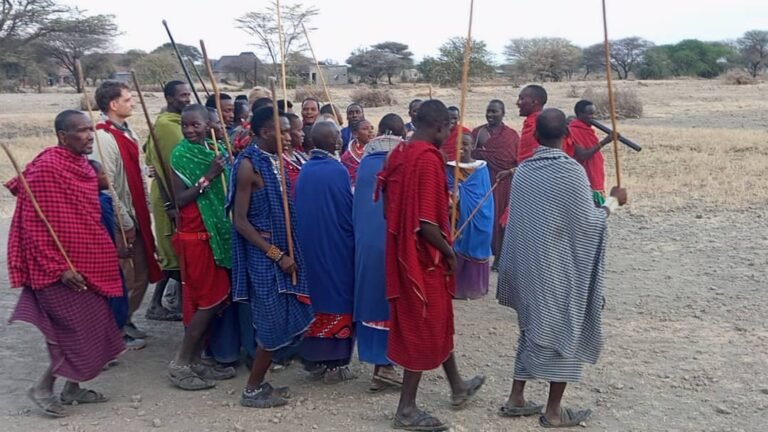
Arusha Tanzania Travel Guide: Itinerary & Things To Do 2026-2027
Your comprehensive guide to Arusha, Tanzania, covering top itineraries, essential things to do, safari planning, and practical tips for your 2026-2027 adventure.
View package detailsBest Arusha Tanzania Tours Safaris And Day Trips For 2026-2027
Planning a safari or day trip from Arusha? This guide covers the best options, from multi-day safaris to quick escapes, helping you choose the perfect Tanzanian adventure for 2026-2027.
View package details7 Day Ol Doinyo Lengai Lake Natron And Serengeti Safari 2026-2027
7 Day Ol Doinyo Lengai Lake Natron and Serengeti Safari 2026-2027 is explained with current 2026-2027 planning, price, itinerary and booking information.
View package details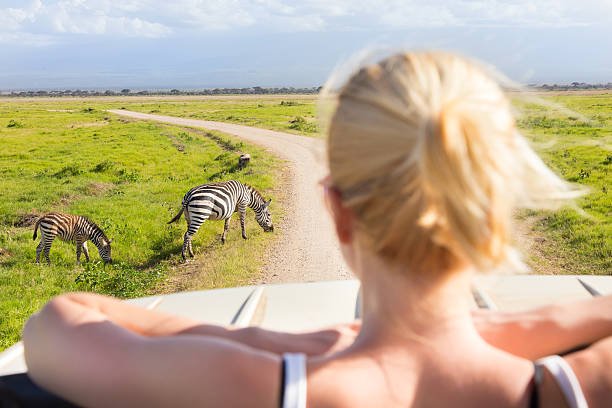
5 Day Ol Doinyo Lengai Climb And Cultural Safari | Top Guide Adventures
This 5-day itinerary offers a unique blend of adventure and culture, featuring a challenging climb of Ol Doinyo Lengai and in-depth experiences with local tribes. Plan your 2026-2027 trip...
View package detailsNo closely related package is available yet for this topic.



