
Tanzania eco safari and responsible tourism packages for 2026-2027 are designed to offer in-depth wildlife viewing experiences while minimizing environmental impact and maximizing benefits to local communities.

These packages typically include carefully selected accommodations with strong sustainability practices, guided game drives in areas that prioritize conservation, and opportunities to engage with local cultures respectfully. The core principle is to ensure that your travel contributes positively to the preservation of Tanzania’s natural heritage and the well-being of its people. When choosing such a package, your primary decision involves balancing the intensity of wildlife encounters with the depth of cultural immersion and the specific conservation projects you wish to support.
Understanding Eco-Safari and Responsible Tourism in Tanzania
An eco-safari in Tanzania isn’t just about seeing animals; it’s about experiencing them in their natural habitat with the utmost respect for their environment and the surrounding ecosystems. Responsible tourism takes this a step further by ensuring that your journey actively benefits the people and places you visit. For 2026-2027, operators like Top Guide Adventures are increasingly integrating these principles into their core offerings.
This means looking beyond just the game drives. Responsible packages often involve:
- Low-Impact Accommodations: Staying in lodges or camps that use renewable energy, manage waste effectively, conserve water, and are built with minimal disruption to the landscape.
- Community Engagement: Visiting local villages, supporting community-based projects, and purchasing handicrafts directly from artisans, ensuring fair prices.
- Conservation Support: Tours that contribute a portion of their profits to wildlife conservation initiatives, anti-poaching efforts, or habitat restoration projects.
- Ethical Wildlife Viewing: Maintaining safe distances from animals, avoiding feeding them, and using guides trained in animal behavior to minimize disturbance.
- Sustainable Practices: Minimizing single-use plastics, conserving water, and adhering to park regulations strictly.
Choosing an eco-friendly option for your 2026-2027 adventure means your travel dollars are invested in a more sustainable future for Tanzania’s iconic landscapes and wildlife.
Key Destinations for Eco-Conscious Safaris
While Tanzania is renowned for its wildlife, certain parks and reserves are particularly well-suited for eco-conscious exploration due to their management practices, conservation focus, or unique ecosystems. Planning your 2026-2027 trip around these areas can enhance your responsible tourism experience.
Serengeti National Park
The vast plains of the Serengeti are synonymous with the Great Migration. Responsible tourism here focuses on managing visitor numbers, especially during peak migration seasons, and utilizing lodges that adhere to strict environmental standards. Some camps are designed to be semi-permanent, allowing for minimal ground disturbance and relocation to reduce impact.
Ngorongoro Conservation Area
This unique UNESCO World Heritage Site is home to an incredible density of wildlife within the caldera. Eco-safaris here emphasize adhering to strict guidelines for vehicle numbers, driving routes, and time spent within the crater to protect the fragile environment and its inhabitants. Supporting lodges and operators committed to conservation efforts within the area is crucial.
Tarangire National Park
Known for its large elephant herds and baobab trees, Tarangire offers a slightly less crowded experience than the Serengeti or Ngorongoro. Responsible operators often choose camps that work closely with local communities, offering employment and supporting development projects. The park’s management also focuses on protecting its vital water sources.
Arusha National Park & Mount Meru
While smaller, Arusha National Park is easily accessible and offers diverse landscapes, including Mount Meru. Responsible tourism here can involve supporting conservation initiatives within the park and engaging in low-impact activities like walking safaris and canoe safaris, which offer a different perspective on the environment.
Ruaha National Park
As Tanzania’s largest national park, Ruaha offers a more remote and wild experience. Eco-tourism efforts here are vital for protecting its significant populations of elephants and predators. Lodges in Ruaha often have strong community partnerships and contribute directly to anti-poaching patrols.
Udzungwa Mountains National Park
For those interested in unique biodiversity beyond the typical safari animals, Udzungwa offers incredible hiking and primate viewing. Responsible tourism here means supporting trails that are maintained to prevent erosion and engaging with guides who educate visitors about the delicate forest ecosystem.
When planning for 2026-2027, discuss your specific interests with your tour operator to tailor a trip that aligns with your commitment to responsible travel in these magnificent locations. You can learn more about responsible safari practices on our Responsible Safari Tanzania Eco Friendly Wildlife Tours 2026-2027 page.
Designing Your Tanzania Eco Safari Itinerary
Creating an eco-friendly safari itinerary involves careful consideration of duration, activities, and the type of accommodations that align with responsible tourism principles. For 2026-2027, flexibility and thoughtful planning are key to maximizing both your experience and your positive impact.
Duration Considerations
A typical Tanzanian safari often ranges from 7 to 14 days. For an eco-focused trip, consider extending your stay slightly in one or two key areas to truly absorb the environment and engage more deeply with local communities, rather than rushing through multiple locations. A longer stay can mean less travel between parks, reducing your carbon footprint. For first-time visitors, a 7-day safari is a good starting point, but an eco-conscious traveler might opt for 10-14 days to allow for more meaningful interactions.
Activity Choices
Beyond traditional game drives, consider activities that offer a lower environmental impact and richer cultural insights:
- Walking Safaris: Led by armed rangers or guides, these offer an intimate connection with the bush, allowing you to appreciate smaller details and learn about flora and fauna up close. They are often available in areas like Arusha National Park or the Serengeti’s less-trafficked zones.
- Cultural Village Visits: Engage with communities like the Maasai or Hadzabe. Ensure these visits are conducted respectfully, often arranged through local guides who can facilitate genuine interactions and ensure benefits reach the community. This ties into our Cultural Tourism Tanzania offerings.
- Bird Watching: Tanzania boasts incredible avian diversity. Specialized birding tours can be designed to focus on specific habitats and species with minimal disturbance.
- Agro-Tourism: Experience Tanzania’s agricultural side, perhaps visiting a coffee plantation near Arusha. These tours often combine practical insights with local cultural experiences. See our Agro Tourism Tanzania for more.
Accommodation Selection
Prioritize lodges and tented camps that demonstrably practice sustainability. Look for:
- Eco-Certifications: While not always available, some establishments pursue recognized eco-labels.
- Renewable Energy Sources: Solar power is common in remote areas.
- Water Conservation Measures: Greywater recycling and low-flow fixtures.
- Waste Management Programs: Composting, recycling, and minimizing single-use plastics.
- Local Employment and Sourcing: Camps that hire and train local staff and purchase produce from nearby communities.
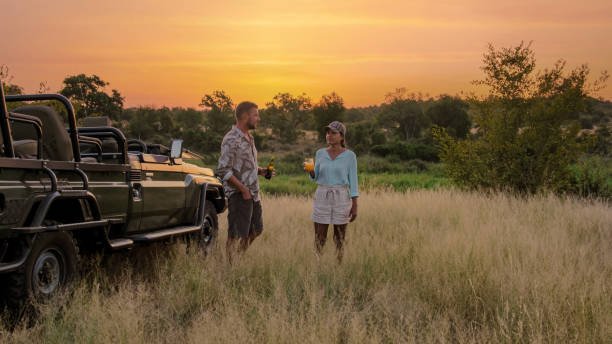
For those seeking a more exclusive experience, private safaris can be tailored to eco-principles. A private Tanzania safari for two people can be just as responsible as a group tour, if planned with the right operator.
Responsible Tourism Packages: What to Expect and Confirm
When booking a Tanzania eco safari and responsible tourism package for 2026-2027, it’s vital to understand what is included and what to confirm with your tour operator. This ensures transparency and aligns with your expectations for ethical travel.
Typical Inclusions
Most comprehensive packages will include:
- Accommodation: Based on chosen lodges or tented camps, often on a full-board basis (breakfast, lunch, dinner).
- Park Entrance Fees: Access to national parks and conservation areas.
- Game Drives: In custom-built safari vehicles with experienced local guides.
- Transfers: Airport pick-ups and drop-offs, and transfers between locations.
- Bottled Water: For game drives, though many eco-camps encourage reusable bottles.
- Emergency Evacuation Cover: Often through organizations like AMREF Flying Doctors.
Key Items to Confirm Before Booking
To ensure your trip truly aligns with responsible tourism, ask your operator about:
- Accommodation Sustainability Policies: Ask for details on their energy use, waste management, and water conservation.
- Community Engagement Initiatives: How does the operator directly support local communities? Are village visits genuinely beneficial for the residents?
- Conservation Contributions: Does a portion of the tour cost go towards specific conservation projects?
- Guide Training: Are your guides trained in responsible wildlife viewing and local ecology?
- Waste Reduction Efforts: What measures are in place to minimize plastic waste and other disposables during the safari?
- Local Sourcing: Does the operator prioritize local suppliers for food, crafts, and services?
Pricing and Value
Eco-safaris may sometimes appear slightly more expensive than standard tours. This often reflects the higher operational costs associated with sustainable practices, fair wages for staff, and contributions to conservation and community projects. When comparing prices for 2026-2027, consider the overall value and the positive impact your trip will have. Packages can range from mid-range to luxury, depending on the level of accommodation and exclusivity desired. For instance, a all-inclusive Tanzania safari focusing on eco-principles will offer excellent value by bundling key services.
For transparent pricing and detailed itineraries for 2026-2027, it’s best to get a personalized quote. You can explore options for Tanzania Group Joining Safaris or private tours.
Supporting Local Communities and Conservation
A cornerstone of responsible tourism in Tanzania is the tangible benefit it brings to local people and the environment. For your 2026-2027 travels, understanding how your safari contributes is part of the experience.
Community-Based Tourism Initiatives
Many operators partner with or support community-owned lodges, cultural heritage centers, and local craft cooperatives. This ensures that tourism revenue circulates within the local economy, providing sustainable livelihoods and empowering communities. Engaging in Community Tourism Tanzania means your visit directly impacts the lives of the people you meet.
Conservation Projects and Wildlife Protection
Responsible tour operators often contribute financially or through direct support to wildlife conservation organizations. This can include:
- Funding anti-poaching patrols.
- Supporting research and monitoring of wildlife populations.
- Contributing to habitat restoration and anti-poaching ranger training.
- Educating local communities about the importance of conservation.
For example, a portion of funds from safaris visiting areas like the Serengeti or Ruaha might go towards protecting endangered species like wild dogs or rhinos. Understanding these efforts adds a deeper layer to your safari experience.
Ethical Wildlife Encounters
Responsible tourism also dictates how you interact with wildlife. This includes:
- Respecting Animal Space: Maintaining a safe and respectful distance, and never disturbing their natural behaviors.
- No Feeding: Feeding wildlife can cause significant harm to their health and natural instincts.
- Quiet Observation: Minimizing noise to avoid startling animals.
- Leave No Trace: Ensuring that you leave natural areas exactly as you found them, taking all litter with you.
When you book with a conscientious operator, these principles are integrated into the safari experience, often through the guidance provided by your expert local guides.
Planning Your 2026-2027 Eco-Safari with Top Guide Adventures
As a leading expert tour operator in Moshi/Arusha, Top Guide Adventures is dedicated to providing exceptional Tanzania eco safari and responsible tourism packages for 2026-2027. We understand the importance of sustainable travel and are committed to offering experiences that are both unforgettable and ethically sound.
Our team provides personalized local coordination from the moment you arrive. We specialize in crafting itineraries that balance incredible wildlife viewing with meaningful cultural interactions and a commitment to conservation. Whether you’re interested in the vast plains of the Serengeti, the unique ecosystem of the Ngorongoro Crater, or the remote wilderness of Ruaha, we can design a journey that aligns with your values.
Why Choose Top Guide Adventures for Your Eco-Safari?
- Local Expertise: We are based in Tanzania, giving us unparalleled insight into local conservation efforts and community projects.
- Commitment to Sustainability: We partner with lodges and suppliers who share our dedication to environmental responsibility and ethical practices.
- Personalized Service: From booking to your departure, we offer responsive support and tailor-made itineraries.
- Experienced Guides: Our licensed guides are knowledgeable about local wildlife, culture, and the importance of responsible tourism.
- Safety First: For mountain treks, we provide emergency oxygen and pulse oximeters, ensuring your safety on challenging adventures.
We can help you plan everything from a Tanzania safari and Zanzibar holiday combination to a dedicated wildlife expedition. We also offer group joining options for those looking to share an adventure and reduce costs, such as our Tanzania Group Joining Safari departures.
To start planning your responsible Tanzania safari for 2026 or 2027, please get in touch. We are eager to help you create an extraordinary journey that respects and benefits the beautiful country of Tanzania.
Get in Touch to Plan Your Eco-Safari
Ready to start a responsible journey through Tanzania? Contact Top Guide Adventures to discuss your dream eco-safari package for 2026-2027. We’ll help you craft an itinerary that meets your interests while adhering to the highest standards of sustainable and ethical tourism.
WhatsApp: +255 616 946 642
Email: topguideadventures@gmail.com
Let us help you experience the magic of Tanzania responsibly.
Check Availability for Tanzania Eco Safari And Responsible Tourism Packages | Top Guide Adventures
Ready to compare dates, prices, and the best option for your group? Send the package name and travel month so the team can reply with a clear quote, availability, and what is included.
Africa Tours & Travel, All Safari Booking In Tanzania 2026-2027
Africa Tours & Travel, All Safari Booking in Tanzania is explained with current 2026-2027 planning, price, itinerary and booking information.
View package details
2 Day Tanzania Safari – Tarangire, Ngorongoro And Short Packages 2026-2027
2 Day Tanzania Safari – Tarangire, Ngorongoro and Short Safari Packages is explained with current 2026-2027 planning, price, itinerary and booking.
View package details
Serengeti Safari From Mwanza: Best Route For Western Tanzania & 2026-2027
Discover the optimal routes for a Serengeti safari starting from Mwanza, focusing on the unique experiences offered by Western Tanzania and the Western Serengeti. This guide provides...
View package details
Tanzania Classic Wildlife Safaris: Serengeti, Ngorongoro, Tarangire & Manyara
start an unforgettable Tanzania classic wildlife safari covering the iconic parks of Serengeti, Ngorongoro Crater, Tarangire, and Lake Manyara. These tours are designed to showcase the best...
View package details
Great Serengeti Migration Safaris In Tanzania: Best Routes, Seasons &
Discover the magic of the Great Serengeti Migration with Top Guide Adventures. This guide covers the best routes, optimal seasons for wildlife viewing, and essential planning tips for your...
View package details
Best 5 Day Private Safari Tour From Mwanza: Serengeti & Western Tanzania
start an unforgettable 5-day private safari adventure starting from Mwanza, Tanzania. This expertly crafted itinerary blends the iconic wildlife viewing of the Serengeti with the distinct...
View package details
Rubondo Island National Park Prices In Tanzania – Safari Fees, Chimpanzee
Understanding Rubondo Island National Park prices is key to planning your Tanzanian adventure. Costs vary based on accommodation, activities like chimpanzee trekking, and safari duration...
View package detailsTop Car Brands Known For Reliability – Best Vehicles Road Trips, Safari
Top Car Brands Known for Reliability – Best Vehicles for Road Trips, Safari and Adventure Travel is explained with current 2026-2027 planning, price.
View package detailsMost Beautiful Countries In The World: Safari, Nature, And Adventure Travel
This guide explores the most beautiful countries globally, focusing on destinations that offer unparalleled opportunities for safari, nature immersion, and adventurous pursuits. From the...
View package detailsThe Worlds Richest Billionaires: Their Preferred Luxury Travel Destinations
This article delves into the travel habits and preferred destinations of the world's wealthiest individuals, examining their affinity for private islands, exclusive safari adventures, and...
View package detailsBiggest Animals Ever Discovered: African Wildlife, Ocean Giants, And Safari
Discover the planet's most massive creatures, including the giants of African savannas and the leviathans of the deep sea. Learn about their habitats, characteristics, and the awe they...
View package detailsBackground Remover Free: Enhancing Safari, Wildlife, And Travel Photography
This guide explores the utility of free background removal tools for photographers specializing in safari, wildlife, and travel imagery. It covers how these tools can enhance subject...
View package detailsNo closely related package is available yet for this topic.



