
Tanzania wildlife safari packages for three generations of travelers are privately guided wilderness itineraries custom-engineered to balance the physical needs of grandparents (ages 60–80+), active parents (ages 30–50), and children or teens (ages 4–18). Operating primarily across the Northern Safari Circuit—Tarangire, Lake Manyara, the Ngorongoro Crater, and the Serengeti—these packages prioritize exclusive 4×4 vehicles, multi-room family suites, reduced daily driving hours, and flexible pacing. For 2026-2027, expect realistic investment levels between $450 and $1,250 per adult per day depending on camp comfort tier, with substantial park and lodge discounts of 30% to 50% for children under twelve. The central decision hinges on selecting between overland circuits that minimize transit or fly-in bush routes that eliminate grueling corrugated road transfers for elder and younger knees alike.
The Multi-Generational Paradox: Balancing Energy, Mobility, and Rest
Organizing a safari that satisfies an energetic seven-year-old, a career-busy parent in search of pristine wilderness, and an elder with reduced joint mobility requires dismantling the conventional “sunrise-to-sunset” safari model. Standard group tours force participants into ten-hour game drives across punishing, washboard dirt tracks. For three generations traveling together, that approach produces exhausted children, stiff grandparents, and stressed parents trying to referee complaints in the middle of the savannah.
A successful three-generation journey treats time as the primary luxury. While a dedicated wildlife photographer might sit for six stationary hours watching a leopard descend from an acacia branch, younger minds lose interest after twenty minutes without action. Conversely, grandparents frequently value panoramic vistas, relaxed morning coffees overlooking a watering hole, and stable walking surfaces more than bouncing across black-cotton mud in pursuit of distant cheetahs. To bridge these disparate desires, multi-generational safaris must revolve around private vehicle charters, strategic non-game-drive activities, and accommodations offering distinct zones of relaxation.
Planning for 2026-2027 travel dates demands assessing each family member’s baseline stamina early. We evaluate this dynamic across three distinct layers:
- The Senior Generation (Ages 60–80+): Focuses on vehicle ergonomics, gentle suspension, accessible room design without steep steps, reliable ensuite bathroom plumbing, and predictable meal schedules that align with medication regimens. Discover practical property designs in our dedicated guide on Tanzania safari packages for elderly travelers with comfortable lodges.
- The Middle Generation (Ages 30–50): Craves deep wildlife interpretation, off-grid decompression, authentic photography opportunities, and the assurance that their parents and children are safe, comfortable, and engaged without constant parental mediation.
- The Youth Generation (Ages 4–17): Requires sensory stimulation, tactile learning, frequent bathroom intervals, swimming pools to release midday physical energy, and guides capable of transforming animal encounters into exciting, interactive lessons. Review child-focused routing options in our overview of the best Tanzania safari parks for children visiting Africa the first time.
Northern Circuit Blueprint: Engineering Travel Times for Three Generations
Geographic selection dictates the psychological success of a multi-generational safari. While Southern parks like Ruaha and Nyerere offer rugged, wild isolation, their vast distances and open, hot terrain pose physical endurance hurdles that strain both aging backs and small attention spans. The Northern Circuit remains the gold standard for three generations because its distinct ecosystems are stacked closely together, allowing dramatic changes in scenery with minimal drive times between gates.
The Recommended 8-Day Multi-Generational Northern Circuit Route
This balanced circuit minimizes road strain while maximizing wildlife density across varied terrain:
- Day 1: Arrival at Kilimanjaro International Airport (JRO) to Arusha/Moshi. Gentle transfer to an enclosed coffee estate lodge. Unpack, acclimatize to East African time, and conduct an initial briefing with your dedicated private guide.
- Days 2–3: Tarangire National Park. A gentle two-hour paved drive from Arusha brings you into Tarangire. The park provides instant gratification: dense elephant families, towering baobabs, and perennial riverbeds where wildlife congregates without requiring deep, off-road driving. Lodges with swimming pools provide essential midday respites.
- Day 4: Lake Manyara National Park or Mto wa Mbu Cultural Village. Short transit day. Focus on lush groundwater forests filled with baboon troops and bird life, paired with a flat, guided tuk-tuk tour through local banana plantations for an engaging cultural break that grandparents and children can enjoy side by side.
- Day 5: Ngorongoro Crater Floor Expedition. Early descent into the caldera. The high density of game guarantees sightings of black rhinos, lion prides, and hippos within compact distances, avoiding hours of unproductive searching. Return to an elevated rim lodge by mid-afternoon.
- Days 6–7: Central or Southern Serengeti National Park. Fly directly from Manyara airstrip into Seronera or Ndutu, bypassing four hours of jarring road vibration across the Malanja depression. Enjoy morning and late-afternoon private game drives focused on predator interactions and resident wildlife.
- Day 8: Bush Flight from Serengeti back to Arusha/JRO. Catch connecting flights home or link to a relaxing Indian Ocean extension via our tailored Tanzania safari and Zanzibar packages.
By splitting transfers between smooth highway drives and domestic bush flights via carriers monitored by the Tanzania Civil Aviation Authority, families eliminate the punishing physical exhaustion commonly nicknamed the “safari massage”—the continuous jolting of unpaved park roads that causes lumbar flare-ups in older travelers and motion sickness in children.
2026-2027 Cost Framework: Pricing Multi-Age Expeditions
Budgeting for multi-generational expeditions involves balancing two opposing financial realities: fixed private infrastructure costs (vehicle, driver-guide, fuel) and tiered variable costs (park fees, lodge accommodation, domestic flights). Unlike booking solo seats or couple packages, large family units gain notable per-person-per-day efficiencies on transport, but face accommodation complexities when requiring multiple adjacent rooms or multi-bedroom family villas.
Understanding the pricing mechanics detailed in our analysis of whether Tanzania safari prices are per person or per vehicle helps clarify how final quotes are constructed. Conservation entrance fees levied by Tanzania National Parks (TANAPA) and the Ngorongoro Conservation Area Authority (NCAA) provide steep age-based discounts: children aged 5 to 15 pay significantly reduced entry fees, while children under 5 enter free of charge.
| Safari Comfort Tier | Est. Adult Rate / Night (2026-2027) | Est. Child Rate (5-15 Yrs) | Structural Highlights for Three Generations |
|---|---|---|---|
| Comfort Mid-Range | $450 – $650 | $250 – $380 | Solid permanent lodges, swimming pools, standard family rooms, reliable generator power, buffer gardens. |
| Premium Classic | $700 – $980 | $390 – $550 | Spacious tented suites on raised wooden decks, interconnecting family canvas units, quiet solar-inverter setups. |
| Exclusive Luxury | $1,100 – $1,800+ | $600 – $950 | Private multi-bedroom villas, dedicated safari chefs, private plunge pools, step-free access paths, tailored bush activities. |
Families must also evaluate the logistical value of an exclusive vehicle charter. Discover the specific cost metrics outlined in our guide on how much extra a private safari vehicle costs in Tanzania. For groups of six or more spanning three generations, private vehicles are practically cost-neutral compared to booking individual seats on group departure tours, while granting complete control over schedule, restroom stops, and game drive duration.
Safari Vehicle Mechanics: Comfort, Seating Capacity, and Road Fatigue
The modified 4×4 Toyota Land Cruiser serves as your family room on wheels for up to eight hours a day. In standard group-joining safaris, operators load vehicles to maximum capacity, placing six to seven travelers across three tiered rows. For a multi-generational group, cramming the vehicle creates acute friction: who gets the coveted front passenger seat next to the driver, who is forced into the rougher back bench over the rear axle, and how do people move around when a predator appears?
For three-generation safaris, we strictly cap vehicle density. An extended seven-passenger Land Cruiser should carry no more than four to five family members. If a extended family group numbers seven to ten, deploying two private safari Land Cruisers traveling in tandem is dramatically superior to squeezing everyone into a single vehicle. This dual-vehicle strategy provides several operational benefits:
- Dynamic Pace Splitting: Grandparents wishing to return to camp after lunch for an afternoon nap can take Vehicle A with one or both parents, while Vehicle B stays out with the teens and energetic kids tracking wildlife until sunset.
- Physical Relief for Elder Spines: The rear bench of an extended Land Cruiser amplifies every bump on corrugated gravel roads. Keeping the rear bench empty ensures that grandparents remain comfortably seated in the center rows, where chassis suspension is smoothest and entry through side doors is easiest.
- Unobstructed Sightlines: Every family member is guaranteed a dedicated pop-up roof opening and an exterior window seat, preventing elbows, cameras, and binoculars from clashing during high-action sightings like river crossings or hunts.
All vehicles deployed for multi-generational travel include 220V/12V invertors for charging family tablets, cameras, and medical devices, an onboard electric fridge to keep medications and child snacks cool, and an internal VHF radio network allowing tandem vehicles to coordinate stops and wildlife sightings effortlessly.
Lodge vs. Tented Camp: Structural Accessibility, Safety, and Layout
Selecting accommodation for multi-generational safaris requires looking beyond marketing photos to examine the physical property layout. A romantic tented camp built on stilts over an unfenced riverbank may thrill adventurous adults, but it can present serious safety hazards for curious toddlers and steep, unlit walking hurdles for grandparents navigating uneven ground at night.
Critical Facility Audit Checklist for Multi-Generational Groups
- Fenced vs. Unfenced Perimeters: Permanent lodges in Tarangire and Karatu frequently maintain fenced borders, allowing children and elders to walk safely between the dining room, pool, and sleeping quarters without requiring an armed ranger escort after dusk.
- Interconnecting Rooms & Family Suites: Standard safari tents feature separate canvas entryways 15 to 30 feet apart. For families with children under twelve, insist on true interconnecting tents joined by an interior canvas corridor or solid-wall family suites under a single roof.
- Step-Free Pathways & Ambient Lighting: Inquire about distances from guest tents to the central mess dining tent. Deep sand paths, unpaved river rocks, and unlit dirt trails can turn a 200-meter walk into a fall risk for seniors. Solid stone or paved wooden walkways are strongly preferred.
- 24-Hour Reliable Grid/Inverter Electricity: Many classic bush camps cut generator power between 11:00 PM and 5:00 AM. This presents major complications for seniors requiring Continuous Positive Airway Pressure (CPAP) machines or families needing continuous climate control. Properties with round-the-clock solar-battery backup systems are essential.
A proven strategy balances the safari styles: spend the first half of the journey in comfortable, solid-structure lodges featuring sprawling gardens, elevators or ramped access, and swimming pools (such as properties in Arusha and the Karatu highlands), before transitioning to a premium, level-ground canvas camp inside the Serengeti for two nights to experience the authentic magic of an African night under canvas.
Crafting the Daily Rhythm: Avoiding Safari Burnout Across Generations
The most common planning error on multi-generational safaris is over-scheduling. The urge to check off every park in Northern Tanzania often results in continuous daily lodge transitions, forcing the family to pack luggage, check out, and endure transit drives every single morning. For three generations, packing and unpacking every 24 hours induces rapid fatigue.
The foundational rule for three generations is the “Two-Night Minimum” principle. Never book a single night at any property. Staying two or three nights at a single camp allows family members to opt in or out of activities based on how they feel each morning without disrupting the broader travel itinerary. An ideal daily rhythm looks like this:
06:30 – 08:30: The Gentle Sunrise Start
Rather than forcing groggy children and stiff elders into a freezing 05:30 dawn patrol, enjoy a hot breakfast on the lodge terrace as animals wake up around camp. start your game drive at 07:30 or 08:00, when the morning sun has warmed the air and game trails remain active.
12:30 – 15:30: The Midday Siesta & Pool Reset
Avoid the harsh midday heat when animals retreat into thick brush and game viewing slows. Return to your lodge for a sit-down hot lunch. This window allows grandparents to read, rest, or nap, while parents and children refresh in the pool or take a supervised nature walk around the lodge grounds.
15:30 – 18:30: Golden Hour Game Viewing & Sundowners
Head out into the reserve as the light softens and predators begin their evening movements. End the drive with a family sundowner—sparkling wine for parents and grandparents, fresh passion fruit juice for the children—watching the sun drop behind the Great Rift Valley escarpment before returning to camp for dinner.
This rhythm honors the energy reserves of all three age groups, transforming the safari from an endurance race into a restorative family adventure where memories are forged through shared comfort rather than shared exhaustion.
Check Availability for Tanzania Wildlife Safari Packages For Three Generations Of Travelers…
Ready to compare dates, prices, and the best option for your group? Send the package name and travel month so the team can reply with a clear quote, availability, and what is included.
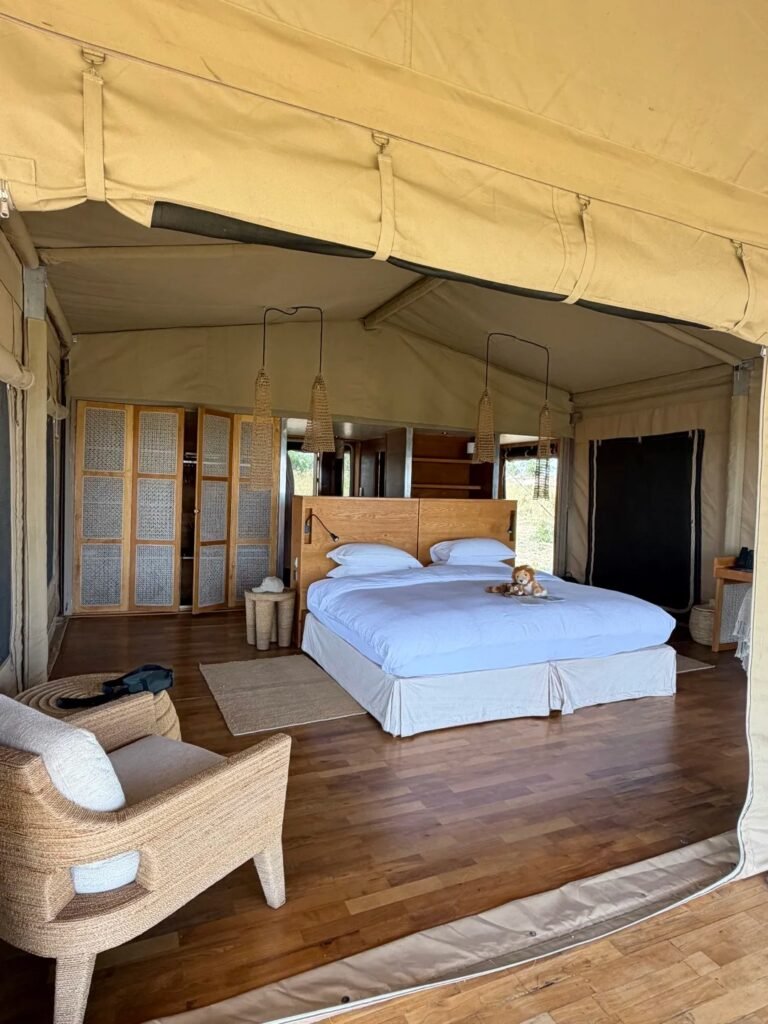
Tanzania Great Migration Safari Packages For Wildlife Photographers 2026-2027
Tanzania Great Migration Safari Packages for Wildlife Photographers is explained with current 2026-2027 planning, price, itinerary and booking information.
View package details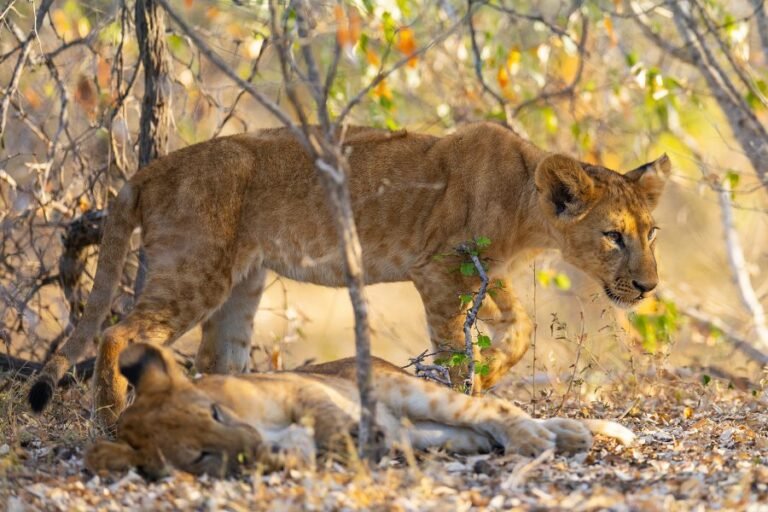
4 Day Tanzania Wildlife Safari From Moshi With Accommodation 2026-2027
4 Day Tanzania Wildlife Safari from Moshi with Accommodation is explained with current 2026-2027 planning, price, itinerary and booking information.
View package details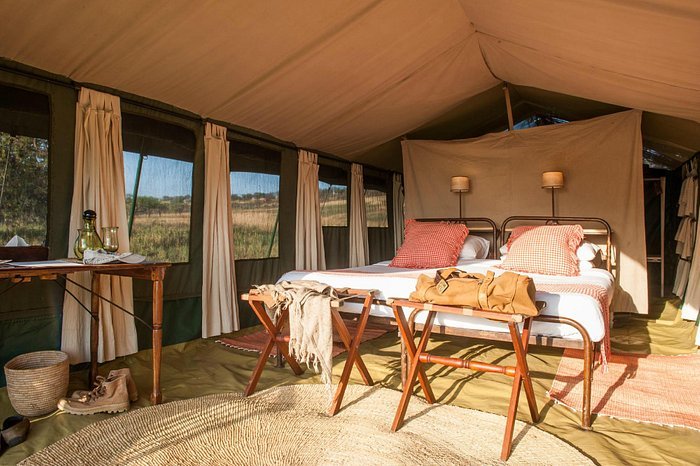
Best Tanzania Safari Tour Packages For International Travelers ( Planning
A comprehensive comparison of the best Tanzania safari tour packages for international travelers heading to East Africa in 2026-2027, covering logistics, package types, realistic budgets...
View package details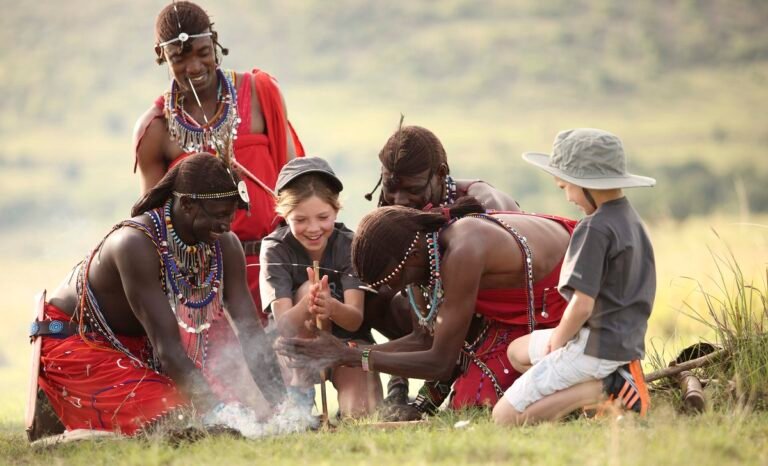
Tanzania Safari Tours For Solo Travelers In December 2026-2027
Tanzania Safari Tours for Solo Travelers in December 2026 is explained with current 2026-2027 planning, price, itinerary and booking information.
View package detailsCan Children Join Group Safari Tours In Tanzania? 2026-2027
Can Children Join Group Safari Tours in Tanzania? is explained with current 2026-2027 planning, price, itinerary and booking information.
View package detailsPrivate Tanzania Safari With Flexible Game Drives For Children 2026-2027
Private Tanzania Safari with Flexible Game Drives for Children is explained with current 2026-2027 planning, price, itinerary and booking information.
View package detailsTanzania Safari Packages With Family Rooms And Private Bathrooms 2026-2027
Tanzania Safari Packages with Family Rooms and Private Bathrooms is explained with current 2026-2027 planning, price, itinerary and booking information.
View package detailsBest Tanzania Safari Tours For Families With Teenagers 2026-2027
Best Tanzania Safari Tours for Families with Teenagers is explained with current 2026-2027 planning, price, itinerary and booking information.
View package detailsBest Tanzania Safari Parks For Children Visiting Africa The First Time
Planning a family safari in Tanzania? Learn which parks are best for children, what to expect, and how to make the most of your first African adventure.
View package detailsFamily-Friendly Tanzania Safari With Short Driving Distances 2026-2027
Family-Friendly Tanzania Safari with Short Driving Distances is explained with current 2026-2027 planning, price, itinerary and booking information.
View package detailsTanzania Safari And Zanzibar Family Holiday Packages 2026-2027
Tanzania Safari and Zanzibar Family Holiday Packages is explained with current 2026-2027 planning, price, itinerary and booking information.
View package detailsHow Many Days Should A Family Spend On Safari In Tanzania? 2026-2027
How Many Days Should a Family Spend on Safari in Tanzania? is explained with current 2026-2027 planning, price, itinerary and booking information.
View package detailsNo closely related package is available yet for this topic.

Our Guest Reviews, Currently Feedback from Clients in 2026
Reviews from different sources, including Google Business, Tripadvisor, other platforms, and social media.