
The best Tanzania safari tours for families with teenagers are private, multi-park northern circuit itineraries lasting between 7 and 10 days that combine active wildlife viewing in the Serengeti, Ngorongoro Crater, and Tarangire with physical field activities like guided bush walks, mountain biking around Lake Manyara, and cultural exchanges. For the 2026-2027 travel seasons, realistic family costs range from $450 to $850 per person per day for mid-range lodge and luxury tented camp setups, with the decisive planning factor being an exclusive, private 4×4 vehicle that allows families to calibrate game-drive pacing directly around adolescent energy and attention spans.
Why Safaris with Teenagers Require a Radically Different Strategy
Planning a safari for adolescents between the ages of 13 and 19 introduces logistical realities that standard family packages completely overlook. Most commercial family safaris are designed either for multi-generational groups traveling with young children—where schedules revolve around midday naps, pool downtime, and short two-hour game loops—or for adult couples content to sit motionless in a vehicle for nine consecutive hours waiting for a leopard to reposition itself on a branch. Neither extreme works for teenagers.
Teenagers possess adult stamina, intense curiosity, and a low tolerance for passive observation without agency. If an itinerary traps a sixteen-year-old in a closed vehicle on corrugated gravel roads for six straight hours without active participation, disengagement happens quickly. Conversely, when an itinerary challenges their intellect, incorporates raw physical movement, and exposes them to high-stakes ecological and cultural environments, an East African bush trip becomes one of the most intellectually formative journeys of their youth.
To succeed in 2026-2027, your safari plan must solve three specific friction points:
- The Passive Sitting Dilemma: Tanzania’s national park regulations strictly limit where travelers can exit vehicles. Balancing strict Tanzania National Parks Authority (TANAPA) rules with legitimate opportunities for teenagers to stretch, hike, and bike requires deliberate routing through concessions and multi-use conservation zones.
- Digital Disconnect Anxiety: While parents often view an African bush trip as an aggressive digital detox, cutting teenagers off completely without preparation can backfire. Top-tier teen itineraries integrate photography, off-grid navigation, and camera equipment management to channel technological focus outward into field tracking rather than domestic screen withdrawal.
- Personal Space vs. Group Cohesion: Teenagers need autonomy. Room configurations, vehicle seat arrangements, and daily schedule buffers dictate whether your family bonds or clashes under the equatorial sun.
Understanding these pressure points fundamentally changes how you evaluate tour operators, park selections, and daily pacing. You are not simply buying seats in a Land Cruiser; you are engineering an active, shared expedition.
Core Criteria for Evaluating Teen-Friendly Safari Tours
When vetting safari itineraries advertised across the web, most marketing copy claims every package is family-friendly. For parents traveling with older kids, vague marketing language is unhelpful. You need specific operational markers that separate a grueling endurance test from an exhilarating family trip.
The Five Non-Negotiable Tour Benchmarks
- Exclusively Private Vehicles: Never book a group-joining or shared departure when traveling with teenagers. A private customized 4×4 allows your family to decide when to leave camp at 06:00, when to break for bush breakfasts, and when to pivot back to camp if adolescent energy drops. It eliminates the social awkwardness of negotiating game-drive timing with unrelated tourists.
- Direct Guide Engagement: A standard driver who simply calls out animal names through a pop-up roof will lose an adolescent audience in forty-eight hours. The guide must function as a field naturalist and mentor, teaching kids how to identify tracks, read predator behavioral cues, handle telephoto camera gear, and understand wildlife conservation dynamics.
- Physical Interludes: At least 30% of daylight hours must permit movement outside the metal cabin of a vehicle. This means scheduling walking safaris with armed rangers, mountain bike descents on the Great Rift Valley escarpment, or canoeing on freshwater alkaline lakes.
- Strategic Camp Selection: Avoid sterile, quiet adult lodges where teenagers feel policed by whisper-only communal areas. Prioritize comfortable tented camps with open campfires, communal dining where field guides share stories, and solar power setups that keep camera batteries charged.
- Sensible Road-to-Air Ratios: Driving everywhere across northern Tanzania leads to transit fatigue. The best tours incorporate a tactical bush flight—such as flying back from the central Serengeti directly to Arusha or out to the coast—to bypass eight grueling hours of rough dirt highway.
Reviewing operators against these parameters immediately filters out eighty percent of standard cookie-cutter circuits that rely on excessive driving between budget motels.
2026-2027 Safari Cost Breakdown for Families with Teens
One of the sharpest shocks parents face when pricing out safari tours for families with teenagers is accommodation and park fee tiering. In Tanzania, the travel industry typically classifies anyone aged 16 and older as a full adult for park entry fees, concession fees, and lodge pricing. Many high-end tented lodges apply adult pricing starting at age 12. Planning for a family of four with two teenagers effectively means budgeting for four adults.
For realistic 2026-2027 travel planning, safari costs break down across three recognizable service levels. These figures reflect private tour setups, licensed guides, standard park admission fees, VAT, full-board accommodation, and dedicated 4×4 vehicle usage.
| Tour Level | Estimated Daily Cost (Per Person) | Estimated 7-Day Total (Family of 4) | Accommodation & Logistics Reality |
|---|---|---|---|
| Quality Mid-Range | $450 – $600 | $12,600 – $16,800 | Comfortable permanent tented lodges, en-suite bathrooms, private vehicle, road transitions, full northern circuit coverage. |
| Upper Mid-Range / Premium | $650 – $900 | $18,200 – $25,200 | Boutique seasonal mobile camps, walking concessions included, one internal domestic bush flight, premium guide allocation. |
| Luxury Wilderness | $1,100 – $1,800+ | $30,800 – $50,400+ | High-end luxury tented lodges, private concession night drives, multiple bush flights, private guide and spotter teams. |
When you evaluate the overall financial commitment, it is essential to look closely at how much a Tanzania safari costs for a family of four so you know exactly where your funds are going. Government conservation fees alone—such as entry into the Serengeti National Park, the Ngorongoro Conservation Area, and transit corridors—regularly exceed $70 to $140 per person per 24-hour cycle, even before accounting for vehicle fees, fuel, driver allowances, food, or lodging.
To understand the structural division of these expenses, explore our detailed safari cost breakdown including park fees and accommodation. Understanding this framework prevents budget shocks and clarifies why ultra-cheap options often lead to corner-cutting on guide quality, vehicle reliability, and camp locations.
Park-by-Park Suitability Analysis: What Clicks and What Drags
Every national park and conservation sector in northern Tanzania possesses distinct terrain, wildlife density, and regulatory constraints. What delights an experienced birder can put an energetic seventeen-year-old straight to sleep. Understanding these ecosystem dynamics allows you to select parks that maintain engagement throughout the trip.
Tarangire National Park: High Impact from Hour One
Tarangire is one of the most effective starting locations for families with teenagers. Located roughly two hours southwest of Arusha, it eliminates long, exhausting transfers on arrival day. The park features dense concentrations of African elephants along the Tarangire River corridor, massive baobab trees, and reliable predator sightings.
The Teen Angle: Elephants provide immediate, dramatic interaction. Teenagers love the physical scale of the landscape, and because animal encounters are frequent and close, boredom never sets in during the opening forty-eight hours. Outside the main park borders, community-run wildlife management areas (WMAs) allow guided walking safaris with local Maasai scouts—a critical physical release after long international flights.
Lake Manyara National Park: Movement and Active Exploration
Many standard tour operators skip Lake Manyara or allocate just a half-day game drive through its ground-water forest. However, for a teen-centric itinerary, Manyara provides diverse physical activity options that classic game reserves forbid.
The Teen Angle: Here, families can hike the Manyara Treetop Walkway—a suspended bridge system crossing 370 meters through the forest canopy at heights up to 18 meters above the ground. You can also organize mountain biking adventures through the farming villages of Mto wa Mbu down to the lake shore, or kayak along the lake waters when levels permit. These options provide a welcome physical reset between longer vehicle game drives.
Ngorongoro Crater: Dramatic Drama with Strategic Timing
The Ngorongoro Crater is a collapsed volcanic caldera hosting approximately 25,000 large mammals within an area of roughly 260 square kilometers. Its wildlife density is extraordinary, offering your family’s highest statistical probability of viewing endangered black rhinos alongside large lion prides and hyena clans.
The Trade-Off: Because of its global fame, the crater floor can become congested with safari vehicles, particularly around major predator kills. For teenagers, this vehicle crowding can dampen the sense of raw African wildness. The solution is strategic timing: descend into the caldera at 06:00 sharp when the gates open, experience peak animal movement during early morning light, and exit by early afternoon before heat and congestion peak. Pair this with a rim hike along the Empakaai or Olmoti craters, where teens can burn energy while gazing into deep volcanic lakes under the protection of an armed ranger.
The Serengeti: Endless Scale, Big Cats, and the Migration
The Serengeti is the centerpiece of any serious Tanzanian safari. Its sweeping savannahs, iconic granite kopjes (rock outcroppings), and colossal predator populations define the African wilderness experience. Depending on the time of year across 2026-2027, the Great Migration shifts across its massive expanses—from the southern calving plains in January-March to the western corridor in May-June and the dramatic Mara River crossings in the north from July to October.
The Teen Angle: The sheer scale of predator interactions keeps older kids glued to their binoculars. Watching a coordinated cheetah hunt or observing lions stalking across open plains sparks real engagement. To maximize interest, involve teens directly in navigation and field tracking: teach them how to scan tree lines for hanging leopard tails and let them track radio updates with your guide. For deeper planning on how many days to commit here versus other parks, consult our operational analysis on how many days a family should spend on safari in Tanzania.
Top Three Tour Frameworks Compared: Active, Classic, and Bush-to-Beach
There is no single universal route that suits every family. Your choice should balance your teens’ tolerance for travel transfers, personal interests (action versus relaxation), and total available vacation time. Below are three field-tested itinerary concepts engineered specifically for families with adolescents for the 2026-2027 seasons.
Model A: The High-Action Bush Expedition (8 Days)
Best for: Energetic teens who prioritize movement, hiking, and photography over luxury lounging.
- Day 1: Arrive Kilimanjaro International Airport (JRO), private transfer to Arusha or Usa River. Gear check and briefing.
- Day 2: Transfer to Tarangire. Full-day game drive focusing on elephant behavior. Overnight in an authentic tented camp.
- Day 3: Morning guided walking safari outside Tarangire. Afternoon transfer to Mto wa Mbu for mountain biking along the Rift Valley escarpment. Overnight near Karatu.
- Day 4: Dawn descent into Ngorongoro Crater (6-hour deep exploration). Afternoon hike along the Olmoti Crater rim. Overnight at an eco-camp on the crater rim.
- Day 5: Drive to Central Serengeti (Seronera Valley) with active wildlife spotting along the way through the Naabi Hill gate. Sunset tracking around granite kopjes.
- Day 6: Full-day immersion tracking apex predators in the Seronera and retina-filling plains. In-camp campfire bushcraft and astronomy session.
- Day 7: Advanced tracking in the Serengeti; optional dawn hot air balloon safari. Afternoon transition toward the bush airstrip.
- Day 8: Morning bush flight from Serengeti (Seronera or Kogatende) back to Arusha/JRO, bypassing 8 hours of road travel. Departure flight home.
Model B: The Bush-to-Beach Explorer (10 Days: Safari + Zanzibar)
Best for: Balancing intense wildlife tracking with world-class Indian Ocean diving, kitesurfing, and marine adventure.
- Days 1-2: Tarangire National Park wildlife viewing and private camp stays.
- Days 3-4: Ngorongoro Crater floor safari followed by cultural exploration with Maasai communities focused on contemporary realities rather than staged tourism.
- Days 5-6: Central or Northern Serengeti big cat tracking, staying in mobile tented camps under canvas.
- Day 7: Bush flight out of the Serengeti directly to Zanzibar Airport (ZNZ). Private ground transfer to the northern or southeastern beaches.
- Days 8-9: Active ocean sports in Zanzibar: PADI scuba diving, open-ocean kitesurfing in Paje, or private dhow boat trips to pristine sandbanks.
- Day 10: Historical walking exploration of Stone Town before international flight departures.
For parents considering this dual-region approach, review our operational guide on Tanzania fly-in safari packages from Zanzibar for families to understand how bush airstrips connect seamlessly with coastal flights without wasting days in transit.
Model C: The Deep Wilderness Northern Circuit (7 Days Private)
Best for: Families focused squarely on maximum wildlife exposure, big cat photography, and pure savannah immersion.
This classic loop pairs Lake Manyara, the Ngorongoro Crater, and multi-day sectors of the central and northern Serengeti. It relies on a private customized Land Cruiser equipped with pop-up roofs, integrated in-car charging docks, and specialized optical gear mounts. For families weighing shared transport against private setups, review our clear guide on how much extra a private safari vehicle costs in Tanzania. For a traveling family of four or five, private vehicle bookings routinely deliver superior per-person value while giving you complete control over your daily schedule.
Check Availability for Best Tanzania Safari Tours For Families With Teenagers 2026-2027
Ready to compare dates, prices, and the best option for your group? Send the package name and travel month so the team can reply with a clear quote, availability, and what is included.
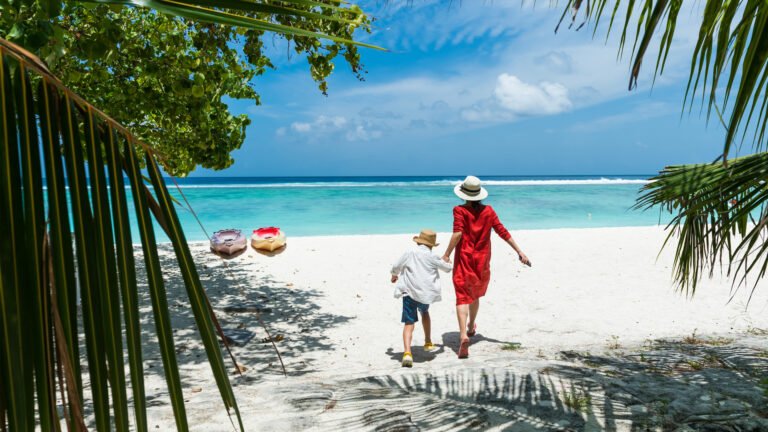
Tanzania Fly-In Safari Packages From Zanzibar For Families 2026-2027
Tanzania Fly-In Safari Packages from Zanzibar for Families is explained with current 2026-2027 planning, price, itinerary and booking information.
View package detailsBest Serengeti Safari Camps For Families With Children ( Guide) 2026-2027
A detailed, field-grounded guide evaluating the best Serengeti safari camps for families with children. Covers age restrictions, true two-bedroom interconnecting tents, fenced vs unfenced...
View package detailsCan Children Join Group Safari Tours In Tanzania? 2026-2027
Can Children Join Group Safari Tours in Tanzania? is explained with current 2026-2027 planning, price, itinerary and booking information.
View package detailsPrivate Tanzania Safari With Flexible Game Drives For Children 2026-2027
Private Tanzania Safari with Flexible Game Drives for Children is explained with current 2026-2027 planning, price, itinerary and booking information.
View package detailsTanzania Safari Packages With Family Rooms And Private Bathrooms 2026-2027
Tanzania Safari Packages with Family Rooms and Private Bathrooms is explained with current 2026-2027 planning, price, itinerary and booking information.
View package detailsBest Tanzania Safari Parks For Children Visiting Africa The First Time
Planning a family safari in Tanzania? Learn which parks are best for children, what to expect, and how to make the most of your first African adventure.
View package detailsFamily-Friendly Tanzania Safari With Short Driving Distances 2026-2027
Family-Friendly Tanzania Safari with Short Driving Distances is explained with current 2026-2027 planning, price, itinerary and booking information.
View package detailsTanzania Safari And Zanzibar Family Holiday Packages 2026-2027
Tanzania Safari and Zanzibar Family Holiday Packages is explained with current 2026-2027 planning, price, itinerary and booking information.
View package detailsHow Many Days Should A Family Spend On Safari In Tanzania? 2026-2027
How Many Days Should a Family Spend on Safari in Tanzania? is explained with current 2026-2027 planning, price, itinerary and booking information.
View package details
Best Ngorongoro Crater Safari For Families With Young Children 2026-2027
Best Ngorongoro Crater Safari for Families with Young Children is explained with current 2026-2027 planning, price, itinerary and booking information.
View package detailsTanzania Wildlife Safari Packages For Three Generations Of Travelers 2026-2027
A practical planning guide for multi-generational Tanzania safaris spanning grandparents, parents, and grandchildren, covering route selection, vehicle logistics, physical pacing, and...
View package detailsAre There Child Discounts On Tanzania Safari Tours? 2026-2027
Are There Child Discounts on Tanzania Safari Tours? is explained with current 2026-2027 planning, price, itinerary and booking information.
View package detailsNo closely related package is available yet for this topic.

Our Guest Reviews, Currently Feedback from Clients in 2026
Reviews from different sources, including Google Business, Tripadvisor, other platforms, and social media.