
Yes, you can see all of the Big Five animals—lion, leopard, elephant, African buffalo, and black rhino—in the Ngorongoro Conservation Area, but seeing all five on the crater floor in a single day depends almost entirely on the elusive leopard. While lions and buffalo are virtually guaranteed, endangered black rhinos and mature bull elephants are regularly spotted on the open plains and swamps of the 260-square-kilometer caldera. Leopards live primarily in the dense Lerai fever-tree forest and along the steep 600-meter crater rim walls, making them the classic bottleneck for completing the Big Five list during a standard six-hour crater game drive. For travelers planning a safari in 2026-2027, your best chance to log all five animals is an early 06:00 AM crater descent combined with binoculars of at least 8x or 10x magnification for distant rhino sightings.
The Reality of the Big Five in Ngorongoro Crater: Species-by-Species Breakdown
The term “Big Five” was originally coined by colonial big-game hunters to describe the five most dangerous African mammals to track on foot: the lion, the African leopard, the African bush elephant, the Cape buffalo, and the black rhinoceros. Today, the phrase represents the ultimate wildlife viewing checklist on an East African game drive. Travelers routinely book Tanzania wildlife safari packages with Big Five game drives with the expectation that Ngorongoro Crater is an enclosed zoo-like sanctuary where all five animals stand side by side. The reality is more nuanced.
Ngorongoro Crater is an intact volcanic caldera spanning roughly 260 square kilometers (100 square miles), enclosed by steep, forested walls that rise between 400 and 610 meters above the caldera floor. This physical geography creates a natural containment zone supporting roughly 25,000 to 30,000 large mammals at any given time. However, the five species utilize this unique micro-ecosystem in vastly different ways, which directly impacts what you can realistically spot during a single safari excursion.
1. African Lion (Panthera leo)
Lions are extraordinarily common on the crater floor. Ngorongoro hosts one of the highest predator densities in Africa, with several resident prides totaling between 60 and 80 individuals confined within the caldera basin. Because the grassland terrain is open and flat, lions do not have the infinite expanse of the Serengeti to disappear into. You will frequently encounter them resting in the shade of parked safari vehicles, stalking wildebeest and plains zebras near the Munge Stream, or resting on the saline flats surrounding Lake Magadi.
Unlike lions in heavily wooded reserves, crater lions are thoroughly habituated to custom 4×4 safari cruisers. During midday heat, it is common for young males and lionesses to use the shadow cast by your vehicle tires as an artificial sunshade. Sighting probability on any given game drive exceeds 95%.
2. Cape Buffalo (Syncerus caffer)
African buffalo are omnipresent inside the caldera. Several thousand individuals live permanently on the crater floor, moving in large bachelor herds and massive breeding groups across the central pastures, the Gorigor Swamp, and the southern wetlands. Their dark, massive silhouettes stand out vividly against the green and golden grasses.
Because they require significant daily water intake and fresh grazing, you will consistently encounter buffalo grazing near hippos around Ngoitokitok Springs or wallowing in roadside mud pools. Sighting probability is essentially 99% throughout both the dry and wet seasons.
3. African Bush Elephant (Loxodonta africana)
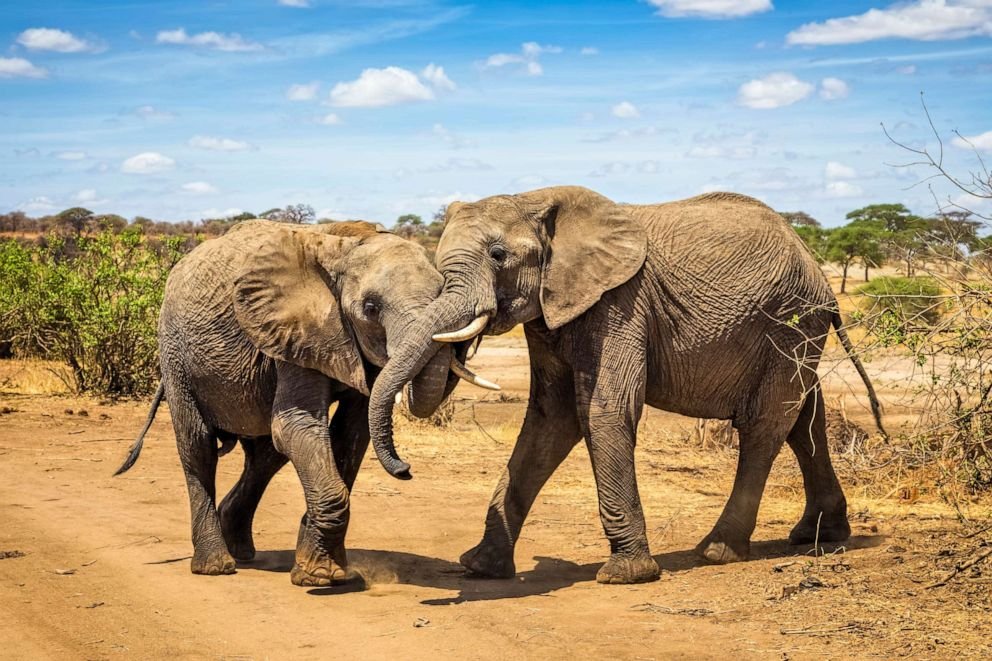
Elephants are guaranteed inside the conservation area, but their social structure inside the crater floor is distinct from any other park in northern Tanzania. You will see elephants on the crater floor, but you will rarely see large family groups with tiny calves grazing in the open center. Instead, the caldera floor is dominated by enormous older bulls, often boasting massive ivory tusks that rival those found in Amboseli.
These solitary giants and small bachelor coalitions frequent the acacia thickets of Lerai Forest and feed on reedbeds inside the marshes. A morning drive through Lerai Forest or past the southern swamps yields an elephant sighting probability of roughly 85% to 90%.
4. Eastern Black Rhinoceros (Diceros bicornis michaeli)
Ngorongoro Crater represents the most reliable sanctuary in Tanzania for viewing the critically endangered eastern black rhino in its natural habitat. Approximately 30 to 40 individuals inhabit the crater ecosystem. Because the crater floor is patrolled continuously by armed rangers and anti-poaching units managed by the Ngorongoro Conservation Area Authority (NCAA), these rhinos live free of the heavy poaching pressures found in unmanaged borderlands.
However, seeing a black rhino does not mean seeing one close up. Unlike the white rhinos of southern Africa that graze casually near roads, black rhinos are shy browsers. They spend their nights and early mornings grazing the short-grass plains between Lake Magadi and the Lerai Forest, then retreat toward the center of the soda lake or into dense scrub as vehicle traffic builds. Overall sighting probability sits between 60% and 75%, but sightings often happen at distances of 200 to 600 meters, requiring high-grade optics.
5. African Leopard (Panthera pardus)
The leopard is the sole reason why ticking off the complete Big Five in Ngorongoro Crater in a single six-hour window remains a genuine challenge. Leopards are secretive, solitary, and largely nocturnal ambush predators that rely heavily on dense cover, rocky outcrops, and substantial trees to conceal themselves and haul their kills away from hyenas and lions.
The vast central plains of the caldera offer zero vertical cover. Consequently, leopards avoid the open floor and confine their territories to the yellow-barked acacia groves of Lerai Forest, the thick scrub along the Munge River ravine, and the tangled montane forests clinging to the steep caldera walls. Spotting a leopard on the crater floor has a probability of only 15% to 25% on any standard drive. If you manage to find one draped over an acacia branch in Lerai or crossing the Seneto descent road at sunrise, completing the Big Five in a single morning becomes a realistic triumph.
Big Five Sighting Probability Matrix on the Crater Floor
To assist in your safari planning for the 2026-2027 seasons, the table below provides a field-tested breakdown of what to expect during a standard single-entry descent into Ngorongoro Crater. These figures reflect real-world wildlife behavior observed by local guides over hundreds of game drives rather than marketing generalizations.
Check Availability for Can I See The Big Five Animals In Ngorongoro Crater? 2026-2027
Ready to compare dates, prices, and the best option for your group? Send the package name and travel month so the team can reply with a clear quote, availability, and what is included.

7 Day Tanzania Great Migration Safari With Ngorongoro Crater 2026-2027
7 Day Tanzania Great Migration Safari with Ngorongoro Crater is explained with current 2026-2027 planning, price, itinerary and booking information.
View package details
Best Ngorongoro Crater Safari Tours With 6 Am Game Drive 2026-2027
Best Ngorongoro Crater Safari Tours with 6 AM Game Drive is explained with current 2026-2027 planning, price, itinerary and booking information.
View package details
Is Ngorongoro Crater Better Than Serengeti For A Short Safari? 2026-2027
Is Ngorongoro Crater Better Than Serengeti for a Short Safari? is explained with current 2026-2027 planning, price, itinerary and booking information.
View package details3 Day Ndutu And Ngorongoro Crater Safari From Arusha 2026-2027
3 Day Ndutu and Ngorongoro Crater Safari from Arusha is explained with current 2026-2027 planning, price, itinerary and booking information.
View package details
Best Ngorongoro Crater Safari Packages From Moshi 2026-2027
Best Ngorongoro Crater Safari Packages from Moshi is explained with current 2026-2027 planning, price, itinerary and booking information.
View package details
Ngorongoro Crater And Lake Manyara Safari With Overnight Lodge 2026-2027
Ngorongoro Crater and Lake Manyara Safari with Overnight Lodge is explained with current 2026-2027 planning, price, itinerary and booking information.
View package detailsBest Ngorongoro Crater Safari For Families With Young Children 2026-2027
Best Ngorongoro Crater Safari for Families with Young Children is explained with current 2026-2027 planning, price, itinerary and booking information.
View package details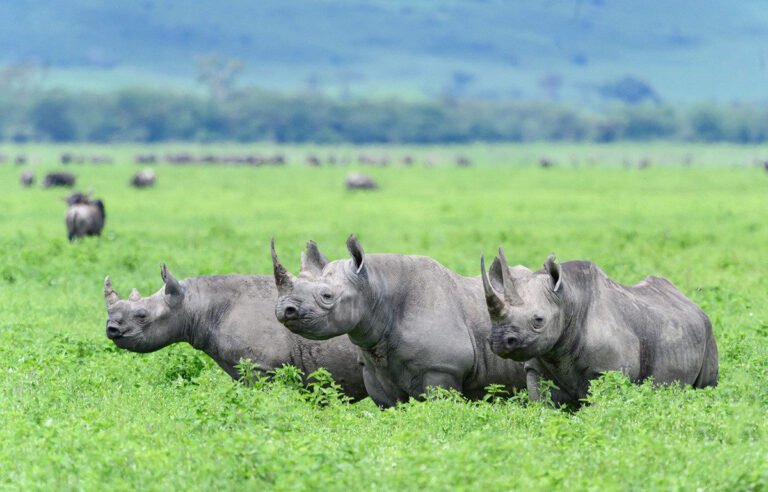
Ngorongoro Crater Safari With Private 4X4 Land Cruiser 2026-2027
Ngorongoro Crater Safari with Private 4x4 Land Cruiser is explained with current 2026-2027 planning, price, itinerary and booking information.
View package details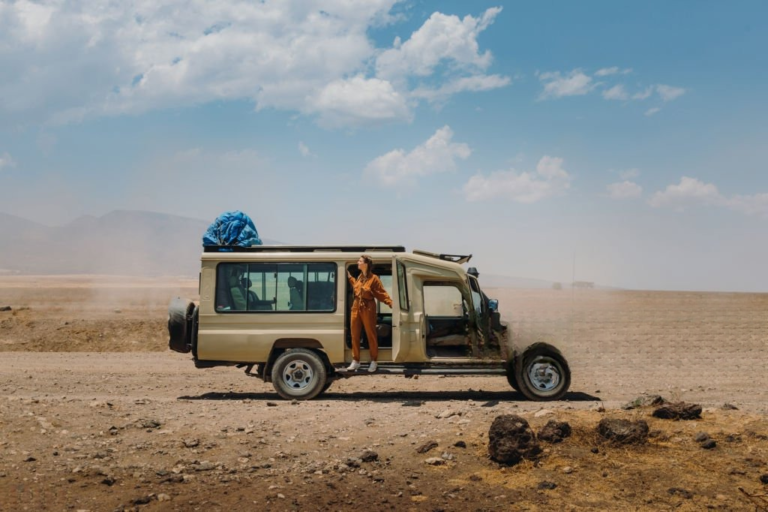
What Is Included In A Ngorongoro Crater Safari Package? 2026-2027
What Is Included in a Ngorongoro Crater Safari Package? is explained with current 2026-2027 planning, price, itinerary and booking information.
View package details
Ngorongoro Crater Safari Packages With Luxury Lodge Accommodation 2026-2027
Ngorongoro Crater Safari Packages with Luxury Lodge Accommodation is explained with current 2026-2027 planning, price, itinerary and booking information.
View package details
Best 2 Day Ngorongoro Crater And Tarangire Safari Packages 2026-2027
Best 2 Day Ngorongoro Crater and Tarangire Safari Packages is explained with current 2026-2027 planning, price, itinerary and booking information.
View package details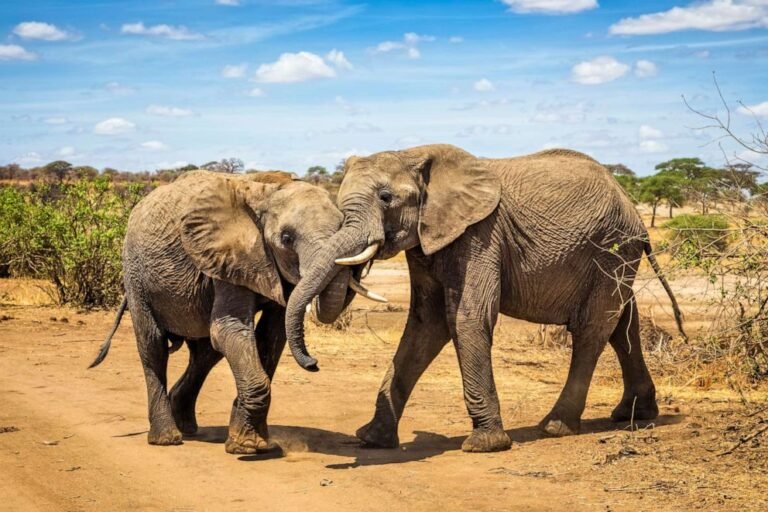
Can I Visit Ngorongoro Crater On A One Day Safari From Arusha? 2026-2027
Can I Visit Ngorongoro Crater on a One Day Safari from Arusha? is explained with current 2026-2027 planning, price, itinerary and booking information.
View package detailsNo closely related package is available yet for this topic.

Our Guest Reviews, Currently Feedback from Clients in 2026
Reviews from different sources, including Google Business, Tripadvisor, other platforms, and social media.



