
Tanzania wildlife safari packages with Big Five game drives combine dedicated multi-day 4×4 game tracks across the northern conservation corridor—specifically Serengeti National Park, Ngorongoro Crater, and Tarangire National Park—to maximize chances of encountering lion, leopard, African bush elephant, Cape buffalo, and black rhinoceros in their natural habitats. For 2026-2027, comprehensive packages typically range from $250 to $450 per person per day for mid-range lodge safaris, $180 to $240 per day for budget camping itineraries, and $600 to over $1,200 per day for luxury tented expeditions, largely determined by accommodation standard, group configuration, and park entry fees. Securing all five animals requires a minimum of 4 to 6 days on the ground to balance the long transit between Arusha or Moshi, the central Seronera valleys, and the steep descent down the Ngorongoro caldera rim.
The Architecture of a Tanzania Big Five Safari: Circuits, Mechanics, and Realities
Planning a successful Big Five itinerary across Tanzania requires an unvarnished understanding of geography, conservation rules, and animal ecology. The phrase “Big Five”—originally coined by 19th-century big-game hunters to describe the five most dangerous African mammals to track on foot: lion, leopard, African bush elephant, Cape buffalo, and the critically endangered black rhino—now represents the pinnacle of photographic wildlife travel. However, these animals do not graze in a single consolidated enclosure. They are dispersed across distinct ecosystems with divergent terrain, predatory behaviors, and vegetation covers.
To encounter all five in a single journey, your itinerary must traverse the Northern Safari Circuit. While southern destinations like Nyerere National Park (formerly Selous) and Ruaha boast massive buffalo herds, formidable prides of lions, and expanding elephant populations, free-ranging black rhinos are exceptionally difficult to spot there due to expansive woodlands and smaller, heavily shielded sub-populations. The Northern Circuit links several globally significant wildlife strongholds within driving distance of Kilimanjaro International Airport (JIA), Moshi, and Arusha:
- Tarangire National Park: Renowned for hosting the highest concentration of African bush elephants per square kilometer in northern Tanzania, alongside massive Cape buffalo herds that gather around the Tarangire River basin during dry spells.
- Lake Manyara National Park: Known for alkaline lake shallows, dense groundwater forests harboring baboons, elephants, and leopards, and its historical fame for tree-climbing lions.
- Ngorongoro Conservation Area & Crater: A 260-square-kilometer unbroken, intact volcanic caldera featuring an isolated ecosystem where an estimated 30,000 large mammals reside, providing the most dependable black rhino viewing opportunity in East Africa.
- Serengeti National Park: Spanning nearly 15,000 square kilometers, this ecosystem sustains healthy populations of apex predators—notably lions and leopards—patrolling riverine forests such as Seronera and expansive open plains.
For visitors organizing itineraries for the 2026-2027 seasons, the mechanical reality of these routes matters just as much as wildlife numbers. Travel between these reserves takes place in custom-built 4×4 Toyota Land Cruisers fitted with heavy-duty suspension, dual spare tires, pop-up viewing roofs, internal charging stations, and extended fuel tanks. Understanding drive times, road friction, and conservation entry restrictions ensures you spend your daylight hours scanning thorn thickets for tail flicks rather than being stuck at an administrative transit checkpoint.
Practical Transit Note: The drive from Arusha to the entrance gate of the Serengeti covers approximately 325 kilometers. While the first leg to Ngorongoro gate is paved tarmac, the route through the Ngorongoro highlands down into the Serengeti plains is a corrugated gravel and volcanic dust track. A realistic itinerary treats travel days between parks as dynamic game drives rather than hurried transport transfers.
Locating the Big Five: Species-Specific Habitats Across Northern Tanzania
A frequent error among first-time safari travelers is assuming that every park contains equal chances for each animal. In reality, each species occupies a well-defined niche, and your game drives must be timed and positioned around their specific patterns.
1. African Bush Elephant (Loxodonta africana)
Elephants are widespread throughout northern Tanzania, but Tarangire National Park is their uncontested kingdom. During the dry season (June to October), family herds coalesce along the Tarangire River bed, digging through sandy dry channels to tap clean underground water. It is not uncommon to see multiple matriarch-led herds numbering 40 to 60 individuals drinking within several hundred meters of your safari vehicle.
In the central Serengeti, bachelor herds and family units move quietly through umbrella acacia groves (Vachellia tortilis), while Ngorongoro Crater hosts older, mature bulls carrying heavy ivory. Because of the mineral-rich browse and defensive advantages inside the caldera, these giant bulls live out their senior years grazing swampy fringes near Lake Magadi and the Lerai Forest.
2. Cape Buffalo (Syncerus caffer)
Of the five, Cape buffalo are the most numerous across the northern circuit, yet they require cautious navigation. Buffalo are temperamental, powerful herd animals that form protective defensive rings when threatened by predators. You will encounter herds numbering hundreds of individuals across the floor of the Ngorongoro Crater, where fresh green grasses flourish year-round, as well as along the swamp zones of central and northern Serengeti.
Old solitary bulls—often referred to by local guides as “dagga boys”—have aged out of breeding herds and spend their days submerged in mud wallows along riverbanks to cool down and clear their thick hides of parasites. These individuals can be aggressive, making vehicle discipline essential when parked nearby.
3. Lion (Panthera leo)
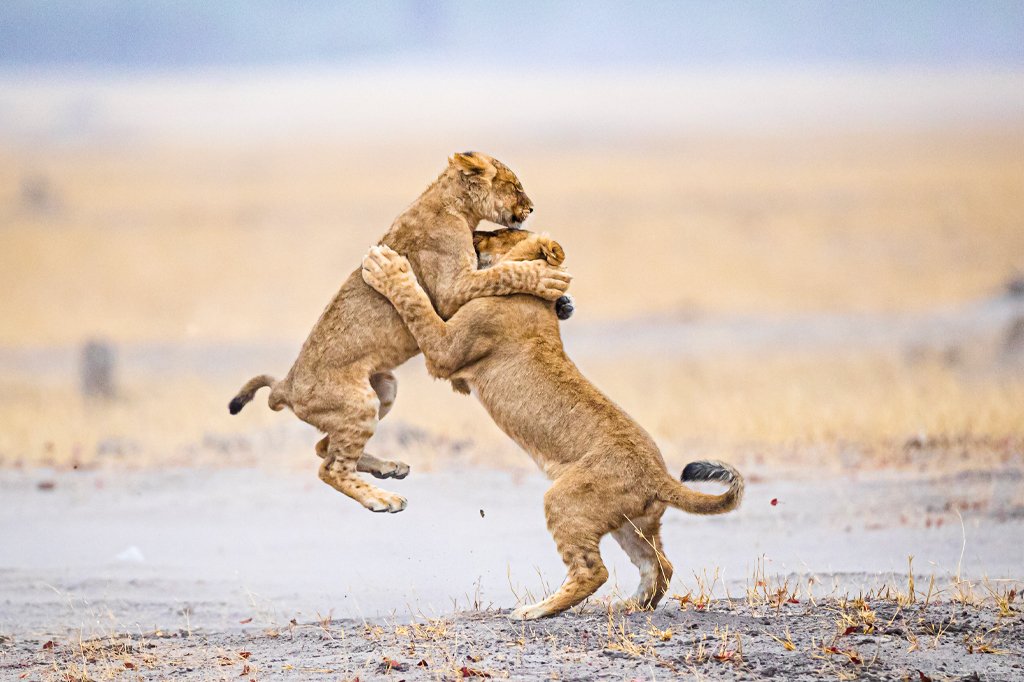
Tanzania supports roughly one-third of Africa’s remaining wild lion population. The rocky granite outcrops (kopjes) of the central and southern Serengeti—such as Maasai Kopjes, Simba Kopjes, and Moru Kopjes—serve as critical tactical hubs for lion prides. The elevated granite boulders provide shade, rain-pool drinking water, and lookout points over migratory zebra and wildebeest herds moving across short-grass plains.
In Ngorongoro Crater, the lion population represents one of the densest predator concentrations in Africa. Because the caldera walls contain the resident game, these prides rarely migrate. Visitors regularly observe prides stalking warthogs, waterbuck, and zebras across open daylight hours, often utilizing parked Land Cruisers as mobile windbreaks or shade during midday heat.
4. African Leopard (Panthera pardus pardus)
The most elusive and solitary member of the Big Five, the leopard is an ambush predator that thrives in broken woodlands and river valleys. Central Serengeti’s Seronera River Valley is globally recognized as one of the best locations to spot wild leopards. The dense canopy of yellow-barked fever trees (Vachellia xanthophloea) and sausage trees (Kigelia africana) provides ideal resting branches where leopards hoist their kills to keep them away from spotted hyenas and lion prides.
Spotting a leopard requires an experienced field guide with sharp eyes for subtle markers: the rhythmic sway of a white-tipped tail dangling from an acacia branch, frantic alarm calls from vervet monkeys, or the startled snort of an impala. Early morning and late afternoon game drives along the Seronera river circuits offer the highest encounter probability.
5. Eastern Black Rhinoceros (Diceros bicornis michaeli)
The black rhino is the most critically endangered species on the circuit, demanding focused planning. Unlike southern white rhinos, black rhinos are solitary, specialized browsers with hooked upper lips designed for stripping woody shrubs, making them naturally prone to hiding in dense brush.
Your primary venue for encountering black rhinos on a standard northern safari package is the floor of the Ngorongoro Crater. Because the crater floor is guarded 24/7 by dedicated ranger units from the Ngorongoro Conservation Area Authority (NCAA), the resident population has steadily stabilized. Sightings frequently occur across the open saline scrub plains between the Lerai Forest and the Gorigor Swamp. Visitors should keep their binoculars handy: park rules strictly prohibit off-road driving inside the crater, so rhinos browsing several hundred meters from the track must be viewed from the vehicle using high-quality optics.
Realistic Checklist for Seeing All Five:
- Allow at least 2 nights in the Central Serengeti to thoroughly cover the Seronera, Retima, and surrounding kopjes for leopards and lions.
- Include an early-morning Ngorongoro Crater floor drive: The gate opens at 06:00 AM; descending early avoids mid-morning dust and catches black rhinos active before they seek shade in deep scrub.
- Dedicate a full dry-season day to Tarangire between July and October to observe large elephant family interactions and massive buffalo aggregations along the riverbank.
- Equip yourself with 8×42 or 10×42 binoculars: While lions and elephants often approach vehicles, black rhinos and tree-resting leopards are frequently spotted at 100 to 300 meters.
2026-2027 Safari Package Pricing: Park Fees, Vehicles, and Tiers
Budgeting for a Tanzania wildlife safari focused on Big Five game drives requires a transparent look at mandatory conservation overheads. Many travelers wonder how much a Tanzania safari costs per person. The underlying driver is that Tanzania’s premier northern reserves operate under strict conservation fees designed to limit overcrowding and fund anti-poaching operations.
Check Availability for Tanzania Wildlife Safari Packages With Big Five Game Drives 2026-2027
Ready to compare dates, prices, and the best option for your group? Send the package name and travel month so the team can reply with a clear quote, availability, and what is included.

Tanzania Wildlife Safari Holidays With Professional English Speaking Guides
Tanzania Wildlife Safari Holidays with Professional English Speaking Guides is explained with current 2026-2027 planning, price, itinerary and booking.
View package details
Affordable Tanzania Wildlife Safari Holidays For Small Groups 2026-2027
Affordable Tanzania Wildlife Safari Holidays for Small Groups is explained with current 2026-2027 planning, price, itinerary and booking information.
View package details
Best Tanzania Safari Packages For Wildlife And Cultural Experiences 2026-2027
Best Tanzania Safari Packages for Wildlife and Cultural Experiences is explained with current 2026-2027 planning, price, itinerary and booking information.
View package details
Best Tanzania Safari Tours With Custom Travel Itineraries 2026-2027
Best Tanzania Safari Tours with Custom Travel Itineraries is explained with current 2026-2027 planning, price, itinerary and booking information.
View package details
Tanzania Safari Packages Including Serengeti Tarangire And Ngorongoro
Tanzania Safari Packages Including Serengeti Tarangire and Ngorongoro is explained with current 2026-2027 planning, price, itinerary and booking information.
View package details
Best Tanzania Safari Tour Packages For International Travelers ( Planning
A comprehensive comparison of the best Tanzania safari tour packages for international travelers heading to East Africa in 2026-2027, covering logistics, package types, realistic budgets...
View package detailsBest Tanzania Safari Packages For And 2028 2026-2027
Best Tanzania Safari Packages for 2027 and 2028 is explained with current 2026-2027 planning, price, itinerary and booking information.
View package detailsTanzania Safari Group Joining Departures In February 2026-2027
Tanzania Safari Group Joining Departures in February 2027 is explained with current 2026-2027 planning, price, itinerary and booking information.
View package details
Tanzania Safari Tours For Solo Travelers In December 2026-2027
Tanzania Safari Tours for Solo Travelers in December 2026 is explained with current 2026-2027 planning, price, itinerary and booking information.
View package details
How Do I Join A Tanzania Safari Group From Arusha? 2026-2027
How Do I Join a Tanzania Safari Group from Arusha? is explained with current 2026-2027 planning, price, itinerary and booking information.
View package details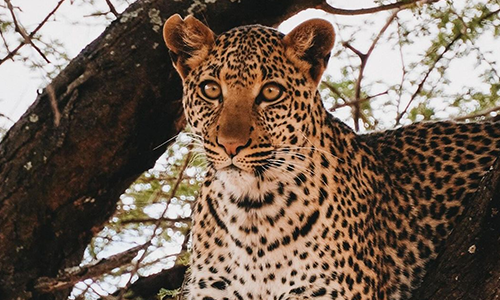
Can I Do A Tanzania Safari For Under $1,500 Per Person? 2026-2027
Can I Do a Tanzania Safari for Under $1,500 Per Person? is explained with current 2026-2027 planning, price, itinerary and booking information.
View package details
Tanzania Safari Cost Breakdown Including Park Fees And Accommodation 2026-2027
Tanzania Safari Cost Breakdown Including Park Fees and Accommodation is explained with current 2026-2027 planning, price, itinerary and booking information.
View package detailsNo closely related package is available yet for this topic.

Our Guest Reviews, Currently Feedback from Clients in 2026
Reviews from different sources, including Google Business, Tripadvisor, other platforms, and social media.



