
The best Ngorongoro Crater safari for families with young children is a private 2-to-3-day itinerary centered on a dedicated 4×4 Land Cruiser, based out of a family-friendly garden lodge in nearby Karatu rather than an unfenced rim camp, featuring a single, well-timed 5-to-6-hour morning crater floor descent. Because Ngorongoro concentrates over 25,000 large mammals within an accessible 260-square-kilometer caldera, children aged 2 to 9 encounter lions, elephants, zebras, and black rhinos within minutes of descent without enduring hours of empty bush tracking. For travel in 2026-2027, realistic family safari pricing runs between $450 and $750 per adult per day and $220 to $380 per child per day for mid-range lodge packages, with the defining decision coming down to choosing warm, fenced, low-altitude accommodations over cold, steep, high-altitude rim properties.
Why Ngorongoro Crater Suits Young Children (and What Can Go Wrong)
Taking kids under the age of ten on an African wildlife expedition comes with legitimate parental hesitation. Long transit days, dust, rough corrugated gravel, and hours of fruitless animal searches can push children into overstimulated meltdowns. Within Northern Tanzania, the Ngorongoro Conservation Area stands out as the most forgiving ecosystem for children because the crater floor functions as a natural amphitheater of immediate wildlife reward.
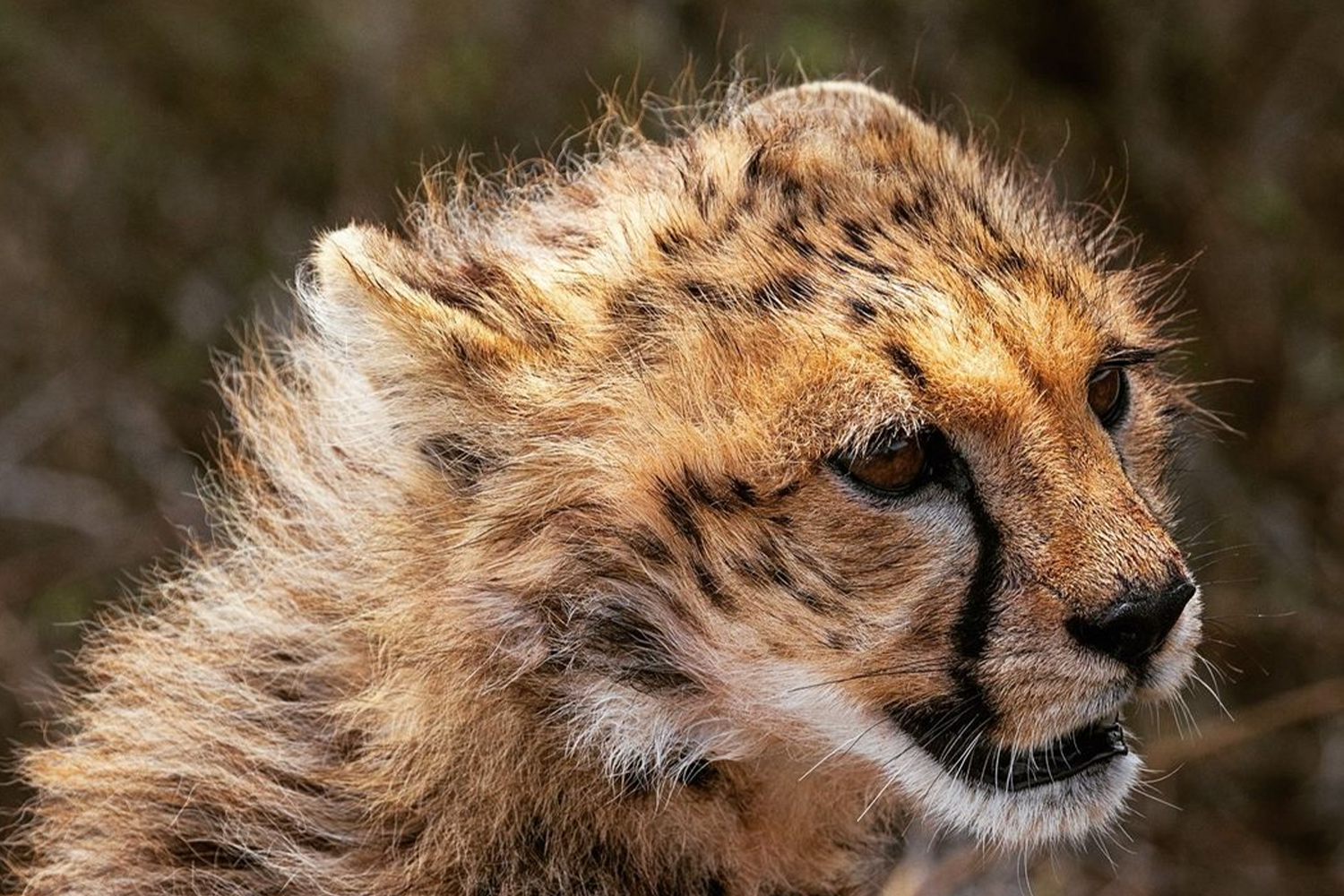
Unlike vast wilderness areas like the central Serengeti or Ruaha, where finding predators requires tracking across dozens of square kilometers of thick bush, the crater floor delivers dense animal sightings within twenty minutes of completing the Seneto descent road. A child with a short attention span does not need to wait three hours to spot a grazing herd; hundreds of blue wildebeest, common zebras, and Thomson’s gazelles graze right alongside the vehicle tracks on open short-grass plains. Black rhinos roam across the central plains, large elephant bulls wander into Lerai Forest, and lion prides sleep directly in the tire tracks or shaded beneath yellow-barked acacia trees.
However, the exact qualities that make Ngorongoro exciting for adults can create serious friction points for parents traveling with young children if expectations are not managed:
- Absolute vehicle confinement: By regulation set by the Ngorongoro Conservation Area Authority (NCAA), visitors cannot step out of the safari vehicle anywhere on the crater floor except at designated picnic spots like Ngoitokitok Springs. A four-year-old cannot stretch their legs, run, or climb an acacia tree when restless.
- The descent road physical impact: The rim sits at roughly 2,300 meters (7,500 feet) above sea level, while the floor sits at 1,700 meters (5,500 feet). The drop of 600 vertical meters occurs over narrow, unpaved, winding stone tracks. Children prone to car sickness or sensitive to ear-popping pressure changes will struggle on this 45-minute descent if unprepared.
- Microclimate shocks: The caldera rim can be freezing, foggy, and damp at 6:00 AM (often dropping below 10°C / 50°F), while the crater floor by midday can turn dry, sunny, and dusty with temperatures climbing toward 28°C (82°F). Dressing young children in easily peeled layers is essential.
Understanding these constraints allows parents to design an itinerary around their child’s biology rather than forcing an adult endurance schedule onto a five-year-old. For dedicated itineraries built around these family needs, reviewing specialized Tanzania family safari packages provides a clear baseline for pacing.
Lodge Location Showdown: Crater Rim Lodges vs. Karatu Foothill Lodges
The single most consequential booking decision a parent makes for an Ngorongoro safari is where to sleep. Marketing materials routinely emphasize staying directly on the crater rim for spectacular sunrise views over the caldera. For adult couples, that setting is undeniable. For parents managing four-year-olds and seven-year-olds, rim properties introduce practical drawbacks that often turn a dream holiday into an exhausting chore.
The alternative is basing the family in Karatu, a leafy agricultural town situated in the outer highlands just a 20-to-30-minute drive outside the Loduare Gate of the Ngorongoro Conservation Area. Evaluating the trade-offs between these two hubs clarifies why local specialists frequently direct young families toward Karatu for 2026-2027 bookings.
Key Comparison Factors for Families with Children Under 10
- Altitude and Room Temperatures: Rim lodges sit above 2,200 meters. Nights are cold, winds are sharp, and many properties rely on hot water bottles or wood stoves to warm rooms. Children who kick off blankets wake up shivering. Karatu rests lower at 1,500 meters, offering mild evening temperatures, calm garden settings, and warmer air.
- Grounds, Movement, and Safety: Most crater rim lodges are unfenced or semi-open to wildlife corridors. Cape buffaloes, hyenas, and baboons routinely walk through camp paths, meaning children can never walk anywhere unescorted by an armed ranger or staff member. Karatu lodges are typically fenced, gated working farm estates with sprawling lawns where children can run, kick a ball, and unwind after sitting in a vehicle.
- Swimming Pools: When a game drive ends at 1:30 PM, young kids need physical release. Swimming pools on the rim are either non-existent or unheated and freezing due to mountain air. In Karatu, almost every family lodge maintains a sunlit swimming pool where children burn off energy before dinner.
- Gate Logistics and Drive Times: Staying on the rim cuts 30 minutes off your morning gate commute. Staying in Karatu adds roughly 35 to 45 minutes of transit from lodge to the rim descent gate, but the trade-off in child comfort, warmth, and sleep quality overwhelmingly favors Karatu.
| Feature | Crater Rim Lodges | Karatu Foothill Lodges | Winner for Young Families |
|---|---|---|---|
| Night Temperature | Cold (8–12°C), damp, windy; frequent fog | Pleasant (16–20°C); warm evenings | Karatu (fewer sleep interruptions) |
| Child Safety & Grounds | Unfenced; steep drop-offs; wild animals in camp | Fenced estates; flat lawns; secure perimeters | Karatu (parents can actually relax) |
| Kid Facilities | Quiet lounges, viewing decks, quiet adult spaces | Pools, farm tours, vegetable gardens, playground lawns | Karatu (post-safari decompression) |
| Descent Morning Transit | 5 to 20 minutes to Seneto descent gate | 45 to 60 minutes to Seneto descent gate | Crater Rim (shorter pre-dawn drive) |
| Typical 2026-2027 Cost | $600 – $1,800+ per room/night | $280 – $650 per family cottage/night | Karatu (superior family value) |
Parents interested in checking specific properties on the caldera lip can evaluate the logistical mechanics in our breakdown on whether to stay at a lodge on the Ngorongoro crater rim. Unless your children are seasoned mountain travelers who handle cold nights and quiet luxury dining rooms without fuss, choose a Karatu cottage property such as Farm House Valley, Marera Valley Lodge, or Country Lodge.
Private 4×4 Land Cruiser vs. Group-Joining: Why Privacy is Mandatory with Under-10s
On standard adult safaris, budget travelers frequently book group-joining tours to split vehicle costs among four to six strangers. For families with children under age ten, joining a scheduled group departures safari is nearly always an operational mistake. In a shared group, every passenger has an equal vote over drive duration, stop frequency, and silence rules.
Young children operate on volatile physical cycles. A child may suddenly develop severe motion sickness descending the crater wall, experience an urgent bathroom emergency midway between official picnic spots, or suffer an emotional breakdown after missing an afternoon nap. In a group-joining safari, your guide cannot turn the vehicle back to the lodge to rescue your child without ruining the paid experience of the other travelers sharing the car.
A private 4×4 Land Cruiser with a dedicated guide alters the entire family dynamic:
1. Complete Command of the Vehicle Schedule: If your four-year-old falls into a deep sleep at 11:00 AM, your private guide can pull under a shaded acacia near the Lerai picnic ground, shut off the diesel engine, and let the child rest while you watch crowned cranes and zebras outside your window. If the children are exhausted by 1:00 PM, you leave the crater floor without negotiating with anyone.
2. Child-Centric Guiding Dynamics: A professional private safari guide assigned to a family shifts communication styles immediately. Instead of delivering academic lectures on geological faulting, a family-trained guide engages children through simple storytelling, interactive animal tracking games, identifying dung types, and scanning the grassy plains for baby warthogs (“pumbas”). The guide becomes a mentor rather than a driver.
Check Availability for Best Ngorongoro Crater Safari For Families With Young Children 2026-2027
Ready to compare dates, prices, and the best option for your group? Send the package name and travel month so the team can reply with a clear quote, availability, and what is included.

7 Day Tanzania Great Migration Safari With Ngorongoro Crater 2026-2027
7 Day Tanzania Great Migration Safari with Ngorongoro Crater is explained with current 2026-2027 planning, price, itinerary and booking information.
View package details
Best Ngorongoro Crater Safari Tours With 6 Am Game Drive 2026-2027
Best Ngorongoro Crater Safari Tours with 6 AM Game Drive is explained with current 2026-2027 planning, price, itinerary and booking information.
View package details
Is Ngorongoro Crater Better Than Serengeti For A Short Safari? 2026-2027
Is Ngorongoro Crater Better Than Serengeti for a Short Safari? is explained with current 2026-2027 planning, price, itinerary and booking information.
View package details3 Day Ndutu And Ngorongoro Crater Safari From Arusha 2026-2027
3 Day Ndutu and Ngorongoro Crater Safari from Arusha is explained with current 2026-2027 planning, price, itinerary and booking information.
View package details
Best Ngorongoro Crater Safari Packages From Moshi 2026-2027
Best Ngorongoro Crater Safari Packages from Moshi is explained with current 2026-2027 planning, price, itinerary and booking information.
View package details
Ngorongoro Crater And Lake Manyara Safari With Overnight Lodge 2026-2027
Ngorongoro Crater and Lake Manyara Safari with Overnight Lodge is explained with current 2026-2027 planning, price, itinerary and booking information.
View package details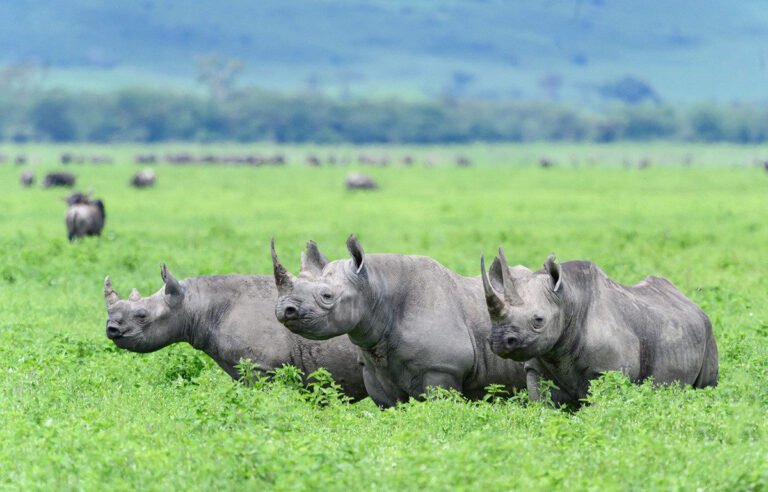
Ngorongoro Crater Safari With Private 4X4 Land Cruiser 2026-2027
Ngorongoro Crater Safari with Private 4x4 Land Cruiser is explained with current 2026-2027 planning, price, itinerary and booking information.
View package details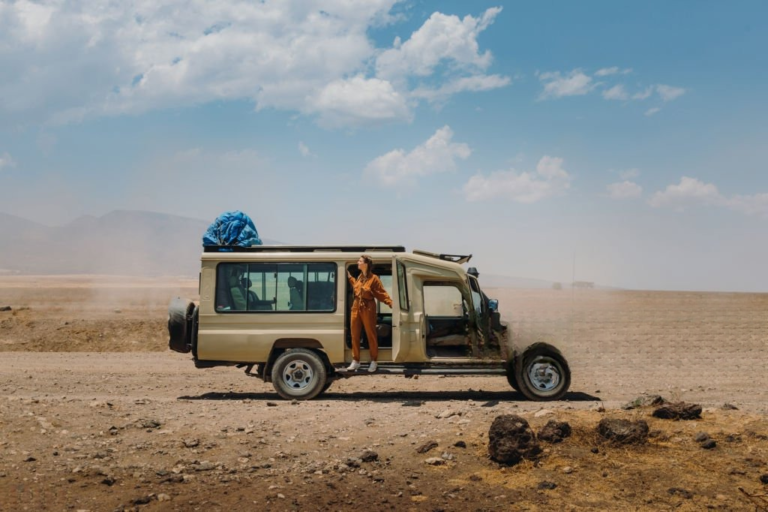
What Is Included In A Ngorongoro Crater Safari Package? 2026-2027
What Is Included in a Ngorongoro Crater Safari Package? is explained with current 2026-2027 planning, price, itinerary and booking information.
View package details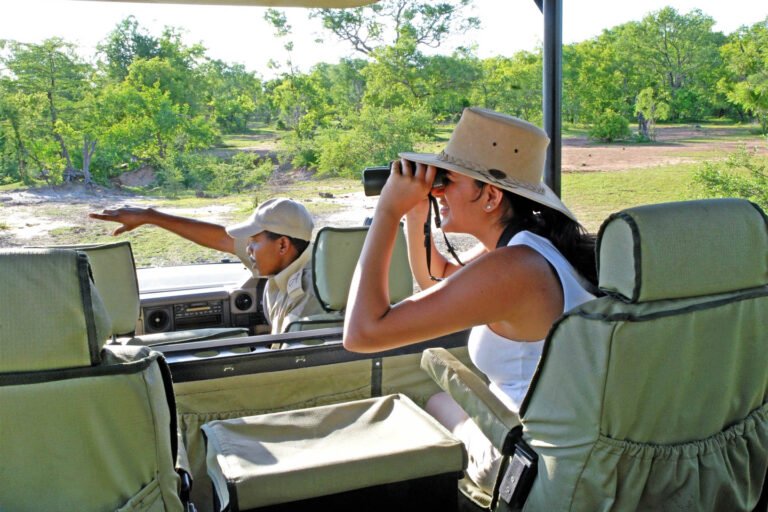
Ngorongoro Crater Safari Packages With Luxury Lodge Accommodation 2026-2027
Ngorongoro Crater Safari Packages with Luxury Lodge Accommodation is explained with current 2026-2027 planning, price, itinerary and booking information.
View package details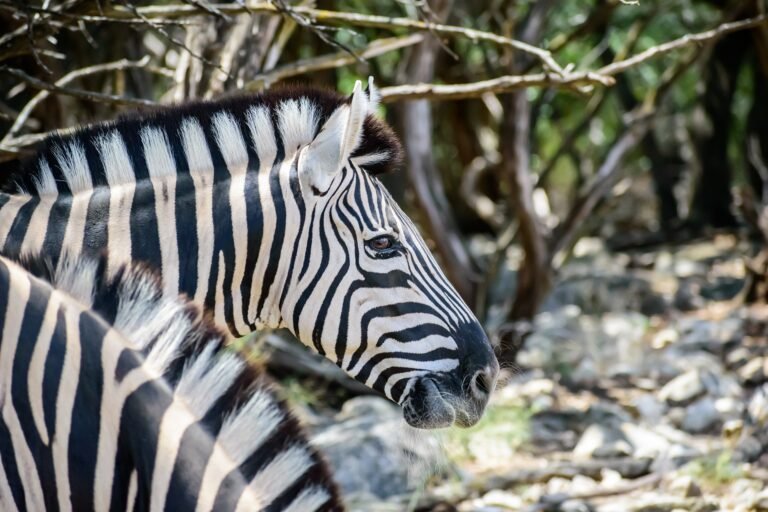
Best 2 Day Ngorongoro Crater And Tarangire Safari Packages 2026-2027
Best 2 Day Ngorongoro Crater and Tarangire Safari Packages is explained with current 2026-2027 planning, price, itinerary and booking information.
View package details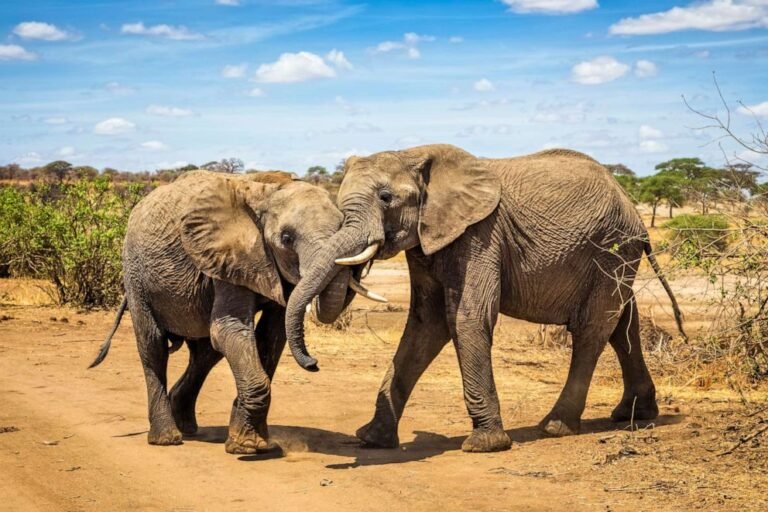
Can I Visit Ngorongoro Crater On A One Day Safari From Arusha? 2026-2027
Can I Visit Ngorongoro Crater on a One Day Safari from Arusha? is explained with current 2026-2027 planning, price, itinerary and booking information.
View package details
How Much Does A Ngorongoro Crater Safari Cost In ? 2026-2027
How Much Does a Ngorongoro Crater Safari Cost in 2027? is explained with current 2026-2027 planning, price, itinerary and booking information.
View package detailsNo closely related package is available yet for this topic.

Our Guest Reviews, Currently Feedback from Clients in 2026
Reviews from different sources, including Google Business, Tripadvisor, other platforms, and social media.



