
The best time to visit Tarangire National Park for elephant sightings is during the dry season from July through late October, with the absolute peak occurring between August and October. During this window, up to 3,000 to 4,000 elephants migrate back into the park from the surrounding Maasai Steppe because the perennial Tarangire River and the filtering sponge of the Silale Swamps provide the only reliable drinking water and green forage for over 20,000 square kilometers. Daily private and group safaris starting from Arusha or Moshi typically cover Tarangire in 1 to 2 days, with peak dry-season game viewing delivering continuous encounters with elephant matriarchal families, nursing calves, and mud-bathing bachelor bulls right along primary circuit roads.
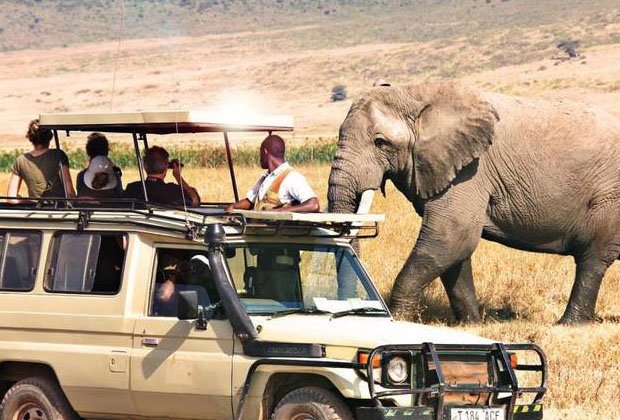
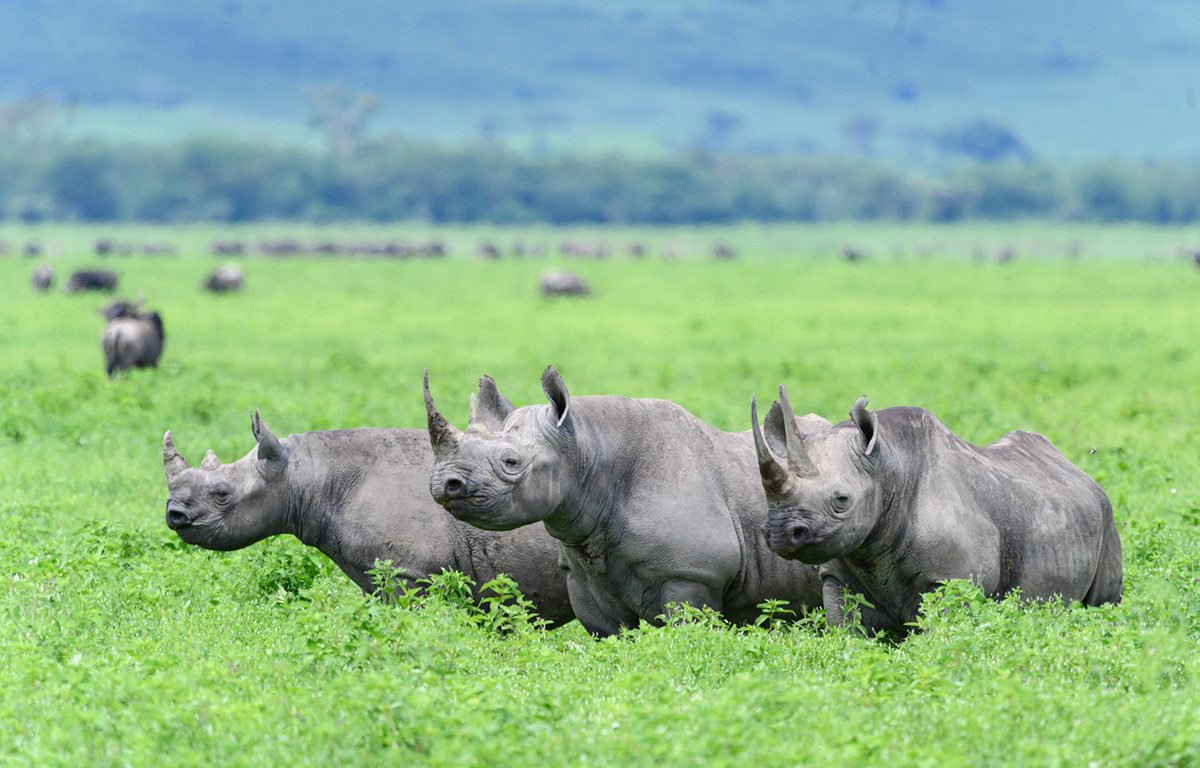
Tarangire National Park holds one of the highest concentrations of African savannah elephants (Loxodonta africana) on the continent. However, seeing them in large family gatherings of thirty to several hundred individuals is entirely a matter of timing and hydrology. If you arrive when water is abundant throughout northern Tanzania, the park can feel strangely quiet; if you arrive when the surrounding bush has dried to dust, you will witness wildlife gatherings that rival the best documentary footage on earth.
For travelers planning itineraries for 2026 and 2027, understanding the seasonal mechanics of the Tarangire River basin prevents expensive itinerary timing errors. This guide details the ecological dynamics of elephant migration, seasonal shifts across the park\’s distinct habitat zones, and the operational trade-offs of booking during peak dry weeks versus shoulder periods.
Tarangire Elephant Viewing Seasons at a Glance (2026–2027 Planning)
| Season / Window | Months | Elephant Concentration | Dominant Locations | Vehicle Density | Daily Safari Cost Index (Mid-Range) |
|---|---|---|---|---|---|
| Peak Dry Season | August – October | Extreme (hundreds per game drive) | Tarangire River bed, Silale Swamps | High (busy river crossings) | $350 – $650 per person |
| Early Dry Transition | June – July | Moderate to High (building weekly) | Northern circuits, entering river valley | Moderate | $320 – $580 per person |
| Short Rains Transition | November | Unpredictable (depends on rain start) | Silale basin moving outward east | Moderate to Low | $290 – $500 per person |
| Green Season / Wet | December – May | Dispersed (small resident clans) | South scrubland, outside park borders | Very Low (peaceful tracks) | $250 – $450 per person |
The Hydrological Engine: Why Tarangire\’s Elephant Herds Move With the Seasons
You cannot understand Tarangire\’s elephant population without understanding the larger Tarangire-Manyara ecosystem, an open ecological boundary system spanning roughly 35,000 square kilometers. The gazetted national park itself covers roughly 2,850 square kilometers—a fraction of the territory that wildlife uses during the year.
Unlike closed-caldera systems such as the Ngorongoro Crater where wildlife is largely resident, Tarangire is defined by dynamic seasonal dispersal. When the long rains fall from March to May, temporary rain pools, pans, and lush green pastures emerge across the arid Maasai Steppe to the east and south, as well as the Simanjiro Plains. Elephants dislike competition, biting insects, and mud-choked terrain, so herds disperse into these communal lands where mineral-rich vegetation and isolated pans allow them to feed undisturbed.
As surface pans evaporate in June, the soil hardens, and ephemeral creeks run dry, the elephant population is forced back into the river valley. The Tarangire River cuts vertically through the park, serving as the sole permanent source of freshwater for resident and migratory herbivores alike. Concurrently, the sprawling Silale Swamp acts as a natural hydrological sponge, storing run-off from the highland escarpments and slowly releasing moisture across hundreds of hectares of reedbeds, sedges, and shallow pools.
By the time late August arrives in 2026 or 2027, the park\’s elephant density skyrockets from a quiet resident baseline of several hundred to a concentrated surge exceeding 3,500 animals. Matriarchs remember the traditional routes, leading multi-generational clans back to the sandy river bends where their ancestors excavated mineral water wells. If your primary safari objective is to see large breeding groups, tender newborn calves protected by protective aunties, and large tuskers battling along gravel bars, your safari calendar must match this hydrological calendar.
Many travelers ask: Can I see large elephant herds in Tarangire National Park outside these dry months? Yes, resident clans remain year-round, but finding groups numbering 40 to 80 individuals interacting within a single camera frame requires the dry river corridors between July and October.
Month-by-Month Guide to Tarangire Elephant Viewing
Planning a safari for 2026-2027 requires balancing wildlife activity against tourist numbers, dust conditions, and park fees. Here is how elephant sightings shift month by month across the calendar:
January to February: Green Bush and Resident Families
Following the short rains of November and December, the park is lush, green, and vibrant. Elephants are widely dispersed throughout the central and southern acacia woodland. Sighting elephants requires active tracking by your safari guide, as family groups scatter across vast tracts of umbrella thorn trees. While you will not see mass river gatherings, resident herds of 10 to 20 individuals graze unhurriedly against vibrant green backdrops, accompanied by vibrant migratory birdlife. Vehicle numbers on the main tracks are minimal.
March to May: The Long Wet Season Dispersal
March, April, and May bring the heaviest precipitation. The Tarangire River runs high and brown, and access roads through the southern sector and Silale floodwaters can become challenging to navigate without recovery gear. Elephants leave the core tourist circuits entirely, roaming outside the park boundaries into the Simanjiro Plains where seasonal vegetation flourishes. If you take a day trip or short safari during these months, you will encounter lone bull elephants, small family units, and lush scenery, but you will miss the dense herd spectacles Tarangire is famous for.
June: The Onset of the Dry Transition
By mid-June, rainfall ceases entirely across the northern circuit. The bush begins to turn from brilliant emerald to dull gold. Ephemeral water sources outside the park begin to vanish, prompting the first migratory herds to turn back toward Tarangire\’s protected boundaries. June is an exceptional shoulder month: temperatures are comfortable, dust is low, lodges are not yet at full capacity, and elephant numbers along the riverbanks rise noticeably every week.
July: The Gathering Begins in Earnest
July marks the official start of peak elephant viewing. Grass heights diminish, thinning out the undergrowth and dramatically improving visibility. Family units begin congregating in the northern river loop and around Kuro airstrip. Clashes between adolescent bulls become frequent as herds cross paths, and visitors will observe matriarchs digging with their forelegs into the soft, dry sand of river channels to expose clean, filtered drinking water beneath the surface.
August to September: The Unquestioned Peak Density
These two months offer the most reliable, dramatic elephant sightings in East Africa. The surrounding landscape has dried to pale chalk and brittle thornbush, leaving the Tarangire River bed and the core Silale Swamp as the epicenter of life. It is routine to witness multiple family units converging at the same drinking pools simultaneously. Groups of 50 to 100 elephants marching across open vistas, dust-bathing under ancient baobabs, and protecting fragile calves from lurking lion prides are daily occurrences along the primary northern circuits.
October: High Stakes and Dramatic Action
October is the hottest, driest month of the dry season. The environment is parched, dusty, and dramatic. Elephants are under pressure to obtain adequate forage, tearing into tough wild grasses, stripping bark from giant baobabs, and feeding deeply in the mucky mud of the Silale Swamp. Herd interactions are energetic, tuskers engage in territorial dominance displays, and carnivore-herbivore confrontations escalate near the shrinking water reservoirs. If you want high-energy wildlife action and do not mind heat and dry dust, October is unmatched.
November: The Short Rain Gamble
November is characterized by climatic suspense. When the short rains break, often around mid-month, the transformation is immediate. If the rains arrive early, the large elephant gatherings dissolve within 48 to 72 hours, with herds fanning out into the eastern wilderness. If the rains are delayed until late November, the spectacular dry season river gatherings persist. Rates drop to shoulder levels, making November an attractive budget choice for travelers willing to accept weather variability.
December: Post-Rain Regreening
By December, the short rains have refreshed the landscape. Fresh shoots appear, the dust settles, and elephants move throughout the woodlands. While you will still encounter elephant families daily, the dense concentrations along the riverbanks have ended for the year.
July to October: The Peak River Gathering and Mud-Bathing Dynamics
Choosing July, August, September, or October for your visit places you right in the center of Tarangire\’s legendary wildlife theatre. The dry season concentrates animal populations in a way that green season safaris cannot replicate. To plan effectively, travelers must understand what actually happens on the ground during this period.
The Sand-Digging Phenomenon in the Tarangire River Bed
As the above-ground flow of the Tarangire River slows down and exposes stretches of dry, sandy riverbed, elephants exhibit advanced problem-solving behavior. Stagnant surface pools can contain high bacterial loads and animal waste from grazing plains game like zebras and wildebeests. Elephants prefer clean, filtered water.
You will watch adult females use their trunks, tusks, and broad feet to scoop deep hollows into the river sand until clear sub-surface groundwater seeps upward. Once the hole fills, the matriarch drinks, followed by younger calves who are carefully guarded by elder sisters and aunties. Once the elephant herd steps away, baboons, warthogs, and birds quickly take over these hand-dug wells, making elephants the vital ecological engineers of the park.
Silale Swamp Mud Baths and Thermoregulation
Midday temperatures in August and September frequently reach 28°C to 30°C (82°F to 86°F). Elephants have no sweat glands and rely heavily on their broad, highly vascularized ears and mud baths to regulate body temperature. The Silale Swamps become a daily midday staging ground.
Dozens of elephants submerge themselves up to their bellies in rich, mineral-heavy mud. This is not purely recreational: the thick coating of silt protects their sensitive skin from sun scorching and acts as a natural parasite repellent against ticks and biting tsetse flies. Watching a line of fifty slate-grey elephants emerge from the marshland glistening with deep black mud, silhouetted against gold swamp grasses, is one of the definitive photographic scenes in Tanzania.
Essential Tips for Peak Dry Season Elephant Photography (2026-2027)
- Opt for morning and late afternoon river loops: Midday light on dry sand causes harsh white glare; aim for golden hour (7:00 AM – 9:00 AM and 4:00 PM – 6:00 PM) for deep contrast against elephant hides.
- Equip your camera with a dust blower and sealing sleeve: The volcanic fine silt in Tarangire during August and September penetrates zippers and unsealed lens mounts quickly.
- Carry a versatile 70-200mm or 100-400mm zoom lens: Because elephants frequently walk directly alongside safari vehicles on the tracks, prime super-telephoto lenses (500mm+) can often be too close for full-body portraits.
- Monitor the wind direction near riverbanks: Elephants have sharp olfactory senses; positioning the vehicle downwind prevents herds from altering their natural approach to the water.
Check Availability for Best Time To Visit Tarangire National Park For Elephant Sightings 2026-2027
Ready to compare dates, prices, and the best option for your group? Send the package name and travel month so the team can reply with a clear quote, availability, and what is included.
Can I See Large Elephant Herds In Tarangire National Park? 2026-2027
Can I See Large Elephant Herds in Tarangire National Park? is explained with current 2026-2027 planning, price, itinerary and booking information.
View package details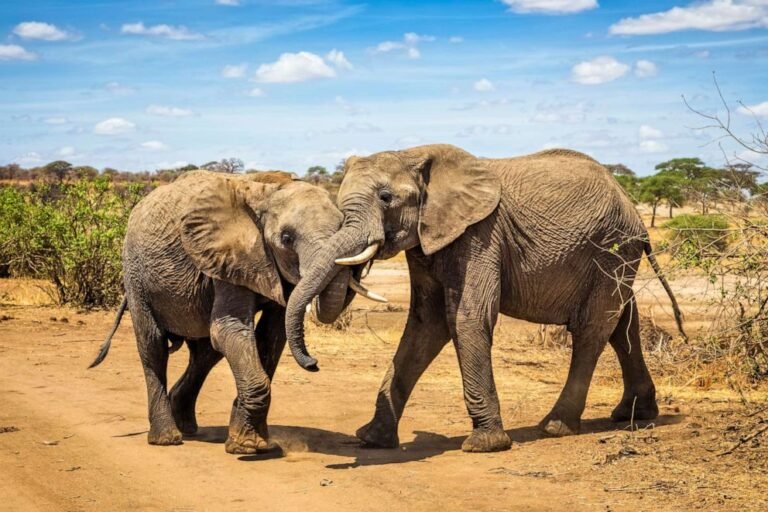
Is Tarangire National Park Worth Visiting For One Day? 2026-2027
Is Tarangire National Park Worth Visiting for One Day? is explained with current 2026-2027 planning, price, itinerary and booking information.
View package details
Can I Visit Tarangire National Park On A Day Trip From Moshi? 2026-2027
Can I Visit Tarangire National Park on a Day Trip from Moshi? is explained with current 2026-2027 planning, price, itinerary and booking information.
View package details
Tarangire National Park Safari With Walking Options 2026-2027
Tarangire National Park Safari with Walking Safari Options is explained with current 2026-2027 planning, price, itinerary and booking information.
View package details
Best Tarangire National Park Safari Tours With Prices For 2026-2027
Best Tarangire National Park Safari Tours with Prices for 2027 is explained with current 2026-2027 planning, price, itinerary and booking information.
View package details
Tarangire Safari Packages With Accommodation Inside The Park 2026-2027
Tarangire Safari Packages with Accommodation Inside the Park is explained with current 2026-2027 planning, price, itinerary and booking information.
View package details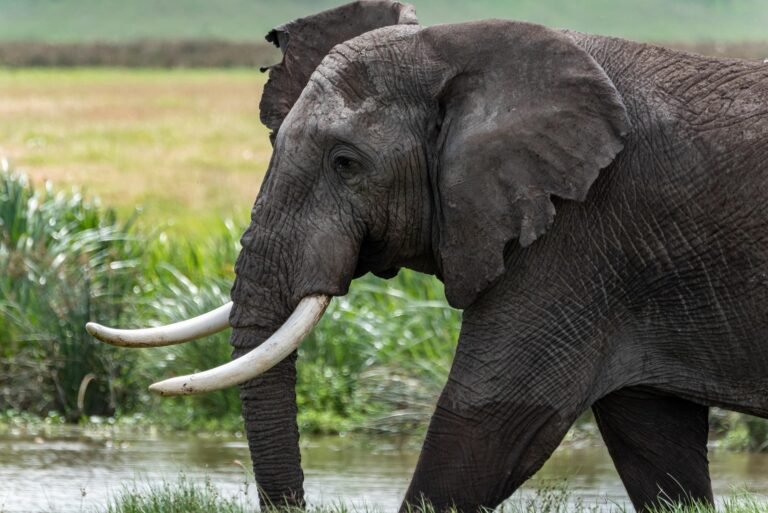
Tarangire Day Safari From Arusha With Lunch And Park Fees 2026-2027
Tarangire Day Safari from Arusha with Lunch and Park Fees is explained with current 2026-2027 planning, price, itinerary and booking information.
View package details
Can I Combine Tarangire And Lake Manyara In A 2 Day Safari? 2026-2027
Can I Combine Tarangire and Lake Manyara in a 2 Day Safari? is explained with current 2026-2027 planning, price, itinerary and booking information.
View package detailsTarangire Safari With Luxury Tented Camps And Private Bathrooms 2026-2027
A comprehensive buyer guide to booking a Tarangire safari with luxury tented camps featuring private en-suite flush toilets and running hot showers for 2026-2027.
View package details
Best Private Tarangire Safari Tours For Wildlife Photographers 2026-2027
Best Private Tarangire Safari Tours for Wildlife Photographers is explained with current 2026-2027 planning, price, itinerary and booking information.
View package details
Best Tarangire Safari Tours From Kilimanjaro Airport 2026-2027
Best Tarangire Safari Tours from Kilimanjaro Airport is explained with current 2026-2027 planning, price, itinerary and booking information.
View package detailsFamily-Friendly Tarangire Safari Packages With Short Driving Distances
Family-Friendly Tarangire Safari Packages with Short Driving Distances is explained with current 2026-2027 planning, price, itinerary and booking information.
View package detailsNo closely related package is available yet for this topic.

Our Guest Reviews, Currently Feedback from Clients in 2026
Reviews from different sources, including Google Business, Tripadvisor, other platforms, and social media.



