
Tarangire safari packages with accommodation inside the park are wildlife itineraries where your lodge or tented camp is situated past the official Tanzania National Parks Authority (TANAPA) entry gates, placing you directly within the reserve boundaries overnight. For 2026-2027, these packages typically start from $450 to $750 per person per day for mid-range tented camps and $950 to $1,600+ per person per day for premium luxury bush properties, inclusive of the mandatory $59 to $70.80 per adult per night TANAPA concession fee, daily conservation fees, private 4×4 transport, and full-board catering. Choosing an in-park property eliminates the 45-to-90-minute daily commute through the main gate, giving travelers immediate access to the river circuit and Silale Swamps during the peak dawn hunting hours.
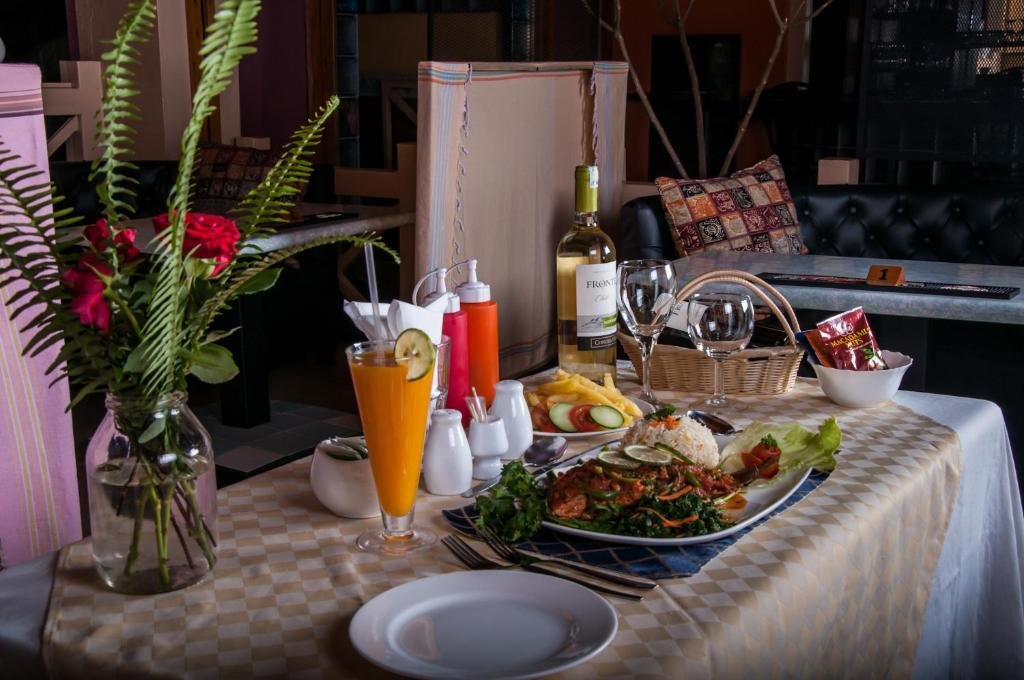
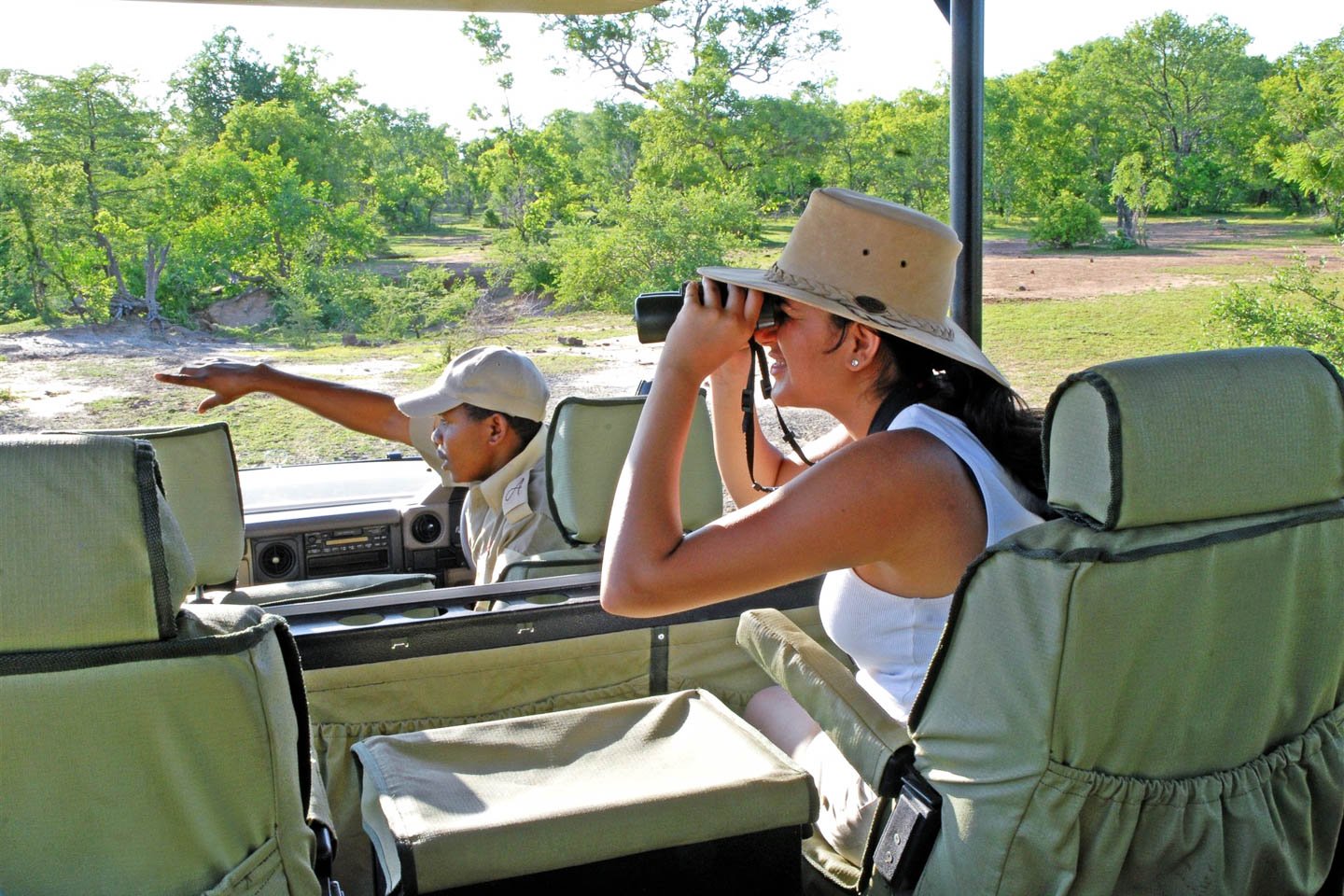
The In-Park Advantage: Gate Realities vs. Bush Living
When booking a northern circuit safari, travelers encounter a persistent fork in the road: stay outside the park boundary at a lower cost, or book a package with accommodation set squarely inside Tarangire National Park. On paper, properties located outside the main gate or along the Sangaiwe border look like easy money-savers. In practice, staying outside fundamentally alters the structure and quality of your game drives.
TANAPA enforces strict operating hours. Park entry gates open at 06:00 and close promptly at 18:00. If your accommodation sits outside the reserve, your morning involves waking up, having a hurried breakfast, joining a queue of safari vehicles waiting for permit verification at the entry gate, and then driving 30 to 45 minutes into the central wildlife sectors. By the time your vehicle reaches the Tarangire River loops or the edge of the Silale Swamps, the sun is high, ambient temperatures are rising, and predatory activity has slowed down as big cats seek shade beneath baobabs and acacia tortilis trees.
Conversely, staying inside the park means waking up to the sounds of lions calling or impalas alarming right past your tent veranda. You can depart on a game drive at first light without dealing with gate paperwork, which is already validated for the duration of your overnight permit. In the evening, while outside visitors must break off their wildlife tracking by 16:30 to clear the gates before the six o'clock curfew, guests staying inside can linger near waterholes until 18:00, catching the dramatic sunset light that makes northern Tanzania famous.
This logistical edge is especially valuable for photographers, families with young children who cannot tolerate long transit dead-time, and travelers who want to experience the African bush without the artificial routine of hotel lobbies and paved access roads. For deeper context on park logistics, explore our guide on the best Tarangire national park safari tours with prices.
2026-2027 Cost Breakdown: Concession Fees and Real Package Pricing
Understanding the pricing of Tarangire safari packages with accommodation inside the park requires transparency about statutory government taxes. TANAPA levies fees differently depending on where your head rests at night. When an operator presents an in-park quote that looks noticeably higher than an outside lodge quote, the gap is not just profit margin; it is driven by non-negotiable state tariffs designed to limit human footprint inside the protected core.
Statutory Tarangire Fees for Overnight Visitors (Per Adult, 24-Hour Cycle)
- Conservation Entry Fee: $59.00 USD (Peak season: July to March) / $53.10 USD (Low season: April to June), inclusive of 18% VAT.
- Special Campsite / Lodge Concession Fee: $70.80 USD per adult per night ($59 + 18% VAT) for staying at registered permanent or seasonal camps inside park boundaries.
- Commercial Vehicle Entry Fee: Dependent on gross vehicle weight, typically $23.60 to $41.30 per day for standard safari customized Land Cruisers.
Because the concession fee applies to every 24-hour cycle an adult spends inside the reserve, a two-night in-park package carries a baseline statutory overhead of over $260 per traveler in park and bed-night fees alone before accounting for fuel, customized 4×4 vehicle wear-and-tear, guide remuneration, and lodge overheads. For a full breakdown of northern circuit pricing variables, read our analysis on the Tanzania safari cost breakdown including park fees and accommodation.
| Safari Tier (Inside Park) | Estimated Cost / Day (2026-2027) | Typical Camp Profile | Best Suited For |
|---|---|---|---|
| Standard / Public Camping | $350 – $480 per person | TANAPA Public Campsites (Kigongoni); dome tents pitched by camp crew, shared basic washrooms | Budget adventure travelers, backpackers, wild campers |
| Classic Mid-Range Tented | $550 – $800 per person | Permanent or semi-permanent canvas camps (e.g., Baobab Tented Camp, Tarangire Safari Lodge); en-suite flush toilets, hot bucket/piped showers, solar power | Couples, families, balanced-budget wildlife enthusiasts |
| High-End / Luxury Bush Camp | $950 – $1,650+ per person | Boutique, low-density tented lodges (e.g., Oliver's Camp, Sanctuary Swala, Kuro Tarangire); open-sided vehicles, gourmet meals, private concession rights | Photographers, honeymooners, experiential travelers seeking uncrowded zones |
These rate estimates assume two adults traveling together on a private basis. Solo travelers will encounter single room supplements, while families or private groups of four to six guests reduce the per-person vehicle and fuel burden substantially. Those seeking elevated comfort can compare these with options in our guide to a Tarangire safari with luxury tented camps and private bathrooms.
Inside the Park Geography: North, Central Kuro, and the Silale Swamps
Tarangire spans roughly 2,850 square kilometers, and wildlife distribution changes radically by sector and season. Booking accommodation inside the park is only the first step; booking in the correct sector for your travel dates is what separates an ordinary trip from an extraordinary wildlife encounter.
1. The Northern Sector: River Circuits and Iconic Baobabs
The northern territory of Tarangire sits closest to the main gate and features dense concentrations of giant baobab trees framing the Tarangire River. It is home to long-established in-park establishments like Tarangire Safari Lodge, which commands a high bluff overlooking the dry riverbed.
This zone delivers outstanding game viewing for first-time visitors, particularly around the Matete water loops and the Engelhard bridge. Because it is accessible to day-trippers coming in from Arusha, the road networks here can see moderate vehicle congestion between 11:00 and 14:00. However, staying overnight in the northern sector allows you to enjoy quiet game drives before the external safari trucks arrive from the gate.
2. The Central Corridor: Kuro and the Wildlife Crossroads
As you drive south along the main park axis, you enter the Kuro region. This area acts as an ecological junction connecting the river woodlands with the sweeping southern marshes. Kuro also hosts the park's bush airstrip, making it a critical hub for fly-in safaris connecting to the Serengeti or Zanzibar.
Accommodation here tends toward semi-permanent, high-spec tented camps such as Kuro Tarangire. The landscape opens up into scattered acacia savannah where leopards often lounge in the low forks of sausage trees. By staying at a central Kuro base, your vehicle is equidistant from both northern river loops and the deep southern swamps, giving your guide immense strategic flexibility depending on daily animal movements.
Check Availability for Tarangire Safari Packages With Accommodation Inside The Park 2026-2027
Ready to compare dates, prices, and the best option for your group? Send the package name and travel month so the team can reply with a clear quote, availability, and what is included.

Tarangire National Park Safari With Walking Options 2026-2027
Tarangire National Park Safari with Walking Safari Options is explained with current 2026-2027 planning, price, itinerary and booking information.
View package details
Best Tarangire National Park Safari Tours With Prices For 2026-2027
Best Tarangire National Park Safari Tours with Prices for 2027 is explained with current 2026-2027 planning, price, itinerary and booking information.
View package details
Tarangire Day Safari From Arusha With Lunch And Park Fees 2026-2027
Tarangire Day Safari from Arusha with Lunch and Park Fees is explained with current 2026-2027 planning, price, itinerary and booking information.
View package details
Can I Combine Tarangire And Lake Manyara In A 2 Day Safari? 2026-2027
Can I Combine Tarangire and Lake Manyara in a 2 Day Safari? is explained with current 2026-2027 planning, price, itinerary and booking information.
View package detailsTarangire Safari With Luxury Tented Camps And Private Bathrooms 2026-2027
A comprehensive buyer guide to booking a Tarangire safari with luxury tented camps featuring private en-suite flush toilets and running hot showers for 2026-2027.
View package details
Best Private Tarangire Safari Tours For Wildlife Photographers 2026-2027
Best Private Tarangire Safari Tours for Wildlife Photographers is explained with current 2026-2027 planning, price, itinerary and booking information.
View package details
Best Tarangire Safari Tours From Kilimanjaro Airport 2026-2027
Best Tarangire Safari Tours from Kilimanjaro Airport is explained with current 2026-2027 planning, price, itinerary and booking information.
View package detailsFamily-Friendly Tarangire Safari Packages With Short Driving Distances
Family-Friendly Tarangire Safari Packages with Short Driving Distances is explained with current 2026-2027 planning, price, itinerary and booking information.
View package details
Is Tarangire Better Than Lake Manyara For A Wildlife Safari? 2026-2027
Is Tarangire Better Than Lake Manyara for a Wildlife Safari? is explained with current 2026-2027 planning, price, itinerary and booking information.
View package details
Best 2 Day Ngorongoro Crater And Tarangire Safari Packages 2026-2027
Best 2 Day Ngorongoro Crater and Tarangire Safari Packages is explained with current 2026-2027 planning, price, itinerary and booking information.
View package details
Tanzania Safari Packages Including Serengeti Tarangire And Ngorongoro
Tanzania Safari Packages Including Serengeti Tarangire and Ngorongoro is explained with current 2026-2027 planning, price, itinerary and booking information.
View package details
Tanzania Safari Tours For With Affordable Lodge Options 2026-2027
A practical booking blueprint for Tanzania safari tours in 2027 featuring comfortable, budget-conscious lodges across the Serengeti, Ngorongoro, and Tarangire.
View package detailsNo closely related package is available yet for this topic.

Our Guest Reviews, Currently Feedback from Clients in 2026
Reviews from different sources, including Google Business, Tripadvisor, other platforms, and social media.



