
In July, you can see the Great Wildebeest Migration primarily in two distinct sectors of Tanzania: the Northern Serengeti (Kogatende, Lamai Wedge, and the Mara River) and the Grumeti Reserve / Western Corridor during the early days of the month. By mid-to-late July, the main concentration of over 1.5 million wildebeest and zebras gathers across the rolling plains of Kogatende along the Mara River, where dramatic river crossings begin. To position yourself correctly for a 2026-2027 safari, your core decision is choosing between a fly-in safari directly into Kogatende Airstrip to target early river crossings or an overland route linking the Central Serengeti (Seronera) with the north to track herds migrating upward.
Geographic Breakdown: Where the Herds Are Located Throughout July
Understanding where the migration is during July requires abandoning the misconception that the herds move as one uniform, tightly packed column. The Great Migration is a sprawling, fragmented mass of roughly 1.5 million blue wildebeest, accompanied by 250,000 plains zebras and several hundred thousand Thomson’s and Grant’s gazelles. In July, this massive biomass is stretched across more than 100 kilometers of northern Tanzanian terrain, transitioning rapidly from their dry-season holding grounds in the west toward the perennial water sources of the north.
During a standard meteorological cycle, July marks the beginning of the genuine dry season across the Serengeti ecosystem. The seasonal waterholes in the Southern Serengeti and Seronera Valley have dried out entirely. The nutrient-dense short grasses that sustained the calving season earlier in the year are depleted, compelling the animals to march north toward the Mara River basin, which receives reliable rainfall and retains deep surface water year-round.
To accurately track them, local guides divide July into two operational phases:
- Early July (July 1 to July 10): The tail end of the herds is frequently still moving out of the Western Corridor and the Grumeti River ecosystem, pushing through the Musabi Plains and the Ikoma area. At the same time, the vanguard herds—consisting mostly of energetic zebra stallions and forward-scouting wildebeest—have already penetrated the northern woodlands around Lobo and are arriving at the southern banks of the Mara River.
- Mid to Late July (July 11 to July 31): The bulk of the migration converges on the Northern Serengeti. The plains flanking the Kogatende airstrip, the Lamai Wedge north of the river, and the rolling grasslands reaching eastward toward the Bologonja springs fill with massive columns. It is during this window that cross-river movements become frequent, dramatic, and unpredictable.
If you are planning your itinerary for 2026 or 2027, your destination within the park must align directly with the specific week you intend to travel. Booking a lodge in the Central Serengeti under the impression that the migration will pass by your doorstep in late July will result in long, grueling daily drives of four to five hours each way simply to reach the herds.
The Northern Serengeti Epicenter: Kogatende, Lamai, and Mara River Points
The undisputed heart of migration viewing in July is the Kogatende sector. Located in the far north of Serengeti National Park, bordered by the Kenyan boundary to the north and the Maswa-Ikorongo reserves to the west, Kogatende offers the classic savanna landscape seen in wildlife documentaries: open golden grasslands studded with granite kopjes and flanked by the wide, rocky flow of the Mara River.
The river itself does not act as a political border between Tanzania and Kenya; rather, a significant stretch of the Mara River runs entirely inside Tanzanian territory. It meanders westward before turning north toward Lake Victoria. This geographic detail is critical for safari planners: you do not need to cross into Kenya’s Masai Mara to witness prime river crossings in July. The vast majority of early river crossings occur entirely within Tanzania, where the herds negotiate crossing points labeled numerically by park rangers and safari guides as Crossing Points 1 through 10.
Key Northern Serengeti Sectors to Target
When discussing your day-to-day game drives with your driver-guide, focus on these three specific sub-regions:
- Kogatende South Bank: The staging ground where incoming herds from the south first confront the water. The open flats allow for clear visibility across miles of open terrain as dust clouds reveal approaching columns.
- The Lamai Wedge: A triangular piece of land situated between the northern bank of the Mara River and the Kenyan border. If herds cross from south to north, this is where they graze before potentially crossing back. The Lamai features magnificent kopjes that offer elevated vantage points for spotting predators.
- Wogakuria and Bologonja: Located slightly east of Kogatende, these rolling hills and spring-fed depressions host thousands of resident animals and serve as an alternative feeding ground when grazing pressure along the river banks becomes too intense.
In this northern theater, predator density peaks dramatically. Resident lion prides that hold territory along the riverbanks wait for the herds to arrive, taking advantage of the exhaustion and disarray caused by steep river descents. Nile crocodiles, some reaching lengths of over five meters, position themselves in the deeper pools beneath the crossing points, having fasted for months awaiting this influx of protein.
Early July Dynamics: The Western Corridor and Grumeti River Transition
While the Northern Serengeti takes center stage as July unfolds, the Western Corridor remains an active player during the first ten days of the month. Travelers often assume the Grumeti River crossing is purely a June phenomenon. In practice, rainfall variations can easily slow herd movement, leaving substantial splinter herds navigating the private concessions and park sectors around the Grumeti River well into July.
The Western Corridor presents a radically different landscape compared to Kogatende. Here, river crossings happen across the Grumeti River, which is narrower, more heavily wooded, and characterized by dense riverine forest rather than wide open riverbanks. The crossings here are less vertical and explosive than those on the Mara, but they are often more intimate, framed by giant mahogany trees and acacia scrub where leopards and large spotted hyena clans thrive.
However, travelers booking for 2026-2027 must evaluate the trade-offs of the Western Corridor in July:
- The Risk of Empty Plains: If early rains in the north trigger an accelerated push, the Western Corridor can empty out rapidly between July 5 and July 10, leaving travelers with resident wildlife viewing rather than the sheer scale of the migration.
- Tsetse Fly Density: The miombo and acacia woodlands of the Western Corridor carry higher concentrations of tsetse flies than the open grasslands of Kogatende. While harmless to humans beyond an irritating bite, they can alter the comfort level of extended open-vehicle drives.
For those considering a comprehensive safari package that covers multiple habitats, pairing a few nights in the Western Corridor with an immediate northward push ensures you intercept the movement regardless of seasonal speed. To review how multi-day circuits link these distinct ecosystems, you can explore the Best Tanzania Great Migration Safari Packages, which outline how drive times and airstrip transfers are balanced.
July Migration Movement: Region-by-Region Logistics Snapshot
To help you align your arrival dates with the correct geographic coordinates inside the park, use the following operational breakdown developed from years of tracking herd movements across dry-season cycles.
| Time of Month | Primary Location | Herd Activity | Recommended Base Airstrip |
|---|---|---|---|
| July 1 – July 8 | Western Corridor & Ikorongo / Central Transition | Final Grumeti river crossings; massive columns marching northeast through Lobo and Ikoma. | Grumeti (priv) / Seronera / Sasakwa |
| July 9 – July 18 | Northern Serengeti (Kogatende South & Wogakuria) | Herds assemble on south banks of Mara River; tentative sniffing, initial crossings begin. | Kogatende Airstrip |
| July 19 – July 31 | Kogatende, Lamai Wedge & Mara River Crossings | Peak crossing frequency; massive herds moving back and forth between Tanzania and Lamai. | Kogatende Airstrip |
The Mechanics of July Mara River Crossings: What Actually Happens
Witnessing a river crossing is not a matter of driving up to the river and watching animals immediately jump into the water. It is an exercise in extreme patience, tactical vehicle positioning, and understanding herd psychology. Professional guides from operators like TOP GUIDE ADVENTURES spend hours reading herd posture before moving a vehicle anywhere near the riverbank.
The sequence of an authentic Mara River crossing unfolds through distinct behavioral phases:
- The Gathering (The Staging Phase): Driven by an innate compulsion to reach fresh green grass smelled on the wind from the north, thousands of wildebeest filter down from the ridges toward the riverbanks. They may congregate for two to four days along a single stretch of water without touching it. They pace nervously, kicking up choking clouds of red dust, running back and forth along the escarpment.
- The Hesitation: Wildebeest possess terrible depth perception and are acutely aware of danger. They advance to the water’s edge, lower their heads, and abruptly panic, stampeding backward several hundred meters. This cycle can repeat dozens of times. If a vehicle approaches too fast, or if a tourist stands on a roof rack in an open vehicle, the herd spook and the crossing can be delayed by an entire day.
- The Trigger: Eventually, grazing pressure, thirst, or sheer momentum from thousands of pushing animals behind leaves the vanguard with no choice. Often, it is a single brave zebra or an assertive older wildebeest that steps into the current. The moment that single animal enters the flow, the dam breaks.
- The Stampede: Within seconds, the herd shifts into a state of panic-driven mass hysteria. Thousands plunge down near-vertical cliffs, tumbling into the torrent. The noise is deafening: continuous low grunting, the thud of hooves against slick granite boulders, and the violent thrashing of water. The crossing may last anywhere from twenty minutes to over two hours depending on the size of the pocket.
- The Crossing Back: A critical fact travelers misunderstand is that crossing the river is not a one-way trip to Kenya. Herds will cross from Tanzania’s south bank into the Lamai Wedge on a Tuesday, find the grass grazed flat or notice rain clouds forming to the south, and cross back into southern Kogatende on Thursday. The Mara River is crossed multiple times by the same animals throughout July and August.
During these events, the natural brutality of the African bush is on full display. Crocodiles strike from below, grabbing animals by the muzzle or hind legs, pulling them under into death rolls. Lions often patrol the landing zones on the opposite bank, ambushing exhausted animals as they struggle up the muddy incline. Witnessing this requires psychological readiness; it is unfiltered natural selection happening in real time.
Planning Your Route: Fly-in Safaris vs. Overland Circuits from Arusha
Reaching the Northern Serengeti in July presents a logistical challenge due to the sheer size of the country. Kogatende is located over 350 kilometers northwest of Arusha as the crow flies, and significantly further when navigating dirt tracks, rocky escarpments, and park access roads. Travelers must weigh the classic debate: flying into the bush versus driving overland.
Option A: The Fly-In Safari (Bush Flight into Kogatende)
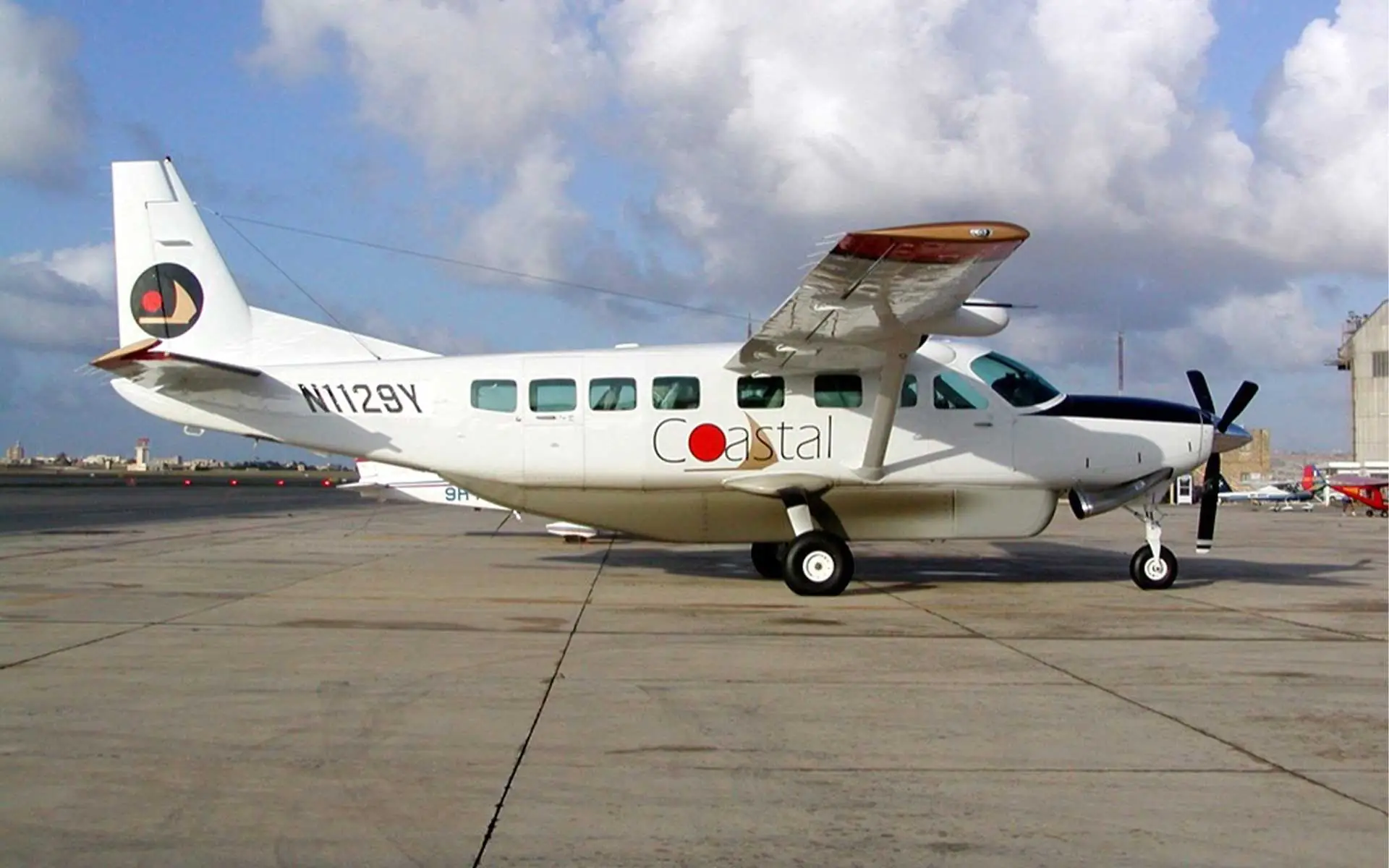
For travelers prioritizing time and comfort, scheduled bush flights operated by domestic carriers like Coastal Aviation or Auric Air depart Arusha Airport (ARK) or Kilimanjaro International Airport (JBO) directly to Kogatende Airstrip (KOG).
- Flight Duration: Roughly 1 hour 45 minutes to 2 hours in a Cessna Grand Caravan.
- Key Advantage: You bypass roughly 10 to 12 hours of punishing driving over corrugated gravel roads, arriving fresh and ready for an afternoon game drive along the Mara River on day one.
- Crucial Limitation: Strict luggage restrictions. Most domestic flights enforce a 15 kg (33 lbs) limit per passenger in soft-sided duffel bags, including hand luggage. Hard suitcases with rigid frames are frequently rejected at the boarding gate.
- Cost Implication: One-way flights average between $350 and $550 per person depending on fuel surcharges and season demand for 2026-2027.
Option B: The Overland Circuit (Driving via Manyara, Ngorongoro, and Seronera)
The overland route is the traditional safari experience. It involves driving from Arusha through Tarangire or Lake Manyara, ascending into the Ngorongoro Conservation Area, descending onto the Serengeti plains via the Naabi Hill Gate, and driving entirely through the park from south to north.
Check Availability for Where Can I See The Wildebeest Migration In Tanzania In July? 2026-2027
Ready to compare dates, prices, and the best option for your group? Send the package name and travel month so the team can reply with a clear quote, availability, and what is included.

Best Time To Book A Tanzania Wildebeest Migration Safari () 2026-2027
A detailed local guide breaking down exactly when to reserve your Tanzania Great Migration safari for 2026-2027, covering lead times, seasonal bottlenecks, camp positioning, and park...
View package details
7 Day Tanzania Great Migration Safari With Ngorongoro Crater 2026-2027
7 Day Tanzania Great Migration Safari with Ngorongoro Crater is explained with current 2026-2027 planning, price, itinerary and booking information.
View package details
Best Serengeti Safari Camps Close To Wildebeest Migration Areas 2026-2027
Best Serengeti Safari Camps Close to Wildebeest Migration Areas is explained with current 2026-2027 planning, price, itinerary and booking information.
View package details
Tanzania Great Migration Safari Packages For Wildlife Photographers 2026-2027
Tanzania Great Migration Safari Packages for Wildlife Photographers is explained with current 2026-2027 planning, price, itinerary and booking information.
View package details
Best Tanzania Great Migration Safari Packages For : Routes, Costs & Expert
A comprehensive local operator guide to choosing the best Tanzania Great Migration safari packages for 2027, featuring seasonal movement patterns, price comparisons, and practical itinerary...
View package details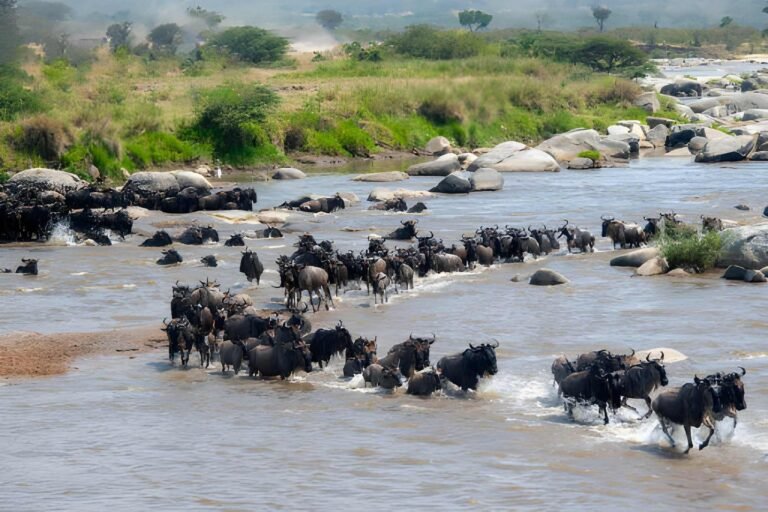
How Much Does A 5 Day Great Migration Safari Cost? 2026-2027
How Much Does a 5 Day Great Migration Safari Cost? is explained with current 2026-2027 planning, price, itinerary and booking information.
View package details
Is January Or February Better For A Ndutu Migration Safari? 2026-2027
Is January or February Better for a Ndutu Migration Safari? is explained with current 2026-2027 planning, price, itinerary and booking information.
View package details
4 Day Southern Serengeti Migration Safari With Tented Accommodation 2026-2027
4 Day Southern Serengeti Migration Safari with Tented Accommodation is explained with current 2026-2027 planning, price, itinerary and booking information.
View package details
6 Day Northern Serengeti Migration Safari With Luxury Tented Camps 2026-2027
6 Day Northern Serengeti Migration Safari with Luxury Tented Camps is explained with current 2026-2027 planning, price, itinerary and booking information.
View package details
Private Serengeti Migration Safari With Flexible Game Drive Schedules
Private Serengeti Migration Safari with Flexible Game Drive Schedules is explained with current 2026-2027 planning, price, itinerary and booking information.
View package details
Can I See The Great Migration During A 3 Day Serengeti Safari? 2026-2027
Can I See the Great Migration During a 3 Day Serengeti Safari? is explained with current 2026-2027 planning, price, itinerary and booking information.
View package details
Northern Serengeti Migration Safari With Accommodation Near Mara River
Northern Serengeti Migration Safari with Accommodation Near Mara River is explained with current 2026-2027 planning, price, itinerary and booking information.
View package detailsNo closely related package is available yet for this topic.

Our Guest Reviews, Currently Feedback from Clients in 2026
Reviews from different sources, including Google Business, Tripadvisor, other platforms, and social media.



