
A 5 day Great Migration safari costs between $1,750 and $4,850+ per person in 2026-2027, depending primarily on whether you join a group-joining camping route, select comfortable mid-range mobile tented camps, or fly directly into luxury frontier camps near the herds. The safari covers Tanzania’s Northern Circuit—typically tracking either the southern Ndutu calving grounds (January to March) or the northern Mara River crossings (July to October)—and standard pricing covers custom 4×4 land cruiser transport, licensed driver-guides, TANAPA park fees, special wildlife concession and crater service permits, and full-board accommodation. Your single biggest price variable is logistics: choosing an overland round-trip drive from Arusha keeps base costs around $1,850–$2,600 per person, while incorporating internal bush flights into Kogatende or Seronera pushes mid-tier and luxury itineraries to $3,200–$5,100+ per person.
Quick 2026-2027 Cost Summary: 5-Day Great Migration Safari by Tier
Estimating an accurate budget for tracking the wildebeest herds over five days requires stripping away marketing terms and analyzing hard operational costs. The Great Migration is not a static destination; it is an active ecological event spanning hundreds of kilometers across the Serengeti ecosystem. As a result, running a 5-day safari to intercept the mega-herds demands distinct logistics compared to a standard circuit tour.
For travelers planning their departures across 2026 and 2027, quotes generally fall into three distinct comfort tiers, separated further by whether the trip is booked as a private vs group joining safari. The pricing tiers below reflect real operational baselines for five days on the ground, starting and finishing in Arusha or Kilimanjaro International Airport (JRO).
| Travel Style & Tier | Estimated Cost Per Person (USD) | Accommodation Standard | Primary Logistics Model |
|---|---|---|---|
| Budget Camping / Group-Joining | $1,750 – $2,150 | Public TANAPA campsites, dome tents, ground mattresses | Overland 4×4 safari cruiser, shared vehicle (4–6 pax) |
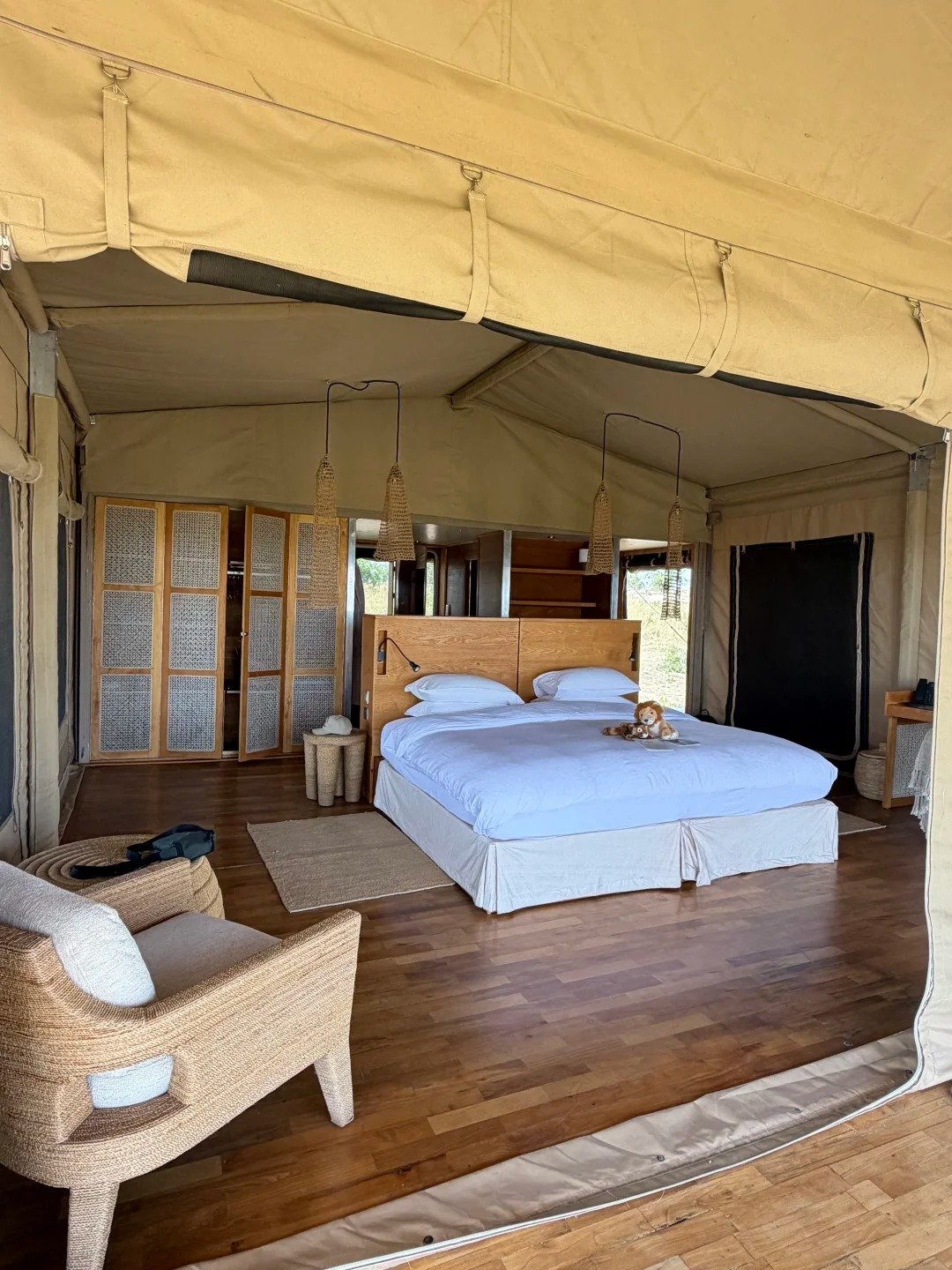
| Mid-Range Tented Safari (Private) | $2,450 – $3,400 | Semi-permanent canvas camps with en-suite flush toilets & solar showers | Private 4×4 Land Cruiser with pop-up roof, Arusha round-trip drive |
| Fly-In Mid-Range / Upper-Mid | $3,300 – $4,250 | Seasonal mobile migration camps located within 45 minutes of the herds | One-way internal bush flight (e.g., Coastal Aviation or Auric Air) + overland return |
| Luxury Migration Camp (Private) | $4,500 – $6,800+ | High-end boutique lodges or luxury mobile camps (e.g., Lemala, Sayari, Sanctuary) | Fly-in / fly-out via bush airstrips (Kogatende, Ndutu, or Seronera) with open-sided or closed 4×4 |
These ranges reflect real-world commercial conditions for 2026-2027 travel. If you receive a quote significantly below $1,600 for a five-day itinerary claiming to follow the migration, it is critical to inspect the route carefully. In many cut-price cases, the operator keeps vehicles anchored in the Central Serengeti (Seronera) to avoid expensive transit permits and steep fuel burn, forcing guests into exhausting eight-hour daily transit runs rather than placing them in the actual path of the mega-herds.
The 5 Structural Drivers That Determine Your 5-Day Migration Quote
When reviewing safari proposals, travelers frequently wonder why two seemingly identical five-day itineraries can differ by $1,500 or more per person. In Tanzania, tour operator overhead is largely dominated by fixed statutory fees and logistical geography rather than arbitrary markups. Understanding these five fundamental cost drivers helps you evaluate where your money is actually going.
1. Protected Area Statutory Tariffs and Concession Fees
Every vehicle and individual entering a Tanzanian national park or conservation area pays mandatory statutory daily fees administered by the Tanzania National Parks Authority (TANAPA) and the Ngorongoro Conservation Area Authority (NCAA). For a five-day itinerary targeting the migration, statutory government fees make up between $450 and $950 per adult of the total trip price.
- Serengeti National Park Conservation Fee: Currently pegged at $70 to $80+ per adult per 24 hours (excluding 18% VAT).
- Special Concession Fees: Staying inside a tented camp located within the national park incurs an additional concession fee ranging from $50 to $70 per person per night.
- Ngorongoro Crater Entry Service: Dropping down onto the crater floor requires a mandatory $295 vehicle entry permit per descent, in addition to individual conservation fees of roughly $70 per person.
- Transit Fees: Driving overland from Arusha to the Serengeti requires passing through the Ngorongoro Conservation Area, incurring two transit fees (one outbound, one inbound) even if you do not stop to view game.
2. Seasonal Camp Positioning and Real Estate Inside the Park
Unlike stationary lodges located at park gates, true Great Migration camps are mobile operations. They deconstruct their entire infrastructure twice each year, hauling canvas suites, industrial kitchens, water filtration systems, and solar grids across rugged bush tracks to mirror the herds—moving between the northern Mara River zone and the southern Ndutu plains. Maintaining high-end hospitality in deep wilderness areas requires substantial logistical expenditure, which is naturally reflected in nightly room rates. For a detailed breakdown of park charges and camp categories, consult our Tanzania safari cost breakdown including park fees and accommodation.
3. Vehicle Allocation and Fuel Burn in Remote Sectors
Tracking active wildlife across sprawling tracts of the Serengeti consumes significant quantities of diesel. A reliable, custom-modified 4×4 safari Land Cruiser equipped with heavy-duty suspension, long-range fuel tanks, dual spare tires, pop-up viewing roofs, high-output inverters, and VHF radios costs between $200 and $300 per day to operate before accounting for fuel. In the Northern Serengeti, fuel must be trucked up from Arusha or Musoma, commanding a premium price per liter. If you book a private vehicle for two travelers, you absorb 100% of the vehicle, fuel, and guide fees, whereas a party of four or six spreads those exact same baseline costs across more paying travelers. For an in-depth financial look at transport charges, review how much extra a private safari vehicle costs in Tanzania.
4. Guide Expertise and Ecosystem Knowledge
Finding river crossings or tracking massive calving clusters across open savannah is not a matter of luck; it relies on experienced, professional driver-guides who understand herd psychology, topography, and seasonal weather patterns. High-caliber guides spend years mastering animal behavior and navigation across roadless sectors of the wilderness. Top-tier operators compensate licensed local guides well above minimum trade baselines and invest in regular professional development, ensuring travelers are positioned safely without stressing wildlife or breaching park regulations.
5. Time of Year and Demand Pressures
The wildebeest migration operates on an annual cycle dictated by rainfall patterns. Peak crossing season (mid-July through early October) and peak calving season (late January through early March) generate the highest accommodation rates of the year. During these windows, premier mobile camps near the Mara River or Lake Ndutu sell out 8 to 12 months in advance. Securing a spot in a top-positioned tented camp during these peak periods commands a pricing premium of 30% to 50% compared to shoulder months like early June or November.
Seasonal Geography: Why Ndutu Calving and Mara Crossings Carry Different Price Tags
One of the most frequent misconceptions travelers bring to the planning stage is treating the Great Migration as a uniform event with consistent costs throughout the year. In reality, a 5-day Great Migration safari in February looks entirely different from a 5-day safari in August—both in route structure and operational pricing.
The Southern Ndutu Calving Window (January – March)
Between late January and mid-March, an estimated 1.5 to 2 million wildebeest, zebras, and gazelles congregate on the nutrient-rich, short-grass volcanic plains straddling the southern border of the Serengeti and the northwestern rim of the Ngorongoro Conservation Area. Over a three-week burst, approximately 8,000 wildebeest calves are born each day, triggering high predator activity from resident lion prides, cheetahs, leopards, and spotted hyenas.
- Operational Advantage: The southern Ndutu region is geographically accessible by road from Arusha. You can depart Arusha in the morning, transit through Ngorongoro, and arrive at your Ndutu camp by mid-afternoon without strictly requiring an internal bush flight.
- Cost Profile: An overland 5-day Ndutu calving safari averages $2,200 to $3,200 per person on a private mid-range basis. The absence of mandatory bush flights keeps overall budget requirements manageable, making it the most cost-effective way to witness high-density migration activity.
- Terrain Rule: Ndutu falls under NCAA management, allowing licensed guides to drive off-road to view significant predator interactions within strict environmental guidelines—an activity strictly prohibited inside TANAPA national park borders. You can compare detailed budgets in our dedicated guide on how much a private Ndutu calving safari costs.
The Northern Mara River Crossings (July – October)
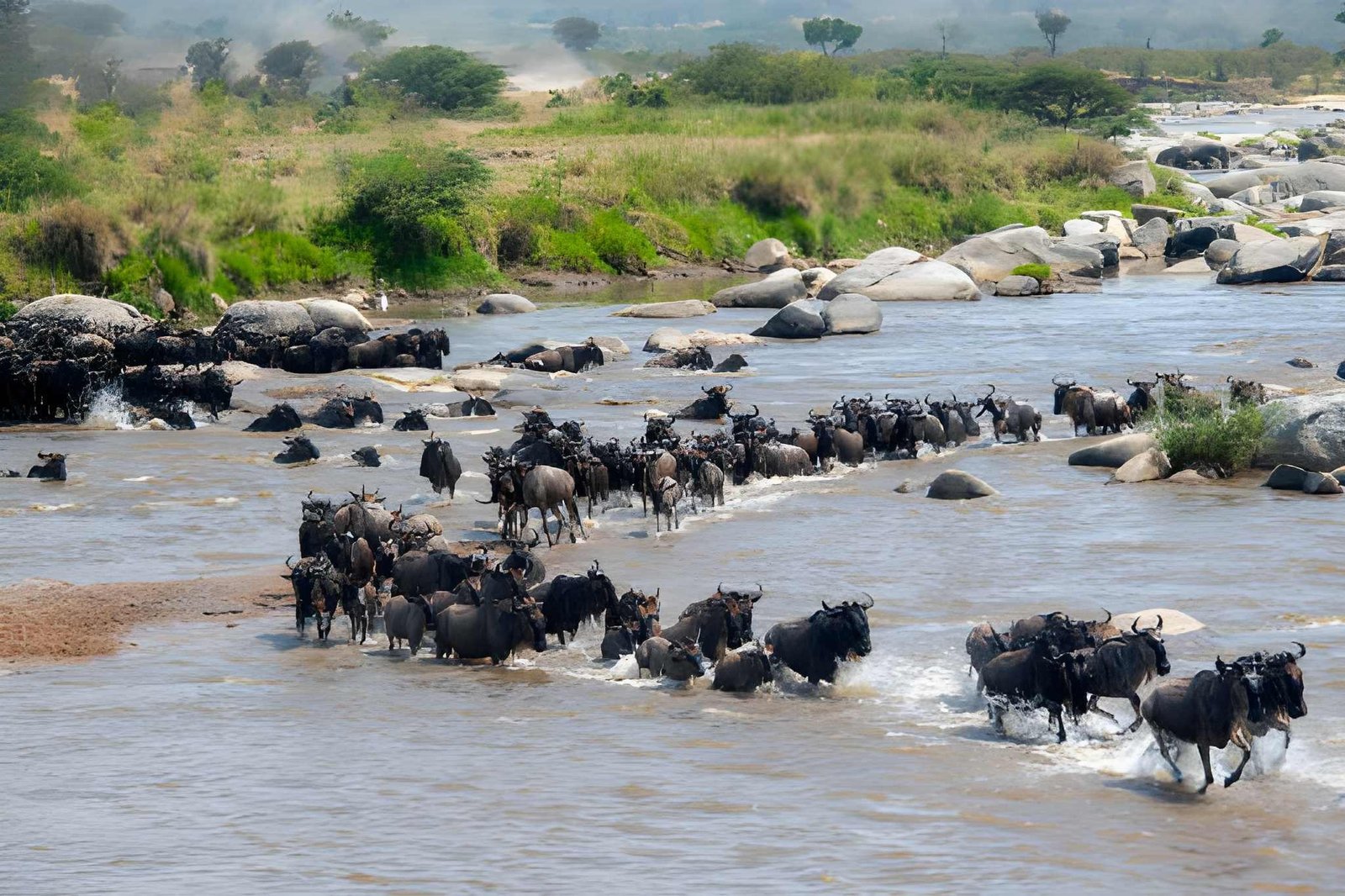
From July through October, the herds push through the far northern wilderness of the Serengeti, braving surging river currents, steep muddy banks, and Nile crocodiles at various Mara River crossing points before spilling over toward Kenya’s Masai Mara border.
- Operational Complexity: Kogatende and the Lamai Wedge are situated more than 350 rough bush kilometers away from Arusha. Driving overland to the northern edge takes two full days of demanding travel across washboard dirt tracks. For a short 5-day timeframe, driving both ways leaves you with barely half a day of actual game viewing in the crossing zones.
- Cost Profile: To execute a meaningful 5-day northern migration itinerary, you must incorporate at least one internal bush flight (flying Arusha to Kogatende or returning Kogatende to Arusha), if not flights both ways. Scheduled one-way bush flights add approximately $320 to $450 per person to the baseline package, pushing mid-range quotes to $3,300–$4,400 per person.
- Accommodation Strain: Camp supply along the Mara River is strictly capped by TANAPA to protect the riverine ecosystem. Because demand is intense during these dry months, nightly camp rates in the north are substantially higher than during the green southern calving season. If you are comparing durations, explore our analysis on how many days are recommended for a Mara River crossing safari.
Overland vs Fly-In Logistics: Breaking Down the $400 to $900 Flight Factor
When booking a 5-day Great Migration safari, deciding between an all-overland circuit and an itinerary utilizing bush aviation is the single most critical operational choice you will make. It determines not only your final invoice total, but how many hours you spend observing wildlife versus sitting behind the glass of a moving transfer vehicle.
The Pure Overland Circuit: Financial Economy vs Bush Fatigue
An overland route relies exclusively on your private 4×4 Land Cruiser from departure at your Arusha hotel to final drop-off. On a 5-day itinerary, an overland route works exceptionally well for the southern calving grounds (Ndutu), where the driving distance from Arusha is roughly 260 kilometers (approximately 5 to 6 hours on paved highway and graded gravel).
However, attempting an all-overland 5-day safari to the Northern Serengeti is an itinerary error we frequently steer clients away from. Arusha to Kogatende is an grueling 10-to-12-hour journey each way. If you attempt to cover that distance on the ground within a compact 5-day envelope, Day 1 and Day 2 are spent driving north, Day 3 allows for localized game drives, and Day 4 and Day 5 are spent driving south. You pay park entry fees for days where your primary experience is enduring rough corrugated roads. The money you save by skipping internal flights is completely offset by the loss of meaningful wildlife observation time.
The Hybrid Fly-In / Drive-Out Strategy
For travelers targeting the northern Mara River crossings in 2026 or 2027 who want to balance costs with time efficiency, the hybrid routing offers the smartest compromise. Under this logistical layout, you fly via scheduled bush airline (such as Coastal Aviation, Auric Air, or Regional Air) from Arusha Airport (ARK) directly into Kogatende Airstrip (KGT) on morning one. Your TOP GUIDE ADVENTURES safari vehicle and dedicated guide, having positioned north the previous day, meet you directly beside the runway.
- Day 1 to Day 3: You spend three uninterrupted days exploring the Mara River banks, crossing points, and the Lamai Wedge without losing daylight to regional transfers.
- Day 4: You start a scenic game-drive transfer south through the Central Serengeti (Seronera valley), staying overnight near the rim of Ngorongoro Crater.
- Day 5: You descend into Ngorongoro Crater for a morning game drive, track black rhinos on the caldera floor, and drive the easy 3.5 hours back to Arusha along the smooth asphalt highway.
This hybrid approach adds roughly $350 to $420 per passenger for the one-way flight ticket and air passenger departure fees, but it saves more than 10 hours of grueling driving and delivers roughly 40% more operational game drive time during your short safari. For a deeper look at routing variations, review our Serengeti safari from Moshi cost breakdown.
5-Day Southern Migration (Ndutu Calving) Blueprint & Cost Breakdown
To understand exactly how operational funds are allocated across your travel days, consider this proven field-tested blueprint designed for the January-to-March calving window. It incorporates Lake Manyara or Tarangire, the Ndutu short-grass plains, and the geological spectacle of the Ngorongoro Crater.
Check Availability for How Much Does A 5 Day Great Migration Safari Cost? 2026-2027
Ready to compare dates, prices, and the best option for your group? Send the package name and travel month so the team can reply with a clear quote, availability, and what is included.

Best Tanzania Great Migration Safari Packages For : Routes, Costs & Expert
A comprehensive local operator guide to choosing the best Tanzania Great Migration safari packages for 2027, featuring seasonal movement patterns, price comparisons, and practical itinerary...
View package details
4 Day Southern Serengeti Migration Safari With Tented Accommodation 2026-2027
4 Day Southern Serengeti Migration Safari with Tented Accommodation is explained with current 2026-2027 planning, price, itinerary and booking information.
View package details
6 Day Northern Serengeti Migration Safari With Luxury Tented Camps 2026-2027
6 Day Northern Serengeti Migration Safari with Luxury Tented Camps is explained with current 2026-2027 planning, price, itinerary and booking information.
View package details
7 Day Tanzania Great Migration Safari With Ngorongoro Crater 2026-2027
7 Day Tanzania Great Migration Safari with Ngorongoro Crater is explained with current 2026-2027 planning, price, itinerary and booking information.
View package details
How Much Does A Private Ndutu Calving Safari Cost? 2026-2027
How Much Does a Private Ndutu Calving Safari Cost? is explained with current 2026-2027 planning, price, itinerary and booking information.
View package details
Tanzania Great Migration Safari Packages For Wildlife Photographers 2026-2027
Tanzania Great Migration Safari Packages for Wildlife Photographers is explained with current 2026-2027 planning, price, itinerary and booking information.
View package details
Can I See The Great Migration During A 3 Day Serengeti Safari? 2026-2027
Can I See the Great Migration During a 3 Day Serengeti Safari? is explained with current 2026-2027 planning, price, itinerary and booking information.
View package details
How Much Does A Ngorongoro Crater Safari Cost In ? 2026-2027
How Much Does a Ngorongoro Crater Safari Cost in 2027? is explained with current 2026-2027 planning, price, itinerary and booking information.
View package details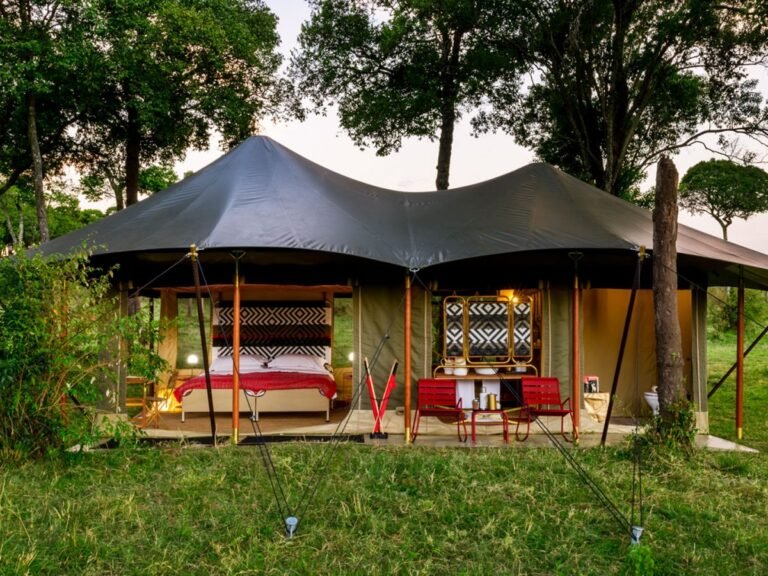
How Much Does A Private Serengeti Safari Cost For Two People? 2026-2027
How Much Does a Private Serengeti Safari Cost for Two People? is explained with current 2026-2027 planning, price, itinerary and booking information.
View package details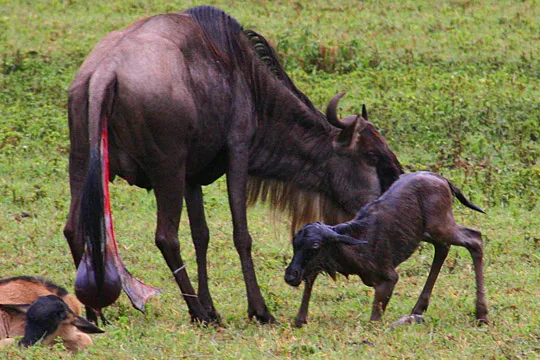
How Much Does A Serengeti Safari From Moshi Cost? 2026-2027
How Much Does a Serengeti Safari from Moshi Cost? is explained with current 2026-2027 planning, price, itinerary and booking information.
View package details
How Much Does A 2 Day Safari From Zanzibar Cost? 2026-2027
How Much Does a 2 Day Safari from Zanzibar Cost? is explained with current 2026-2027 planning, price, itinerary and booking information.
View package details
Is January Or February Better For A Ndutu Migration Safari? 2026-2027
Is January or February Better for a Ndutu Migration Safari? is explained with current 2026-2027 planning, price, itinerary and booking information.
View package detailsNo closely related package is available yet for this topic.

Our Guest Reviews, Currently Feedback from Clients in 2026
Reviews from different sources, including Google Business, Tripadvisor, other platforms, and social media.



