
For a realistic chance of witnessing the Great Migration herds plunge across the crocodile-filled waters, a minimum of 3 to 4 full days dedicated exclusively to the Northern Serengeti (Kogatende) riverbanks is strongly recommended. When translated into a complete Tanzania itinerary, travelers booking a fly-in safari need 4 to 5 total days, whereas travelers embarking on a classic overland driving route from Arusha or Kilimanjaro require 7 to 8 total days to account for the substantial 10-to-12-hour transit distance across the Ngorongoro Conservation Area and Central Serengeti. Allocating fewer than three dedicated days in the river zone turns one of nature’s most volatile behavioral spectacles into an expensive gamble.
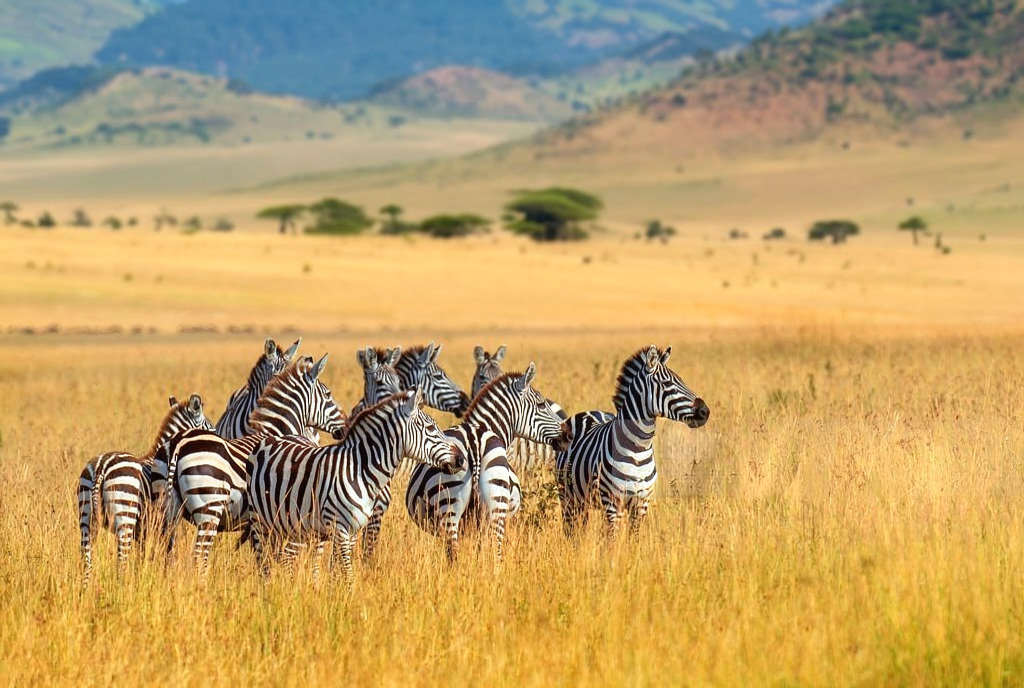

The Riverbank Math: Why Herd Psychology Requires 3 to 4 Dedicated Days
The single most pervasive misconception among travelers planning a northern Tanzania safari is assuming that wildebeest cross the Mara River on a daily, predictable timetable. In reality, the Great Migration is dictated by panic, herd pressure, predator deterrence, and environmental instinct. A mega-herd numbering tens of thousands can spend six hours marching toward a recognized crossing point, gather on the steep rocky bluffs, kick up suffocating curtains of red dust, and then abruptly wheel around and walk away because a single zebra caught the scent of a Nile crocodile or an old matriarch lost her nerve.
Witnessing a major crossing requires patience that casual three-day itineraries cannot sustain. Our field teams operating in the northern Serengeti throughout the 2026-2027 seasons frequently watch unguided or rushed private groups arrive at the river at 10:00 AM, wait sixty restless minutes, and instruct their driver to leave for a picnic lunch elsewhere, only for an explosive crossing of 15,000 animals to erupt twenty minutes later at Crossing Point 4. When you designate only one or two days to the northern sector, a morning flat tire, an early rainstorm, or a herd lingering in the rocky woodland of Lamai can completely eliminate your crossing opportunities.
If you allocate four dedicated days in the river corridor between Kogatende, the Lamai Wedge, and the western reaches toward Makutano, your statistical odds change dramatically. Over ninety-six hours in the zone, you are positioned to cover multiple morning and mid-afternoon gathering spikes. Even if day one delivers false alarms and stalled herds, day two yields a failed attempt, and day three experiences scattered movement, your window remains open for the monumental, dust-choked crossings that define this natural event.
For travelers evaluating whether to compress their schedule, understanding how many days should I spend in Serengeti National Park is the critical first benchmark. Dedicating days to the Mara River is not simply about sightseeing; it is about buying the time required for wild animals to overcome their terror of the deep water.
Fly-In vs. Overland Driving: How Route Logistics Shape Total Safari Days
How many days you require for the safari overall depends almost entirely on your mode of transport between Arusha (or Kilimanjaro Airport) and the Kogatende airstrip. The Northern Serengeti sits roughly 350 to 400 road kilometers northwest of Arusha, but those kilometers encompass washboard gravel, rocky escarpments, single-lane tracks through the Ngorongoro highlands, and speed-restricted transit zones inside Serengeti National Park.
Transport Mode Breakdown: Time Lost vs. Time at the River
- Overland Driving (Arusha to Kogatende): Requires a minimum of two full driving days in transit each way. Driving directly without an overnight stop in Central Serengeti takes 11 to 13 punishing hours in a closed 4×4, leaving travelers physically exhausted and burning park entry fees without active river time.
- Fly-In / Fly-Out (Bush Flights to Kogatende Airstrip – CUR): Takes roughly 1 hour and 45 minutes on bush carriers such as Coastal Aviation, Auric Air, or Regional Air departing Arusha Airport (ARK) or Kilimanjaro International Airport (JRO). You land directly inside the crossing zone and can be at the riverbanks within 45 minutes of touchdown.
- Hybrid Itinerary (Drive In, Fly Out): Combines Tarangire or Ngorongoro crater exploration on the outbound overland leg, drives up through Seronera over 3 days, and utilizes a one-way bush flight from Kogatende back to Arusha to reclaim a full day of wilderness time.
Travelers who insist on a 5-day overland driving safari to see the Mara River inevitably spend four of those five days staring through dusty windscreens along transit corridors, arriving at Kogatende late on the third day and departing at dawn on the fourth. If you choose an overland journey, you must budget at least 7 to 8 total days to make the drive worthwhile, allowing intermediate wildlife stops in Tarangire, Lake Manyara, or Ngorongoro before staging two to three nights in Central Serengeti and three nights in the North.
Conversely, if your overall vacation leave is tight, a 5-day fly-in safari allows you to maximize river hours. By taking an early morning scheduled flight from Arusha or Kilimanjaro straight to Kogatende Airstrip on Day 1, you can conduct game drives along crossing points 7, 8, and 9 before your first dinner in camp. Before finalizing flight connections, consider reviewing how how many days do I need for a safari from Zanzibar connects with northern domestic bush flights if your holiday pairs wildlife tracking with the coast.
Timeline Matrix: Total Safari Duration vs. Actual River Hours
The table below provides a field-tested comparison of how standard safari lengths translate into actual hours spent scanning the Mara River crossings. Understanding this distinction prevents the common pitfall of paying for an 8-day holiday that only yields six hours of true riverbank observation.
| Total Itinerary Days | Transit Strategy | Nights in Kogatende / Lamai | Dedicated River Hours | Crossing Success Probability |
|---|---|---|---|---|
| 4 Days | Fly-In / Fly-Out (JRO/ARK ↔ CUR) | 3 Nights | 22 – 28 hours | Moderate to High (70–75%) |
| 5 Days | Fly-In / Fly-Out | 4 Nights | 34 – 42 hours | Very High (85–90%) |
| 6 Days | Hybrid (Drive via Central, Fly Out) | 3 Nights | 20 – 26 hours | Moderate to High (70–75%) |
| 6 Days | Pure Overland (Drive Arusha ↔ North) | 1 to 2 Nights | 6 – 12 hours | Low to Moderate (35–45%) |
| 7 to 8 Days | Classic Overland Circuit | 3 to 4 Nights | 26 – 34 hours | High to Very High (80–88%) |
| 9 to 10 Days | Comprehensive Circuit (Overland or Fly) | 4 to 5 Nights | 38 – 48 hours | Exceptional (90–95%) |
As illustrated in the metrics above, opting for an overland drive on a 6-day timeframe severely compromises your wildlife viewing. While you may save on internal flight tickets, you spend disproportionate time sitting on transit corridors while paying compulsory TANAPA conservation fees. When planning your budget for 2026-2027, evaluate whether the cost of a domestic flight yields a far higher return on investment per hour of actual wildlife viewing.
Duration Tiers: From the 4-Day Fly-In Blitz to the 8-Day Classic Circuit
Choosing the right number of days requires balancing safari goals, physical endurance, and investment levels. Below is an honest look at how different timeframes operate on the ground.
The 4-Day Fly-In Specialist (Kogatende Only)
This streamlined itinerary is built specifically for wildlife enthusiasts and photographers whose primary goal is witnessing the crossing without spending days traveling through the rest of the northern circuit. You board an early morning domestic bush flight from Arusha or Kilimanjaro straight to Kogatende Airstrip. By lunchtime on Day 1, your vehicle is already stationed along the Mara River.
Check Availability for How Many Days Are Recommended For A Mara River Crossing Safari? 2026-2027
Ready to compare dates, prices, and the best option for your group? Send the package name and travel month so the team can reply with a clear quote, availability, and what is included.

Best Serengeti Mara River Crossing Safari Tours In August 2026-2027
Best Serengeti Mara River Crossing Safari Tours in August is explained with current 2026-2027 planning, price, itinerary and booking information.
View package detailsCan A Serengeti Safari Guide Guarantee A River Crossing Sighting? 2026-2027
A detailed travel planning assessment clarifying why no ethical safari guide can guarantee a wildebeest river crossing in the Serengeti, detailing herd dynamics, crossing points, and field...
View package details
Northern Serengeti Migration Safari With Accommodation Near Mara River
Northern Serengeti Migration Safari with Accommodation Near Mara River is explained with current 2026-2027 planning, price, itinerary and booking information.
View package details
7 Day Tanzania Great Migration Safari With Ngorongoro Crater 2026-2027
7 Day Tanzania Great Migration Safari with Ngorongoro Crater is explained with current 2026-2027 planning, price, itinerary and booking information.
View package details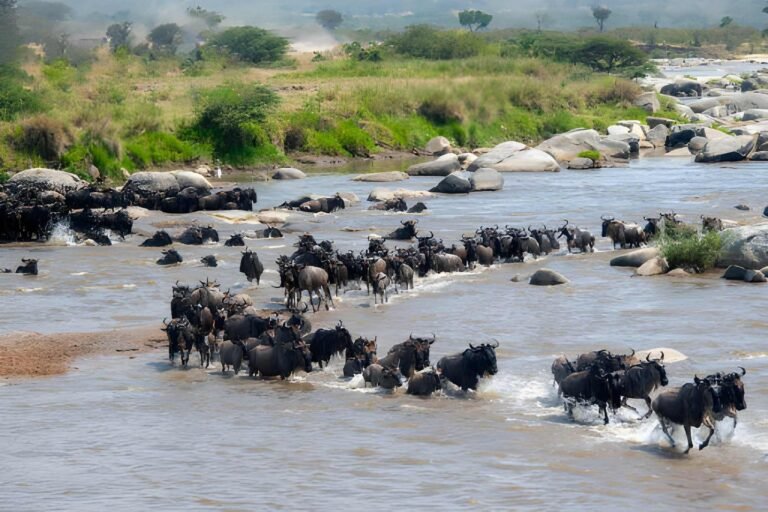
How Much Does A 5 Day Great Migration Safari Cost? 2026-2027
How Much Does a 5 Day Great Migration Safari Cost? is explained with current 2026-2027 planning, price, itinerary and booking information.
View package details
Can I Combine Tarangire And Lake Manyara In A 2 Day Safari? 2026-2027
Can I Combine Tarangire and Lake Manyara in a 2 Day Safari? is explained with current 2026-2027 planning, price, itinerary and booking information.
View package details
Is January Or February Better For A Ndutu Migration Safari? 2026-2027
Is January or February Better for a Ndutu Migration Safari? is explained with current 2026-2027 planning, price, itinerary and booking information.
View package details
4 Day Southern Serengeti Migration Safari With Tented Accommodation 2026-2027
4 Day Southern Serengeti Migration Safari with Tented Accommodation is explained with current 2026-2027 planning, price, itinerary and booking information.
View package details
Best Serengeti Safari Camps Close To Wildebeest Migration Areas 2026-2027
Best Serengeti Safari Camps Close to Wildebeest Migration Areas is explained with current 2026-2027 planning, price, itinerary and booking information.
View package detailsTanzania Great Migration Safari Packages For Wildlife Photographers 2026-2027
Tanzania Great Migration Safari Packages for Wildlife Photographers is explained with current 2026-2027 planning, price, itinerary and booking information.
View package details
6 Day Northern Serengeti Migration Safari With Luxury Tented Camps 2026-2027
6 Day Northern Serengeti Migration Safari with Luxury Tented Camps is explained with current 2026-2027 planning, price, itinerary and booking information.
View package details
Private Serengeti Migration Safari With Flexible Game Drive Schedules
Private Serengeti Migration Safari with Flexible Game Drive Schedules is explained with current 2026-2027 planning, price, itinerary and booking information.
View package detailsNo closely related package is available yet for this topic.

Our Guest Reviews, Currently Feedback from Clients in 2026
Reviews from different sources, including Google Business, Tripadvisor, other platforms, and social media.



