
A private Ndutu calving safari in Tanzania typically costs between $550 and $950 per person, per day for mid-range to upper-mid-range comfort, while high-end luxury mobile camps range from $1,100 to over $1,850 per person, per day for the 2026-2027 season. For a classic 5-day itinerary starting and finishing in Arusha or Kilimanjaro, a traveling couple should expect a total trip cost ranging from roughly $5,800 to $9,400 for mid-range accommodation, or $11,500 to $18,000+ for luxury tented camps. These rates include a dedicated 4×4 safari Land Cruiser with unlimited mileage, a professional local safari guide, conservation and transit fees for both Ngorongoro Conservation Area and Serengeti National Park, concession fees, full-board accommodation, and all internal bush transfers. The primary cost variables remain your choice of mobile migration camp versus permanent lodge, group size sharing the vehicle, and whether you fly directly into Ndutu Airstrip or drive overland via Lake Manyara or Tarangire.
Baseline Cost Tiers for a Private Ndutu Safari in 2026-2027
Planning a trip to see the great wildebeest migration during the calving season requires understanding that Ndutu is not a standard, static safari destination. From late December through March, roughly two million wildebeest, zebras, and gazelles occupy the nutrient-rich volcanic grass plains straddling the unfenced border between the southern Serengeti National Park and the western Ngorongoro Conservation Area (NCA). Because this massive biological event is concentrated in both time and space, safari operators build pricing around strictly seasonal infrastructure.
Unlike permanent circuits where lodge pricing remains relatively predictable throughout the year, Ndutu operates on high-demand peak rates throughout January, February, and March. If you are comparing quotes for travel in 2026-2027, our team at Top Guide Adventures categorizes private safari itineraries into three distinct tiers based on operational reliability, comfort levels, and location efficiency.
Standard Baseline Estimates (Per Person, Per Day, Based on 2 Travelers Sharing):
- Mid-Range Comfort: $550 – $750 per person / day (quality permanent lodges or solid seasonal tented camps, en-suite bathrooms, solar power, buffet-style hearty dining, private customized 4×4 Land Cruiser).
- Upper Mid-Range to Premium Tented: $780 – $1,100 per person / day (intimate seasonal mobile camps positioned right beside the calving herds, gourmet plated dining, personalized bush hospitality, superior canvas structures).
- Ultra-Luxury Mobile & High-End Lodges: $1,350 – $2,200+ per person / day (exclusive private conservancies, high-thread-count mobile canvas suites, top-shelf spirits, private vehicles with dedicated tracker-and-guide teams, bush flights included).
When reviewing these figures, remember that a private safari differs fundamentally from a shared group tour. In a private arrangement, you do not split your daily guide and vehicle operational overhead with strangers, nor are you bound to an inflexible daily schedule. For couples examining their overall budget, our detailed guide on how much a 5-day Tanzania safari costs for two people provides broader context across the northern parks, but Ndutu carries specific logistics that justify its unique price point.
| Safari Tier | Estimated Daily Rate (Per Person) | 5-Day Total Estimate (Couple) | Typical Accommodation Type | Best Suited For |
|---|---|---|---|---|
| Mid-Range | $550 – $750 | $5,500 – $7,500 | Ndutu Safari Lodge, Mbugani Migration Camp, Heritage Ndutu | Photographers, wildlife lovers, and practical couples seeking prime wildlife action without paying for ultra-luxury amenities. |
| Upper Mid-Range | $780 – $1,100 | $7,800 – $11,000 | Lake Ndutu Luxury Tented Lodge, Chaka Camp, Ang’ata Migration Camp | Travelers who value intimate bush ambience, smaller camp footprints, and direct proximity to the nursery plains. |
| Luxury / Premier | $1,350 – $2,100+ | $13,500 – $21,000+ | Kusini Camp, Mwiba Lodge, Olakira Migration Camp, Asilia Ubuntu | Guests requiring five-star hospitality, wilderness seclusion, off-road driving privileges in private reserves, and elite guiding services. |
The Fixed Vehicle & Guide Math: Why Group Size Dictates Per-Person Cost
A common source of confusion among safari planners is why a solo traveler pays significantly more per day than a family of four, even when sleeping in comparable rooms. The answer lies in the fixed cost of the private safari vehicle and its professional driver-guide.
A custom-built safari Land Cruiser is a heavy-duty, highly specialized machine. It features reinforced suspension, heavy off-road tires, a customized pop-up roof for 360-degree photography, an onboard inverter for charging camera batteries, a dual-battery refrigeration unit for drinking water, and high-frequency long-range radios. The cost to run this vehicle—comprising fuel, depreciation, comprehensive commercial passenger insurance, daily driver-guide fees, guide allowances, and vehicle park entry permits—remains virtually identical whether there is one person or six people seated inside.
In northern Tanzania, operating a private safari vehicle and a top-tier licensed naturalist guide costs between $300 and $450 per day before any national park fees, guest accommodations, or meals are factored into the equation. To see how this single mechanical component influences your total invoice, consider our breakdown on how much extra a private safari vehicle costs in Tanzania.
When two guests travel together, that $350 daily vehicle overhead translates to $175 per person each day. If a family of four books the same vehicle, the cost drops to roughly $87.50 per person per day. This arithmetic explains why private safaris become dramatically more cost-effective when shared among three to six family members or close friends.
Families planning their calving trip should compare our analysis on how much a Tanzania safari costs for a family of four to see how bedroom configurations (such as family tents) combine with shared transport to soften overall rates. Conversely, solo travelers should expect to absorb the entire vehicle overhead alone, which is why solo private calving safaris rarely price out below $900 per day even in modest tented camps.
The Regulatory Fee Structure: NCAA, TANAPA, and Concession Charges Explained
Ndutu occupies an unusual geographic footprint that surprises even well-researched travelers: it is located inside both the Ngorongoro Conservation Area (NCA) and the Serengeti National Park ecosystem. Lake Ndutu and Lake Masek sit squarely within the NCA side of the administrative boundary, while just a few kilometers to the west and north, you cross directly into Serengeti National Park territory managed by TANAPA (Tanzania National Parks Authority).
Because animals do not recognize administrative borders, herds drift between these zones depending on where brief localized afternoon thunderstorms drop fresh rainwater. This means an active calving safari itinerary must routinely pay conservation entry fees and concession fees across multiple management authorities.
Understanding these mandatory charges protects you from booking unrealistically low quotes that omit key entry permits or limit your game drives to only one side of the boundary line:
- NCAA Conservation Fees: As of the 2026-2027 fee structure, foreign non-resident adults pay $70.80 per 24-hour period (including statutory 18% VAT) simply to be inside the conservation area.
- TANAPA Serengeti Entry Fees: Crossing into Serengeti National Park costs $82.60 per adult per 24 hours during peak season (including 18% VAT).
- Special Camping / Concession Fees: When you stay inside a seasonal tented mobile camp or permanent lodge located within national park or conservation authority boundaries, the park authority levies a nightly bed-night concession fee. For seasonal mobile camps inside Serengeti or NCA, this fee ranges from $59 to $70.80 per adult, per night.
- Ngorongoro Crater Descent Fee: If your Ndutu itinerary includes descending into the iconic Ngorongoro Crater on your outbound or return leg, NCAA charges a separate crater service fee of $295 per vehicle per descent, regardless of how many passengers are inside. For more details on this specific stop, view our comprehensive analysis on how much an Ngorongoro Crater safari costs.
- Commercial Vehicle Entry Permits: Every safari vehicle entering NCAA and Serengeti pays daily registration fees ranging between $20 and $40 per day depending on tare weight.
When you total these statutory charges, an adult traveler staying at a mobile camp in Ndutu incurs between $140 and $180 per day in government and park authority fees alone, before accounting for a single bed, meal, glass of water, gallon of diesel, or guide salary. Operators who offer deep discounts often cut corners by shortening your permit durations, forcing the guide to exit the park prematurely, or limiting your game drives to zones where cheaper permits apply.
Mobile Migration Camps vs. Permanent Lodges in the Southern Serengeti Plains
Accommodation represents the largest variable expense on your Ndutu safari invoice. In this region, travelers generally choose between two distinct accommodation models: authentic seasonal mobile tented camps and traditional permanent masonry lodges. Each style delivers a vastly different guest experience and carries unique operational price drivers.
Seasonal Mobile Migration Camps: Premium Location at a Logistical Premium
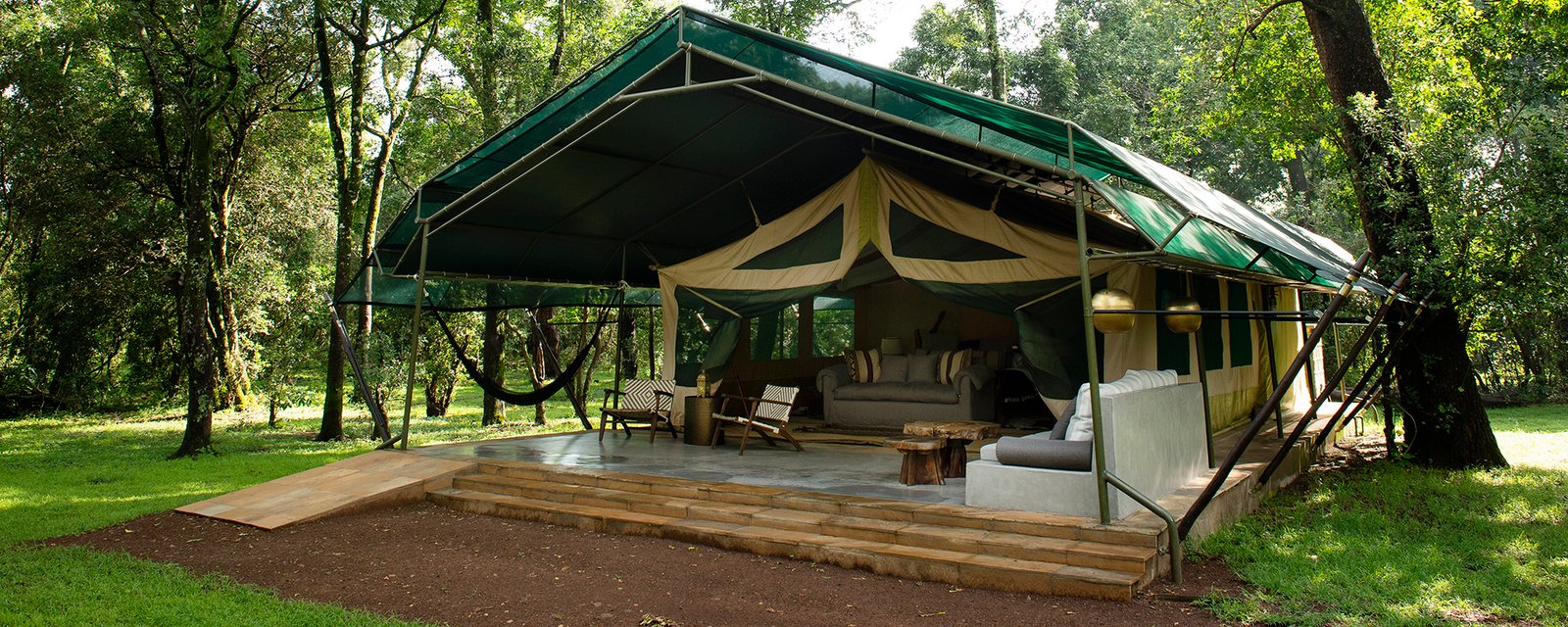
Seasonal camps are engineering marvels designed specifically around the Great Migration. Operators pack up these canvas camps twice a year, trailing the herds between northern Kogatende (July to October) and southern Ndutu (December to March). Everything from wooden floors, walk-in canvas tents, solar arrays, chemical water systems, commercial kitchen equipment, and refrigeration units must be trucked through rugged wilderness terrain, assembled, operated, and then disassembled without leaving a permanent footprint on the soil.
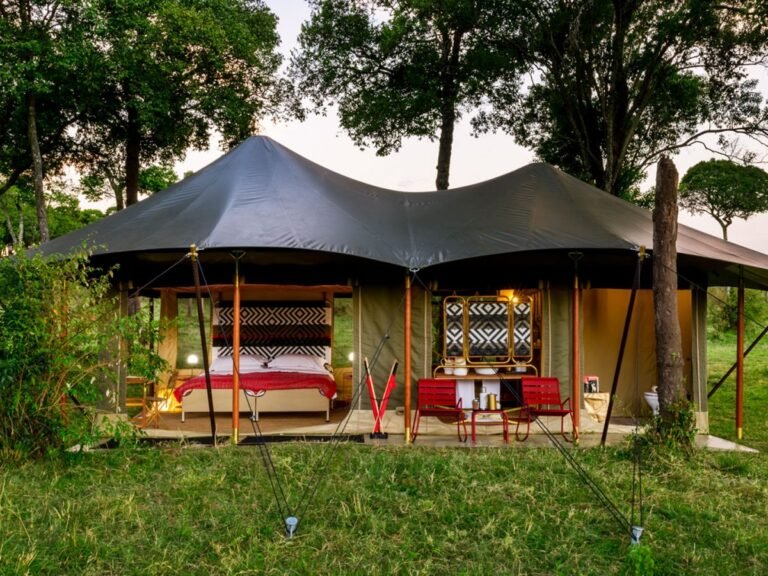
This logistical gymnastics makes mobile tented camps substantially more expensive to operate than brick-and-mortar hotels. However, their value proposition is unparalleled: they are situated directly within the nursery corridors. You can often sit on your private tent veranda at dawn, drinking freshly brewed Tanzanian coffee, watching thousands of wildebeest and newborn calves graze right outside your canvas walls.
Mid-range mobile camps like Heritage Ndutu or Mbugani Ndutu cost approximately $350 to $500 per person, per night (sharing, full board). Premium and luxury mobile options, such as Olakira, Serengeti Safari Camp, or Ubuntu, routinely command $850 to $1,400 per person, per night during the peak calving window in January, February, and March 2026-2027.
Permanent Lodges: Structural Comfort, Predictable Pricing, and High Demand
Permanent properties in the area, such as the storied Ndutu Safari Lodge (which has operated for decades overlooking Lake Ndutu) or Lake Ndutu Luxury Tented Lodge, feature solid stone or permanent timber cottages, permanent power lines or robust central generators, expansive dining halls, and well-established service infrastructure.
Permanent lodges often offer slightly lower operational overhead than mobile setups, leading to mid-range rates between $300 and $480 per person, per night on a full-board basis. The primary challenge with permanent lodges is availability: because there are only a handful of permanent licenses granted inside the Ndutu sector to protect the natural ecosystem, rooms for the peak calving period in February frequently sell out 9 to 12 months in advance. Travelers booking late are often forced into higher-priced luxury mobile camps simply because mid-range permanent rooms are exhausted.
To explore specific departure dates and seasonal pricing patterns, you can review our focused itinerary on February Ndutu wildebeest calving safari tours with prices, or compare early-season options through our guide to the best Ndutu calving season safari packages for January.
Logistics Cost Comparison: Fly-in Safari vs. Overland Circuit from Arusha
How you travel between Arusha (the safari hub of northern Tanzania) and Ndutu significantly impacts both your total financial outlay and your physical comfort. You have two primary transit strategies: an overland driving circuit or a fly-in bush safari utilizing scheduled charter aviation.
The Classic Overland Route (The Cost-Effective Multi-Park Option)
In an overland safari, your private 4×4 Land Cruiser picks you up directly from your hotel in Arusha or Moshi. You drive west across the Great Rift Valley, typically incorporating stops at Lake Manyara National Park, Tarangire National Park, or the Ngorongoro Crater rim before descending onto the sweeping plains of Ndutu. This journey spans approximately 260 to 300 kilometers from Arusha to Ndutu, taking roughly 6 to 8 hours depending on road conditions and wildlife sightings along the transit route.
Financial Impact: An overland circuit eliminates high domestic flight tickets. Because you utilize the same vehicle and driver who will guide your game drives in Ndutu, your transport budget is streamlined. However, it requires transit park fees for every park through which you drive. For two travelers on a 5-day or 6-day overland itinerary, total transport costs remain predictable, making it the most cost-effective path for those wanting to sample multiple ecosystems.
The Fly-in Safari Strategy (Maximizing Time on the Plains)
For photographers, travelers with limited vacation time, or those wishing to avoid bumpy dirt roads (colloquially known as the "African massage"), flying directly into Ndutu Airstrip (NDU) from Arusha Airport (ARK) or Kilimanjaro International Airport (JRO) is an attractive alternative.
Bush carriers like Auric Air, Coastal Aviation, and Regional Air run scheduled bush flights using Cessna Grand Caravans. A one-way flight from Arusha to Ndutu costs between $300 and $450 per person, including domestic aviation taxes. For a traveling couple, adding round-trip bush flights adds roughly $1,200 to $1,800 to the total safari invoice.
Check Availability for How Much Does A Private Ndutu Calving Safari Cost? 2026-2027
Ready to compare dates, prices, and the best option for your group? Send the package name and travel month so the team can reply with a clear quote, availability, and what is included.
How Much Does A Private Serengeti Safari Cost For Two People? 2026-2027
How Much Does a Private Serengeti Safari Cost for Two People? is explained with current 2026-2027 planning, price, itinerary and booking information.
View package details
6 Day Ndutu Serengeti And Ngorongoro Safari With Private Guide 2026-2027
6 Day Ndutu Serengeti and Ngorongoro Safari with Private Guide is explained with current 2026-2027 planning, price, itinerary and booking information.
View package details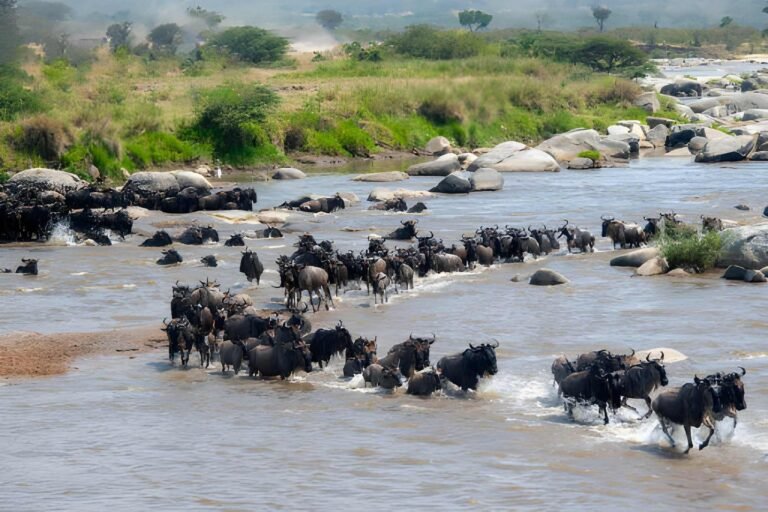
How Much Does A 5 Day Great Migration Safari Cost? 2026-2027
How Much Does a 5 Day Great Migration Safari Cost? is explained with current 2026-2027 planning, price, itinerary and booking information.
View package details
5 Day Ndutu And Serengeti Calving Season Safari Packages 2026-2027
5 Day Ndutu and Serengeti Calving Season Safari Packages is explained with current 2026-2027 planning, price, itinerary and booking information.
View package details
February Ndutu Wildebeest Calving Safari Tours With Prices 2026-2027
February 2027 Ndutu Wildebeest Calving Safari Tours with Prices is explained with current 2026-2027 planning, price, itinerary and booking information.
View package details
Best Ndutu Calving Season Safari Packages For January 2026-2027
Best Ndutu Calving Season Safari Packages for January 2027 is explained with current 2026-2027 planning, price, itinerary and booking information.
View package details
How Much Does A Ngorongoro Crater Safari Cost In ? 2026-2027
How Much Does a Ngorongoro Crater Safari Cost in 2027? is explained with current 2026-2027 planning, price, itinerary and booking information.
View package details
How Much Does A Serengeti Safari From Moshi Cost? 2026-2027
How Much Does a Serengeti Safari from Moshi Cost? is explained with current 2026-2027 planning, price, itinerary and booking information.
View package details
How Much Does A 2 Day Safari From Zanzibar Cost? 2026-2027
How Much Does a 2 Day Safari from Zanzibar Cost? is explained with current 2026-2027 planning, price, itinerary and booking information.
View package details
Tarangire Safari With Luxury Tented Camps And Private Bathrooms 2026-2027
A comprehensive buyer guide to booking a Tarangire safari with luxury tented camps featuring private en-suite flush toilets and running hot showers for 2026-2027.
View package details
Best Private Tarangire Safari Tours For Wildlife Photographers 2026-2027
Best Private Tarangire Safari Tours for Wildlife Photographers is explained with current 2026-2027 planning, price, itinerary and booking information.
View package details
Private Serengeti Migration Safari With Flexible Game Drive Schedules
Private Serengeti Migration Safari with Flexible Game Drive Schedules is explained with current 2026-2027 planning, price, itinerary and booking information.
View package detailsNo closely related package is available yet for this topic.

Our Guest Reviews, Currently Feedback from Clients in 2026
Reviews from different sources, including Google Business, Tripadvisor, other platforms, and social media.



